


Depression is often thought of as an adult problem, but children can also experience deep emotional pain, sadness, and hopelessness. Unlike adults, children usually cannot express their feelings in words, so their depression appears through changes in behavior, school performance, mood, sleep, or physical health.
Because these signs are subtle, many parents mistake them for “normal childhood behavior,” moodiness, stubbornness, or attention-seeking. Understanding these hidden symptoms can help parents identify depression early and support their child before it becomes more severe.
What Is Childhood Depression?
Childhood depression is more than temporary sadness or a bad mood.
It is a persistent emotional state that affects a child’s:
- Thoughts
- Feelings
- Behavior
- Energy levels
- Daily functioning
A child with depression may struggle in school, withdraw from friends, or lose interest in activities without being able to explain why. They often feel emotions they don’t understand—and cannot communicate the pain the way adults can.
Why Children Can’t Always Express Depression
Children may say:
- “Nothing is fun anymore.”
- “I feel weird.”
- “My tummy hurts.”
- “I don’t want to go to school.”
These are often emotional cries for help hidden behind simple words.
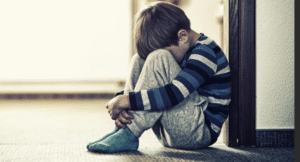
Examples of How Childhood Depression Appears in Real Life
1. Behavioral Changes: A usually cheerful child becomes irritable, quiet, or easily upset.
Example:
A child who used to enjoy playing outside now prefers sitting alone in their room, refusing to join family activities.
2. Changes in School Performance: A previously attentive student suddenly struggles with concentration or shows a drop in grades.
Example: Teachers report that the child “daydreams” or “stares at the floor,” even during interesting activities.
3. Loss of Interest in Activities: Children may lose excitement for their favorite toys, hobbies, or games.
Example: A child who loved drawing stops using their sketchbook and says, “I don’t feel like it anymore.”
4. Physical Symptoms Without Medical Cause: Depressed children often express emotional pain through physical complaints.
Example: A child frequently complains of headaches or stomachaches, especially before school or social situations, but medical tests show no physical illness.
5. Social Withdrawal: They may start avoiding friends or family, preferring to be alone.
Example: A child who once enjoyed playdates begins telling parents, “No, I don’t want to go,” or sits alone at school during lunch.
6. Emotional Sensitivity: Small issues may feel overwhelming.
Example: The child cries over a simple mistake—like spilling water—and apologizes repeatedly, saying, “I’m so stupid.”
In Short
Childhood depression affects how a child feels inside and how they behave outside.
They may not say “I’m depressed,” but their behaviors, emotions, and physical complaints speak loudly.
Understanding these hidden signs is the first step toward helping them heal.
Signs of Childhood Depression Parents Often Miss
Below are the common but easily overlooked symptoms parents may not recognize.
1. Irritability Instead of Sadness
Children rarely express depression by saying “I feel sad” or “I’m depressed.”
Instead, their emotional pain often appears through irritability, anger, or frustration, because they don’t yet have the emotional vocabulary to describe what they’re feeling inside.
How Irritability Shows Up in Depressed Children
- Frequent anger outbursts
- Snapping at parents or siblings
- Crying easily over minor issues
- Sudden mood swings
- Becoming extremely sensitive to small disappointments
To adults, these may look like misbehavior, stubbornness, or “bad attitude,” but they are often symptoms of internal emotional struggle.
Example:
A child becomes extremely upset if:
- Their daily routine changes
- They lose a game
- A parent says “No”
- They make a small mistake in homework
The child may yell, cry, or withdraw suddenly.
Parents may assume the child is being disobedient or dramatic, not realizing that the emotional reaction is coming from deep sadness, frustration, and overwhelming feelings the child doesn’t understand.
This irritability is the child’s way of expressing stress, fatigue, and inner pain that they cannot put into words.
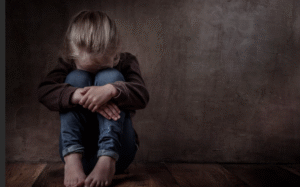
2. Withdrawal from Social Activities
Children with depression often lose interest in things they previously enjoyed. This withdrawal is not laziness or disobedience—it’s a sign that the child is struggling internally and no longer feels the motivation or energy to participate.
Common Signs of Social Withdrawal
- Avoiding playtime or sports
- Staying alone in their room for long periods
- Not wanting to meet or talk to friends
- Saying “I don’t feel like playing” or “I want to be alone”
- Turning quiet during family gatherings
- Showing less excitement about birthdays, outings, or hobbies
This withdrawal can be gradual or sudden, and many parents mistake it for “growing up,” “being shy,” or just “having a phase.” But when it persists, it may indicate depression.
Example:
A child who once loved football suddenly stops joining practice.
They may:
- Sit quietly on the sidelines
- Prefer staying indoors rather than going out
- Avoid talking about the game altogether
Parents may think the child is bored or losing interest, but often the child simply doesn’t have the emotional energy to participate, even in activities they used to love.
This kind of withdrawal is the child’s way of silently signaling emotional overwhelm.
3. Sudden Drop In School Performance
Depression affects a child’s concentration, memory, motivation, and ability to stay organized.
Because children cannot explain this internal struggle, the academic changes are often misunderstood as laziness, carelessness, or lack of discipline.
Common Academic Signs
- Incomplete homework or difficulty finishing tasks
- Lower grades, even in subjects the child previously excelled in
- Difficulty focusing during class lessons
- Teachers complaining that the child is “daydreaming,” “not paying attention,” or “distracted”
- Forgetting assignments, books, or instructions
- Slower learning pace or avoiding school altogether
These changes don’t happen because the child isn’t trying—they happen because depression makes mental tasks feel overwhelming.
Why This Happens
Depression can cause:
- Reduced motivation
- Trouble concentrating
- Poor memory recall
- Exhaustion
- Overthinking or zoning out
A simple task like writing one paragraph or solving a math problem may feel too heavy for the child.
Example:
A child who previously completed homework quickly now struggles to finish even simple assignments.
They may:
- Start writing but get stuck halfway
- Stare at the book without reading
- Forget what the teacher explained earlier
- Look lost during class
Parents or teachers might label the child as “not trying” or “becoming lazy,” but in reality, the child is battling internal sadness, low energy, and mental fatigue—all symptoms of depression.
4. Frequent Physical Complaints
Children with depression often express emotional pain through the body.
Common psychosomatic symptoms include:
- Headaches
- Stomachaches
- Nausea
- Body pain
- Fatigue
These symptoms often have no medical cause, but keep returning.
5. Sleep Disturbances
Changes in sleep patterns are a major indicator.
- Difficulty falling asleep
- Waking up frequently
- Early-morning waking
- Sleeping too much
Parents may think it’s a “sleep habit,” but it often reflects emotional distress.
6. Changes in Eating Habits
Depression can affect appetite in different ways:
- Eating too little
- Craving junk food
- Sudden weight changes
- Disinterest in meals
A child may say “I’m not hungry” even when they haven’t eaten.
7. Low Self-Esteem and Negative Self-Talk
Depressed children often have harsh inner thoughts.
- “I’m not good at anything.”
- “Nobody likes me.”
- “Always make mistakes.”
- “I’m a bad child.”
These statements reveal deep emotional pain.

8. Excessive Guilt or Sensitivity
Children may blame themselves for small things.
Examples:
- Feeling guilty if a parent is upset
- Apologizing repeatedly
- Overreacting to criticism
They may also feel responsible for things out of their control.
9. Difficulty Managing Emotions
You may notice:
- Crying easily
- Meltdowns
- Overreacting to minor problems
- Feeling overwhelmed quickly
This happens because depression lowers emotional resilience.
10. Thoughts of Running Away or Talking About Death
This is a serious warning sign, even if said casually.
Statements like:
- “I wish I could disappear.”
- “It’s better if I wasn’t here.”
- “I want to run away.”
should never be ignored.
Why Parents Often Miss These Signs
- Many symptoms look like normal childhood behavior.
- Children can hide emotions to avoid worrying parents.
- Parents might think the child is just “moody,” “lazy,” or “misbehaving.”
- Adults often underestimate how deeply children can feel pain or loneliness.
Recognizing early signs helps prevent the depression from worsening in adolescence.

What Causes Childhood Depression?
Common contributing factors include:
- Family conflict or inconsistent parenting
- Bullying or peer rejection
- Academic pressure
- Trauma, abuse, or neglect
- Parental mental health issues
- Major life changes (divorce, moving homes, loss)
- Chronic illness
- Social isolation
Sometimes, depression has no single cause—it can develop from a combination of emotional, biological, and environmental factors.
When to Seek Professional Help
You should consider counselling or psychological support if your child:
- Shows symptoms for more than two weeks
- Avoids school or activities consistently
- Has frequent mood swings or outbursts
- Talks about self-harm, death, or running away
- Withdraws from family and friends
- Struggles to function normally
Early intervention leads to better emotional development and improved long-term wellbeing.
👉 If you need guidance or wish to book a counselling session for your child, reach out here:
Contact Us – Mono Prova Counselling
How Parents Can Support a Depressed Child
- Listen without judging
- Validate their feelings (“I understand this is hard for you.”)
- Keep routines stable
- Encourage open communication
- Reduce pressure and criticism
- Spend 1-on-1 bonding time daily
- Monitor sleep, diet, and screen time
- Seek help from a psychologist or counsellor
A child doesn’t need to “toughen up”—they need understanding and emotional safety.
Final Thoughts
Childhood depression is real, common, and treatable.
The earlier parents recognize the signs, the better the healing process.
With empathy, careful observation, and professional support, children can recover, build resilience, and grow into emotionally healthy adults.
Frequently Asked Questions (FAQs)
1. What is childhood depression?
Childhood depression is a mental health condition that affects a child’s mood, behavior, and daily functioning.
2. What are the early signs of depression in children?
Irritability, withdrawal, low energy, and changes in sleep or eating habits.
3. Why do children show irritability instead of sadness?
Children often lack emotional vocabulary, so they express distress through anger or frustration.
4. Can depression affect school performance?
Yes, it can reduce concentration, memory, and motivation.
5. What are physical signs of depression in children?
Headaches, stomachaches, fatigue, and sleep disturbances.
6. What causes childhood depression?
Factors include family conflict, bullying, trauma, academic stress, and biological factors.
7. When should parents seek help?
If symptoms last more than two weeks or affect daily functioning.
8. Can childhood depression be treated?
Yes, with therapy, support, and sometimes medication.
9. How can parents support a depressed child?
By listening, validating emotions, maintaining routines, and seeking professional help.
10. Is childhood depression common?
Yes, it is more common than many people realize.
Written by Baishakhi Das
Counselor | Mental Health Practitioner
B.Sc, M.Sc, PG Diploma in Counseling
Refence
-
American Academy of Child & Adolescent Psychiatry (AACAP).
Depression Resource Center
https://www.aacap.org/AACAP/Families_and_Youth/Resource_Centers/Depression_Resource_Center/Home.aspx -
National Institute of Mental Health (NIMH).
Child and Adolescent Mental Health – Depression in Children
https://www.nimh.nih.gov/health/publications/depression-in-children-and-adolescents -
Centers for Disease Control and Prevention (CDC).
Children’s Mental Health – Depression
https://www.cdc.gov/childrensmentalhealth/depression.html - Monoprova Counselling
https://monoprovacounselling.in/about-us/ - Contact / Book Appointment
https://monoprovacounselling.in/contact/
This article is written for knowledge purposes, aiming to help readers understand the topic better and gain useful insights for learning and awareness.