


Healthy boundaries are the foundation of respectful, trusting, and emotionally balanced relationships—whether romantic, family, friendships, or professional. Yet many people struggle with setting boundaries because of fear, guilt, cultural expectations, or past experiences. Without boundaries, relationships often become draining, confusing, or even toxic. But with boundaries, relationships thrive with mutual respect, open communication, and emotional safety.
This comprehensive guide explores what boundaries are, why they matter, the different types, and how to set and maintain them—with real-life examples, psychology-backed strategies, scripts you can use, and warning signs that your boundaries are being violated.
Understanding Boundaries
What Are Boundaries?
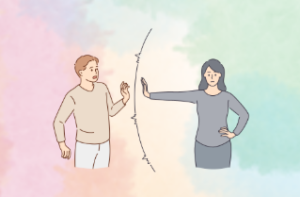
A boundary is a psychological, emotional, or physical limit that defines what you are comfortable with and what you are not. It communicates your needs, protects your well-being, and helps others understand how to treat you.
Boundaries create a clear space where you can show up authentically without fear of being controlled, disrespected, or overwhelmed.
In simple terms:
A boundary is the line you draw that says:
“This is okay for me — and this is not.”
Why Are Boundaries Important in Relationships?
Boundaries are not walls. They don’t push people away. Instead, they make relationships healthier and more sustainable.
1. Boundaries Prevent Burnout
Without boundaries, you may constantly give more than you have, leading to emotional exhaustion.
2. Boundaries Build Trust
When people know your limits, they understand how to interact with you respectfully.
3. Boundaries Strengthen Emotional Safety
Healthy boundaries protect you from manipulation, emotional dumping, and unhealthy dependency.
4. Boundaries Create Balance
Boundaries ensure that both people’s needs are valued in a relationship—not just one.
5. Boundaries Improve Communication
They encourage honest conversations about comfort, expectations, and respect.
6. Boundaries Protect Self-Esteem
When you prioritize your needs, you reinforce your self-worth.

Why People Struggle with Boundaries
Most people aren’t taught how to set boundaries. Instead, they learn to:
- Be “nice”
- Avoid disappointing others
- Put others first
- Ignore their discomfort
- Tolerate unpleasant behaviour
Psychologically, several reasons make boundaries challenging:
1. Fear of Rejection
Many worry that saying “No” will make others angry or distant.
2. Fear of Conflict
People often avoid boundaries to prevent arguments or tension.
3. Low Self-Esteem
If you believe your needs are less important, you hesitate to speak up.
4. Childhood Experiences
Growing up in families where emotions weren’t respected, or boundaries weren’t allowed, makes it difficult to set them as adults.
5. People-Pleasing Patterns
Common among individuals who equate approval with self-worth.
6. Cultural or Gender Conditioning
Certain cultures encourage self-sacrifice and silence over self-advocacy.
7. Guilt
Many feel guilty for putting themselves first—even when it’s necessary.
Types of Boundaries in Relationships
To build healthy relationships, you need clarity about the kinds of boundaries you can set.
1. Emotional Boundaries
Emotional boundaries protect your feelings and mental health.
Examples:
- “I am not comfortable discussing that topic right now.”
- “I cannot take responsibility for your emotions.”
- “I need space when I’m upset.”
When emotional boundaries are violated:
- Someone dismisses your feelings.
- Someone blames you for their mood.
- Someone emotionally overwhelms or manipulates you.
2. Physical Boundaries
These involve personal space, touch, and physical needs.
Examples:
- “I need some alone time today.”
- “I don’t like being touched without asking.”
- “I’m not comfortable sharing my room.”
Violations include:
- Unwanted touch
- Invading your privacy
- Pressuring you physically
3. Time Boundaries
These protect how you use your time and maintain balance.
Examples:
- “I can meet you for 30 minutes, not the whole evening.”
- “I’m not available after 10 PM.”
- “I need an hour after work to decompress.”
Violations include:
- Expecting immediate responses
- Showing up unannounced
- Demanding time you don’t have
4. Mental/Intellectual Boundaries
These protect your thoughts, opinions, and beliefs.
Examples:
- “I respect your opinion, but I disagree.”
- “Please don’t mock my beliefs.”
Violations include:
- Judging your ideas
- Pressuring you to think a certain way
5. Material Boundaries
These involve money, possessions, or personal belongings.
Examples:
- “I don’t lend my car.”
- “Please ask before borrowing my things.”
Violations include:
- Taking your items without permission
- Pressuring you to spend money
6. Sexual Boundaries
These relate to intimacy and consent.
Examples:
- “I’m not comfortable with this activity.”
- “Please ask before initiating sex.”
Violations include:
- Sexual pressure
- Non-consensual touch
7. Digital Boundaries
Crucial in modern relationships.
Examples:
- “I don’t share passwords.”
- “Please don’t check my phone.”
- “I need downtime without messages.”
Violations include:
- Constant calling/texting
- Checking your private messages
Signs You Need Boundaries
If any of these feel familiar, you may need stronger boundaries:
Emotional Signs
- Feeling drained after interactions
- Anxiety when someone calls or messages
- Feeling resentful toward others
- Feeling taken for granted
Behavioural Signs
- Saying “yes” when you want to say “no”
- Overcommitting
- Avoiding certain people
- Feeling controlled
Relationship Signs
- One-sided relationships
- People expecting too much
- Constant misunderstandings
- Repeated guilt-tripping
How to Set Healthy Boundaries — Step-by-Step Guide
This is the heart of the article: a detailed roadmap.
Step 1: Identify Your Limits
Ask yourself:
- What makes me uncomfortable?
- What drains my energy?
- What behaviours do I tolerate but don’t like?
- What do I need to feel respected?
Self-awareness is the first step toward boundary clarity.
Step 2: Give Yourself Permission
Remind yourself:
- Your needs matter
- You deserve respect
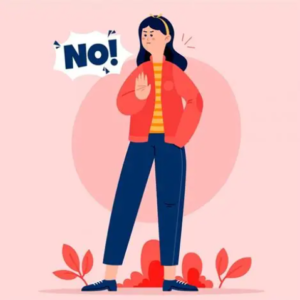
- Saying “no” is not rude
- You can’t please everyone
This mindset shift is essential for healthy boundaries.
Step 3: Communicate Boundaries Clearly
Healthy boundaries are:
- Direct
- Respectful
- Non-apologetic
- Specific
Examples of clear communication:
- “I’m not available to talk during work hours.”
- “I can help, but only for 20 minutes.”
- “Please don’t comment on my body.”
Step 4: Use “I” Statements
“I” statements reduce defensiveness.
Examples:
- “I feel overwhelmed when you call repeatedly. I need more space.”
- “I feel disrespected when my things are taken without asking.”
Step 5: Start Small
Begin with smaller boundaries, such as:
- Asking someone to knock before entering
- Saying no to a small request
- Taking time before replying to messages
Small wins build confidence.
Step 6: Stay Consistent
If you set a boundary but don’t reinforce it, others may not take it seriously.
Consistency signals you mean what you say.
Step 7: Prepare for Pushback
Boundary-setting often triggers resistance because:
- People are used to your old patterns
- Some may lose privileges they enjoyed
- Some may feel threatened by the change
But pushback doesn’t mean you’re wrong. It means your boundaries are working.
Step 8: Follow Through with Consequences
Boundaries without consequences become suggestions.
Examples:
- “If you keep yelling, I will leave the room.”
- “If you check my messages again, I will reconsider sharing my phone around you.”
- “If you cancel last minute repeatedly, I won’t make future plans.”
Scripts You Can Use in Real Life
Here are practical phrases for different situations.
1. When Someone Asks for Too Many Favors
- “I wish I could help, but I’m not available.”
- “I can help this time, but not regularly.”
2. When You Need Personal Space
- “I need some alone time to recharge.”
- “I’m feeling overwhelmed; I’ll talk later.”
3. When Someone Speaks Rudely
- “I can discuss this, but not when I’m being spoken to disrespectfully.”
4. When a Friend Dumps Emotions on You
- “I want to support you, but I don’t have the emotional capacity right now.”
5. With Family Members
- “I appreciate your concern, but this decision is mine.”
- “Please don’t comment on my weight.”
6. In Romantic Relationships
- “I need more clarity about plans; last-minute changes stress me out.”
- “I’m uncomfortable with that behaviour.”
7. At Work
- “I cannot take on additional responsibilities.”
- “Please speak to me respectfully.”
What Healthy Boundaries Look Like in Different Relationships
1. Romantic Relationships
Healthy boundaries create trust, safety, and intimacy.
Key Healthy Boundaries Include:
- Space for hobbies and friendships
- Saying no without guilt
- Privacy
- Open communication
- Respect for individuality
Couples who set boundaries report higher relationship satisfaction, according to multiple psychological studies.
2. Friendships
Healthy friendships respect:
- Time
- Energy
- Emotional availability
- Personal choices
Healthy Signs:
- You don’t fear disappointing them
- They respect your “no”
- They celebrate your boundaries
3. Family
Family relationships often involve boundary challenges due to emotional closeness and cultural expectations.
Healthy family boundaries include:
- Limiting intrusive questions
- Protecting your privacy
- Making your own decisions
- Saying “No” without guilt
4. Workplace
Professional boundaries protect your time and mental health.
Examples:
- Not checking emails after work hours
- Saying no to unpaid overtime
- Respectful communication

What Happens When You Don’t Set Boundaries
1. You Feel Drained and Overwhelmed
Constant giving leads to burnout.
2. You Experience Resentment
You feel used, unappreciated, or violated.
3. Relationships Become Unbalanced
One person gives, the other takes.
4. Your Self-Esteem Declines
Allowing poor treatment weakens self-worth.
5. You Lose Your Identity
You become what others expect rather than who you truly are.
Overcoming Guilt and Fear of Boundary Setting
Many people struggle with guilt, fear, or discomfort. Here’s how to overcome them.
1. Challenge the Belief: “I Must Please Everyone.”
This belief is unhealthy and unrealistic.
2. Accept That Discomfort is Normal
Boundaries may feel uncomfortable at first because they are new—but they are necessary.
3. Remember: You Are Responsible for Your Needs
No one can read your mind. You must communicate your needs.
4. Practice Self-Compassion
Speak to yourself kindly:
“You’re allowed to take care of yourself.”
5. Surround Yourself with People Who Respect Boundaries
Healthy people appreciate boundaries—they don’t punish you for them.
How to Maintain Boundaries
Setting a boundary once isn’t enough; maintaining it is key.
1. Reinforce Your Boundary When Needed
If someone pushes back, calmly repeat it.
2. Be Consistent with Consequences
Follow through respectfully, not aggressively.
3. Check in With Yourself
Ask:
- “Do I feel respected?”
- “Do I feel safe?”
- “Am I maintaining my limits?”
4. Practice Assertive Communication
Assertiveness is:
- Clear
- Confident
- Calm
Not aggressive.
5. Seek Support if Needed
Therapists and counselors can help unpack deep patterns.

Healthy Boundaries vs. Unhealthy Boundaries
Healthy Boundaries
- Flexible
- Respectful
- Clearly communicated
- Balanced
- Protective but not controlling
Unhealthy Boundaries
- Too rigid
- Too loose
- Based on fear or control
- Not communicated
- Violated repeatedly
Myths About Boundaries
Myth 1: Boundaries are selfish.
Truth: They protect your well-being and relationships.
Myth 2: Boundaries push people away.
Truth: They bring the right people closer.
Myth 3: If someone loves you, they should just know your boundaries.
Truth: No one can read minds.
Myth 4: Boundaries cause conflict.
Truth: They actually reduce conflict long-term.
Boundary Red Flags — Signs Someone Will Not Respect Your Boundaries
- Frequent guilt-tripping
- Ignoring your “no”
- Acting offended when you set limits
- Manipulation
- Passive-aggressive responses
- Blaming you for their feelings
If someone consistently disrespects boundaries, it may indicate a toxic dynamic.
Setting Boundaries While Still Being Kind
You can be both firm and kind.
Healthy boundary-setting tone includes:
- Calm voice
- Respectful language
- No blame
- No apologies for needs
- Clear expectations
Long-Term Benefits of Healthy Boundaries
When you commit to healthy boundaries, your life changes.
1. Stronger Self-Worth
You stop tolerating disrespect.
2. Better Mental Health
Reduced anxiety, resentment, and emotional burden.
3. Healthier Relationships
People understand what you expect and value.
4. More Time and Energy
You prioritize what truly matters.
5. Sense of Independence
You live life on your terms.
6. Emotional Freedom
You are no longer controlled by fear or guilt.
Boundaries Are an Act of Self-Love
Setting healthy boundaries is one of the most powerful forms of self-care. It helps you build relationships that are emotionally safe, respectful, and fulfilling. Boundaries protect your needs, your mental health, your time, and your identity. They ensure your relationships support you—not drain you.
Whether you are just starting or rebuilding after years of people-pleasing, remember:
🌿 You deserve respect.
🌿 Your needs matter.
🌿 Saying “no” is your right.
🌿 You can set boundaries without losing love.
🌿 The people meant for you will honour your limits.
Healthy boundaries don’t just improve relationships—they transform your entire life.
Reference
-
APA (American Psychological Association):
https://www.apa.org/topics -
Cleveland Clinic:
https://my.clevelandclinic.org/health -
Verywell Mind articles on boundaries:
https://www.verywellmind.com -
National Institute of Mental Health (NIMH):
https://www.nimh.nih.gov/ - Contact Us
2 Replies to “How to Set Healthy Boundaries in Relationships: A Complete Guide to Protect Your Emotional Well-Being”