How to Deal With Feeling “Not Good Enough”

Feeling “not good enough” is one of the most painful emotional experiences a person can go through. It’s quiet, invisible, and deeply personal. You may look confident to the world—yet silently, a voice inside whispers:

“You’re not capable.”
“You don’t deserve this.”
“Others are better than you.”
“You will fail.”

This inner feeling does not come from weakness. It’s a psychological wound born from experiences that shaped your self-worth. And the good news? It can be healed.

This article explains why you feel this way, how it affects your life, and evidence-based strategies to overcome the “not good enough” mindset and rebuild healthy self-worth.

What Does “Not Good Enough” Really Mean?

Feeling “not good enough” is not a fact—it’s a belief.
This belief often becomes a core part of your identity, making you view yourself negatively regardless of evidence.

It can show up as:

  • Self-doubt: Questioning your abilities even when you’re capable

  • Perfectionism: Believing anything less than perfect means failure

  • Fear of failure: Avoiding opportunities to avoid disappointment

  • Fear of rejection: Assuming you’ll be judged or abandoned

  • Social comparison: Constantly measuring yourself against others

  • People-pleasing: Trying to earn worth through approval

  • Overthinking: Replaying mistakes or imagining worst-case scenarios

These patterns slowly erode your confidence and make your inner critic louder.

Why Do You Feel This Way?

Common Psychological Roots**

The belief “I’m not good enough” rarely appears without reason. It usually develops over years through repeated emotional experiences.

2.1 Childhood Messages

Many people form this belief unconsciously in childhood. Examples:

  • Parents who were too critical or demanding

  • Expectations to excel academically or behave perfectly

  • Emotional neglect (“no one cares about what I feel”)

  • Comparisons with siblings or other children

  • Feeling unseen, unheard, or invalidated

  • Perfectionist family environment

These experiences teach the child:
“I must be perfect to be loved.”

This becomes the adult belief:
“If I’m not perfect, I’m not good enough.”

2.2 Trauma and Emotional Wounds

Emotional wounds such as rejection, bullying, betrayal, or humiliation can deeply damage self-worth.

Examples:

  • A relationship where someone made you feel unlovable

  • A teacher who mocked your abilities

  • A workplace where your efforts were undervalued

  • Childhood emotional abuse or neglect

These painful experiences create lasting psychological imprints that carry into adulthood.

2.3 Social Comparison

In the age of Instagram, achievement culture, and unrealistic beauty standards, comparing yourself with others becomes effortless—and toxic.

You may think:

  • “Their life is perfect. Mine isn’t.”

  • “They have achieved more than me.”

  • “I should be doing better by now.”

But comparison is rarely fair. You compare your behind-the-scenes to someone else’s highlight reel.

2.4 Perfectionism

Perfectionism is one of the strongest predictors of low self-worth.

Perfectionists believe:

  • Anything less than perfect is failure

  • People will judge them for mistakes

  • They must constantly prove their worth

This creates chronic stress, burnout, and constant pressure to do more—never allowing space for self-acceptance.

2.5 Negative Self-Talk

Over time, external criticism becomes internal.
You begin talking to yourself the way others talked to you.

Thoughts like:
“I’m so stupid.” “I always fail.” “Why can’t I do anything right?”

This internal voice becomes a mental prison that reinforces low self-worth.

Signs You Might Feel “Not Good Enough”

People who struggle with this feeling often show subtle behavioral and emotional patterns.

3.1 Emotional Signs

  • Chronic self-doubt

  • Anxiety about performance

  • Feeling like an “imposter”

  • Emotionally sensitive to criticism

  • Shame or guilt for small mistakes

3.2 Behavioral Signs

  • Overworking to prove worth

  • Procrastination out of fear

  • Avoiding challenges

  • People-pleasing

  • Staying in toxic relationships

  • Difficulty setting boundaries

3.3 Relationship Signs

  • Fear of abandonment

  • Seeking validation

  • Over-apologizing

  • Accepting disrespectful behavior

If you relate to these signs, you’re not alone—millions experience the same pattern, and it can be changed.

How “Not Good Enough” Affects Your Life

This belief is not just an emotion; it impacts every area of your life.

4.1 Work & Career

  • You may avoid leadership roles

  • You feel like an imposter

  • You fear making mistakes

  • You hesitate to ask for promotions

  • You underestimate your abilities

4.2 Relationships

  • You may settle for less than you deserve

  • You fear rejection or abandonment

  • You stay silent to avoid conflict

  • You give more than you receive

4.3 Mental Health

Long-term feelings of inadequacy can lead to:

  • Anxiety

  • Depression

  • Burnout

  • Chronic stress

  • Emotional exhaustion

Understanding the damage this belief causes is the first step toward healing.

How to Deal With Feeling “Not Good Enough”

Evidence-Based Strategies**

Healing self-worth is not about forcing positive thinking.
It’s about rewiring old beliefs, healing emotional wounds, and building new patterns.

Below are 12 powerful, psychology-backed steps to overcome the “not good enough” feeling.

1. Identify Where the Belief Started

Ask yourself:

  • When did I first feel “not good enough”?

  • Who made me feel this way?

  • What experiences taught me I had to earn worth?

Understanding the origin helps you separate your authentic self from the wounded self.

2. Practice Inner Child Healing

Many feelings of unworthiness belong to your younger self.

Inner child work involves:

  • Recognising your wounded inner child

  • Allowing yourself to feel emotions you suppressed

  • Reparenting yourself with compassion

  • Speaking to yourself the way a loving caregiver would

Tell your inner child:

“You are enough. You deserved love then, and you deserve it now.”

3. Challenge Negative Core Beliefs

When you think:

  • “I’m not good enough”

  • “I always fail”

  • “I don’t deserve this”

Ask yourself:

  • Is this objectively true?

  • What evidence contradicts it?

  • Would I say this to a friend?

Most negative beliefs collapse when questioned.

4. Stop Comparing Your Journey to Others

Comparison is a trap.

Instead:

  • Compete with your past self, not others

  • Celebrate your progress

  • Remember that everyone struggles—even those who seem “perfect”

Your worth is not defined by where others are.

5. Set Realistic Expectations

Perfectionism creates unrealistic standards.

Instead of asking:

  • “How can I be perfect?”

Ask:

  • “What is good enough for today?”

  • “What is one step I can take?”

Small, consistent progress builds confidence.

6. Practice Self-Compassion

Self-compassion is a proven tool for improving mental health.

It involves:

  • Kindness: Treating yourself like someone you care about

  • Common humanity: Realizing everyone makes mistakes

  • Mindfulness: Observing thoughts without judgment

Self-compassion rewires your inner voice from critical to supportive.

7. Reduce People-Pleasing

People-pleasing comes from the belief:

“If others approve of me, I am worthy.”

To break this pattern:

  • Start saying “no” to small things

  • Set simple boundaries

  • Prioritize your needs without guilt

You don’t need to earn worth through sacrifice.

8. Build Emotional Resilience

Resilient people don’t believe they must be perfect.
They believe they can handle challenges.

Build resilience through:

  • Journaling

  • Gratitude exercises

  • Mindfulness

  • Healthy routines

  • Emotional regulation

The stronger your inner foundation, the less external criticism hurts you.

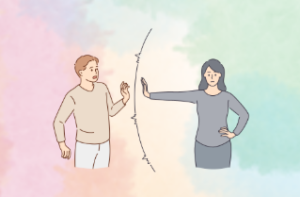
9. Surround Yourself With Supportive People

The people around you influence your self-worth.

Choose people who:

  • Appreciate you

  • Respect your boundaries

  • Encourage your growth

  • Celebrate your successes

Avoid people who constantly criticize, belittle, or manipulate you.
10. Allow Yourself to Make Mistakes

Mistakes do not define your worth—they define your growth.

Reframe mistakes as:

  • Lessons

  • Data

  • Feedback

  • Opportunities

Every mistake is a step toward improvement.

11. Focus on Your Strengths

You have strengths—even if you don’t see them clearly.

Write down:

  • What you’re good at

  • Compliments you receive

  • Achievements you’re proud of

  • Skills you’ve developed

Your mind naturally focuses on flaws; you must intentionally notice strengths.

12. Seek Therapy When Needed

Talking to a professional can help you:

  • Heal childhood wounds

  • Build a healthier self-concept

  • Rewire negative thinking

  • Process trauma

  • Develop self-worth

Therapy is not a sign of weakness. It’s a sign of strength.

The Psychology Behind Self-Worth

Self-worth is built on three pillars:

1. Self-Image

How you see yourself.

2. Self-Compassion

How you treat yourself.

3. Self-Efficacy

Your belief in your ability to handle challenges.

Strengthening these pillars helps rebuild a confident, grounded sense of self.

What To Tell Yourself When You Feel “Not Good Enough”

Use these affirmations intentionally:

  • “I am enough just as I am.”

  • “I don’t have to be perfect to be worthy.”

  • “My value is not decided by others.”

  • “I accept myself fully.”

  • “I deserve love, respect, and happiness.”

  • “Progress is more important than perfection.”

Repeating these helps rewrite old beliefs.

How to Build Long-Term Self-Worth

Self-worth is not built in a day.
It grows through consistent habits.

Daily habits:

  • 5 minutes of journaling

  • 10 minutes of mindfulness

  • Affirmations

  • Gratitude practice

  • Setting one small goal

Weekly habits:

  • Digital detox from comparison

  • Self-care routines

  • Boundary check-ins

Monthly habits:

  • Reflect on achievements

  • Track progress

  • Celebrate growth

These habits slowly strengthen your inner foundation.

You Are More Than Your Doubts

Feeling “not good enough” is a learned belief—not your identity.
You were born worthy.
You have value simply because you exist.

Healing takes time, but every small shift rewires your mind toward self-acceptance.

Remember:

You do not need to earn your worth.
You already have it.

Conclusion

Feeling “not good enough” is painful, but it is not permanent.
It comes from old experiences, unmet emotional needs, and internalized criticism—but with awareness, compassion, and consistent effort, you can free yourself from this pattern.

When you:

  • Heal your inner child

  • Challenge negative beliefs

  • Stop comparing yourself

  • Practice self-compassion

  • Build resilience

  • Surround yourself with healthy people

…you begin to see yourself differently—not as someone who must prove their worth, but as someone who already is worthy.

You are enough.
You have always been enough.

Reference

 

Inner Child Healing: What It Is & Why It Matters

Introduction

Every adult carries within them a collection of memories, emotional experiences, beliefs, and impressions formed during childhood. Some of these early experiences are nurturing—moments of love, safety, and encouragement. Others are painful—rejection, scolding, neglect, abandonment, or trauma that the child did not understand. Although we grow up physically, parts of our emotional world remain rooted in these early experiences. These tender, sensitive, unprocessed layers are often described as the inner child.

Inner child healing is the process of recognizing, understanding, and nurturing those younger emotional parts of ourselves. It helps us reconnect with the unmet needs, unresolved feelings, and forgotten memories that still influence how we think, feel, and behave today.

This article explores the concept of the inner child, the signs of an inner child wound, the science behind emotional healing, how this affects relationships, and evidence-based practices to heal and reconnect with your inner self.

What Is the Inner Child?

The inner child is not a literal child inside you. It is a psychological and emotional construct representing:

  • Your childhood memories

  • Your early beliefs about yourself and the world

  • Your emotional responses formed during development

  • Your vulnerability, creativity, innocence, and spontaneity

  • Your unhealed wounds and unmet needs

Psychologists often use similar concepts—such as Freud’s “child ego state” or Carl Jung’s “divine child archetype”—to explain how early experiences influence adult personality.

Your inner child carries both:

1. The Wounded Child

This part holds:

  • Childhood pain or trauma

  • Fear, shame, guilt, insecurity

  • Feelings of being unwanted or unworthy

  • Suppressed emotions

2. The Free Child

This part carries:

  • Joy and curiosity

  • Creativity and imagination

  • Playfulness

  • Authentic expression

Inner child healing is about integrating these parts, not eliminating them. You learn to give your past self what you needed but did not receive—validation, care, safety, compassion, and boundaries.

Why the Inner Child Matters in Adulthood

Even if past experiences are forgotten consciously, the body keeps emotional memories. Childhood shapes:

  • Your attachment style

  • Self-esteem

  • Coping mechanisms

  • Beliefs about love, success, and safety

  • How you react to conflict or stress

  • How you handle emotions

When these childhood imprints are unprocessed, the inner child sends signals through behaviors, emotions, or triggers.

Examples:

  • Feeling rejected when someone says “no” → childhood abandonment wound

  • Feeling unworthy of success → childhood criticism or lack of validation

  • People-pleasing → fear of punishment or disapproval growing up

  • Difficulty expressing needs → was not allowed to speak or be heard as a child

This is why healing the inner child is essential for emotional freedom and a healthier adult life.

Signs Your Inner Child May Be Wounded

A wounded inner child shows up through patterns, reactions, and emotional struggles. Here are key signs:

A. Emotional Signs

  • Overreacting to small conflicts or criticism

  • Intense fear of rejection or abandonment

  • Feeling unloved, unseen, or not “good enough”

  • Deep guilt or shame

  • Emotional numbness or disconnection

  • Difficulty regulating emotions

B. Behavioral Patterns

  • People-pleasing

  • Self-sabotaging behavior

  • Avoidance of intimacy

  • Perfectionism

  • Overworking to feel worthy

  • Impulsivity or escapism

C. Relationship Problems

  • Fear of vulnerability

  • Trust issues

  • Attachment anxiety or avoidance

  • Clinging or pushing partners away

  • Choosing emotionally unavailable people

D. Physical & Somatic Signs

  • Chronic tension in body

  • Anxiety in chest or stomach

  • Feeling “small,” frozen, or scared

If any of these resonate, your inner child may be asking for healing.

How Inner Child Wounds Are Formed

Inner child wounds develop due to unmet emotional needs, not just physical or severe abuse. Even the most caring parents can inadvertently create wounds due to:

  • Emotional neglect

  • Excessive criticism

  • High expectations

  • Parental conflict

  • Being compared with siblings

  • Bullying

  • Lack of affection

  • Growing up too fast

  • Being shamed for emotions (“Stop crying! Don’t be dramatic!”)

  • Inconsistent parenting

Trauma does not always come from major events—it can form quietly, through chronic emotional deprivation.

Types of Childhood Wounds:

  1. Abandonment wound

  2. Rejection wound

  3. Injustice wound

  4. Trust wound

  5. Humiliation wound

  6. Neglect wound

Each wound influences adult behavior in predictable ways. For example:

  • Abandonment wound → clingy or avoidant relationships

  • Rejection wound → fear of expressing needs

  • Humiliation wound → excessive shame

Understanding your wound is the first step toward healing.

The Psychology & Neuroscience Behind Inner Child Work

Inner child healing is not just a spiritual or emotional idea—it has scientific grounding.

1. Memory Encoding in the Brain

During childhood, the brain is still developing. Emotional experiences embed strongly in the amygdala and limbic system, which manage emotional memory.

When a similar situation arises in adulthood, the brain reacts as it did in childhood—often with fear, anger, or withdrawal.

2. Attachment Theory

John Bowlby and Mary Ainsworth showed that childhood attachment patterns create templates for adult relationships.

Inner child healing helps shift unhealthy attachment patterns by reparenting the self.

3. Neuroplasticity

The brain can rewire itself throughout life. By nurturing the inner child, one can form new emotional pathways:

  • From shame → to acceptance

  • From fear → to safety

  • From self-criticism → to self-compassion

4. Somatic Memory

The body retains unprocessed trauma. Techniques like grounding, breathwork, and somatic experiencing help release stored tension linked to childhood pain.

What Happens if the Inner Child Is Not Healed?

Unhealed childhood wounds lead to emotional and interpersonal struggles:

A. Emotional Consequences

  • Anxiety, depression, low self-worth

  • Chronic guilt or self-blame

  • Difficulty trusting oneself

B. Relationship Consequences

  • Codependency

  • Controlling or avoidant behaviors

  • Attracting toxic or unavailable partners

C. Life Choices

  • Staying in unfulfilling jobs due to fear

  • Self-sabotage in career or finances

  • Difficulty taking risks or believing in oneself

D. Self-Identity

  • Confusion about personal boundaries

  • Inability to express needs

  • A harsh inner critic

Healing the inner child breaks these cycles and creates emotional freedom.

How Inner Child Healing Works

Inner child healing works through a combination of awareness, emotional processing, self-compassion, and reparenting.

Step 1: Awareness & Identification

This involves recognizing:

  • Your childhood story

  • Your wounds

  • Patterns repeating in adulthood

  • Emotions you suppress

Journaling and introspection are useful here.

Step 2: Connecting With the Inner Child

This means visualizing or imagining your younger self and building a compassionate internal relationship.
You learn to:

  • Listen

  • Validate

  • Understand their fears and needs

Step 3: Emotional Release

Healing requires allowing emotions that were suppressed during childhood:

  • Crying

  • Expressing anger

  • Speaking unspoken thoughts

  • Feeling sadness

This is done safely—often with therapeutic guidance.

Step 4: Reparenting the Inner Child

Reparenting means giving your inner child the care, guidance, and boundaries you did not receive.

You become the adult your younger self needed.

Reparenting includes:

  • Self-soothing

  • Self-validation

  • Setting healthy boundaries

  • Protecting your emotional space

  • Practicing self-compassion

Step 5: Integration

This is where the wounded child and the adult self work together.
You learn to:

  • Respond, not react

  • Make conscious decisions

  • Build healthy relationships

  • Express needs clearly

This integration leads to emotional maturity and stability.

Practical Tools for Inner Child Healing

Here are evidence-based strategies used in therapy:

1. Inner Child Journaling

Prompts you can use:

  • “What did I need as a child that I did not receive?”

  • “When do I feel small or scared?”

  • “What triggers remind me of childhood?”

  • “What would I say to my younger self today?”

Journaling brings clarity and emotional awareness.

2. Visualization & Guided Meditation

This involves imagining:

  • Your younger self

  • A safe space

  • Giving them comfort and reassurance

Visualizations help rewire emotional memory.

3. Writing a Letter to Your Inner Child

A nurturing letter might include:

  • “I see you.”

  • “I believe you.”

  • “It wasn’t your fault.”

  • “You deserved love, care, and safety.”

This supports emotional validation.

4. Reparenting Practices

Examples:

  • Celebrating small achievements

  • Speaking kindly to yourself

  • Staying consistent with self-care

  • Setting boundaries

  • Allowing time for rest and play

Reparenting heals self-worth and emotional security.

5. Affirmations for Inner Child Healing

  • “I am safe now.”

  • “My feelings matter.”

  • “I am allowed to rest.”

  • “I deserve love and kindness.”

Use gentle, validating language.

6. Somatic Practices

Since childhood trauma lives in the body:

  • Breathwork

  • Body scanning

  • Movement therapy

  • Grounding exercises

These help release stored tension.

7. Art, Music, and Creative Expression

Children express emotions through creativity.
Drawing, painting, singing, or dancing can reconnect you with emotional freedom.

8. Therapy Approaches That Support Inner Child Work

  • Inner child therapy

  • Schema therapy

  • EMDR

  • Cognitive Behavioral Therapy

  • Somatic Experiencing

  • Attachment-based therapy

A therapist can guide deep emotional healing in a structured, safe way.

How Inner Child Healing Improves Your Relationship with Yourself

Inner child healing transforms self-perception by helping you:

1. Build Self-Compassion

You understand the root of your behaviors and stop blaming yourself.

2. Silence the Inner Critic

The harsh, punishing voice becomes softer and kinder.

3. Develop Emotional Regulation

You learn to soothe fear instead of reacting impulsively.

4. Strengthen Self-Worth

You begin believing you deserve love, rest, success, and happiness.

5. Break Old Patterns

Self-awareness helps you choose consciously, not act from childhood conditioning.

How Inner Child Healing Transforms Relationships

Healing your inner child can dramatically improve how you relate to others.

A. Better Communication

You express needs without fear and listen without defensiveness.

B. Healthier Attachment

Fear-based relationships transform into secure and emotionally stable bonds.

C. Improved Conflict Resolution

Triggers reduce, and you respond more calmly.

D. Increased Intimacy

Vulnerability becomes safer, enabling deeper connection.

E. Breaking Toxic Cycles

You stop attracting emotionally unavailable or controlling partners.

F. Setting Healthy Boundaries

You learn to say no without guilt.

Inner child healing is therefore a relationship healing process as well—starting from the relationship with yourself.

Common Myths About Inner Child Healing

Myth 1: It’s only for people with trauma.

Truth: Everyone has childhood wounds, even from healthy families.

Myth 2: It’s about blaming parents.

Truth: It’s about understanding, not blaming. Healing is for you, not your parents.

Myth 3: It’s “childish” or unnecessary.

Truth: Emotional maturity requires addressing unmet childhood needs.

Myth 4: It’s too painful to look back.

Truth: Healing is painful, but remaining unhealed is even harder.

How to Know Your Inner Child Is Healing

You may notice:

  • Reduced emotional triggers

  • Less people-pleasing

  • Increased confidence and self-worth

  • Ability to say no

  • Better relationships

  • Feeling calmer and grounded

  • Clearer boundaries

  • More joy and creativity

Healing is not a linear process. It is a lifelong, gentle relationship with yourself.

Inner Child Healing for Parents & Caregivers

Healing your own inner child positively affects your parenting style. You become:

  • More emotionally aware

  • Less reactive

  • More empathetic

  • Better at boundary-setting

  • More consistent

  • More patient and compassionate

A healed parent raises emotionally secure children.

Inner Child Healing & Cultural Context

In many cultures, especially in South Asia, emotional needs are often dismissed:

  • “Don’t cry.”

  • “Be strong.”

  • “What will people say?”

  • “You must obey elders without question.”

As a result, adults grow up learning to suppress feelings.
Inner child healing challenges these generational patterns and encourages emotional growth.

Steps to Start Your Own Inner Child Healing Journey

Here is a structured 10-step path:

  1. Acknowledge your inner child exists

  2. Identify your wounds and emotional triggers

  3. Build awareness through journaling

  4. Create a safe inner space through visualization

  5. Revisit childhood memories gently

  6. Allow emotional expression

  7. Practice self-validation

  8. Develop reparenting habits

  9. Set boundaries with harmful people

  10. Seek therapeutic support when needed

Healing requires patience, compassion, and consistency.

Conclusion: Why Inner Child Healing Truly Matters

Inner child healing is not about living in the past. It is about freeing your present and empowering your future.

When you heal your inner child:

  • You cultivate emotional resilience

  • You strengthen self-worth

  • You unlearn harmful patterns

  • You build healthier relationships

  • You develop a deeper connection with yourself

  • You finally allow yourself to experience peace, joy, and authenticity

Everyone deserves a second chance at childhood—not through reliving it, but through healing the child who is still waiting to be seen, heard, and loved.

Your inner child holds your deepest wounds—but also your greatest potential.
Healing begins the moment you say, “I am ready to take care of you now.”

Reference

1. American Psychological Association (APA) – Childhood & Trauma Resources

https://www.apa.org/topics/trauma

2. National Institute of Mental Health (NIMH) – Trauma & Stress Disorders

https://www.nimh.nih.gov/health/topics/trauma-and-violence

3. Verywell Mind – Inner Child Healing & Therapy Articles

https://www.verywellmind.com/inner-child-work-7484127

4. Cleveland Clinic – Emotional Health & Trauma

https://my.clevelandclinic.org/health/articles/trauma

5. Psychology Today – Inner Child & Emotional Healing

https://www.psychologytoday.com/us/basics/inner-child

6. Setting Healthy Boundaries

7. Emotional Resilience Building


How to Set Healthy Boundaries in Relationships: A Complete Guide to Protect Your Emotional Well-Being

Healthy boundaries are the foundation of respectful, trusting, and emotionally balanced relationships—whether romantic, family, friendships, or professional. Yet many people struggle with setting boundaries because of fear, guilt, cultural expectations, or past experiences. Without boundaries, relationships often become draining, confusing, or even toxic. But with boundaries, relationships thrive with mutual respect, open communication, and emotional safety.

This comprehensive guide explores what boundaries are, why they matter, the different types, and how to set and maintain them—with real-life examples, psychology-backed strategies, scripts you can use, and warning signs that your boundaries are being violated.

Understanding Boundaries

What Are Boundaries?

A boundary is a psychological, emotional, or physical limit that defines what you are comfortable with and what you are not. It communicates your needs, protects your well-being, and helps others understand how to treat you.

Boundaries create a clear space where you can show up authentically without fear of being controlled, disrespected, or overwhelmed.

In simple terms:

A boundary is the line you draw that says:
“This is okay for me — and this is not.”

Why Are Boundaries Important in Relationships?

Boundaries are not walls. They don’t push people away. Instead, they make relationships healthier and more sustainable.

1. Boundaries Prevent Burnout

Without boundaries, you may constantly give more than you have, leading to emotional exhaustion.

2. Boundaries Build Trust

When people know your limits, they understand how to interact with you respectfully.

3. Boundaries Strengthen Emotional Safety

Healthy boundaries protect you from manipulation, emotional dumping, and unhealthy dependency.

4. Boundaries Create Balance

Boundaries ensure that both people’s needs are valued in a relationship—not just one.

5. Boundaries Improve Communication

They encourage honest conversations about comfort, expectations, and respect.

6. Boundaries Protect Self-Esteem

When you prioritize your needs, you reinforce your self-worth.

Why People Struggle with Boundaries

Most people aren’t taught how to set boundaries. Instead, they learn to:

  • Be “nice”

  • Avoid disappointing others

  • Put others first

  • Ignore their discomfort

  • Tolerate unpleasant behaviour

Psychologically, several reasons make boundaries challenging:

1. Fear of Rejection

Many worry that saying “No” will make others angry or distant.

2. Fear of Conflict

People often avoid boundaries to prevent arguments or tension.

3. Low Self-Esteem

If you believe your needs are less important, you hesitate to speak up.

4. Childhood Experiences

Growing up in families where emotions weren’t respected, or boundaries weren’t allowed, makes it difficult to set them as adults.

5. People-Pleasing Patterns

Common among individuals who equate approval with self-worth.

6. Cultural or Gender Conditioning

Certain cultures encourage self-sacrifice and silence over self-advocacy.

7. Guilt

Many feel guilty for putting themselves first—even when it’s necessary.

Types of Boundaries in Relationships

To build healthy relationships, you need clarity about the kinds of boundaries you can set.

1. Emotional Boundaries

Emotional boundaries protect your feelings and mental health.

Examples:

  • “I am not comfortable discussing that topic right now.”

  • “I cannot take responsibility for your emotions.”

  • “I need space when I’m upset.”

When emotional boundaries are violated:

  • Someone dismisses your feelings.

  • Someone blames you for their mood.

  • Someone emotionally overwhelms or manipulates you.

2. Physical Boundaries

These involve personal space, touch, and physical needs.

Examples:

  • “I need some alone time today.”

  • “I don’t like being touched without asking.”

  • “I’m not comfortable sharing my room.”

Violations include:

  • Unwanted touch

  • Invading your privacy

  • Pressuring you physically

3. Time Boundaries

These protect how you use your time and maintain balance.

Examples:

  • “I can meet you for 30 minutes, not the whole evening.”

  • “I’m not available after 10 PM.”

  • “I need an hour after work to decompress.”

Violations include:

  • Expecting immediate responses

  • Showing up unannounced

  • Demanding time you don’t have

4. Mental/Intellectual Boundaries

These protect your thoughts, opinions, and beliefs.

Examples:

  • “I respect your opinion, but I disagree.”

  • “Please don’t mock my beliefs.”

Violations include:

  • Judging your ideas

  • Pressuring you to think a certain way

5. Material Boundaries

These involve money, possessions, or personal belongings.

Examples:

  • “I don’t lend my car.”

  • “Please ask before borrowing my things.”

Violations include:

  • Taking your items without permission

  • Pressuring you to spend money

6. Sexual Boundaries

These relate to intimacy and consent.

Examples:

  • “I’m not comfortable with this activity.”

  • “Please ask before initiating sex.”

Violations include:

  • Sexual pressure

  • Non-consensual touch

7. Digital Boundaries

Crucial in modern relationships.

Examples:

  • “I don’t share passwords.”

  • “Please don’t check my phone.”

  • “I need downtime without messages.”

Violations include:

  • Constant calling/texting

  • Checking your private messages

Signs You Need Boundaries

If any of these feel familiar, you may need stronger boundaries:

Emotional Signs

  • Feeling drained after interactions

  • Anxiety when someone calls or messages

  • Feeling resentful toward others

  • Feeling taken for granted

Behavioural Signs

  • Saying “yes” when you want to say “no”

  • Overcommitting

  • Avoiding certain people

  • Feeling controlled

Relationship Signs

  • One-sided relationships

  • People expecting too much

  • Constant misunderstandings

  • Repeated guilt-tripping

How to Set Healthy Boundaries — Step-by-Step Guide

This is the heart of the article: a detailed roadmap.

Step 1: Identify Your Limits

Ask yourself:

  • What makes me uncomfortable?

  • What drains my energy?

  • What behaviours do I tolerate but don’t like?

  • What do I need to feel respected?

Self-awareness is the first step toward boundary clarity.

Step 2: Give Yourself Permission

Remind yourself:

  • Your needs matter

  • You deserve respect

  • Saying “no” is not rude

  • You can’t please everyone

This mindset shift is essential for healthy boundaries.

Step 3: Communicate Boundaries Clearly

Healthy boundaries are:

  • Direct

  • Respectful

  • Non-apologetic

  • Specific

Examples of clear communication:

  • “I’m not available to talk during work hours.”

  • “I can help, but only for 20 minutes.”

  • “Please don’t comment on my body.”

Step 4: Use “I” Statements

“I” statements reduce defensiveness.

Examples:

  • “I feel overwhelmed when you call repeatedly. I need more space.”

  • “I feel disrespected when my things are taken without asking.”

Step 5: Start Small

Begin with smaller boundaries, such as:

  • Asking someone to knock before entering

  • Saying no to a small request

  • Taking time before replying to messages

Small wins build confidence.

Step 6: Stay Consistent

If you set a boundary but don’t reinforce it, others may not take it seriously.

Consistency signals you mean what you say.

Step 7: Prepare for Pushback

Boundary-setting often triggers resistance because:

  • People are used to your old patterns

  • Some may lose privileges they enjoyed

  • Some may feel threatened by the change

But pushback doesn’t mean you’re wrong. It means your boundaries are working.

Step 8: Follow Through with Consequences

Boundaries without consequences become suggestions.

Examples:

  • “If you keep yelling, I will leave the room.”

  • “If you check my messages again, I will reconsider sharing my phone around you.”

  • “If you cancel last minute repeatedly, I won’t make future plans.”


Scripts You Can Use in Real Life

Here are practical phrases for different situations.

1. When Someone Asks for Too Many Favors

  • “I wish I could help, but I’m not available.”

  • “I can help this time, but not regularly.”

2. When You Need Personal Space

  • “I need some alone time to recharge.”

  • “I’m feeling overwhelmed; I’ll talk later.”

3. When Someone Speaks Rudely

  • “I can discuss this, but not when I’m being spoken to disrespectfully.”

4. When a Friend Dumps Emotions on You

  • “I want to support you, but I don’t have the emotional capacity right now.”

5. With Family Members

  • “I appreciate your concern, but this decision is mine.”

  • “Please don’t comment on my weight.”

6. In Romantic Relationships

  • “I need more clarity about plans; last-minute changes stress me out.”

  • “I’m uncomfortable with that behaviour.”

7. At Work

  • “I cannot take on additional responsibilities.”

  • “Please speak to me respectfully.”

What Healthy Boundaries Look Like in Different Relationships

1. Romantic Relationships

Healthy boundaries create trust, safety, and intimacy.

Key Healthy Boundaries Include:

  • Space for hobbies and friendships

  • Saying no without guilt

  • Privacy

  • Open communication

  • Respect for individuality

Couples who set boundaries report higher relationship satisfaction, according to multiple psychological studies.

2. Friendships

Healthy friendships respect:

  • Time

  • Energy

  • Emotional availability

  • Personal choices

Healthy Signs:

  • You don’t fear disappointing them

  • They respect your “no”

  • They celebrate your boundaries

3. Family

Family relationships often involve boundary challenges due to emotional closeness and cultural expectations.

Healthy family boundaries include:

  • Limiting intrusive questions

  • Protecting your privacy

  • Making your own decisions

  • Saying “No” without guilt

4. Workplace

Professional boundaries protect your time and mental health.

Examples:

  • Not checking emails after work hours

  • Saying no to unpaid overtime

  • Respectful communication

What Happens When You Don’t Set Boundaries

1. You Feel Drained and Overwhelmed

Constant giving leads to burnout.

2. You Experience Resentment

You feel used, unappreciated, or violated.

3. Relationships Become Unbalanced

One person gives, the other takes.

4. Your Self-Esteem Declines

Allowing poor treatment weakens self-worth.

5. You Lose Your Identity

You become what others expect rather than who you truly are.

Overcoming Guilt and Fear of Boundary Setting

Many people struggle with guilt, fear, or discomfort. Here’s how to overcome them.

1. Challenge the Belief: “I Must Please Everyone.”

This belief is unhealthy and unrealistic.

2. Accept That Discomfort is Normal

Boundaries may feel uncomfortable at first because they are new—but they are necessary.

3. Remember: You Are Responsible for Your Needs

No one can read your mind. You must communicate your needs.

4. Practice Self-Compassion

Speak to yourself kindly:
“You’re allowed to take care of yourself.”

5. Surround Yourself with People Who Respect Boundaries

Healthy people appreciate boundaries—they don’t punish you for them.

How to Maintain Boundaries

Setting a boundary once isn’t enough; maintaining it is key.

1. Reinforce Your Boundary When Needed

If someone pushes back, calmly repeat it.

2. Be Consistent with Consequences

Follow through respectfully, not aggressively.

3. Check in With Yourself

Ask:

  • “Do I feel respected?”

  • “Do I feel safe?”

  • “Am I maintaining my limits?”

4. Practice Assertive Communication

Assertiveness is:

  • Clear

  • Confident

  • Calm

Not aggressive.

5. Seek Support if Needed

Therapists and counselors can help unpack deep patterns.

Healthy Boundaries vs. Unhealthy Boundaries

Healthy Boundaries

  • Flexible

  • Respectful

  • Clearly communicated

  • Balanced

  • Protective but not controlling

Unhealthy Boundaries

  • Too rigid

  • Too loose

  • Based on fear or control

  • Not communicated

  • Violated repeatedly

Myths About Boundaries

Myth 1: Boundaries are selfish.

Truth: They protect your well-being and relationships.

Myth 2: Boundaries push people away.

Truth: They bring the right people closer.

Myth 3: If someone loves you, they should just know your boundaries.

Truth: No one can read minds.

Myth 4: Boundaries cause conflict.

Truth: They actually reduce conflict long-term.

Boundary Red Flags — Signs Someone Will Not Respect Your Boundaries

  • Frequent guilt-tripping

  • Ignoring your “no”

  • Acting offended when you set limits

  • Manipulation

  • Passive-aggressive responses

  • Blaming you for their feelings

If someone consistently disrespects boundaries, it may indicate a toxic dynamic.

Setting Boundaries While Still Being Kind

You can be both firm and kind.
Healthy boundary-setting tone includes:

  • Calm voice

  • Respectful language

  • No blame

  • No apologies for needs

  • Clear expectations

Long-Term Benefits of Healthy Boundaries

When you commit to healthy boundaries, your life changes.

1. Stronger Self-Worth

You stop tolerating disrespect.

2. Better Mental Health

Reduced anxiety, resentment, and emotional burden.

3. Healthier Relationships

People understand what you expect and value.

4. More Time and Energy

You prioritize what truly matters.

5. Sense of Independence

You live life on your terms.

6. Emotional Freedom

You are no longer controlled by fear or guilt.

Boundaries Are an Act of Self-Love

Setting healthy boundaries is one of the most powerful forms of self-care. It helps you build relationships that are emotionally safe, respectful, and fulfilling. Boundaries protect your needs, your mental health, your time, and your identity. They ensure your relationships support you—not drain you.

Whether you are just starting or rebuilding after years of people-pleasing, remember:

🌿 You deserve respect.
🌿 Your needs matter.
🌿 Saying “no” is your right.
🌿 You can set boundaries without losing love.
🌿 The people meant for you will honour your limits.

Healthy boundaries don’t just improve relationships—they transform your entire life.

Reference

Self-Esteem vs Self-Confidence: Know the Difference (Therapist-Backed Guide)

Most people use the terms self-esteem and self-confidence interchangeably. But psychologically, they are not the same. Understanding the difference is crucial if you want to build genuine emotional strength, healthier relationships, and lasting mental well-being.

In therapy, I often meet people who appear confident on the outside — they speak well, achieve goals, and seem socially active — but internally, they struggle with self-worth, fear of judgment, and feelings of “not being enough.” This happens because confidence and esteem develop differently, serve different purposes, and require different healing paths.

In this detailed guide, you’ll learn exactly what sets them apart, how to assess your own levels, and how to improve both in a balanced way.

1. What Is Self-Esteem?

Self-esteem refers to your internal sense of worth. It’s the emotional foundation that shapes how you view yourself, how you judge your value, and how you believe others perceive you.

It answers the question:
“Do I believe I am worthy, lovable, and enough?”

Key Features of Self-Esteem:

  • Deeply rooted and long-lasting

  • Formed through childhood experiences, relationships, and internal beliefs

  • Impacts how you handle failure, criticism, and rejection

  • Influences emotional resilience and mental health

  • Connected to self-respect, identity, and personal boundaries

Healthy Self-Esteem Looks Like:

  • You accept yourself despite imperfections

  • You treat yourself with compassion

  • You don’t tie your worth to achievements

  • You maintain boundaries without guilt

  • You can handle criticism without breaking down

Low Self-Esteem Looks Like:

  • Constant self-doubt and negative self-talk

  • Feeling “not good enough” compared to others

  • Fear of rejection or abandonment

  • Difficulty saying “no”

  • Seeking validation to feel valued

  • Sensitivity to criticism

Self-esteem is who you believe you are at your core.

2. What Is Self-Confidence?

Self-confidence refers to your belief in your abilities and skills. It’s about how capable you feel in specific areas like work, academics, relationships, or social situations.

It answers the question:
“Do I believe I can do this?”

Key Features of Self-Confidence:

  • Task-specific and can vary from situation to situation

  • Learned through experience, practice, and accomplishment

  • Visible through behaviour and performance

  • Influences decision-making and risk-taking

  • Easier to build through training and skill development

Healthy Self-Confidence Looks Like:

  • You believe you can learn new skills

  • You take initiative and try new things

  • You set and achieve goals

  • You bounce back after setbacks

  • You trust your abilities without arrogance

Low Self-Confidence Looks Like:

  • Fear of trying because of possible failure

  • Hesitating to speak up

  • Avoiding challenges

  • Over-relying on others

  • Underestimating your abilities

Self-confidence is what you think you can do.

3. Key Differences Between Self-Esteem and Self-Confidence

Though connected, they are far from identical. Here’s a breakdown:

Self-Esteem Self-Confidence
Sense of self-worth Sense of ability
Emotional Behavioural
More stable Changes with situation
Rooted in beliefs and identity Rooted in skills and experience
Developed early in life Developed through learning and practice
Affects emotional health Affects performance
Harder to build quickly Easier to build with action
Internal (“I am enough”) External (“I can do this”)

A person can be confident but have low self-esteem — and vice versa.

4. Can You Have Confidence Without Self-Esteem? Absolutely.

This is more common than people realize.

For example:

  • A successful teacher may deliver powerful lectures but still feel unlovable in relationships.

  • A skilled college student may top exams yet feel worthless when comparing themselves to others.

  • A CEO may appear bold in meetings but secretly fear rejection or failure.

These people are highly confident in skills but low in inner worth.

This creates:

  • emotional insecurity

  • people-pleasing

  • perfectionism

  • burnout

  • fear of vulnerability

They perform well but suffer internally.

5. Can You Have Self-Esteem Without Confidence? Yes.

Some people feel fundamentally worthy and secure in who they are, but they may lack confidence in certain areas.

For example:

  • A person may love and value themselves but fear public speaking.

  • Someone may have strong self-worth but avoid trying a new skill.

These individuals are emotionally healthy but may hesitate in performance-based situations.

6. How Childhood Shapes Self-Esteem and Self-Confidence

Self-Esteem Is Built Through:

  • consistent love

  • emotional validation

  • being accepted as you are

  • secure attachment

  • support during failures

  • respectful communication

When parents are critical, dismissive, or unpredictable, children internalize:
“I am not enough.”

Self-Confidence Is Built Through:

  • encouragement to try new things

  • celebrating effort, not results

  • opportunities to learn

  • freedom to experiment

  • guidance without overprotection

When children aren’t allowed to try, they internalize:
“I can’t do this.”

7. Signs You Have High Confidence but Low Self-Esteem

This is called the performance–worth gap.

You may notice:

  • You achieve a lot but still feel insecure

  • You fear others discovering your “flaws”

  • You take criticism personally

  • You depend on praise to feel good

  • You feel empty after success

  • You hide your struggles

  • You feel like an imposter

This can lead to anxiety, perfectionism, and burnout.

8. Signs You Have High Self-Esteem but Low Confidence

You may notice:

  • You know your worth but avoid new challenges

  • You don’t doubt your identity but hesitate in skills

  • You prefer staying in your comfort zone

  • You worry about failing even though you respect yourself

  • You struggle with assertiveness

This can limit growth but doesn’t harm emotional health.

9. Why Both Are Important for Mental Well-Being

To thrive emotionally and professionally, you need both:

Having Confidence Without Esteem Leads To:

  • burnout

  • anxiety

  • poor boundaries

  • emotional dependence

  • fear of failure

Having Esteem Without Confidence Leads To:

  • missed opportunities

  • limited professional growth

  • fear of trying new things

To live a balanced, resilient life, self-worth and self-belief must work together.

10. How to Build Genuine Self-Esteem (Therapist-Backed)

1. Practice Self-Compassion

Replace self-criticism with validation and kindness.

2. Challenge Negative Core Beliefs

Identify internal beliefs like:

  • “I am not enough.”

  • “No one will accept me.”

Then dispute them.

3. Build Healthy Boundaries

Saying “no” is a powerful way to honour your worth.

4. Stop Comparing Yourself

Comparison creates insecurity, even when you’re achieving a lot.

5. Surround Yourself With Respectful People

Esteem grows in emotionally safe environments.

6. Heal Past Experiences

Therapy helps address childhood wounds that shaped your self-image.

7. Practice Identity-Affirming Habits

For example:

  • positive affirmations

  • gratitude journaling

  • self-acceptance exercises

Self-esteem is slow but deep work.

11. How to Build Strong Self-Confidence (Skill-Based)

1. Start Small and Master One Skill

Confidence grows through action.

2. Set Achievable Goals

Break tasks into smaller steps.

3. Track Your Progress

Seeing improvement boosts self-belief.

4. Face Your Fears Gradually

Expose yourself to challenges step-by-step.

5. Learn New Skills Continuously

Skill development builds capability.

6. Celebrate Small Wins

Acknowledging success strengthens confidence.

7. Improve Body Language

Posture, eye contact, and tone directly influence confidence.

Confidence grows faster than esteem because it’s experience-based.

12. The Ideal Zone: High Self-Esteem + High Self-Confidence

When both are strong, life becomes more balanced:

You Are Able To:

  • take risks without fear

  • handle failure with resilience

  • navigate relationships with clarity

  • perform well without pressure

  • make decisions confidently

  • enjoy success without self-doubt

This combination creates emotional stability, inner peace, and personal power.

13. How Both Work Together

Think of self-esteem and self-confidence like the roots and branches of a tree:

  • Self-esteem is the root. It supports your identity, emotional health, and self-worth.

  • Self-confidence is the branch. It allows growth, action, and skill development.

Roots without branches = strong identity but no outward impact
Branches without roots = big achievements but unstable emotional life

A healthy life requires both.

14. Final Thoughts

Self-esteem and self-confidence may sound similar, but they shape completely different aspects of your life. Confidence helps you perform, while esteem helps you feel valued.

If you build both intentionally, you become emotionally stronger, more resilient, and more capable of navigating life’s challenges.

You don’t need to be perfect — you only need to understand yourself and take small, consistent steps toward growth.

Reference

1. American Psychological Association (APA) – Self-Esteem
https://dictionary.apa.org/self-esteem

2. APA – Self-Confidence
https://dictionary.apa.org/self-confidence

3. National Institute of Mental Health (NIMH) – Mental Health Information
https://www.nimh.nih.gov/health

4. Mayo Clinic – Mental Health & Well-being
https://www.mayoclinic.org/healthy-lifestyle

5. Contact Us

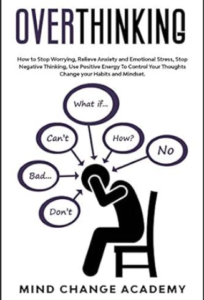
How to Stop Overthinking: Therapist-Backed Methods

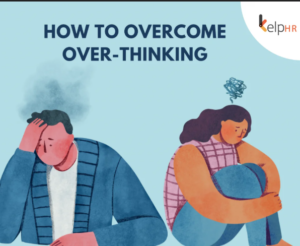
Overthinking feels like a mental trap — your mind gets stuck replaying past events, imagining worst-case scenarios, or analysing situations until you feel emotionally drained. While thinking itself isn’t a problem, thinking too much becomes harmful when it leads to anxiety, self-doubt, insomnia, or difficulty making decisions.

As a therapist, I often explain that overthinking isn’t a personality flaw — it’s a habit, and like all habits, it can be unlearned with the right strategies. Here are scientifically supported, therapist-backed ways to break the cycle.

1. Understand What Overthinking Really Is

Overthinking is not just “thinking too much”—it’s thinking in ways that increase stress instead of solving problems. Psychologists usually divide it into two major patterns: rumination and worrying. Both look similar from the outside, but they affect your brain and emotions differently.

Rumination (Past-Focused Overthinking)

Rumination means mentally replaying past events over and over, often with a sense of guilt, shame, or self-blame. Instead of learning from the past, the mind gets stuck in a loop.

How Rumination Sounds:

  • “Why did I say that?”

  • “I should have handled it better.”

  • “What if I hadn’t made that mistake?”

  • “People must be judging me.”

Why It Happens:

Rumination is usually triggered by:

  • unresolved conflicts

  • embarrassment or regret

  • fear of repeating mistakes

  • perfectionism

  • low self-esteem

Psychologically, the mind believes that replaying the incident will help “fix” it, but in reality, it only deepens emotional pain.

Impact on the Mind:

Rumination keeps your nervous system activated, making the brain re-experience old stress as if it’s happening again. Over time, this increases the risk of:

  • anxiety

  • depression

  • self-criticism

  • difficulty letting go of past events

It feels like driving with your eyes stuck on the rear-view mirror—you can’t move forward safely.

Worrying (Future-Focused Overthinking)

Worrying is the mental habit of imagining negative outcomes before they even happen. It revolves around fear, uncertainty, and the desire to control the future.

How Worrying Sounds:

  • “What if something goes wrong?”

  • “What if I can’t handle it?”

  • “What if they misunderstand me?”

  • “What if I lose this opportunity?”

Why It Happens:

People worry because the brain tries to “prepare” for possible threats or avoid failure. It’s a survival mechanism that has become overactive.

Common triggers include:

  • upcoming decisions

  • health concerns

  • financial stress

  • relationship doubts

  • fear of the unknown

Impact on the Mind:

Worrying puts your body in a state of constant “fight-or-flight.” This leads to:

  • racing thoughts

  • muscle tension

  • sleep problems

  • difficulty concentrating

  • decision paralysis

Instead of protecting you, worrying makes the future feel more dangerous than it is.

Why Both Are Harmful

Even though rumination looks backward and worrying looks forward, both create similar emotional and physical effects. They:

  • increase cortisol, the stress hormone

  • disturb sleep cycles

  • reduce clarity and problem-solving ability

  • increase anxiety, irritability, and emotional exhaustion

  • make small issues feel much bigger

Think of overthinking as a mental whirlpool—the more you struggle inside it, the deeper you sink.

2. Identify the Trigger Before You Control It

Like any emotional habit, overthinking starts with a trigger — something that sets your mind in motion.
Therapists often ask clients to pause when they notice:

  • Physical signs: tight chest, restlessness, rapid heart rate

  • Mental cues: repeating thoughts, indecisiveness, fear of mistakes

  • Situational triggers: conflict, deadlines, social interactions

Awareness is the first step to breaking the loop.

3. Challenge Your Thoughts (CBT Technique)

Cognitive Behavioural Therapy (CBT) teaches that thoughts are not facts.
When a thought feels overwhelming, ask:

  • Is this actually true?

  • What evidence supports this thought?

  • What evidence goes against it?

  • If a friend felt this, what would I tell them?

This reframing reduces emotional intensity and stops catastrophic thinking.

4. Use the “Worry Window” Method

Instead of trying to stop worrying altogether — which usually backfires — therapists often recommend scheduling it.

How it works:

  1. Choose a 10–15 minute slot each day (e.g., 6:30–6:45 pm).

  2. When intrusive thoughts appear, tell yourself:
    “I’ll think about this during my worry time.”

  3. When the window ends, stop and redirect your mind.

This trains your brain to contain your worries.

5. Break the Thought-Loop With Grounding Techniques

Overthinking keeps you in your head.
Grounding brings you back to the present.

Try one of these:

• 5–4–3–2–1 sensory method

Identify 5 things you see, 4 you can touch, 3 you hear, 2 you smell, 1 you taste.

• Deep breathing (4–7–8 method)

Inhale 4 sec → hold 7 sec → exhale 8 sec.

• Physical grounding

Hold something cold, walk barefoot, stretch your body.

These techniques interrupt mental spirals instantly.

6. Switch to “Problem-Solving Mode”

Overthinking keeps you stuck.
Problem-solving moves you forward.

Ask yourself:

  • What part of this situation is in my control?

  • What concrete action can I take in the next 24 hours?

  • What would be a small first step?

Action reduces anxiety more effectively than thinking.

7. Practice the “Thought Parking Lot” for Bedtime Overthinking

Night-time overthinking is common because the brain is finally quiet.

What to do:

Keep a notebook beside your bed.
When a thought arises, write it down as if you’re “parking” it.
This tells your mind that the thought is stored safely and doesn’t need to stay active.

8. Set Boundaries With Yourself

Some common boundaries:

  • Limit how long you analyse a decision (e.g., 30 minutes).

  • Avoid re-checking messages multiple times.

  • Don’t revisit past conversations unless it helps growth.

Healthy boundaries reduce the mental space for overthinking.

9. Reduce Cognitive Load

Overthinking worsens when your brain is overloaded.

Strategies:

  • Keep a simple daily routine

  • Declutter your environment

  • Use lists instead of storing tasks in your mind

  • Prioritize what truly matters

A lighter mind is less likely to spiral.

10. Build Emotional Tolerance

Many people overthink because they fear negative emotions:

  • rejection

  • uncertainty

  • failure

  • imperfection

Therapy teaches you to tolerate discomfort instead of trying to mentally control everything.

Ask:
“What feeling am I trying to avoid right now?”

Naming the emotion reduces its power.

11. Lower Perfectionism

Perfectionism fuels overthinking:

  • “I must get this right.”

  • “What if I make a mistake?”

Shift to:
“Done is better than perfect.”
or
“I can improve as I go.”

Progress matters more than flawless outcomes.

12. Strengthen Mindfulness and Self-Compassion

Mindfulness teaches you to observe thoughts without getting stuck in them.
Self-compassion teaches you to treat yourself kindly during struggles.

Try:

  • 5-minute mindfulness meditation

  • Affirmations like:
    “It’s okay not to have all the answers today.”

  • Appreciating small wins

People who practice self-kindness overthink less.

13. Know When to Seek Professional Support

Reach out to a therapist if overthinking:

  • affects sleep

  • impacts work or relationships

  • leads to anxiety or panic

  • causes physical symptoms

  • makes decision-making extremely difficult

Therapy can help identify deeper roots such as trauma, rejection sensitivity, or chronic stress.

Final Thoughts

You can’t stop thoughts from appearing — but you can stop letting them dominate your life. Overthinking reduces when you build awareness, challenge unhelpful patterns, and replace them with healthier mental habits.

Small, consistent steps create profound change.
Choose one technique today and practise it daily — your mind will slowly learn to rest.

Reference

1. American Psychological Association (APA) – Anxiety & Overthinking

https://www.apa.org/topics/anxiety

2. National Institute of Mental Health (NIMH) – Generalized Anxiety & Worry

https://www.nimh.nih.gov/health/topics/generalized-anxiety-disorder-gad

3. Mayo Clinic – Anxiety Disorders Overview

https://www.mayoclinic.org/diseases-conditions/anxiety/symptoms-causes/syc-20350961

4. Mind UK – Anxiety & Worry Support

https://www.mind.org.uk/information-support/types-of-mental-health-problems/anxiety-and-panic-attacks/

5. Emotional Resilience

6. Contact Us


Cognitive Distortions: 10 Thinking Errors That Affect Mental Health

Our thoughts influence how we feel, how we behave, and how we experience the world around us. But sometimes, the mind creates patterns that feel true — even when they are not. These inaccurate or irrational ways of thinking, known as cognitive distortions, can shape our perception in unhelpful ways.

When these distorted thoughts become frequent, they can intensify stress, anxiety, depression, self-doubt, and even relationship conflicts. The reassuring part is that cognitive distortions are learned habits, which means they can also be unlearned.

By becoming aware of these thinking errors and understanding how they operate, we can challenge them, reframe our thoughts, and develop a more balanced, emotionally healthy mindset.

Below are ten common cognitive distortions that many people experience — and how each one impacts mental well-being.

1. All-or-Nothing Thinking (Black-and-White Thinking)

This distortion makes you see the world in two extremes — success or failure, perfect or terrible, all good or all bad. There is no space for “in-between,” nuance, or gradual improvement.

Detailed Example:
A student scores 85/100 and thinks, “If it’s not 100, it’s worthless.”
A parent thinks, “If I lose my temper once, I’m a bad parent.”

Why It Happens:
Often rooted in perfectionism, childhood expectations, or fear of judgment.

Deeper Impact:
— Constant pressure to excel
— Fear of mistakes leads to avoidance
— Damages self-esteem because perfection is impossible
— Can lead to procrastination (“If I can’t do it perfectly, I won’t start”)

2. Overgeneralization

One negative event becomes a pattern in your mind. You believe a single setback predicts your entire future.

Detailed Example:
A relationship ends, and you think, “People always leave me. I will never be loved.”

Why It Happens:
The brain tries to “protect” you by assuming danger based on limited evidence.

Deeper Impact:
— Creates hopelessness and helplessness
— Fuels depressive thinking patterns
— Stops people from trying again or taking healthy risks
— Encourages beliefs like “I always fail” or “Nothing ever works out for me”

3. Mental Filtering

You filter out positive experiences and highlight the negative ones — like seeing life through a dark lens.

Detailed Example:
You receive praise from your boss but focus only on the one suggestion for improvement.

Why It Happens:
Humans have a natural “negativity bias.” The brain pays more attention to threats or criticisms.

Deeper Impact:
— You feel “never good enough”
— Leads to chronic stress, dissatisfaction, and low confidence
— Difficult to celebrate achievements
— Creates a pessimistic worldview

4. Catastrophizing

You immediately jump to the worst possible outcome, even when the situation is mild.

Detailed Example:
A child doesn’t pick up the phone and the parent thinks, “Something terrible must have happened.”

Why It Happens:
Linked to anxiety, fear conditioning, and past trauma where worst-case scenarios were real.

Deeper Impact:
— The body stays in constant fight-or-flight mode
— Severe overthinking
— Inability to make decisions because everything feels risky
— Intensifies anxiety disorders and health anxiety

5. Mind Reading

You assume you know what others think — usually something negative — without checking the facts.

Detailed Example:
Someone looks serious, and you assume, “They are judging me.”

Why It Happens:
Stems from insecurity, past rejection, or fear of conflict.

Deeper Impact:
— Creates unnecessary misunderstandings
— Prevents open communication
— Triggers social anxiety
— Causes emotional distance in relationships

6. Emotional Reasoning

You believe your emotional reactions reflect truth.
If you feel fear → something is dangerous.
If you feel guilty → you must have done wrong.

Detailed Example:
Feeling overwhelmed and thinking, “I can’t handle this,” even though you have handled similar situations before.

Why It Happens:
Emotions are powerful and immediate; the brain assumes they must be facts.

Deeper Impact:
— Poor judgment
— Difficulty separating feelings from reality
— Emotional burnout
— Increases impulsive decisions

7. Should Statements

These are rigid rules and expectations you impose on yourself or others.
“I should…”
“I must…”
“They ought to…”

Detailed Example:
“I should never feel anxious.”
“I must always be productive.”

Why It Happens:
Often learned from strict upbringing, cultural expectations, or internalised pressure to meet standards.

Deeper Impact:
— Constant guilt, shame, or frustration
— Harsh self-talk
— Strained relationships due to unrealistic expectations
— Reduces flexibility and self-acceptance

8. Personalization

You take responsibility for things you are not responsible for.
You blame yourself for events outside your control.

Detailed Example:
A friend is quiet, and you think, “I must have upset her.”

Why It Happens:
Common in people with low self-esteem, people-pleasing tendencies, or childhood environments where they felt overly responsible.

Deeper Impact:
— Excess guilt
— Emotional exhaustion
— Over-apologizing
— Difficulty setting boundaries

9. Labeling

Instead of describing a mistake, you label your entire identity negatively.

Detailed Example:
Instead of “I made a mistake,” you say, “I’m useless.”

Why It Happens:
Black-and-white thinking combined with low self-esteem.

Deeper Impact:
— Deep emotional wounds
— Identity becomes tied to failure
— Prevents personal growth or change
— Can lead to depression or learned helplessness

10. Discounting the Positive

You dismiss your strengths, efforts, or accomplishments as unimportant or accidental.

Detailed Example:
A client compliments your hard work, and you say, “It was nothing.”

Why It Happens:
Common in people with imposter syndrome, low confidence, or a history of invalidation.

Deeper Impact:
— Chronic low self-worth
— Difficulty recognising progress
— Loss of motivation to improve
— Dependence on external validation

How Cognitive Distortions Affect Mental Health

When these thinking errors occur repeatedly, they begin to shape how we interpret the world. Over time, cognitive distortions can:

Intensify stress and anxiety by making situations seem more threatening or overwhelming than they truly are
Fuel depression by reinforcing hopeless, negative beliefs about oneself, others, and the future
Increase self-criticism as the mind focuses more on flaws than strengths
Create or worsen relationship conflicts due to misinterpretations, assumptions, and emotional overreactions
Reduce problem-solving abilities because distorted thinking limits perspective and blocks rational decision-making

Gradually, these patterns form a negative mental filter, making it harder to see possibilities, strengths, or balanced viewpoints. Distorted thinking doesn’t just affect mood — it influences behaviour, relationships, productivity, and overall emotional well-being. The more these patterns go unchallenged, the more automatic they become, quietly shaping daily life in ways we often don’t recognize.


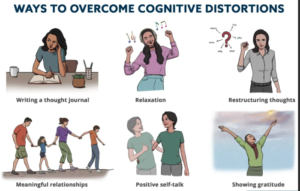
How to Challenge Cognitive Distortions

Recognising cognitive distortions is the first step, but learning how to challenge and reframe them is what truly strengthens emotional well-being. Here are five effective, research-backed strategies that help reshape unhelpful thought patterns:

1. Identify the Distortion

Begin by noticing the thought that is causing stress, anxiety, or a strong emotional reaction.
Ask yourself:
“What exactly am I thinking? Which distortion does this resemble?”

Being able to name the distortion (like catastrophizing or personalization) reduces its power and brings clarity.

2. Examine the Evidence

Challenge the thought by evaluating the facts.
Ask yourself:
“Is this thought based on evidence, or is it driven by feelings and assumptions?”

Look for proof for and against the thought. This helps separate reality from emotional interpretation.

3. Replace With Balanced Thoughts

Once you recognise the distortion, replace the extreme or irrational thought with a more realistic, compassionate one.

Example:
Instead of: “I always fail.”
Try: “I struggled today, but that doesn’t define my ability. I can learn and improve.”

This creates a shift from negativity to growth-oriented thinking.

4. Practice Self-Compassion

Treat yourself the way you would treat someone you care about.
Self-compassion involves:
— Acknowledging your feelings without judgment
— Accepting that mistakes are part of being human
— Speaking to yourself with gentleness instead of criticism

This reduces guilt, shame, and self-blame — the emotions that often fuel cognitive distortions.

5. Reframe the Situation

Look at the situation from a broader or more neutral perspective.
Ask yourself:
“How else can I view this? What is another possible explanation?”

Reframing doesn’t deny the problem — it allows you to see alternative viewpoints instead of being stuck in a single negative interpretation.

Final Message

Cognitive distortions are a normal part of human thinking — everyone experiences them from time to time. What matters is not eliminating them completely, but becoming aware of when they show up. When you learn to notice your unhelpful thinking patterns, you begin to take back control of your emotional responses instead of letting automatic thoughts dictate how you feel.

By practising mindful awareness, showing yourself self-compassion, and using cognitive reframing, you gradually train your mind to respond with clarity rather than fear, balance rather than extremes, and understanding rather than self-criticism. With consistent effort, these small shifts can build a calmer, clearer, and more resilient inner world — one that supports emotional well-being, healthy relationships, and a stronger sense of self.

Reference

1. American Psychological Association (APA)

https://www.apa.org

2. National Institute of Mental Health (NIMH) – Depression, anxiety, mental health topics

https://www.nimh.nih.gov

3. Beck Institute – Cognitive Behavioral Therapy (CBT)

https://beckinstitute.org

4. Verywell Mind – Cognitive Distortions Overview

https://www.verywellmind.com

5. Contact Us

How to Build Emotional Resilience: A Complete Guide to Staying Strong Through Life’s Challenges

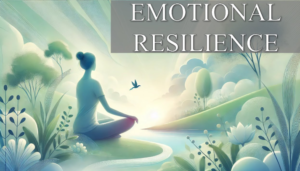
Life is full of ups and downs — moments that lift us, and moments that shake us. Stressful situations, sudden changes, emotional setbacks, disappointments, and difficult transitions are a natural part of the human experience. Yet, while some people feel overwhelmed by these challenges, others seem to recover faster, stay grounded, and find a way forward. What makes the difference is not luck or personality — it is emotional resilience.

Emotional resilience is the inner capacity that helps you handle adversity without breaking down. It is the strength that allows you to feel your emotions fully without being consumed by them. Resilience does not mean ignoring your feelings, acting tough, or forcing positivity. Instead, it is about understanding your emotions, adapting to new realities, and responding to challenges with clarity, confidence, and self-compassion.

A resilient person still feels stress, sadness, fear, or confusion — but they also have the tools to navigate those emotions and bounce back. They know how to breathe through discomfort, reframe difficult situations, seek support when needed, and move forward step by step.

In today’s fast-paced world, where emotional and mental pressures are higher than ever, building emotional resilience is not just helpful — it is essential. It influences how you handle conflicts, cope with uncertainty, maintain relationships, and protect your mental well-being.

This article takes you through what emotional resilience truly means, why it is so important for your mental health, and practical, psychology-backed strategies to strengthen it. Whether you’re facing a current challenge or simply want to grow stronger emotionally, these insights will help you build a calmer, more grounded, and more resilient version of yourself.

1. What Is Emotional Resilience?

Emotional resilience is a powerful inner skill that shapes how you respond to life’s challenges. It acts like an emotional anchor, helping you stay steady even when circumstances feel unstable or overwhelming. When you build resilience, you develop the strength to:

  • Cope with stress in healthier ways
    Instead of reacting impulsively or shutting down, you learn to handle stress with calmness, clarity, and practical coping strategies.

  • Stay grounded during emotionally intense moments
    You can acknowledge your feelings without letting them take control. You respond thoughtfully instead of reacting emotionally.

  • Adapt to change without breaking down
    Transition, uncertainty, and unexpected events become easier to navigate when you can shift your mindset and adjust with flexibility.

  • Recover from setbacks faster
    Challenges still hurt, but you bounce back with greater strength and understanding instead of staying stuck in frustration or sadness.

  • Maintain hope and perspective
    Resilience helps you see the bigger picture. Instead of getting lost in fear or negativity, you hold on to optimism and inner stability.

  • Make decisions even in difficult situations
    When emotions are intense, clear thinking becomes difficult. Resilience keeps your mind steady so you can make choices that support your long-term well-being.

The most important thing to remember is this:
Resilience is not something you’re born with — it is a skill you can build with practice.
Anyone, at any age, can strengthen emotional resilience through awareness, healthy habits, and consistent self-care.

2. Why Emotional Resilience Matters

Strong emotional resilience positively shapes every area of your life. It gives you the strength to face challenges while staying connected to your inner sense of stability. When your resilience is strong, you experience:

  • Reduced stress and anxiety
    You’re better equipped to manage everyday pressures. Stressful situations feel less overwhelming because you have emotional tools to cope.

  • Improved mental clarity
    Resilience calms the mind, helping you think clearly even during difficult moments. This clarity allows you to respond wisely rather than react impulsively.

  • Better conflict management
    When emotions are steady, communication becomes healthier. You can express your needs calmly, listen more openly, and resolve conflicts without escalating tension.

  • Prevention of burnout
    Emotional resilience helps you know when to rest, recharge, and set boundaries — protecting your mental and physical energy.

  • Stronger relationships
    Resilient individuals are more understanding, patient, and emotionally available. This creates healthier, more supportive connections with others.

  • Enhanced problem-solving abilities
    Instead of feeling stuck, you stay solution-focused. Challenges become opportunities for learning and growth.

  • Greater overall life satisfaction
    With emotional balance, you experience more joy, gratitude, and fulfillment. You handle life’s ups and downs with confidence.

Emotional resilience acts like a gentle emotional shield — not to block or ignore your feelings, but to help you feel them fully, understand them deeply, and move forward with strength and clarity.

3. Signs You May Need to Build More Resilience

Everyone experiences moments when their resilience feels low. Emotional strength naturally rises and falls depending on stress, environment, and life circumstances. However, certain patterns may indicate that you could benefit from strengthening your resilience skills.

You may need to build more resilience if you often experience:

  • Feeling overwhelmed easily
    Even small tasks feel heavy, and daily responsibilities drain your energy faster than usual.

  • Difficulty managing change
    Transitions — whether big or small — feel unsettling, and adjusting to new situations becomes emotionally challenging.

  • Emotional exhaustion
    You feel mentally or emotionally drained, even after rest. This often shows up as irritability, low motivation, or a sense of heaviness.

  • Being quickly triggered or reactive
    Minor issues ignite strong emotional responses, making it hard to stay calm or think rationally in the moment.

  • Trouble bouncing back from setbacks
    Disappointments linger longer than they should, making it difficult to regain your balance or optimism.

  • Feeling stuck or powerless
    You may struggle to see solutions, feel trapped by circumstances, or lose confidence in your ability to cope.

  • Persistent negative thinking
    Your mind keeps replaying fears, worst-case scenarios, or self-doubt, making challenges feel bigger than they truly are.

The encouraging truth is this:
Emotional resilience can be strengthened at any age.
With self-awareness, practice, and the right strategies, anyone can build a calmer, stronger, and more confident emotional foundation.

4. Strategies to Build Emotional Resilience

Building emotional resilience is not about becoming “stronger” overnight. It’s about developing habits, mindsets, and emotional skills that support you through stress and adversity. Below are research-backed strategies that help strengthen your emotional foundation over time.

✔ 1. Build Emotional Awareness

Resilience begins with truly understanding your inner world. When you know what you feel and why you feel it, you gain control over your reactions.

Ask yourself:

  • “What emotion is showing up right now?”

  • “What triggered it?”

  • “What do I need in this moment?”

Simply naming your emotions reduces their intensity and helps you respond thoughtfully rather than react impulsively. Awareness is the first step to healing.

✔ 2. Reframe Negative Thoughts

Your thoughts directly influence how you feel. When you shift your perspective, you shift your emotional experience.

Instead of thinking:
“I can’t handle this.”
Try:
“This is difficult, but I can take it one step at a time.”

Reframing isn’t about forced positivity — it’s about viewing challenges with balance, curiosity, and confidence. This mindset strengthens your ability to cope.

✔ 3. Create a Strong Support System

Emotionally resilient people don’t carry every burden alone. They share, express, and lean on trusted connections.

Connect with people who:

  • Listen without judgement

  • Encourage your growth

  • Make you feel safe and understood

  • Offer constructive advice when needed

Healthy relationships act as emotional anchors, providing stability during difficult times.

✔ 4. Practice Mindfulness & Grounding Techniques

Mindfulness keeps you centered and calm, even when life feels chaotic.

You can practice:

  • Deep breathing exercises

  • Body scan meditation

  • The 5-4-3-2-1 grounding method

  • Mindful walking or eating

These techniques lower stress, calm the nervous system, and bring your mind back to the present moment — where clarity lives.

✔ 5. Build Flexible Thinking

Resilience grows when you learn to adapt instead of resist the unexpected.

Ask yourself:

  • “Is there another way to approach this?”

  • “What can I control right now?”

  • “What options do I have?”

Flexible thinking opens doors, reduces frustration, and helps you face challenges with a problem-solving mindset.

✔ 6. Strengthen Your Self-Care Routine

When the body is drained, the mind becomes fragile. Self-care is not optional — it is the foundation of resilience.

Focus on:

  • Quality sleep

  • Nutritious meals

  • Regular physical movement

  • Staying hydrated

  • Intentional rest and recreation

When your body feels supported, your emotions stabilize naturally.

✔ 7. Set Healthy Boundaries

Saying “yes” to everything leaves you emotionally exhausted. Boundaries protect your energy, time, and mental space.

Learn to say “no,” limit draining interactions, and prioritise your needs. Boundaries give you the freedom to show up as your best self.

✔ 8. Accept What You Cannot Control

A major part of resilience is learning to let go. When you stop fighting situations you cannot change, emotional tension decreases.

Shift your focus to the things within your control — your choices, reactions, habits, and mindset. This reduces stress and increases inner peace.

✔ 9. Practice Self-Compassion

Treat yourself with the same kindness you offer others. You deserve empathy too.

Instead of:
“I should be doing better.”
Try:
“I’m trying my best. It’s okay to feel this way.”

Self-compassion builds emotional strength, encourages healing, and helps you recover from setbacks without self-blame.

5. How to Strengthen Resilience Over Time

Building emotional resilience is not about big, dramatic changes. It’s about small, intentional actions that slowly shape your inner strength. By practicing consistently, you train your mind and emotions to respond with clarity instead of overwhelm.

Here’s how you can nurture resilience day by day:

✔ Start with small changes

You don’t need to transform your life overnight. Begin with simple shifts — a few minutes of deep breathing, journaling your emotions, or setting one healthy boundary. Small steps create meaningful progress.

✔ Be patient — resilience grows slowly

Just like physical strength, emotional strength develops over time. Some days you will feel strong; others you may feel fragile. Both are normal. Give yourself the time and space to grow.

✔ Take setbacks as learning

Challenges and setbacks are not signs of failure. They are part of the process. Instead of blaming yourself, ask:
“What is this situation teaching me?”
Each setback makes you wiser and more resilient.

✔ Keep practicing emotional awareness

Check in with yourself regularly. Notice your feelings, triggers, and needs. The more aware you are, the easier it becomes to regulate your emotions and respond with intention.

✔ Celebrate progress

Recognize every step forward — even the small ones. Whether you stayed calm during stress, set a boundary, or simply took a break when needed, celebrate it. Progress builds confidence.

✔ Stay consistent

Resilience is built through daily habits and steady effort. The more consistent you are, the stronger your emotional foundation becomes.

Resilience is built through everyday choices, not overnight miracles.

Every moment you choose awareness, patience, and self-kindness, you strengthen your emotional core. Over time, these small choices create a calmer, more grounded, and more resilient version of you.

Conclusion

Emotional resilience is your inner strength — the quiet power that helps you handle stress, recover from challenges, and move forward with confidence. When you understand your emotions, build healthy habits, and treat yourself with compassion, you create a stronger foundation for every part of your life.

Investing in resilience means investing in a calmer, more grounded, and more empowered version of yourself — someone who can navigate life’s ups and downs with clarity and courage.

📞 Contact Us for Support

If you need guidance, emotional support, or wish to book a counselling session:

👉 Contact Us:

Reference

cropped cropped screenshot 2025 10 30 153226 3.png

Self-Help & Emotional Well-Being: A Complete Guide to a Healthier Mind

In today’s fast-paced world, where responsibilities keep multiplying and expectations never seem to end, emotional well-being has become essential for survival, not a luxury. Modern life constantly pushes us — deadlines, digital overload, family responsibilities, financial worries, and social pressure all compete for our attention. Amid this chaos, it becomes easy to neglect our inner world.

But self-help is not about “fixing” what is broken. It is about understanding yourself with kindness, recognising your emotional needs, and building habits that support mental clarity and inner strength. Self-help teaches you how to manage stress before it overwhelms you, how to respond to emotions instead of reacting impulsively, and how to nurture a healthier mindset.

Whether you struggle with stress, anxiety, low self-worth, overthinking, or emotional fatigue, even small acts of self-care can make a big difference. Simple practices — like mindful breathing, journaling, daily routines, or setting healthy boundaries — have the power to shift your emotional landscape and bring calm into your everyday life.

This article dives deep into the pillars of emotional well-being, practical self-help strategies, and powerful ways to build a stronger and more compassionate relationship with yourself. When you learn to care for your emotional world, you create a foundation for better decisions, healthier relationships, and a more fulfilling life.

What Is Emotional Well-Being?

Emotional well-being is the foundation of a healthy mind. It means being able to understand your inner world and respond to life’s experiences with balance and clarity. When you have emotional well-being, you can:

  • Recognize your thoughts and feelings

  • Manage stress in healthy ways

  • Cope with challenges without feeling overwhelmed

  • Maintain a sense of purpose and direction

  • Build balanced, fulfilling relationships

  • Stay connected to your values and your true self

Importantly, emotional well-being does not mean feeling happy all the time. Rather, it means having the skills, resilience, and self-awareness to navigate difficult moments without losing yourself. It allows you to recover from setbacks, stay grounded, and make thoughtful decisions even under pressure.

Why Self-Help Matters

Self-help is a powerful form of personal empowerment. It means taking responsibility for your emotional health instead of waiting for change to happen on its own. When you actively work on yourself, you gain the tools to shape your life in healthier and more meaningful ways.

Some key benefits of self-help include:

  • Reduced anxiety and stress

  • Improved emotional regulation

  • Stronger and healthier relationships

  • Increased confidence and self-esteem

  • A deeper sense of inner peace

  • Practical coping strategies for everyday challenges

Engaging in self-help is an act of self-love. It tells your mind and body:
“You matter. Your well-being is important.”

Common Emotional Challenges People Face

No matter how strong or successful someone appears, every person goes through emotional challenges. These are part of being human, not signs of weakness.

Some common struggles include:

  • Persistent overthinking

  • Fear of failure or judgement

  • Low mood, sadness, or emotional heaviness

  • Feeling overwhelmed by responsibilities

  • Burnout from work, caregiving, or life pressures

  • Relationship conflicts and misunderstandings

  • Low self-worth or self-doubt

  • Difficulty saying “no” or maintaining boundaries

Understanding that these experiences are universal helps reduce shame and encourages self-compassion. Recognizing your struggles is the first step toward healing them.

Essential Self-Help Strategies for Emotional Well-Being

Here are core practices that support long-term emotional health:

✔ 1. Practice Emotional Awareness

Instead of ignoring or suppressing your emotions, begin by acknowledging them.
Ask yourself:

  • “What am I feeling right now?”

  • “What triggered this emotion?”

  • “What does my body feel like?”

Naming your emotions reduces their intensity and gives you more clarity. Emotional awareness is the first step toward emotional intelligence.

✔ 2. Set Healthy Boundaries

Healthy boundaries protect your mental space and energy. They help you prioritize your well-being without feeling guilty.

Healthy boundaries include:

  • Respecting your time and limits

  • Limiting toxic or draining interactions

  • Prioritizing your emotional comfort

  • Saying “no” without guilt

Boundaries are not walls. They are a form of self-care and self-respect.

✔ 3. Build Positive Daily Habits

Your routine plays a major role in shaping your mental health. Small, consistent habits lead to big emotional improvements.

Try incorporating:

  • Morning breathing exercises

  • Light physical activity or walking

  • Journaling your thoughts

  • Staying hydrated

  • Following a regular sleep schedule

These habits keep your mind clearer and your body more energized.

✔ 4. Practice Mindfulness or Meditation

Mindfulness helps you stay grounded in the present moment rather than being trapped in worries about the past or future.

You can begin with:

  • 5 minutes of deep breathing

  • Guided meditation audios

  • Mindful observations during daily tasks

Mindfulness reduces anxiety, improves focus, and builds emotional stability.

✔ 5. Challenge Negative Thoughts

Your thoughts influence your emotions. When negative or irrational thoughts take over, challenge them by asking:

  • “Is this thought based on fact or fear?”

  • “Is there another way to look at this situation?”

  • “What evidence supports or disproves this thought?”

This helps reduce overthinking and creates emotional clarity.

✔ 6. Stay Connected with Supportive People

Humans are wired for connection. The right people can help you heal faster and feel more emotionally secure.

Spend time with individuals who:

  • Listen without judgement

  • Support your goals

  • Respect your boundaries

  • Make you feel understood

Even one supportive relationship can be incredibly grounding.

✔ 7. Make Time for Activities You Enjoy

Joy is not a luxury—it’s a requirement for emotional health.

Engage in activities that make you feel alive, such as:

  • Reading

  • Drawing or painting

  • Gardening

  • Cooking

  • Dancing

  • Music

Recreation recharges your mind and reminds you of what makes life meaningful.

✔ 8. Seek Help When Needed

Self-help is powerful, but you don’t have to do everything alone. Sometimes a therapist can help you understand deeper patterns, heal emotional wounds, and provide professional guidance.

Therapy can support you with:

  • Anxiety or chronic stress

  • Relationship issues

  • Childhood trauma

  • Low confidence or self-worth

  • Behavioural patterns that feel hard to change

Reaching out for help is a sign of courage, not weakness.

How to Build a Consistent Self-Help Practice

Creating emotional well-being is not about making huge changes overnight. It is about taking gentle, steady steps toward a healthier version of yourself. These simple guidelines can help you build a sustainable self-help routine:

✔ Start Small — Choose ONE Habit

Trying to change everything at once can feel overwhelming. Begin with just one habit—like five minutes of deep breathing, a short walk, or writing a daily gratitude note. Small steps create real, lasting transformation.

✔ Be Patient with Yourself

Healing and growth take time. Some days will feel easy; others may feel heavy. Be kind to yourself during the process. Progress is not always visible, but it is happening.

✔ Track Your Progress

Write down your efforts, emotions, or small wins in a journal or app. Tracking makes your growth visible and helps you stay motivated.

✔ Celebrate Small Improvements

Every step forward matters. Whether you managed to rest, practiced a boundary, or stayed calm during stress—celebrate it. These little victories build confidence and strengthen emotional resilience.

✔ Allow Yourself to Rest Without Guilt

Rest is not laziness. Rest is part of healing. It gives your mind and body the energy to continue growing. When you pause, you recharge — and that is essential for emotional well-being.

Self-help is a journey, not a race.

There is no deadline, no competition, and no perfect timeline. Your journey is yours alone. What matters most is showing up for yourself, even in small ways, every day.

Final Message

Emotional well-being begins with gentle self-understanding. When you pause and truly listen to your feelings, you give yourself the permission to heal. By building healthy habits, setting boundaries, and approaching yourself with compassion, you slowly create a life that feels more balanced, meaningful, and mentally peaceful.

You don’t need perfection to feel better — you need presence, small daily choices, and kindness toward your own inner world. Every step you take toward emotional wellness strengthens your resilience and deepens your connection with yourself.

Investing in your emotional health is one of the greatest gifts you can offer — not just to yourself, but also to the people you love. A calmer, grounded, and emotionally fulfilled you becomes a source of strength and warmth for everyone around you.

📞 Need Guidance or Support?

If you want personalized emotional wellness guidance or counselling, contact us:

👉 Contact Us: 

Reference

Why Your Child Lies: Psychological Reasons Every Parent Should Understand

Lying in childhood is a common and developmentally normal behaviour, yet it often triggers strong reactions in parents. When a child hides the truth, denies a mistake, or makes up a story, many parents immediately assume defiance, disrespect, or moral failure. But the reality is far more complex — and far less alarming.

Before interpreting lying as “bad behaviour,” it is essential to understand what lies beneath. Most children do not lie to manipulate or deceive intentionally. Instead, lying usually reflects their stage of growth, their emotional world, or their coping abilities. Sometimes they lie because they are scared. Sometimes because they want approval. Sometimes because they lack the language or confidence to express what they truly feel. And sometimes because their brain is still developing the skills required for self-control, honesty, and decision-making.

Children may also lie to avoid punishment, escape embarrassment, protect themselves from disappointment, or simply because they are experimenting with imagination and storytelling — a normal part of cognitive development. What appears as dishonesty is often a mix of curiosity, fear, unmet emotional needs, and developing social understanding.

That is why labelling a child as a “liar” can be harmful. It misses the deeper psychological reasons behind the behaviour and can create more shame, secrecy, and distance between the parent and the child.

This article explores the major psychological foundations of lying, helping parents see the behaviour through a compassionate and scientific lens. It also offers practical guidance on how to respond with awareness rather than punishment — building trust, emotional safety, and open communication in the parent–child relationship.

1. Fear of Punishment or Blame

Many children lie simply because they are scared of the consequences. When the home environment is strict, loud, or punishment-driven, lying becomes a survival strategy rather than misbehaviour.

Psychological Reason:
Fear triggers the child’s fight-or-flight response. Their brain chooses the quickest escape: avoiding the truth. At this moment, the child is not thinking morally — they are trying to protect themselves from pain, shame, or scolding.

Example:
A child who accidentally breaks a glass may insist, “I didn’t do it!” because telling the truth feels too risky.

2. Desire to Avoid Disappointment

Some children lie not from fear, but from love and emotional attachment. They do not want to upset their parents or feel like a “failure.”

Psychological Reason:
Children are deeply wired to seek approval. When they sense that honesty might cause sadness, anger, or disappointment, they lie to safeguard the emotional bond.

Example:
A child may hide a low grade because they believe their parents will feel hurt or think less of them.

3. Underdeveloped Impulse Control

Young children often lie without thinking. These lies are usually spontaneous, unrealistic, and driven by immediate desire, not intention.

Psychological Reason:
The prefrontal cortex — responsible for planning, self-control, and evaluating consequences — is still developing throughout childhood. This means children often act first, think later.

Example:
A child who wants to keep playing may quickly say, “I brushed my teeth already!” just to avoid interruption.

4. Imagination vs Reality

For children between ages 3 and 7, imagination is powerful. Their brains are developing storytelling skills, symbolic thinking, and creativity.

Psychological Reason:
At this age, magical thinking is normal. They sometimes mix reality with imagination, not to deceive but to express creativity.

Example:
A child saying, “I saw a dragon outside!” isn’t lying — they’re engaging in fantasy play.

5. Gaining Attention

Some children lie to appear impressive or to gain attention from peers or adults.

Psychological Reason:
When children feel overlooked, unimportant, or insecure, they may use exaggerated stories as a tool for belonging or admiration.

Example:
A child may claim, “I have a huge bedroom with 10 toys!” just to feel accepted or noticed.

6. Copying Behavior

Children learn by observing. If lying is present in their environment, they absorb it as a normal social strategy.

Psychological Reason:
Kids naturally imitate adults — not just actions, but also communication patterns. When they see parents use white lies, they internalize the message: “Sometimes lying is okay.”

Example:
If a parent says, “Tell them I’m not home,” the child learns that dishonesty is acceptable in certain situations.

7. Avoiding Difficult Emotions

Children lie to escape uncomfortable feelings such as shame, guilt, embarrassment, or failure.

Psychological Reason:
Kids lack the emotional vocabulary and regulation skills needed to openly admit mistakes. Lying feels easier than facing emotional discomfort.

Example:
A child may say, “Someone took my homework,” instead of admitting they forgot it, because the truth feels too embarrassing.

8. Testing Boundaries and Independence

As children grow — especially during preteen and teenage years — lying may become a way to explore independence or avoid restrictions.

Psychological Reason:
Adolescence brings a strong desire for autonomy. Teens lie to feel in control of their choices or to avoid rules they see as limiting.

Example:
A teenager may lie about their whereabouts to avoid being questioned or restricted.

9. Low Self-Esteem

When children feel inadequate or insecure, they may lie to protect their self-worth or appear more confident.

Psychological Reason:
Lying becomes a defence mechanism. It helps them hide feelings of inferiority or gain social validation.

Example:
A child might pretend they have many friends or achievements to appear “good enough” in front of others.

What Parents Should Do Instead of Punishing

Instead of scolding, threatening, or shaming a child for lying, it is far more effective to respond with understanding and emotional safety. These strategies help build trust, strengthen communication, and reduce lying over time.

✔ Create a Safe Environment for Honesty

Children tell the truth when they feel safe. If honesty leads to yelling or punishment, they will naturally hide things.
Gently reassure them:

“You won’t get in trouble for telling the truth. I’m here to help you.”

This lowers fear and encourages open communication.

✔ Stay Calm When They Confess

Your reaction today determines whether they open up tomorrow.
Even if you’re upset, take a breath before responding. When parents remain calm, children learn that honesty does not bring danger or humiliation.

A calm parent builds a brave child.

✔ Teach Emotional Skills

Many lies come from children not knowing how to handle emotions like fear, guilt, or embarrassment.
Help them identify and express feelings:

  • “Are you scared I’ll be angry?”

  • “It’s okay to make mistakes. Let’s talk about it.”

Emotional literacy reduces the need to lie.

✔ Reduce Harsh Punishments

Punishment doesn’t stop lying — it only stops honesty.

When children fear consequences, they lie more to avoid them. Replace punishment with:

  • logical consequences

  • problem-solving

  • learning opportunities

This teaches responsibility, not fear.

✔ Model Honesty

Children copy what they see. If adults use small lies (“white lies”) frequently, kids internalize that dishonesty is normal.

Show honesty in everyday life:

  • Admit mistakes

  • Keep promises

  • Avoid lying in front of them

Your behaviour becomes their handbook.

✔ Praise Honesty

Whenever your child tells the truth — especially in difficult moments — appreciate it genuinely.

“Thank you for telling the truth. That shows courage and maturity.”

Positive reinforcement encourages more honest behaviour in the future.

✔ Identify Why They Lied

Every lie has an emotional or situational root. Instead of focusing only on the lie, explore the reason behind it.

Ask gently:

  • “What made it hard to tell the truth?”

  • “Were you scared or worried?”

Understanding the motive helps you address the real issue — whether it’s fear, insecurity, impulse, or pressure.

When Lying Becomes a Concern

It’s important for parents to remember that occasional lying is a normal part of childhood development. However, there are certain signs that indicate the behaviour may need deeper attention. If lying becomes persistent, intense, or begins to impact the child’s daily functioning, it may reflect underlying emotional or behavioural challenges.

Here are situations where lying should not be ignored:

🔴 Lying is frequent and manipulative

If a child regularly lies on purpose to control situations, deceive others, or avoid responsibility, it may signal deeper emotional struggles or unmet needs.

🔴 The child lies without guilt or remorse

A complete lack of guilt, empathy, or awareness of consequences may indicate a disconnect with emotional understanding or social norms, which needs professional evaluation.

🔴 Lying affects school, friendships, or family trust

When dishonesty begins to damage relationships — for example, teachers losing trust, friends distancing themselves, or constant conflict at home — it becomes a serious concern.

🔴 Lying is used to hide risky or harmful behaviour

If the child lies to cover actions like stealing, aggression, self-harm, substance use, or unsafe peer activities, immediate support is important.

🔴 Lying comes with aggression, anxiety, or behavioural issues

Sometimes lying appears alongside issues like tantrums, defiance, withdrawal, excessive fear, or emotional dysregulation. This often indicates that the lie is just a symptom of a larger problem.

When to Seek Help

If any of these signs are present, consulting a child psychologist can provide clarity. A trained professional can assess emotional, behavioural, and developmental factors and guide parents with appropriate strategies.

Early support helps children build honesty, emotional regulation, and healthier coping skills.

Final Message for Parents

Lying is rarely a sign of disrespect. In most cases, it reflects fear, self-protection, immature skills, or emotional struggles. Children lie when they feel unsafe, overwhelmed, or unsure of how to express the truth. When parents shift from punishment to understanding, children naturally feel more secure opening up.

A calm conversation, gentle guidance, and emotional safety build honesty far more effectively than anger or criticism. When children feel accepted — even in their mistakes — they learn to trust you with the truth.

📞 Contact Us for Guidance or Support

If you need personalised help, guidance for your child, or want to book a counselling session, feel free to reach out:

👉 Contact Us:

Reference

How to Improve Parent–Child Communication

Healthy communication is the foundation of a strong parent–child relationship. It is through everyday conversations—big or small—that children learn to trust, express themselves, and understand the world around them. When children feel truly heard, understood, and valued, they develop a deep sense of emotional safety. This safety becomes the base from which confidence grows.

Children who experience open and respectful communication at home are more likely to share their thoughts without fear, ask questions, seek help when they need it, and turn to their parents during difficult moments. As a result, they become more confident, emotionally secure, and receptive to parental guidance.

Good communication does more than strengthen the bond—it helps shape a child’s emotional and behavioural patterns. It improves behaviour by reducing frustration and misunderstandings, supports emotional regulation by helping children label and manage their feelings, and nurtures overall mental well-being by creating a supportive environment where they feel seen and validated.

In essence, communication is not just talking—it is connecting.
Here are effective, psychology-backed ways to enhance communication with children.

🔶 1. Listen Actively

Children communicate best when they feel safe. Active listening fosters trust and connection. It shows them that you are truly present.

✔ How to Practice

  • Maintain eye contact

  • Nod or respond with gentle verbal cues

  • Avoid interrupting

  • Put away distractions (phone, TV)

✔ Why It Matters

Active listening shows children that their thoughts and feelings matter, encouraging them to express themselves more freely.

Example

If your child says, “I don’t want to go to school,” instead of immediately giving solutions, pause, look at them, and say, “Tell me what happened.”
This opens the door for honest conversation.

2. Validate Their Feelings

Children may express emotions in ways adults don’t understand—crying, tantrums, silence, or frustration.

✔ What to Say

  • “I can see you’re really upset.”

  • “It’s okay to feel sad or angry.”

  • “Thank you for telling me.”

✔ Why It Matters

Validation teaches children that emotions are normal and manageable. It builds emotional intelligence and reduces emotional outbursts.

✔ Example

If a child cries because a friend didn’t play with them, instead of saying “Don’t cry about small things,” say “It hurt your feelings when they didn’t include you. I understand.”
This strengthens emotional trust.

3. Use Age-Appropriate Language

Your communication style should match your child’s developmental stage.

Tips

  • For toddlers: use simple, direct words

  • For school-age kids: ask open-ended questions

  • For teens: use respectful, collaborative language

✔ Example

Instead of “Why did you do that?”
Say: “Help me understand what happened.”
This prevents defensiveness and encourages explanation.

4. Create Daily Opportunities for Connection

Consistent small interactions build strong communication habits.

✔ Ways to Connect

  • 10-minute daily check-in

  • Talking during walks

  • Bedtime conversations

  • Eating a meal together without screens

These moments create safe spaces for children to open up about their day.

✔ Example

During dinner, ask: “What made you smile today?” This simple ritual often leads to deeper sharing over time.

5. Encourage Open-Ended Questions

Open-ended questions invite deeper conversation.

✔ Examples

  • “How did you feel about today?”

  • “What was the best part of your day?”

  • “What do you think would help you?”

This helps children think, reflect, and communicate clearly.

✔ Example

Instead of asking, “Did you have a good day?” (which leads to a yes/no answer), ask, “What was something interesting that happened today?”

6. Stay Calm During Difficult Conversations

Children shut down when parents react with anger, judgment, or sarcasm.

✔ How to Stay Calm

  • Take a deep breath

  • Speak gently

  • Pause before responding

  • Remind yourself: “I am the safe adult.”

Calm communication teaches children how to handle conflict constructively.

✔ Example

If a child spills something by mistake, instead of shouting, say, “It’s okay. Let’s clean it together.”
This keeps the conversation open instead of fear-based.

7. Respect Their Perspective

Even if their worries seem small to adults, they are big to them.

✔ Show Respect By

  • Not mocking or dismissing feelings

  • Avoiding comparisons (“Your brother never does this”)

  • Giving them a chance to explain before correcting

Respect builds confidence and trust.

✔ Example

If a teenager says, “My friends ignored me,” don’t say “Stop overreacting.”
Instead: “That must have felt really hurtful. Do you want to talk about it?”

8. Use Positive Communication Techniques

Your tone and choice of words matter.

✔ Instead of saying:

“You never listen.”
Say: “Let’s try to understand each other better.”

✔ Instead of:

“Stop crying.”
Say: “Take your time. I’m here.”

Positive communication models emotional maturity.

✔ Example

A child struggling with homework may say, “I can’t do this.”
Instead of “You’re just being lazy,” try:
“I know it’s tough, but I’m here to help you through it.”

9. Be Honest and Transparent

Children appreciate honesty. When parents model truthful communication, children learn to do the same.

✔ Tips

  • Admit mistakes

  • Apologize when necessary

  • Explain situations clearly

Honesty strengthens respect and trust.

✔ Example

If you accidentally lost your temper, say, “I’m sorry I shouted earlier. I should have spoken calmly. I’ll try better.”
This teaches accountability.

10. Make Time for Play and Shared Activities

Play is a child’s natural language.

✔ Activities

  • Board games

  • Drawing

  • Outdoor activities

  • Cooking together

During play, children talk more freely and build emotional connection.

✔ Example

While playing a board game, a child may casually say, “Someone teased me today.”
This type of sharing often happens during relaxed play, not formal conversations.

🔷 Why Good Communication Matters

Strong communication helps children in multiple powerful ways. When children feel truly heard and understood, it influences their emotional, social, and cognitive development. Here’s how:

• Build self-esteem

When parents listen with empathy, children feel valued. They begin to trust their own thoughts and ideas, which boosts confidence and self-worth.

• Develop emotional intelligence

Open conversations help children learn to name, understand, and manage their emotions. They observe how parents communicate and gradually develop empathy, self-awareness, and emotional control.

• Improve problem-solving

Talking through challenges teaches children how to think, reflect, and explore solutions instead of reacting impulsively. They learn important skills like decision-making and logical thinking.

• Strengthen relationships

A child who communicates comfortably at home is more likely to build strong bonds outside—whether with friends, teachers, or family members. Healthy communication at home becomes their internal model for all relationships.

• Reduce behavioural issues

Many behavioural problems come from frustration, fear, or feeling misunderstood. When communication flows smoothly, children feel safe expressing themselves, which reduces anger, defiance, and emotional outbursts.

• Feel secure and understood

Knowing that their parents listen without judgment gives children emotional security. This security becomes the foundation for resilience, trust, and healthy coping skills.

⭐ Final Thoughts

Improving parent–child communication is not about being perfect—it is about being present, patient, and emotionally available. Children do not need flawless parents; they need parents who try, who listen, and who show up with warmth. When children feel respected, loved, and supported, they naturally open up, share more honestly, and connect more deeply.

Even simple, everyday gestures—a few minutes of listening, gentle reassurance, or a calm response during stress—can make a significant difference. These small, consistent efforts gradually build trust, strengthen the parent–child bond, and create a home environment where emotions are welcomed rather than feared.

Over time, these moments nurture a strong emotional foundation, shaping children into confident, secure, and emotionally intelligent individuals. Good communication is not a one-time skill—it is a lifelong practice that transforms relationships and helps families grow closer with every conversation.

Reference

Positive Parenting Tips
yourwebsite.com/positive-parenting

American Psychological Association (APA) – Parenting Resources

https://www.apa.org/topics/parenting

UNICEF – Positive Parenting & Child Development

https://www.unicef.org/parenting

CDC – Child Development

https://www.cdc.gov/child-development

Child Mind Institute – Emotional & Behavioural Health

https://childmind.org/topics/concerns/