

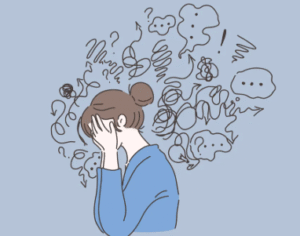
Depression is not just “feeling sad.” It is a complex mental health condition that affects the way a person thinks, feels, behaves, and functions in daily life. Many people hide their symptoms behind a normal-looking face, making it difficult for others to understand what they are going through. Recognizing the early signs can help in seeking timely support and treatment.
Below are the most common and clinically recognized signs of depression:
1. Persistent Sadness or Low Mood
One of the core symptoms of depression is a long-lasting sense of sadness or emotional heaviness that doesn’t seem to lift, even with rest, distraction, or positive events. This isn’t the kind of sadness that comes and goes with daily stress—it’s a continuous emotional state that lasts for weeks, months, or even longer.
People often describe this feeling in different ways:
- A deep, dull emptiness that makes life feel colorless or meaningless
- A constant heaviness in the chest, as if carrying an invisible weight
- Emotional numbness, where they cannot feel joy, excitement, or connection
- A sensation of being disconnected from their own life or surroundings
- Feeling hopeless about the future, as if nothing will ever improve
This persistent sadness can seep into every part of the day—mornings may feel especially difficult, evenings may feel lonely, and activities that once brought joy may no longer feel satisfying. Even when something positive happens, the person may struggle to genuinely feel happy or hopeful.
Over time, this chronic low mood can affect motivation, energy levels, relationships, and overall quality of life. Recognizing this as a sign of depression—not a personal weakness—is the first step toward seeking help and beginning the healing process.

2. Loss of Interest in Daily Activities
Another major sign of depression is anhedonia, a psychological term that describes the loss of interest or pleasure in activities that once felt enjoyable or meaningful. This shift is often subtle at first, but gradually becomes more noticeable and distressing.
People experiencing anhedonia may:
- Stop enjoying hobbies they once loved, such as reading, painting, cooking, or playing games
- Lose motivation to work, study, or pursue goals that previously excited them
- Avoid social interactions, not because they don’t care, but because they feel emotionally drained
- Feel detached from relationships that were once important
- Experience a lack of enthusiasm or curiosity about life
This loss of interest isn’t a choice—it’s a symptom. Even simple daily tasks like getting out of bed, taking a shower, or planning meals can feel exhausting, meaningless, or overwhelming. Things that once sparked joy now feel bland or emotionally flat.
Anhedonia deeply affects one’s identity, productivity, and relationships. It may make the person feel guilty or confused, wondering “Why don’t I enjoy anything anymore?” But the truth is, this is not laziness or lack of willpower—it’s a clinical feature of depression that requires compassion and support.
Recognizing this symptom early can help someone regain connection, pleasure, and purpose with proper treatment and care.
3. Changes in Appetite and Weight
Depression can significantly affect the body’s natural hunger and fullness cues, leading to noticeable changes in appetite and weight. These changes are often sudden, unintentional, and confusing for the person experiencing them.
Loss of Appetite and Weight Loss
For some individuals, depression causes a sharp decrease in appetite. Eating feels like a chore, food loses its taste, or the person simply “doesn’t feel hungry.” They may skip meals unintentionally or feel nauseated at the thought of food.
This can lead to significant, unplanned weight loss, often accompanied by low energy, weakness, and nutritional deficiencies.
Common experiences include:
- Forgetting to eat
- Eating only small portions
- No desire for favorite foods
- Feeling full quickly
- Decreased interest in cooking or preparing meals
Increased Appetite and Weight Gain
On the other hand, some people experience emotional overeating. Food becomes a source of temporary comfort or escape from pain, sadness, or stress.
This often leads to craving high-calorie, sugary, or carbohydrate-rich foods, causing unintentional weight gain.
Common signs include:
- Eating more frequently, especially during emotional distress
- Night-time snacking
- Using food as a coping mechanism
- Cravings for comfort foods
These changes are not about dieting or lifestyle choices—they happen as a response to the emotional and biological effects of depression. Shifts in brain chemicals like serotonin and dopamine also play a role in altering appetite and motivation to eat.
Whether the change is more eating or less eating, it is a meaningful symptom that affects physical health and emotional well-being. Recognizing this can help in early diagnosis and timely intervention.

4. Sleep Disturbances
Sleep problems are very common in depression because the condition disrupts the body’s natural sleep-wake cycle. These issues can appear in different ways:
Insomnia
Many people struggle to fall asleep or stay asleep. They may wake up often during the night, lie awake for hours, or experience light, restless sleep.
Early Morning Waking
A classic symptom is waking up much earlier than usual and being unable to fall back asleep. Mornings may feel emotionally heavy or filled with worry.
Hypersomnia (Sleeping Too Much)
Some individuals sleep excessively—10 to 14 hours a day—yet still feel unrefreshed. This often becomes a way to escape emotional pain.
Feeling Tired Despite Sleeping
Even after long hours of sleep, the person may wake up exhausted, foggy, or low on energy. Depression affects the quality of sleep, not just the quantity.
5. Fatigue and Low Energy
Depression often brings a deep, persistent sense of tiredness that doesn’t improve with rest. This is not the usual tiredness after a long day—it is a constant physical and mental exhaustion.
People may feel:
- Low energy from the moment they wake up
- Heavy or slowed movements
- Difficulty starting or completing tasks
Even simple daily activities—like cooking, bathing, dressing, or getting out of bed—can feel overwhelming or draining. This ongoing fatigue can reduce productivity, motivation, and the ability to participate in normal life activities.
6. Feeling Worthless or Excessive Guilt
Many people with depression struggle with harsh self-judgment and negative beliefs about themselves. They may blame themselves for situations that are not their fault or feel responsible for things completely beyond their control.
Common experiences include:
- Feeling like they “fail” at everything
- Believing they are a burden to family or friends
- Thinking they are “not good enough” no matter how much they try
- Constantly apologizing or feeling guilty without a real reason
These thoughts can deepen feelings of sadness, lower self-esteem, and make it harder to ask for help. Recognizing this as a symptom—not a truth—is an important step toward recovery.

7. Difficulty Concentrating
Depression doesn’t only affect emotions—it also impacts cognitive functions, making it harder to think clearly or stay mentally organized.
People may experience:
- Trouble focusing on conversations, tasks, or reading
- Forgetfulness, such as missing appointments or losing track of things
- Difficulty making decisions, even about simple matters
- Slow thinking or a feeling that the mind is “foggy”
These changes can interfere with work performance, academic tasks, and even daily responsibilities. The person may feel frustrated or helpless, but these cognitive difficulties are a common and treatable part of depression.
8. Restlessness or Slowed Movements
Depression can affect the body as much as the mind, leading to noticeable changes in movement and behavior.
Some individuals experience restlessness, such as:
- Feeling agitated or on edge
- Pacing or fidgeting
- Being unable to relax or sit still
Others show psychomotor retardation, which means:
- Moving more slowly than usual
- Speaking softly or taking longer to respond
- Feeling physically heavy or sluggish
These changes are not a lack of effort—they are physical symptoms of depression that reflect how deeply the condition affects the nervous system.
9. Increased Irritability
Depression doesn’t always appear as sadness—sometimes it shows up as irritability or anger, especially in adolescents and men. Small inconveniences or minor issues may trigger frustration, impatience, or emotional outbursts.
People may notice:
- Becoming annoyed very easily
- Feeling tense, restless, or “on edge”
- Overreacting to small problems
This irritability is not intentional. It often comes from emotional overload, low energy, and difficulty managing stress—common effects of depression.

10. Physical Symptoms Without Medical Cause
Depression doesn’t always show up emotionally—sometimes it appears through persistent physical discomfort. These symptoms often continue even when medical tests show no clear physical problem.
Common physical signs include:
- Headaches that come and go without a medical reason
- Body aches or a general sense of soreness
- Digestive issues, such as nausea, constipation, or stomach pain
- Chest discomfort or tightness
- Muscle tension or unexplained pain
These physical symptoms happen because depression affects the brain chemicals that control both mood and the body’s pain response. When emotional distress remains untreated, the body often expresses it through continual aches or discomfort.
11. Social Withdrawal
People with depression often begin to pull away from social interactions, even from those they care about deeply. They may avoid friends, family gatherings, phone calls, or everyday conversations.
This withdrawal happens because:
- They feel emotionally drained
- Interactions seem overwhelming
- They worry about being a burden
- They lack the energy to engage
Over time, isolation becomes a coping mechanism, even though they may secretly long for understanding and support. This distancing can worsen feelings of loneliness, making depression feel even heavier.
- Thoughts of Death or Suicide
This is the most serious and urgent sign of depression. It can appear in different forms, ranging from subtle hopelessness to active plans of self-harm.
People may experience:
- A general feeling that life has no meaning or purpose
- Passive thoughts, such as “I wish I could disappear” or “It would be easier if I wasn’t here”
- Active thoughts about harming themselves or ending their life
These thoughts are not attention-seeking—they are signs of deep emotional pain. Immediate support from a mental health professional is essential.
If someone expresses these feelings, they need compassion, understanding, and quick intervention.
Why Early Recognition Matters
Depression is highly treatable, and recovery is absolutely possible. With the right combination of therapy, supportive relationships, healthy routines, and in some cases, medication, individuals can heal and regain a sense of balance in their lives.
Early recognition of symptoms is crucial because:
- It prevents the condition from deepening
- Allows timely access to professional help
- It reduces the impact on work, relationships, and daily functioning
- Empowers individuals to take control of their emotional well-being
Understanding the signs is the first step. Reaching out for help is the next—and it can make all the difference in someone’s journey toward recovery.
When to Seek Help
If you or someone you know has been experiencing five or more symptoms for at least two weeks, it may be a sign of clinical depression. This is not something to ignore or manage alone.
A mental health professional can provide:
- A proper assessment and diagnosis
- Evidence-based therapy
- Practical coping strategies
- Guidance on lifestyle adjustments
- Medication support, if needed
Reaching out for help is a sign of strength, not weakness. Early intervention can prevent symptoms from getting worse and support a faster, healthier recovery.
Final Thoughts
Depression is not a sign of weakness, nor is it something a person can simply “snap out of.” It is a genuine medical condition that deserves the same compassion, care, and attention as any physical illness. Understanding this helps reduce stigma and encourages people to reach out rather than suffer silently.
Speaking up about what you’re feeling, seeking professional help, and offering support to those who are struggling can create a life-changing impact. With patience, empathy, and the right guidance, healing is not only possible—it is highly achievable.
Frequently Asked Questions (FAQs)
1. What are the early signs of depression?
Persistent sadness, low energy, and loss of interest in activities.
2. How long do depression symptoms last?
Symptoms usually last at least two weeks or longer.
3. Can depression affect physical health?
Yes, it can cause fatigue, sleep problems, and body aches.
4. What is anhedonia?
It is the loss of interest or pleasure in activities once enjoyed.
5. Can depression cause sleep problems?
Yes, including insomnia or excessive sleeping.
6. How does depression affect thinking?
It can reduce concentration, memory, and decision-making ability.
7. Is irritability a sign of depression?
Yes, especially in teenagers and men.
8. When should I seek help for depression?
If symptoms last more than two weeks or affect daily life.
9. Can depression be treated?
Yes, with therapy, support, and sometimes medication.
10. Is depression a weakness?
No, it is a medical condition that requires understanding and care.
Written by Baishakhi Das
Counselor | Mental Health Practitioner
B.Sc, M.Sc, PG Diploma in Counseling
Reference
-
Read more about Emotional Regulation in our detailed guide.
➝ Link to your emotional regulation article or counselling page. -
Learn about Anxiety Symptoms and how they differ from depression.
➝ Link to your anxiety-related content. - Visit our Counselling Services page to know how we support mental wellness.
➝ Link to your services page.
For clinical criteria, see the American Psychiatric Association (APA).
(https://www.psychiatry.org/patients-families/depression)
-
Learn more about depression symptoms at the World Health Organization (WHO).
(https://www.who.int/news-room/fact-sheets/detail/depression) -
NIMH provides detailed information on depression treatment options.
(https://www.nimh.nih.gov/health/topics/depression
This article is written for knowledge purposes, aiming to help readers understand the topic better and gain useful insights for learning and awareness.
2 Replies to “Signs of Depression: 11 Symptoms You Should Never Ignore”