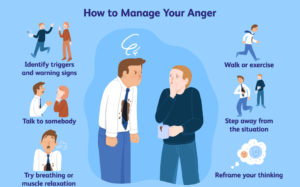
Anger Management: Understanding, Regulating, and Transforming Anger in Healthy Ways

Anger is one of the most misunderstood emotions. It is often labeled as negative, dangerous, or destructive, yet anger itself is not the problem. Unregulated, suppressed, or explosive anger is what creates harm—to relationships, physical health, and mental well-being.

Anger management is not about controlling or eliminating anger. It is about understanding what anger is communicating, regulating the body’s response, and expressing emotions in healthy, constructive ways.

This article explores anger management in depth—covering the psychology of anger, its causes, types, consequences, and evidence-based strategies to manage it effectively.

What Is Anger?

Anger is a natural emotional response to perceived threat, injustice, frustration, or boundary violation. From an evolutionary perspective, anger helped humans survive by preparing the body to respond to danger.

When anger arises:

  • Heart rate increases

  • Muscles tense

  • Stress hormones like adrenaline and cortisol are released

  • The brain shifts into a survival-oriented mode

This response is automatic. The problem arises when anger becomes chronic, overwhelming, or poorly expressed.

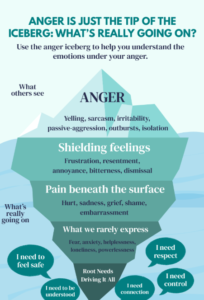
The Anger Iceberg: What Lies Beneath Anger

Psychologically, anger is often a secondary emotion. This means it sits on the surface, protecting more vulnerable feelings underneath.

Common emotions beneath anger include:

  • Hurt

  • Fear

  • Shame

  • Rejection

  • Helplessness

  • Loneliness

For many individuals—especially those taught to suppress vulnerability—anger becomes the only acceptable emotion. Understanding what lies beneath anger is a key step in managing it.

Common Causes of Anger

Anger does not emerge randomly. It usually develops from a combination of internal and external factors.

1. Unmet Emotional Needs

Feeling unheard, unappreciated, disrespected, or ignored can build resentment over time.

2. Stress and Burnout

Chronic stress lowers emotional tolerance, making even small triggers feel overwhelming.

3. Trauma and Past Experiences

Individuals with childhood abuse, neglect, or emotional invalidation may have a heightened anger response due to a sensitized nervous system.

4. Poor Emotional Regulation Skills

Many people were never taught how to recognize, name, or express emotions safely.

5. Cognitive Distortions

Rigid beliefs such as “People must respect me” or “This should not happen” intensify anger reactions.

Types of Anger Expression

Anger can manifest in different ways, each with its own psychological cost.

1. Explosive Anger

  • Yelling, aggression, verbal or physical outbursts

  • Often followed by guilt or shame

  • Damages relationships and trust

2. Suppressed Anger

  • Avoidance, emotional shutdown, people-pleasing

  • May lead to anxiety, depression, psychosomatic symptoms

3. Passive-Aggressive Anger

  • Sarcasm, silent treatment, indirect hostility

  • Creates confusion and unresolved conflict

4. Chronic Irritability

  • Constant frustration, impatience, bitterness

  • Often linked to burnout or unresolved trauma

Healthy anger management aims to replace these patterns with assertive and regulated expression.
The Impact of Unmanaged Anger

When anger is not addressed, it can affect multiple areas of life:

Mental Health

  • Anxiety disorders

  • Depression

  • Emotional numbness

  • Substance use

Physical Health

  • High blood pressure

  • Headaches

  • Digestive issues

  • Increased risk of heart disease

Relationships

  • Frequent conflicts

  • Emotional distance

  • Fear and lack of safety

  • Breakdown of trust

Anger that is ignored does not disappear—it often turns inward or spills outward.

Anger Management:

  1. Awareness – recognizing anger early

  2. Regulation – calming the body and nervous system

  3. Expression – communicating needs safely and clearly

It is a skill set, not a personality trait.
Practical Anger Management Techniques

1. Recognize Early Warning Signs

Anger gives signals before it explodes:

  • Tight jaw or fists

  • Rapid breathing

  • Racing thoughts

  • Feeling “heated” or restless

Early awareness allows intervention before escalation.

2. Regulate the Body First

You cannot reason with an overactivated nervous system.

Helpful techniques:

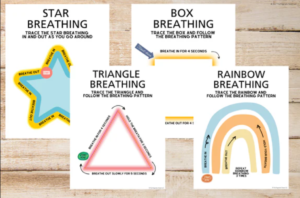
  • Slow diaphragmatic breathing

  • Grounding exercises (5–4–3–2–1 method)

  • Physical movement (walking, stretching)

Regulation brings the brain back online.

3. Identify the Real Emotion

Ask yourself:

  • What am I really feeling right now?

  • What need feels threatened or unmet?

Naming emotions reduces their intensity.

4. Challenge Angry Thought Patterns

Cognitive reframing helps reduce emotional intensity:

  • Replace “They are disrespecting me” with “I feel ignored, and that hurts”

  • Replace “This always happens” with “This situation is difficult, not permanent”

5. Learn Assertive Communication

Healthy anger expression sounds like:

  • “I felt upset when…”

  • “I need…”

  • “This boundary is important to me”

Assertiveness respects both self and others.

6. Release Anger Safely

Anger needs an outlet—not destruction.

Healthy outlets include:

  • Journaling

  • Exercise

  • Creative expression

  • Talking with a trusted person

Anger, Masculinity, and Social Conditioning

Many men are socialized to:

  • Avoid vulnerability

  • Suppress sadness or fear

  • Use anger as the only emotional outlet

This makes anger management especially important in men’s mental health. Learning emotional language and regulation is not weakness—it is emotional maturity.
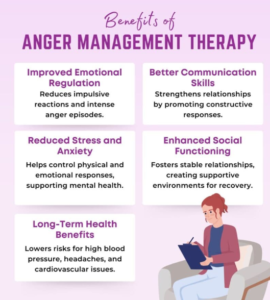
When to Seek Professional Help

Anger management therapy may be helpful if:

  • Anger feels uncontrollable
  • It begins to harm personal and professional relationships.
  • It increases the risk of aggressive or violent behavior.
  • It occurs alongside trauma-related symptoms, anxiety, or depressive disorders.

Therapy helps uncover underlying causes and builds long-term emotional regulation skills.

Final Reflection

Anger is not the enemy—it is a messenger. It points to boundaries, unmet needs, pain, and injustice. When understood and regulated, anger can become a source of clarity, self-respect, and change.

True anger management is not about suppressing emotion—it is about learning to listen, regulate, and respond rather than react.

Written by Baishakhi Das

Counselor | Mental Health Practitioner
Qualifications: B.Sc in Psychology | M.Sc  | PG Diploma in Counseling

Frequently Asked Questions (FAQ): Anger Management


1. Is anger a bad emotion?

No. Anger itself is a normal and healthy emotion. It signals that something feels unfair, threatening, or emotionally painful. Problems arise when anger is suppressed, misdirected, or expressed aggressively.


2. What is the difference between anger and aggression?

Anger is an emotion, while aggression is a behavior. You can feel angry without being aggressive. Anger management focuses on regulating the emotion so it can be expressed assertively rather than destructively.


3. Why do some people get angry more easily than others?

Anger sensitivity can be influenced by:

  • Childhood experiences and emotional modeling

  • Chronic stress or burnout

  • Trauma or unresolved emotional wounds

  • Poor emotional regulation skills

  • Rigid thinking patterns

People who grew up in invalidating or unsafe environments often have a lower emotional tolerance for frustration.


4. Is anger always caused by the present situation?

Often, no. Many anger reactions are triggered by old emotional wounds. The current situation may resemble earlier experiences of rejection, disrespect, or powerlessness, activating a stronger response than the present moment alone would justify.


5. What are the physical signs that anger is building up?

Common early signs include:

  • Tight jaw or clenched fists

  • Rapid heartbeat

  • Shallow or fast breathing

  • Feeling hot or restless

  • Racing or rigid thoughts

Recognizing these signs early is key to effective anger management.


6. Can suppressed anger cause health problems?

Yes. Chronic suppression of anger has been linked to:

  • Anxiety and depression

  • Headaches and digestive problems

  • High blood pressure

  • Emotional numbness

  • Passive-aggressive behavior

Anger that is not expressed safely often turns inward.


7. Are anger management techniques effective?

Yes—when practiced consistently. Techniques such as breathing exercises, cognitive restructuring, emotional awareness, and assertive communication are evidence-based and widely used in psychotherapy.


8. When should someone seek professional help for anger?

Professional support is recommended if:

  • Anger feels uncontrollable

  • It harms relationships or work life

  • There is verbal or physical aggression

  • Anger is linked with trauma, anxiety, or depression

Therapy helps address both symptoms and root causes of anger.


9. Is anger management only for people who “lose control”?

No. Anger management is also for people who:

  • Suppress emotions

  • Feel chronically irritated

  • Struggle to set boundaries

  • Feel guilt or shame after expressing anger

Healthy anger expression is a life skill, not a crisis tool.


10. What is the core goal of anger management?

The goal is not to eliminate anger, but to:

  • Understand what anger is communicating

  • Regulate the body’s stress response

  • Express emotions clearly and respectfully

In short: respond instead of react.


Reference 

  1. American Psychological Association – Anger
    https://www.apa.org/topics/anger
    — Evidence-based overview of anger, its effects, and management strategies.

  2. National Institute of Mental Health – Stress and Emotion Regulation
    https://www.nimh.nih.gov/health/topics/stress
    — Explains how stress impacts emotional control, including anger.

  3. Verywell Mind – Anger Management Techniques
    https://www.verywellmind.com/anger-management-strategies-4178870
    — Practical, psychology-backed anger management strategies.

  4. Mayo Clinic – Anger Management: Tips to Tame Your Temper
    https://www.mayoclinic.org/healthy-lifestyle/adult-health/in-depth/anger-management/art-20045434
    — Medical perspective on anger, health risks, and coping skills.

  5. Psychology Today – Understanding Anger
    https://www.psychologytoday.com/us/basics/anger
    — Explores emotional, cognitive, and relational aspects of anger.

  6. World Health Organization – Mental Health and Emotional Regulation
    https://www.who.int/teams/mental-health-and-substance-use
    — Global mental health framework relevant to emotional regulation.

  7. National Health Service (UK) – Anger Management
    https://www.nhs.uk/mental-health/conditions/anger-management/
    — Public mental health guidance on managing anger safely.

  8. 7 Signs You Need to Talk to a Therapist — Don’t Ignore These
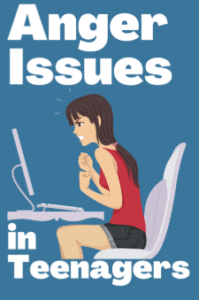
 

Teenage Anger Management: Causes, Types, and Practical Strategies for Parent

Adolescence is a phase of transformation — physically, emotionally, psychologically, socially. During these years, many teenagers experience anger more intensely than ever before. Anger itself is not a problem; it is a signal. But unmanaged anger can lead to conflict, impulsive decisions, self-harm, academic issues, aggression, and relationship breakdowns.

Teenage anger is not simply “bad behavior.” It is an expression of inner overwhelm, unmet needs, emotional confusion, and rapid brain development. When understood properly, anger can become a doorway to emotional growth and self-awareness.

This article offers a comprehensive guide for parents, teachers, and counsellors on understanding and supporting teenagers through anger.

Why Teenagers Experience More Anger

1. Hormonal Changes

During puberty, the increase in testosterone, estrogen, and stress hormones (like cortisol) makes emotions more intense. The teenage brain reacts faster and stronger to frustration.

2. Developing Brain

Teens’ prefrontal cortex (responsible for reasoning, impulse control, and decision-making) is still under construction.
But the amygdala (emotional reaction center) is fully active.

This means:

  • Emotions rise quickly
  • Logic arrives slowly

This imbalance makes anger reactions more common.

3. Identity Formation

Teenagers are trying to answer:

  • “Who am I?”
  • “What do I want?”
  • “Where do I belong?”
  • “Do I fit in?”

Confusion around identity often shows up as irritability, anger, or defensiveness.

4. Peer Pressure & Social Stress

Teens face:

  • Social comparison
  • Academic pressure
  • Fear of judgment
  • Relationship drama
  • Belongingness struggles

These stressors often manifest as sudden anger.

5. Hidden Emotions Behind Anger

Teen anger often masks:

  • Anxiety
  • Loneliness
  • Shame
  • Fear of failure
  • Low self-esteem
  • Feeling misunderstood

Anger becomes a protective shield.

screenshot 2025 11 25 003730

Types of Teenage Anger

Understanding anger types helps in effective intervention.

1. Reactive Anger — “The Quick Explosion”

Reactive anger is fast, impulsive, and intense. It appears suddenly in response to a trigger, often without the teen realizing what is happening inside their body.

Characteristics

  • Immediate response to stress or frustration
  • Little to no thinking before reacting
  • Emotional overwhelm
  • Often followed by regret
  • Triggered by small issues that feel big in the moment

Example

A teen is playing a game, loses a level, and instantly throws the controller.
Or a parent corrects them, and they snap back instantly:
“Stop telling me what to do!”

Why it happens

  • The teen’s prefrontal cortex (logic) reacts slower
  • The amygdala (emotion center) fires rapidly
  • Stress hormones spike quickly

How counselling helps

  • Teaching “pause” techniques
  • Identifying body cues (tight fists, fast heartbeat)
  • Using short grounding skills before reacting

Reactive anger is not intentional — it is a biological misfire that teens can learn to control.

2. Passive Anger — “The Quiet Storm”

Passive anger is silent but powerful. Instead of expressing anger outwardly, the teen holds it inside and expresses it indirectly.

Characteristics

  • Withdrawal
  • Silent treatment
  • Procrastination or ignoring requests
  • Avoidance
  • Sarcasm or subtle resistance
  • “I’m fine” but clearly not fine

Example

A teen feels hurt by a parent’s comment but instead of talking, they stop responding, avoid eye contact, or lock themselves in their room.

Why it happens

  • Fear of conflict
  • Feeling unsafe expressing emotions
  • Belief that their voice won’t be heard
  • Low self-esteem or fear of rejection

How counselling helps

  • Teaching emotional expression
  • Encouraging healthy communication
  • Helping the teen name feelings (“I feel hurt, not angry”)

Passive anger needs compassion — not punishment — because it hides pain beneath quietness.

3. Aggressive Anger — “The Outward Explosion”

Aggressive anger is noticeable and intense, often frightening for peers and family members.

Characteristics

  • Yelling, shouting
  • Hitting, pushing, throwing objects
  • Threatening behavior
  • Breaking rules or property
  • Blaming others

Example

A teen gets scolded for failing an exam and responds by slamming doors, shouting, or breaking something.

Why it happens

  • Trouble regulating emotions
  • Impulse control issues
  • Trauma history
  • Feeling unheard or powerless
  • Role modelling (they saw adults behave this way)

How counselling helps

  • Teaching empathy
  • Anger-to-words conversion
  • Learning consequences and responsibility
  • Providing safe outlets (sports, movement, art)
  • Family therapy if home environment influences aggression

Aggressive anger is a call for urgent support and behavioural redirection, not harsh punishment.

4. Internalized Anger — “Anger Turned Inward”

Internalized anger is dangerous because it is silent and invisible. The teen does not express anger outwardly; instead, they harm themselves emotionally or physically.

Characteristics

  • Self-harm (cutting, burning, scratching)
  • Negative self-talk (“I am useless”)
  • Shame and guilt
  • Isolating themselves
  • Depression, hopelessness
  • Suppressing emotions until they break down

Example

A teen gets rejected socially and thinks:
“I deserve this.”
Or engages in self-harm because they feel the anger is not acceptable.

Why it happens

  • Fear of hurting others
  • Belief that emotions are unacceptable
  • Trauma or emotional neglect
  • Extreme sensitivity or shame
  • Low self-worth

How counselling helps

  • Building emotional vocabulary
  • Teaching healthy release outlets
  • Exploring the root cause (bullying, trauma, family issues)
  • Safety plan for self-harm
  • Compassion-focused therapy

Internalized anger requires gentle, trauma-informed care from a counsellor.

5. Assertive Anger — “The Healthy Expression”

Assertive anger is the ideal form of anger — respectful, clear, calm, and solution-focused.

Characteristics

  • Speaking needs clearly
  • Using “I” statements
  • Staying calm while expressing frustration
  • Respecting self and others
  • Problem-solving instead of blaming
  • Setting healthy boundaries

Example

A teen says:
“I feel hurt when my privacy is not respected. Can we talk about a better way?”
Or
“I need a 10-minute break before continuing this conversation.”

Why this is the goal

Assertive anger:

  • Builds emotional intelligence
  • Strengthens self-esteem
  • Improves communication skills
  • Reduces conflict
  • Helps the teen feel understood and respected

How counselling develops assertive anger

  • Role-play conversations
  • Teaching assertive body language
  • Showing how to separate anger from aggression
  • Reinforcing that feelings are valid but behavior must be respectful

Assertive anger transforms anger from a weapon into a tool for emotional growth.

screenshot 2025 11 25 003857


Signs a Teen Is Struggling With Anger

Parents and counsellors often miss the early red flags.

  • Frequent irritability
  • Arguing over small issues
  • Declining grades
  • Aggression towards peers
  • Isolation or shutting down
  • Trouble sleeping
  • Breaking rules
  • Risk-taking behavior
  • Emotional withdrawal
  • Difficulty controlling reactions

If left unaddressed, unmanaged anger can escalate into long-term emotional and behavioral issues.

Common Triggers for Teen Anger

1. Feeling Controlled

Teenagers crave autonomy.
Excessive rules or criticism lead to rebellion.

2. Feeling Misunderstood

Teens often feel adults “don’t get it.”

3. Relationship issues

Breakups, crushes, betrayal by friends.

4. Academics

Fear of failure, pressure to perform, comparison with siblings.

5. Family Conflict

Parental fights, divorce, neglect, trauma.

6. Social Media

Cyberbullying, comparison, unrealistic expectations.

Healthy Anger vs. Unhealthy Anger

Healthy Anger Unhealthy Anger
Controlled Explosive
Expressed with words Expressed through violence
Focuses on problem-solving Focuses on attacking
Temporary Long-lasting
Leads to solutions Damages relationships

Goal: Move teens from unhealthy → healthy anger expression.

How Parents and Caregivers Can Help

1. Listen Without Judgment

Avoid:

  • “Calm down.”

  • “Why are you overreacting?”

  • “You’re being dramatic.”

Instead say:

  • “I can see you’re upset. I’m here to understand.”

2. Validate Feelings

Validation reduces intensity instantly.

Examples:

  • “It makes sense you’re frustrated.”

  • “Anyone in your place would feel this way.”

3. Don’t Take It Personally

Teen anger is often directed at the safest person — the parent.
It’s not about disrespect; it’s emotional overflow.

4. Set Clear, Consistent Boundaries

Rules must be:

  • Fair
  • Explained
  • Consistent
  • Age-appropriate

5. Teach Emotional Vocabulary

Teens often express everything as “anger.”
Help them identify:

  • “I’m stressed.”

  • “I’m embarrassed.”

  • “I feel ignored.”

  • “I feel pressured.”

Naming emotions = reduced intensity.

6. Encourage Physical Outlet

Exercise, sports, dance, cycling, walking reduce anger hormones quickly.

7. Model Healthy Anger

Children learn anger from how adults express anger.

If adults shout, slam doors, or withdraw — teens copy it.

screenshot 2025 11 25 004038

Therapeutic Approaches for Teen Anger

1. Cognitive Behavioral Therapy (CBT)

Helps teens:

  • Identify triggers

  • Challenge negative thoughts

  • Replace impulsive reactions with calmer responses

2. Emotion Regulation Skills (DBT)

Teaches:

  • Breathing techniques

  • Grounding

  • Distress tolerance

  • Mindfulness

3. Family Therapy

Improves:

  • Communication

  • Boundaries

  • Mutual understanding

4. Trauma-Informed Therapy

For teens affected by:

  • Abuse

  • Neglect

  • Loss

  • Bullying

  • Witnessing violence

5. Art Therapy / Journaling

Allows teens to express anger safely and creatively.

Practical Anger Management Skills for Teens

1. The “Stop–Pause–Think” Method — Breaking the Automatic Reaction Cycle

Teenagers often react before their brain has time to process the situation.
This method helps interrupt the emotional impulse and gives the logical brain a chance to engage.

How It Works

Step 1: Stop

When anger rises, the teen mentally says:
“STOP.”
This single word interrupts the brain’s emotional autopilot.

Step 2: Pause

During the pause, the body begins slowing down:

  • heart rate decreases
  • breathing becomes steadier
  • adrenaline level drops

Even a 5-second pause can prevent an angry outburst.

Step 3: Think

The teen asks:

  • “What will happen if I react now?”
  • “Is this worth the fight?”
  • “What outcome do I want?”

This shifts them from impulse to intention.

Why It Works

It activates the prefrontal cortex, the part of the brain responsible for:

  • judgement
  • self-control
  • decision-making

This technique teaches teens that anger is a signal, not a command.

2. The 10-Minute Rule — When Emotions Are Too High to Talk

Some anger is too intense for immediate thinking.
The 10-minute rule prevents teens from reacting when their emotional brain is in full control.

How It Works

When the teen feels overwhelmed:

  • They walk away
  • Go to another room
  • Sit outside
  • Take a short break
  • Do something calming for exactly 10 minutes

Not hours.
Not disappearing.
Just 10 minutes to reset.

Why It Works

Within 10 minutes:

  • stress hormones drop
  • blood pressure lowers
  • logical thinking returns
  • the teen sees the situation more clearly

This creates space for calm conversation, not conflict.

screenshot 2025 11 25 004211

3. “I” Statements Instead of Blame — Healthy Communication in Conflict

Teens often say:

  • “You never listen!”
  • “Don’t care!”
  • “You make me angry!”

These statements create defensiveness in others and escalate fights.

Using “I” Statements

Teens learn to express themselves without attacking.

  • “I feel hurt when my opinions are ignored.”
  • “feel stressed when plans change suddenly.”
  • “I need some space to calm down.”

Why It Works

“I” statements:

  • reduce arguments
  • express emotions clearly
  • respect both people
  • improve trust

Counsellors use this technique widely because it transforms blame into connection.

4. Deep Breathing — Resetting the Body’s Anger Reaction

Anger is not just emotional — it is physical.
The body goes into “fight mode” with:

  • fast heartbeat
  • tight muscles
  • shallow breathing

Deep breathing reverses these effects immediately.

Technique: 4–4–4 Breathing

  • Inhale for 4 seconds
  • Hold for 4 seconds
  • Exhale for 4 seconds
  • Repeat 5–7 times.

Why It Works

Deep breathing:

  • lowers cortisol (stress hormone)
  • increases oxygen to the brain
  • reduces emotional overwhelm
  • slows the heartbeat

It gives teens control over their body, which helps control their reactions.

5. Physical Release — Safely Releasing Stored Anger

Anger builds tension in the body. Teens who keep it inside often explode later.

Healthy physical release helps them release energy without hurting anyone.

Examples

  • Punching a pillow
  • Running or jogging
  • Jumping jacks
  • Stretching
  • Dancing
  • Squeezing a stress ball

Why It Works

Physical activity:

  • burns excess adrenaline
  • reduces muscle tension
  • improves mood by releasing endorphins
  • clears the mind

This is extremely effective for teens who struggle with explosive anger.

6. Mindfulness Practice — Training the Brain to Stay Calm

Mindfulness means focusing on the present moment instead of getting lost in anger or overthinking.

What Teens Can Do

  • Focus on breathing
  • Notice sensations in the body
  • Listen to soothing sounds
  • Ground themselves using the 5 senses
  • Guided meditation apps

Why It Works

Mindfulness:

  • strengthens emotional control
  • reduces impulsivity
  • helps teens notice anger before it becomes explosive
  • improves overall mental health

With practice, teens react less and understand more.

7. Creating a Safe Space — A Calming Environment for Overwhelm

Teens need a place where they can cool down without judgement.

What a Safe Space Looks Like

A corner or room with:

  • soft lighting
  • comfortable chair or pillow
  • drawing materials
  • calming music
  • journal
  • stress ball or fidget toy

How It Helps

A safe space:

  • reduces sensory overload
  • encourages emotional regulation
  • helps the teen calm down before talking
  • creates a sense of control

This teaches the teen that calming down is not running away — it is emotional responsibility.


Activities for Teen Anger Management

1. Anger Diary

Write:

  • Trigger
  • Reaction
  • Emotion behind anger
  • What could I do differently?

2. Emotion Wheel

Helps teens identify hidden feelings beneath anger.

3. Safe Expression Box

Teens write down anger and drop into a box.
Helps release without reacting.

4. Positive Self-Talk Cards

  • “I can handle this.”
  • “am in control.”
  • “I have choices.

When to Seek Professional Help

Seek a psychologist or counsellor if anger includes:

  • Physical aggression
  • Self-harm
  • Sudden personality changes
  • Social withdrawal
  • Constant conflict
  • School refusal
  • Panic attacks
  • Depression signs

Early intervention prevents long-term problems.

Final Thoughts

Teen anger is not a problem to punish — it is a message to understand. It signals unmet emotional needs, stress, confusion, or hidden pain. With empathy, guidance, clear boundaries, and emotional support, teenagers can transform anger into self-awareness, strength, and emotional resilience.

Parents, teachers, and counsellors play a crucial role in helping teens feel heard, understood, and safe.

Healthy anger management is not about making teens “quiet.”
It is about helping them become emotionally intelligent, balanced, and confident young adults.

Frequently Asked Questions (FAQs)

1. Why do teenagers get angry easily?

Due to hormonal changes, brain development, and emotional stress.

2. Is anger normal in teenagers?

Yes, anger is a normal emotion but needs healthy expression.

3. What are the types of teenage anger?

Reactive, passive, aggressive, internalized, and assertive anger.

4. How can parents handle teenage anger?

By listening, validating feelings, and setting clear boundaries.

5. What triggers anger in teenagers?

Peer pressure, academic stress, family conflict, and feeling misunderstood.

6. What is the difference between healthy and unhealthy anger?

Healthy anger is controlled and expressed respectfully, while unhealthy anger is aggressive or suppressed.

7. Can teenage anger lead to mental health problems?

Yes, unmanaged anger can lead to anxiety, depression, or behavioral issues.

8. What are effective anger management techniques for teens?

Deep breathing, mindfulness, physical activity, and communication skills.

9. When should a teen see a therapist?

If anger leads to aggression, self-harm, or severe emotional distress.

10. How can teens control anger in the moment?

Using techniques like pause, deep breathing, and stepping away.

Written by Baishakhi Das

Counselor | Mental Health Practitioner
B.Sc, M.Sc, PG Diploma in Counseling

Reference

Psychology Today – Anger in Teens
https://www.psychologytoday.com/us/basics/anger

According to the American Psychological Association, anger management is essential for emotional regulation 
https://www.apa.org/topics/anger

The Psychology of Care: Inside the Minds of Certified Nurses Balancing Empathy, Burnout, and Healing

This article is written for knowledge purposes, aiming to help readers understand the topic better and gain useful insights for learning and awareness.