Anxiety Workbook Guide: CBT Exercises, Techniques, and Daily Practices for Anxiety Relief

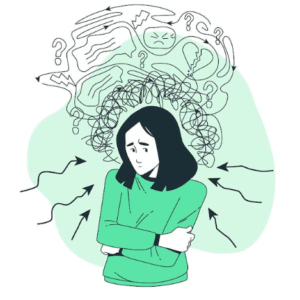
Anxiety is one of the most common psychological concerns today. It affects how we think, feel, and behave. Many people struggle silently, unsure of how to cope with constant worry, overthinking, panic, or restlessness.
An Anxiety Workbook is a powerful self-help tool that guides individuals through structured exercises to reduce anxiety and regain emotional control.

This article explains what an anxiety workbook is, why it works, and the most effective exercises you can include in one.

What Is an Anxiety Workbook?

An Anxiety Workbook is a step-by-step guide containing:

  • Practical exercises
  • Self-reflection prompts 
  • Cognitive-behavioral techniques 
  • Breathing and grounding tools 
  • Journaling activities

It helps individuals understand their emotional patterns and learn how to manage anxiety in daily life.

Workbooks are particularly effective because they encourage active participation, not just reading.

Why Is an Anxiety Workbook Helpful?

1. Helps you identify anxiety triggers

Many people struggle with anxiety without knowing what exactly causes it. A workbook guides you to observe your daily thoughts, emotions, and situations more closely. By writing down when anxiety appears, what you were doing, and how your body reacted, you begin to see clear patterns. These insights help you understand your personal triggers, which is the first step toward managing anxiety effectively.

  1. Makes Overwhelming Emotions Manageable

Anxiety often feels huge—like a storm you cannot control. But when you break it down into small, simple exercises, it becomes less frightening. A workbook simplifies your emotional experiences into steps you can handle one at a time. This makes your feelings more understandable, and suddenly the anxiety that felt “too much” becomes something you can work through slowly and gently.

  1. Teaches Scientifically-Proven Techniques

Most anxiety workbooks use evidence-based psychological tools, especially from Cognitive Behavioral Therapy (CBT). These techniques help you challenge negative thinking, replace unhelpful beliefs, and calm your body’s stress response. Because they are rooted in research, these methods are not just comforting—they are clinically effective and can lead to long-lasting improvement.

  1. Encourages Daily Practice and Routine

Healing from anxiety requires consistency, not perfection. A workbook motivates you to spend a few minutes each day reflecting, practicing grounding exercises, or updating your thought records. Over time, this daily practice strengthens emotional resilience, builds healthy coping habits, and makes you better equipped to handle stressful situations.

  1. Helps You See Your Progress Clearly

One of the most powerful parts of an anxiety workbook is the ability to look back and see how far you’ve come. You can visually track your reduction in anxiety scores, notice fewer triggers, or see how your thoughts have become more balanced. This sense of progress boosts confidence, encourages self-belief, and reinforces the idea that change is possible.

📘 What Should an Anxiety Workbook Include?

A complete Anxiety Workbook usually contains the following sections:

1. Understanding Your Anxiety

This section helps the reader reflect on:

  • When anxiety started
  • How often it happens
  • Physical symptoms
  • Common thoughts
  • Behavior changes

Exercise: Anxiety Mapping
Write down:

  • Your triggers
  • Immediate thoughts
  • Your physical reactions
  • What you do to cope

This creates a clear picture of your anxiety cycle.

2. Identifying Your Triggers

Anxiety can be triggered by:

  • Stressful situations
  • People or conflicts
  • Past trauma
  • Uncertainty
  • Social situations
  • Work pressure

Trigger Log Template:

  • Date
  • What happened?
  • How I felt (emotion)
  • Anxiety level (0–10)
  • What thoughts came?

3. Thought Restructuring (CBT Technique)

One of the most powerful parts of an anxiety workbook.

Goal: Replace negative thoughts with balanced, realistic ones.

Exercise: Thought Record Sheet
Write:

  • “What am I thinking right now?”
  • “Is this thought based on facts or fear?”
  • “What is a more balanced way to see this?”
  • “What would I tell a friend in this situation?”

You train your brain to stop automatic anxious thinking.


4. Breathing & Grounding Techniques

When anxiety becomes physical, grounding exercises help immediately.

Effective Tools Include:

  • 4-7-8 Breathing
  • Box Breathing
  • 5-4-3-2-1 Sensory Grounding
  • Progressive Muscle Relaxation

These calm the nervous system within minutes.


5. Daily Anxiety Journal

Journaling helps express hidden emotions.

Prompts you can include:

  • What made me anxious today?
  • Helped me feel calm?
  • What negative thoughts did I challenge?
  • One thing I am proud of today.


6. Lifestyle Tracking

Anxiety improves when daily habits improve.

Include sections to track:

  • Sleep quality
  • Water intake
  • Exercise
  • Screen time
  • Caffeine consumption
  • Relaxation time

This shows people how lifestyle affects anxiety.

7. Creating a Personal Coping Plan

An effective Anxiety Workbook should end with a Personal Coping Plan—a simple, customized roadmap that helps the reader know exactly what to do when anxiety becomes intense. This plan becomes a personal guide they can return to whenever they feel overwhelmed, confused, or stuck. It brings clarity, structure, and a sense of safety during difficult moments.

A complete coping plan usually includes the following elements:

1. Five Daily Coping Habits

These are small, healthy actions that support emotional stability every day. They act like “mental vitamins,” strengthening the mind consistently.
Daily habits might include:

  • Practicing 5 minutes of deep breathing
  • Taking a short walk
  • Writing a quick mood journal
  • Limiting screen time in the evenings
  • Drinking enough water or having a calming tea

By repeating these habits daily, a person builds resilience and reduces overall anxiety levels.


2. Three Emergency Grounding Strategies

These are fast, practical tools for moments when anxiety spikes suddenly and feels out of control. They help bring the mind back to the present moment and calm the body quickly.

Examples include:

  • The 5-4-3-2-1 grounding method
  • Splashing cold water on the face
  • Focusing on slow, controlled breathing (e.g., 4-7-8 technique)

Having these written down ensures that during a panic or high-stress moment, the person doesn’t have to think—they just follow their plan.


3. Five Positive Affirmations

Positive affirmations help reshape anxious thinking and strengthen emotional confidence. They act as gentle reminders that the person is safe, capable, and in control.

Examples include:

  • “I am safe in this moment.”
  • “My feelings are temporary and manageable.”
  • “I have the strength to get through this.”
  • “Can pause, breathe, and choose calm.”
  • “I am doing the best I can—and that is enough.”

Repeating these daily rewires the brain toward calm and clarity.

screenshot 2025 11 04 002042

4. A List of Supportive People

This section encourages the reader to identify people who bring comfort, safety, or emotional support.
The list might include:

  • A close friend
  • Family member
  • A partner
  • Mentor
  • A therapist

Writing their names and contact details provides a sense of security. When anxiety feels overwhelming, knowing exactly who to reach out to can prevent isolation and panic.

Why This Plan Matters

A personal coping plan works like a mental health “toolbox.”
It keeps the person prepared, grounded, and supported during anxious moments. Instead of feeling lost or helpless, they can simply follow the steps they created for themselves. This reduces fear, builds independence, and gives them a stronger sense of control over their emotional world.
screenshot 2025 11 21 175502

 Benefits of Using an Anxiety Workbook Regularly

  • Reduces overthinking
  • Improves emotional awareness
  • Creates healthier thought patterns
  • Strengthens coping skills
  • Increases confidence
  • Reduces fear-driven reactions
  • Supports long-term healing

With consistent use, individuals feel calmer, more balanced, and more in control of their mental health.

Conclusion

An Anxiety Workbook is an excellent self-help resource for anyone struggling with stress, fear, or overthinking.
It offers structured exercises, CBT techniques, grounding tools, and journaling activities that support long-term emotional healing.

Whether you are a therapist, student, working professional, or parent, using an anxiety workbook daily can significantly improve your mental and emotional well-being.

Frequently Asked Questions (FAQs)

1. What is an anxiety workbook?

An anxiety workbook is a structured guide with exercises and techniques to manage anxiety.

2. How does an anxiety workbook help?

It helps identify triggers, manage thoughts, and build coping skills.

3. What techniques are used in an anxiety workbook?

CBT techniques, breathing exercises, journaling, and grounding methods.

4. Can an anxiety workbook replace therapy?

It can help, but severe anxiety may still require professional support.

5. How often should I use an anxiety workbook?

Daily or regularly for best results.

6. What is CBT in anxiety workbooks?

Cognitive Behavioral Therapy helps change negative thought patterns.

7. What are grounding techniques?

Methods like 5-4-3-2-1 that bring attention to the present moment.

8. Can journaling reduce anxiety?

Yes, it helps process emotions and reduce overthinking.

9. Who can use an anxiety workbook?

Students, professionals, parents, or anyone experiencing stress or anxiety.

10. How long does it take to see results?

With consistent practice, improvement can be seen within weeks.

Written by Baishakhi Das

Counselor | Mental Health Practitioner
B.Sc, M.Sc, PG Diploma in Counseling

References

  1. National Institute of Mental Health
    👉 https://www.nimh.nih.gov/health/topics/anxiety-disorders
  2. American Psychological Association
    👉 https://www.apa.org/ptsd-guideline/patients-and-families/cognitive-behavioral
  3. Language Development in Children: Stages, Theories (Why child not speaking clearly at age 2)

This article is written for knowledge purposes, aiming to help readers understand the topic better and gain useful insights for learning and awareness.

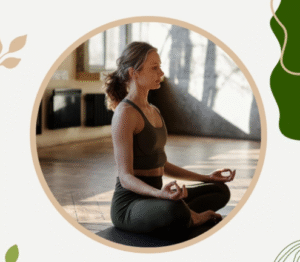
How to Reduce Anxiety and Stress: Practical Techniques for a Calmer Mind

Introduction

Anxiety and stress are extremely common challenges that affect millions of people worldwide, especially in today’s fast-paced and uncertain environment. These conditions extend beyond temporary feelings of worry or pressure—they can significantly disrupt daily functioning, negatively impact relationships, and reduce overall quality of life. According to recent global statistics, anxiety disorders affect approximately 4% of the population, with rates rising sharply due to factors like the COVID-19 pandemic and ongoing economic and social uncertainties. Stress, on the other hand, is reported by over 75% of adults who experience symptoms ranging from headaches and fatigue to irritability and trouble sleeping. Prolonged stress and anxiety can contribute to serious health problems, including depression, cardiovascular disease, and impaired immune function.

Despite their prevalence, anxiety and stress are manageable through practical and accessible techniques. By understanding your personal triggers and learning mindfulness and relaxation strategies, you can develop greater control over anxious thoughts and bodily tension. Physical activity and setting healthy boundaries around media consumption also play powerful roles in calming the mind. Importantly, building a support network and seeking professional guidance when necessary enhances resilience and long-term mental well-being. This article explores effective, realistic methods that anyone can integrate into their daily routine to reduce anxiety and stress, helping to cultivate a calmer, more balanced life.

Understanding Your Anxiety Triggers

Understanding the triggers of your anxiety is an essential step toward gaining control over your mental health. Anxiety triggers are specific situations, thoughts, or conditions that provoke or worsen feelings of anxiety. These triggers vary widely from person to person. For some, anxiety may stem from common sources like work pressure or financial worries, while for others, it might be social situations, health concerns, or even particular sensory experiences.

For example:

Someone who experiences social anxiety might feel intense apprehension before a public speaking event or attending a busy social gathering. A person with generalized anxiety might worry excessively about daily responsibilities, such as paying bills or meeting deadlines, leading to persistent tension. Health-related anxieties can be triggered by a medical diagnosis or recurring physical symptoms, causing distress and fear about the future.

Financial stress is another prevalent trigger. Concerns about debt, job instability, or the ability to meet monthly expenses can cause constant worry and physical symptoms like restlessness or difficulty sleeping. Similarly, ongoing conflicts in personal relationships or fear of rejection can provoke anxiety, creating a cycle of emotional distress.

Beyond external events, internal factors such as negative thinking patterns—like catastrophizing where one imagines the worst possible outcome—also intensify anxiety. Even everyday habits, such as consuming excessive caffeine, skipping meals, or lack of sleep, can exacerbate anxious feelings.

Recognizing what specifically triggers your anxiety allows you to prepare and respond thoughtfully rather than reacting impulsively. For instance, if public speaking causes you anxiety, practicing relaxation techniques beforehand or seeking supportive environments can help lessen the impact. If financial worries are your trigger, creating a budgeting plan and seeking advice may reduce your stress.

screenshot 2025 11 21 175158

In sum, identifying your anxiety triggers—whether external events, internal thought patterns, or lifestyle factors—is the foundation for learning effective coping strategies and managing anxiety with greater calm and clarity.

Mindful Breathing to Reduce Anxiety

One highly effective technique for reducing anxiety is mindful breathing, which helps shift your focus from overwhelming, anxious thoughts to the present moment and bodily sensations. Mindful breathing encourages intentional, slow breaths that activate the body’s relaxation response, calming the nervous system and reducing stress hormones.

To practice, find a quiet, comfortable place to sit or lie down. Begin by sitting or standing with your feet roughly hip-width apart to maintain good posture. Close your eyes if you feel comfortable. Focus your attention on your natural breath, noticing the rise and fall of your chest or the expansion and contraction of your belly.

Technique

A simple technique is to inhale slowly through your nose for a count of four, hold the breath gently for four seconds, then exhale slowly through your mouth for a count of four. Repeat this ‘box breathing’ cycle several times (typically 5 to 10 cycles). This structured breathing pattern helps regulate your breath and mind.

Alternatively, you can extend the exhale longer than the inhale—for example, inhaling for 4 seconds and exhaling for 6 or 8 seconds—to promote deeper relaxation. Imagine your inhale as a calming wave washing over you, and your exhale carrying away tension and anxiety.

Some people find it helpful to silently repeat a calming word or phrase during each exhale, such as “peace” or “relax,” to anchor attention and deepen the sense of calm. If your mind wanders, gently bring your focus back to your breath without self-judgment.

Practicing mindful breathing for even a few minutes daily or when anxiety strikes can significantly reduce physical symptoms of stress, such as heart rate and muscle tension, while grounding your awareness in the here and now. This technique complements other self-care approaches and is accessible anytime, anywhere for immediate relief.

screenshot 2025 11 21 175359

By regularly incorporating mindful breathing into your routine, you build resilience to anxiety and cultivate more sustained calm and mental clarity.


Progressive Muscle Relaxation

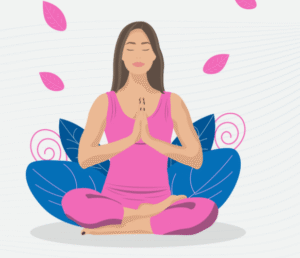
Progressive muscle relaxation (PMR) is a technique to relieve stress by tensing and then relaxing different muscle groups. Start by sitting or lying in a quiet place. For example, curl your toes tightly for 5 seconds while breathing in, then slowly release the tension as you breathe out and feel the relaxation spread. Move up through your calves, thighs, abdomen, arms, shoulders, neck, and face, repeating the tension-release cycle.

For instance, when you reach your shoulders, shrug them up tightly, hold the tension while inhaling, then relax completely as you exhale. This helps you notice the difference between tension and ease, reducing muscle tightness and calming the mind. Doing this for 10 to 20 minutes daily can lower anxiety and improve overall relaxation.

screenshot 2025 11 21 175502

This easy exercise requires no equipment and can be done anywhere to help manage stress effectively.

The Role of Physical Activity

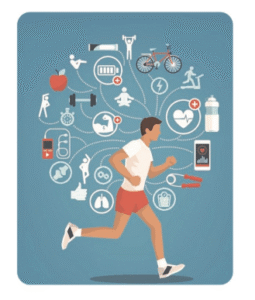
Physical activity is a powerful way to manage anxiety and improve overall mental health. Even simple activities like a short walk, gentle stretching, or light exercise can boost endorphin levels, which are natural chemicals in the brain that enhance mood and reduce stress. These activities also give your mind a break from anxious thoughts, allowing you to reset and regain focus.

Regular exercise supports better sleep quality, which is often disrupted by anxiety, helping the body and mind recover more effectively. Incorporating just 20-30 minutes of physical activity most days can make a significant difference in reducing anxiety symptoms and promoting emotional balance. Whether it’s yoga, walking, or cycling, moving your body regularly acts as a practical and accessible tool for calming the mind.

screenshot 2025 11 21 175607

Limiting Negative Media Exposure

Constant exposure to negative news and social media can significantly harm mental health by increasing anxiety, stress, and feelings of helplessness. For example, nonstop coverage of global crises or social media posts showcasing idealized lifestyles can overwhelm the mind and fuel unhealthy comparisons or fears. Studies show that heavy social media use is linked to higher risks of depression, loneliness, and anxiety.

To protect your mental well-being, it is important to consciously limit when and how you engage with the media. Setting specific times for news consumption, unfollowing emotionally triggering accounts, and taking regular breaks from screens can reduce unnecessary stress. Choosing quality over quantity and focusing on uplifting or balanced content helps maintain a healthier emotional state. Taking control of your media intake supports resilience and preserves your mental health in a world saturated with negative information.

screenshot 2025 11 21 175725

Building a Support System

Building a strong support system is essential for managing anxiety and improving mental health. Trusted friends, family members, or mental health professionals can provide emotional relief, practical advice, and a different perspective during difficult times. For example, sharing your worries with a close friend can help lighten the emotional load, while a therapist can offer coping strategies tailored to your needs.

Having people who listen without judgment and offer empathy helps reduce feelings of isolation, which commonly worsen anxiety. Support networks also encourage you to stay accountable in your mental health journey and remind you that you are not alone. Even small steps, like reaching out to one trusted person or joining a support group, can make a significant difference in your emotional well-being.

screenshot 2025 11 21 175831

Research shows that individuals with strong social support experience less depression and anxiety, recover faster from stressful events, and feel more connected and valued overall

Consistency and Patience

Managing anxiety is a gradual process that requires consistency and patience. Incorporating calming techniques like mindful breathing, progressive muscle relaxation, and physical activity into your daily routine won’t eliminate anxiety immediately, but small, regular efforts build resilience over time. For example, practicing mindful breathing every morning helps train your mind to respond calmly during stressful moments.

Research shows that those who consistently apply anxiety management strategies experience significant reductions in symptoms and improved emotional well-being. Therapy, when combined with daily self-care habits, reinforces coping skills, creating meaningful and lasting change. Remember, progress may feel slow, but persistence leads to greater control and mental balance in the long run.

screenshot 2025 11 21 175934

Conclusion

Managing anxiety is a journey that combines understanding your triggers with practical, evidence-based techniques like mindful breathing, progressive muscle relaxation, physical activity, and limiting negative media exposure. Building a strong support system and maintaining consistent practice of these strategies empower you to respond to anxiety with greater calm and clarity. While progress takes time, small daily efforts create lasting positive change. Embracing patience and persistence helps you regain control over your mental well-being and live with resilience amid life’s stresses.

Frequently Asked Questions (FAQs)

1. What causes anxiety and stress?

Anxiety and stress can be caused by work pressure, financial issues, relationships, or health concerns.

2. How can I reduce anxiety quickly?

Techniques like deep breathing, grounding exercises, and relaxation can help reduce anxiety quickly.

3. What is mindful breathing?

Mindful breathing is a technique that focuses on slow, controlled breathing to calm the mind and body.

4. Does exercise help reduce anxiety?

Yes, physical activity releases endorphins that improve mood and reduce stress.

5. What are common anxiety triggers?

Triggers include social situations, financial stress, negative thinking, and lack of sleep.

6. How does progressive muscle relaxation work?

It involves tensing and relaxing muscles to reduce physical tension and calm the mind.

7. Can social media increase anxiety?

Yes, excessive exposure to negative content can increase stress and anxiety levels.

8. How important is social support for mental health?

A strong support system helps reduce stress and improves emotional well-being.

9. Can anxiety be managed without medication?

Yes, many people manage anxiety through lifestyle changes and therapy.

10. How long does it take to reduce anxiety?

It varies, but consistent practice of coping strategies leads to gradual improvement.

Written by Baishakhi Das

Counselor | Mental Health Practitioner
B.Sc, M.Sc, PG Diploma in Counseling

References

  1. World Health Organization
    👉 https://www.who.int/news-room/fact-sheets/detail/mental-disorders
  2. American Psychological Association
    👉 https://www.apa.org/topics/stress
  3. Verywell Mind
    👉 https://www.verywellmind.com
  4. National Institute of Mental Health
    👉 https://www.nimh.nih.gov
  5. The Psychology of Care: Inside the Minds of Certified Nurses Balancing Empathy, Burnout, and Healing

This article is written for knowledge purposes, aiming to help readers understand the topic better and gain useful insights for learning and awareness.