How to Handle Tantrums Without Yelling: Psychology-Based Techniques That Actually Work

Understanding the science behind big emotions and how to respond effectively

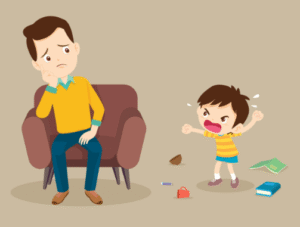
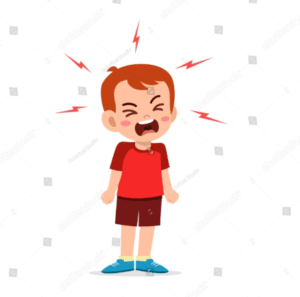
Tantrums are a normal and expected part of childhood. They happen when a child’s developing emotional system becomes overwhelmed by feelings they cannot yet understand or express. Whether it’s frustration, disappointment, sensory overload, or a sudden change in routine, young children often lack the language, impulse control, and emotional regulation skills needed to stay calm. As a result, their emotions spill out physically—through crying, screaming, throwing things, or refusing to cooperate.

While tantrums are common, the adult’s response plays a powerful role in shaping how the child learns to handle big emotions. A calm, supportive response can help the child regain control and feel secure, turning the moment into a learning opportunity. On the other hand, reacting with anger, threats, or punishment can intensify the child’s emotional distress, prolonging the meltdown and reinforcing fear or frustration.

This is where psychology-based techniques become invaluable. By understanding how the child’s brain works during a tantrum and responding with empathy, structure, and consistency, parents and caregivers can:

  • Reduce the frequency and intensity of tantrums
  • Teach children to self-regulate
  • Build emotional vocabulary
  • Strengthen the parent-child relationship
  • Create a calmer and more predictable environment

With the right strategies, every tantrum becomes not just a challenge—but a chance to help the child develop lifelong emotional coping skills and resilience.

Why Do Tantrums Happen? (The Psychology Behind Meltdowns)

Tantrums usually occur when a child’s “upstairs brain”—the part responsible for thinking, problem-solving, and self-control—is overwhelmed by the “downstairs brain,” which manages emotions, impulses, and survival reactions. Because children’s brains are still developing, especially the areas that regulate emotions, their emotional brain often takes charge much faster than their thinking brain can respond.

Common Triggers Behind Tantrums

Several everyday situations can overload a child’s emotional system, such as:

  • Frustration: When something doesn’t go as expected—like a toy not working or a game ending—they feel stuck and powerless.
  • Overstimulation: Too much noise, activity, or sensory input can overwhelm the nervous system, especially in sensitive children.
  • Sudden changes: Unexpected transitions (leaving the park, turning off the TV) can create emotional shock because children rely heavily on predictability.
  • Fatigue or hunger: A tired or hungry brain has less capacity to manage emotions, making meltdowns more likely.
  • Feeling unheard: When children believe their needs or feelings are being ignored, their emotions escalate quickly.
  • Lack of emotional vocabulary: Children who cannot express what they feel (angry, scared, disappointed, confused) often resort to crying, yelling, or physical behaviors.

What Happens in the Brain During a Tantrum

In the middle of a tantrum, the amygdala—the brain’s emotional alarm system—takes over. The child’s body releases stress hormones, their heart rate increases, and their ability to think logically shuts down. In this state, reasoning and discipline are ineffective, because the child is not capable of processing instructions.

This temporary loss of emotional control is not intentional misbehavior. It’s a sign that the child needs support to calm their nervous system before they can learn, listen, or problem-solve.

Psychology-Based Techniques to Handle Tantrums

1. Stay Calm and Regulated (Emotional Co-Regulation)

Children naturally absorb the emotional energy around them. When a parent becomes irritated, raises their voice, or looks frustrated, the child’s distress increases because they sense danger or rejection. Tantrums escalate when adults lose calm.

What to do:

  • Speak slowly and softly
  • Keep your shoulders relaxed
  • Take deep breaths
  • Maintain a neutral or gentle expression
  • Move slowly instead of rushing toward the child

Why it works:

Your calm presence co-regulates the child. Their emotional brain perceives safety, allowing the thinking brain to begin functioning again. When you stay regulated, the child learns to regulate too.

2. Validate the Emotion (Not the Behavior)

Emotional validation is one of the most powerful tools in calming a meltdown. When children feel understood, their brains stop fighting for connection.

Examples of validation:

  • “I can see you’re really upset.”
  • “It’s okay to feel angry. Everyone feels angry sometimes.”
  • “You’re sad because you wanted more playtime.”
  • “I understand this is hard for you.”

Why it works:

Validation reduces emotional intensity, prevents shame, and builds trust. It lets the child know their feelings are real and important—even if their behavior is not acceptable.

3. Use the “Connect Before Correct” Approach

Discipline or reasoning during a tantrum does not work because the child is in an emotional state, not a thinking state.

Connect first, then correct:

  • Connect: “That was frustrating, wasn’t it?”
  • Correct: “Next time, let’s try asking for help instead of shouting.”

Connect with empathy, then guide behavior once the child is calm.

Why it works:

Emotional connection activates the child’s social brain (prefrontal cortex). Once the child feels safe and understood, they are ready to learn and cooperate.

4. Offer Limited Choices (A Sense of Control)

Many tantrums arise from feeling powerless. Offering choices creates a sense of autonomy.

Examples:

  • “Do you want to wear the red t-shirt or the green one?”
  • “Should we clean up the toys together or one by one?”
  • “Do you want milk in the blue cup or yellow cup?”
  • “Shall we leave in 2 minutes or 5 minutes?”

Why it works:

Choices reduce defiance. When children feel in control of small decisions, they become more cooperative in bigger situations.

5. Use Distraction Strategically (For Younger Children)

Toddlers have short attention spans. Redirecting their focus can prevent escalation.

Examples:

  • “Let’s see what’s outside the window!”
  • “Can you help me find the red block?”
  • “Look at this funny picture!”
  • “Let’s play a quick game!”

Why it works:

Distraction interrupts the emotional buildup and gives the child something new to focus on. It works best for children under 4.

6. Teach Calm-Down Techniques (After the Tantrum)

During a tantrum, learning is impossible. But afterward, when the child is calm, you can teach emotional skills.

Helpful techniques:

  • Deep breathing: “Smell the flower, blow the candle.”
  • Counting slowly: 1 to 10 or backward.
  • Stress ball squeezing: releases physical tension.
  • Butterfly hug: crossing arms and tapping shoulders gently.
  • Calm corner: a safe, cozy space for relaxation.

Why it works:

These techniques train the nervous system to calm down and build emotional resilience for future challenges.

7. Maintain Predictable Routines

Children feel safer when their day is predictable. Many tantrums occur due to sudden transitions or surprises.

Helpful strategies:

  • Keep consistent meal, play, and sleep times
  • Use visual routine charts
  • Give reminders before transitions (“In 2 minutes, we will stop playing”)
  • Prepare them for changes in advance

Why it works:

Predictability lowers anxiety and helps children feel stable and in control, reducing emotional overwhelm.

8. Use Positive Reinforcement

Praise and encouragement strengthen healthy behavior far more effectively than punishment.

Examples of positive reinforcement:

  • “You calmed down so quickly, I’m proud of you!”
  • “Great job using your words instead of crying.”
  • “You asked for help—that was very responsible.”
  • “Thank you for listening right away!”

Why it works:

Positive reinforcement teaches children what to do instead of what not to do. It motivates them to use good coping skills.

9. Set Boundaries with Empathy

Some behaviors, such as hitting, kicking, and throwing, must have clear limits.

Firm but gentle boundary-setting:

  • “I won’t let you hit. That hurts.”
  • “Throwing is not safe. Let’s keep everyone safe.”
  • “You can be angry, but you cannot break things.”

Why it works:

Empathy + boundaries = emotional safety.
Children feel protected when adults are kind but firm.

10. Address Triggers and Build Emotional Vocabulary

Children have fewer tantrums when they know how to express feelings.

Use simple emotion words:

  • Angry
  • Sad
  • Scared
  • Frustrated
  • Excited
  • Confused

Activities to build emotional vocabulary:

  • Emotion flashcards
  • Storybooks that discuss feelings
  • Drawing faces showing different emotions
  • Role-play (e.g., “What does frustrated look like?”)
  • Feelings chart or thermometer

Why it works:

Naming emotions reduces their intensity and helps children communicate instead of acting out. When kids understand their feelings, they gain control over them.
When to Seek Professional Help

While tantrums are normal in early childhood, certain patterns may signal deeper emotional or developmental concerns that require the support of a child psychologist. Parents should consider professional help if tantrums are:

  • Extremely Frequent: If a child experiences tantrums multiple times a day or far more often than peers their age, it may indicate difficulties with emotional regulation, sensory processing, or anxiety.
  • Lasting Beyond Age 6–7: Most children outgrow intense tantrums by early school years. If meltdowns continue beyond this age, it can point to underlying issues such as ADHD, anxiety disorders, or developmental challenges.
  • Involving Aggression or Self-Harm: Tantrums that include hitting, kicking, biting, head-banging, scratching, or self-injury are red flags that require immediate evaluation. These behaviors suggest the child is overwhelmed beyond their coping abilities.
  • Interfering with School or Social Life: If tantrums disrupt classroom activities, prevent the child from forming friendships, or lead to isolation or behavioral complaints from teachers, psychological guidance can help address the root cause.
  • Difficult to Manage at Home: When parents feel exhausted, helpless, or unable to calm their child despite trying different strategies, a professional can provide personalized tools, behavior plans, and emotional support for the whole family.

Why Early Intervention Matters

Seeking help early does not mean something is “wrong” with the child—it means giving them the tools they need to thrive. Early intervention:

  • Builds emotional and behavioral skills
  • Reduces the long-term impact of stress and frustration
  • Helps children understand and express their feelings
  • Supports healthy brain development
  • Strengthens the parent-child relationship

With timely support, children learn to manage emotions effectively, reducing the likelihood of future behavioral or mental health challenges. Early help sets the foundation for lifelong emotional resilience.

Final Thoughts

Tantrums are not a sign of bad behavior—they are a sign of big emotions in a small body. Children express with intensity what they cannot yet express with words. When adults view tantrums through a lens of understanding rather than judgment, they create a safe emotional world where children feel seen, heard, and supported.

With empathy, consistency, and psychology-based strategies, parents can gradually teach children how to regulate their emotions, communicate their needs, and handle frustration in healthier ways. These early lessons shape a child’s long-term emotional intelligence and resilience.

Remember, during a tantrum, your calm presence is more powerful than any lecture. Your tone, your body language, and your willingness to stay connected send the message:
“You’re not alone. I’m here. We will get through this together.”

In the end, what truly helps a child grow into a confident, emotionally aware individual is not perfection from the parent—but patience, compassion, and the steady reassurance that their feelings matter.

Frequently Asked Questions (FAQs)

1. Why do children have tantrums?

Tantrums occur when children feel overwhelmed and cannot express or regulate their emotions.

2. Is it okay to ignore tantrums?

You should ignore the behavior but not the child—stay present and supportive.

3. What should I do during a tantrum?

Stay calm, validate feelings, and avoid arguing or punishing.

4. Why does yelling make tantrums worse?

Yelling increases fear and emotional distress, making it harder for the child to calm down.

5. How can I prevent tantrums?

By maintaining routines, giving choices, and preparing children for transitions.

6. What is co-regulation in parenting?

It is when a parent’s calm behavior helps a child regulate emotions.

7. At what age do tantrums stop?

Most children improve by age 4–6 with proper guidance.

8. What are signs of serious tantrum issues?

Frequent, aggressive, or long-lasting tantrums may need professional help.

9. Can tantrums be a sign of ADHD or anxiety?

Yes, persistent emotional dysregulation may be linked to underlying conditions.

10. When should I seek help for tantrums?

If tantrums affect daily life, school, or involve aggression or self-harm.

Written by Baishakhi Das

Counselor | Mental Health Practitioner
B.Sc, M.Sc, PG Diploma in Counseling

References

    1. Child Mind Institute
      👉 https://childmind.org
    2. American Academy of Pediatrics
      👉 https://www.aap.org
    3. Centers for Disease Control and Prevention
      👉 https://www.cdc.gov/ncbddd/childdevelopment
    4. About Us – Monoprova Counselling
      👉 https://monoprovacounselling.in/about-us/
    5. Contact / Book Appointment – Monoprova Counselling
      👉 https://monoprovacounselling.in/contact/

This article is written for knowledge purposes, aiming to help readers understand the topic better and gain useful insights for learning and awareness.
Emotional Dysregulation in Children: Signs, Causes, and How Parents Can Help

How to recognize when a child is struggling to manage their emotions

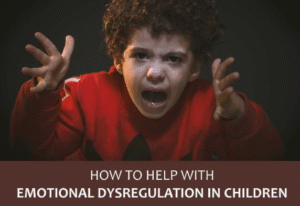
Children experience big emotions every single day—excitement when they see something new, anger when a rule feels unfair, fear in unfamiliar situations, frustration when things don’t go as expected, and joy when they feel loved or successful. These emotions are a natural part of their growth. However, when these emotions become too intense, too frequent, or difficult to manage, it may signal emotional dysregulation.

Emotional dysregulation does not mean a child is “bad” or “disobedient.” Instead, it simply means the child’s emotional system is still developing, and they are struggling to understand their feelings, express them appropriately, or calm themselves down when overwhelmed. Their brains—especially the areas responsible for emotional control—are still growing, so they often need gentle guidance, not punishment.

Recognizing early signs of emotional dysregulation is extremely important. When parents, teachers, and caregivers notice the patterns early, they can provide the right support at the right time. This early understanding helps prevent long-term challenges such as:

  • Behavioral difficulties
  • Academic struggles
  • Low self-esteem
  • Social withdrawal or conflict with peers
  • Anxiety or mood-related issues later in life

By noticing these signals early and responding with empathy, structure, and skill-building, adults can help children develop healthy emotional habits, stronger self-control, and better emotional resilience. Early support creates a foundation for lifelong mental well-being.

1. Frequent and Intense Tantrums

Tantrums are normal for younger children, especially toddlers. But when a child experiences intense, prolonged, or unusually frequent tantrums, it may be a sign of emotional dysregulation. These tantrums often:

  • Last longer than 10–15 minutes
  • Occur several times a day or more often than developmental norms
  • Happen in response to very small triggers like “the cup is the wrong color”
  • Include screaming, collapsing on the floor, or aggression

A key indicator is that the child finds it extremely difficult to regain control. Even when adults offer soothing, distraction, or comfort, the child struggles to settle down. This suggests their emotional system is overwhelmed.

2. Difficulty Identifying Emotions

Children struggling with emotional regulation often cannot accurately understand or name their feelings. They may:

  • Cry without knowing why
  • Feel angry, scared, or restless without a clear reason
  • Mix emotions (“I feel bad,” “My heart feels funny”)

This difficulty in emotional awareness—known as poor emotional literacy—makes it harder to cope. Without the ability to label emotions, children cannot communicate their needs, leading to frustration and outbursts.

3. Overreacting to Minor Issues

Children may respond strongly to very small problems that adults view as insignificant. Examples include:

  • Spilling a few drops of water
  • Not getting a preferred seat
  • A toy not working perfectly
  • Someone speaking too loudly
  • A slight change in their usual routine

These minor incidents trigger disproportionate emotional reactions like intense crying, shouting, or physical restlessness. Their nervous system treats small stressors as big threats—often due to sensory sensitivities, anxiety, or developmental delays.

4. Impulsive or Aggressive Behavior

When overwhelmed, some children express emotions through actions rather than words. This may include:

  • Hitting, biting, or kicking peers
  • Throwing objects during frustration
  • Running away suddenly when upset
  • Destroying toys
  • Using harsh or hurtful language

These behaviors are not signs of “bad behavior.” Instead, they are indicators that a child lacks the internal skills to communicate their emotions. Their “fight or flight” system becomes easily activated.

5. Difficulty Calming Down (Poor Self-Soothing Skills)

Once emotionally activated, a child with dysregulation may stay upset for a prolonged period, sometimes 30 minutes or more. They may:

  • Cry nonstop
  • Remain physically tense (tight fists, stiff posture)
  • Need constant reassurance
  • Become clingy or overwhelmed
  • Breathe rapidly or show panic-like signs

This happens because their brain—especially the prefrontal cortex responsible for emotional control—is still developing. They rely heavily on adults to help them regulate.

6. Sudden Mood Swings

These mood changes can occur within minutes or even seconds. For example:

  • A child laughing during play suddenly becomes angry if another child takes a toy
  • Small disappointment causes a shift from excited to distressed
  • A calm child suddenly withdraws without explanation

These emotional fluctuations often reflect difficulty processing internal and external stimuli, making it hard to maintain stable emotional states.

7. Physical Signs of Stress

Children often show emotional distress through their bodies rather than words. Common physical symptoms include:

  • Frequent stomachaches during school or stressful tasks
  • Headaches without medical causes
  • Sweaty palms or a racing heartbeat
  • Fidgeting, nail-biting, hair twirling
  • Shallow breathing or sighing frequently

These physical signs indicate their body is in a heightened emotional state, often because they cannot express or process emotions verbally.

8. Avoidance or Withdrawal

Some children shut down emotionally rather than express their distress outwardly. They may:

  • Avoid social interactions
  • Refuse school tasks they find overwhelming
  • Prefer solitary play
  • Become quiet, clingy, or distant
  • Avoid eye contact

This form of emotional dysregulation is often misunderstood as “shyness” or “disinterest,” but it frequently reflects overwhelm, anxiety, or fear of failure.

9. Perfectionism or Fear of Mistakes

For some children, emotional dysregulation appears as extreme self-pressure. They may:

  • Erase work repeatedly until it looks “perfect”
  • Cry over small academic errors
  • Avoid tasks they fear they cannot do perfectly
  • Become upset when things don’t go exactly their way
  • Have a meltdown if someone criticizes them

This behavior often stems from anxiety, fear of judgment, or hyper-sensitivity to failure. They feel emotionally unsafe when mistakes happen.

10. Trouble Following Routines and Rules

Children with emotional dysregulation often have difficulty adapting to structure. They may:

  • Resist morning and bedtime routines
  • React strongly to transitions (e.g., from playtime to homework)
  • Become argumentative or oppositional when asked to follow rules
  • Need repeated reminders
  • Show frustration when routines change unexpectedly

This is usually not intentional defiance. Instead, these children find it emotionally challenging to switch tasks or manage expectations.

Why Early Identification Matters

Emotional dysregulation is not just about “bad behavior” or “big feelings.” If left unaddressed, it can impact many important areas of a child’s life. Understanding its effects helps caregivers recognize why early support is essential.

1. Social Relationships

Children who struggle to manage emotions may find it difficult to interact smoothly with peers. They might:

  • Get into frequent conflicts
  • Misinterpret others’ intentions
  • Have trouble sharing or taking turns
  • Withdraw from social interactions due to overwhelm

Over time, this can lead to loneliness, rejection, or difficulty making friends, which further affects emotional growth.

2. Academic Performance

A child’s ability to learn is closely tied to their emotional state. Emotional dysregulation can cause:

  • Difficulty focusing in class
  • Avoidance of challenging tasks
  • Frequent disruptions or incomplete work
  • Trouble managing classroom expectations
  • Anxiety about performance

When emotions overpower concentration, learning naturally becomes harder.

3. Self-Confidence

Children who frequently feel “out of control” may begin to think something is wrong with them. This can lead to:

  • Low self-esteem
  • Negative self-talk
  • Feeling incompetent or “not good enough”
  • Hesitation to try new things

Over time, this impacts their motivation, independence, and belief in their abilities.

4. Behavior

Unmanaged emotions can show up as challenging behaviors such as:

  • Aggression
  • Defiance
  • Avoidance
  • Impulsivity
  • Meltdowns

These behaviors are often misunderstood, leading to punishment instead of support. Proper guidance helps the child learn healthier behavioral responses.

5. Overall Mental Health

Chronic emotional dysregulation can increase vulnerability to:

  • Anxiety disorders
  • Depression
  • Behavioral disorders
  • Sleep disturbances
  • Stress-related physical symptoms

Supporting children early reduces these long-term risks.

The Importance of Early Support

When children receive understanding, emotional coaching, and structured guidance early in life, they learn:

  • How to label and understand their emotions
  • To calm themselves during distress
  • How to communicate their needs
  • To solve problems without acting out

This builds emotional resilience, strengthens their relationships, and sets the foundation for lifelong well-being. Early support transforms emotional difficulties into opportunities for growth.

How Parents and Caregivers Can Help

Supporting a child with emotional dysregulation requires patience, understanding, and consistent guidance. Parents and caregivers play a powerful role in teaching children how to understand and manage their emotions. Here are effective, evidence-based strategies:

1. Model Calm Behavior

Children learn emotional responses by watching adults. When parents remain calm during stressful moments, children absorb that emotional stability.

  • Speak slowly and softly during conflicts
  • Take a pause before reacting
  • Show how you handle frustration (“Let me take a deep breath before I talk”)

Your calmness becomes their emotional anchor.

2. Use Emotion Vocabulary Regularly

Help children build emotional awareness by naming feelings in everyday situations.
Examples:

  • “You look disappointed because the game ended.”
  • “Are you feeling frustrated with the puzzle?”
  • “It’s okay to feel scared. Everyone feels that sometimes.”

The more emotions are named and normalized, the easier it becomes for children to express them.

3. Offer Predictable Routines

Routines help children feel safe and reduce emotional overwhelm. Predictability gives them a sense of control.
Create consistent routines for:

  • Morning activities
  • Mealtimes
  • Play and study time
  • Bedtime

Even small visual schedules can help children transition smoothly between activities.

4. Practice Deep Breathing or Grounding Techniques

Teach calming tools that children can use when overwhelmed.
Simple techniques include:

  • Balloon breathing: Inhale slowly, pretend to blow up a balloon
  • Sensory grounding: “Name 5 things you can see, 4 you can touch…”
  • Teddy bear breathing: Place a soft toy on their stomach and watch it rise and fall

Practicing these daily builds emotional resilience and self-soothing skills.

5. Validate Their Feelings

Validation helps children feel understood and safe. Instead of dismissing emotions (“Don’t cry,” “Stop being silly”), acknowledge them.
Use supportive phrases like:

  • “I see you’re upset, and that’s okay.”
  • “It’s normal to feel angry when things don’t go your way.”
  • “I’m here with you. Let’s figure this out together.”

Validation does not mean agreeing—it simply means acknowledging their emotional world.

6. Seek Support from a Child Psychologist if Symptoms Persist

If emotional challenges continue for months, interfere with daily functioning, or escalate, it may be time to seek professional help.
A child psychologist can:

  • Assess emotional and behavioral development
  • Teach emotional regulation skills
  • Support parents with effective strategies
  • Provide guidance for school and home environments

Early intervention often leads to faster emotional improvement and healthier long-term outcomes.

Final Thoughts

Emotional dysregulation is not a sign of misbehavior—it is a signal that a child needs guidance, understanding, and support. When children feel overwhelmed by their emotions, they rely on the adults around them to help them make sense of their inner world. With patience, empathy, and consistent strategies, parents and caregivers can teach children how to express their feelings safely, calm themselves during distress, and build resilience for the future.

Every small effort—naming emotions, maintaining routines, offering comfort, or seeking professional help—contributes to a child’s long-term emotional well-being. Supporting children today lays the foundation for confident, emotionally aware, and mentally strong adults tomorrow.

Frequently Asked Questions (FAQs)

1. What is emotional dysregulation in children?

It is when a child struggles to manage, express, or control their emotions effectively.

2. What causes emotional dysregulation in children?

It can be caused by developmental factors, stress, anxiety, or lack of emotional skills.

3. Are tantrums a sign of emotional dysregulation?

Frequent and intense tantrums can be a key indicator.

4. How can I help my child regulate emotions?

By modeling calm behavior, validating feelings, and teaching coping strategies.

5. Is emotional dysregulation normal in children?

Mild forms are normal, but persistent or severe symptoms may need support.

6. Can emotional dysregulation affect school performance?

Yes, it can impact focus, behavior, and learning ability.

7. What are physical signs of emotional dysregulation?

Stomachaches, headaches, restlessness, and sleep problems.

8. When should I seek professional help?

If symptoms persist for months or interfere with daily life.

9. Can therapy help children with emotional regulation?

Yes, therapy teaches emotional awareness and coping skills.

10. Is emotional dysregulation linked to anxiety or ADHD?

Yes, it is often associated with conditions like anxiety and ADHD.

Written by Baishakhi Das

Counselor | Mental Health Practitioner
B.Sc, M.Sc, PG Diploma in Counseling

References

  1. American Academy of Pediatrics
    👉 https://www.aap.org
  2. Child Mind Institute
    👉 https://childmind.org
  3. About Us – Monoprova Counselling
    👉 https://monoprovacounselling.in/about-us/
  4. Contact / Book Appointment – Monoprova Counselling
    👉 https://monoprovacounselling.in/contact/

This article is written for knowledge purposes, aiming to help readers understand the topic better and gain useful insights for learning and awareness.

Positive Discipline: How to Set Boundaries Without Punishment (Complete Guide)

Parenting in the modern world comes with new challenges, new pressures, and new information. Yet one truth has remained constant across decades of child development research:

Children thrive in environments that balance warmth, emotional connection, and firm boundaries.

This balance is what Positive Discipline aims to teach.

Positive Discipline is not permissive parenting.
It is not harsh or authoritarian.
It is not based on fear, punishment, threats, or shame.

Instead, it is a respectful, evidence-based approach rooted in:

  • Developmental psychology
  • Attachment theory
  • Neuroscience
  • Social-emotional learning
  • Adlerian principles 

This article blends academic depth with a warm, parent-friendly tone, offering both the science behind Positive Discipline and practical tools you can use every day.

The Foundations of Positive Discipline

1.1 What Positive Discipline Really Means

Positive Discipline is built on five essential pillars:

  1. Connection before correction

Children are more likely to cooperate when they feel safe, loved, and understood.

  1. Kindness and firmness at the same time

Kind = empathy, respect, encouragement
Firm = clear expectations, predictable limits

  1. Teaching rather than punishing

Instead of “How do I stop this behavior right now?”
Positive Discipline asks:
“What skill does my child need to learn?”

  1. Long-term guidance, not short-term obedience

Fear-based discipline creates instant obedience,
but not emotional intelligence or resilience.

  1. Mutual respect

Respect is not demanded — it is modeled.

1.2 Why Punishment Fails (According to Science)

Punishment may stop behavior temporarily, but research shows it has negative long-term effects.

1. Punishment activates stress responses

Yelling, threats, and physical punishment activate the amygdala, making learning impossible.

2. Punishment teaches fear — not self-control

Children avoid YOU, not the behavior.

3. Punishment harms the parent–child relationship

Children become more secretive, anxious, or rebellious.

4. Punishment increases aggression

Research shows children who experience harsh discipline are more likely to hit, lie, or manipulate.

5. Punishment does not teach skills

It stops behavior without showing what to do instead.

Positive Discipline offers a healthier approach:
Teach. Guide. Model. Connect.

1.3 Why Children Misbehave (The Developmental Psychology Behind Behavior)

Misbehavior is not a character flaw.
It is communication.

  1. The brain is still developing

Impulse control, emotional regulation, and reasoning mature well into adolescence.

  1. Unmet needs

Hunger, fatigue, sensory overload, attention needs, or emotional distress.

  1. Lack of skills

Children act out because they don’t yet know healthy alternatives.

  1. Desire for autonomy

Limit testing is normal, healthy, and necessary.

  1. Emotional overflow

Children feel intensely but cannot express themselves effectively.

Understanding why a child behaves a certain way is essential before addressing how to change the behavior.

The Art of Setting Boundaries Without Punishment

Boundaries are love.
These are safety.
Boundaries are respect.

They teach children:

  • Responsibility
  • Cooperation
  • Respect
  • Emotional control
  • Safety
  • Independence 

But boundaries must be set with compassion and clarity.

In Positive Discipline, boundaries are:

  • Clear
  • Consistent
  • Calm
  • Predictable
  • Respectful

Not:

  • Threats
  • Yelling
  • Punishment
  • Shame
  • Manipulation

2.1 The 5-Step Positive Discipline Boundary Method

This is the heart of setting effective boundaries without punishment.

STEP 1: Connect First

Connection opens the brain to listening and cooperation.

Examples:

  • “Come sit with me.”
  • “I’m here.”
  • “can see this is hard.”
  • “Let’s take a breath together.” 

Connection reduces emotional resistance.

STEP 2: Validate the Emotion

Validation reduces emotional intensity and prevents power struggles.

Examples:

  • “You’re angry because he took your toy.”
  • “Disappointed we have to leave.”
  • “It’s hard to stop when you’re having fun.” 

Validation ≠ agreeing.
Validation = understanding.

STEP 3: Set the Boundary Calmly & Clearly

Boundaries must be simple and neutral.

Examples:

  • “Hitting is not okay.”
  • “It’s time to turn off the screen.”
  • “Food stays on the table.”
  • “We use gentle hands.” 

Parents often talk too much during boundaries.
One sentence is enough.

STEP 4: Offer a Positive Alternative

Children need to know what they can do.

Examples:

  • “You can hit the pillow, not people.”
  • “Can jump on the floor mat instead of the couch.”
  • “You can say ‘I need space.’”
  • “Can choose two more minutes of play or clean-up music.” 

Alternatives teach regulation.

STEP 5: Follow Through Consistently

  • Consistency = trust
  • Consistency = cooperation
  • Consistency = emotional safety

Follow-through does NOT mean punishment.
It means holding the limit with calm confidence.

Examples:

  • Turn off the screen.
  • End the activity if hitting continues.
  • Remove unsafe items.
  • Pause play until calm returns. 

Real-Life Boundary Examples (All Ages)

Below are practical, detailed examples for each developmental stage.

3.1 Toddlers (1–3 years): Boundaries for Big Feelings

Scenario: Toddler hits during play

  1. Connection: “You’re having big feelings.”
  2. Validation: “Are angry.”
  3. Boundary: “I won’t let you hit.”
  4. Alternative: “Hands can squeeze my hands or hit a pillow.”
  5. Follow-through: Move child away if needed, calmly. 

Why it works:

Toddlers need physical guidance, modeling, and repetition.

Scenario: Refusing to wear clothes

Parent:
“I know you don’t want clothes right now. But your body needs to stay warm.
Red shirt or blue shirt?”

Choices restore toddler autonomy.

3.2 Preschoolers (3–5 years): Boundaries for Independence

Scenario: Refusing to clean up

  1. “Cleaning up is hard after fun.”
  2. “But toys must be cleaned before TV.”
  3. “Should we start with blocks or dolls?”
  4. “Let’s do it together for 2 minutes.” 

Preschoolers need structured choices.

Scenario: Whining

“You’re upset, but whining hurts my ears.
Let’s try again with a calm voice.”

This teaches emotional communication.

3.3 School-Age Children (6–12 years): Boundaries for Responsibility

Scenario: Homework refusal

  1. “Homework feels boring today.”
  2. “Homework happens before screens.”
  3. “Break first or start now?”
  4. “I’ll help with the first two problems.” 

The boundary is the routine, not punishment.

Scenario: Sibling arguments

“Both of you want to be heard.
One talks, one listens.
Then switch.”

Teach conflict resolution, not blame.

3.4 Teens (13–18 years): Boundaries with Respect, Not Control

Scenario: Curfew negotiation

  1. “I know you want more freedom.”
  2. “Curfew is 9 PM for now, for safety.”
  3. “We can revisit it next month based on responsibility.”
  4. “Text me if plans change.” 

Teens respond to respect + negotiation, not control.

Natural and Logical Consequences (Non-Punitive Discipline)

Consequences are helpful when they are:

  • Related
  • Respectful
  • Reasonable
  • Revealed in advance

Not:

  • Revenge
  • Shame
  • Harsh punishment
  • Fear-based

4.1 Natural Consequences

These happen naturally without parental intervention.

Examples:

  • Child forgets lunch → feels hungry briefly
  • Child doesn’t wear jacket → feels cold
  • Child doesn’t do homework → teacher consequences

Natural consequences teach responsibility efficiently.

4.2 Logical Consequences

Parent creates a consequence linked to the behavior.

Logical:
If a child throws food → mealtime ends.

Logical:
If a child misuses a toy → the toy is put away.

Logical consequences are not punishments.
They are teaching tools.

15 Everyday Situations: How to Discipline Without Punishment

Here are 15 common real-life situations and how to respond positively.

5.1 When your child screams

Parent:
“I hear you’re upset.
Use your calm voice and I’ll listen.”

5.2 Hitting siblings

“I won’t let you hit.
Say ‘I don’t like that.’
Let’s practice.”

5.3 Lying

“You were scared to tell the truth.
Thank you for telling me now.
Let’s solve the problem together.”

5.4 Stealing

“You wanted it very much.
Next time, ask or save for it.
Let’s return it together.”

5.5 Talking back

“You can be angry.
But speak respectfully.
Try again.”

5.6 Refusing to listen

“I need your eyes before I speak.
Thank you.
Now we can talk.”

5.7 Throwing toys

“Throwing hurts things.
You can throw the soft balls only.”

5.8 Tantrums

“Your feelings feel big.
I’m here.
Let it out.”

5.9 Screen addiction

“Screen time ends at 7.
You can choose a book or a puzzle now.”

5.10 Not sharing

“You don’t have to share immediately.
But you can take turns.”

5.11 Backtalk during frustration

“I hear your anger.
Let’s take a breath and try again.”

5.12 Making a mess

“Oops! Messes happen.
Let’s clean together.”

5.13 Homework meltdown

“Let’s break this into small steps.
Which part should we start with?”

5.14 Sibling rivalry

“Both feelings matter.
Let’s listen one at a time.”

5.15 Unsafe behavior in public

“I won’t let you run.
Hold my hand or stay by the cart.”


Parent Emotional Regulation (The Most Important Skill)

Children borrow our regulation.

If we stay calm, they learn calm.
If we explode, they learn to explode.

Here are tools every parent needs:

6.1 Pause before reacting

A deep breath regulates your nervous system.

6.2 Walk away if needed

Say: “I need a moment. I’ll be right back.”

6.3 Use a calm tone on purpose

Lower volume = higher cooperation.

6.4 Rephrase your thoughts

Not: “He’s doing this to annoy me.”
But: “He’s struggling and needs help.”

6.5 Repair after mistakes

“I’m sorry I yelled. I love you. I’m working on staying calm.”

Repair builds trust.

Building a Positive Discipline Home Environment

7.1 Create predictable routines

Routines reduce misbehavior significantly.

7.2 Use visual charts

Great for ages 2–10.

7.3 Use connection rituals

5-minute morning cuddles
Bedtime conversations
“Special time”

7.4 Reduce overstimulation

A calm home environment supports regulation.

7.5 Encourage independence

Give small responsibilities daily.

Long-Term Benefits of Positive Discipline

Research shows children raised with this approach:

  • Have stronger emotional intelligence
  • Are more responsible
  • Perform better academically
  • Have better relationships
  • Learn real self-discipline
  • Show lower aggression
  • Have higher self-esteem
  • Become respectful adults

Punishment shapes behavior through fear.
Positive Discipline shapes behavior through security, understanding, and skill-building.

screenshot 2025 11 24 000209

Final Thoughts

Positive Discipline is not about perfection.
It is about being:

  • Present
  • Patient 
  • Consistent 
  • Respectful
  • Emotionally aware 

Setting boundaries without punishment teaches children:

  • How to regulate emotions
  • Handle frustration 
  • How to communicate 
  • To respect others 
  • How to make good decisions 

When children feel safe, respected, and understood, they naturally become:

  • cooperative
  • confident
  • resilient
  • responsible
  • emotionally intelligent

Positive Discipline doesn’t just change behavior —
it transforms the entire parent–child relationship.

Frequently Asked Questions (FAQs)

1. What is positive discipline?

Positive discipline is a parenting approach that teaches behavior through connection, respect, and guidance instead of punishment.

2. Does positive discipline mean no rules?

No, it includes clear boundaries with kindness and consistency.

3. Why is punishment harmful for children?

Punishment can create fear, reduce trust, and does not teach proper behavior.

4. How do you discipline a child without punishment?

By setting boundaries, teaching skills, and using logical consequences.

5. What are logical consequences in parenting?

They are consequences directly related to the child’s behavior, used to teach responsibility.

6. How can parents stay calm during conflict?

By pausing, breathing, and responding instead of reacting.

7. What is the difference between punishment and discipline?

Punishment focuses on control, while discipline focuses on teaching.

8. At what age can positive discipline be used?

It can be used from infancy through teenage years.

9. Can positive discipline improve behavior?

Yes, it builds emotional intelligence and long-term self-control.

10. What are the benefits of positive discipline?

Better relationships, emotional regulation, and responsible behavior.

Written by Baishakhi Das

Counselor | Mental Health Practitioner
B.Sc, M.Sc, PG Diploma in Counseling

Reference 

This article is written for knowledge purposes, aiming to help readers understand the topic better and gain useful insights for learning and awareness.