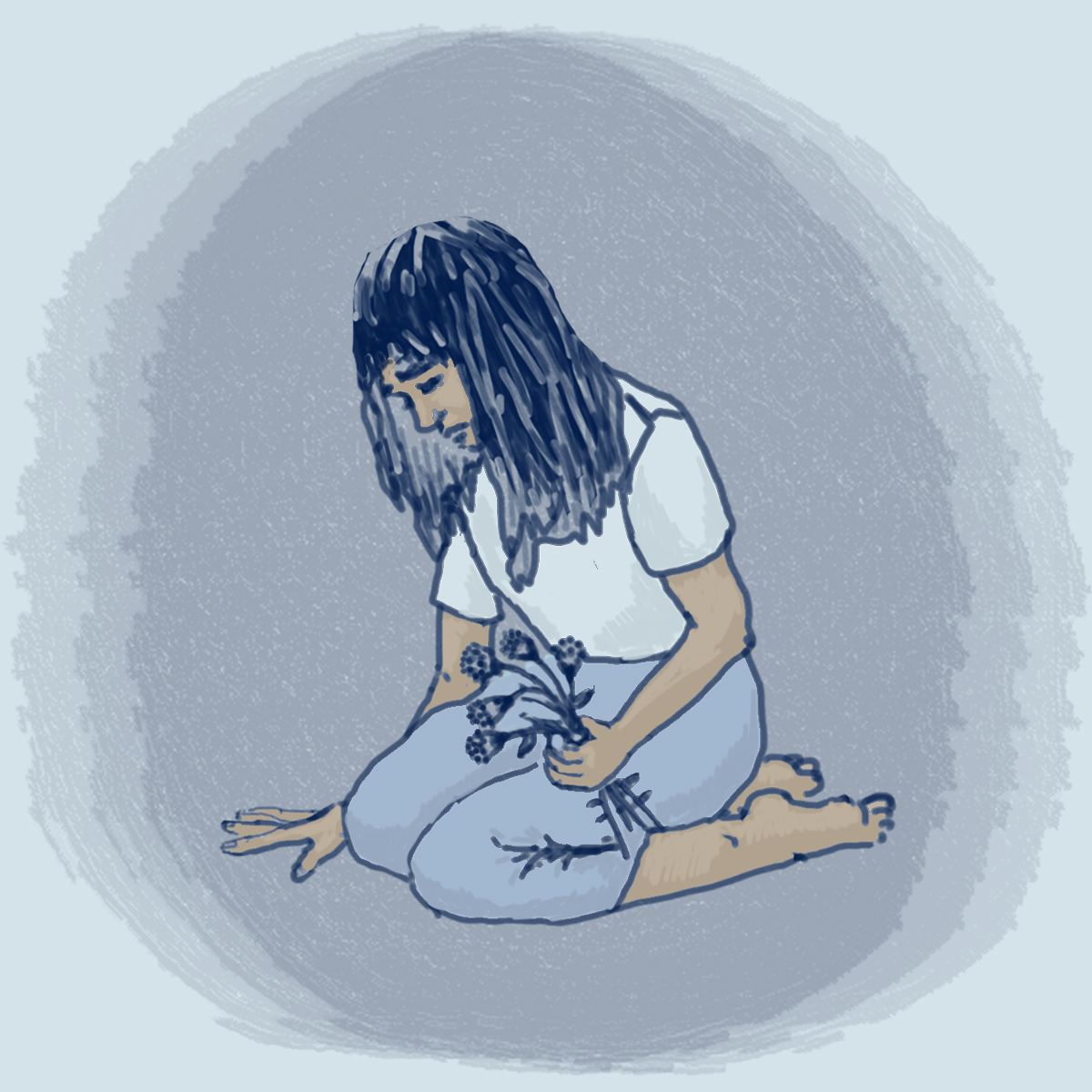
Childhood Emotional Neglect (CEN) is not about what happened to a child, but about what didn’t happen. It occurs when a child’s emotional needs—such as validation, comfort, empathy, and attention—are repeatedly ignored or minimized by caregivers. While basic needs like food, shelter, and education may be met, the child’s inner emotional world remains unseen and unsupported.
Unlike abuse, emotional neglect is subtle and often unintentional, leaving no visible scars. Because nothing obviously “wrong” occurred, it frequently goes unnoticed. However, this ongoing lack of emotional attunement can deeply affect development, teaching the child to suppress feelings, become overly self-reliant, or believe their emotions don’t matter. Over time, this quiet absence can shape emotional well-being, relationships, and self-worth well into adulthood.
Understanding Childhood Emotional Neglect
Children depend on caregivers not only for food, shelter, and safety, but also for emotional guidance, reassurance, and connection. When parents are emotionally unavailable, dismissive, consistently busy, or preoccupied with their own struggles, a child’s emotional experiences may go unnoticed. Over time, the child may grow up feeling unseen, unheard, or emotionally unimportant.
As a result, emotionally neglected children often internalize painful but powerful beliefs such as:
- “My feelings don’t matter.”
- “I shouldn’t need help or support.”
- “Something is wrong with me for feeling this way.”
These beliefs become part of their inner narrative and often carry into adulthood. They can shape how individuals experience emotions, relate to others, ask for support, and perceive their own worth—often without realizing the root lies in early emotional neglect.
Emotional Effects in Adulthood
One of the most common outcomes of childhood emotional neglect is emotional numbness. Many adults find it difficult to recognize, name, express, or even fully experience their emotions. Feelings may seem confusing, overwhelming, or distant, leading to a sense of being emotionally “shut down.”
Other emotional effects often include:
- A persistent sense of emptiness or loneliness
- Difficulty feeling joy, excitement, or satisfaction, even during positive experiences
- Suppressed anger or unexplained sadness that appears without a clear reason
- Guilt or shame for having emotional needs or wanting support
Because emotions were ignored or invalidated in childhood, many adults learn to disconnect from their feelings as a way to protect themselves. While this coping strategy once helped them survive emotionally, it can later limit emotional awareness, connection, and overall well-being.
Impact on Self-Esteem and Identity
Adults who experienced childhood emotional neglect often grow up without a clear or stable sense of self. Because their emotions were not acknowledged or valued, they may struggle to trust their own thoughts, feelings, and abilities. As a result, they may:
- Constantly doubt themselves or their decisions
- Rely heavily on external validation and approval
- Feel “not good enough” despite achievements or success
- Struggle with self-compassion and emotional kindness toward themselves
Since their feelings were never validated in childhood, they may learn to invalidate themselves in adulthood. This often shows up as harsh self-criticism, perfectionism, or an ongoing pressure to prove their worth, making it difficult to feel truly confident or secure in who they are.
Relationship Difficulties

- Fear of emotional intimacy
- Difficulty trusting others
- Avoiding vulnerability
- Becoming overly independent or emotionally dependent
- People-pleasing to avoid rejection
Adults may either withdraw emotionally or cling to relationships, both rooted in unmet emotional needs from childhood.
Mental Health Consequences
Although childhood emotional neglect is subtle and often overlooked, it can significantly increase vulnerability to mental health difficulties in adulthood. When emotional needs go unmet for long periods, individuals may have fewer internal resources to cope with stress and emotional challenges.
Common mental health consequences include:
- Anxiety and ongoing, chronic stress
- Depression or persistent low mood
- Low emotional resilience and difficulty coping with setbacks
- Burnout and emotional exhaustion from constant self-reliance
Because their emotional needs were never acknowledged or responded to, many adults find it hard to ask for support. They may believe they should “handle everything alone,” viewing help-seeking as weakness rather than a healthy and necessary part of emotional well-being.
Why Childhood Emotional Neglect Often Goes Unnoticed
Many adults find it difficult to recognize or acknowledge childhood emotional neglect because it doesn’t fit the typical image of trauma. Often, their childhood appeared “normal” or even “privileged” from the outside.
Common reasons it goes unnoticed include:
- Parents provided food, education, and material comfort
- There was no obvious abuse, violence, or major trauma
- Caregivers may have been well-intentioned or loving in practical ways
However, emotional neglect can exist even in caring and functional families. It is not defined by what caregivers did wrong, but by what was missing emotionally. The absence of emotional attunement—being seen, understood, and emotionally supported—can leave a lasting impact, even when no harm was intentionally done.
Healing from Childhood Emotional Neglect
Healing from childhood emotional neglect is possible, and awareness is the first and most important step. Once you recognize how early emotional experiences shaped you, change becomes achievable and empowering.
Recovery often involves:
- Learning to identify, understand, and name your emotions
- Validating your own feelings instead of dismissing them
- Developing self-compassion and reducing self-criticism
- Building emotionally safe and supportive relationships
- Seeking therapy or counseling when additional guidance is needed
A powerful part of healing is emotional reparenting—learning to give yourself the care, empathy, protection, and validation you may not have received in childhood. Over time, this process can restore emotional connection, strengthen self-worth, and lead to deeper, healthier relationships.
Final Thoughts
Childhood Emotional Neglect does not define who you are, but it can help explain emotional patterns you may have struggled with for years. Understanding its impact allows you to move away from self-blame and toward self-awareness and compassion. Emotional needs are not weaknesses—they are a fundamental part of being human. Learning to acknowledge, express, and honor them is a powerful step toward healing, deeper connection, and lasting emotional well-being.
Frequently Asked Questions (FAQ)
1. What is Childhood Emotional Neglect (CEN)?
CEN occurs when a child’s emotional needs—such as empathy, validation, and comfort—are consistently unmet by caregivers.
2. Is emotional neglect the same as abuse?
No. Abuse involves harmful actions, while emotional neglect involves the absence of emotional responsiveness.
3. Can emotional neglect happen in loving families?
Yes. Even well-meaning parents may unintentionally neglect emotional needs due to stress, mental health issues, or lack of awareness.
4. How is CEN different from emotional abuse?
Emotional abuse includes criticism or rejection; CEN is about emotional absence or lack of attunement.
5. Why don’t people remember emotional neglect clearly?
Because nothing overtly traumatic happened—there was simply something missing, making it harder to identify.
6. What are common adult signs of CEN?
Emotional numbness, low self-esteem, difficulty expressing feelings, people-pleasing, and fear of vulnerability.
7. Can CEN cause anxiety or depression?
Yes. Long-term emotional invalidation can increase vulnerability to anxiety, depression, and chronic stress.
8. Does CEN affect relationships?
Often yes. Adults may struggle with intimacy, trust, boundaries, or emotional communication.
9. Can CEN lead to perfectionism?
Yes. Many people try to earn validation through achievement because emotional validation was missing in childhood.
10. Is it too late to heal from emotional neglect?
No. Healing is possible at any age with awareness, self-work, and support.
11. What is emotional reparenting?
It means learning to give yourself the care, validation, and emotional safety you lacked growing up.
12. How does therapy help with CEN?
Therapy helps identify emotional patterns, build emotional awareness, and develop healthier coping and relationships.
13. Can CEN affect physical health?
Indirectly, yes—chronic stress and emotional suppression can impact sleep, immunity, and overall well-being.
14. Is emotional neglect always intentional?
No. Most cases are unintentional and stem from caregivers’ own limitations.
15. What is the first step toward healing?
Recognizing and validating your emotional experiences without minimizing them.
Written by Baishakhi Das
Counselor | Mental Health Practitioner
B.Sc, M.Sc, PG Diploma in Counseling
Reference
-
Jonice Webb, PhD – Childhood Emotional Neglect
https://drjonicewebb.com -
American Psychological Association – Emotional Neglect
https://www.apa.org -
National Institute of Mental Health (NIMH)
https://www.nimh.nih.gov -
Psychology Today – Childhood Emotional Neglect Articles
https://www.psychologytoday.com -
NHS – Childhood Trauma and Emotional Well-being
https://www.nhs.uk - Psychology Theories Explained Through Bollywood Characters
This topic performs well due to rising searches around men’s mental health, workplace stress, and burnout recovery. Combining emotional insight with practical steps increases engagement and trust.