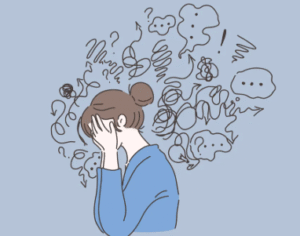
“Do you feel tired, disconnected, or uninterested in things you once loved? These could be early warning signs of depression.”

Major Depressive Disorder (MDD) is one of the most common yet most misunderstood mental health conditions. Many people dismiss early symptoms as “just stress” or “a bad phase,” which delays timely support. In reality, depression often begins quietly—through subtle emotional changes like persistent sadness, emptiness, or losing interest in activities once enjoyed. For example, Aparna, a teacher, woke up every day feeling emotionally numb without knowing why, while Rohan suddenly stopped playing cricket even though he once loved it.
Another early sign is constant fatigue or changes in sleep and appetite. People may feel exhausted even after resting or struggle with sleeping too little or too much. Neha found simple tasks like cooking overwhelming because she felt drained all the time, and Arjun began waking up at 4 AM every night without reason. Some individuals, like Priya, lose appetite and unintentionally lose weight, while others turn to emotional eating for comfort. Irritability, difficulty concentrating, or withdrawing from friends—like Shalini avoiding calls because conversations felt exhausting—also appear in the early stages of MDD.
These early signs matter because they often go unnoticed until symptoms worsen. When emotional heaviness, low energy, negative thoughts, or withdrawal persist for more than two weeks, it’s time to seek professional support. Major Depressive Disorder is a clinical condition where a person experiences a persistent low mood, loss of interest, and emotional or physical symptoms for at least two weeks. It affects daily life—work, relationships, sleep, appetite, energy, and even physical health. Early intervention makes treatment more effective and recovery much faster.
MDD is highly treatable, and reaching out for help early is a strong, positive step toward healing. Recognizing the signs and taking action can prevent symptoms from becoming severe and help individuals regain balance and well-being.
Early Signs You Shouldn’t Ignore
1. Persistent Sadness or Emptiness
Feeling sad once in a while is normal, but depression brings a constant emotional heaviness that stays for days or even weeks. This sadness doesn’t always have a reason—you may wake up feeling low even when nothing is wrong externally. For some, it feels like carrying a weight on the chest; for others, it’s a deep sense of emptiness or emotional numbness, as if the world has lost its colour.
Real-life Example:
Aparna, a 28-year-old teacher, noticed that she woke up every morning with a heavy, sinking feeling. She couldn’t explain it—her job was stable, her family supportive, and nothing “bad” had happened. Yet she felt emotionally disconnected and struggled to smile genuinely. She kept telling herself it was “just stress,” but the sadness stayed with her every day.
This persistent sadness or emptiness is one of the earliest signs of Major Depressive Disorder. When it continues for more than two weeks and begins affecting your motivation and mood, it should not be ignored. Early awareness helps in seeking timely support and preventing symptoms from worsening.
2. Losing Interest in Activities You Once Enjoyed
One of the most noticeable early signs of Major Depressive Disorder is anhedonia—a loss of interest or pleasure in activities that once made you feel happy, motivated, or fulfilled. This isn’t just “getting bored” or “growing out of a hobby.” It’s a deeper emotional disconnect where things that once brought joy suddenly feel dull, tiring, or meaningless.
You may start avoiding hobbies, social gatherings, or even simple conversations that used to excite you. Music may no longer feel soothing, favourite shows don’t hold your attention, or you stop engaging in creative activities, sports, or outings. Gradually, life may begin to feel “colourless,” as if the emotional spark has dimmed.
Real-life Example:
Rohan loved playing cricket every Sunday with his friends. It was the highlight of his week. Over a few months, he started skipping matches, saying, “I just don’t feel like going.” Watching cricket on TV also stopped giving him joy. He didn’t understand why—nothing had changed in his routine. This quiet withdrawal from something he once loved was actually an early symptom of depression.
Losing interest in meaningful activities is not laziness—it’s a sign that your emotional system is struggling. If this pattern continues, it’s important to seek support before it worsens.
3. Fatigue and Low Energy
One of the earliest and most overlooked signs of depression is persistent fatigue—a deep, unexplained tiredness that doesn’t match your daily activities. Unlike normal tiredness, this exhaustion doesn’t improve even after a full night’s sleep. You may wake up feeling drained, struggle to get out of bed, or feel like your body is moving through heavy water.
Simple, everyday tasks like bathing, cooking, cleaning, or even replying to messages can start to feel overwhelming. It’s not a lack of motivation or willpower—your mind and body are genuinely fatigued due to emotional overload.
Real-life Example:
Neha, a 32-year-old working professional, noticed she would come home after work and collapse on the bed. Even on weekends, she felt too exhausted to do basic chores. Making breakfast felt like a mountain to climb, and she often postponed simple activities because she “didn’t have the energy.” Despite sleeping 8–9 hours, she woke up tired every morning. She blamed herself for being lazy, but this persistent exhaustion was actually an early symptom of depression.
This type of low energy is a significant red flag. When tiredness comes without physical exertion and affects your daily functioning, it’s important to take it seriously and consider emotional factors behind it.

4. Changes in Sleep Patterns
Sleep is often one of the first areas disrupted when depression begins to surface. These changes can show up in different ways—difficulty falling asleep, waking up multiple times during the night, or waking up far earlier than usual and being unable to go back to sleep. On the other hand, some people experience the opposite: oversleeping, yet still feeling tired and unrefreshed.
Even when you sleep for long hours, you may wake up with a heavy mind and body, as if you didn’t rest at all. This happens because depression affects the quality of sleep, not just the hours. Over time, chronic sleep disturbances can worsen mood, increase irritability, reduce concentration, and intensify depressive symptoms.
Real-life Example:
Arjun, who usually slept soundly for 7 hours, suddenly began waking up at 3 or 4 AM every day without any reason. Even if he tried to sleep again, his mind felt restless and heavy. Meanwhile, his sister Sneha started sleeping 10–12 hours daily but still woke up exhausted. Both assumed it was just “stress” or “weakness,” but these patterns were early signs of underlying depression.
If your sleep cycle has changed noticeably and remains disturbed for weeks, it’s important to pay attention—it could be more than just temporary fatigue.
5. Changes in Appetite or Weight
Depression can affect your appetite in two opposite ways—either you start eating much more than usual or you lose interest in food completely. These changes often happen slowly, so many people don’t notice them at first. You might skip meals without realizing it or, on the other hand, find yourself constantly craving snacks or comfort foods. When these shifts happen without any change in routine or diet, it can be a warning sign.
Sudden weight loss or weight gain—especially when you’re not trying—is often linked to emotional dysregulation and changes in stress-related hormones. Your body may react to emotional strain by suppressing hunger signals or increasing cravings for sugary, salty, or high-calorie foods. Over time, these patterns can affect both physical health and mood, making symptoms of depression worse.
Real-life Example:
Priya, a college student, noticed she no longer felt hungry during the day. She frequently skipped meals and lost 4 kg in just one month without trying. Meanwhile, her friend Imran found himself overeating late at night because food made him feel “a little better” emotionally. Both thought these were just temporary habits, but their appetite changes were actually early signs of depression.
If your eating habits or weight change noticeably and without a clear reason, it’s important to pay attention—your emotional health might be sending you a signal.
6. Irritability or Anger
Depression doesn’t always appear as sadness. For many people—especially teens and young adults—it shows up as irritability, anger, or restlessness. You may find yourself getting annoyed at small things, snapping at people without meaning to, or feeling constantly “on edge.” Even minor inconveniences, like slow internet or a delay in plans, may trigger frustration more quickly than usual.
This emotional sensitivity happens because the brain is under stress, making it harder to regulate emotions. Instead of crying or shutting down, some individuals express their low mood through irritability. Adults often mistake this as “losing patience” or “being moody,” not realizing it can be an early symptom of depression.
Real-life Example:
Manish, a 30-year-old software engineer, noticed he was becoming unusually short-tempered. He snapped at colleagues during meetings and felt irritated even when family members asked simple questions. He wasn’t sad—just constantly frustrated. What he didn’t realize was that this irritability was his mind’s way of signaling emotional distress, an early sign of depression.
If you find yourself getting angry more easily than before or feeling irritated without a clear reason, it’s important to look deeper. Sometimes, irritability is the emotional mask depression wears.
7. Difficulty Concentrating or Making Decisions
Depression doesn’t only affect emotions—it also impacts cognitive functioning. Many people experience mental fog, where thinking feels slower, heavier, or unclear. You may find it hard to focus on work, studies, or even simple daily tasks. Decisions that once felt easy—like choosing what to eat or what to wear—may suddenly feel overwhelming.
Common descriptions include:
- “My brain feels slow.”
- “I keep forgetting things.”
- “Can’t think clearly.”
This difficulty happens because depression affects the brain’s ability to process information, organize thoughts, and stay attentive. It’s not a lack of intelligence or effort—it’s the mind struggling under emotional pressure.
Real-life Example:
Meera, usually a sharp and efficient employee, began noticing she couldn’t concentrate during team meetings. She read the same email multiple times but still couldn’t understand it. But forgot small things like where she kept her keys or what task she was doing. She blamed herself for being careless, but her “foggy” mind was actually an early cognitive symptom of depression.
When concentration consistently declines or decision-making becomes unusually difficult, it’s important to consider emotional health as a possible cause.
8. Feelings of Worthlessness or Excessive Guilt
A harsh inner critic is one of the most common early signs of Major Depressive Disorder. You may start feeling not good enough, even when there’s no real reason to think so. Small mistakes can feel huge, and you might blame yourself for things that are completely out of your control. Thoughts like “I’m a burden,” “Everything is my fault,” or “I don’t deserve happiness” may slowly become frequent.
These negative self-beliefs usually begin subtly—perhaps as occasional self-doubt—but over time they grow stronger and more constant. Depression makes the mind interpret situations more negatively, leading to an exaggerated sense of guilt, shame, or failure. Even positive feedback or achievements may not feel meaningful anymore.
Real-life Example:
Akash, a bright graduate student, started feeling guilty for not being able to help everyone around him. When a friend didn’t return a call, he assumed he had done something wrong. If he made even a small mistake at work, he spent hours criticizing himself, feeling like a complete failure. His family reassured him repeatedly, but the feelings of worthlessness continued to grow. What he didn’t realize was that these intense, irrational guilt feelings were early signs of depression affecting his self-esteem.
Persistent feelings of worthlessness are not a reflection of who you are—they’re symptoms of emotional distress. Recognizing them early can help you seek support before they intensify.

9. Withdrawal from People
Social withdrawal is one of the early and most easily overlooked signs of depression. You may begin avoiding calls, messages, or social interactions—even with people you genuinely care about. It’s not that you stop loving your friends or family; rather, engaging with others starts to feel emotionally exhausting. The thought of talking, explaining yourself, or even pretending to be fine can feel overwhelming.
This isolation is not a personality change or preference—it’s the mind’s way of shutting down due to emotional overload. When the brain is struggling, it reduces social connection as a form of self-protection, even though it often makes the person feel more lonely.
Real-life Example:
Shalini, who usually enjoyed chatting with her friends every evening, began ignoring their messages. She stopped attending get-togethers and often turned off her phone for long hours. When friends asked what was wrong, she simply said, “I just don’t feel like talking.” In reality, even replying to a simple text felt like too much effort. This gradual retreat from people was one of the first signs that she was slipping into depression.
If you or someone you know is slowly pulling away from social life, it’s important to look deeper. Withdrawal is rarely about disinterest—it’s often a sign of emotional overwhelm.
10. Physical Symptoms with No Clear Medical Cause
Depression doesn’t only affect the mind—it often shows up in the body. Many people experience real, persistent physical symptoms that have no identifiable medical cause. These may include frequent headaches, digestive issues like nausea or stomach aches, muscle pain, body heaviness, chest tightness, or unexplained aches throughout the body. Even though medical tests come back normal, the discomfort continues.
This happens because depression affects the brain chemicals that regulate pain and the connection between the brain and the body. As a result, emotional distress can manifest as physical discomfort or tension. Unfortunately, many people spend months treating only the physical symptoms without realizing there may be an emotional root.
Real-life Example:
Vikas, a 35-year-old office worker, frequently experienced headaches and a heavy, tight feeling in his chest. He visited multiple doctors and did several tests, but everything came back normal. Despite this, his discomfort persisted. It wasn’t until a psychologist asked about his stress levels and mood that he realized these unexplained physical symptoms were linked to early depression.
If physical symptoms keep recurring even when medical reports show nothing is wrong, it’s worth considering emotional health as part of the picture.
Why Early Detection Matters
When the early signs of depression are overlooked or dismissed, the condition can gradually worsen and affect every aspect of life. What begins as mild sadness or fatigue can turn into severe depressive episodes that are much harder to manage. In some cases, prolonged emotional suffering may lead to suicidal thoughts, creating a situation that requires urgent intervention.
Untreated depression also puts pressure on relationships. People may become distant, irritable, or emotionally unavailable, causing strain with partners, friends, and family. At the same time, difficulty concentrating, low motivation, and constant tiredness can cause a noticeable decline in job or academic performance, leading to missed deadlines, poor grades, or workplace conflicts.
Over time, the stress of unaddressed depression can contribute to chronic health issues, including sleep disorders, weakened immunity, digestive problems, and persistent body pain. The longer these symptoms continue without help, the more challenging recovery becomes.
The earlier you seek support, the better the outcome. Early intervention not only prevents symptoms from getting worse but also makes treatment more effective, helping you regain emotional balance and quality of life much faster.
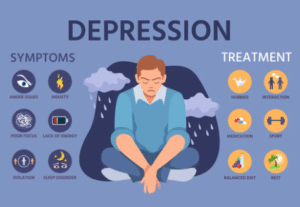
When You Should Consider Seeking Professional Help
Reach out to a psychologist or psychiatrist if:
- Symptoms persist for more than two weeks and don’t seem to improve on their own.
- Your daily life is affected—whether it’s your work, studies, relationships, or ability to manage routine tasks.
- Feel hopeless most days, as if nothing will get better.
- Notice strong or persistent negative thoughts, especially ones that make you doubt your worth or question your purpose.
- Friends or family express concern about your mood, behavior, or changes in your routine.
Seeking help is not a sign of weakness—it’s an important step toward healing. Mental health professionals can provide therapy, help you build healthier coping strategies, recommend lifestyle changes, and, if necessary, guide you with medication to stabilize your mood. Early professional support can make recovery smoother, safer, and much more effective.
You Are Not Alone
With the right support—therapy, medication (if needed), and healthy lifestyle adjustments—most people recover and regain control of their lives. If you want to learn more about how professional guidance can help, you can explore our Counselling Services for detailed information on support options.
Reaching out for help is an act of strength, not weakness. The earlier you take that step, the closer you are to healing, stability, and emotional wellbeing.
Frequently Asked Questions (FAQs)
1. What are the early signs of depression?
Early signs include persistent sadness, loss of interest, fatigue, sleep changes, appetite changes, and difficulty concentrating.
2. How long do depression symptoms need to last?
Symptoms lasting more than two weeks may indicate Major Depressive Disorder and should be evaluated.
3. Is feeling tired all the time a sign of depression?
Yes, constant fatigue without physical exertion is a common symptom of depression.
4. Can depression affect sleep?
Yes, depression can cause insomnia, early waking, or excessive sleeping.
5. What is anhedonia?
Anhedonia is the loss of interest or pleasure in activities once enjoyed, a key symptom of depression.
6. Can depression cause physical symptoms?
Yes, it can cause headaches, body pain, digestive issues, and fatigue without a clear medical cause.
7. When should I seek help for depression?
If symptoms persist for more than two weeks or affect daily life, professional help is recommended.
8. Can depression go away on its own?
Mild cases may improve, but most cases require proper support, therapy, or treatment.
9. What causes Major Depressive Disorder?
It can be caused by genetics, brain chemistry, stress, trauma, and life experiences.
10. Is depression treatable?
Yes, depression is highly treatable with therapy, medication (if needed), and lifestyle changes.
Written by Baishakhi Das
Counselor | Mental Health Practitioner
B.Sc, M.Sc, PG Diploma in Counseling
Reference
American Psychological Association (APA). Depression. Available at:
https://www.apa.org/topics/depression
National Institute of Mental Health (NIMH). Depression: Overview. Available at:
https://www.nimh.nih.gov/health/topics/depression
- Monoprova Counselling
https://monoprovacounselling.in/about-us/ - Contact / Book Appointment
https://monoprovacounselling.in/contact/
This article is written for knowledge purposes, aiming to help readers understand the topic better and gain useful insights for learning and awareness.