Anger Management: Understanding, Regulating, and Transforming Anger in Healthy Ways

Anger is one of the most misunderstood emotions. It is often labeled as negative, dangerous, or destructive, yet anger itself is not the problem. Unregulated, suppressed, or explosive anger is what creates harm—to relationships, physical health, and mental well-being.

Anger management is not about controlling or eliminating anger. It is about understanding what anger is communicating, regulating the body’s response, and expressing emotions in healthy, constructive ways.

This article explores anger management in depth—covering the psychology of anger, its causes, types, consequences, and evidence-based strategies to manage it effectively.

What Is Anger?

Anger is a natural emotional response to perceived threat, injustice, frustration, or boundary violation. From an evolutionary perspective, anger helped humans survive by preparing the body to respond to danger.

When anger arises:

  • Heart rate increases

  • Muscles tense

  • Stress hormones like adrenaline and cortisol are released

  • The brain shifts into a survival-oriented mode

This response is automatic. The problem arises when anger becomes chronic, overwhelming, or poorly expressed.

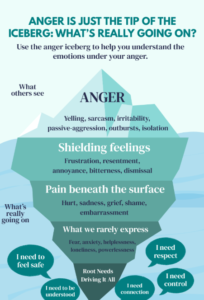
The Anger Iceberg: What Lies Beneath Anger

Psychologically, anger is often a secondary emotion. This means it sits on the surface, protecting more vulnerable feelings underneath.

Common emotions beneath anger include:

  • Hurt

  • Fear

  • Shame

  • Rejection

  • Helplessness

  • Loneliness

For many individuals—especially those taught to suppress vulnerability—anger becomes the only acceptable emotion. Understanding what lies beneath anger is a key step in managing it.

Common Causes of Anger

Anger does not emerge randomly. It usually develops from a combination of internal and external factors.

1. Unmet Emotional Needs

Feeling unheard, unappreciated, disrespected, or ignored can build resentment over time.

2. Stress and Burnout

Chronic stress lowers emotional tolerance, making even small triggers feel overwhelming.

3. Trauma and Past Experiences

Individuals with childhood abuse, neglect, or emotional invalidation may have a heightened anger response due to a sensitized nervous system.

4. Poor Emotional Regulation Skills

Many people were never taught how to recognize, name, or express emotions safely.

5. Cognitive Distortions

Rigid beliefs such as “People must respect me” or “This should not happen” intensify anger reactions.

Types of Anger Expression

Anger can manifest in different ways, each with its own psychological cost.

1. Explosive Anger

  • Yelling, aggression, verbal or physical outbursts

  • Often followed by guilt or shame

  • Damages relationships and trust

2. Suppressed Anger

  • Avoidance, emotional shutdown, people-pleasing

  • May lead to anxiety, depression, psychosomatic symptoms

3. Passive-Aggressive Anger

  • Sarcasm, silent treatment, indirect hostility

  • Creates confusion and unresolved conflict

4. Chronic Irritability

  • Constant frustration, impatience, bitterness

  • Often linked to burnout or unresolved trauma

Healthy anger management aims to replace these patterns with assertive and regulated expression.
The Impact of Unmanaged Anger

When anger is not addressed, it can affect multiple areas of life:

Mental Health

  • Anxiety disorders

  • Depression

  • Emotional numbness

  • Substance use

Physical Health

  • High blood pressure

  • Headaches

  • Digestive issues

  • Increased risk of heart disease

Relationships

  • Frequent conflicts

  • Emotional distance

  • Fear and lack of safety

  • Breakdown of trust

Anger that is ignored does not disappear—it often turns inward or spills outward.

Anger Management:

  1. Awareness – recognizing anger early

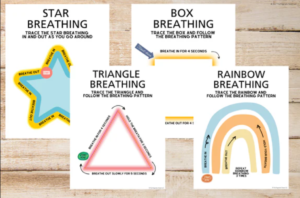
  2. Regulation – calming the body and nervous system

  3. Expression – communicating needs safely and clearly

It is a skill set, not a personality trait.
Practical Anger Management Techniques

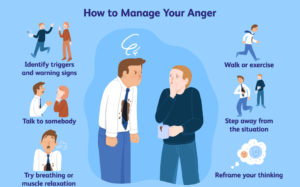
1. Recognize Early Warning Signs

Anger gives signals before it explodes:

  • Tight jaw or fists

  • Rapid breathing

  • Racing thoughts

  • Feeling “heated” or restless

Early awareness allows intervention before escalation.

2. Regulate the Body First

You cannot reason with an overactivated nervous system.

Helpful techniques:

  • Slow diaphragmatic breathing

  • Grounding exercises (5–4–3–2–1 method)

  • Physical movement (walking, stretching)

Regulation brings the brain back online.

3. Identify the Real Emotion

Ask yourself:

  • What am I really feeling right now?

  • What need feels threatened or unmet?

Naming emotions reduces their intensity.

4. Challenge Angry Thought Patterns

Cognitive reframing helps reduce emotional intensity:

  • Replace “They are disrespecting me” with “I feel ignored, and that hurts”

  • Replace “This always happens” with “This situation is difficult, not permanent”

5. Learn Assertive Communication

Healthy anger expression sounds like:

  • “I felt upset when…”

  • “I need…”

  • “This boundary is important to me”

Assertiveness respects both self and others.

6. Release Anger Safely

Anger needs an outlet—not destruction.

Healthy outlets include:

  • Journaling

  • Exercise

  • Creative expression

  • Talking with a trusted person

Anger, Masculinity, and Social Conditioning

Many men are socialized to:

  • Avoid vulnerability

  • Suppress sadness or fear

  • Use anger as the only emotional outlet

This makes anger management especially important in men’s mental health. Learning emotional language and regulation is not weakness—it is emotional maturity.
When to Seek Professional Help

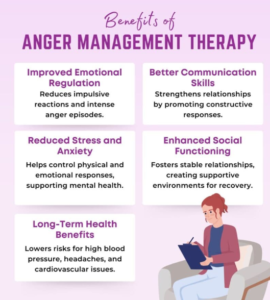
Anger management therapy may be helpful if:

  • Anger feels uncontrollable
  • It begins to harm personal and professional relationships.
  • It increases the risk of aggressive or violent behavior.
  • It occurs alongside trauma-related symptoms, anxiety, or depressive disorders.

Therapy helps uncover underlying causes and builds long-term emotional regulation skills.

Final Reflection

Anger is not the enemy—it is a messenger. It points to boundaries, unmet needs, pain, and injustice. When understood and regulated, anger can become a source of clarity, self-respect, and change.

True anger management is not about suppressing emotion—it is about learning to listen, regulate, and respond rather than react.

Written by Baishakhi Das

Counselor | Mental Health Practitioner
Qualifications: B.Sc in Psychology | M.Sc  | PG Diploma in Counseling

Frequently Asked Questions (FAQ): Anger Management


1. Is anger a bad emotion?

No. Anger itself is a normal and healthy emotion. It signals that something feels unfair, threatening, or emotionally painful. Problems arise when anger is suppressed, misdirected, or expressed aggressively.


2. What is the difference between anger and aggression?

Anger is an emotion, while aggression is a behavior. You can feel angry without being aggressive. Anger management focuses on regulating the emotion so it can be expressed assertively rather than destructively.


3. Why do some people get angry more easily than others?

Anger sensitivity can be influenced by:

  • Childhood experiences and emotional modeling

  • Chronic stress or burnout

  • Trauma or unresolved emotional wounds

  • Poor emotional regulation skills

  • Rigid thinking patterns

People who grew up in invalidating or unsafe environments often have a lower emotional tolerance for frustration.


4. Is anger always caused by the present situation?

Often, no. Many anger reactions are triggered by old emotional wounds. The current situation may resemble earlier experiences of rejection, disrespect, or powerlessness, activating a stronger response than the present moment alone would justify.


5. What are the physical signs that anger is building up?

Common early signs include:

  • Tight jaw or clenched fists

  • Rapid heartbeat

  • Shallow or fast breathing

  • Feeling hot or restless

  • Racing or rigid thoughts

Recognizing these signs early is key to effective anger management.


6. Can suppressed anger cause health problems?

Yes. Chronic suppression of anger has been linked to:

  • Anxiety and depression

  • Headaches and digestive problems

  • High blood pressure

  • Emotional numbness

  • Passive-aggressive behavior

Anger that is not expressed safely often turns inward.


7. Are anger management techniques effective?

Yes—when practiced consistently. Techniques such as breathing exercises, cognitive restructuring, emotional awareness, and assertive communication are evidence-based and widely used in psychotherapy.


8. When should someone seek professional help for anger?

Professional support is recommended if:

  • Anger feels uncontrollable

  • It harms relationships or work life

  • There is verbal or physical aggression

  • Anger is linked with trauma, anxiety, or depression

Therapy helps address both symptoms and root causes of anger.


9. Is anger management only for people who “lose control”?

No. Anger management is also for people who:

  • Suppress emotions

  • Feel chronically irritated

  • Struggle to set boundaries

  • Feel guilt or shame after expressing anger

Healthy anger expression is a life skill, not a crisis tool.


10. What is the core goal of anger management?

The goal is not to eliminate anger, but to:

  • Understand what anger is communicating

  • Regulate the body’s stress response

  • Express emotions clearly and respectfully

In short: respond instead of react.


Reference 

  1. American Psychological Association – Anger
    https://www.apa.org/topics/anger
    — Evidence-based overview of anger, its effects, and management strategies.

  2. National Institute of Mental Health – Stress and Emotion Regulation
    https://www.nimh.nih.gov/health/topics/stress
    — Explains how stress impacts emotional control, including anger.

  3. Verywell Mind – Anger Management Techniques
    https://www.verywellmind.com/anger-management-strategies-4178870
    — Practical, psychology-backed anger management strategies.

  4. Mayo Clinic – Anger Management: Tips to Tame Your Temper
    https://www.mayoclinic.org/healthy-lifestyle/adult-health/in-depth/anger-management/art-20045434
    — Medical perspective on anger, health risks, and coping skills.

  5. Psychology Today – Understanding Anger
    https://www.psychologytoday.com/us/basics/anger
    — Explores emotional, cognitive, and relational aspects of anger.

  6. World Health Organization – Mental Health and Emotional Regulation
    https://www.who.int/teams/mental-health-and-substance-use
    — Global mental health framework relevant to emotional regulation.

  7. National Health Service (UK) – Anger Management
    https://www.nhs.uk/mental-health/conditions/anger-management/
    — Public mental health guidance on managing anger safely.

  8. 7 Signs You Need to Talk to a Therapist — Don’t Ignore These

 

Why Jab We Met Is So Relatable: A Psychological Analysis of Aditya, Geet & Their Emotional Compatibility

Even years after its release, Jab We Met continues to feel deeply personal for audiences. It is quoted, revisited, and emotionally remembered not just as a romantic film, but as a mirror to our inner emotional world.
The reason for this timeless relatability lies not in grand romance — but in psychological truth.

At its core, Jab We Met is not a love story.
It is a story of two nervous systems, two attachment styles, and two wounded individuals finding emotional balance through connection.

Why Does Jab We Met Feel So Personal?

Most Bollywood romances idealize love. Jab We Met humanizes it.

People don’t relate to Aditya and Geet because they are perfect —
they relate because they are emotionally real.

  • Aditya represents emotional shutdown, burnout, and silent suffering.

  • Geet represents emotional intensity, impulsivity, and hidden insecurity.

Together, they reflect the two extremes most people oscillate between at different phases of life.

Aditya Kashyap: The Silent, Emotionally Wounded Personality

1. Psychological Profile of Aditya

Aditya begins the movie emotionally withdrawn, numb, and directionless. Psychologically, this reflects:

  • Situational depression

  • Emotional suppression

  • Learned helplessness

  • Loss of self-worth after relational rejection

He is not weak — he is emotionally exhausted.

2. Personality Traits

  • Introverted

  • Highly conscientious

  • Responsible and disciplined

  • Emotionally intelligent but emotionally closed

Aditya feels deeply but does not express pain outwardly. This inward processing is often misinterpreted as coldness, but in psychology, it reflects internalized coping.

3. Attachment Style: Secure but Temporarily Wounded

Despite his shutdown, Aditya shows signs of a secure attachment style:

  • He does not chase validation

  • He respects boundaries

  • He offers emotional safety

  • He remains stable during emotional chaos

His silence is not avoidance — it is emotional overload.

4. Aditya’s Growth Arc: Post-Traumatic Growth

Through Geet, Aditya experiences post-traumatic growth:

  • Reconnecting with joy

  • Regaining confidence

  • Rediscovering purpose

  • Reclaiming emotional expression

He does not change his personality —
he returns to himself.

Geet Dhillon: The Loud, Emotionally Intense Personality

1. Psychological Profile of Geet

Geet is expressive, impulsive, energetic, and emotionally driven. But beneath her confidence lies:

  • Fear of rejection

  • Fear of abandonment

  • Emotional dependency

  • Identity tied to relationships

Her loudness is not arrogance — it is emotional survival.

2. Personality Traits

  • Highly extroverted

  • Emotion-focused decision making

  • Expressive and spontaneous

  • Emotionally sensitive

Geet feels everything at full intensity — joy, love, excitement, and pain.

3. Attachment Style: Anxious-Preoccupied

Geet perfectly reflects the anxious attachment style:

  • Seeks reassurance

  • Fears being left

  • Loves intensely

  • Struggles with emotional regulation

Her positivity, jokes, and constant talking act as defense mechanisms to mask insecurity.

4. Emotional Collapse: When the Mask Breaks

When Geet’s relationship collapses, her entire identity collapses with it. This moment reveals a key psychological truth:

Loud people don’t feel less — they feel more.

Her breakdown shows emotional burnout, grief, and abandonment trauma surfacing once her emotional anchor disappears.

Why Aditya and Geet Work Together: Compatibility Psychology

1. Secure + Anxious Attachment Compatibility

Psychologically, their bond works because:

  • Geet’s anxious attachment finds safety in Aditya’s secure presence

  • Aditya’s emotional numbness is softened by Geet’s warmth

  • One regulates emotion; the other activates emotion

This is co-regulation, not dependence.

2. Emotional Balance, Not Emotional Rescue

Aditya does not “save” Geet.
Geet does not “fix” Aditya.

Instead:

  • Geet helps Aditya feel again

  • Aditya helps Geet feel safe

Healthy relationships don’t change personalities —
they stabilize nervous systems.

3. Anchor & Fire Dynamic

  • Aditya is the anchor — grounding, steady, calm

  • Geet is the fire — energetic, expressive, passionate

Fire without an anchor burns out.
An anchor without fire stays unmoved.

Together, they create emotional balance.

Why Modern Audiences Still Relate

In today’s world:

  • Many people feel emotionally numb like Aditya

  • Many feel emotionally overwhelmed like Geet

Jab We Met validates both experiences without judgment.

It shows:

  • You don’t need to be emotionally perfect to be loved

  • Healing happens through safety, not intensity

  • Emotional maturity is quieter than passion

The Deeper Message of Jab We Met

The film subtly teaches that:

  • Love should calm your nervous system, not confuse it

  • Emotional safety is more powerful than emotional drama

  • Compatibility is psychological, not just romantic

Conclusion: A Love Story That Heals, Not Hurts

Jab We Met remains relatable because it reflects real emotional struggles:

  • Silent suffering

  • Emotional chaos

  • Attachment wounds

  • Healing through connection

Aditya and Geet are not ideal lovers.
They are emotionally human — and that’s why they stay with us.

Sometimes love doesn’t arrive to excite you —
it arrives to regulate you.

Reference

Attachment Theory

Psychology Today – Attachment Styles
https://www.psychologytoday.com/us/basics/attachment

Verywell Mind – Anxious vs Secure Attachment
https://www.verywellmind.com/attachment-styles-2795344

Raising Emotionally Intelligent Kids: Daily Habits Parents Can Practice

Emotional intelligence (EQ) is one of the strongest predictors of a child’s long-term success—often even more than IQ, grades, or academic achievements. While academic knowledge helps children excel in school, emotional intelligence determines how they navigate the world. Children with higher EQ grow into adults who form healthier relationships, communicate more effectively, manage stress with confidence, solve conflicts peacefully, and make thoughtful, balanced decisions. They are better equipped to handle challenges, adapt to change, and build meaningful connections—qualities essential for personal and professional success.

Developing emotional intelligence does not happen naturally or automatically. Just like language, motor skills, or academic abilities, EQ must be nurtured through practice, modeling, and environment. This is where parenting plays a transformative role. Children observe how adults respond to stress, express feelings, handle disagreements, and manage frustration. They absorb these behaviors and gradually internalize them as their own. In many ways, parents are their child’s first and most influential emotional teachers.

The encouraging news is that raising an emotionally intelligent child doesn’t require complex techniques or specialized training. Small, consistent habits practiced at home—simple interactions that take only minutes each day—can significantly shape a child’s emotional development. Everyday moments like conversations during meals, bedtime check-ins, reactions to tantrums, and responses to mistakes all serve as powerful teaching opportunities.

Why Emotional Intelligence Matters

Emotional intelligence is more than just a soft skill—it’s a core developmental capacity that shapes nearly every aspect of a child’s life, from early childhood into adulthood. While IQ and academics help children perform well in school, EQ determines how they understand themselves, relate to others, and respond to the world around them.

Emotional intelligence includes five foundational abilities:

  1. Self-awareness — identifying and understanding feelings

Children who can recognize their emotions (“I’m angry,” “I feel nervous,” “I’m disappointed”) are better able to express themselves clearly. This awareness reduces frustration and helps them ask for what they need instead of acting out.

  1. Self-regulation — managing impulses and calming the mind

A child who can pause, breathe, wait their turn, or handle “no” without melting down is practicing emotional self-control. These skills don’t appear automatically—they are learned through co-regulation with adults.

3. Empathy — understanding and caring about others’ feelings

Empathy allows children to consider another person’s perspective. Empathetic kids tend to show kindness, cooperation, and compassion—qualities that strengthen bonding and reduce conflict.

4. Social skills — communication, cooperation, and problem-solving in relationships

Emotionally intelligent children can share, negotiate, apologize, take turns, and work in teams. These abilities help them thrive in school, family life, and later in workplaces.

5. Problem-solving — navigating challenges and finding solutions

Children with strong EQ don’t just react—they think. They learn to evaluate situations, consider consequences, and choose healthier responses.

What Research Shows: The Powerful Impact of EQ

Studies from Harvard University, Yale Center for Emotional Intelligence, and decades of developmental research highlight the long-term impact of emotional intelligence:

Improves academic performance

Emotionally intelligent children focus better, manage test anxiety, communicate with teachers, and handle academic pressure more effectively. Research shows that EQ boosts grades and academic engagement.

Reduces anxiety and behavior problems

Children who can name and regulate their emotions experience fewer emotional outbursts, tantrums, and behavioral challenges. They cope better with stress and transitions.

Enhances resilience

EQ helps children bounce back from difficulties—whether it’s losing a game, facing failure, or dealing with disappointment. They learn that challenges are temporary and manageable.

Strengthens family and peer relationships

Kids with strong emotional skills communicate more openly, resolve conflicts peacefully, and form healthier friendships. These skills lay the groundwork for future romantic and professional relationships.

Helps children cope with rejection, frustration, and change

Instead of shutting down or erupting, emotionally intelligent children learn how to express feelings, seek support, and think through solutions.

Why EQ Must Be Nurtured Early

Emotional intelligence is not fixed—it develops through daily interactions with caregivers. When parents teach emotional skills early in life, children gain:

  • Stronger mental health 
  • Better communication habits 
  • Higher confidence 
  • Improved decision-making 
  • A stronger sense of self

By nurturing EQ early, parents equip their children with lifelong internal tools—tools that help them succeed not only in school, but in friendships, careers, and emotional well-being throughout adulthood.

Daily Habits Parents Can Practice

Emotional intelligence develops slowly, through hundreds of small interactions each day. These habits aren’t about perfection — they’re about presence, consistency, and modeling the emotional skills you want your child to absorb.

1. Name and Validate Emotions (Name It to Tame It)

Children experience emotions intensely, often without having the words or tools to express them. Naming the emotion helps translate their inner experiences into language they can understand.

How to Practice:

  • “You look frustrated because the tower fell.” 
  • “Sad because your friend didn’t share.” 
  • “It’s okay to feel angry. I’m here with you.” 
  • “Your body looks tense. Are you feeling worried?”

Why It Works:

Labeling emotions activates the prefrontal cortex, helping the child shift from overwhelm into understanding. Validation (“It makes sense you feel this way”) makes them feel safe, not judged.

Expanded Example:

Instead of saying “Stop crying!”, try:
“I see big tears. Something didn’t feel right. Tell me what happened.”
This approach lowers emotional intensity and invites communication.

2. Model Emotional Regulation

Children learn far more from what we do than what we say. When they see you manage stress calmly, take breaks, or talk through problems, they naturally mirror those behaviors.

How to Practice:

  • “I’m feeling overwhelmed. I’ll take a deep breath.” 
  • “I need a moment to calm my body before I talk.” 
  • “Got frustrated, but I’m trying again.” 
  • “I apologize for raising my voice. I’m working on calming down.”

Why It Works:

Modeling helps children internalize self-regulation techniques. It normalizes emotions and teaches that everyone—even adults—works on managing feelings.

Expanded Example:

When spilling milk, instead of reacting sharply, try:
“I’m annoyed, but accidents happen. Let’s clean it up together.”
This teaches calm problem-solving.

3. Create a Daily Emotional Check-In Routine

Regular emotional check-ins help children understand feelings as a normal part of daily life, not something that only happens during crises.

How to Practice:

  • Morning chart: “How do you feel starting today?” 
  • Evening reflection: “What felt good today? What felt tough?”

Use colors for younger children:

    • Red = Angry 
    • Yellow = Frustrated 
    • Blue = Sad 
    • Green = Calm / Happy

Why It Works:

Structured emotional reflection reduces impulsive behavior and increases emotional vocabulary.

Expanded Example:

Keep a simple “Mood Wheel” on the fridge and let the child point to a color every morning and night.

4. Teach Problem-Solving Skills

Instead of jumping in to fix every issue, guiding children to find solutions teaches independence and resilience.

How to Practice:

  • “What can we do next?” 
  • “What would help you right now?” 
  • “Should we take turns, ask for help, or choose a new activity?” 
  • “Let’s think of two solutions and pick one.”

Why It Works:

Problem-solving shifts the child from emotional response to cognitive thinking. It strengthens executive functioning.

Expanded Example:

If a sibling conflict arises, ask:
“What’s a fair way to solve this? Let’s think of options together.”
This teaches cooperation and negotiation.

5. Encourage Empathy Daily

Empathy allows children to connect with others, understand their feelings, and respond with kindness—key skills for future relationships.

How to Practice:

  • Discuss characters’ emotions in books or shows. 
  • “How do you think she felt when that happened?” 
  • Praise empathetic behavior: “You noticed your brother was sad. That was caring.” 
  • Encourage gentle behavior with pets and peers.

Why It Works:

Empathy strengthens social bonding and reduces aggressive or impulsive interactions.

Expanded Example:

If your child accidentally hurts someone, instead of forcing a quick “sorry,” guide them:
“Look at his face. How do you think he feels? What can we do to help?”

6. Set Consistent, Calm Boundaries

Children feel safe when they know what to expect. Boundaries provide structure, predictability, and emotional security.

How to Practice:

  • “I won’t let you hit.” 
  • “We clean up before bedtime.” 
  • “It’s okay to feel angry, but it’s not okay to throw things.” 
  • Always use calm tone + clear rule + safe alternative.

Why It Works:

Predictability reduces anxiety and behavioral outbursts. Calm enforcement teaches children that boundaries are stable, not emotional reactions.

Expanded Example:

Instead of shouting “Stop it!”, say:
“I can see you’re upset, but I won’t let you throw toys. Let’s find a safer way to show anger.”

7. Build Routines That Support Regulation

Daily routines help regulate the child’s nervous system, reducing emotional overload.

How to Practice:

  • Predictable sleep and wake-up times 
  • Scheduled snacks and hydration 
  • Quiet breaks after overstimulating activities 
  • Use visual routine charts for morning and night

Why It Works:

Consistency lowers stress hormones and creates emotional stability.

Expanded Example:

After returning from school or an event, offer:
“Let’s take 10 minutes of quiet time so your body can relax.”

8. Teach Healthy Expression Through Play

Children naturally express emotions through play—it’s their language of healing and communication.

Ways to Practice:

  • Drawing or coloring emotions 
  • Role play with toys: “What does the bear do when he’s sad?” 
  • Sensory play: clay, sand, water 
  • Calm-down jars, bubbles, breathing games, kids’ yoga

Why It Works:

Play reduces emotional tension and builds emotional vocabulary in a safe, enjoyable way.

Expanded Example:

Make a “Feelings Puppet” that expresses different emotions and ask your child to respond.

9. Practice Gratitude and Positive Reflection

Gratitude shifts attention from stress to appreciation, improving a child’s emotional balance.

How to Practice:

  • Night-time gratitude routine: “I’m thankful for…” 
  • “Tell me one thing that made you smile today.” 
  • Keep a Family Gratitude Jar—add a note each day.

Why It Works:

Gratitude increases optimism and reduces negativity or irritability.

Expanded Example:

Once a week, empty the jar and read the gratitude notes together.

10. Listen Without Judgment

Children open up when they feel safe, heard, and accepted. Listening is the foundation of emotional security.

How to Practice:

  • Give full attention—eye contact, gentle tone 
  • Don’t interrupt 
  • Avoid dismissing feelings (“You’re overreacting,” “Stop crying”)Use reflective listening:
    • “So you were upset when that happened?” 
    • “You felt nervous about the exam?”screenshot 2025 11 15 150108

Why It Works:

This builds trust, strengthens attachment, and teaches communication.

Expanded Example:

If a child says “I hate school,” avoid reacting immediately. Instead say:
“You’re feeling upset about school. Tell me what part felt hard today.”

Long-Term Benefits of Raising Emotionally Intelligent Kids

Emotionally intelligent children grow up to:

  • Handle stress and conflict better 
  • Form healthy friendships and relationships 
  • Cope with failure & disappointment 
  • Communicate openly 
  • Show kindness and empathy 
  • Make thoughtful decisions 
  • Develop resilience and confidence

EQ is a life skill that shapes their academic, social, and emotional future.

Final Thoughts

Raising emotionally intelligent kids doesn’t require perfection—just presence, patience, and consistency. Children don’t need flawless parents; they need caregivers who are willing to pause, listen, and guide them with understanding. Emotional intelligence grows slowly, through everyday moments: a comforting hug after a meltdown, a gentle boundary, a calm response during conflict, a conversation about feelings, or a moment of shared gratitude before bed.

Each of these small habits becomes a building block in your child’s emotional world. Over time, they learn how to name their feelings, soothe themselves, understand others, and navigate challenges with resilience. These aren’t just childhood skills—these are lifelong strengths that shape who they become as adults.

Mindful parenting helps children feel seen, valued, and supported. When a child grows up in an environment where emotions are accepted and understood, they develop a secure sense of self and a strong internal compass. They learn that mistakes are opportunities, emotions are manageable, and relationships are places of safety, not fear.

By practicing emotional awareness and modeling healthy regulation, you’re not merely teaching your child how to behave—you’re shaping how they think, feel, connect, and cope. You are giving them the emotional tools they need to thrive academically, socially, and mentally.

In the end, raising an emotionally intelligent child is one of the greatest gifts you can offer. It is an investment in their future relationships, confidence, stability, and happiness. And it starts with small, consistent acts of love and mindful parenting—one day at a time.

Frequently Asked Questions (FAQs)

1. What is emotional intelligence in children?

It is the ability to understand, express, and manage emotions effectively.

2. Why is emotional intelligence important for kids?

It helps in relationships, stress management, decision-making, and overall success.

3. At what age should emotional intelligence be taught?

It can be taught from early childhood through daily interactions.

4. How can parents develop emotional intelligence in children?

By modeling behavior, validating emotions, and teaching problem-solving skills.

5. What are the key components of emotional intelligence?

Self-awareness, self-regulation, empathy, social skills, and problem-solving.

6. Can emotional intelligence be learned?

Yes, it develops through practice, environment, and guidance.

7. How does EQ affect academic performance?

Children with high EQ focus better and manage stress effectively.

8. What are simple daily habits to build EQ?

Naming emotions, listening actively, and practicing gratitude.

9. How can parents teach empathy to children?

By discussing feelings, modeling kindness, and encouraging perspective-taking.

10. What are the long-term benefits of emotional intelligence?Better mental health, relationships, resilience, and life success.

Written by Baishakhi Das

Counselor | Mental Health Practitioner
B.Sc, M.Sc, PG Diploma in Counseling

References

  1. Harvard Center on the Developing Child
    👉 https://developingchild.harvard.edu/
  2. Centers for Disease Control and Prevention
    👉 https://www.cdc.gov/ncbddd/childdevelopment
  3. Yale Center for Emotional Intelligence
    👉 https://www.ycei.org/
  4. The Gottman Institute
    👉 https://www.gottman.com/
  5. Language Development in Children: Stages, Theories (Why child not speaking clearly at age 2)

This article is written for knowledge purposes, aiming to help readers understand the topic better and gain useful insights for learning and awareness.