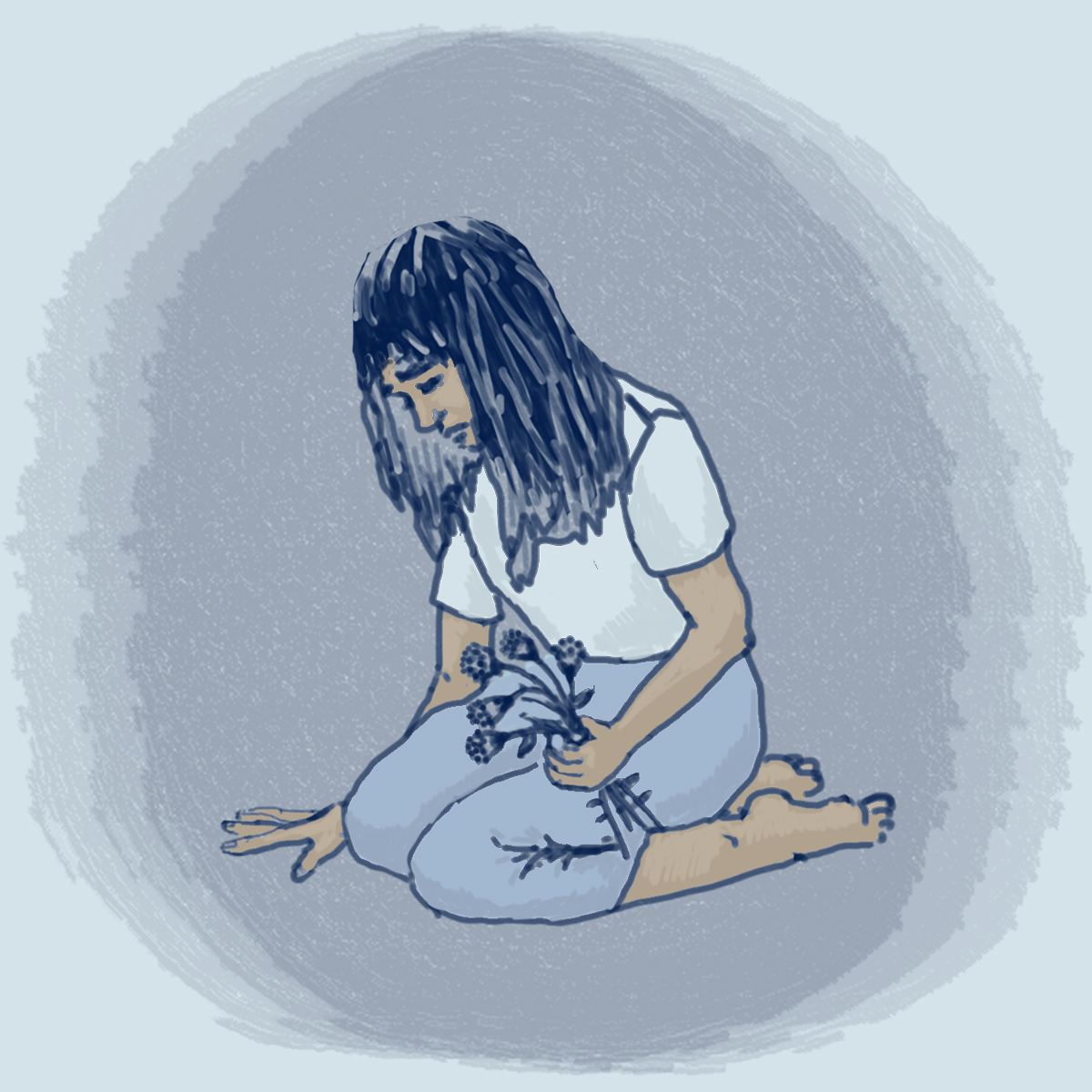
How Childhood Emotional Neglect Affects Adults

https://res.cloudinary.com/psychwire/image/upload/v1594102052/pw-client-uploads/ih1hfuxdufzxk4cmmfbl.jpg

Childhood Emotional Neglect (CEN) is not about what happened to a child, but about what didn’t happen. It occurs when a child’s emotional needs—such as validation, comfort, empathy, and attention—are repeatedly ignored or minimized by caregivers. While basic needs like food, shelter, and education may be met, the child’s inner emotional world remains unseen and unsupported.

Unlike abuse, emotional neglect is subtle and often unintentional, leaving no visible scars. Because nothing obviously “wrong” occurred, it frequently goes unnoticed. However, this ongoing lack of emotional attunement can deeply affect development, teaching the child to suppress feelings, become overly self-reliant, or believe their emotions don’t matter. Over time, this quiet absence can shape emotional well-being, relationships, and self-worth well into adulthood.

Understanding Childhood Emotional Neglect

Children depend on caregivers not only for food, shelter, and safety, but also for emotional guidance, reassurance, and connection. When parents are emotionally unavailable, dismissive, consistently busy, or preoccupied with their own struggles, a child’s emotional experiences may go unnoticed. Over time, the child may grow up feeling unseen, unheard, or emotionally unimportant.

As a result, emotionally neglected children often internalize painful but powerful beliefs such as:

  • “My feelings don’t matter.”
  • “I shouldn’t need help or support.”
  • “Something is wrong with me for feeling this way.”

These beliefs become part of their inner narrative and often carry into adulthood. They can shape how individuals experience emotions, relate to others, ask for support, and perceive their own worth—often without realizing the root lies in early emotional neglect.

Emotional Effects in Adulthood

One of the most common outcomes of childhood emotional neglect is emotional numbness. Many adults find it difficult to recognize, name, express, or even fully experience their emotions. Feelings may seem confusing, overwhelming, or distant, leading to a sense of being emotionally “shut down.”

Other emotional effects often include:

  • A persistent sense of emptiness or loneliness
  • Difficulty feeling joy, excitement, or satisfaction, even during positive experiences
  • Suppressed anger or unexplained sadness that appears without a clear reason
  • Guilt or shame for having emotional needs or wanting support

Because emotions were ignored or invalidated in childhood, many adults learn to disconnect from their feelings as a way to protect themselves. While this coping strategy once helped them survive emotionally, it can later limit emotional awareness, connection, and overall well-being.

Impact on Self-Esteem and Identity

Adults who experienced childhood emotional neglect often grow up without a clear or stable sense of self. Because their emotions were not acknowledged or valued, they may struggle to trust their own thoughts, feelings, and abilities. As a result, they may:

  • Constantly doubt themselves or their decisions
  • Rely heavily on external validation and approval
  • Feel “not good enough” despite achievements or success
  • Struggle with self-compassion and emotional kindness toward themselves

Since their feelings were never validated in childhood, they may learn to invalidate themselves in adulthood. This often shows up as harsh self-criticism, perfectionism, or an ongoing pressure to prove their worth, making it difficult to feel truly confident or secure in who they are.

Relationship Difficulties
https://images.squarespace-cdn.com/content/v1/624caf4ae8ab5b1a9759d517/179190b8-833e-480c-897d-33eec6eef46c/Screenshot%2B2025-01-07%2Bat%2B5.32.31%E2%80%AFPM.png
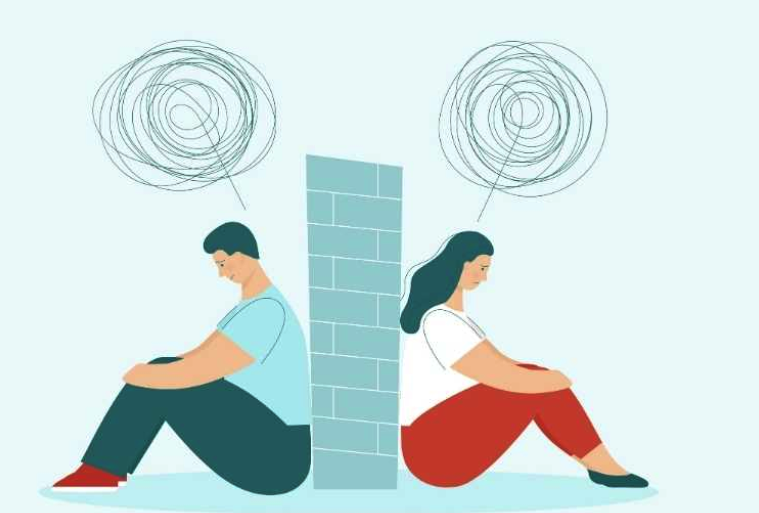
Childhood emotional neglect significantly affects adult relationships. Common patterns include:
  • Fear of emotional intimacy
  • Difficulty trusting others
  • Avoiding vulnerability
  • Becoming overly independent or emotionally dependent
  • People-pleasing to avoid rejection

Adults may either withdraw emotionally or cling to relationships, both rooted in unmet emotional needs from childhood.

Mental Health Consequences

Although childhood emotional neglect is subtle and often overlooked, it can significantly increase vulnerability to mental health difficulties in adulthood. When emotional needs go unmet for long periods, individuals may have fewer internal resources to cope with stress and emotional challenges.

Common mental health consequences include:

  • Anxiety and ongoing, chronic stress
  • Depression or persistent low mood
  • Low emotional resilience and difficulty coping with setbacks
  • Burnout and emotional exhaustion from constant self-reliance

Because their emotional needs were never acknowledged or responded to, many adults find it hard to ask for support. They may believe they should “handle everything alone,” viewing help-seeking as weakness rather than a healthy and necessary part of emotional well-being.

Why Childhood Emotional Neglect Often Goes Unnoticed

Many adults find it difficult to recognize or acknowledge childhood emotional neglect because it doesn’t fit the typical image of trauma. Often, their childhood appeared “normal” or even “privileged” from the outside.

Common reasons it goes unnoticed include:

  • Parents provided food, education, and material comfort
  • There was no obvious abuse, violence, or major trauma
  • Caregivers may have been well-intentioned or loving in practical ways

However, emotional neglect can exist even in caring and functional families. It is not defined by what caregivers did wrong, but by what was missing emotionally. The absence of emotional attunement—being seen, understood, and emotionally supported—can leave a lasting impact, even when no harm was intentionally done.

Healing from Childhood Emotional Neglect

Healing from childhood emotional neglect is possible, and awareness is the first and most important step. Once you recognize how early emotional experiences shaped you, change becomes achievable and empowering.

Recovery often involves:

  • Learning to identify, understand, and name your emotions
  • Validating your own feelings instead of dismissing them
  • Developing self-compassion and reducing self-criticism
  • Building emotionally safe and supportive relationships
  • Seeking therapy or counseling when additional guidance is needed

A powerful part of healing is emotional reparenting—learning to give yourself the care, empathy, protection, and validation you may not have received in childhood. Over time, this process can restore emotional connection, strengthen self-worth, and lead to deeper, healthier relationships.

Final Thoughts

Childhood Emotional Neglect does not define who you are, but it can help explain emotional patterns you may have struggled with for years. Understanding its impact allows you to move away from self-blame and toward self-awareness and compassion. Emotional needs are not weaknesses—they are a fundamental part of being human. Learning to acknowledge, express, and honor them is a powerful step toward healing, deeper connection, and lasting emotional well-being.

Frequently Asked Questions (FAQ) 

1. What is Childhood Emotional Neglect (CEN)?
CEN occurs when a child’s emotional needs—such as empathy, validation, and comfort—are consistently unmet by caregivers.

2. Is emotional neglect the same as abuse?
No. Abuse involves harmful actions, while emotional neglect involves the absence of emotional responsiveness.

3. Can emotional neglect happen in loving families?
Yes. Even well-meaning parents may unintentionally neglect emotional needs due to stress, mental health issues, or lack of awareness.

4. How is CEN different from emotional abuse?


Emotional abuse includes criticism or rejection; CEN is about emotional absence or lack of attunement.

5. Why don’t people remember emotional neglect clearly?
Because nothing overtly traumatic happened—there was simply something missing, making it harder to identify.

6. What are common adult signs of CEN?
Emotional numbness, low self-esteem, difficulty expressing feelings, people-pleasing, and fear of vulnerability.

7. Can CEN cause anxiety or depression?
Yes. Long-term emotional invalidation can increase vulnerability to anxiety, depression, and chronic stress.

8. Does CEN affect relationships?
Often yes. Adults may struggle with intimacy, trust, boundaries, or emotional communication.

9. Can CEN lead to perfectionism?


Yes. Many people try to earn validation through achievement because emotional validation was missing in childhood.

10. Is it too late to heal from emotional neglect?
No. Healing is possible at any age with awareness, self-work, and support.

11. What is emotional reparenting?
It means learning to give yourself the care, validation, and emotional safety you lacked growing up.

12. How does therapy help with CEN?
Therapy helps identify emotional patterns, build emotional awareness, and develop healthier coping and relationships.

13. Can CEN affect physical health?


Indirectly, yes—chronic stress and emotional suppression can impact sleep, immunity, and overall well-being.

14. Is emotional neglect always intentional?
No. Most cases are unintentional and stem from caregivers’ own limitations.

15. What is the first step toward healing?
Recognizing and validating your emotional experiences without minimizing them.

Written by Baishakhi Das

Counselor | Mental Health Practitioner
B.Sc, M.Sc, PG Diploma in Counseling

Reference

  1. Jonice Webb, PhD – Childhood Emotional Neglect
    https://drjonicewebb.com

  2. American Psychological Association – Emotional Neglect
    https://www.apa.org

  3. National Institute of Mental Health (NIMH)
    https://www.nimh.nih.gov

  4. Psychology Today – Childhood Emotional Neglect Articles
    https://www.psychologytoday.com

  5. NHS – Childhood Trauma and Emotional Well-being
    https://www.nhs.uk

  6. Psychology Theories Explained Through Bollywood Characters

This topic performs well due to rising searches around men’s mental health, workplace stress, and burnout recovery. Combining emotional insight with practical steps increases engagement and trust.


Male Loneliness Epidemic: Why Men Feel Isolated

A psychological and social perspective

https://www.fashionbeans.com/wp-content/uploads/2025/06/WhyGuysStruggleWithLonelinessMoreThanTheyAdmit2.jpg

Introduction

Loneliness has quietly become one of the most serious mental health challenges of modern times. While it affects people of all genders, research and clinical observation increasingly point to a male loneliness epidemic—a widespread pattern of emotional isolation, lack of close relationships, and deeply unexpressed psychological distress among men.

On the surface, many men appear socially functional. They work, provide, socialize, and fulfill expected roles. Yet beneath this appearance, a large number experience a persistent sense of being unseen, unsupported, and emotionally disconnected. Their lives may be busy, but emotionally empty. This kind of loneliness is often invisible to others—and sometimes even to the men themselves.

This isolation is not accidental or personal failure. It is shaped by cultural expectations, rigid gender norms, and psychological conditioning that begin early in life. From childhood, boys are often taught to suppress vulnerability, prioritize self-reliance, and equate emotional expression with weakness. Over time, these messages limit emotional awareness, reduce help-seeking, and make deep connection feel unfamiliar or unsafe.

As adults, many men are left without the language, permission, or social space to express emotional needs—resulting in loneliness that is silent, chronic, and profoundly impactful on mental health.

Understanding Male Loneliness

Male loneliness is not simply about physical isolation or being alone. Many men are surrounded by people—family, colleagues, acquaintances—yet still feel profoundly disconnected. At its core, male loneliness is about the absence of emotional intimacy, safe emotional expression, and meaningful connection.

In clinical and social settings, many men report experiences such as:

  • Having people around but no one they can truly talk to
  • Feeling emotionally invisible, as if their inner world goes unnoticed
  • Suppressing vulnerability to appear “strong,” independent, or in control
  • Difficulty forming or maintaining close friendships, especially those involving emotional openness

These patterns are often shaped by lifelong messages that discourage emotional expression and reward self-reliance. As a result, many men learn to manage distress privately, even when they deeply desire connection.

Loneliness in men is frequently silent and hidden, because admitting loneliness can feel like personal failure, weakness, or inadequacy. Instead of expressing it directly, loneliness may show up as withdrawal, irritability, emotional numbness, or overworking—signals that are often misunderstood or overlooked.

Understanding male loneliness requires moving beyond the idea of “being alone” and recognizing the deeper need for emotional safety, understanding, and genuine human connection.

Why Men Feel Isolated

Male loneliness does not arise from a single cause. It develops through a combination of social conditioning, emotional habits, relationship patterns, and stigma, most of which begin early and intensify over time.

1. Social Conditioning Around Masculinity

From childhood, boys are often taught clear but restrictive messages about emotions:

  • “Don’t cry”
  • “Be strong”
  • “Handle it yourself”

Emotional expression is discouraged, while independence and toughness are praised. Over time, this conditioning creates men who:

  • Struggle to name and understand emotions
  • Feel shame for needing help or comfort
  • Equate vulnerability with weakness or failure

As adults, many men do not lack the desire for connection—they lack the skills and permission to seek it. Asking for emotional support can feel unfamiliar, uncomfortable, or even unsafe.

2. Emotional Suppression and Limited Emotional Language

Psychologically, many men develop alexithymia-like patterns—difficulty identifying, labeling, and expressing emotions. This does not mean men feel less; it means they have been taught not to articulate what they feel.

Without emotional language:

  • Relationships remain surface-level
  • Partners may experience men as emotionally unavailable
  • Men feel misunderstood or unseen and withdraw further

This creates a painful cycle: the more misunderstood men feel, the less they express—deepening isolation.

3. Decline of Male Friendships

Research consistently shows that adult men have fewer close friendships than previous generations, and those friendships are often less emotionally intimate.

Common contributing factors include:

  • A work-centered identity where achievement replaces connection
  • Marriage or partnership replacing friendships instead of complementing them
  • Fear of appearing needy, dependent, or weak
  • Lack of socially accepted spaces for emotionally open male bonding

Unlike women, men are less likely to maintain friendships through emotional sharing. Their bonds often depend on activities rather than conversation, making them vulnerable when life circumstances change.

4. Romantic Relationships as the Only Emotional Outlet

Many men rely almost entirely on their romantic partner for emotional support. While intimacy is valuable, this emotional narrowing becomes risky.

When:

  • Relationships end
  • Conflict increases
  • Partners feel emotionally overloaded

Men may suddenly find themselves completely emotionally alone, with no backup support system. This often leads to profound loneliness, grief, and identity confusion.

5. Stigma Around Men’s Mental Health

Despite growing awareness, men continue to face strong stigma around:

  • Therapy
  • Emotional struggles
  • Depression, anxiety, and loneliness

As a result, men are more likely to:

  • Avoid seeking help
  • Minimize or rationalize distress
  • Cope through substances, overwork, or emotional withdrawal

This stigma reinforces the belief that struggling must be handled privately—turning loneliness into a chronic, silent condition.

Key Insight

Men’s isolation is not a personal failure. It is the outcome of long-standing cultural messages that discourage emotional connection while demanding self-sufficiency.

Until men are given permission—and tools—to feel, express, and connect, loneliness will continue to grow quietly beneath the surface.

Psychological Consequences of Male Loneliness

Long-term loneliness in men is not just emotionally painful—it has serious psychological and health consequences. Research and clinical experience consistently show that prolonged emotional isolation in men is linked to:

  • Depression – often hidden behind withdrawal, fatigue, or loss of purpose
  • Anxiety – especially around performance, relationships, or perceived failure
  • Anger and irritability – emotions that are socially permitted and therefore more easily expressed
  • Substance use – alcohol, drugs, or compulsive behaviors used to numb emotional pain
  • Increased suicide risk

Globally, men have higher suicide completion rates, a reality often connected not to a lack of resilience or strength, but to untreated emotional isolation and reluctance to seek help. Many men suffer silently for years before reaching a breaking point.

Importantly, loneliness does not always look like sadness. In men, it frequently appears as:

  • Silence
  • Emotional numbness
  • Irritability or rage
  • Excessive work or withdrawal

These expressions are often misunderstood, allowing loneliness to persist unnoticed.

Why Men Don’t Talk About It

Men often struggle to speak openly about loneliness because:

  • Many men hesitate to speak because they don’t want to burden others with their emotional struggles.
  • The fear of rejection, judgment, or ridicule often keeps them silent.
  • Growing up, few men have seen role models who demonstrate emotional openness, leaving them unsure how to express vulnerability.
  • Throughout life, men are frequently rewarded for emotional self-sufficiency, reinforcing the belief that handling pain alone is a strength.

From a psychological perspective, silence becomes a survival strategy—a way to protect dignity and identity. But over time, this silence slowly erodes mental health, increasing isolation rather than reducing it.

What Helps Reduce Male Loneliness

1. Redefining Strength

Psychological strength is not emotional suppression. True strength includes:

  • Emotional awareness
  • Asking for support when needed
  • Building mutual, reciprocal connections

Normalizing this redefinition of strength is essential for cultural and individual change.

2. Creating Safe Spaces for Men

Men benefit greatly from environments where connection feels acceptable and non-judgmental, such as:

  • Peer support groups
  • Therapy approaches that respect male socialization
  • Activity-based spaces (sports, skills, projects) that allow emotional openness

For many men, connection begins through shared action, and only later deepens through conversation.

3. Encouraging Emotional Literacy

Emotional expression is not instinctive—it is learned. Boys and men benefit from being taught to:

  • Name emotions accurately
  • Express distress safely and constructively
  • Validate their own inner experiences

Emotional literacy strengthens relationships and reduces isolation.

4. Therapy Without Shame

Therapy can help men:

  • Understand long-standing emotional patterns
  • Heal attachment wounds
  • Learn healthier coping strategies

Seeking help is not weakness. It is a sign of psychological maturity and self-respect.

A Societal Responsibility

The male loneliness epidemic is not an individual failure. It is a systemic issue shaped by:

  • Cultural expectations of masculinity
  • Emotional neglect
  • Stigma around men’s mental health

Meaningful change requires:

  • Education systems that allow boys to feel and express emotions
  • Families that validate emotional needs
  • Media that models emotionally healthy masculinity
  • Mental health systems that actively include and reach out to men Conclusion

Men are not emotionally disconnected by nature.
They have been trained to disconnect.

Loneliness in men is not a lack of desire for connection—it is a lack of permission to express it.

Men do not need to “man up.”
They need to open up.

When men are allowed to feel, speak, and connect without shame, loneliness loses its grip—and mental health finally has room to grow.

Frequently Asked Questions (FAQs)

1. What is the male loneliness epidemic?

The male loneliness epidemic refers to the widespread emotional isolation many men experience due to social conditioning, stigma, and lack of emotional support systems.

2. Why are men more likely to feel lonely than women?

Men are often discouraged from expressing vulnerability, which limits emotional intimacy and deep friendships.

3. Is male loneliness the same as being alone?

No. Male loneliness is about lack of emotional connection, not physical isolation.

4. How does masculinity contribute to male loneliness?

Traditional masculinity promotes emotional suppression, self-reliance, and avoidance of help-seeking, which increases isolation.

5. Why don’t men talk about loneliness?

Many men fear being judged, rejected, or seen as weak, and they lack role models for emotional openness.

6. What emotions does male loneliness often look like?

It may appear as anger, emotional numbness, irritability, withdrawal, or overworking rather than sadness.

7. How does loneliness affect men’s mental health?

It increases the risk of depression, anxiety, substance use, emotional burnout, and suicide.

8. Why do men have higher suicide completion rates?

Men are less likely to seek help and more likely to suffer in silence due to emotional isolation and stigma.

9. Do romantic relationships protect men from loneliness?

Not fully. Many men rely solely on partners for emotional support, which becomes risky if the relationship ends or struggles.

10. What is emotional suppression?

It is the habit of ignoring or hiding emotions, often learned early in life, which contributes to loneliness.

11. How can men reduce loneliness?

By building emotional literacy, maintaining friendships, seeking therapy, and redefining strength as openness.

12. Are men less emotional than women?

No. Men experience emotions just as deeply but are often taught not to express them.

13. Does therapy help male loneliness?

Yes. Therapy helps men understand emotions, heal attachment wounds, and develop healthier connections.

14. Is male loneliness an individual problem?

No. It is a systemic issue shaped by culture, gender norms, and emotional neglect.

15. What is the most important step in addressing male loneliness?

Creating safe environments where men can express emotions without shame or judgment.

Written by Baishakhi Das

Counselor | Mental Health Practitioner
B.Sc, M.Sc, PG Diploma in Counseling


Reference 

  1. American Psychological Association (APA) – Men & Mental Health
    https://www.apa.org

  2. World Health Organization (WHO) – Suicide and Mental Health
    https://www.who.int

  3. Hawkley, L. C., & Cacioppo, J. T. (2010). Loneliness Matters: A Theoretical and Empirical Review.
    Current Directions in Psychological Science.

  4. Courtenay, W. H. (2000). Constructions of Masculinity and Their Influence on Men’s Well-Being.
    Social Science & Medicine.

  5. McLeod, S. A. (2023). Gender Differences in Mental Health. Simply Psychology
    https://www.simplypsychology.org

  6. Anger Issues in Men: What’s Really Going On

This topic performs strongly because it addresses men’s mental health, emotional neglect, and loneliness stigma—issues with growing global search interest.

Why Men Avoid Therapy — and How to Break the Silence

Introduction: The Silent Struggle of Men

Across cultures and generations, men are taught one powerful lesson early in life: be strong, don’t complain, handle it yourself. While this belief may appear empowering on the surface, it has quietly contributed to a global mental health crisis among men.

Men experience stress, trauma, anxiety, depression, and burnout just as deeply as women—but they are far less likely to seek therapy or psychological support. Instead, distress often surfaces indirectly through anger, emotional withdrawal, substance use, relationship breakdowns, or physical illness.

According to the World Health Organization, men are significantly less likely to access mental health services, yet they account for higher suicide rates worldwide. This paradox raises a critical question:
Why do men avoid therapy—and how can we break this silence?

This article explores the psychological, cultural, and biological reasons behind men’s resistance to therapy and outlines practical, compassionate ways to normalize help-seeking behavior.

Understanding Therapy Avoidance in Men

Therapy Is Not the Problem—Perception Is

Men do not avoid therapy because it is ineffective. They avoid it because of what therapy represents in many societies:

  • Vulnerability

  • Emotional exposure

  • Admission of weakness

  • Loss of control

From a young age, many men internalize the belief that emotions should be managed privately—or not at all.

Cultural Conditioning & Masculinity Norms

“Real Men Don’t Cry”

Traditional masculinity emphasizes:

  • Emotional control

  • Independence

  • Stoicism

  • Self-reliance

While these traits can be adaptive in short-term crises, they become harmful when emotional suppression becomes chronic.

Research by Courtenay (2000) shows that men who strongly conform to traditional masculine norms experience poorer mental health outcomes and are less likely to seek help.

Emotional Suppression & the Male Nervous System

Suppressing emotions does not eliminate them—it stores them in the body.

Men who avoid emotional expression often experience:

  • Chronic muscle tension

  • High blood pressure

  • Digestive issues

  • Sleep disturbances

  • Emotional numbness

Neuroscience shows that unprocessed emotions keep the nervous system in a prolonged fight-or-flight state, increasing stress hormones like cortisol.

Childhood Socialization: Where Silence Begins

Many men grew up in environments where:

  • Crying was punished or mocked

  • Emotional needs were dismissed

  • Vulnerability was unsafe

Boys who experienced emotional neglect, harsh parenting, or abuse often learned to survive by disconnecting from emotions. Therapy later in life may feel unfamiliar, threatening, or overwhelming—not because they don’t need it, but because they were never taught how to feel safely.

Fear of Losing Control

For many men, therapy triggers a fear of:

  • Being overwhelmed by emotions

  • Losing composure

  • Appearing incompetent

Men are often rewarded for control and problem-solving, not emotional processing. Therapy challenges this identity by asking men to pause, reflect, and feel, which can feel deeply uncomfortable at first.

Stigma, Shame & Social Judgment

Despite growing mental health awareness, stigma remains strong.

Common beliefs include:

  • “Therapy is for weak people”

  • “Others have it worse”

  • “I should be able to handle this”

  • “Talking won’t change anything”

The American Psychiatric Association emphasizes that shame is one of the biggest barriers to mental health treatment, especially among men.

Men Express Distress Differently

Men often do not present with classic symptoms of depression or anxiety.

Instead, distress may appear as:

  • Anger or irritability

  • Emotional shutdown

  • Risk-taking behaviors

  • Overworking

  • Substance use

Because these symptoms don’t match common mental health narratives, many men—and even professionals—fail to recognize them as psychological distress.

Therapy Myths That Keep Men Away

Myth 1: Therapy Is Just Talking

Reality: Modern therapy is skill-based, goal-oriented, and practical.

Myth 2: Therapy Makes You Weak

Reality: Therapy builds emotional regulation, resilience, and self-awareness.

Myth 3: Men Don’t Benefit From Therapy

Reality: Evidence-based therapies like CBT show strong outcomes for men in managing stress, trauma, and depression.

According to Beck (2011), Cognitive Behavioral Therapy helps clients identify and modify thought patterns that drive emotional distress—making it particularly effective for men who prefer structured approaches.

How Therapy Actually Helps Men

Therapy helps men:

  • Understand emotional triggers

  • Regulate anger and stress

  • Improve relationships

  • Heal unresolved trauma

  • Develop healthier coping strategies

It is not about dwelling on the past—it is about changing how the mind and nervous system respond in the present.

Breaking the Silence: How Men Can Begin

1. Reframe Therapy as Skill-Building

Therapy is not a confession—it’s training for the mind.

2. Start With the Body

Many men find it easier to begin with:

  • Stress management

  • Sleep issues

  • Anger control
    Physical entry points often lead naturally to emotional work.

3. Choose the Right Therapist

Men often respond better to:

  • Structured approaches

  • Clear goals

  • Practical tools

A good therapeutic fit matters more than gender.

How Families & Society Can Help

Normalize Emotional Expression

  • Avoid shaming boys for crying

  • Validate emotional experiences

  • Model healthy coping

Change the Language

Replace:

  • “Man up”
    With:

  • “Talk it out”

Small shifts create generational change.

The Cost of Silence

When men avoid therapy, the cost shows up as:

  • Broken relationships

  • Poor physical health

  • Addiction

  • Burnout

  • Suicide

The National Institute of Mental Health reports that men are less likely to receive mental health treatment but more likely to die by suicide—highlighting the urgent need to break the silence.

Therapy Is Not the End of Masculinity—It’s Its Evolution

Modern strength includes:

  • Emotional awareness

  • Self-reflection

  • Asking for help

  • Healing instead of suppressing

Men don’t need to abandon masculinity—they need to expand it.

Conclusion: Redefining Strength

Men avoid therapy not because they are incapable of healing—but because they were taught not to need it.

Breaking the silence requires:

  • Cultural change

  • Emotional education

  • Safe spaces for vulnerability

  • Compassion—for self and others

Therapy is not about becoming someone else.
It is about becoming whole.

Frequently Asked Questions (FAQ)

1. Why are men less likely to seek therapy?

Men are often socialized to suppress emotions and value self-reliance, making help-seeking feel like weakness.

2. Is therapy effective for men?

Yes. Evidence-based therapies like CBT are highly effective for men dealing with stress, trauma, and depression.

3. Do men experience mental health issues differently?

Yes. Men often express distress through anger, withdrawal, or physical symptoms rather than sadness.

4. Can therapy help men who struggle to talk about emotions?

Absolutely. Therapy helps men gradually build emotional awareness and regulation skills.

5. What is the biggest barrier preventing men from therapy?

Shame and fear of judgment are the most significant barriers.

6. Is therapy only for serious mental illness?

No. Therapy is helpful for everyday stress, relationship issues, burnout, and personal growth.

7. How can partners encourage men to seek therapy?

By avoiding blame, normalizing support, and framing therapy as growth rather than failure.

8. Are online therapy options effective for men?

Yes. Many men prefer online therapy due to privacy, flexibility, and reduced stigma.

References

    1. American Psychiatric Association. (2022). Diagnostic and Statistical Manual of Mental Disorders (5th ed., text rev.).
      Available through the official APA website (DSM-5-TR overview).
      https://www.psychiatry.org/psychiatrists/practice/dsm

    2. World Health Organization. (2022). Mental health of men and boys.
      WHO resources highlight men’s help-seeking behavior, suicide risk, and sociocultural factors. World Health Organization
      https://www.who.int/health-topics/mental-health

    3. National Institute of Mental Health. (2023). Men and mental health.
      Authoritative mental health topic page discussing how mental disorders affect men and related statistics. National Institute of Mental Health
      https://www.nimh.nih.gov/health/topics/men-and-mental-health

    4. Beck, J. S. (2011). Cognitive Behavior Therapy: Basics and Beyond. Guilford Press.
      Structured introduction to evidence-based CBT methods that help address thoughts and emotions.
      https://www.guilford.com/books/Cognitive-Behavior-Therapy/Judith-S-Beck/9781609185046

    5. Courtenay, W. H. (2000). Constructions of masculinity and their influence on men’s well-being. Social Science & Medicine, 50(10), 1385–1401.
      Classic research article on how masculine norms affect men’s health behaviors.
      https://doi.org/10.1016/S0277-9536(99)00390-1

    6. Maslach, C., & Leiter, M. P. (2016). Understanding the burnout experience. World Psychiatry, 15(2), 103–111.
      Seminal article explaining how burnout develops and what it entails.
      https://doi.org/10.1002/wps.20311

    7. Signs of Depression in Men: What to Look For (and What to Do Next)

Signs of Depression in Men: What to Look For (and What to Do Next)

Introduction: Why Men’s Depression Often Goes Unnoticed

Depression is one of the most common mental health disorders worldwide, yet it remains deeply misunderstood—especially in men. While women are statistically diagnosed with depression more often, men are far more likely to die by suicide, suggesting that male depression is frequently unrecognized, untreated, or hidden.

In many cultures—including India—men are socialized to be strong, stoic, self-reliant, and emotionally restrained. From an early age, boys are taught to suppress vulnerability, often hearing phrases like “men don’t cry” or “be strong.” These expectations shape how men experience, express, and cope with emotional distress.

As a result, depression in men often does not look like sadness or crying. Instead, it shows up as anger, irritability, risk-taking, withdrawal, or physical complaints—symptoms that are easy to miss or mislabel.

This article explores:

  • The unique signs of depression in men

  • Why men express depression differently

  • Cultural and psychological barriers to seeking help

  • The consequences of untreated depression

  • What to do next—practical, evidence-based steps for recovery

Understanding Depression: A Brief Overview

Depression (Major Depressive Disorder) is a mood disorder characterized by persistent low mood, loss of interest or pleasure, cognitive changes, and physical symptoms lasting at least two weeks and impairing daily functioning.

Core Symptoms (DSM-5 criteria include):

  • Persistent sadness or emptiness

  • Loss of interest or pleasure (anhedonia)

  • Fatigue or low energy

  • Sleep disturbances

  • Appetite or weight changes

  • Feelings of worthlessness or guilt

  • Difficulty concentrating

  • Psychomotor agitation or slowing

  • Recurrent thoughts of death or suicide

However, men often experience and express these symptoms differently, leading to underdiagnosis.

Why Depression Looks Different in Men

1. Gender Socialization

Men are taught to externalize distress rather than internalize it. Emotional pain may emerge as anger, aggression, or avoidance rather than sadness.

2. Masculinity Norms

Seeking help is often perceived as weakness. Many men prefer self-reliance, delaying professional support until symptoms become severe.

3. Emotional Suppression

Chronic suppression increases physiological stress, contributing to somatic symptoms (headaches, digestive issues, fatigue).

4. Diagnostic Bias

Standard depression screening tools are based largely on female-presenting symptoms, missing male-specific patterns.

Emotional Signs of Depression in Men1. Irritability and Anger

Instead of appearing sad, depressed men may seem:

  • Easily frustrated

  • Short-tempered

  • Hostile or aggressive

Anger often becomes a socially acceptable outlet for emotional pain in men.

2. Emotional Numbness

Many men report feeling:

  • Empty

  • Detached

  • Unable to feel joy, love, or excitement

This emotional blunting is often mistaken for indifference.

3. Low Self-Worth

Men with depression may feel:

  • Like a failure

  • Inadequate as providers or partners

  • Ashamed of not “measuring up”

These feelings are often hidden behind perfectionism or overworking.

Behavioral Signs of Depression in Men

4. Withdrawal and Isolation

Men may:

  • Avoid social interactions

  • Stop engaging in hobbies

  • Become emotionally unavailable in relationships

This withdrawal is often misinterpreted as disinterest rather than distress.

5. Risk-Taking Behaviors

Depression can lead to:

  • Reckless driving

  • Gambling

  • Unsafe sexual behavior

  • Excessive spending

These behaviors may serve as attempts to feel something or escape numbness.

6. Increased Substance Use

Men are more likely to cope through:

  • Alcohol misuse

  • Drug use

  • Prescription medication overuse

Substance use often masks depression while worsening it long-term.

Cognitive Signs of Depression in Men

7. Difficulty Concentrating

Men may experience:

  • Mental fog

  • Reduced productivity

  • Trouble making decisions

This can significantly impact work performance and self-esteem.

8. Negative Thinking Patterns

Common thoughts include:

  • “I’m a burden.”

  • “Nothing will change.”

  • “I should be able to handle this.”

These cognitive distortions reinforce hopelessness.

Physical (Somatic) Signs of Depression in Men

9. Chronic Fatigue

Persistent exhaustion even after rest is common and often attributed solely to work stress.

10. Sleep Disturbances

Men may experience:

  • Insomnia

  • Early morning awakening

  • Excessive sleeping

Sleep problems both contribute to and result from depression.

11. Unexplained Aches and Pains

Depression often manifests as:

  • Headaches

  • Back pain

  • Muscle tension

  • Digestive issues

Many men seek medical help for physical symptoms without addressing underlying depression.

Sexual and Relationship Changes

12. Reduced Libido

Depression can decrease sexual desire and performance, leading to shame and relationship strain.

13. Emotional Disconnection

Men may struggle to express emotions, causing partners to feel shut out or rejected.

Workplace Signs of Depression in Men

14. Overworking or Burnout

Some men cope by:

  • Working excessively

  • Avoiding home life

  • Tying self-worth solely to productivity

15. Absenteeism or Declining Performance

Others experience:

  • Frequent sick days

  • Missed deadlines

  • Loss of motivation

Suicidal Risk in Men: A Critical Concern

Men account for nearly 75% of suicide deaths globally, despite lower reported depression rates.

Warning signs include:

  • Talking about death or hopelessness

  • Giving away possessions

  • Sudden calm after distress

  • Increased substance use

  • Social withdrawal

Any suicidal thoughts require immediate professional help.

Why Men Don’t Seek Help

Key Barriers:

  • Fear of appearing weak

  • Stigma around mental health

  • Lack of emotional vocabulary

  • Cultural expectations of masculinity

  • Limited access to male-friendly services

What to Do Next: Steps Toward Healing

1. Recognize and Name the Problem

Awareness is the first step. Depression is not a personal failure—it is a medical condition.

2. Talk to Someone You Trust

Opening up to a:

  • Friend

  • Partner

  • Family member
    can reduce isolation and emotional burden.

3. Seek Professional Help

Evidence-based treatments include:

  • Cognitive Behavioral Therapy (CBT)

  • Interpersonal Therapy (IPT)

  • Medication (SSRIs, SNRIs) when indicated

Men often benefit from goal-oriented, practical therapy approaches.

4. Address Lifestyle Factors

  • Regular physical activity

  • Sleep hygiene

  • Balanced nutrition

  • Reduced alcohol use

Exercise has antidepressant effects comparable to medication in mild-to-moderate depression.

5. Build Emotional Skills

Learning to:

  • Identify emotions

  • Express vulnerability

  • Regulate stress
    is essential for long-term recovery.

6. Create a Support System

Peer support groups and male mental health communities can normalize emotional struggles.

How to Support a Man with Depression

  • Listen without judgment

  • Avoid “fixing” or minimizing

  • Encourage professional help

  • Be patient—recovery takes time

Depression Is Treatable: A Message of Hope

Depression in men is real, common, and treatable. Recognizing the signs early can prevent long-term suffering, relationship breakdown, and loss of life.

Seeking help is not a weakness—it is an act of courage and self-respect.

Conclusion

Men’s depression often hides behind anger, silence, and exhaustion. By understanding these unique signs and challenging harmful gender norms, we can create safer spaces for men to seek help, heal, and thrive.

Mental health awareness must include men—not just as providers or protectors, but as human beings who feel, struggle, and deserve care.

References