Anger Issues in Men: What’s Really Going On

https://calmerry.com/wp-content/uploads/2022/06/Anger-effects.png

A Psychological Look Beneath the Surface

Anger is often the emotion most visibly associated with men, especially in public and interpersonal settings. Society frequently interprets male anger as a personality flaw, a temperament problem, or a failure of self-control, focusing on the behavior rather than its meaning. However, from a psychological perspective, anger in men is rarely the core issue. More often, it functions as a surface emotion—a protective response that signals deeper, unrecognized, or unexpressed distress beneath it.

Feelings such as hurt, fear, shame, grief, helplessness, or emotional overwhelm often sit underneath anger but remain hidden because they feel unsafe or unacceptable to express. Anger, in contrast, feels powerful and socially permitted, making it the emotion that emerges. To truly understand anger issues in men, it is essential to look beyond the behavior itself and examine the emotional history, developmental experiences, and social conditioning that shape how men learn to cope with distress. Only by addressing these underlying factors can anger be understood, regulated, and transformed in a healthy way.

Anger Is Often a Secondary Emotion

From a psychological perspective, anger is rarely the first emotion that arises. More often, it functions as a secondary emotion, appearing in response to more vulnerable primary feelings such as:

  • Fear

  • Hurt

  • Shame

  • Rejection

  • Helplessness

  • Grief

These emotions tend to feel unsafe, exposing, or unacceptable to express—especially for men. As a result, they are pushed aside or remain unacknowledged. Anger then steps in as the emotion that becomes visible. It feels powerful, protective, and socially permitted, making it a safer outlet for underlying pain.

Why Anger Feels “Easier” Than Other Emotions

From an early age, many men receive clear messages about emotional expression, such as:

  • Don’t cry

  • Don’t show fear

  • Stay in control

  • Be strong

These messages encourage the suppression of emotions that signal vulnerability. Anger, however, is often tolerated or even rewarded because it aligns with cultural ideas of strength and dominance. Over time, the emotional system adapts to this pattern:

👉 When pain arises, anger becomes the expression.

This conditioning does not suggest that men lack emotional depth or sensitivity. Rather, it reflects that they have learned which emotions are acceptable to show and which must remain hidden.

Common Hidden Causes Behind Male Anger

1. Unrecognized Depression

Depression in men often does not present as visible sadness or withdrawal. Instead, it may show up through:

  • Irritability

  • A short temper

  • Emotional numbness

  • Sudden or explosive reactions

When sadness, hopelessness, or emptiness cannot be acknowledged or expressed, anger often becomes the outward outlet. In this way, anger masks the deeper emotional pain of depression.

2. Chronic Stress and Pressure

Many men live under continuous pressure related to:

  • Work performance and career expectations

  • Financial responsibility

  • Family and social roles

  • Constant comparison with others

When this stress goes unprocessed, the nervous system remains in a state of heightened alert. Over time, this constant activation lowers emotional tolerance and makes anger reactions more frequent and intense.

3. Emotional Suppression

When emotions are repeatedly pushed aside rather than processed:

  • Emotional awareness gradually decreases

  • Frustration tolerance weakens

  • Reactions become more impulsive and reactive

Suppressed emotions do not disappear. Instead, they accumulate beneath the surface and often re-emerge as anger, irritation, or sudden outbursts.

4. Shame and Threatened Identity

Anger commonly arises when a man experiences feelings such as:

  • Disrespect

  • Inadequacy

  • Criticism

  • Loss of control

Shame is one of the most uncomfortable emotions to sit with. Anger acts as a protective shield, redirecting that discomfort outward rather than inward.

5. Learned Family Patterns

Many men grow up in families where:

  • Anger was the only emotion openly expressed

  • Conflict replaced calm communication

  • Vulnerability was discouraged or absent

Without examples of healthy emotional expression, anger becomes the default emotional language. It is not chosen intentionally—it is learned through observation and repetition.

How Anger Shows Up in Daily Life

Anger issues in men do not always appear as obvious rage or aggression. More often, they surface in subtle, recurring patterns that affect daily functioning and relationships. Common expressions include:

  • Frequent irritation over small or minor matters

  • Sudden emotional outbursts that feel disproportionate to the situation

  • Passive-aggressive behaviors, such as sarcasm or withdrawal

  • Emotional shutdown followed by unexpected explosions of anger

  • Road rage, impulsive decisions, or other risky behaviors

  • Ongoing conflict in personal relationships and workplace interactions

These behaviors are rarely about the immediate situation. Instead, they often mask unmet emotional needs, unprocessed stress, or feelings that have gone unheard for a long time. Recognizing these patterns is the first step toward understanding what anger is truly communicating.

The Cost of Unaddressed Anger

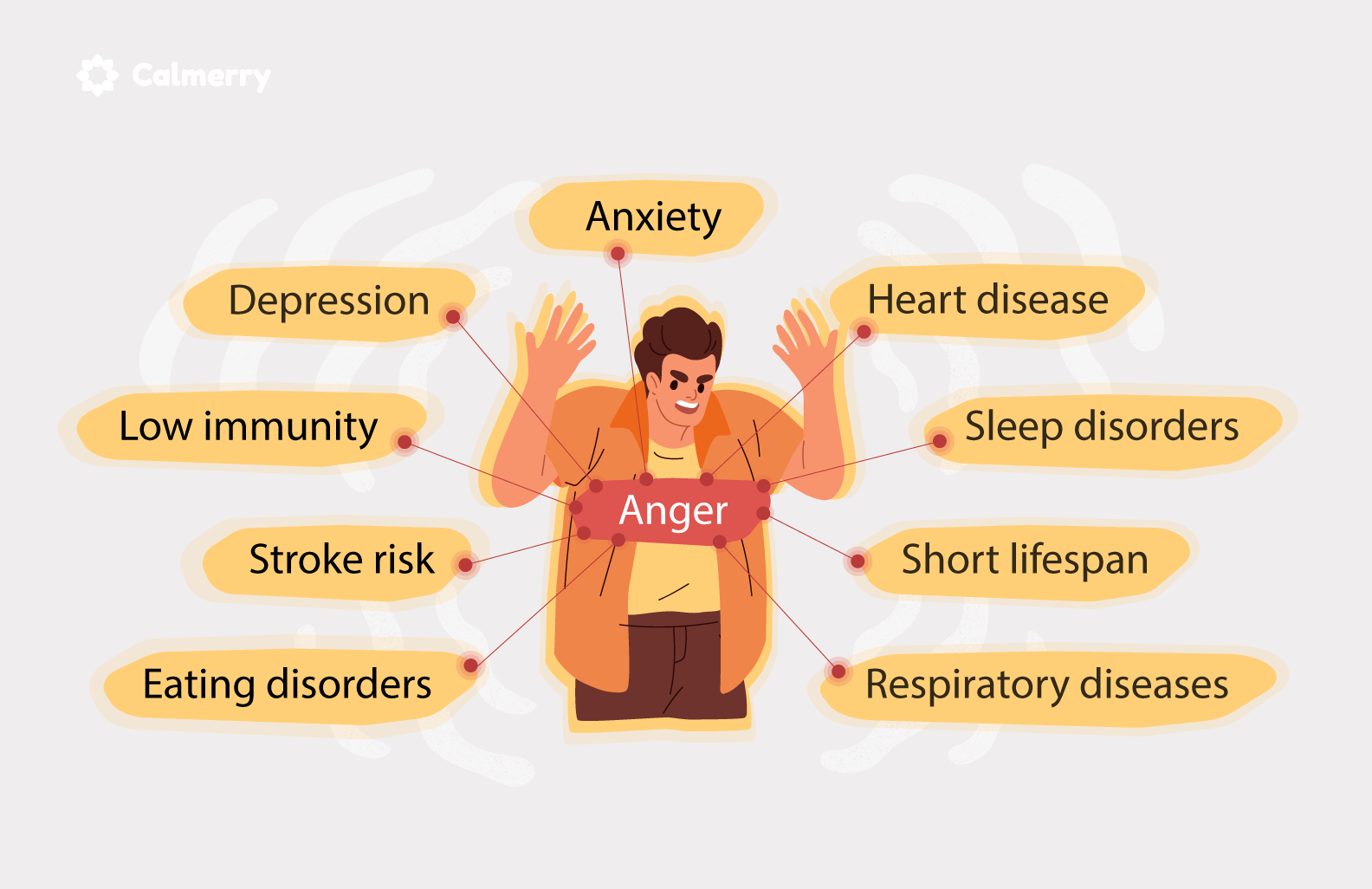
When anger is misunderstood, ignored, or left unmanaged, its impact extends far beyond momentary outbursts. Over time, unresolved anger can contribute to:

  • Breakdown of intimate and family relationships

  • Ongoing conflict and difficulties in the workplace

  • Physical health problems such as high blood pressure, headaches, or fatigue

  • Increased reliance on substances as a coping mechanism

  • Growing emotional isolation and disconnection from others

Although anger may offer short-term protection by creating a sense of control or release, it often causes long-term damage to mental health, relationships, and overall well-being when its underlying causes are not addressed.

Anger Is a Signal, Not a Character Flaw

From a therapeutic perspective, anger is information rather than a defect. It serves as an internal signal that something important is happening beneath the surface. Anger often indicates that:

  • A personal boundary feels violated

  • An emotional or psychological need remains unmet

  • Pain or hurt has gone unheard or unacknowledged

  • Stress has exceeded the individual’s capacity to cope

When anger is treated as the enemy, its underlying message is missed. Understanding what anger is trying to communicate allows for healthier responses, emotional regulation, and meaningful change.

What Helps Men Manage Anger in a Healthy Way

Healthy anger management does not involve suppressing or denying anger. Instead, it focuses on understanding what anger is communicating. When anger is explored rather than avoided, it becomes easier to respond thoughtfully rather than react impulsively.

Helpful steps include:

  • Learning to identify the underlying emotions driving anger, such as fear, hurt, or shame

  • Expanding emotional vocabulary to better name and express inner experiences

  • Developing pause and regulation skills that allow space between feeling and action

  • Addressing sources of chronic stress that keep the nervous system activated

  • Seeking therapy or support without shame, recognizing it as a strength rather than a failure

When men learn to recognize what their anger is protecting, emotional balance and self-control become possible.

Redefining Strength

Explosive control is not strength.
Emotional awareness reflects strength.
Responding with intention shows strength.
Reaching out for help demonstrates strength.

Anger itself does not make a man weak. Ignoring the message behind it does. 

Final Thoughts

Anger issues in men are rarely about anger alone. They are often rooted in unspoken pain, unmet needs, and long-standing emotional silence.

When anger is understood instead of judged, it can become a gateway to insight and healing, rather than a source of harm. Supporting men in exploring what lies beneath anger is not only sound psychology—it is essential for building healthier individuals, stronger relationships, and more compassionate communities.

Frequently Asked Questions (FAQ)

1. Are anger issues common in men?

Yes. Anger is one of the most commonly expressed emotions in men due to social and cultural conditioning.

2. Is anger always the main problem?

No. Anger is often a secondary emotion that masks deeper feelings such as fear, shame, or hurt.

3. Can depression show up as anger in men?

Yes. Depression in men frequently presents as irritability, short temper, or emotional numbness rather than sadness.

4. Why do men express anger more than sadness?

Anger is socially accepted for men, while vulnerable emotions are often discouraged.

5. Does suppressing emotions increase anger?

Yes. Suppressed emotions accumulate and often resurface as anger or sudden outbursts.

6. Is anger a sign of weakness?

No. Anger is a natural emotional response and often signals unmet needs or violated boundaries.

7. Can stress trigger anger issues in men?

Chronic stress keeps the nervous system activated, lowering tolerance and increasing anger reactions.

8. Are anger issues linked to childhood experiences?

Yes. Growing up in environments where anger was the only expressed emotion can shape adult coping patterns.

9. How does anger affect relationships?

Unmanaged anger can lead to conflict, emotional distance, and relationship breakdowns.

10. Can anger cause physical health problems?

Yes. Chronic anger is linked to high blood pressure, headaches, fatigue, and other stress-related conditions.

11. Is therapy helpful for men with anger issues?

Yes. Therapy helps identify underlying emotions, develop regulation skills, and process unresolved pain.

12. Does anger management mean suppressing anger?

No. Healthy anger management focuses on understanding and responding to anger, not suppressing it.

13. Why does anger feel uncontrollable sometimes?

When underlying emotions go unrecognized, anger can surface suddenly and intensely.

14. Can men learn healthier ways to express anger?

Absolutely. Emotional awareness and regulation skills can be learned at any age.

15. What is the first step toward managing anger?

Recognizing anger as a signal rather than a character flaw is the first step toward change.

Written by Baishakhi Das

Counselor | Mental Health Practitioner
B.Sc, M.Sc, PG Diploma in Counseling


Reference 

This topic performs strongly because it addresses men’s mental health, emotional neglect, and loneliness stigma—issues with growing global search interest.


Depression in Men That Doesn’t Look Like Sadness

https://images.squarespace-cdn.com/content/v1/5ec33f400be7e16a9a6dc2af/5caa037a-e96f-4fe6-97d3-accb36237830/Feeling%2BFrustrated%2B%7C%2Bmen%27s%2Bcounseling%2Bin%2Bdetroit%2C%2Bmi%2B%7C%2Bcounselor%2Bfor%2Bmen%2Bin%2Bdetroit%2C%2Bmi%2B%7C%2Bmen%27s%2Btherapy%2Bin%2Bdetroit%2C%2Bmi%2B%7C%2Bmen%27s%2Bissues%2Btherapy%2Bin%2Bdetroit%2C%2Bmi%2B%7C%2Btherapist%2Bfor%2Bmen%2Bin%2Bmichigan%2B%7C%2B48230%2B%7C%2B48236%2B%7C%2B48207

A Psychological Perspective on the Hidden Face of Male Depression

When people think of depression, they often picture visible sadness, frequent crying, social withdrawal, or a clear sense of hopelessness. However, in many men, depression does not present in these familiar ways. Instead, it often hides behind behaviors that appear socially acceptable or even normal, such as anger, irritability, emotional silence, excessive work, substance use, or a persistent sense of numbness. These expressions are frequently overlooked because they do not fit the traditional or clinical stereotype of depression.

Because these signs are subtle or misunderstood, male depression is often missed, minimized, or misdiagnosed—sometimes labeled as stress, personality issues, or anger problems rather than emotional distress. As a result, many men continue to suffer silently, without recognition or support, until the emotional burden becomes overwhelming. Over time, this unaddressed distress may escalate into relationship breakdowns, physical health problems, risky behaviors, or psychological crisis, making early awareness and understanding critically important.

Why Depression Looks Different in Men

From early childhood, many boys are socialized—often subtly and repeatedly—to internalize certain beliefs about emotions and strength. Messages such as “don’t cry,” “be strong,” or “handle it yourself” teach them that emotional vulnerability equals weakness, that sadness should be hidden, and that fear or grief are unacceptable emotions. In contrast, anger is often tolerated or even encouraged, while independence is valued more than emotional expression.

Over time, these beliefs shape how psychological distress is experienced and expressed. Instead of turning inward with visible sadness or openly seeking support, many men learn to externalize pain through irritability or anger, or to shut down emotionally altogether. Emotional suppression can become a coping strategy—one that protects them from judgment but also prevents emotional release and connection.

This does not mean men feel less or experience depression less deeply. Rather, it often means they have been conditioned not to show what they feel, even to themselves. As a result, depression in men may remain hidden—expressed through behavior rather than words—until it reaches a breaking point.

Common Signs of Depression in Men (That Are Often Overlooked)

1. Irritability and Anger

Rather than appearing sad, depression in men often shows up as:

  • Frequent frustration

  • Short temper

  • Aggressive reactions

  • Emotional outbursts over small issues

Anger becomes a socially permitted outlet for deeper feelings like helplessness, shame, or grief.

2. Emotional Numbness

Some men do not feel sad—they feel nothing.

  • Loss of interest in life

  • Feeling disconnected from loved ones

  • Lack of emotional response (even to good news)

  • Sense of emptiness

This numbness is often mistaken for emotional coldness, but psychologically, it is a protective shutdown.

3. Overworking and Constant Busyness

Excessive work can function as emotional avoidance.

  • Working long hours

  • Inability to relax

  • Feeling valuable only when productive

  • Avoiding rest or intimacy

For many men, productivity replaces emotional expression.

4. Risk-Taking or Self-Destructive Behavior

Depression may be expressed through:

  • Reckless driving

  • Gambling

  • Substance use

  • Unsafe sexual behavior

These behaviors are often unconscious attempts to feel something or escape emotional pain.

5. Physical Symptoms Without Clear Medical Cause

Male depression frequently presents through the body:

  • Chronic fatigue

  • Headaches or body pain

  • Sleep disturbances

  • Digestive problems

Because emotional distress is not verbalized, it is somatized.

6. Withdrawal Without Visible Sadness

Men may withdraw silently:

  • Spending more time alone

  • Reduced communication

  • Emotional distance in relationships

  • Loss of interest in social connection

This is often misinterpreted as disinterest rather than distress.

Why Male Depression Is Often Missed

    • Emotional distress is often expressed through anger, irritability, or silence rather than sadness

    • Many men lack the language or permission to describe emotional pain

    • Common screening tools focus on stereotypical depressive symptoms

    • Substance use and risk-taking behaviors are treated as separate problems

    • Physical complaints are addressed without exploring emotional causes

    • Cultural norms discourage men from seeking psychological help

    • Fear of appearing weak delays disclosure and treatment

    • Depression is often recognized only after major personal or social consequences.

As a result, depression in men is frequently identified late, sometimes only after serious consequences.

The Cost of Ignoring Male Depression

When unrecognized, male depression can lead to:

  • Relationship breakdown

  • Workplace burnout

  • Substance dependence

  • Increased risk of suicide

Globally, men die by suicide at higher rates—not because they are weaker, but because their suffering is less visible and less supported.

Clinical and Counseling Perspective

In therapy, male depression often emerges indirectly:

  • Through anger complaints

  • Relationship conflicts

  • Work stress

  • Physical symptoms

Effective counseling focuses on:

  • Expanding emotional vocabulary

  • Normalizing vulnerability

  • Addressing shame

  • Creating safety for emotional expression

Depression is not removed by “being strong”—it is healed through connection, understanding, and support.

What Healing Can Look Like

Healing does not require dramatic emotional expression. It often begins with:

  • Naming internal experiences

  • Learning that emotions are not failures

  • Reconnecting with the body

  • Building safe emotional relationships

Strength is not the absence of pain—it is the willingness to face it.

Final Thoughts

Depression in men frequently presents without sadness.
It may manifest as anger or emotional withdrawal.
Sometimes it looks like success on the outside and emptiness inside.

Recognizing these hidden signs is not just psychological awareness—it is life-saving.

If you or someone you know fits these patterns, support is not a weakness.
It is a step toward healing.

Frequently Asked Questions (FAQ): Depression in Men That Doesn’t Look Like Sadness

1. Can depression exist without feeling sad?

Yes. Depression can appear as anger, emotional numbness, irritability, exhaustion, or withdrawal rather than visible sadness.

2. Why do men express depression differently than women?

Men are often socialized to suppress vulnerable emotions, leading distress to be expressed through behavior rather than words.

3. Is anger a symptom of depression in men?

Anger and irritability are common but often overlooked signs of depression in men.

4. Can overworking be a sign of depression?

Yes. Excessive work can function as emotional avoidance and a way to escape internal distress.

5. Why do some depressed men feel emotionally numb?

Emotional numbness can develop as a protective response when feelings have been suppressed for a long time.

6. Are substance use and depression connected in men?

Yes. Alcohol or substance use is often used to manage unrecognized or unexpressed depressive symptoms.

7. Can physical symptoms indicate depression in men?

Depression may present as fatigue, sleep problems, headaches, or unexplained body pain.

8. Why is male depression often misdiagnosed?

Symptoms may not fit traditional depression criteria and are often treated as anger, stress, or behavioral problems.

9. Do men seek help less often for depression?

Yes. Social stigma and fear of appearing weak often delay help-seeking.

10. Is male depression linked to higher suicide risk?

Men have higher suicide completion rates, partly due to delayed diagnosis and lack of emotional support.

11. Can relationships be affected by hidden depression?

Yes. Emotional withdrawal, irritability, and disconnection can strain intimate and family relationships.

12. Does talking about emotions make depression worse?

No. Emotional expression and validation are key components of healing.

13. Can therapy help men who don’t feel “sad”?

Yes. Therapy focuses on understanding emotional patterns, behaviors, and underlying distress—not just sadness.

14. Is male depression a sign of weakness?

No. Depression is a mental health condition, not a personal failure.

15. Can male depression be treated successfully?

Yes. With appropriate support, therapy, lifestyle changes, and sometimes medication, recovery is possible.

Written by Baishakhi Das

Counselor | Mental Health Practitioner
B.Sc, M.Sc, PG Diploma in Counseling


Reference Links