A psychological and social perspective

Introduction
Loneliness has quietly become one of the most serious mental health challenges of modern times. While it affects people of all genders, research and clinical observation increasingly point to a male loneliness epidemic—a widespread pattern of emotional isolation, lack of close relationships, and deeply unexpressed psychological distress among men.
On the surface, many men appear socially functional. They work, provide, socialize, and fulfill expected roles. Yet beneath this appearance, a large number experience a persistent sense of being unseen, unsupported, and emotionally disconnected. Their lives may be busy, but emotionally empty. This kind of loneliness is often invisible to others—and sometimes even to the men themselves.
This isolation is not accidental or personal failure. It is shaped by cultural expectations, rigid gender norms, and psychological conditioning that begin early in life. From childhood, boys are often taught to suppress vulnerability, prioritize self-reliance, and equate emotional expression with weakness. Over time, these messages limit emotional awareness, reduce help-seeking, and make deep connection feel unfamiliar or unsafe.
As adults, many men are left without the language, permission, or social space to express emotional needs—resulting in loneliness that is silent, chronic, and profoundly impactful on mental health.
Understanding Male Loneliness
Male loneliness is not simply about physical isolation or being alone. Many men are surrounded by people—family, colleagues, acquaintances—yet still feel profoundly disconnected. At its core, male loneliness is about the absence of emotional intimacy, safe emotional expression, and meaningful connection.
In clinical and social settings, many men report experiences such as:
- Having people around but no one they can truly talk to
- Feeling emotionally invisible, as if their inner world goes unnoticed
- Suppressing vulnerability to appear “strong,” independent, or in control
- Difficulty forming or maintaining close friendships, especially those involving emotional openness
These patterns are often shaped by lifelong messages that discourage emotional expression and reward self-reliance. As a result, many men learn to manage distress privately, even when they deeply desire connection.
Loneliness in men is frequently silent and hidden, because admitting loneliness can feel like personal failure, weakness, or inadequacy. Instead of expressing it directly, loneliness may show up as withdrawal, irritability, emotional numbness, or overworking—signals that are often misunderstood or overlooked.
Understanding male loneliness requires moving beyond the idea of “being alone” and recognizing the deeper need for emotional safety, understanding, and genuine human connection.
Why Men Feel Isolated
Male loneliness does not arise from a single cause. It develops through a combination of social conditioning, emotional habits, relationship patterns, and stigma, most of which begin early and intensify over time.
1. Social Conditioning Around Masculinity
From childhood, boys are often taught clear but restrictive messages about emotions:
- “Don’t cry”
- “Be strong”
- “Handle it yourself”
Emotional expression is discouraged, while independence and toughness are praised. Over time, this conditioning creates men who:
- Struggle to name and understand emotions
- Feel shame for needing help or comfort
- Equate vulnerability with weakness or failure
As adults, many men do not lack the desire for connection—they lack the skills and permission to seek it. Asking for emotional support can feel unfamiliar, uncomfortable, or even unsafe.
2. Emotional Suppression and Limited Emotional Language
Psychologically, many men develop alexithymia-like patterns—difficulty identifying, labeling, and expressing emotions. This does not mean men feel less; it means they have been taught not to articulate what they feel.
Without emotional language:
- Relationships remain surface-level
- Partners may experience men as emotionally unavailable
- Men feel misunderstood or unseen and withdraw further
This creates a painful cycle: the more misunderstood men feel, the less they express—deepening isolation.
3. Decline of Male Friendships
Research consistently shows that adult men have fewer close friendships than previous generations, and those friendships are often less emotionally intimate.
Common contributing factors include:
- A work-centered identity where achievement replaces connection
- Marriage or partnership replacing friendships instead of complementing them
- Fear of appearing needy, dependent, or weak
- Lack of socially accepted spaces for emotionally open male bonding
Unlike women, men are less likely to maintain friendships through emotional sharing. Their bonds often depend on activities rather than conversation, making them vulnerable when life circumstances change.
4. Romantic Relationships as the Only Emotional Outlet
Many men rely almost entirely on their romantic partner for emotional support. While intimacy is valuable, this emotional narrowing becomes risky.
When:
- Relationships end
- Conflict increases
- Partners feel emotionally overloaded
Men may suddenly find themselves completely emotionally alone, with no backup support system. This often leads to profound loneliness, grief, and identity confusion.
5. Stigma Around Men’s Mental Health
Despite growing awareness, men continue to face strong stigma around:
- Therapy
- Emotional struggles
- Depression, anxiety, and loneliness
As a result, men are more likely to:
- Avoid seeking help
- Minimize or rationalize distress
- Cope through substances, overwork, or emotional withdrawal
This stigma reinforces the belief that struggling must be handled privately—turning loneliness into a chronic, silent condition.
Key Insight
Men’s isolation is not a personal failure. It is the outcome of long-standing cultural messages that discourage emotional connection while demanding self-sufficiency.
Until men are given permission—and tools—to feel, express, and connect, loneliness will continue to grow quietly beneath the surface.
Psychological Consequences of Male Loneliness
Long-term loneliness in men is not just emotionally painful—it has serious psychological and health consequences. Research and clinical experience consistently show that prolonged emotional isolation in men is linked to:
- Depression – often hidden behind withdrawal, fatigue, or loss of purpose
- Anxiety – especially around performance, relationships, or perceived failure
- Anger and irritability – emotions that are socially permitted and therefore more easily expressed
- Substance use – alcohol, drugs, or compulsive behaviors used to numb emotional pain
- Increased suicide risk
Globally, men have higher suicide completion rates, a reality often connected not to a lack of resilience or strength, but to untreated emotional isolation and reluctance to seek help. Many men suffer silently for years before reaching a breaking point.
Importantly, loneliness does not always look like sadness. In men, it frequently appears as:
- Silence
- Emotional numbness
- Irritability or rage
- Excessive work or withdrawal
These expressions are often misunderstood, allowing loneliness to persist unnoticed.
Why Men Don’t Talk About It
Men often struggle to speak openly about loneliness because:
- Many men hesitate to speak because they don’t want to burden others with their emotional struggles.
- The fear of rejection, judgment, or ridicule often keeps them silent.
- Growing up, few men have seen role models who demonstrate emotional openness, leaving them unsure how to express vulnerability.
- Throughout life, men are frequently rewarded for emotional self-sufficiency, reinforcing the belief that handling pain alone is a strength.
From a psychological perspective, silence becomes a survival strategy—a way to protect dignity and identity. But over time, this silence slowly erodes mental health, increasing isolation rather than reducing it.
What Helps Reduce Male Loneliness
1. Redefining Strength
Psychological strength is not emotional suppression. True strength includes:
- Emotional awareness
- Asking for support when needed
- Building mutual, reciprocal connections
Normalizing this redefinition of strength is essential for cultural and individual change.
2. Creating Safe Spaces for Men
Men benefit greatly from environments where connection feels acceptable and non-judgmental, such as:
- Peer support groups
- Therapy approaches that respect male socialization
- Activity-based spaces (sports, skills, projects) that allow emotional openness
For many men, connection begins through shared action, and only later deepens through conversation.
3. Encouraging Emotional Literacy
Emotional expression is not instinctive—it is learned. Boys and men benefit from being taught to:
- Name emotions accurately
- Express distress safely and constructively
- Validate their own inner experiences
Emotional literacy strengthens relationships and reduces isolation.
4. Therapy Without Shame
Therapy can help men:
- Understand long-standing emotional patterns
- Heal attachment wounds
- Learn healthier coping strategies
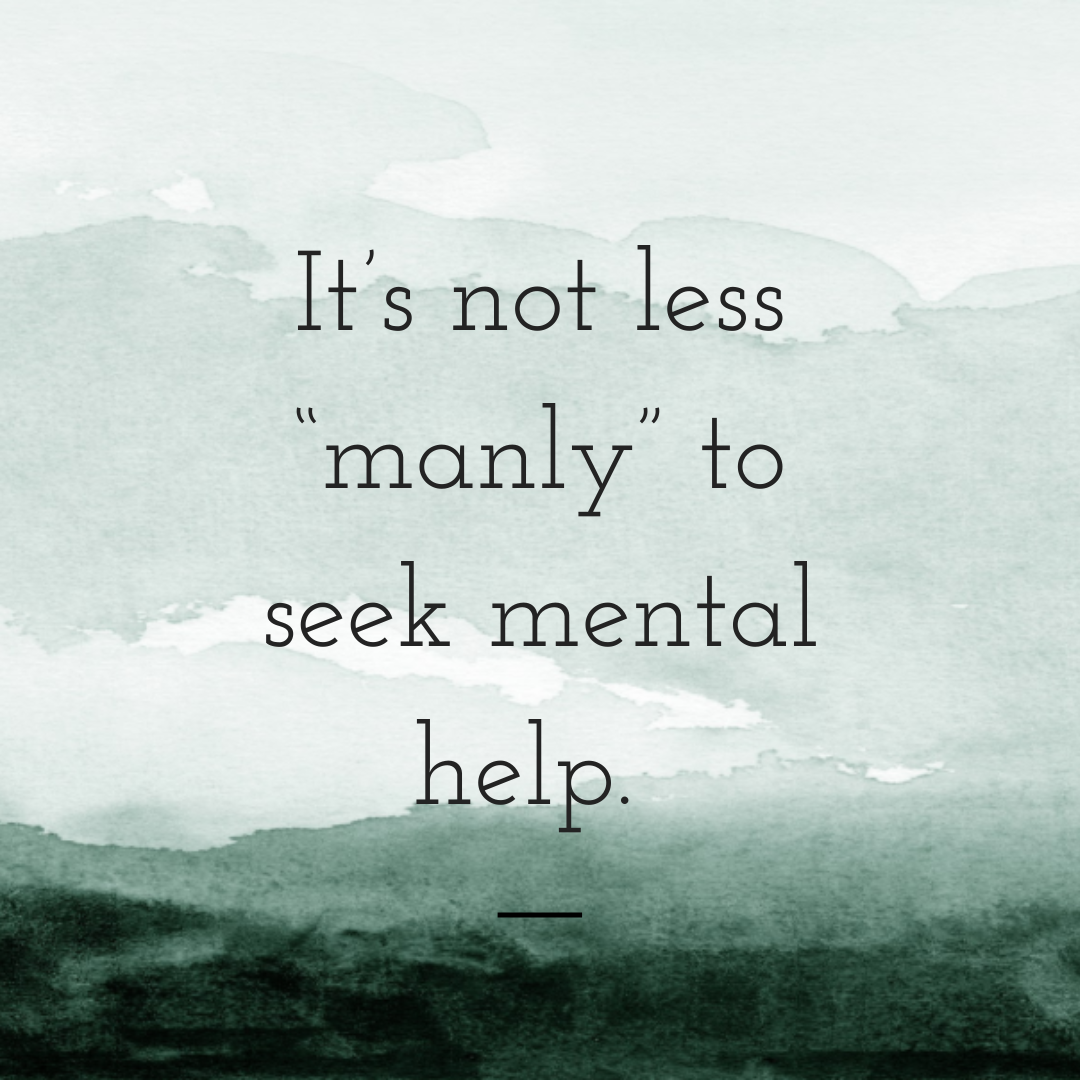
Seeking help is not weakness. It is a sign of psychological maturity and self-respect.
A Societal Responsibility
The male loneliness epidemic is not an individual failure. It is a systemic issue shaped by:
- Cultural expectations of masculinity
- Emotional neglect
- Stigma around men’s mental health
Meaningful change requires:
- Education systems that allow boys to feel and express emotions
- Families that validate emotional needs
- Media that models emotionally healthy masculinity
- Mental health systems that actively include and reach out to men Conclusion
Men are not emotionally disconnected by nature.
They have been trained to disconnect.
Loneliness in men is not a lack of desire for connection—it is a lack of permission to express it.
Men do not need to “man up.”
They need to open up.
When men are allowed to feel, speak, and connect without shame, loneliness loses its grip—and mental health finally has room to grow.
Frequently Asked Questions (FAQs)
1. What is the male loneliness epidemic?
The male loneliness epidemic refers to the widespread emotional isolation many men experience due to social conditioning, stigma, and lack of emotional support systems.
2. Why are men more likely to feel lonely than women?
Men are often discouraged from expressing vulnerability, which limits emotional intimacy and deep friendships.
3. Is male loneliness the same as being alone?
No. Male loneliness is about lack of emotional connection, not physical isolation.
4. How does masculinity contribute to male loneliness?
Traditional masculinity promotes emotional suppression, self-reliance, and avoidance of help-seeking, which increases isolation.
5. Why don’t men talk about loneliness?
Many men fear being judged, rejected, or seen as weak, and they lack role models for emotional openness.
6. What emotions does male loneliness often look like?
It may appear as anger, emotional numbness, irritability, withdrawal, or overworking rather than sadness.
7. How does loneliness affect men’s mental health?
It increases the risk of depression, anxiety, substance use, emotional burnout, and suicide.
8. Why do men have higher suicide completion rates?
Men are less likely to seek help and more likely to suffer in silence due to emotional isolation and stigma.
9. Do romantic relationships protect men from loneliness?
Not fully. Many men rely solely on partners for emotional support, which becomes risky if the relationship ends or struggles.
10. What is emotional suppression?
It is the habit of ignoring or hiding emotions, often learned early in life, which contributes to loneliness.
11. How can men reduce loneliness?
By building emotional literacy, maintaining friendships, seeking therapy, and redefining strength as openness.
12. Are men less emotional than women?
No. Men experience emotions just as deeply but are often taught not to express them.
13. Does therapy help male loneliness?
Yes. Therapy helps men understand emotions, heal attachment wounds, and develop healthier connections.
14. Is male loneliness an individual problem?
No. It is a systemic issue shaped by culture, gender norms, and emotional neglect.
15. What is the most important step in addressing male loneliness?
Creating safe environments where men can express emotions without shame or judgment.
Written by Baishakhi Das
Counselor | Mental Health Practitioner
B.Sc, M.Sc, PG Diploma in Counseling
Reference
-
American Psychological Association (APA) – Men & Mental Health
https://www.apa.org -
World Health Organization (WHO) – Suicide and Mental Health
https://www.who.int -
Hawkley, L. C., & Cacioppo, J. T. (2010). Loneliness Matters: A Theoretical and Empirical Review.
Current Directions in Psychological Science. -
Courtenay, W. H. (2000). Constructions of Masculinity and Their Influence on Men’s Well-Being.
Social Science & Medicine. -
McLeod, S. A. (2023). Gender Differences in Mental Health. Simply Psychology
https://www.simplypsychology.org - Anger Issues in Men: What’s Really Going On
This topic performs strongly because it addresses men’s mental health, emotional neglect, and loneliness stigma—issues with growing global search interest.