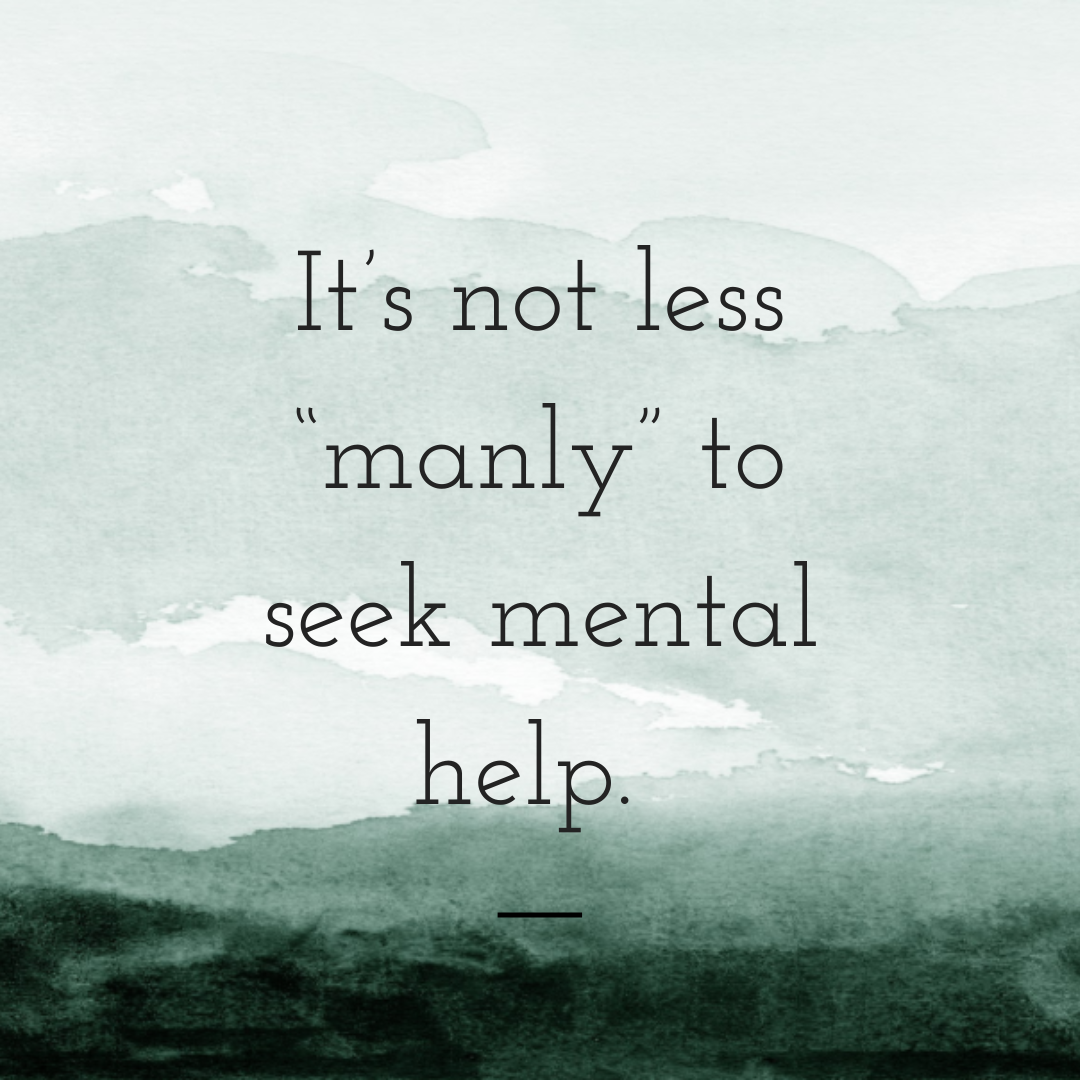
A Psychological and Social Perspective
Many men experience deep emotions—fear, sadness, loneliness, love, and vulnerability—but struggle to put these feelings into words. This difficulty is not a personal flaw, emotional weakness, or lack of emotional capacity. Rather, it develops over time through social conditioning, cultural expectations, and learned coping strategies that teach men how they are supposed to feel and behave. From an early age, many men learn that emotional control is valued more than emotional expression, shaping how they relate to their inner world.
Understanding why men struggle to express their feelings is essential—not only for improving individual mental health, but also for creating healthier relationships, more emotionally safe workplaces, and stronger families. When emotional silence is misinterpreted as disinterest or strength, genuine needs go unnoticed. Greater awareness allows space for empathy, early support, and meaningful connection—helping men feel seen, heard, and understood rather than judged or overlooked.
Emotional Silence Is Learned, Not Inborn
Boys are not born emotionally closed or disconnected. In early childhood, boys and girls express emotions with similar intensity, openness, and range. They cry, seek comfort, show fear, and express joy freely. Over time, however, many boys begin to receive clear social messages—both spoken and unspoken—about which emotions are acceptable and which are not.
Common messages include:
-
“Be strong.”
-
“Don’t cry.”
-
“Handle it yourself.”
-
“Man up.”
These repeated messages gradually teach boys that vulnerability is a weakness and that emotional expression may lead to criticism, shame, or rejection. As a result, emotions are not explored or understood—they are suppressed, minimized, or hidden. What begins as adaptation to social expectations can later become emotional silence, making it difficult for men to recognize, express, or seek support for their inner experiences.
The Narrow Emotional Range Allowed to Men
Culturally, men are often permitted to express only a restricted set of emotions, most commonly those associated with strength or control, such as:
-
Anger
-
Pride
-
Confidence
In contrast, emotions like fear, sadness, shame, loneliness, or grief are frequently discouraged, ignored, or labeled as signs of weakness. When these vulnerable emotions arise, many men do not feel safe expressing them openly. Instead, they learn to translate emotional pain into anger—which is more socially acceptable—or into silence, which feels safer and less exposing.
Over time, this narrowing of emotional expression limits emotional awareness and connection. The original feelings remain unresolved, but their expression becomes indirect, making it harder for men to understand their own needs and for others to recognize their distress.
Lack of Emotional Language
Many men were never taught how to identify, label, or describe emotions beyond a few basic terms such as “fine,” “stressed,” or “angry.” When emotional vocabulary is limited, internal experiences remain vague and difficult to understand. As a result:
-
Feelings become confusing and hard to organize
-
Emotional expression feels overwhelming or unsafe
-
Silence becomes the easiest response
Simply put, what cannot be named cannot be shared, and unspoken emotions often remain unresolved.
Fear of Judgment and Rejection
For many men, opening up emotionally feels risky. There is often a fear that vulnerability will lead to:
-
Being seen as weak
-
Losing respect or authority
-
Burdening others
-
Being misunderstood, dismissed, or minimized
Past experiences—where emotions were mocked, ignored, or punished—strengthen the belief that silence is safer than honesty. Over time, emotional withholding becomes a protective habit rather than a conscious choice.
Identity Tied to Function, Not Feelings
Many men are taught to define their self-worth through what they do, rather than what they feel. Identity becomes closely linked to:
-
Productivity and achievement
-
Providing and responsibility
-
Problem-solving
-
Strength, control, and reliability
When identity is built around functioning and performance, emotions may be viewed as distractions, weaknesses, or failures, rather than important signals that require attention and care.
Emotional Expression Was Never Modeled
If a man grew up in a family where:
-
Emotions were ignored or dismissed
-
Conflict was avoided rather than addressed
-
Vulnerability was absent
He may never have witnessed healthy emotional expression. Without role models demonstrating how emotions can be shared safely, emotional openness can feel unfamiliar, uncomfortable, or even threatening in adulthood.
Emotional Suppression as Survival
For many men, emotional silence once served an important purpose. It may have:
-
Reduced conflict
-
Prevented shame or criticism
-
Ensured acceptance
-
Maintained a sense of control
However, coping strategies that were once protective can become harmful over time. Long-term suppression often contributes to:
-
Depression
-
Anxiety
-
Anger
-
Emotional numbness
-
Disconnection in relationships
What once helped a man survive can later prevent him from fully living.
The Cost of Not Talking
When emotions are not expressed, they do not disappear—they often find other outlets. Suppressed feelings may surface as:
-
Irritability or sudden rage
-
Physical symptoms such as fatigue or chronic pain
-
Substance use or unhealthy coping behaviors
-
Emotional withdrawal from relationships
-
Unexpected emotional breakdowns
Silence may feel safe in the short term, but it carries a significant long-term cost to mental health, relationships, and overall well-being.
Why Talking Feels Hard—even When Support Exists
Even in emotionally supportive environments, many men still struggle to open up. This difficulty is not due to unwillingness or lack of trust, but because emotional expression often feels unfamiliar and unsafe. Vulnerability can trigger deep feelings of shame, especially for those who were taught that emotions should be controlled or hidden.
For many men, words simply do not come easily. Emotional experiences are often held in the body first—as tension, restlessness, or discomfort—long before they are translated into language. When the body reacts before the mind can organize meaning, silence becomes the default response. This is not resistance or avoidance; it is conditioning shaped over years.
What Helps Men Begin to Open Up
Change rarely begins by forcing emotional expression. Instead, it develops gradually in the presence of:
-
Safety, where emotions are not judged or dismissed
-
Patience, allowing expression to unfold at its own pace
-
Non-judgment, removing fear of criticism or weakness
-
Listening without fixing, where being heard matters more than solutions
Often, men begin to open up through actions, shared activities, or subtle signals before they are able to put feelings into words. Trust grows first; language follows.
A Healthier Definition of Strength
Emotional silence is not a measure of strength.
True strength lies in self-awareness.
Reaching out for support reflects courage.
Being able to name what hurts is a sign of growth.
Talking about feelings is not a loss of control—it is a movement toward emotional balance, clarity, and connection.
Final Thoughts
Men struggle to talk about their feelings not because emotions are absent—but because they were taught not to show them.
When emotional expression is normalized and supported, men do not become weaker. They become more present, more connected, and more resilient.
Creating space for men to speak—without pressure, judgment, or expectations—is not just good psychology.
It is essential for mental health, healing, and human connection.
Frequently Asked Questions (FAQ): Why Men Struggle to Talk About Their Feelings
1. Why do many men find it hard to talk about their feelings?
Many men struggle because emotional expression was discouraged during childhood, leading emotions to be suppressed rather than understood or shared.
2. Is difficulty expressing emotions a biological trait in men?
No. Emotional silence is learned through social and cultural conditioning, not determined by biology.
3. Do men feel emotions less intensely than women?
No. Men experience emotions just as deeply, but they are often taught to hide or control emotional expression.
4. Why is anger more commonly expressed by men?
Anger is socially accepted as a “masculine” emotion, making it a safer outlet for underlying feelings like fear, sadness, or shame.
5. Can lack of emotional language affect mental health?
Yes. When emotions cannot be named or expressed, they may contribute to stress, anxiety, depression, or physical symptoms.
6. Why does vulnerability feel unsafe for many men?
Past experiences of being judged, mocked, or dismissed for emotional openness reinforce the belief that vulnerability leads to rejection.
7. Does emotional suppression protect men?
In the short term, suppression may reduce conflict or shame, but long-term suppression often harms mental health and relationships.
8. Can supportive environments alone help men open up?
Support helps, but conditioning may still make expression difficult. Safety and patience over time are essential.
9. Why do men express emotions through actions rather than words?
For many men, emotional awareness develops through behavior first because language for emotions was never modeled or encouraged.
10. Is silence a sign that a man doesn’t trust others?
Not necessarily. Silence often reflects learned coping patterns rather than lack of trust.
11. How does emotional suppression affect relationships?
It can lead to emotional distance, misunderstandings, unresolved conflict, and reduced intimacy.
12. Can therapy help men who struggle to talk about feelings?
Yes. Therapy provides a safe space to build emotional awareness, language, and expression gradually.
13. Does talking about feelings make men weaker?
No. Emotional expression supports resilience, self-awareness, and psychological strength.
14. What helps men begin to express emotions safely?
Non-judgmental listening, patience, emotional safety, and validation—without pressure to “open up.”
15. Can men learn emotional expression later in life?
Absolutely. Emotional skills can be learned and strengthened at any age.
Written by Baishakhi Das
Counselor | Mental Health Practitioner
B.Sc, M.Sc, PG Diploma in Counseling
Reference
-
American Psychological Association (APA) – Men, Masculinity, and Emotions
https://www.apa.org/monitor/sep03/men -
National Institute of Mental Health (NIMH) – Men and Mental Health
https://www.nimh.nih.gov/health/topics/men-and-mental-health -
World Health Organization (WHO) – Gender and Mental Health
https://www.who.int/teams/mental-health-and-substance-use/gender-and-mental-health