Major Depressive Disorder: Early Signs, Symptoms & When to Seek Help

“Do you feel tired, disconnected, or uninterested in things you once loved? These could be early warning signs of depression.”

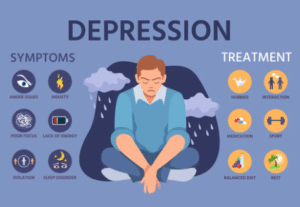
Major Depressive Disorder (MDD) is one of the most common yet most misunderstood mental health conditions. Many people dismiss early symptoms as “just stress” or “a bad phase,” which delays timely support. In reality, depression often begins quietly—through subtle emotional changes like persistent sadness, emptiness, or losing interest in activities once enjoyed. For example, Aparna, a teacher, woke up every day feeling emotionally numb without knowing why, while Rohan suddenly stopped playing cricket even though he once loved it.

Another early sign is constant fatigue or changes in sleep and appetite. People may feel exhausted even after resting or struggle with sleeping too little or too much. Neha found simple tasks like cooking overwhelming because she felt drained all the time, and Arjun began waking up at 4 AM every night without reason. Some individuals, like Priya, lose appetite and unintentionally lose weight, while others turn to emotional eating for comfort. Irritability, difficulty concentrating, or withdrawing from friends—like Shalini avoiding calls because conversations felt exhausting—also appear in the early stages of MDD.

These early signs matter because they often go unnoticed until symptoms worsen. When emotional heaviness, low energy, negative thoughts, or withdrawal persist for more than two weeks, it’s time to seek professional support. Major Depressive Disorder is a clinical condition where a person experiences a persistent low mood, loss of interest, and emotional or physical symptoms for at least two weeks. It affects daily life—work, relationships, sleep, appetite, energy, and even physical health. Early intervention makes treatment more effective and recovery much faster.

MDD is highly treatable, and reaching out for help early is a strong, positive step toward healing. Recognizing the signs and taking action can prevent symptoms from becoming severe and help individuals regain balance and well-being.

Early Signs You Shouldn’t Ignore

1. Persistent Sadness or Emptiness

Feeling sad once in a while is normal, but depression brings a constant emotional heaviness that stays for days or even weeks. This sadness doesn’t always have a reason—you may wake up feeling low even when nothing is wrong externally. For some, it feels like carrying a weight on the chest; for others, it’s a deep sense of emptiness or emotional numbness, as if the world has lost its colour.

Real-life Example:
Aparna, a 28-year-old teacher, noticed that she woke up every morning with a heavy, sinking feeling. She couldn’t explain it—her job was stable, her family supportive, and nothing “bad” had happened. Yet she felt emotionally disconnected and struggled to smile genuinely. She kept telling herself it was “just stress,” but the sadness stayed with her every day.

This persistent sadness or emptiness is one of the earliest signs of Major Depressive Disorder. When it continues for more than two weeks and begins affecting your motivation and mood, it should not be ignored. Early awareness helps in seeking timely support and preventing symptoms from worsening.

2. Losing Interest in Activities You Once Enjoyed

One of the most noticeable early signs of Major Depressive Disorder is anhedonia—a loss of interest or pleasure in activities that once made you feel happy, motivated, or fulfilled. This isn’t just “getting bored” or “growing out of a hobby.” It’s a deeper emotional disconnect where things that once brought joy suddenly feel dull, tiring, or meaningless.

You may start avoiding hobbies, social gatherings, or even simple conversations that used to excite you. Music may no longer feel soothing, favourite shows don’t hold your attention, or you stop engaging in creative activities, sports, or outings. Gradually, life may begin to feel “colourless,” as if the emotional spark has dimmed.

Real-life Example:
Rohan loved playing cricket every Sunday with his friends. It was the highlight of his week. Over a few months, he started skipping matches, saying, “I just don’t feel like going.” Watching cricket on TV also stopped giving him joy. He didn’t understand why—nothing had changed in his routine. This quiet withdrawal from something he once loved was actually an early symptom of depression.

Losing interest in meaningful activities is not laziness—it’s a sign that your emotional system is struggling. If this pattern continues, it’s important to seek support before it worsens.

3. Fatigue and Low Energy

One of the earliest and most overlooked signs of depression is persistent fatigue—a deep, unexplained tiredness that doesn’t match your daily activities. Unlike normal tiredness, this exhaustion doesn’t improve even after a full night’s sleep. You may wake up feeling drained, struggle to get out of bed, or feel like your body is moving through heavy water.

Simple, everyday tasks like bathing, cooking, cleaning, or even replying to messages can start to feel overwhelming. It’s not a lack of motivation or willpower—your mind and body are genuinely fatigued due to emotional overload.

Real-life Example:
Neha, a 32-year-old working professional, noticed she would come home after work and collapse on the bed. Even on weekends, she felt too exhausted to do basic chores. Making breakfast felt like a mountain to climb, and she often postponed simple activities because she “didn’t have the energy.” Despite sleeping 8–9 hours, she woke up tired every morning. She blamed herself for being lazy, but this persistent exhaustion was actually an early symptom of depression.

This type of low energy is a significant red flag. When tiredness comes without physical exertion and affects your daily functioning, it’s important to take it seriously and consider emotional factors behind it.

4. Changes in Sleep Patterns

Sleep is often one of the first areas disrupted when depression begins to surface. These changes can show up in different ways—difficulty falling asleep, waking up multiple times during the night, or waking up far earlier than usual and being unable to go back to sleep. On the other hand, some people experience the opposite: oversleeping, yet still feeling tired and unrefreshed.

Even when you sleep for long hours, you may wake up with a heavy mind and body, as if you didn’t rest at all. This happens because depression affects the quality of sleep, not just the hours. Over time, chronic sleep disturbances can worsen mood, increase irritability, reduce concentration, and intensify depressive symptoms.

Real-life Example:
Arjun, who usually slept soundly for 7 hours, suddenly began waking up at 3 or 4 AM every day without any reason. Even if he tried to sleep again, his mind felt restless and heavy. Meanwhile, his sister Sneha started sleeping 10–12 hours daily but still woke up exhausted. Both assumed it was just “stress” or “weakness,” but these patterns were early signs of underlying depression.

If your sleep cycle has changed noticeably and remains disturbed for weeks, it’s important to pay attention—it could be more than just temporary fatigue.

5. Changes in Appetite or Weight

Depression can affect your appetite in two opposite ways—either you start eating much more than usual or you lose interest in food completely. These changes often happen slowly, so many people don’t notice them at first. You might skip meals without realizing it or, on the other hand, find yourself constantly craving snacks or comfort foods. When these shifts happen without any change in routine or diet, it can be a warning sign.

Sudden weight loss or weight gain—especially when you’re not trying—is often linked to emotional dysregulation and changes in stress-related hormones. Your body may react to emotional strain by suppressing hunger signals or increasing cravings for sugary, salty, or high-calorie foods. Over time, these patterns can affect both physical health and mood, making symptoms of depression worse.

Real-life Example:
Priya, a college student, noticed she no longer felt hungry during the day. She frequently skipped meals and lost 4 kg in just one month without trying. Meanwhile, her friend Imran found himself overeating late at night because food made him feel “a little better” emotionally. Both thought these were just temporary habits, but their appetite changes were actually early signs of depression.

If your eating habits or weight change noticeably and without a clear reason, it’s important to pay attention—your emotional health might be sending you a signal.

6. Irritability or Anger

Depression doesn’t always appear as sadness. For many people—especially teens and young adults—it shows up as irritability, anger, or restlessness. You may find yourself getting annoyed at small things, snapping at people without meaning to, or feeling constantly “on edge.” Even minor inconveniences, like slow internet or a delay in plans, may trigger frustration more quickly than usual.

This emotional sensitivity happens because the brain is under stress, making it harder to regulate emotions. Instead of crying or shutting down, some individuals express their low mood through irritability. Adults often mistake this as “losing patience” or “being moody,” not realizing it can be an early symptom of depression.

Real-life Example:
Manish, a 30-year-old software engineer, noticed he was becoming unusually short-tempered. He snapped at colleagues during meetings and felt irritated even when family members asked simple questions. He wasn’t sad—just constantly frustrated. What he didn’t realize was that this irritability was his mind’s way of signaling emotional distress, an early sign of depression.

If you find yourself getting angry more easily than before or feeling irritated without a clear reason, it’s important to look deeper. Sometimes, irritability is the emotional mask depression wears.

7. Difficulty Concentrating or Making Decisions

Depression doesn’t only affect emotions—it also impacts cognitive functioning. Many people experience mental fog, where thinking feels slower, heavier, or unclear. You may find it hard to focus on work, studies, or even simple daily tasks. Decisions that once felt easy—like choosing what to eat or what to wear—may suddenly feel overwhelming.

Common descriptions include:

  • “My brain feels slow.”
  • “I keep forgetting things.”
  • “Can’t think clearly.”

This difficulty happens because depression affects the brain’s ability to process information, organize thoughts, and stay attentive. It’s not a lack of intelligence or effort—it’s the mind struggling under emotional pressure.

Real-life Example:
Meera, usually a sharp and efficient employee, began noticing she couldn’t concentrate during team meetings. She read the same email multiple times but still couldn’t understand it. But forgot small things like where she kept her keys or what task she was doing. She blamed herself for being careless, but her “foggy” mind was actually an early cognitive symptom of depression.

When concentration consistently declines or decision-making becomes unusually difficult, it’s important to consider emotional health as a possible cause.

8. Feelings of Worthlessness or Excessive Guilt

A harsh inner critic is one of the most common early signs of Major Depressive Disorder. You may start feeling not good enough, even when there’s no real reason to think so. Small mistakes can feel huge, and you might blame yourself for things that are completely out of your control. Thoughts like “I’m a burden,” “Everything is my fault,” or “I don’t deserve happiness” may slowly become frequent.

These negative self-beliefs usually begin subtly—perhaps as occasional self-doubt—but over time they grow stronger and more constant. Depression makes the mind interpret situations more negatively, leading to an exaggerated sense of guilt, shame, or failure. Even positive feedback or achievements may not feel meaningful anymore.

Real-life Example:
Akash, a bright graduate student, started feeling guilty for not being able to help everyone around him. When a friend didn’t return a call, he assumed he had done something wrong. If he made even a small mistake at work, he spent hours criticizing himself, feeling like a complete failure. His family reassured him repeatedly, but the feelings of worthlessness continued to grow. What he didn’t realize was that these intense, irrational guilt feelings were early signs of depression affecting his self-esteem.

Persistent feelings of worthlessness are not a reflection of who you are—they’re symptoms of emotional distress. Recognizing them early can help you seek support before they intensify.

9. Withdrawal from People

Social withdrawal is one of the early and most easily overlooked signs of depression. You may begin avoiding calls, messages, or social interactions—even with people you genuinely care about. It’s not that you stop loving your friends or family; rather, engaging with others starts to feel emotionally exhausting. The thought of talking, explaining yourself, or even pretending to be fine can feel overwhelming.

This isolation is not a personality change or preference—it’s the mind’s way of shutting down due to emotional overload. When the brain is struggling, it reduces social connection as a form of self-protection, even though it often makes the person feel more lonely.

Real-life Example:
Shalini, who usually enjoyed chatting with her friends every evening, began ignoring their messages. She stopped attending get-togethers and often turned off her phone for long hours. When friends asked what was wrong, she simply said, “I just don’t feel like talking.” In reality, even replying to a simple text felt like too much effort. This gradual retreat from people was one of the first signs that she was slipping into depression.

If you or someone you know is slowly pulling away from social life, it’s important to look deeper. Withdrawal is rarely about disinterest—it’s often a sign of emotional overwhelm.

10. Physical Symptoms with No Clear Medical Cause

Depression doesn’t only affect the mind—it often shows up in the body. Many people experience real, persistent physical symptoms that have no identifiable medical cause. These may include frequent headaches, digestive issues like nausea or stomach aches, muscle pain, body heaviness, chest tightness, or unexplained aches throughout the body. Even though medical tests come back normal, the discomfort continues.

This happens because depression affects the brain chemicals that regulate pain and the connection between the brain and the body. As a result, emotional distress can manifest as physical discomfort or tension. Unfortunately, many people spend months treating only the physical symptoms without realizing there may be an emotional root.

Real-life Example:
Vikas, a 35-year-old office worker, frequently experienced headaches and a heavy, tight feeling in his chest. He visited multiple doctors and did several tests, but everything came back normal. Despite this, his discomfort persisted. It wasn’t until a psychologist asked about his stress levels and mood that he realized these unexplained physical symptoms were linked to early depression.

If physical symptoms keep recurring even when medical reports show nothing is wrong, it’s worth considering emotional health as part of the picture.

Why Early Detection Matters

When the early signs of depression are overlooked or dismissed, the condition can gradually worsen and affect every aspect of life. What begins as mild sadness or fatigue can turn into severe depressive episodes that are much harder to manage. In some cases, prolonged emotional suffering may lead to suicidal thoughts, creating a situation that requires urgent intervention.

Untreated depression also puts pressure on relationships. People may become distant, irritable, or emotionally unavailable, causing strain with partners, friends, and family. At the same time, difficulty concentrating, low motivation, and constant tiredness can cause a noticeable decline in job or academic performance, leading to missed deadlines, poor grades, or workplace conflicts.

Over time, the stress of unaddressed depression can contribute to chronic health issues, including sleep disorders, weakened immunity, digestive problems, and persistent body pain. The longer these symptoms continue without help, the more challenging recovery becomes.

The earlier you seek support, the better the outcome. Early intervention not only prevents symptoms from getting worse but also makes treatment more effective, helping you regain emotional balance and quality of life much faster.
When You Should Consider Seeking Professional Help

Reach out to a psychologist or psychiatrist if:

  • Symptoms persist for more than two weeks and don’t seem to improve on their own.
  • Your daily life is affected—whether it’s your work, studies, relationships, or ability to manage routine tasks.
  • Feel hopeless most days, as if nothing will get better.
  • Notice strong or persistent negative thoughts, especially ones that make you doubt your worth or question your purpose.
  • Friends or family express concern about your mood, behavior, or changes in your routine.

Seeking help is not a sign of weakness—it’s an important step toward healing. Mental health professionals can provide therapy, help you build healthier coping strategies, recommend lifestyle changes, and, if necessary, guide you with medication to stabilize your mood. Early professional support can make recovery smoother, safer, and much more effective.

You Are Not Alone

With the right support—therapy, medication (if needed), and healthy lifestyle adjustments—most people recover and regain control of their lives. If you want to learn more about how professional guidance can help, you can explore our Counselling Services for detailed information on support options.

Reaching out for help is an act of strength, not weakness. The earlier you take that step, the closer you are to healing, stability, and emotional wellbeing.

Frequently Asked Questions (FAQs)

1. What are the early signs of depression?

Early signs include persistent sadness, loss of interest, fatigue, sleep changes, appetite changes, and difficulty concentrating.

2. How long do depression symptoms need to last?

Symptoms lasting more than two weeks may indicate Major Depressive Disorder and should be evaluated.

3. Is feeling tired all the time a sign of depression?

Yes, constant fatigue without physical exertion is a common symptom of depression.

4. Can depression affect sleep?

Yes, depression can cause insomnia, early waking, or excessive sleeping.

5. What is anhedonia?

Anhedonia is the loss of interest or pleasure in activities once enjoyed, a key symptom of depression.

6. Can depression cause physical symptoms?

Yes, it can cause headaches, body pain, digestive issues, and fatigue without a clear medical cause.

7. When should I seek help for depression?

If symptoms persist for more than two weeks or affect daily life, professional help is recommended.

8. Can depression go away on its own?

Mild cases may improve, but most cases require proper support, therapy, or treatment.

9. What causes Major Depressive Disorder?

It can be caused by genetics, brain chemistry, stress, trauma, and life experiences.

10. Is depression treatable?

Yes, depression is highly treatable with therapy, medication (if needed), and lifestyle changes.

Written by Baishakhi Das

Counselor | Mental Health Practitioner
B.Sc, M.Sc, PG Diploma in Counseling

Reference 

American Psychological Association (APA). Depression. Available at:
https://www.apa.org/topics/depression

National Institute of Mental Health (NIMH). Depression: Overview. Available at:
https://www.nimh.nih.gov/health/topics/depression

This article is written for knowledge purposes, aiming to help readers understand the topic better and gain useful insights for learning and awareness.
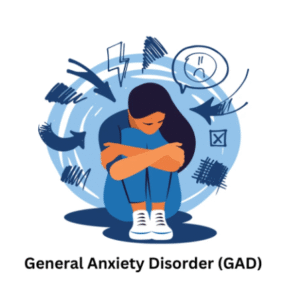
Generalized Anxiety Disorder (GAD): Symptoms, Causes, Treatment & How to Cope

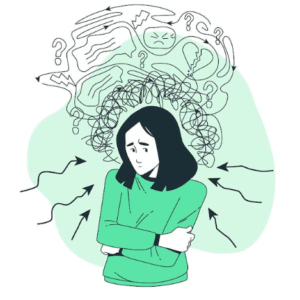
Generalized Anxiety Disorder (GAD) is a long-term mental health condition where a person experiences persistent, excessive, and uncontrollable worry about everyday life situations. This worry is not limited to one specific event or problem—it continues even when there is no obvious reason for concern. People with GAD often feel like their mind is always anticipating danger, imagining worst-case scenarios, or feeling responsible for things beyond their control.

Many describe their mind as “always on,” “overthinking everything,” or “unable to relax,” even during situations others find calm. This constant state of alertness can feel like carrying an invisible weight—one that never fully goes away. Tasks that seem simple to others, such as making decisions, going to work, or interacting socially, may feel overwhelming due to continuous mental pressure.

Over time, this continuous worry begins to affect daily life in significant ways. It can disrupt sleep, reduce concentration, cause physical tension, and strain personal or professional relationships. People with GAD may feel exhausted, irritable, or mentally drained, even on days when nothing stressful has happened.

Because GAD is often misunderstood as “normal stress” or “just being too sensitive,” many individuals struggle silently without realizing they are experiencing a diagnosable and treatable disorder.

In this article, we will explore the symptoms, causes, risk factors, and evidence-based treatment options for Generalized Anxiety Disorder, helping you understand the condition more deeply and recognise when it may be time to seek support.

What Is Generalized Anxiety Disorder?

Generalized Anxiety Disorder (GAD) involves chronic anxiety, excessive worrying, and constant tension that lasts for at least six months and is difficult to control. Unlike normal stress—which comes and goes based on specific situations—GAD affects a person’s entire lifestyle, influencing their thoughts, emotions, and even physical health. The worry feels continuous and overwhelming, often interfering with daily decisions, routine tasks, and overall well-being.

People with GAD tend to worry about a wide range of topics, including:

  • Health: fearing illness or imagining worst-case medical scenarios
  • Work or studies: worrying about performance, deadlines, or making mistakes
  • Relationships: overthinking conversations, fearing conflict or disapproval
  • Money or responsibilities: stressing about bills, future plans, or family duties
  • Small everyday matters: such as being late, forgetting something, or minor inconveniences

Even when the person tries to relax or reassure themselves, the worry returns automatically—often stronger than before. This cycle of persistent fear can feel uncontrollable, leaving the person mentally tired, tense, and constantly on edge.

Symptoms of Generalized Anxiety Disorder

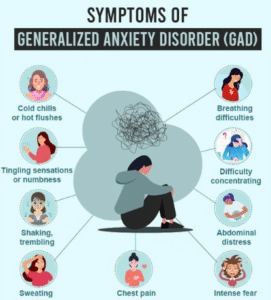
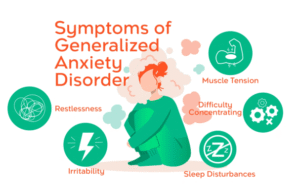
GAD symptoms fall into two categories: psychological symptoms and physical symptoms.

Psychological & Emotional Symptoms of GAD

Generalized Anxiety Disorder affects the mind in several ways, often creating a constant sense of uneasiness or fear. These psychological symptoms can make daily life feel overwhelming, even when there is no real threat or problem.

Excessive Worry

People with GAD often worry about many different things at the same time—health, future events, responsibilities, or minor issues. This worry comes without a specific cause and feels impossible to stop, even when the person knows their concerns may not be realistic.

Difficulty Controlling Worry

The mind may feel like it is “on a loop,” constantly replaying fears or imagining negative situations. Even when they try to relax or distract themselves, the worry returns quickly, often jumping to worst-case scenarios.

Restlessness or Feeling On Edge

A person may experience constant mental and physical tension. They may find it difficult to sit still, feel nervous without reason, or feel like “something bad” might happen. This restlessness often lasts throughout the day.

Trouble Concentrating

Anxiety can make it hard to focus on tasks, conversations, or decisions. People with GAD may feel their mind goes blank or gets stuck in overthinking, making simple tasks feel more difficult and time-consuming.

Irritability

Constant worry and mental fatigue can lead to frustration or irritability. The person may get annoyed easily, feel overwhelmed by small problems, or become emotionally sensitive to stress.

Fear of Bad Outcomes

GAD often makes people expect negative outcomes even in normal or safe situations. They may fear that things will go wrong, that they will fail, or that something terrible might happen—even when there is no real evidence to support these thoughts.

2. Physical Symptoms

Generalized Anxiety Disorder doesn’t only affect the mind—it has a significant impact on the body as well. When the brain is constantly in a state of worry, the nervous system becomes overactive, leading to physical symptoms that can feel uncomfortable and sometimes frightening. Many people with GAD first notice these bodily signs before realizing they are related to anxiety.

Muscle Tension

Tightness in the neck, shoulders, and jaw is extremely common. Some people clench their jaw or grind their teeth without noticing, especially at night, leading to soreness and stiffness.

Headaches or Migraines

Chronic tension in the body often triggers frequent headaches or migraines. These may worsen during stressful periods or after long hours of worrying.

Rapid Heartbeat

The heart may race even when the person is resting. This can feel like palpitations, fluttering, or a pounding heartbeat, which can be alarming and mistaken for a heart problem.

Sweating

Excessive sweating—especially in the palms, underarms, or face—can occur during anxious moments or even without a clear trigger.

Fatigue or Low Energy

The constant mental pressure drains energy, leaving the person feeling tired, weak, or emotionally exhausted throughout the day.

Stomach Problems (IBS, Indigestion, Nausea)

Anxiety strongly affects the digestive system. People with GAD may experience nausea, stomach cramps, indigestion, bloating, or irritable bowel syndrome (IBS).

Trembling or Shakiness

The body may shake or tremble during moments of intense worry. Hands or legs may feel shaky, especially when under pressure.

Difficulty Sleeping (Racing Thoughts at Night)

Many people with GAD struggle to fall or stay asleep. Thoughts race at night, replaying events or worrying about the next day. This lack of rest further increases fatigue and irritability.

These physical symptoms are often mistaken for medical conditions such as thyroid imbalance, heart issues, blood pressure problems, or gastrointestinal disorders. Because of this, many individuals visit multiple doctors before discovering that anxiety is the underlying cause.

Common Causes of GAD

There is no single cause of Generalized Anxiety Disorder. Instead, GAD typically develops due to a combination of biological, psychological, and environmental factors. These factors interact over time, making some people more vulnerable to chronic worry and anxiety.

1. Genetic Factors

Research shows that GAD can run in families. Individuals with a parent or close relative who has anxiety or mood disorders are at a higher risk. Genetics does not guarantee the development of GAD, but it increases vulnerability.

2. Brain Chemistry

Imbalances in neurotransmitters such as serotonin, dopamine, and norepinephrine can affect mood regulation and emotional responses. When these chemicals are disrupted, the brain may become more reactive to stress, leading to persistent worry.

3. Personality Traits

Certain personality patterns make individuals more prone to anxiety. People who are:

  • Highly sensitive
  • Perfectionistic
  • Overthinkers
  • Easily stressed
  • Self-critical

are more likely to develop GAD. These traits can make ordinary challenges feel overwhelming or unpredictable.

4. Stressful Life Experiences

Life events can play a major role. Factors such as:

  • Childhood trauma or neglect
  • Strict or overprotective parenting
  • Academic pressure
  • Job stress
  • Financial uncertainty
  • Losing a loved one
  • Change in relationships

can trigger or worsen anxiety. Long-term exposure to stress can also rewire the brain’s stress response system.

5. Medical Conditions

Certain health issues can contribute to increased anxiety, including:

  • Chronic illnesses (diabetes, heart conditions, asthma)
  • Hormonal imbalances (thyroid problems, PCOS, menopause)
  • Chronic pain
  • Neurochemical disorders

These conditions can create physical discomfort, which in turn triggers excessive worry.

6. Environmental Factors

A person’s surroundings and lifestyle also influence the development of GAD. These include:

  • High work pressure or job insecurity
  • Unstable or toxic relationships
  • Caregiving responsibilities
  • Lack of social support
  • Frequent life changes or uncertainty

When a person constantly faces stress, instability, or emotional strain, anxiety can become chronic.

How GAD Affects Daily Life

Generalized Anxiety Disorder impacts far more than just thoughts—it can disrupt nearly every aspect of a person’s daily functioning. Because the mind is constantly in a state of worry or alertness, even routine tasks can feel overwhelming or exhausting.

GAD can interfere with:

Work or Academic Performance

Constant worry makes it difficult to focus, complete tasks on time, or make decisions. People may double-check their work excessively or fear making mistakes, leading to decreased productivity.

Decision-Making

Even simple choices—like what to wear or what to eat—can feel stressful. Individuals with GAD often fear choosing “wrong,” leading to hesitation, overthinking, or avoidance.

Sleep Quality

Racing thoughts, tension, and nighttime overthinking can make falling asleep or staying asleep difficult. Poor sleep then increases anxiety the next day, creating a difficult cycle.

Social Relationships

Overthinking social interactions, fearing judgment, or worrying about others’ opinions can strain friendships and family relationships. The person may withdraw or avoid social situations.

Productivity

Mental fatigue reduces motivation and energy. Tasks take longer, and the person may feel unable to finish responsibilities due to constant distraction or stress.

Physical Health

Chronic anxiety can lead to health issues like headaches, digestive problems, high blood pressure, or weakened immunity. The body remains in “fight or flight” mode for too long.

People with GAD often feel:

  • Drained: mentally and physically exhausted from constant worry
  • Overwhelmed: small tasks may feel large or unmanageable
  • Mentally stuck: unable to move forward or make clear decisions
  • Fearful of future events: expecting danger or failure even without evidence
  • Unable to relax: feeling tense even in safe or calm situations

Over time, untreated GAD can significantly affect one’s quality of life and lead to additional mental health challenges.

Potential Complications

If GAD is not addressed early, it may increase the risk of:

  • Depression
  • Panic disorder
  • Substance use
  • Chronic stress-related illnesses
  • Burnout

Recognizing these effects early can help individuals seek timely and effective treatment.

Diagnosis of GAD

Diagnosing Generalized Anxiety Disorder requires a careful, detailed evaluation by a mental health professional, psychologist, or psychiatrist. Because GAD symptoms can overlap with other conditions—such as depression, panic disorder, thyroid problems, or heart-related issues—a proper assessment helps ensure accurate diagnosis and effective treatment.

A clinician typically assesses the following:

Duration of Symptoms (6 Months or More)

For a diagnosis of GAD, excessive worry and anxiety must be present more days than not for at least six months. The worry should feel difficult to control and be present across different situations.

Intensity and Frequency of Worry

The professional examines how persistent the worry is, what triggers it, and whether the person shifts from one concern to another quickly.

Impact on Daily Life

They look at how anxiety affects work, relationships, sleep, concentration, decision-making, and overall functioning. Significant interference indicates clinical anxiety.

Physical Symptoms

Because anxiety often shows up physically, symptoms like headaches, muscle tension, stomach issues, rapid heartbeat, and fatigue are evaluated to rule out medical conditions.

Family History

Since anxiety disorders can run in families, understanding genetic vulnerability helps form a clearer picture of the condition.

Sleep Patterns

Difficulty falling asleep, frequent waking, or racing thoughts at night are key indicators. Sleep disruption is often an early sign of GAD.

Diagnostic Criteria (DSM-5)

GAD is diagnosed based on guidelines from the Diagnostic and Statistical Manual of Mental Disorders (DSM-5). According to DSM-5, the person must experience:

  • Excessive anxiety and worry for 6 months or more
  • Difficulty controlling the worry
  • At least three additional symptoms (such as restlessness, fatigue, irritability, muscle tension, sleep disturbance, or difficulty concentrating)
  • Significant distress or impairment in daily functioning

A proper diagnosis ensures that the individual receives the right treatment approach tailored to their needs.

Treatment Options for Generalized Anxiety Disorder

The good news is that GAD is highly treatable with therapy, lifestyle changes, and sometimes medication.

1. Cognitive Behavioural Therapy (CBT)

Cognitive Behavioural Therapy (CBT) is widely recognized as the most effective and evidence-based treatment for Generalized Anxiety Disorder. It focuses on understanding how thoughts, emotions, and behaviors are connected—and teaches practical tools to break the cycle of chronic worry.

CBT helps individuals:

Challenge Negative Thought Patterns

People with GAD often assume the worst or jump to negative conclusions. CBT teaches individuals to identify these automatic thoughts, examine their accuracy, and replace them with more balanced and realistic thinking.

Reduce Overthinking and Worst-Case Imagining

CBT helps individuals recognize when their mind is slipping into “what if” thinking or catastrophizing. Through structured techniques, they learn to interrupt these patterns and regain control over their thought process.

Learn Healthier Coping Strategies

Therapists introduce practical tools such as grounding exercises, thought reframing, problem-solving skills, and stress-management techniques. These skills help reduce anxiety during triggering moments.

Build Emotional Regulation Skills

People with GAD often feel overwhelmed by their emotions. CBT teaches how to manage fear, worry, and tension more effectively, helping individuals respond calmly rather than react out of anxiety.

CBT is usually delivered in weekly sessions and can show significant improvement in 8–12 weeks, depending on the severity of symptoms. When practiced consistently, it empowers individuals to manage anxiety long-term, even after therapy ends.

2. Mindfulness & Relaxation Techniques

Mindfulness and relaxation practices play a powerful role in managing Generalized Anxiety Disorder. These techniques help calm the nervous system, reduce physical tension, and bring attention back to the present moment—breaking the cycle of constant worry and overthinking.

These techniques help individuals reconnect with their bodies, slow down racing thoughts, and build a sense of inner stability.

Deep Breathing

Controlled, slow breathing activates the body’s relaxation response. Techniques like diaphragmatic breathing or box breathing reduce rapid heartbeat, calm the mind, and ease physical tension.

Meditation

Mindfulness meditation teaches individuals to observe thoughts without reacting to them. Over time, meditation reduces the intensity of anxious thoughts and improves emotional balance.

Progressive Muscle Relaxation (PMR)

PMR involves tensing and relaxing different muscle groups, helping release stored tension caused by chronic anxiety. It also increases body awareness and relaxation.

Grounding Techniques

Grounding exercises—such as the 5-4-3-2-1 sensory method—help bring the mind back to the present moment when anxiety spirals. They are especially useful during moments of intense worry.

Body Scan Exercises

A body scan guides individuals through noticing sensations in each part of the body. This increases mindfulness, reduces stress, and promotes deep relaxation.

Practicing mindfulness and relaxation regularly can significantly reduce anxiety symptoms, improve sleep quality, and enhance overall emotional well-being. These techniques work well alone or alongside therapy like CBT.

3. Lifestyle Changes

Lifestyle modifications can play a major role in reducing anxiety and supporting long-term recovery from Generalized Anxiety Disorder. These healthy habits help regulate the nervous system, improve mood, and strengthen emotional resilience. When practiced consistently, they complement therapy and create a more balanced and stable daily routine.

Regular Exercise

Physical activity releases endorphins—natural mood boosters that reduce stress and tension. Even simple activities like walking, yoga, or light stretching can significantly lower anxiety levels and improve sleep.

Balanced Sleep Schedule

A regular sleep routine helps stabilise mood and reduce fatigue, which is crucial for managing anxiety. Sleeping and waking at consistent times supports better emotional regulation and clearer thinking throughout the day.

Reducing Caffeine

Caffeine stimulates the nervous system, which can worsen symptoms like racing heart, restlessness, and overthinking. Limiting coffee, tea, and energy drinks can help reduce physical and mental anxiety.

Healthy Diet

Eating balanced meals rich in fruits, vegetables, whole grains, omega-3 fats, and protein supports brain health. Maintaining stable blood sugar levels can also reduce irritability and anxiety spikes.

Journaling

Writing down thoughts helps release mental stress and makes worries feel more manageable. Journaling can also help identify unhelpful thinking patterns, track triggers, and express emotions safely.

Spending Time Outdoors

Sunlight, fresh air, and nature significantly improve mood and reduce anxiety. Even 10–15 minutes outdoors can calm the mind, increase vitamin D levels, and support overall well-being.

Lifestyle changes don’t cure GAD on their own, but they strengthen the mind and body, making therapy more effective and helping individuals feel more in control of their daily life.

4. Medication

In some cases, psychiatrists may prescribe:

  • SSRIs (Selective Serotonin Reuptake Inhibitors)
  • SNRIs
  • Anti-anxiety medication

Medication helps reduce persistent anxiety and is often combined with therapy.

When to Seek Help

It’s important to understand that anxiety is a normal part of life. However, when worry becomes constant, overwhelming, and difficult to control, it may be a sign of Generalized Anxiety Disorder. Seeking help early can prevent symptoms from worsening and allow you to regain balance and emotional strength.

You should consult a mental health professional if:

Anxiety lasts more than several weeks

If your worry persists day after day and does not seem to improve over time, it may indicate a deeper issue that requires support.

Worry feels uncontrollable

When your thoughts spiral, jump to worst-case scenarios, or feel impossible to shut off—despite your efforts to relax or calm yourself—professional help can make a significant difference.

Sleep is disturbed

Difficulty falling asleep, waking frequently, or lying awake with racing thoughts are common signs of GAD. Poor sleep affects mood, energy, and overall health.

Everyday tasks become difficult

If simple tasks such as concentrating at work, making decisions, or managing responsibilities start to feel overwhelming, anxiety may be interfering with daily functioning.

You feel constantly tense or overwhelmed

Persistent restlessness, irritability, or physical symptoms like tight muscles, rapid heartbeat, or nausea can indicate anxiety that needs attention.

Anxiety affects work, relationships, or health

When worry begins to affect your performance, communication, or overall well-being, it’s time to reach out for support.

Why Early Help Matters

Early intervention is key. Without support, GAD can gradually become more intense and long-lasting. However, with timely treatment—including therapy, lifestyle changes, and sometimes medication—most people experience significant relief and regain control of their lives.

Final Thoughts

Generalized Anxiety Disorder is far more common than many people realize, and it is important to understand that it is not a personal weakness, nor something a person can simply “snap out of.” Anxiety of this intensity is a real psychological condition—one that deserves compassion, awareness, and proper treatment.

People living with GAD often face silent battles: constant worry, physical tension, sleep problems, and overwhelming thoughts. These challenges can make everyday life feel heavy and exhausting. But the hopeful truth is that GAD is highly treatable, and countless individuals recover with the right support.

Through evidence-based therapies like CBT, mindfulness practices, healthy lifestyle changes, and professional guidance, individuals can:

  • reduce excessive worry
  • rebuild confidence
  • improve emotional regulation
  • develop healthier thought patterns
  • regain a sense of calm and control

Recovery does not happen overnight, but every step forward makes a difference. With patience, understanding, and the right help, people can lead balanced, meaningful, and fulfilling lives.

Healing begins when you reach out—and taking that first step is a sign of strength, not weakness.

Frequently Asked Questions (FAQs)

1. What is Generalized Anxiety Disorder (GAD)?

GAD is a mental health condition where a person experiences excessive and uncontrollable worry about everyday situations for at least six months.

2. What are the main symptoms of GAD?

Common symptoms include overthinking, restlessness, fatigue, muscle tension, difficulty concentrating, irritability, and sleep problems.

3. Is overthinking a sign of anxiety disorder?

Yes, constant overthinking and imagining worst-case scenarios are key signs of GAD.

4. What causes Generalized Anxiety Disorder?

GAD can be caused by genetics, brain chemistry imbalance, personality traits, stress, and life experiences.

5. Can GAD be cured permanently?

While GAD may not always be “cured,” it is highly manageable with therapy, lifestyle changes, and medication if needed.

6. How is GAD diagnosed?

A mental health professional diagnoses GAD based on symptoms lasting at least six months and their impact on daily life.

7. What is the best treatment for GAD?

Cognitive Behavioural Therapy (CBT) is the most effective treatment, often combined with relaxation techniques and lifestyle changes.

8. Can anxiety cause physical symptoms?

Yes, anxiety can cause headaches, muscle tension, stomach issues, fatigue, rapid heartbeat, and sleep disturbances.

9. When should I seek help for anxiety?

You should seek help if anxiety is constant, uncontrollable, affects sleep, or interferes with daily life.

10. Can lifestyle changes help reduce anxiety?

Yes, regular exercise, good sleep, reducing caffeine, healthy diet, and mindfulness can significantly reduce anxiety symptoms.

Written by Baishakhi Das

Counselor | Mental Health Practitioner
B.Sc, M.Sc, PG Diploma in Counseling

Reference

National Institute of Mental Health (NIMH) – GAD Overview

👉 https://www.nimh.nih.gov/health/topics/generalized-anxiety-disorder-gad 

Anxiety & Depression Association of America (ADAA)

👉 https://adaa.org/

About Us Page

👉 https://monoprovacounselling.in/about-us/

Contact / Book Appointment Page

👉 https://monoprovacounselling.in/contact/ 

This article is written for knowledge purposes, aiming to help readers understand the topic better and gain useful insights for learning and awareness.