

Bollywood films are more than just entertainment—they are powerful reflections of the human mind. Through engaging stories and memorable characters, they portray emotions, behavior, personality development, trauma, conflict, and personal growth in ways that feel real and relatable.
Many iconic Bollywood characters beautifully represent core psychological theories we study in textbooks, such as learning, motivation, cognition, identity formation, and emotional healing. Their struggles with relationships, societal pressure, fear, loss, and self-discovery closely mirror real-life experiences, making complex psychological concepts easier to understand.
By exploring these films, we can see how thoughts shape behavior, childhood experiences influence personality, and empathy supports healing. In this article, we examine key psychology theories through popular Bollywood characters to show how cinema brings psychology to life.
1. Psychoanalytic Theory (Sigmund Freud)
Concept: Unconscious mind, childhood experiences, inner conflicts (Id–Ego–Superego)
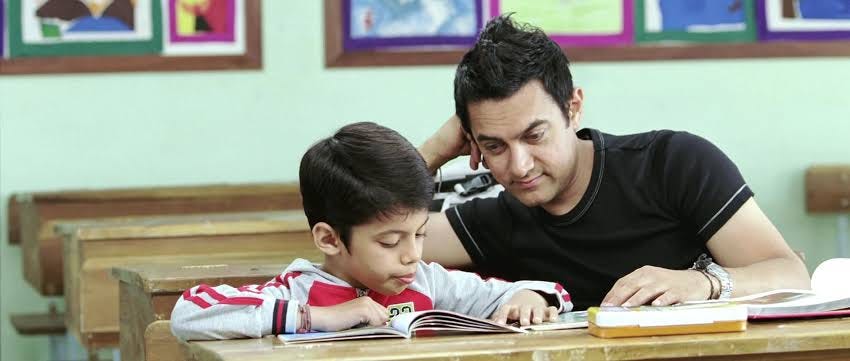
Movie Example: Taare Zameen Par
Character: Ishaan Awasthi
Ishaan’s learning difficulties and emotional withdrawal are repeatedly misinterpreted as laziness and misbehavior by adults around him. From a psychoanalytic perspective, Freud’s theory helps us understand that Ishaan’s behavior is not intentional defiance but a result of unexpressed emotions, fear, shame, and repeated experiences of failure. His academic struggles and emotional isolation create inner conflict, which manifests as withdrawal and silence.
Healing begins when his teacher offers emotional safety, empathy, and acceptance, creating a space where Ishaan feels seen and understood. This supportive relationship allows his repressed emotions to surface, reducing anxiety and helping him regain confidence and self-worth.
🔍 Psychological Insight: Behavioral symptoms often represent deeper emotional conflicts and unmet emotional needs, rather than laziness or deliberate misconduct.
2. Behaviorism (B.F. Skinner)
Concept: Behavior is learned through reinforcement and punishment

Movie Example: 3 Idiots
Character: Chatur Ramalingam & Virus
Chatur represents a learning style driven by rote memorization, external rewards, and fear of punishment, where success is measured only through ranks and approval. His motivation is largely extrinsic—focused on rewards, competition, and validation—which leaves little room for curiosity or genuine understanding. In contrast, Rancho challenges this punishment-based education system by promoting conceptual learning, curiosity, and intrinsic motivation.
The rigid reinforcement style imposed by authority figures, especially through humiliation and fear of failure, creates intense academic pressure. This environment fosters performance anxiety, low emotional well-being, and a constant fear of making mistakes, rather than a love for learning.
🔍 Psychological Insight: When punishment and external rewards dominate the learning process, intrinsic motivation declines, creativity is suppressed, and learners become driven by fear rather than curiosity or growth.
3. Humanistic Theory (Carl Rogers & Abraham Maslow)
Concept: Self-actualization, unconditional positive regard, personal growth

Movie Example: Dear Zindagi
Character: Kaira
Kaira’s therapy journey is a clear reflection of Carl Rogers’ client-centered (person-centered) approach, where healing occurs through empathy, genuineness, and unconditional positive regard rather than advice or judgment. Her therapist provides a safe, non-directive space that allows Kaira to openly express confusion, fear, anger, and vulnerability without feeling criticized or rushed to change.
Through this process of self-exploration, Kaira slowly becomes aware of her emotional patterns, unresolved fears, relationship expectations, and personal values. Instead of being “fixed,” she learns to understand herself better, make conscious choices, and take responsibility for her emotional well-being.
🔍 Psychological Insight: Psychological healing naturally unfolds when individuals feel deeply heard, emotionally accepted, and genuinely valued, enabling self-awareness, self-trust, and personal growth.
4. Social Learning Theory (Albert Bandura)
Concept: Learning through observation and imitation

Movie Example: Dangal
Character: Geeta Phogat
Geeta develops discipline, confidence, and resilience largely by observing and imitating her father’s behavior, attitude, and dedication. According to Albert Bandura’s Social Learning Theory, learning does not occur only through direct instruction or reinforcement but also through observation, modeling, and imitation. Mahavir Phogat serves as a powerful role model whose actions consistently demonstrate perseverance, self-control, and commitment.
Through repeated exposure to her father’s behavior, Geeta internalizes these qualities, which later guide her own actions and decision-making in competitive and stressful situations. This highlights the strong influence of parental and adult figures in shaping a child’s beliefs, habits, and self-efficacy.
🔍 Psychological Insight: Children absorb values, coping styles, and behavior patterns more from what adults consistently do than from verbal instructions alone.
5. Cognitive Theory (Aaron Beck)
Concept: Thoughts influence emotions and behavior

Movie Example: Tamasha
Character: Ved
Ved’s emotional struggle stems from maladaptive core beliefs such as “success means conforming to society’s expectations” and “my true self is unacceptable.” From a cognitive perspective, these rigid and distorted thought patterns create constant internal pressure, suppress creativity, and lead to emotional distress. He lives a life that aligns with external approval rather than his authentic desires.
His emotional breakdown reflects intense cognitive dissonance—a psychological conflict between his real self (creative, expressive, free) and the imposed identity shaped by societal and parental expectations. As this dissonance increases, it manifests as anxiety, irritability, emotional numbness, and loss of meaning.
🔍 Psychological Insight: When individuals recognize and challenge maladaptive thought patterns, they can reduce emotional distress and move toward healthier emotional well-being and authentic self-expression.
6. Trauma & PTSD Theory
Concept: Psychological impact of extreme stress or violence

Movie Example: Haider
Character: Haider
Haider displays clear symptoms of psychological trauma, including intense anger, emotional confusion, mood instability, and impaired decision-making, rooted in profound personal loss and prolonged exposure to political violence. The uncertainty surrounding his father’s disappearance and the constant atmosphere of fear deeply disrupt his sense of safety and trust.
From a trauma-informed perspective, Haider’s reactions are not signs of inherent aggression but natural responses to unresolved grief, chronic stress, and traumatic experiences. His difficulty regulating emotions and maintaining stable relationships reflects how trauma can overwhelm coping mechanisms when left unprocessed.
🔍 Psychological Insight: When trauma remains unresolved, it often surfaces through aggression, emotional numbness or dissociation, depression, and maladaptive coping behaviors, rather than direct verbal expression of pain.
7. Identity & Self-Concept Theory
Concept: Struggle between real self vs ideal self

Movie Example: Rockstar
Character: Jordan
Jordan’s identity develops largely through pain, rejection, and intense emotional turmoil, which become the driving forces behind his creativity and self-definition. Early experiences of unfulfilled love and repeated emotional loss shape his belief that suffering is essential for artistic expression. As a result, pain becomes central to who he is.
While fame and success provide him with recognition and a public identity, they fail to offer emotional security or inner fulfillment. Instead of healing his wounds, fame amplifies his emotional instability, leaving him increasingly isolated and disconnected from himself and others.
🔍 Psychological Insight: When identity is constructed primarily around pain and suffering, it may lead to emotional emptiness, fragile self-worth, and difficulty experiencing stable, healthy relationships.
Conclusion 🌱
Bollywood characters function as living case studies of psychology, vividly portraying the complexities of the human mind. Through stories of childhood trauma, cognitive distortions, identity conflicts, motivation, resilience, and self-actualization, these films translate abstract psychological theories into emotionally engaging and relatable experiences.
By normalizing conversations around mental health, emotions, and personal struggles, Bollywood helps bridge the gap between academic psychology and everyday life. These narratives remind us that psychology is not confined to textbooks or classrooms—it is reflected in stories we watch, characters we connect with, and experiences we live every day.
🎥 Psychology is not just studied—it is felt, observed, and understood through human stories.
Frequently Asked Questions (FAQ)
1. Why are Bollywood films useful for understanding psychology?
Because they portray emotions, relationships, trauma, and behavior in relatable, real-life contexts.
2. Can movies be used as psychological case studies?
Yes, characters often reflect symptoms, coping styles, and personality patterns similar to real clients.
3. Which psychology theories are commonly seen in Bollywood films?
Psychoanalytic, behaviorism, cognitive, humanistic, social learning, trauma theory, and identity theories.
4. How does Taare Zameen Par relate to psychology?
It highlights learning difficulties, emotional neglect, and the importance of empathy and emotional safety.
5. What psychological concept is shown in 3 Idiots?
Behaviorism—reward and punishment systems in education and their impact on motivation and anxiety.
6. How does Dear Zindagi represent therapy?
It demonstrates Carl Rogers’ client-centered therapy approach with empathy and unconditional acceptance.
7. What theory does Dangal reflect?
Albert Bandura’s Social Learning Theory—learning through observation and role modeling.
8. Which psychological issue is central in Tamasha?
Cognitive dissonance and maladaptive beliefs about success and identity.
9. How does trauma appear in Haider?
Through emotional instability, anger, grief, and symptoms of unresolved psychological trauma.
10. What identity issue is shown in Rockstar?
Identity formation rooted in pain, rejection, and emotional chaos.
11. Can films help reduce mental health stigma?
Yes, they normalize emotional struggles and encourage open conversations.
12. Are Bollywood portrayals always clinically accurate?
Not always, but many films capture emotional truths even if dramatized.
13. Can psychology students learn from films?
Yes, films are excellent supplementary tools for understanding theories.
14. How can counselors use movies therapeutically?
Through cinema therapy, discussion, reflection, and emotional identification.
15. Is psychology limited to textbooks?
No—psychology is present in everyday behavior, stories, and lived experiences.
Written by Baishakhi Das
Counselor | Mental Health Practitioner
B.Sc, M.Sc, PG Diploma in Counseling
Reference
-
American Psychological Association – Psychology Topics
https://www.apa.org/topics -
Simply Psychology – Learning Theories & Cognitive Psychology
https://www.simplypsychology.org -
Carl Rogers’ Person-Centered Therapy
https://positivepsychology.com/client-centered-therapy/ -
Albert Bandura – Social Learning Theory
https://www.simplypsychology.org/bandura.html -
Trauma and PTSD Overview (APA)
https://www.apa.org/topics/ptsd - Psychology Theories Everyone Uses Without Knowing
This topic performs well due to rising searches around men’s mental health, workplace stress, and burnout recovery. Combining emotional insight with practical steps increases engagement and trust.