High-Functioning Anxiety: Signs, Causes, and Coping Strategies

When people hear the word anxiety, they often picture someone who looks visibly nervous—shaking hands, racing thoughts, panic attacks, or difficulty functioning in daily life. But anxiety doesn’t always look like this.
There is another form that hides in plain sight, beneath smiles, achievements, and responsibility. This quieter, more invisible version is known as High-Functioning Anxiety.

High-Functioning Anxiety is the kind of struggle that sits behind:

  • The colleague who always meets deadlines
  • The student who gets top grades
  • The parent who manages everything flawlessly
  • The friend who seems strong, organized, and composed

On the outside, these individuals appear calm, confident, and successful. They get things done, they show up for others, and they seem to have life under control. But inside, they may be fighting a very different battle—one filled with constant worry, self-doubt, pressure to perform, and a mind that rarely slows down.

Even though high-functioning anxiety is not an official clinical diagnosis, it is a very real and powerful emotional experience. Many people live with it for years without realizing that their productivity, perfectionism, and drive are being fueled by underlying fear rather than genuine ease.
Professionals, students, caregivers, and even the most capable individuals often carry this hidden weight every day—quietly, silently, and without anyone noticing.

This is the paradox of high-functioning anxiety:
You look fine on the outside, but inside, your mind is constantly fighting for peace.

What Is High-Functioning Anxiety?

High-functioning anxiety refers to a pattern where a person experiences persistent worry, overthinking, and internal tension, yet continues to function—often at a high level—in their daily life. Unlike more visible forms of anxiety, this one hides behind action, accomplishment, and control.

People with high-functioning anxiety often:

  • Perform exceptionally well at work or school
  • Meet deadlines consistently
  • Take care of responsibilities without fail
  • Show up for others even when emotionally drained
  • Appear calm, organized, and in control

But beneath this composed surface lies a different reality:

  • A mind that doesn’t switch off
  • A constant fear of making mistakes
  • Pressure to be perfect
  • Overthinking every decision or conversation
  • Feeling “tense” even during rest
  • Exhaustion from carrying invisible emotional weight

They seem “fine” to everyone else, but inside, they are overwhelmed.
The struggle isn’t about failing tasks—it’s about the heavy mental cost of completing them.

High-functioning anxiety is the invisible storm behind outward success, making individuals look strong while they silently fight their own thoughts.

Signs and Symptoms of High-Functioning Anxiety

Unlike traditional anxiety—where symptoms may be more visible, such as panic attacks or avoidance—high-functioning anxiety hides itself internally. On the surface, everything looks normal; beneath the surface, the mind is constantly battling tension, doubt, and fear.

Internal Signs of High-Functioning Anxiety

These symptoms are often silent, felt deeply but rarely seen by others:

Constant Overthinking: The mind replays conversations, decisions, and future possibilities endlessly.

Worst-Case Scenario Thinking: Even simple situations feel like they could lead to disaster.

Feeling “On Edge” Even During Calm Moments: You may appear relaxed, but internally your body feels tight, restless, or uneasy.

Difficulty Relaxing or Doing Nothing: Rest feels uncomfortable, and stillness makes the mind race even faster.

Fear of Disappointing Others: A constant worry about letting people down, even when you’re doing your best.

Over-Analyzing Conversations or Mistakes: Small things feel huge, and you revisit them repeatedly.

Trouble Sleeping Due to a Busy Mind: Nighttime becomes the moment when worries grow louder and harder to ignore.

Excessive Planning and Preparing: Needing to anticipate every detail to feel in control, even when it’s unnecessary.

Outward Behaviors That Hide the Anxiety

These behaviors look positive to others, but inside, they come from pressure—not peace:

Perfectionism: You push yourself to extremely high standards and fear failure.

Always Meeting Deadlines: You never miss a due date—but the process is filled with stress.

Being Overly Productive: Constantly working, even when exhausted, because stopping feels unsafe.

Saying “Yes” Even When Overwhelmed: Fear of letting others down makes it hard to set boundaries.

Being Dependable for Everyone: People rely on you—but you rarely rely on anyone else.

Being Highly Organized: Your structure and system impress others, but they are coping strategies, not preferences.

Taking On More Responsibilities Than Needed: You handle more than your share to avoid appearing weak or incapable.

People with high-functioning anxiety often appear to “have it all together,” but internally, they carry self-doubt, pressure, and emotional exhaustion. This silent struggle is real—and it deserves understanding and compassion.

Why Does High-Functioning Anxiety Happen?

Several psychological, emotional, and environmental factors contribute to the development of high-functioning anxiety. It rarely comes from just one source—rather, it grows from patterns built over years.

1. High Expectations (Self or Family)

Many people with high-functioning anxiety grow up in environments where success is the standard, not the goal.
When parents, teachers, or even society expect excellence, children learn to equate self-worth with performance.
As adults, this mindset turns into:

  • Overworking
  • Difficulty accepting mistakes
  • Fear of failing or falling behind

High expectations become the invisible fuel that keeps anxiety running.

2. Perfectionistic Personality

Perfectionism is a major driver of high-functioning anxiety.
A person who needs everything to be “just right” constantly battles internal pressure:

  • Fear of imperfection
  • Of making mistakes
  • Fear of being judged

Even small errors feel huge and emotionally overwhelming, creating constant inner tension.

3. Stressful Environments

Environments with high pressure naturally intensify anxiety. These include:

  • Fast-paced jobs
  • Competitive academic settings
  • Unpredictable or unstable home life
  • Work cultures that reward overworking

Stress pushes people to perform more, give more, and stay alert—eventually blending productivity with anxiety.

4. Fear of Judgement

People with high-functioning anxiety often care deeply about how others perceive them. They worry about:

  • Being criticized
  • Appearing weak
  • Not meeting expectations
  • Being misunderstood

This fear leads them to work harder and act “perfect,” even when it drains their emotional energy.

5. Past Experiences

The roots of high-functioning anxiety often go back to earlier life events:

  • Childhood trauma
  • Growing up in a critical household
  • Being compared to others
  • Experiencing severe failure or humiliation
  • Early responsibilities that forced maturity

These experiences can create long-term patterns of overthinking, self-criticism, and striving to prove one’s worth.

screenshot 2025 11 25 004211

How High-Functioning Anxiety Impacts Daily Life

Although people with high-functioning anxiety appear strong, capable, and successful on the outside, the internal struggle is very real. The pressure to maintain perfection and stability often comes with a heavy emotional cost.

• Constant Mental Exhaustion: Their minds rarely stop thinking, planning, or worrying. Even simple decisions feel draining because the brain is always “on.”

• Difficulty Enjoying Achievements: No matter how much they accomplish, it never feels “good enough.” Success brings temporary relief, followed by new fears and new expectations.

• Feeling Like You Must Always “Be On”: There is a constant need to perform, appear composed, and hide any sign of weakness. Showing vulnerability feels risky, even when help is needed.

• Trouble Setting Boundaries: Saying “no” feels impossible. They take on extra responsibilities to avoid disappointing others, even when overwhelmed or exhausted.

• Overworking to Avoid Negative Thoughts: Work becomes a distraction—something to keep the mind too busy to spiral. Productivity becomes a coping mechanism, not a choice.

• Inability to Rest Without Guilt: Relaxation feels uncomfortable. Taking a break triggers thoughts like,
“I should be doing more.”
Rest becomes something to “earn,” not something naturally deserved.

• Fear of Burnout: Even while pushing themselves, they fear the moment they won’t be able to keep going. This creates a loop of fear → pressure → more fear.

Over time, this hidden anxiety can lead to emotional exhaustion, irritability, depression, physical tension, headaches, sleep problems, and even burnout.
What others admire as strength is often a mask covering deep internal stress.

Coping Strategies for High-Functioning Anxiety

There are effective ways to manage this silent struggle. With the right tools and guidance, people with high-functioning anxiety can create healthier habits and relieve the inner pressure they carry daily.

1. Cognitive-Behavioral Therapy (CBT)

CBT is one of the most effective approaches for high-functioning anxiety.
It helps you identify perfectionistic and fear-based thoughts, understand where they come from, and replace them with healthier, more balanced thinking.
Over time, CBT reduces overthinking, panic cycles, and emotional pressure.

2. Setting Healthy Boundaries

Boundaries protect your energy and mental peace.
Learning to say “No” without guilt is a skill that takes practice but can transform your emotional well-being.
Start small—limit unnecessary tasks, pause before agreeing to commitments, and honor your limits.

3. Mindfulness and Grounding Techniques

Mindfulness helps you step out of your racing thoughts and reconnect with the present moment.
Grounding exercises, deep breathing, body scans, or mindful activities can calm your nervous system, lower internal tension, and bring emotional clarity.

4. Break the Productivity Cycle

People with high-functioning anxiety often equate productivity with worth.
Start allowing yourself rest without labeling it as laziness or wasted time.
Rest is not optional—it is necessary for mental health, creativity, and long-term success.

5. Reduce Overcommitment

You don’t have to carry every responsibility alone.
Learn to delegate tasks, ask for help, and share responsibilities where possible.
Letting others support you doesn’t make you weak—it makes you human.

6. Self-Compassion

High-functioning anxiety often involves harsh self-criticism.
Practice talking to yourself the way you would talk to someone you love—with patience, understanding, and kindness.
Celebrate small wins and accept that it’s okay to have limits.

7. Professional Support

A therapist or counselor can help you understand the deeper patterns that fuel your anxiety—whether they come from childhood, past failures, or perfectionism.
Professional support offers tools, perspective, and guidance that help you break the cycle of overthinking and emotional tension.
When Should You Seek Help?

High-functioning anxiety is often hidden so well that even the person experiencing it may not realize how much it affects their life. But certain signs indicate that professional support could be beneficial:

• You constantly feel overwhelmed despite being productive

Get everything done, yet the workload feels heavier than it should, and even small tasks feel emotionally exhausting.

• You cannot relax without feeling guilty

Rest makes you uncomfortable. You feel like you must “earn” relaxation instead of seeing it as a basic human need.

• You experience frequent burnout

Push through deadlines, responsibilities, and expectations until your body or mind forces you to shut down. Burnout becomes a repeated cycle.

• Your thoughts race at night or disturb your sleep

Nighttime brings the mental replay: conversations, mistakes, fears, to-do lists—making it hard to sleep or stay asleep.

• You feel emotionally drained or disconnected

Even if you appear fine externally, internally you may feel numb, empty, or detached from your own achievements.

• You hide your stress from others to appear “strong”

Downplay your struggles, avoid sharing feelings, or keep a “strong” image because you fear being judged or misunderstood.

Therapy can help you understand these patterns, release the internal pressure, and create a healthier balance between achievement and well-being.
Reaching out for support is not a sign of weakness—it is an act of courage and self-care.

Final Thoughts

High-functioning anxiety often hides behind strength, productivity, and success. It lives quietly behind the smile of the reliable coworker, the achievements of the top performer, or the calmness of the friend who “never seems stressed.”
But being strong doesn’t mean you never struggle.
Being capable doesn’t mean you don’t feel overwhelmed.
And being productive doesn’t mean you are emotionally at peace.

If you relate to these signs, let this be your reminder:

Your value is not defined by how much you do.

You are worthy not because of your achievements, but simply because you exist.
Your worth is not measured in tasks, deadlines, or perfection.

You deserve rest, peace, and support too.

You don’t have to push through everything alone.
Don’t need to earn rest—it is your right.
Your feelings, needs, and boundaries matter.

Reaching out for help is not weakness—

it is self-awareness,
it is strength,
and it is an act of care for your mental well-being.

Seeking support means you are choosing healing over pressure, balance over burnout, and compassion over self-criticism.
And that is one of the bravest decisions anyone can make.

Frequently Asked Questions (FAQs)

1. What is high-functioning anxiety?

It is a form of anxiety where a person appears successful and in control but internally experiences stress and overthinking.

2. Is high-functioning anxiety a disorder?

It is not an official diagnosis but a widely recognized experience.

3. What are common signs of high-functioning anxiety?

Overthinking, perfectionism, difficulty relaxing, and constant internal pressure.

4. Why do people with high-functioning anxiety seem successful?

Their anxiety often drives productivity and achievement.

5. Can high-functioning anxiety lead to burnout?

Yes, constant pressure and overworking can cause emotional exhaustion and burnout.

6. How is it different from regular anxiety?

It is less visible and often hidden behind productivity and control.

7. Can therapy help high-functioning anxiety?

Yes, CBT and counseling are very effective.

8. Why is it hard to relax with this anxiety?

Because the mind associates rest with laziness or fear of falling behind.

9. How can I manage high-functioning anxiety?

By setting boundaries, practicing mindfulness, and reducing perfectionism.

10. When should I seek help?

When anxiety affects sleep, emotions, or daily functioning.

Written by Baishakhi Das

Counselor | Mental Health Practitioner
B.Sc, M.Sc, PG Diploma in Counseling

References

  1. National Institute of Mental Health
    👉 https://www.nimh.nih.gov/health/topics/anxiety-disorders
  2. Anxiety & Depression Association of America
    👉 https://adaa.org/understanding-anxiety
  3. About Us – Monoprova Counselling
    👉 https://monoprovacounselling.in/about-us/
  4. Contact / Book Appointment – Monoprova Counselling
    👉 https://monoprovacounselling.in/contact/

This article is written for knowledge purposes, aiming to help readers understand the topic better and gain useful insights for learning and awareness.
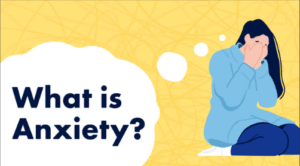
Health Anxiety Explained: Symptoms, Causes, and How to Stop Constant Fear of Illness

Health is important—but when every small sensation in your body feels like a warning sign, life becomes overwhelming. A mild headache feels like a brain tumor. A skipped heartbeat feels like the beginning of a heart attack. A normal stomach ache becomes a sign of something life-threatening. These thoughts don’t come because you want them—they arrive suddenly, forcefully, and refuse to leave.

This constant fear is known as Health Anxiety, previously called Hypochondria. It is not “overreacting,” “imagining things,” or “being dramatic.” It is a real psychological condition where the mind becomes hyper-focused on the body, scanning every sensation and interpreting it as danger. Even when medical tests show everything is normal, the fear returns:
“What if the doctor missed something?”
“If this is the early stage of a deadly disease?”
“What if I don’t catch it in time?”

For someone struggling with Health Anxiety, these fears are not just thoughts—they feel like alarms. The body reacts with stress, tension, increased heart rate, dizziness, and more, which further reinforces the belief that something is wrong. It becomes a cycle that feels impossible to break.

In reality, the fear is not about the body alone. It’s about the mind trying to protect you, even though the danger it senses isn’t real. The fear is powerful, intense, and often uncontrollable—but with the right support and understanding, it can be managed and healed.

What Is Health Anxiety?

Health Anxiety is an overwhelming and persistent fear about your health—far beyond normal concern. For someone experiencing it, the mind becomes a constant alarm system, interpreting every small ache or change in the body as a sign of something serious. This leads to repetitive, intrusive thoughts such as:

  • “What if this headache isn’t normal… what if it’s a brain tumor?” 
  • “My heart just skipped a beat—does this mean I’m going to have a cardiac arrest?” 
  • “The doctor said I’m fine, but what if the tests were wrong? What if something was missed?” 

These thoughts don’t feel like imagination or exaggeration—they feel urgent, logical, and terrifying in the moment.

Even completely harmless bodily sensations—like acidity, gas, muscle tension, occasional dizziness, fatigue, or a twitch in the eye—can suddenly appear like warning signs of a life-threatening disease. A normal bodily reaction becomes a threat. A temporary discomfort becomes evidence of a hidden illness.

This heightened vigilance creates a loop: the more you scan your body, the more sensations you notice; the more sensations you notice, the more your anxiety grows. The brain, trying to protect you, misinterprets normal signals as danger, triggering unnecessary fear.

Understanding this pattern is the first step towards breaking it.

Why Does Health Anxiety Happen?

Several psychological and emotional factors contribute to the development and continuation of Health Anxiety. It is rarely caused by just one thing—it is usually a combination of how the mind perceives danger, how the body reacts to stress, and how past experiences shape one’s fears.

1. Hyper-awareness of Body Sensations

People with health anxiety often become highly sensitive to what’s happening inside their bodies.
A small muscle twitch, a slight chest tightness, or a moment of dizziness becomes magnified.
This constant “body scanning” turns normal sensations into alarming symptoms.
The brain, on high alert, misinterprets harmless signals as threats, triggering panic.

2. Fear of the Unknown

The human brain dislikes uncertainty.
When you don’t understand a sensation or symptom, the mind quickly fills in the blanks—usually with worst-case scenarios.
With unlimited medical information available online, self-diagnosis becomes dangerous.
A simple search for “headache causes” may lead you straight to rare, life-threatening conditions, feeding the anxiety spiral.

3. Past Illness or Trauma

A previous medical emergency, a family member’s illness, or witnessing someone suffer can leave a deep imprint.
Even if the event happened years ago, the emotional memory stays alive.
So when your body shows a mild symptom, the mind immediately connects it to that past fear.

4. Personality Factors

Certain personality traits can make someone more vulnerable to health anxiety:

  • Being cautious and overthinking decisions
  • Sensitive to bodily sensations
  • Being perfectionistic and needing control
  • Tending to imagine worst-case scenarios
    These traits don’t cause the anxiety directly, but they create the mental environment where fear grows easily. 

5. Stress and Life Changes

When life becomes uncertain—new job, relationship issues, financial pressure, or emotional exhaustion—the mind looks for outlets.
Stress heightens the body’s physical sensations, and the brain misreads them as signs of danger.
During stressful phases, even normal symptoms feel amplified and threatening.

6. The Reassurance-Seeking Cycle

People with health anxiety often seek reassurance to “feel safe.” They may:

  • Visit doctors repeatedly
  • Ask friends or family for validation
  • Check their pulse, blood pressure, or body repeatedly
  • Do multiple medical tests
    Although reassurance gives temporary relief, it strengthens the anxiety long-term.
    The brain learns: “Whenever I feel scared, I must check again.”
    This creates a cycle that becomes very hard to break without support.

Common Symptoms of Health Anxiety

People with Health Anxiety often experience a range of emotional, cognitive, and physical symptoms. These may not always appear together, but even a few of them can deeply affect daily life.

• Constant Worry About Illnesses

Health anxiety creates a constant background fear.
You may find yourself worrying throughout the day—during work, while eating, or even before sleep—thinking,
“What if something is seriously wrong?”
This worry feels uncontrollable and keeps cycling no matter how many times you’re told everything is normal.

• Googling Symptoms Repeatedly

The urge to search for symptoms online becomes irresistible.
You may start with a simple search for “headache causes” and end up reading about the rarest, deadliest diseases.
Each new article increases your fear, making you feel like the symptoms match perfectly—even when they don’t.

• Checking the Body (Pulse, Lumps, Skin Changes)

People with health anxiety frequently monitor their body:

  • Checking pulse multiple times
  • Examining skin for changes
  • Feeling for lumps
  • Taking temperature or blood pressure repetitively
    This constant checking makes the brain more alert to sensations, increasing anxiety further. 

• Avoiding Hospitals OR Visiting Too Often

Health anxiety shows up in two opposite behaviors:
Avoidance: Some people avoid hospitals or medical tests out of fear that the results will reveal something terrible.
Overuse: Others visit doctors repeatedly, hoping for reassurance.
Both patterns create stress, confusion, and emotional exhaustion.

• Difficulty Relaxing Because of “What If” Thoughts

“What if it’s something serious?”
“If this pain gets worse?”
“What if I’m ignoring warning signs?”
These persistent “what if” thoughts keep the mind in a constant state of alertness, making relaxation almost impossible.
Even enjoyable activities are overshadowed by fear.

• Physical Sensations Increasing During Stress

Stress amplifies normal body sensations.
Tight chest, breathlessness, nausea, dizziness, stomach discomfort—all become more intense during anxious moments.
Unfortunately, these sensations are often misinterpreted as evidence of illness, reinforcing the fear and continuing the cycle.

How Health Anxiety Affects Daily Life

Living with Health Anxiety doesn’t just affect the mind—it reshapes your entire life. The constant fear and overthinking begin to interfere with normal routines and relationships.

• You may avoid activities thinking they might harm you

Simple, everyday activities start to feel risky.
You might avoid exercise fearing it could “trigger something,” skip social events because you’re worried you’ll feel unwell, or stop traveling due to fear of medical emergencies.
Life gradually becomes smaller, restricted by fear rather than safety.

• Work and relationships suffer

Health anxiety demands enormous mental energy.
This can affect your concentration at work, reduce productivity, and create misunderstandings with colleagues.
In relationships, constant worry or reassurance-seeking can strain connections, making others feel helpless or confused.

• You feel emotionally drained

The mind is constantly in fight-or-flight mode, scanning for threats.
This emotional overload leads to fatigue, irritability, and a sense of being overwhelmed.
Even when nothing is physically wrong, you may feel exhausted from the fear itself.

• You spend money on unnecessary tests

To feel safe, you might undergo repeated medical tests, specialist consultations, or scans—even after receiving normal results.
While reassurance brings temporary relief, the fear soon returns, leading to more expenses and emotional stress.

• Your confidence in doctors decreases

Because the anxiety feels so real, normal test results may not feel convincing.
You may believe doctors “missed something,” or worry that your condition is rare or undetectable.
This lack of trust keeps you stuck in the cycle of fear and uncertainty.

• This ongoing cycle can feel exhausting, isolating, and frustrating

Over time, the repeated loop of fear → checking → temporary relief → fear again can slowly drain your emotional strength.
You may feel alone, misunderstood, and trapped in your own thoughts.
Breaking this cycle can feel impossible—but it is possible with the right understanding and support.

How to Manage Health Anxiety

Managing Health Anxiety involves a combination of self-awareness, psychological strategies, and healthy lifestyle habits. Recovery doesn’t happen overnight, but small changes can gradually weaken the cycle of fear and overthinking.

1. Cognitive-Behavioral Therapy (CBT)

CBT is one of the most effective treatments for health anxiety.
It helps you identify and challenge irrational thoughts—like assuming the worst or catastrophizing minor symptoms.
Through structured techniques, CBT teaches your mind to interpret bodily sensations more realistically, reducing fear and restoring a sense of control.

2. Limit Googling Symptoms

Googling symptoms often leads to worst-case scenarios and increases anxiety.
Set a firm boundary: avoid searching for health issues unless it’s from a reliable, verified medical source.
If the urge becomes overwhelming, remind yourself:
“I’ve been triggered before—this won’t help me feel better.”

3. Understand Normal Body Sensations

The human body is not silent—it moves, shifts, aches, and reacts to stress, food, posture, and daily activities.
Bodies can:

  • Tingle
  • Twitch
  • Hurt
  • Skip beats

Feel tight during stress
These are usually normal, not dangerous.
Learning what everyday sensations mean reduces misinterpretation and panic.


4. Practice Mindfulness

Mindfulness and grounding exercises help slow down the racing mind.
Instead of jumping into “what if” stories, mindfulness brings your focus back to the present moment.
Deep breathing, body scans, or simple sensory grounding techniques can reduce fear and calm the nervous system.

5. Focus on Lifestyle

A healthy body supports a calmer mind.
Regular sleep stabilizes mood, balanced meals prevent irritability, hydration improves clarity, and physical activity naturally reduces anxiety chemicals in the brain.
Simple daily routines can dramatically lower the intensity of symptoms.

6. Build Tolerance for Uncertainty

A major root of health anxiety is the need for absolute certainty:
“I must know exactly what’s happening in my body.”
But in reality, nobody has complete certainty about health—ever.
Learning to accept some uncertainty frees you from constant checking, researching, or worrying.
The more you practice this mindset, the weaker the anxiety becomes.

7. Seek Professional Help When Needed

If your fears feel too big to manage alone, reaching out to a mental health professional is a strong and positive step.
A psychologist can guide you through therapy, teach coping skills, and help break long-term patterns.
A psychiatrist can support with medication if anxiety is severe or persistent.
Professional support provides clarity, reassurance, and long-term healing.

screenshot 2025 11 25 004211

When Should You See a Mental Health Professional?

When Should You Seek Professional Help?

Health Anxiety can slowly take over your daily life without you even realizing how deeply it’s affecting you. It’s important to seek help when the fear begins to interfere with your ability to live normally. Consider reaching out to a mental health professional if:

• Your fear of illness is affecting work or relationships

If you find it difficult to focus at work, miss deadlines, avoid conversations, or argue frequently due to your worries, it’s a sign that anxiety is taking control.

• You feel anxious daily

Persistent anxiety—especially around health—can drain your energy and make even simple tasks feel overwhelming.

• You avoid going out or doing activities

When fear stops you from exercising, traveling, socializing, or doing things you previously enjoyed, it’s a sign that the anxiety has become restrictive.

• You constantly check your body or seek reassurance

Repeatedly checking your pulse, skin, or symptoms, or asking friends and family “Am I okay?” may give temporary relief but strengthens the anxiety cycle.

• Medical tests keep coming normal, yet the fear remains

If multiple doctors and investigations have reassured you that you’re healthy but your mind continues to assume the worst, therapy can help you break this pattern.

You Are Not Alone — and You Can Heal

Health Anxiety is one of the most treatable forms of anxiety.
With therapy, lifestyle changes, and the right coping skills, people often experience dramatic improvement.

You don’t have to live in constant fear.
Reaching out for support is not a sign of weakness—it’s a step toward regaining control, peace, and confidence in your body again.

Final Thoughts

Health is important, but health anxiety can quietly steal your peace, your confidence, and your ability to enjoy life. When every sensation feels threatening, the mind becomes trapped in a cycle of fear and doubt. But this fear does not define you—nor does it have to control your future.

Understanding where this anxiety comes from, recognizing the thoughts that fuel it, and slowly breaking the reassurance-seeking cycle can help you reclaim clarity and calm. As you learn to trust your body again, you’ll discover that most sensations are simply part of being human, not signs of danger.

And remember—if you are experiencing these symptoms, reaching out for support is a sign of strength, not weakness. Seeking help means you value your well-being, you want to heal, and you are ready to take back the peace you deserve. With the right guidance and tools, living a calmer, healthier, and more grounded life is absolutely possible.

Frequently Asked Questions (FAQs)

1. What is health anxiety?

Health anxiety is a condition where a person constantly fears having a serious illness despite medical reassurance.

2. Is health anxiety the same as hypochondria?

Yes, health anxiety was previously known as hypochondria.

3. Why do I always think I am sick?

This happens due to heightened body awareness, overthinking, and fear of uncertainty.

4. Can health anxiety cause physical symptoms?

Yes, anxiety can cause real symptoms like chest tightness, dizziness, and stomach discomfort.

5. Is Googling symptoms bad for anxiety?

Yes, it often increases fear and reinforces worst-case thinking.

6. How can I stop checking my body repeatedly?

By gradually reducing checking behavior and using CBT techniques.

7. Can health anxiety be cured?

It can be effectively managed with therapy and lifestyle changes.

8. What triggers health anxiety?

Stress, past illness, trauma, and exposure to health-related information.

9. When should I seek help?

When anxiety interferes with daily life, relationships, or mental peace.

10. What is the best treatment for health anxiety?

Cognitive Behavioral Therapy (CBT) is the most effective treatment.

Written by Baishakhi Das

Counselor | Mental Health Practitioner
B.Sc, M.Sc, PG Diploma in Counseling

Reference

This article is written for knowledge purposes, aiming to help readers understand the topic better and gain useful insights for learning and awareness.
Panic Attack vs Anxiety Attack: Key Differences, Symptoms & Treatment


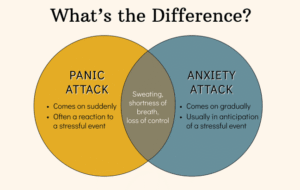
Many people use the terms panic attack and anxiety attack interchangeably, but in reality, they are two different experiences. While both involve intense fear, physical symptoms, and emotional distress, they differ in their triggers, intensity, duration, and how suddenly they appear. Understanding these differences is essential because it helps individuals recognize what they are going through and choose the most effective way to manage it.

A panic attack often appears suddenly and without warning, reaching peak intensity within minutes. It can feel overwhelming, frightening, and physically alarming—so much so that many people mistake it for a heart attack or medical emergency. Anxiety attacks, on the other hand, build gradually, usually in response to stress, worry, or a triggering situation. They may last longer and feel more emotionally exhausting rather than sharply intense.

Recognizing whether you are experiencing a panic attack or an anxiety attack allows you to better understand your mind and body. It also helps mental health professionals provide the right support and develop effective coping strategies.

What Is a Panic Attack?

A panic attack is a sudden and intense episode of fear or discomfort that reaches its peak within minutes. It often occurs unexpectedly, even during calm moments, and may not have any clear or identifiable trigger. Because panic attacks come on so quickly and forcefully, they can feel overwhelming and often lead individuals to believe something is seriously wrong.

People who experience panic attacks commonly describe the episode as feeling like:

  • “I thought I was dying.”
  • “Felt like I was losing control.”
  • “I couldn’t breathe.” 

These descriptions highlight how frightening and distressing a panic attack can be. Even though panic attacks are not life-threatening, they feel extremely real and can leave a person feeling shaken long after the episode has passed.

Common Symptoms of a Panic Attack

Panic attacks involve a combination of extreme physical and psychological symptoms, including:

  • Sudden, overwhelming fear: An intense wave of terror appears abruptly with no clear reason.
  •  Rapid heartbeat or chest pain: Many people feel heart palpitations or tightness, leading them to fear a cardiac event.
  • Shortness of breath: Breathing may feel shallow or difficult, creating a sensation of suffocation.
  • Dizziness or faintness: A person may feel lightheaded, unsteady, or as if they may faint.
  • Sweating or chills: Sudden temperature changes or clammy skin are common.
  • Trembling or shaking: Hands or the whole body may shake uncontrollably.
  • Numbness or tingling:  Sensations often occur in the hands, feet, or face due to hyperventilation.
  • Feeling detached from reality: Some people experience derealization (feeling like things are unreal) or depersonalization (feeling disconnected from oneself).
  • Fear of going crazy or losing control: A terrifying sense that one might scream, faint, or collapse. 

Panic attacks typically last 10–20 minutes, but the emotional shock, exhaustion, and fear of another attack can linger for hours. Over time, this fear may lead individuals to avoid certain places or situations, sometimes developing into panic disorder if left untreated.

What Is an Anxiety Attack?

“Anxiety attack” is not an official clinical term in diagnostic manuals like the DSM-5, but it is widely used to describe a period of intensified anxiety that builds up gradually over time. Unlike panic attacks—which strike suddenly—anxiety attacks usually occur in response to a specific stressor, worry, or ongoing pressure.

An anxiety attack often starts with mild worry or tension that slowly becomes stronger, eventually leading to physical and emotional distress. The person may feel overwhelmed, unable to relax, or mentally drained.

Unlike panic attacks, anxiety attacks:

  • Develop slowly
    The symptoms build over minutes, hours, or even days.
  • Are linked to a specific trigger or thought
    Such as work pressure, relationship problems, health fears, or financial stress.
  • Are less intense but longer-lasting
    They don’t usually reach the sharp, sudden peak of panic attacks.
  • Feel like prolonged worry or fear
    The mind stays active and restless, often replaying fears repeatedly.

Common Symptoms of an Anxiety Attack

Anxiety attacks involve a mix of emotional and physical symptoms, often tied to ongoing stress:

  • Excessive Worry: Persistent fear or overthinking about a specific problem or a future event.
  • Restlessness: Feeling unable to sit still, constantly tense, or “on edge.”
  •  Feeling Overwhelmed: A sense that everything is too much to handle, even simple tasks.
  • Irritability: Heightened sensitivity to stress, frustration, or minor inconveniences.
  • Muscle Tension: Stiffness or tightness in the neck, shoulders, jaw, or back.
  • Trouble Concentrating: Difficulty focusing due to intrusive or racing thoughts.
  • Rapid Heartbeat: An elevated heart rate that may increase with worry or stress.
  • Difficulty Sleeping: Struggling to fall asleep or waking repeatedly because of anxious thoughts.
  • Stomach Discomfort: Nausea, indigestion, bloating, or IBS-like symptoms.

Anxiety attacks can last for hours or even days, depending on the stress level and the intensity of the underlying worry. Although they may not feel as dramatic as panic attacks, they are emotionally draining and can significantly impact daily life if not addressed.

⭐ Key Differences Between Panic Attacks and Anxiety Attacks

Feature Panic Attack Anxiety Attack
Onset Sudden, unexpected Gradual, builds over time
Triggers Often none Clear stressor/worry
Intensity Very intense Mild–moderate
Duration 10–20 minutes Hours to days
Symptoms Physical, severe Emotional + physical
Feeling Loss of control, fear of dying Overthinking, dread
After-effects Exhaustion, trembling Tiredness, irritability


Why Do They Happen?

Causes of Panic Attacks

Panic attacks can occur suddenly and may feel unpredictable, but they often stem from deeper biological and psychological factors. Some of the most common causes include:

  • Genetics: A family history of anxiety, panic disorder, or other mental health conditions increases the likelihood of experiencing panic attacks.
  • Chronic Stress: Long-term stress can overload the nervous system, making the body more reactive and prone to sudden fear responses.
  • Traumatic Experiences: Past trauma, such as accidents, loss, abuse, or major life changes, can heighten sensitivity to internal and external triggers.
  • Overactive Fight-or-Flight Response: Panic attacks occur when the body’s survival system activates too strongly or without a real threat. This leads to rapid heartbeat, shortness of breath, and intense fear.
  • Thyroid or Hormonal Imbalance: Medical conditions—such as hyperthyroidism, hormonal fluctuations, or adrenal issues—can trigger physical sensations that mimic or provoke panic attacks.

Causes of Anxiety Attacks

Anxiety attacks typically develop in response to ongoing stress or emotional pressure. They arise more gradually and are often associated with persistent worry.

  • Continuous Worry: Chronic overthinking about everyday challenges—work, health, family—can build up and lead to an anxiety attack.
  • Work or Study Pressure: Deadlines, high expectations, exams, or demanding responsibilities can cause sustained anxiety that intensifies over time.
  • Relationship Stress: Conflicts, misunderstandings, or emotional distance in relationships can lead to emotional tension and worry.
  • Financial Concerns: Money-related stress—such as bills, job insecurity, or debt—often contributes to ongoing anxiety.
  • Health Fears: Worrying excessively about symptoms, illnesses, or medical conditions can trigger anxiety attacks.
  • Overthinking or Perfectionism: Individuals who set extremely high standards for themselves or constantly replay situations in their mind are more vulnerable to developing anxiety attacks.

Examples

Real-life scenarios can help clarify the difference between panic attacks and anxiety attacks. Here are two simple but powerful examples that demonstrate how each one typically occurs.

Panic Attack Example

Rina is walking through a busy shopping mall on a normal afternoon. Without any warning, she suddenly feels her heart pounding rapidly, her chest tightening, and her breathing becoming shallow. A wave of dizziness hits her, and she believes she might faint or collapse. Terrified, she rushes outside, convinced she is having a heart attack.
Within minutes, the episode reaches its peak and slowly begins to ease, leaving her exhausted and shaken.
This experience is a classic panic attack—sudden, intense, and overwhelming.

Anxiety Attack Example

Aman has an important exam approaching. Over several days, he constantly worries about whether he will perform well. He struggles to sleep, his mind replaying “what if” thoughts. He feels tense, restless, and irritable, and he notices increasing stomach discomfort.
His anxiety gradually intensifies as the exam date gets closer, making it difficult to focus or relax.
This slow, stress-linked buildup is typical of an anxiety attack, which develops over time and is tied to a specific worry or situation.

Treatment Options

Treatment Options for Panic and Anxiety Attacks

Both panic attacks and anxiety attacks are highly treatable with the right combination of therapy, lifestyle adjustments, and professional support. Treatment helps individuals understand their symptoms, regain control, and reduce the frequency and intensity of future episodes.

Cognitive Behavioural Therapy (CBT)

CBT is one of the most effective treatments for both panic and anxiety attacks.
It helps individuals:

  • Identify and challenge fearful or irrational thoughts
  • Break the cycle of catastrophic thinking
  • Learn healthier coping skills
  • Reduce the tendency to expect the worst 

CBT empowers individuals to understand how thoughts influence emotions and physical sensations, making attacks less frequent and less intense over time.

Exposure Therapy (Especially for Panic Triggers)

Exposure therapy is particularly helpful for panic attacks related to specific fears, such as crowded places, driving, or physical sensations.
It involves:

  • Gradually facing feared situations or sensations
  • Reducing avoidance behaviors
  • Desensitizing the body’s fight-or-flight response

Over time, exposure decreases sensitivity to triggers and builds confidence.

Medication (If Needed)

For some individuals, medication can be an important part of treatment. A psychiatrist may prescribe:

  • SSRIs (Selective Serotonin Reuptake Inhibitors)
  • SNRIs (Serotonin-Norepinephrine Reuptake Inhibitors)
  • Short-term anti-anxiety medications (in specific situations)

Medication helps stabilize mood, reduce fear responses, and support progress in therapy.

Mindfulness and Relaxation Techniques

These techniques calm the nervous system and help manage symptoms during stressful moments:

  • Deep breathing to slow down racing heart and breathing
  • Grounding exercises such as the 5-4-3-2-1 sensory method
  • Progressive muscle relaxation to release built-up tension

Practicing these regularly can reduce attack intensity and improve emotional regulation.

Lifestyle Changes

Healthy daily habits support long-term anxiety reduction:

  • Reducing caffeine, which can trigger jitteriness or rapid heartbeat
  • Improving sleep with a consistent routine and relaxation techniques
  • Regular exercise to release endorphins and reduce stress
  • Journaling to process thoughts and reduce overthinking
  • Limiting stress triggers by setting boundaries and adjusting workload

These changes strengthen emotional resilience and help prevent future episodes.

screenshot 2025 11 21 175502

When to Seek Help

It’s important to understand that occasional anxiety is a part of life, but frequent panic or anxiety attacks are not something you should manage alone. Professional support can provide clarity, reassurance, and effective strategies to regain control.

You should consult a mental health professional if:

  • Panic or anxiety attacks happen frequently: Recurring episodes may indicate an underlying condition that requires proper diagnosis and treatment.
  • You avoid places out of fear: Avoidance—such as skipping social events, public spaces, driving, or crowded places—can signal that anxiety is beginning to control your daily choices.
  • Symptoms interfere with daily life: If your work, studies, relationships, or routine tasks are affected by constant worry or fear, it’s time to seek support.
  • You feel constantly overwhelmed: Persistent emotional overload, restlessness, or difficulty coping with stress are strong signs that professional guidance would be beneficial.
  • Physical symptoms feel severe or frightening: Chest tightness, rapid heartbeat, shortness of breath, dizziness, or numbness can feel alarming. If these symptoms occur repeatedly, a mental health evaluation can help rule out medical conditions and address anxiety effectively.

Why Early Support Matters

Early intervention helps prevent anxiety from becoming chronic or more disruptive. With timely help—through therapy, lifestyle changes, and coping strategies—most people experience significant improvement and learn to manage their emotions with confidence.

Reaching out is not a sign of weakness; it is a proactive step toward rebuilding calm, strength, and balance in your life.

Final Thoughts

While panic attacks and anxiety attacks share several overlapping symptoms, understanding the difference between them is essential for effective management and long-term healing. Knowing whether your symptoms come on suddenly and intensely (panic attack) or build gradually in response to stress (anxiety attack) helps you respond appropriately and seek the right kind of support.

The hopeful reality is that both conditions are highly treatable. With the right combination of therapy, healthy lifestyle changes, and ongoing professional guidance, individuals can significantly reduce the frequency and intensity of these episodes. Approaches like CBT, grounding exercises, mindfulness, and stress management can make a meaningful difference in everyday life.

If you or someone you know is struggling with persistent fear, overwhelming worry, or sudden bursts of panic, remember that you are not alone—and you do not have to manage it by yourself. Reaching out for help is the first step toward regaining control, rebuilding confidence, and restoring emotional balance.

Healing begins when you take that step.

Frequently Asked Questions (FAQs)

1. What is the difference between a panic attack and an anxiety attack?

A panic attack is sudden and intense with no clear trigger, while an anxiety attack builds gradually due to stress or worry.

2. How long does a panic attack last?

Panic attacks usually peak within 10–20 minutes but may leave lingering exhaustion.

3. How long does an anxiety attack last?

Anxiety attacks can last for hours or even days depending on stress levels.

4. Can anxiety attacks turn into panic attacks?

Yes, prolonged anxiety can sometimes escalate into a panic attack if stress becomes overwhelming.

5. Are panic attacks dangerous?

No, panic attacks are not life-threatening, but they can feel very intense and frightening.

6. What triggers panic attacks?

Triggers include stress, trauma, genetics, or an overactive fight-or-flight response, sometimes without any clear reason.

7. What triggers anxiety attacks?

Anxiety attacks are usually triggered by stress, overthinking, work pressure, or emotional concerns.

8. How can I stop a panic attack quickly?

Deep breathing, grounding techniques, and reminding yourself that the feeling will pass can help calm a panic attack.

9. What is the best treatment for panic and anxiety attacks?

Cognitive Behavioural Therapy (CBT), relaxation techniques, lifestyle changes, and medication (if needed) are effective treatments.

10. When should I seek professional help?

You should seek help if attacks are frequent, severe, or interfere with daily life.

Reference 

  1. Anxiety & Depression Association of America (ADAA):  https://adaa.org/
  2. About Us Page: https://monoprovacounselling.in/ 
  3. Contact / Book Appointment: https://monoprovacounselling.in/contact-us/ 
  4. World Health Organization (WHO) – Mental Health:  https://www.who.int/health-topics/mental-health

This article is written for knowledge purposes, aiming to help readers understand the topic better and gain useful insights for learning and awareness.

How Stress Affects Memory: Brain Function, Causes, and Solutions

The human brain has one of the most basic functions known as memory since it forms the basis of our identity, learning and decision-making processes. However, it is possible that memory has a significant impact caused by our state of mind, and especially stress. Stress, which is a typical physiological and psychological reaction to a difficulty, is also multi- faceted in its connections with memory- in some incidents it strengthens it and in others it damages it.

What Is Stress?

Stress is how the body is supposed to respond to the perceived threat or demands, and it is a series of chemical and hormonal events that provide us with a way of coping. This is a fight or flight reaction that is organized by the hypothalamic-pituitary-adrenal (HPA), axis and releases cortisol and adrenaline that cause the body to be ready to meet the challenges of the moment. Although acute stress is good in brief periods, chronic stress, which is long-term and constant, is not only harmful to the health of the body and the mind, especially the memory.


The Two-fold Effects of Stress on Memory.

There are intricate effects of stress on memory based on the intensity, duration and time of occurrence.

Short-term, Low to moderate stress: In other instances, moderate acute stress may stimulate memory formation. The reason behind this is that the alertness and the concentration of the body becomes more alert leading to a situation when the big events are more memorable, this is a survival mechanism inscribed by evolution. As an example, emotionally charged or a stressful incident like an accident or a significant change in life tends to form a strong, long lasting memory (also known as flashbulb memories).


Chronic or High-Level Stress: Long-term exposure to stressful condition is associated with memory encoding, consolidation and retrieval impairment. The chronic stress levels that result in high cortisol levels may impair the neuron functioning and plasticity, especially in the hippocampus- a brain region that is important in declarative memory (facts and events). This may cause problems with the recollection of information, lack of ability to learn new things, and even brain atrophy in severe cases.

The Hippocampus and Amygdala Role.

Hippocampus and amygdala are important brain functions that deal with stress and memory.

Hippocampus: This framework is essential in the process of creating new memories and spatial-temporal organization of them. Hippocampal neurons are damaged by chronic stress and decrease its volume and performance adversely impacting memory retention and recall.

Amygdala: Emotional information is handled by the amygdala and influences the strength of memories, in particular, emotional memories. Stress activates the amygdala which increases emotional responses and usually enhances emotional memories but in some cases it distorts recall.

Stress and Various Forms of Memory.

It does not equally affect all memories:

Working Memory: Stress may have a negative influence on working memory -the short-term system which retains and manipulates information on a temporary basis. Due to the stress, the activity of the prefrontal cortex is decreased, which results in the inability to concentrate and solve problems.

Long-Term Memory: Although chronic stress impairs the consolidation of long-term memories, acute stress in the immediate after-effect around the time of encoding may promote it in case it is an important or emotionally charged event.

Procedural Memory: Skill-related and habit-related memory is less vulnerable to stress because it is a circuiting within the brain that involves other circuits and these are mostly the basal ganglia.

Physiological and Psychological effects of Stress-induced memory lapse.

Stress-related memory impairments are factors in a range of psychological problems:

Anxiety and Depression: Failure of memory systems in chronic stress conditions tends to increase negative recollection which contributes to anxiety and depressive moods.

Post-Traumatic Stress Disorder (PTSD): Intrusive memories and flashbacks are the characteristics of PTSD. The responses to stress which are altered lead to overactive signaling of the amygdala and impaired encoding of the hippocampal, disrupting memory integration.

Cognitive Decline in Aging: Chronic stress increases the age related memory loss and has been associated with the neurodegenerative diseases such as Alzheimer disease.


Managing stress and preserving memory.

Knowledge of the memory-stress relationship can be used to intervene:

  • Mindfulness and Meditation: Stress reduction practices enhance memory in the long run by balancing cortisol and enhancing the functions of hippocampal.
  • Physical Exercise: Frequent aerobic activity improves brain plasticity, neurogenesis of the hippocampus, and stress hormones.
  • Adequate Sleep: Sleep plays an important role in memory consolidation. Stress has a tendency of interfering with sleep patterns; the effects on memory can be alleviated by enhancing sleep hygiene.
  • Cognitive Behavioral Therapy (CBT): CBT methods assist in interrupting the negative cycles of thoughts that were developed by the stress and have a better control of emotion which indirectly enhances memory.
  • Social Support: Good interpersonal relationships counteract the impacts of stress and enhance mental strength.

Conclusion

The dance stress and memory are complex, but one that points to how delicate the balance our brains pull concerning life challenges is. Although there are positive effects of stress in survival, unmanaged or perennial stress worsens mental performance and mood. The enhancement of psychological well-being and memory protection can be ensured by the creation of awareness and adaptation of effective coping strategies.

With the adoption of methods that encourage relaxation, strength, and clarity of mind, we are in a position to manage stressful situations without being overwhelmed and losing track of the beautiful tapestry that is our memories, the very nature of our existence.

FAQ Section

1. How does stress affect memory?

Stress can both improve and impair memory. Short-term stress may enhance focus, while chronic stress can damage memory functions.

2. Can stress cause memory loss?

Yes, long-term stress can lead to memory problems by affecting brain areas like the hippocampus.

3. Does stress improve memory in some cases?

Moderate stress can improve memory by increasing alertness and helping the brain store important information.

4. What part of the brain is affected by stress?

Stress mainly affects the hippocampus (memory) and amygdala (emotions).

5. Can stress damage the brain permanently?

Chronic stress may lead to long-term changes in brain structure, especially if not managed properly.

6. How does cortisol affect memory?

High levels of cortisol (stress hormone) can impair memory formation and retrieval over time.

7. Is memory loss due to stress reversible?

In many cases, yes. Reducing stress can improve memory and brain function.

8. How can I improve memory affected by stress?

You can improve memory through exercise, proper sleep, mindfulness, and stress management techniques.

9. What is the difference between acute and chronic stress?

Acute stress is short-term and can be helpful, while chronic stress is long-term and harmful to memory and health.

10. Can stress lead to mental health disorders?

Yes, prolonged stress can contribute to conditions like anxiety, depression, and PTSD.

References

  1. World Health Organization
    👉 https://www.who.int/news-room/questions-and-answers/item/stress
  2. American Psychological Association
    👉 https://www.apa.org/topics/stress
  3. National Institute of Mental Health
    👉 https://www.nimh.nih.gov/health/topics/stress
  4. National Library of Medicine
    👉 https://www.ncbi.nlm.nih.gov/pmc/articles/PMC3181832/
  5. Language Development in Children: Stages, Theories (Why child not speaking clearly at age 2)

This article is written for knowledge purposes, aiming to help readers understand the topic better and gain useful insights for learning and awareness.