Many adults enter relationships believing that love alone will heal the past. They hope that care, reassurance, or commitment will finally make old pain disappear. Yet despite genuine affection and effort, they often find themselves stuck in repeating patterns—fear of closeness, intense conflict, emotional shutdown, or constant self-doubt. These reactions can feel confusing or even shameful, especially when the present relationship does not resemble the painful experiences of the past. Often, the struggle is not truly about the current partner or situation at all. It is the nervous system responding to memories it learned long ago.
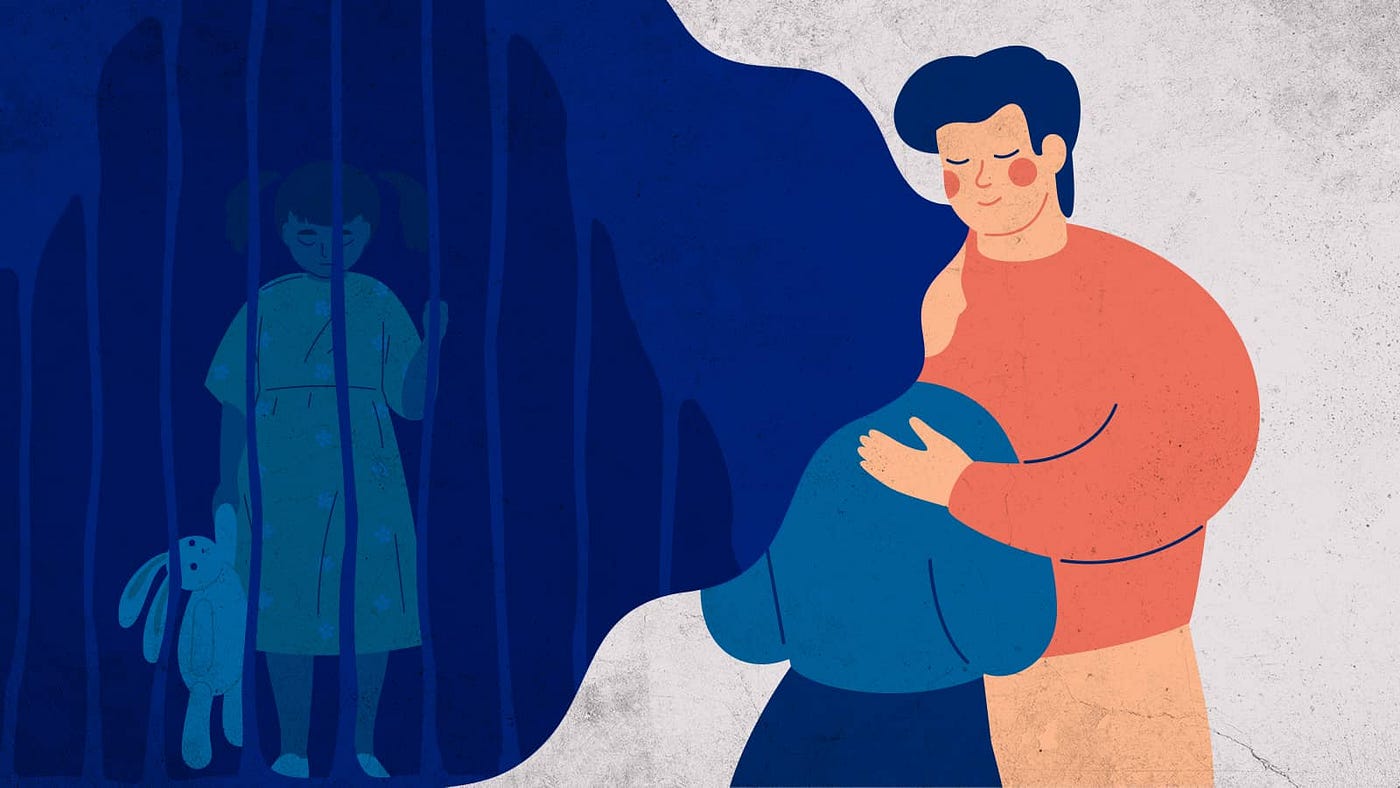
Childhood trauma does not stay confined to childhood. It quietly shapes how we attach, whom we trust, how we express emotions, and how safe vulnerability feels. Early experiences teach the brain what to expect from closeness—whether connection feels comforting or dangerous. In adult relationships, especially intimate ones, these early survival patterns resurface automatically, influencing reactions, expectations, and emotional responses before conscious thought can intervene.
What Is Childhood Trauma?
Childhood trauma refers to overwhelming experiences during early life that exceeded a child’s capacity to cope emotionally or psychologically. Trauma is not defined only by what happened—such as abuse or conflict—but also by what was missing, including safety, consistency, emotional attunement, and protection.
A child’s nervous system depends on caregivers to help regulate fear, distress, and emotions. When that support is absent or unpredictable, the child adapts in ways that ensure survival—but those adaptations can later interfere with healthy relationships.
Childhood trauma can include:
-
Emotional neglect or invalidation
Feelings being ignored, dismissed, or minimized -
Chronic criticism or rejection
Being made to feel inadequate, unworthy, or “too much” -
Exposure to conflict, abuse, or instability
Living in environments marked by fear, chaos, or unpredictability -
Parentification or role reversal
Taking on adult responsibilities or emotional caretaking too early -
Inconsistent caregiving or abandonment
Not knowing when support will be available—or if it will come at all -
Growing up with emotionally unavailable caregivers
Parents who were physically present but emotionally distant or overwhelmed
Attachment theory, first developed by John Bowlby, explains how these early caregiving experiences shape our internal beliefs about love, safety, and connection. From childhood, we learn whether others are reliable, whether our needs matter, and whether closeness feels safe—or threatening. These beliefs often continue to guide relationships well into adulthood, especially during moments of vulnerability.
Why Relationships Trigger Old Wounds
Close relationships activate the same emotional and attachment systems that developed in childhood. When intimacy increases, the nervous system does not evaluate the situation only through logic or the present moment—it automatically scans for danger based on earlier experiences. What once helped a child survive becomes the lens through which adult relationships are interpreted.
As a result:
-
A partner’s silence may feel like abandonment, even if no rejection is intended
-
Conflict may feel threatening rather than solvable, triggering panic, anger, or shutdown
-
Emotional closeness may feel unsafe, leading to withdrawal or self-protection
-
Independence may feel like emotional distance, stirring fear of being left or replaced
These reactions often appear sudden or intense, but they are not overreactions. They are trauma responses—the nervous system responding to past relational wounds rather than present-day reality.
Understanding this helps replace self-criticism with compassion. The body is not trying to sabotage connection; it is trying to protect itself based on what it learned long ago.
Common Ways Childhood Trauma Appears in Adult Relationships
1. Fear of Abandonment
You may constantly worry that your partner will leave, lose interest, or replace you. This can lead to clinginess, reassurance-seeking, or emotional panic during minor conflicts.
2. Emotional Avoidance or Shutdown
Some adults learned early that expressing emotions led to rejection or punishment. As a result, they withdraw, go numb, or shut down during emotional moments.
3. People-Pleasing and Overgiving
You may prioritize your partner’s needs while neglecting your own, believing that love must be earned through sacrifice or usefulness.
4. Difficulty Trusting
Even in healthy relationships, you may expect betrayal, inconsistency, or disappointment—making it hard to fully relax or feel secure.
5. Repeating Familiar Dynamics
Trauma often draws people toward what feels familiar, not what is healthy. This can result in relationships that mirror childhood patterns of neglect, control, or emotional unavailability.
6. Intense Reactions to Conflict
Disagreements may trigger panic, rage, or collapse. The body reacts as if survival is at stake, even when the issue is minor.
7. Losing Yourself in Relationships
You may struggle to maintain boundaries, identity, or autonomy—fearing that being yourself will lead to rejection.
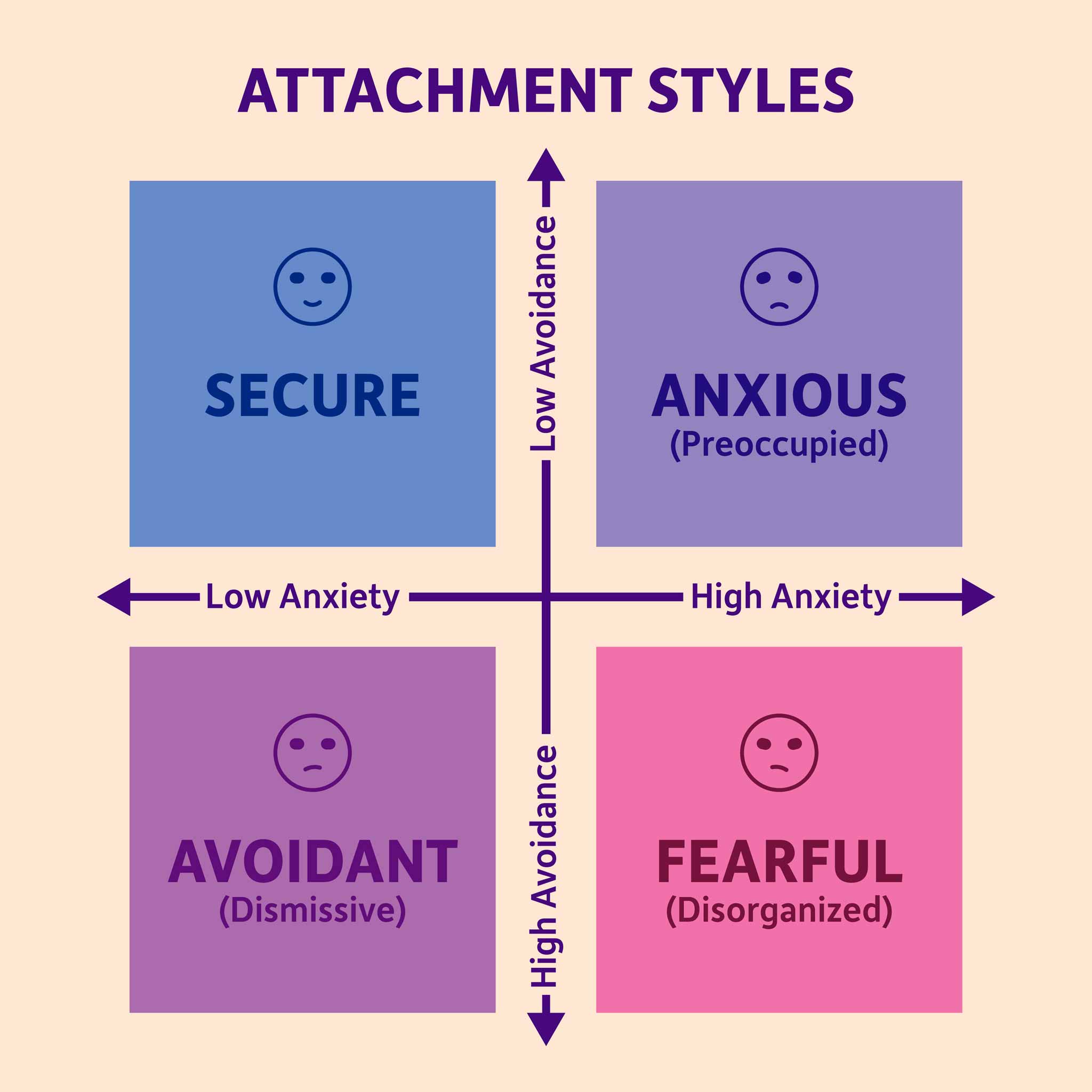
Attachment Styles and Trauma
Trauma often shapes attachment patterns:
-
Anxious attachment → fear of abandonment, emotional hypervigilance
-
Avoidant attachment → discomfort with closeness, emotional distancing
-
Fearful-avoidant attachment → craving intimacy while fearing it
These patterns are adaptive responses to early experiences—not personal flaws.
The Nervous System’s Role
Trauma does not live only in memory or thought—it also lives in the nervous system. Long after the original experiences have passed, the body can continue to react as if danger is still present. When something in a relationship feels familiar to past pain, the nervous system activates automatically, often before conscious awareness.
When triggered, the body may shift into survival responses such as:
-
Fight – anger, defensiveness, blaming, or sudden emotional intensity
-
Flight – avoidance, emotional distancing, withdrawing, or leaving situations
-
Freeze – numbness, shutdown, dissociation, or feeling stuck
-
Fawn – people-pleasing, appeasing, over-agreeing to maintain safety
These responses are not choices or personality flaws. They are learned survival strategies that once helped protect you.
Understanding the nervous system’s role reduces shame and self-criticism. Instead of asking “What’s wrong with me?”, you can begin to ask, “What is my body trying to protect me from?”—and respond with greater self-compassion.
How Childhood Trauma Affects Communication
Trauma can make it difficult to engage in relationships with openness and ease, especially during moments of emotional closeness or conflict. When past wounds are activated, the nervous system prioritizes protection over connection.
As a result, trauma can make it hard to:
-
Express needs directly, fearing rejection, conflict, or being “too much”
-
Tolerate vulnerability, because openness once felt unsafe or led to pain
-
Listen without defensiveness, as the body braces for threat rather than understanding
-
Feel safe during emotional conversations, even with caring or supportive partners
Because of this, many relationship conflicts are not truly about communication skills or wording. They are about emotional safety—whether the nervous system feels secure enough to stay present, open, and connected.
Healing Childhood Trauma in Relationships
Healing does not mean finding a “perfect” partner. It means learning to respond differently to old wounds.
Steps Toward Healing
1. Build Awareness
Notice patterns without judgment. Ask, “What does this situation remind me of?”
2. Regulate the Nervous System
Grounding techniques, breathwork, and somatic practices help calm trauma responses.
3. Develop Secure Boundaries
Boundaries create safety, not distance.
4. Practice Emotional Expression
Learn to name feelings and needs without fear or apology.
5. Choose Safe Relationships
Healing happens in relationships that offer consistency, respect, and repair.
6. Seek Trauma-Informed Therapy
Attachment-based or trauma-focused therapy provides support in processing early wounds safely.
A Gentle Reframe
If your relationships feel hard, it does not mean you are broken.
It means your nervous system learned to survive before it learned to feel safe.
Childhood trauma taught you strategies that once protected you.
Healing teaches you that connection no longer has to hurt.
You are not “too much.”
You are responding to what you learned.
And with awareness, safety, and support—new patterns are possible.
Frequently Asked Questions (FAQ)
1. Can childhood trauma affect adult relationships even years later?
Yes. Childhood trauma shapes the nervous system and attachment patterns. These early adaptations often resurface in adult relationships, especially during intimacy or conflict.
2. Why do I react so strongly to small relationship issues?
Strong reactions often reflect trauma responses rather than the present situation. The nervous system responds to familiar emotional threats based on past experiences.
3. Is fear of intimacy linked to childhood trauma?
Yes. When closeness felt unsafe or unpredictable in childhood, intimacy in adulthood can trigger fear, avoidance, or emotional shutdown.
4. Why do I repeat the same unhealthy relationship patterns?
Trauma tends to pull people toward what feels familiar, even if it is painful. Familiarity often feels safer than the unknown, despite the cost.
5. Can healthy relationships help heal trauma?
Yes. Safe, consistent relationships that allow repair, boundaries, and emotional presence can support healing—but awareness and inner work are essential.
6. Does trauma always come from abuse?
No. Trauma can also result from emotional neglect, inconsistency, parentification, or unmet emotional needs—even in families that appeared “normal.”
7. Can therapy help with relationship trauma?
Absolutely. Trauma-informed and attachment-based therapies help regulate the nervous system, process past wounds, and build healthier relational patterns.
Written by Baishakhi Das
Counselor | Mental Health Practitioner
B.Sc, M.Sc, PG Diploma in Counseling
Reference
-
American Psychological Association – Trauma and Relationships
https://www.apa.org/topics/trauma -
National Institute of Mental Health – Trauma-Related Disorders
https://www.nimh.nih.gov/health/topics/post-traumatic-stress-disorder-ptsd -
John Bowlby – Attachment Theory
https://www.simplypsychology.org/bowlby.html -
van der Kolk, B. (2014). The Body Keeps the Score
https://www.penguinrandomhouse.com/books/220644/ -
Siegel, D. J. (2012). The Developing Mind
https://www.guilford.com/books/The-Developing-Mind/Daniel-Siegel/9781462542758