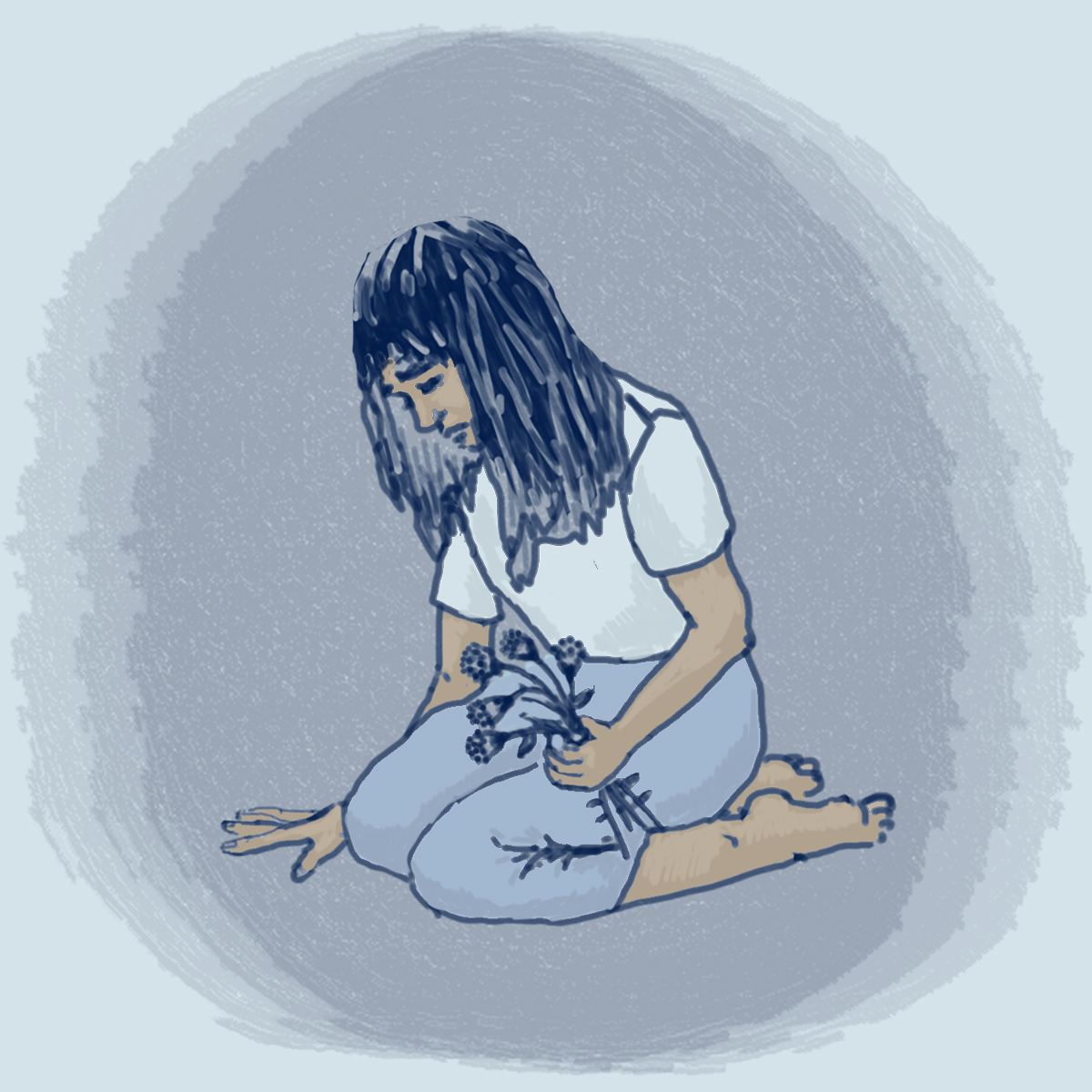
How Childhood Emotional Neglect Affects Adults

https://res.cloudinary.com/psychwire/image/upload/v1594102052/pw-client-uploads/ih1hfuxdufzxk4cmmfbl.jpg

Childhood Emotional Neglect (CEN) is not about what happened to a child, but about what didn’t happen. It occurs when a child’s emotional needs—such as validation, comfort, empathy, and attention—are repeatedly ignored or minimized by caregivers. While basic needs like food, shelter, and education may be met, the child’s inner emotional world remains unseen and unsupported.

Unlike abuse, emotional neglect is subtle and often unintentional, leaving no visible scars. Because nothing obviously “wrong” occurred, it frequently goes unnoticed. However, this ongoing lack of emotional attunement can deeply affect development, teaching the child to suppress feelings, become overly self-reliant, or believe their emotions don’t matter. Over time, this quiet absence can shape emotional well-being, relationships, and self-worth well into adulthood.

Understanding Childhood Emotional Neglect

Children depend on caregivers not only for food, shelter, and safety, but also for emotional guidance, reassurance, and connection. When parents are emotionally unavailable, dismissive, consistently busy, or preoccupied with their own struggles, a child’s emotional experiences may go unnoticed. Over time, the child may grow up feeling unseen, unheard, or emotionally unimportant.

As a result, emotionally neglected children often internalize painful but powerful beliefs such as:

  • “My feelings don’t matter.”
  • “I shouldn’t need help or support.”
  • “Something is wrong with me for feeling this way.”

These beliefs become part of their inner narrative and often carry into adulthood. They can shape how individuals experience emotions, relate to others, ask for support, and perceive their own worth—often without realizing the root lies in early emotional neglect.

Emotional Effects in Adulthood

One of the most common outcomes of childhood emotional neglect is emotional numbness. Many adults find it difficult to recognize, name, express, or even fully experience their emotions. Feelings may seem confusing, overwhelming, or distant, leading to a sense of being emotionally “shut down.”

Other emotional effects often include:

  • A persistent sense of emptiness or loneliness
  • Difficulty feeling joy, excitement, or satisfaction, even during positive experiences
  • Suppressed anger or unexplained sadness that appears without a clear reason
  • Guilt or shame for having emotional needs or wanting support

Because emotions were ignored or invalidated in childhood, many adults learn to disconnect from their feelings as a way to protect themselves. While this coping strategy once helped them survive emotionally, it can later limit emotional awareness, connection, and overall well-being.

Impact on Self-Esteem and Identity

Adults who experienced childhood emotional neglect often grow up without a clear or stable sense of self. Because their emotions were not acknowledged or valued, they may struggle to trust their own thoughts, feelings, and abilities. As a result, they may:

  • Constantly doubt themselves or their decisions
  • Rely heavily on external validation and approval
  • Feel “not good enough” despite achievements or success
  • Struggle with self-compassion and emotional kindness toward themselves

Since their feelings were never validated in childhood, they may learn to invalidate themselves in adulthood. This often shows up as harsh self-criticism, perfectionism, or an ongoing pressure to prove their worth, making it difficult to feel truly confident or secure in who they are.

Relationship Difficulties
https://images.squarespace-cdn.com/content/v1/624caf4ae8ab5b1a9759d517/179190b8-833e-480c-897d-33eec6eef46c/Screenshot%2B2025-01-07%2Bat%2B5.32.31%E2%80%AFPM.png
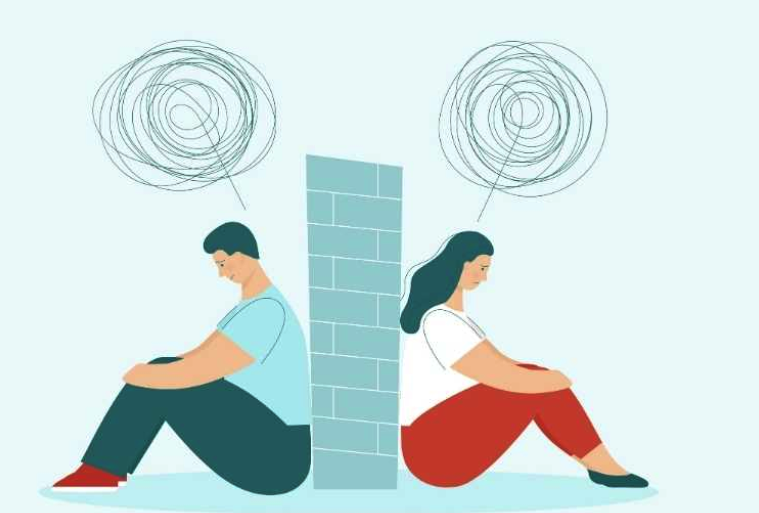
Childhood emotional neglect significantly affects adult relationships. Common patterns include:
  • Fear of emotional intimacy
  • Difficulty trusting others
  • Avoiding vulnerability
  • Becoming overly independent or emotionally dependent
  • People-pleasing to avoid rejection

Adults may either withdraw emotionally or cling to relationships, both rooted in unmet emotional needs from childhood.

Mental Health Consequences

Although childhood emotional neglect is subtle and often overlooked, it can significantly increase vulnerability to mental health difficulties in adulthood. When emotional needs go unmet for long periods, individuals may have fewer internal resources to cope with stress and emotional challenges.

Common mental health consequences include:

  • Anxiety and ongoing, chronic stress
  • Depression or persistent low mood
  • Low emotional resilience and difficulty coping with setbacks
  • Burnout and emotional exhaustion from constant self-reliance

Because their emotional needs were never acknowledged or responded to, many adults find it hard to ask for support. They may believe they should “handle everything alone,” viewing help-seeking as weakness rather than a healthy and necessary part of emotional well-being.

Why Childhood Emotional Neglect Often Goes Unnoticed

Many adults find it difficult to recognize or acknowledge childhood emotional neglect because it doesn’t fit the typical image of trauma. Often, their childhood appeared “normal” or even “privileged” from the outside.

Common reasons it goes unnoticed include:

  • Parents provided food, education, and material comfort
  • There was no obvious abuse, violence, or major trauma
  • Caregivers may have been well-intentioned or loving in practical ways

However, emotional neglect can exist even in caring and functional families. It is not defined by what caregivers did wrong, but by what was missing emotionally. The absence of emotional attunement—being seen, understood, and emotionally supported—can leave a lasting impact, even when no harm was intentionally done.

Healing from Childhood Emotional Neglect

Healing from childhood emotional neglect is possible, and awareness is the first and most important step. Once you recognize how early emotional experiences shaped you, change becomes achievable and empowering.

Recovery often involves:

  • Learning to identify, understand, and name your emotions
  • Validating your own feelings instead of dismissing them
  • Developing self-compassion and reducing self-criticism
  • Building emotionally safe and supportive relationships
  • Seeking therapy or counseling when additional guidance is needed

A powerful part of healing is emotional reparenting—learning to give yourself the care, empathy, protection, and validation you may not have received in childhood. Over time, this process can restore emotional connection, strengthen self-worth, and lead to deeper, healthier relationships.

Final Thoughts

Childhood Emotional Neglect does not define who you are, but it can help explain emotional patterns you may have struggled with for years. Understanding its impact allows you to move away from self-blame and toward self-awareness and compassion. Emotional needs are not weaknesses—they are a fundamental part of being human. Learning to acknowledge, express, and honor them is a powerful step toward healing, deeper connection, and lasting emotional well-being.

Frequently Asked Questions (FAQ) 

1. What is Childhood Emotional Neglect (CEN)?
CEN occurs when a child’s emotional needs—such as empathy, validation, and comfort—are consistently unmet by caregivers.

2. Is emotional neglect the same as abuse?
No. Abuse involves harmful actions, while emotional neglect involves the absence of emotional responsiveness.

3. Can emotional neglect happen in loving families?
Yes. Even well-meaning parents may unintentionally neglect emotional needs due to stress, mental health issues, or lack of awareness.

4. How is CEN different from emotional abuse?


Emotional abuse includes criticism or rejection; CEN is about emotional absence or lack of attunement.

5. Why don’t people remember emotional neglect clearly?
Because nothing overtly traumatic happened—there was simply something missing, making it harder to identify.

6. What are common adult signs of CEN?
Emotional numbness, low self-esteem, difficulty expressing feelings, people-pleasing, and fear of vulnerability.

7. Can CEN cause anxiety or depression?
Yes. Long-term emotional invalidation can increase vulnerability to anxiety, depression, and chronic stress.

8. Does CEN affect relationships?
Often yes. Adults may struggle with intimacy, trust, boundaries, or emotional communication.

9. Can CEN lead to perfectionism?


Yes. Many people try to earn validation through achievement because emotional validation was missing in childhood.

10. Is it too late to heal from emotional neglect?
No. Healing is possible at any age with awareness, self-work, and support.

11. What is emotional reparenting?
It means learning to give yourself the care, validation, and emotional safety you lacked growing up.

12. How does therapy help with CEN?
Therapy helps identify emotional patterns, build emotional awareness, and develop healthier coping and relationships.

13. Can CEN affect physical health?


Indirectly, yes—chronic stress and emotional suppression can impact sleep, immunity, and overall well-being.

14. Is emotional neglect always intentional?
No. Most cases are unintentional and stem from caregivers’ own limitations.

15. What is the first step toward healing?
Recognizing and validating your emotional experiences without minimizing them.

Written by Baishakhi Das

Counselor | Mental Health Practitioner
B.Sc, M.Sc, PG Diploma in Counseling

Reference

  1. Jonice Webb, PhD – Childhood Emotional Neglect
    https://drjonicewebb.com

  2. American Psychological Association – Emotional Neglect
    https://www.apa.org

  3. National Institute of Mental Health (NIMH)
    https://www.nimh.nih.gov

  4. Psychology Today – Childhood Emotional Neglect Articles
    https://www.psychologytoday.com

  5. NHS – Childhood Trauma and Emotional Well-being
    https://www.nhs.uk

  6. Psychology Theories Explained Through Bollywood Characters

This topic performs well due to rising searches around men’s mental health, workplace stress, and burnout recovery. Combining emotional insight with practical steps increases engagement and trust.


Attachment Styles in Adult Relationships

A Deep Psychological Explanation with Clinical Insight

https://www.simplypsychology.org/wp-content/uploads/attachment-working-models.jpg

Attachment styles shape how we love, connect, fight, withdraw, cling, trust, and fear loss in adult relationships. Many relationship struggles are not about incompatibility—but about attachment wounds replaying themselves in adulthood.

Rooted in attachment theory, developed by John Bowlby and expanded by Mary Ainsworth, this framework explains how early emotional bonds become internal working models that guide adult intimacy.

This article explores attachment styles in depth, with a modern, relational, and counseling-oriented lens.

What Is Attachment Theory?

Attachment theory proposes that human beings are biologically wired for connection. From birth, survival depends not only on food and shelter, but on emotional closeness, protection, and responsiveness from significant others—primarily caregivers in early life.

According to attachment theory, children are constantly (and unconsciously) asking three fundamental questions through their experiences with caregivers:

  • Am I lovable and worthy of care?

  • Are others reliable and emotionally available?

  • Is closeness safe, or does it lead to pain, rejection, or loss?

The answers to these questions are not learned through words—but through repeated emotional experiences.

How Attachment Beliefs Form in Childhood

When caregivers are:

  • Emotionally responsive

  • Consistent

  • Attuned to distress

the child learns that:

  • Their needs matter

  • Emotions are safe to express

  • Relationships provide comfort

When caregivers are:

  • Inconsistent

  • Emotionally unavailable

  • Dismissive, frightening, or unpredictable

the child adapts by developing protective strategies—such as clinging, suppressing needs, or staying hyper-alert to rejection.

These adaptations are not conscious choices. They are nervous-system-level learning meant to preserve connection and survival.

Internal Working Models: The Emotional Blueprint

Over time, these early experiences form what attachment theory calls internal working models—deeply ingrained emotional templates about:

  • The self (“Who am I in relationships?”)

  • Others (“What can I expect from people?”)

  • Intimacy (“What happens when I get close?”)

These models operate automatically and shape:

  • Emotional reactions

  • Relationship expectations

  • Conflict behavior

  • Fear of abandonment or intimacy

Attachment Styles in Adulthood

As individuals grow, attachment needs do not disappear—they shift from caregivers to romantic partners, close friends, and significant relationships.

In adulthood, attachment styles become most visible when:

  • There is emotional vulnerability

  • Conflict arises

  • Distance, rejection, or loss is perceived

  • Commitment deepens

This is why romantic relationships often feel so intense—they activate early attachment memories, not just present-day experiences.

A Crucial Clarification

Attachment styles are adaptive, not pathological.
They reflect how a person learned to survive emotionally in their earliest relationships.

What once protected the child may later:

  • Create anxiety

  • Cause emotional distance

  • Lead to repeated relationship patterns

But because attachment is learned, it can also be relearned and healed—through awareness, safe relationships, and therapeutic work.

Key Insight

Attachment theory reminds us that:

Adult relationship struggles are often not about the present partner—
but about old emotional questions still seeking safer answers.

Understanding attachment theory is the first step toward breaking unconscious patterns and building emotionally secure relationships.

The Four Main Attachment Styles in Adults

Secure attachment

This style is characterized by a deep sense of inner safety in relationships. Adults with secure attachment hold the belief that they are worthy of love, that others are generally reliable, and that emotional closeness is safe rather than threatening. This style typically develops when caregivers in childhood were emotionally responsive, consistent, and available during moments of distress.

As a result, the nervous system learns to expect comfort rather than rejection in close relationships. In adulthood, securely attached individuals are comfortable with both intimacy and independence. They communicate their needs openly, regulate emotions effectively during conflict, and are able to give and receive support without losing their sense of self. One of the strongest psychological strengths of secure attachment is the ability to repair after conflict—disagreements do not threaten the bond, but are experienced as manageable and temporary.

Anxious (preoccupied) attachment

This style develops when early caregiving was inconsistent or emotionally unpredictable—sometimes nurturing, sometimes unavailable. The child learns that love is uncertain and must be closely monitored. As adults, individuals with anxious attachment often believe they may be abandoned and that reassurance is necessary to feel safe. Closeness becomes strongly associated with security, which can lead to heightened emotional sensitivity.

In relationships, this shows up as fear of abandonment, overthinking messages or tone, and a constant need for reassurance. Self-soothing is difficult, so emotional regulation often depends on the partner’s responses. Common behaviors include clinging, people-pleasing, and emotional protest such as crying, anger, or threats of leaving. Internally, anxiously attached adults often feel “too much,” emotionally dependent, and chronically insecure—even when they are loved and cared for.

Avoidant (dismissive) attachment

This style is shaped by childhood environments where caregivers were emotionally distant, dismissive of feelings, or overly critical and demanding. In such settings, the child learns that expressing needs leads to rejection or disappointment, and that self-sufficiency is the safest strategy.

Adults with avoidant attachment tend to believe they can only rely on themselves, that needing others is risky, and that closeness threatens autonomy or control. In relationships, they often feel uncomfortable with emotional intimacy and struggle to express vulnerability. They value independence highly, withdraw during conflict, and may shut down emotionally when situations become intense. Common patterns include emotional distancing, avoiding difficult conversations, minimizing personal needs, or ending relationships when intimacy deepens. Although they may appear confident and self-reliant, avoidantly attached individuals often feel overwhelmed by emotions, fearful of dependence, and uncomfortable when others rely on them.

Fearful-avoidant (disorganized) attachment

It reflects a profound inner conflict around closeness. It often develops in the context of childhood trauma, abuse, neglect, or caregiving that was both comforting and frightening. In these early experiences, the child learns that the source of safety is also a source of fear, creating deep confusion.

Adults with fearful-avoidant attachment hold contradictory beliefs: they long for closeness but experience it as dangerous, associate love with pain, and struggle to know whom to trust. In relationships, this results in intense attraction followed by sudden withdrawal, push–pull dynamics, and difficulty trusting even loving partners. Emotional volatility is common. Behaviors may include sudden shutdowns, self-sabotage, and simultaneous fear of intimacy and abandonment. Internally, these individuals experience a powerful longing for connection mixed with fear, shame, and confusion, making relationships feel both deeply desired and deeply threatening.

Together, these attachment styles explain why people respond so differently to intimacy, conflict, and emotional closeness in adult relationships—and why many relationship struggles are rooted not in the present, but in early emotional learning.


Attachment Styles in Relationship Dynamics

Anxious + Avoidant: The Pursue–Withdraw Cycle

  • Anxious partner seeks closeness

  • Avoidant partner withdraws

  • Anxiety increases → pursuit intensifies

  • Avoidance deepens → distance grows

This cycle feels intense and addictive—but is emotionally exhausting.

Secure + Insecure

Secure partners can offer co-regulation, but only if boundaries and awareness exist.

Attachment Styles and Mental Health

Unresolved attachment wounds often manifest as:

  • Anxiety disorders

  • Depression

  • Trauma responses

  • Emotional dysregulation

  • Codependency

  • Fear of intimacy or abandonment

Many relationship conflicts are attachment triggers, not actual relationship problems.

Can Attachment Styles Change?

Yes. Attachment styles are learned—and therefore modifiable.

Healing occurs through:

  • Emotionally safe relationships

  • Therapy (especially attachment-informed or trauma-informed)

  • Developing self-awareness

  • Learning emotional regulation

  • Corrective relational experiences

Earned secure attachment is possible—even after trauma.

Attachment Styles in Counseling Practice

In therapy, attachment work involves:

  • Identifying attachment patterns

  • Understanding emotional triggers

  • Regulating the nervous system

  • Reworking internal working models

  • Practicing safe emotional expression

The therapeutic relationship itself often becomes the first secure base.

Key Takeaway

Attachment styles explain why love can feel safe, overwhelming, distant, or terrifying.

Relationships don’t trigger us randomly.
They activate old attachment memories asking to be healed.

Understanding your attachment style is not about blame—it is about awareness, compassion, and change.

Frequently Asked Questions (FAQ)

1. What are attachment styles in adult relationships?

Attachment styles are patterns of emotional bonding formed in early childhood that influence how adults experience intimacy, trust, conflict, and emotional closeness in relationships.


2. Can attachment styles change in adulthood?

Yes. Attachment styles are learned patterns, not fixed traits. Through self-awareness, emotionally safe relationships, and therapy, individuals can develop earned secure attachment.


3. What is the most common attachment style?

Secure attachment is the healthiest but not always the most common. Many adults show anxious, avoidant, or fearful-avoidant patterns due to early relational experiences.


4. Why do anxious and avoidant partners attract each other?

Anxious and avoidant styles often form a pursue–withdraw cycle, where one seeks closeness and the other seeks distance. The pattern feels familiar at a nervous-system level, even when it is distressing.


5. How do attachment styles affect conflict in relationships?

Attachment styles shape how people respond to threat:

  • Anxious styles intensify emotions to regain closeness

  • Avoidant styles withdraw to regain control

  • Secure styles seek repair and communication


6. Is attachment theory only about romantic relationships?

No. While attachment styles are most visible in romantic relationships, they also influence friendships, family dynamics, parenting, and even therapeutic relationships.


7. How does therapy help with attachment issues?

Therapy provides a secure relational space where clients can explore emotions, regulate the nervous system, and revise internal working models through corrective emotional experiences.

Written by Baishakhi Das

Counselor | Mental Health Practitioner
B.Sc, M.Sc, PG Diploma in Counseling


Reference 

Why Jab We Met Is So Relatable: A Psychological Analysis of Aditya, Geet & Their Emotional Compatibility

Even years after its release, Jab We Met continues to feel deeply personal for audiences. It is quoted, revisited, and emotionally remembered not just as a romantic film, but as a mirror to our inner emotional world.
The reason for this timeless relatability lies not in grand romance — but in psychological truth.

At its core, Jab We Met is not a love story.
It is a story of two nervous systems, two attachment styles, and two wounded individuals finding emotional balance through connection.

Why Does Jab We Met Feel So Personal?

Most Bollywood romances idealize love. Jab We Met humanizes it.

People don’t relate to Aditya and Geet because they are perfect —
they relate because they are emotionally real.

  • Aditya represents emotional shutdown, burnout, and silent suffering.

  • Geet represents emotional intensity, impulsivity, and hidden insecurity.

Together, they reflect the two extremes most people oscillate between at different phases of life.

Aditya Kashyap: The Silent, Emotionally Wounded Personality

1. Psychological Profile of Aditya

Aditya begins the movie emotionally withdrawn, numb, and directionless. Psychologically, this reflects:

  • Situational depression

  • Emotional suppression

  • Learned helplessness

  • Loss of self-worth after relational rejection

He is not weak — he is emotionally exhausted.

2. Personality Traits

  • Introverted

  • Highly conscientious

  • Responsible and disciplined

  • Emotionally intelligent but emotionally closed

Aditya feels deeply but does not express pain outwardly. This inward processing is often misinterpreted as coldness, but in psychology, it reflects internalized coping.

3. Attachment Style: Secure but Temporarily Wounded

Despite his shutdown, Aditya shows signs of a secure attachment style:

  • He does not chase validation

  • He respects boundaries

  • He offers emotional safety

  • He remains stable during emotional chaos

His silence is not avoidance — it is emotional overload.

4. Aditya’s Growth Arc: Post-Traumatic Growth

Through Geet, Aditya experiences post-traumatic growth:

  • Reconnecting with joy

  • Regaining confidence

  • Rediscovering purpose

  • Reclaiming emotional expression

He does not change his personality —
he returns to himself.

Geet Dhillon: The Loud, Emotionally Intense Personality

1. Psychological Profile of Geet

Geet is expressive, impulsive, energetic, and emotionally driven. But beneath her confidence lies:

  • Fear of rejection

  • Fear of abandonment

  • Emotional dependency

  • Identity tied to relationships

Her loudness is not arrogance — it is emotional survival.

2. Personality Traits

  • Highly extroverted

  • Emotion-focused decision making

  • Expressive and spontaneous

  • Emotionally sensitive

Geet feels everything at full intensity — joy, love, excitement, and pain.

3. Attachment Style: Anxious-Preoccupied

Geet perfectly reflects the anxious attachment style:

  • Seeks reassurance

  • Fears being left

  • Loves intensely

  • Struggles with emotional regulation

Her positivity, jokes, and constant talking act as defense mechanisms to mask insecurity.

4. Emotional Collapse: When the Mask Breaks

When Geet’s relationship collapses, her entire identity collapses with it. This moment reveals a key psychological truth:

Loud people don’t feel less — they feel more.

Her breakdown shows emotional burnout, grief, and abandonment trauma surfacing once her emotional anchor disappears.

Why Aditya and Geet Work Together: Compatibility Psychology

1. Secure + Anxious Attachment Compatibility

Psychologically, their bond works because:

  • Geet’s anxious attachment finds safety in Aditya’s secure presence

  • Aditya’s emotional numbness is softened by Geet’s warmth

  • One regulates emotion; the other activates emotion

This is co-regulation, not dependence.

2. Emotional Balance, Not Emotional Rescue

Aditya does not “save” Geet.
Geet does not “fix” Aditya.

Instead:

  • Geet helps Aditya feel again

  • Aditya helps Geet feel safe

Healthy relationships don’t change personalities —
they stabilize nervous systems.

3. Anchor & Fire Dynamic

  • Aditya is the anchor — grounding, steady, calm

  • Geet is the fire — energetic, expressive, passionate

Fire without an anchor burns out.
An anchor without fire stays unmoved.

Together, they create emotional balance.

Why Modern Audiences Still Relate

In today’s world:

  • Many people feel emotionally numb like Aditya

  • Many feel emotionally overwhelmed like Geet

Jab We Met validates both experiences without judgment.

It shows:

  • You don’t need to be emotionally perfect to be loved

  • Healing happens through safety, not intensity

  • Emotional maturity is quieter than passion

The Deeper Message of Jab We Met

The film subtly teaches that:

  • Love should calm your nervous system, not confuse it

  • Emotional safety is more powerful than emotional drama

  • Compatibility is psychological, not just romantic

Conclusion: A Love Story That Heals, Not Hurts

Jab We Met remains relatable because it reflects real emotional struggles:

  • Silent suffering

  • Emotional chaos

  • Attachment wounds

  • Healing through connection

Aditya and Geet are not ideal lovers.
They are emotionally human — and that’s why they stay with us.

Sometimes love doesn’t arrive to excite you —
it arrives to regulate you.

Reference

Attachment Theory

Psychology Today – Attachment Styles
https://www.psychologytoday.com/us/basics/attachment

Verywell Mind – Anxious vs Secure Attachment
https://www.verywellmind.com/attachment-styles-2795344