Mental Health Warning Signs Every Man Should Know

Introduction: The Signs Men Are Taught to Ignore

Mental health problems in men often go unnoticed—not because they don’t exist, but because they don’t look the way society expects them to. Men are frequently taught to stay strong, push through pain, and keep emotions under control. As a result, many men dismiss early warning signs of mental distress until their lives, relationships, or physical health are seriously affected.

Globally, men are less likely to seek psychological help, yet they face higher risks of suicide, substance dependence, untreated depression, and chronic stress-related illness. According to the World Health Organization, men are significantly underrepresented in mental health services despite carrying a heavy burden of psychological distress.

This article outlines the most important mental health warning signs every man should know, why these signs are often misunderstood, and when professional support becomes essential.

Why Men’s Mental Health Warning Signs Look Different

Men do experience depression, anxiety, trauma, and burnout—but their symptoms are often externalized rather than internalized.

Instead of crying or openly expressing sadness, men may show distress through:

  • Anger or irritability

  • Emotional shutdown

  • Overworking

  • Risk-taking behavior

  • Physical complaints

Because these signs don’t match common stereotypes of mental illness, many men—and those around them—fail to recognize them as serious warning signals.

1. Persistent Irritability and Anger

What It Looks Like

  • Short temper

  • Frequent arguments

  • Road rage

  • Explosive reactions to small issues

Why It Matters

In men, anger is often a masked form of depression or anxiety. Chronic irritability is not just a personality trait—it can signal emotional overload and poor stress regulation.

Unaddressed anger increases the risk of:

  • Relationship breakdown

  • Workplace conflict

  • Hypertension and heart disease

2. Emotional Numbness or Detachment

What It Looks Like

  • Feeling “empty” or disconnected

  • Inability to feel joy or sadness

  • Indifference toward relationships

  • Lack of emotional response

Why It Matters

Emotional numbness is a common trauma and depression response. Many men mistake numbness for strength or control, but it often indicates emotional shutdown due to prolonged stress.

This state reduces empathy, intimacy, and life satisfaction.

3. Withdrawal From Family and Friends

What It Looks Like

  • Avoiding social interaction

  • Spending excessive time alone

  • Reduced communication

  • Canceling plans repeatedly

Why It Matters

Social withdrawal is one of the strongest predictors of worsening mental health. Human connection acts as a buffer against stress, and isolation intensifies emotional pain.

4. Changes in Sleep Patterns

What It Looks Like

  • Difficulty falling or staying asleep

  • Early morning waking

  • Excessive sleeping

  • Night-time restlessness

Why It Matters

Sleep disturbances are both a cause and symptom of mental health problems. Chronic sleep deprivation impairs emotional regulation, increases irritability, and worsens anxiety and depression.

According to the National Institute of Mental Health, persistent sleep problems significantly increase the risk of mood and anxiety disorders.

5. Increased Use of Alcohol, Nicotine, or Substances

What It Looks Like

  • Drinking to relax or sleep

  • Increased smoking or vaping

  • Using substances to “switch off”

Why It Matters

Many men self-medicate emotional pain through substances rather than seeking help. While this may provide temporary relief, it worsens mental health over time and increases dependence risk.

Substance use is often a coping mechanism—not the core problem.

6. Physical Complaints Without Clear Medical Cause

What It Looks Like

  • Headaches

  • Body pain

  • Digestive issues

  • Chronic fatigue

Why It Matters

Men are more likely to seek medical help for physical symptoms than emotional distress. However, chronic stress and anxiety often manifest physically through the nervous system.

When medical tests show no clear cause, mental health should be assessed.

7. Loss of Interest or Motivation

What It Looks Like

  • Disinterest in hobbies

  • Reduced work motivation

  • Feeling “stuck”

  • Lack of drive

Why It Matters

This is a core symptom of depression. Men often interpret it as laziness or burnout, ignoring the emotional roots.

Loss of motivation often reflects emotional exhaustion, hopelessness, or internal pressure.

8. Overworking and Inability to Rest

What It Looks Like

  • Excessive work hours

  • Difficulty relaxing

  • Feeling guilty when resting

  • Using work to avoid emotions

Why It Matters

Overworking can be a socially acceptable way to avoid emotional distress. While productivity may increase temporarily, it often leads to burnout, health problems, and emotional collapse.

9. Risk-Taking and Reckless Behavior

What It Looks Like

  • Dangerous driving

  • Gambling

  • Unsafe sexual behavior

  • Financial impulsivity

Why It Matters

Risk-taking can be an unconscious attempt to feel something when emotionally numb or overwhelmed. It is a serious warning sign, especially when it appears suddenly or escalates.

10. Difficulty Expressing or Identifying Emotions

What It Looks Like

  • Saying “I don’t know how I feel”

  • Limited emotional vocabulary

  • Avoiding emotional conversations

Why It Matters

Many men were never taught emotional literacy. Difficulty naming emotions increases stress, miscommunication, and emotional buildup.

Therapy helps men develop emotional awareness without forcing vulnerability.

11. Persistent Anxiety or Overthinking

What It Looks Like

  • Constant worry

  • Restlessness

  • Racing thoughts

  • Muscle tension

Why It Matters

Anxiety in men often goes undiagnosed because it may appear as irritability, perfectionism, or control issues rather than fear.

Chronic anxiety exhausts the nervous system and increases burnout risk.

12. Feelings of Worthlessness or Failure

What It Looks Like

  • Harsh self-criticism

  • Feeling like a burden

  • Comparing self to others

  • Shame around income or success

Why It Matters

Men often tie self-worth to achievement and financial stability. When these areas are threatened, mental health deteriorates rapidly.

These thoughts are major risk factors for depression and suicide.

13. Thoughts of Escape, Death, or Disappearance

What It Looks Like

  • “I want everything to stop”

  • Fantasizing about disappearing

  • Passive death wishes

Why It Matters

These thoughts are serious warning signs that require immediate professional attention.

The American Psychiatric Association emphasizes that suicidal thoughts may not always involve active planning but still signal high psychological distress.

Why Men Delay Seeking Help

Men often delay support due to:

  • Fear of appearing weak

  • Shame

  • Belief they should handle it alone

  • Lack of emotional language

  • Stigma around therapy

Unfortunately, delaying care often makes recovery harder and longer.

When to Seek Professional Help

A man should seek professional support if:

  • Symptoms persist longer than two weeks

  • Relationships or work are affected

  • Substance use increases

  • Emotional numbness or anger escalates

  • There are thoughts of self-harm

Early intervention saves lives and prevents long-term damage.

How Therapy Helps Men

Modern therapy is:

  • Structured

  • Skill-based

  • Goal-oriented

Approaches like Cognitive Behavioral Therapy (CBT) help men:

  • Understand stress patterns

  • Regulate emotions

  • Reduce anger and anxiety

  • Improve relationships

Therapy is not about weakness—it is about learning tools for resilience.

How Families and Society Can Help

  • Stop shaming emotional expression

  • Encourage open conversations

  • Normalize mental health care

  • Model healthy coping behaviors

Changing how we talk about men’s mental health changes outcomes for future generations.

Conclusion: Awareness Is the First Step

Mental health warning signs in men are often loud in behavior but silent in emotion. Anger, withdrawal, overwork, and physical symptoms are not character flaws—they are signals of distress.

Recognizing these signs early allows men to:

  • Seek timely support

  • Protect relationships

  • Prevent burnout and illness

  • Build healthier emotional lives

Mental health is not a weakness.
Ignoring warning signs is.

Frequently Asked Questions (FAQ)

1. Why are mental health warning signs often missed in men?

Men are often taught to suppress emotions and stay “strong,” which causes distress to appear as anger, withdrawal, or physical symptoms instead of sadness. Because these signs don’t match common mental health stereotypes, they are frequently overlooked.


2. Are anger and irritability signs of mental health problems in men?

Yes. Persistent anger, frustration, or irritability in men is often a masked form of depression, anxiety, or chronic stress. These reactions signal emotional overload rather than a personality issue.


3. Can physical symptoms be related to mental health issues?

Absolutely. Headaches, body pain, digestive problems, fatigue, and sleep disturbances can be physical expressions of psychological stress. Men often seek medical help for these symptoms without realizing mental health is involved.


4. How do men experience depression differently from women?

Men may experience depression as:

  • Emotional numbness

  • Irritability or anger

  • Loss of motivation

  • Overworking or risk-taking

  • Substance use

Unlike women, men may not openly express sadness or cry.


5. When should a man seek professional mental health support?

A man should seek help if symptoms:

  • Last more than two weeks

  • Affect work or relationships

  • Include increased substance use

  • Cause emotional numbness or anger outbursts

  • Involve thoughts of self-harm or escape

Early help prevents long-term consequences.


6. Is emotional numbness a serious warning sign?

Yes. Emotional numbness often indicates prolonged stress, trauma, or depression. While it may feel like control, it actually reflects emotional shutdown and reduced nervous system regulation.


7. Do sleep problems indicate mental health issues?

Yes. Chronic insomnia, frequent waking, or excessive sleep are strongly linked to anxiety, depression, and burnout. According to the National Institute of Mental Health, sleep disturbance is one of the most common early indicators of mental health disorders.


8. Why do men often turn to alcohol or substances instead of therapy?

Many men use substances to self-medicate emotional pain because seeking emotional support feels unsafe or stigmatized. Unfortunately, this worsens mental health over time and increases dependence risk.


9. Can workaholism be a sign of poor mental health?

Yes. Overworking is often a socially accepted way to avoid emotional distress. When rest feels uncomfortable or guilt-inducing, it may indicate burnout, anxiety, or emotional avoidance.


10. Are mood changes always linked to mental illness?

Not always, but persistent or worsening mood changes—such as irritability, withdrawal, or hopelessness—should never be ignored. These are warning signals that emotional needs are not being met.


11. What role does childhood experience play in men’s mental health?

Men who experienced emotional neglect, harsh discipline, or abuse may struggle with emotional awareness and regulation in adulthood. These early experiences can increase vulnerability to stress, anger, and burnout.


12. Can therapy help men who struggle to talk about feelings?

Yes. Therapy does not require men to be “emotional.” Structured approaches like Cognitive Behavioral Therapy (CBT) focus on thoughts, behaviors, and coping skills, making therapy accessible even for emotionally reserved men.


13. Are suicidal thoughts always obvious in men?

No. Men may experience passive thoughts such as wanting to disappear or feeling life is meaningless, without openly expressing suicidal intent. According to the World Health Organization, these subtle signs still indicate high risk and need immediate attention.


14. How can families support men showing warning signs?

Families can help by:

  • Avoiding judgment or shaming

  • Encouraging conversation without pressure

  • Normalizing mental health care

  • Supporting professional help

Supportive environments significantly improve outcomes.


15. What is the most important step in protecting men’s mental health?

Awareness and early action. Recognizing warning signs early and responding with support—rather than silence—prevents long-term mental and physical harm.

Reference

American Psychiatric Association. (2022). Diagnostic and Statistical Manual of Mental Disorders (5th ed., text rev.; DSM-5-TR).
American Psychiatric Publishing.
🔗 https://www.psychiatry.org/psychiatrists/practice/dsm

World Health Organization. (2022). Mental health of men and boys.
🔗 https://www.who.int/news-room/fact-sheets/detail/mental-health-of-men-and-boys

National Institute of Mental Health. (2023). Men and mental health.
🔗 https://www.nimh.nih.gov/health/topics/men-and-mental-health

Beck, J. S. (2011). Cognitive behavior therapy: Basics and beyond (2nd ed.).
Guilford Press.
🔗 https://www.guilford.com/books/Cognitive-Behavior-Therapy/Judith-S-Beck/9781609185046

Courtenay, W. H. (2000). Constructions of masculinity and their influence on men’s well-being.
Social Science & Medicine, 50(10), 1385–1401.
🔗 https://doi.org/10.1016/S0277-9536(99)00390-1

Maslach, C., & Leiter, M. P. (2016). Understanding the burnout experience: Recent research and its implications for psychiatry.
World Psychiatry, 15(2), 103–111.
🔗 https://doi.org/10.1002/wps.20311

Signs of Depression in Men: What to Look For (and What to Do Next)

Panic Attack vs Anxiety Attack: Key Differences, Symptoms & Treatment


Many people use the terms panic attack and anxiety attack interchangeably, but in reality, they are two different experiences. While both involve intense fear, physical symptoms, and emotional distress, they differ in their triggers, intensity, duration, and how suddenly they appear. Understanding these differences is essential because it helps individuals recognize what they are going through and choose the most effective way to manage it.

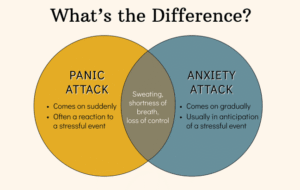
A panic attack often appears suddenly and without warning, reaching peak intensity within minutes. It can feel overwhelming, frightening, and physically alarming—so much so that many people mistake it for a heart attack or medical emergency. Anxiety attacks, on the other hand, build gradually, usually in response to stress, worry, or a triggering situation. They may last longer and feel more emotionally exhausting rather than sharply intense.

Recognizing whether you are experiencing a panic attack or an anxiety attack allows you to better understand your mind and body. It also helps mental health professionals provide the right support and develop effective coping strategies.

What Is a Panic Attack?

A panic attack is a sudden and intense episode of fear or discomfort that reaches its peak within minutes. It often occurs unexpectedly, even during calm moments, and may not have any clear or identifiable trigger. Because panic attacks come on so quickly and forcefully, they can feel overwhelming and often lead individuals to believe something is seriously wrong.

People who experience panic attacks commonly describe the episode as feeling like:

  • “I thought I was dying.”
  • “Felt like I was losing control.”
  • “I couldn’t breathe.” 

These descriptions highlight how frightening and distressing a panic attack can be. Even though panic attacks are not life-threatening, they feel extremely real and can leave a person feeling shaken long after the episode has passed.

Common Symptoms of a Panic Attack

Panic attacks involve a combination of extreme physical and psychological symptoms, including:

  • Sudden, overwhelming fear: An intense wave of terror appears abruptly with no clear reason.
  •  Rapid heartbeat or chest pain: Many people feel heart palpitations or tightness, leading them to fear a cardiac event.
  • Shortness of breath: Breathing may feel shallow or difficult, creating a sensation of suffocation.
  • Dizziness or faintness: A person may feel lightheaded, unsteady, or as if they may faint.
  • Sweating or chills: Sudden temperature changes or clammy skin are common.
  • Trembling or shaking: Hands or the whole body may shake uncontrollably.
  • Numbness or tingling:  Sensations often occur in the hands, feet, or face due to hyperventilation.
  • Feeling detached from reality: Some people experience derealization (feeling like things are unreal) or depersonalization (feeling disconnected from oneself).
  • Fear of going crazy or losing control: A terrifying sense that one might scream, faint, or collapse. 

Panic attacks typically last 10–20 minutes, but the emotional shock, exhaustion, and fear of another attack can linger for hours. Over time, this fear may lead individuals to avoid certain places or situations, sometimes developing into panic disorder if left untreated.

What Is an Anxiety Attack?

“Anxiety attack” is not an official clinical term in diagnostic manuals like the DSM-5, but it is widely used to describe a period of intensified anxiety that builds up gradually over time. Unlike panic attacks—which strike suddenly—anxiety attacks usually occur in response to a specific stressor, worry, or ongoing pressure.

An anxiety attack often starts with mild worry or tension that slowly becomes stronger, eventually leading to physical and emotional distress. The person may feel overwhelmed, unable to relax, or mentally drained.

Unlike panic attacks, anxiety attacks:

  • Develop slowly
    The symptoms build over minutes, hours, or even days.
  • Are linked to a specific trigger or thought
    Such as work pressure, relationship problems, health fears, or financial stress.
  • Are less intense but longer-lasting
    They don’t usually reach the sharp, sudden peak of panic attacks.
  • Feel like prolonged worry or fear
    The mind stays active and restless, often replaying fears repeatedly.

Common Symptoms of an Anxiety Attack

Anxiety attacks involve a mix of emotional and physical symptoms, often tied to ongoing stress:

  • Excessive Worry: Persistent fear or overthinking about a specific problem or a future event.
  • Restlessness: Feeling unable to sit still, constantly tense, or “on edge.”
  •  Feeling Overwhelmed: A sense that everything is too much to handle, even simple tasks.
  • Irritability: Heightened sensitivity to stress, frustration, or minor inconveniences.
  • Muscle Tension: Stiffness or tightness in the neck, shoulders, jaw, or back.
  • Trouble Concentrating: Difficulty focusing due to intrusive or racing thoughts.
  • Rapid Heartbeat: An elevated heart rate that may increase with worry or stress.
  • Difficulty Sleeping: Struggling to fall asleep or waking repeatedly because of anxious thoughts.
  • Stomach Discomfort: Nausea, indigestion, bloating, or IBS-like symptoms.

Anxiety attacks can last for hours or even days, depending on the stress level and the intensity of the underlying worry. Although they may not feel as dramatic as panic attacks, they are emotionally draining and can significantly impact daily life if not addressed.

⭐ Key Differences Between Panic Attacks and Anxiety Attacks

Feature Panic Attack Anxiety Attack
Onset Sudden, unexpected Gradual, builds over time
Triggers Often none Clear stressor/worry
Intensity Very intense Mild–moderate
Duration 10–20 minutes Hours to days
Symptoms Physical, severe Emotional + physical
Feeling Loss of control, fear of dying Overthinking, dread
After-effects Exhaustion, trembling Tiredness, irritability


Why Do They Happen?

Causes of Panic Attacks

Panic attacks can occur suddenly and may feel unpredictable, but they often stem from deeper biological and psychological factors. Some of the most common causes include:

  • Genetics: A family history of anxiety, panic disorder, or other mental health conditions increases the likelihood of experiencing panic attacks.
  • Chronic Stress: Long-term stress can overload the nervous system, making the body more reactive and prone to sudden fear responses.
  • Traumatic Experiences: Past trauma, such as accidents, loss, abuse, or major life changes, can heighten sensitivity to internal and external triggers.
  • Overactive Fight-or-Flight Response: Panic attacks occur when the body’s survival system activates too strongly or without a real threat. This leads to rapid heartbeat, shortness of breath, and intense fear.
  • Thyroid or Hormonal Imbalance: Medical conditions—such as hyperthyroidism, hormonal fluctuations, or adrenal issues—can trigger physical sensations that mimic or provoke panic attacks.

Causes of Anxiety Attacks

Anxiety attacks typically develop in response to ongoing stress or emotional pressure. They arise more gradually and are often associated with persistent worry.

  • Continuous Worry: Chronic overthinking about everyday challenges—work, health, family—can build up and lead to an anxiety attack.
  • Work or Study Pressure: Deadlines, high expectations, exams, or demanding responsibilities can cause sustained anxiety that intensifies over time.
  • Relationship Stress: Conflicts, misunderstandings, or emotional distance in relationships can lead to emotional tension and worry.
  • Financial Concerns: Money-related stress—such as bills, job insecurity, or debt—often contributes to ongoing anxiety.
  • Health Fears: Worrying excessively about symptoms, illnesses, or medical conditions can trigger anxiety attacks.
  • Overthinking or Perfectionism: Individuals who set extremely high standards for themselves or constantly replay situations in their mind are more vulnerable to developing anxiety attacks.

Examples

Real-life scenarios can help clarify the difference between panic attacks and anxiety attacks. Here are two simple but powerful examples that demonstrate how each one typically occurs.

Panic Attack Example

Rina is walking through a busy shopping mall on a normal afternoon. Without any warning, she suddenly feels her heart pounding rapidly, her chest tightening, and her breathing becoming shallow. A wave of dizziness hits her, and she believes she might faint or collapse. Terrified, she rushes outside, convinced she is having a heart attack.
Within minutes, the episode reaches its peak and slowly begins to ease, leaving her exhausted and shaken.
This experience is a classic panic attack—sudden, intense, and overwhelming.

Anxiety Attack Example

Aman has an important exam approaching. Over several days, he constantly worries about whether he will perform well. He struggles to sleep, his mind replaying “what if” thoughts. He feels tense, restless, and irritable, and he notices increasing stomach discomfort.
His anxiety gradually intensifies as the exam date gets closer, making it difficult to focus or relax.
This slow, stress-linked buildup is typical of an anxiety attack, which develops over time and is tied to a specific worry or situation.

Treatment Options

Treatment Options for Panic and Anxiety Attacks

Both panic attacks and anxiety attacks are highly treatable with the right combination of therapy, lifestyle adjustments, and professional support. Treatment helps individuals understand their symptoms, regain control, and reduce the frequency and intensity of future episodes.

Cognitive Behavioural Therapy (CBT)

CBT is one of the most effective treatments for both panic and anxiety attacks.
It helps individuals:

  • Identify and challenge fearful or irrational thoughts
  • Break the cycle of catastrophic thinking
  • Learn healthier coping skills
  • Reduce the tendency to expect the worst 

CBT empowers individuals to understand how thoughts influence emotions and physical sensations, making attacks less frequent and less intense over time.

Exposure Therapy (Especially for Panic Triggers)

Exposure therapy is particularly helpful for panic attacks related to specific fears, such as crowded places, driving, or physical sensations.
It involves:

  • Gradually facing feared situations or sensations
  • Reducing avoidance behaviors
  • Desensitizing the body’s fight-or-flight response

Over time, exposure decreases sensitivity to triggers and builds confidence.

Medication (If Needed)

For some individuals, medication can be an important part of treatment. A psychiatrist may prescribe:

  • SSRIs (Selective Serotonin Reuptake Inhibitors)
  • SNRIs (Serotonin-Norepinephrine Reuptake Inhibitors)
  • Short-term anti-anxiety medications (in specific situations)

Medication helps stabilize mood, reduce fear responses, and support progress in therapy.

Mindfulness and Relaxation Techniques

These techniques calm the nervous system and help manage symptoms during stressful moments:

  • Deep breathing to slow down racing heart and breathing
  • Grounding exercises such as the 5-4-3-2-1 sensory method
  • Progressive muscle relaxation to release built-up tension

Practicing these regularly can reduce attack intensity and improve emotional regulation.

Lifestyle Changes

Healthy daily habits support long-term anxiety reduction:

  • Reducing caffeine, which can trigger jitteriness or rapid heartbeat
  • Improving sleep with a consistent routine and relaxation techniques
  • Regular exercise to release endorphins and reduce stress
  • Journaling to process thoughts and reduce overthinking
  • Limiting stress triggers by setting boundaries and adjusting workload

These changes strengthen emotional resilience and help prevent future episodes.

screenshot 2025 11 21 175502

When to Seek Help

It’s important to understand that occasional anxiety is a part of life, but frequent panic or anxiety attacks are not something you should manage alone. Professional support can provide clarity, reassurance, and effective strategies to regain control.

You should consult a mental health professional if:

  • Panic or anxiety attacks happen frequently: Recurring episodes may indicate an underlying condition that requires proper diagnosis and treatment.
  • You avoid places out of fear: Avoidance—such as skipping social events, public spaces, driving, or crowded places—can signal that anxiety is beginning to control your daily choices.
  • Symptoms interfere with daily life: If your work, studies, relationships, or routine tasks are affected by constant worry or fear, it’s time to seek support.
  • You feel constantly overwhelmed: Persistent emotional overload, restlessness, or difficulty coping with stress are strong signs that professional guidance would be beneficial.
  • Physical symptoms feel severe or frightening: Chest tightness, rapid heartbeat, shortness of breath, dizziness, or numbness can feel alarming. If these symptoms occur repeatedly, a mental health evaluation can help rule out medical conditions and address anxiety effectively.

Why Early Support Matters

Early intervention helps prevent anxiety from becoming chronic or more disruptive. With timely help—through therapy, lifestyle changes, and coping strategies—most people experience significant improvement and learn to manage their emotions with confidence.

Reaching out is not a sign of weakness; it is a proactive step toward rebuilding calm, strength, and balance in your life.

Final Thoughts

While panic attacks and anxiety attacks share several overlapping symptoms, understanding the difference between them is essential for effective management and long-term healing. Knowing whether your symptoms come on suddenly and intensely (panic attack) or build gradually in response to stress (anxiety attack) helps you respond appropriately and seek the right kind of support.

The hopeful reality is that both conditions are highly treatable. With the right combination of therapy, healthy lifestyle changes, and ongoing professional guidance, individuals can significantly reduce the frequency and intensity of these episodes. Approaches like CBT, grounding exercises, mindfulness, and stress management can make a meaningful difference in everyday life.

If you or someone you know is struggling with persistent fear, overwhelming worry, or sudden bursts of panic, remember that you are not alone—and you do not have to manage it by yourself. Reaching out for help is the first step toward regaining control, rebuilding confidence, and restoring emotional balance.

Healing begins when you take that step.

Frequently Asked Questions (FAQs)

1. What is the difference between a panic attack and an anxiety attack?

A panic attack is sudden and intense with no clear trigger, while an anxiety attack builds gradually due to stress or worry.

2. How long does a panic attack last?

Panic attacks usually peak within 10–20 minutes but may leave lingering exhaustion.

3. How long does an anxiety attack last?

Anxiety attacks can last for hours or even days depending on stress levels.

4. Can anxiety attacks turn into panic attacks?

Yes, prolonged anxiety can sometimes escalate into a panic attack if stress becomes overwhelming.

5. Are panic attacks dangerous?

No, panic attacks are not life-threatening, but they can feel very intense and frightening.

6. What triggers panic attacks?

Triggers include stress, trauma, genetics, or an overactive fight-or-flight response, sometimes without any clear reason.

7. What triggers anxiety attacks?

Anxiety attacks are usually triggered by stress, overthinking, work pressure, or emotional concerns.

8. How can I stop a panic attack quickly?

Deep breathing, grounding techniques, and reminding yourself that the feeling will pass can help calm a panic attack.

9. What is the best treatment for panic and anxiety attacks?

Cognitive Behavioural Therapy (CBT), relaxation techniques, lifestyle changes, and medication (if needed) are effective treatments.

10. When should I seek professional help?

You should seek help if attacks are frequent, severe, or interfere with daily life.

Reference 

  1. Anxiety & Depression Association of America (ADAA):  https://adaa.org/
  2. About Us Page: https://monoprovacounselling.in/ 
  3. Contact / Book Appointment: https://monoprovacounselling.in/contact-us/ 
  4. World Health Organization (WHO) – Mental Health:  https://www.who.int/health-topics/mental-health

This article is written for knowledge purposes, aiming to help readers understand the topic better and gain useful insights for learning and awareness.