


Introduction
Many people think they stay in toxic or abusive relationships because they are weak or confused. But psychology explains something deeper:
A trauma bond is not a choice—it is a survival response created through emotional abuse, intermittent reinforcement, and attachment wounds.
Trauma bonds form when:
-
Love is mixed with fear
-
Affection is mixed with control
-
Validation is mixed with manipulation
-
The person who hurts you is also the one who comforts you
This creates a powerful psychological dependency that feels like love but is actually trauma.
Trauma bonds happen in:
-
Romantic relationships
-
Parent–child relationships
-
Friendships
-
Cults or high-control groups
-
Narcissistic abuse cycles
-
Workplace abuse dynamics
This article explains the psychology behind trauma bonds and the 15 strongest signs you may be stuck in one—along with real clinical explanations.
Section 1: What Is a Trauma Bond? (Psychological Definition)
A trauma bond is a strong emotional attachment that develops between an abuser and a victim due to cycles of abuse, reward, apology, affection, and fear.
This cycle creates:
-
Emotional dependence
-
Learned helplessness
-
Confusion
-
Intense loyalty
-
Difficulty leaving
The psychological roots include:
1. Intermittent Reinforcement (B.F. Skinner)
Unpredictable rewards create the strongest emotional addictions.
2. Attachment Trauma (Bowlby)
The caregiver or partner becomes both the source of fear AND safety.
3. Cognitive Dissonance (Leon Festinger)
The mind creates excuses for harmful behavior to reduce internal conflict.
4. Survival Mode (Fight/Flight/Freeze/Fawn)
The body prioritizes attachment to the abuser for safety.
Trauma bonds are not about love—they are about coercive control + emotional dependency.

Section 2: Why Trauma Bonds Form
Trauma bonds often form because the abuser follows a predictable cycle:
-
Love-bombing
-
Control
-
Criticism
-
Gaslighting
-
Emotional withdrawal
-
Apology + affection
-
Repeat
The unpredictable pattern makes your nervous system feel addicted, constantly seeking the next “good moment.” This unpredictability is what keeps you stuck.
Section 3:
15 Psychology-Backed Signs You Are in a Trauma Bond
1. You Feel Intense Loyalty Toward Someone Who Hurts You
Despite being mistreated, disrespected, or manipulated, you still feel a deep sense of loyalty. You defend them to others, justify their actions, or hide their abusive behavior.
This loyalty is caused by intermittent reinforcement—good moments feel more intense because they follow bad ones.
2. You Rationalize or Minimize Their Behavior
You often think:
-
“They’re not always like this.”
-
“They’re stressed… it’s not their fault.”
-
“No relationship is perfect.”
-
“I’m overreacting.”
Your mind protects you from the pain by rewriting reality.
3. You Feel Addicted to Them (Psychological Addiction)
Trauma bonds activate the same neural pathways as substance addiction.
Signs of addiction include:
-
Craving their attention
-
Withdrawal when they pull away
-
Obsessive thinking
-
Panic when they’re upset
-
Feeling “high” during reconciliations
This isn’t love. It’s dopamine + cortisol + trauma conditioning.
4. You Can’t Leave Even When You Know You Should
Even with:
-
Red flags
-
Abuse
-
Betrayal
-
Lying
-
Emotional neglect
…you feel frozen, stuck, or terrified of leaving.
This is because trauma bonds create a fawn response, where the victim tries to keep the abuser happy to stay safe.
5. You Walk on Eggshells Around Them
You constantly monitor your:
-
Tone
-
Words
-
Behavior
-
Emotions
…to avoid triggering their anger, withdrawal, or punishment.
This is hypervigilance—common in trauma.
6. You Feel Responsible for Their Emotions
Trauma-bonded individuals take responsibility for the abuser’s:
-
Anger
-
Sadness
-
Insecurity
-
Jealousy
-
Stress
-
Outbursts
You feel guilty when THEY behave badly.
7. They Hurt You, Then Comfort You (The “Abuse–Repair” Cycle)
This cycle strengthens trauma bonds:
-
They hurt you
-
You cry or get upset
-
They give affection or apologies
-
You feel relief
-
The emotional “high” creates attachment
This cycle trains your brain to associate pain with love.
8. You Lose Your Identity
Gradually, you:
-
Stop hobbies
-
Lose friendships
-
Ignore personal goals
-
Shrink your personality
-
Adopt their beliefs
The abuser becomes the center of your emotional world.

9. You Feel Confused About What’s Real (Gaslighting)
Gaslighting makes you doubt your:
-
Memory
-
Judgment
-
Feelings
-
Perception
You think:
-
“Maybe I misunderstood.”
-
“Maybe it’s my fault.”
-
“Maybe they didn’t mean it.”
Gaslighting creates mental fog and emotional paralysis.
10. You Believe You Can “Fix” or “Save” Them
You feel responsible for healing their:
-
Trauma
-
Anger
-
Addiction
-
Abandonment issues
-
Emotional wounds
This keeps you invested even when they don’t change.
11. You Fear Their Anger or Silence
Emotional withdrawal can feel like torture. You try to:
-
Over-explain
-
Over-apologize
-
Chase them
-
Fix things instantly
This is because trauma bonds create fear-based attachment.
12. They Give Just Enough Love to Keep You Hopeful
They offer tiny moments of affection, validation, or change that feel huge.
You cling to those moments and believe:
-
“If I love them harder, they’ll change.”
-
“That sweet version of them is the real one.”
This keeps you stuck in the cycle.
13. You Feel Empty, Anxious, or Incomplete Without Them
You may feel:
-
Panic when they pull away
-
Relief when they return
-
Fear of being alone
-
Emotional dependence
The relationship controls your emotional stability.
14. You Keep Their Abuse a Secret
You hide:
-
Their anger
-
Their controlling behavior
-
Their lies or betrayal
-
Emotional or physical abuse
Deep down, you fear judgment or losing the relationship.
15. You Blame Yourself for Everything
Trauma bonds make you feel like:
-
“Maybe I provoked them.”
-
“If I change, they’ll be better.”
-
“It’s my fault they’re upset.”
This is the result of chronic manipulation and emotional conditioning.
Section 4: Why Trauma Bonds Feel Like “True Love”
Psychology calls this traumatic attachment.
You’re not in love with the person—you’re in love with the momentary relief they give after hurting you.
This creates:
1. Dopamine surges
During good moments.
2. Cortisol spikes
During fear, conflict, or chaos.
3. Oxytocin
During intimacy or reconciliation.
The brain becomes chemically dependent on the cycle.
Section 5: Who Is More Likely to Experience Trauma Bonds?
Not because of weakness—but because of conditioning and past wounds.
Psychology shows trauma bonds are more common in:
1. People with anxious attachment
Fear of abandonment keeps them stuck.
2. People with avoidant or disorganized attachment
They feel loved through chaos.
3. People with childhood trauma
Unpredictable parenting normalizes unpredictability in love.
4. Empaths or highly sensitive individuals
They absorb emotional pain and want to heal others.
5. People with low self-worth
They think they don’t deserve better.
Section 6: How Trauma Bonds Form (The 7-Stage Cycle)
1. Love Bombing
Excessive affection, attention, compliments.
2. Trust + Dependency
You open up emotionally.
3. Criticism + Devaluation
Blame, insults, manipulation.
4. Gaslighting
You question your reality.
5. Emotional Withdrawal
Silent treatment, coldness.
6. Reconciliation
Apologies, gifts, affection.
7. Bond Deepens
You become more attached after reconciliation.
The cycle repeats until the victim breaks free.
Section 7: The Psychological Damage of Trauma Bonding
Trauma bonds can lead to:
-
Anxiety
-
Depression
-
Dissociation
-
Nervous system dysregulation
-
Identity loss
-
Attachment wounds
-
CPTSD symptoms
-
Low self-worth
Victims often stay long after the relationship becomes destructive.
Section 8: How to Break a Trauma Bond (Step-by-Step)
Breaking a trauma bond requires:
1. Recognizing the cycle
Awareness dissolves denial.
2. No-contact or low-contact
Distance reduces psychological addiction.
3. Emotional regulation skills
(DBT, grounding, breathing)
4. Relearning self-worth
Therapy, journaling, affirmations.
5. Building a support circle
Friends, therapists, communities.
6. Rebuilding your identity
Hobbies, goals, routines.
7. Healing attachment wounds
CBT + trauma-informed therapy.
Breaking a trauma bond is painful—but healing is possible.
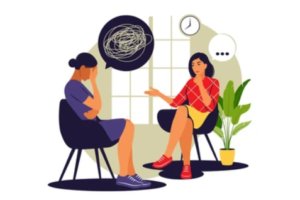
Conclusion: Trauma Bonds Are Strong, But You Are Stronger
Trauma bonds create powerful emotional chains—but chains can be broken.
You are not weak.
You are not to blame.
You did not “choose” the trauma bond.
You adapted to survive.
Psychology shows that with awareness, support, and healing, you can break free and rebuild your life with:
-
Self-worth
-
Clarity
-
Emotional safety
-
Healthy relationships
-
Secure attachment
Your healing is possible—and it begins with understanding.
Reference
APA – Trauma & Trauma Bonds Research
National Institute of Mental Health (NIMH)
Psychology Today – Trauma Bonding
https://www.psychologytoday.com
DBT Skills for Emotional Regulation