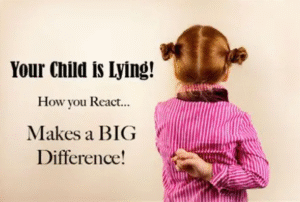
Lying in childhood is a common and developmentally normal behaviour, yet it often triggers strong reactions in parents. When a child hides the truth, denies a mistake, or makes up a story, many parents immediately assume defiance, disrespect, or moral failure. But the reality is far more complex — and far less alarming.
Before interpreting lying as “bad behaviour,” it is essential to understand what lies beneath. Most children do not lie to manipulate or deceive intentionally. Instead, lying usually reflects their stage of growth, their emotional world, or their coping abilities. Sometimes they lie because they are scared. Sometimes because they want approval. Sometimes because they lack the language or confidence to express what they truly feel. And sometimes because their brain is still developing the skills required for self-control, honesty, and decision-making.
Children may also lie to avoid punishment, escape embarrassment, protect themselves from disappointment, or simply because they are experimenting with imagination and storytelling — a normal part of cognitive development. What appears as dishonesty is often a mix of curiosity, fear, unmet emotional needs, and developing social understanding.
That is why labelling a child as a “liar” can be harmful. It misses the deeper psychological reasons behind the behaviour and can create more shame, secrecy, and distance between the parent and the child.
This article explores the major psychological foundations of lying, helping parents see the behaviour through a compassionate and scientific lens. It also offers practical guidance on how to respond with awareness rather than punishment — building trust, emotional safety, and open communication in the parent–child relationship.
1. Fear of Punishment or Blame
Many children lie simply because they are scared of the consequences. When the home environment is strict, loud, or punishment-driven, lying becomes a survival strategy rather than misbehaviour.
Psychological Reason:
Fear triggers the child’s fight-or-flight response. Their brain chooses the quickest escape: avoiding the truth. At this moment, the child is not thinking morally — they are trying to protect themselves from pain, shame, or scolding.
Example:
A child who accidentally breaks a glass may insist, “I didn’t do it!” because telling the truth feels too risky.
2. Desire to Avoid Disappointment
Some children lie not from fear, but from love and emotional attachment. They do not want to upset their parents or feel like a “failure.”
Psychological Reason:
Children are deeply wired to seek approval. When they sense that honesty might cause sadness, anger, or disappointment, they lie to safeguard the emotional bond.
Example:
A child may hide a low grade because they believe their parents will feel hurt or think less of them.
3. Underdeveloped Impulse Control
Young children often lie without thinking. These lies are usually spontaneous, unrealistic, and driven by immediate desire, not intention.
Psychological Reason:
The prefrontal cortex — responsible for planning, self-control, and evaluating consequences — is still developing throughout childhood. This means children often act first, think later.
Example:
A child who wants to keep playing may quickly say, “I brushed my teeth already!” just to avoid interruption.
4. Imagination vs Reality
For children between ages 3 and 7, imagination is powerful. Their brains are developing storytelling skills, symbolic thinking, and creativity.
Psychological Reason:
At this age, magical thinking is normal. They sometimes mix reality with imagination, not to deceive but to express creativity.
Example:
A child saying, “I saw a dragon outside!” isn’t lying — they’re engaging in fantasy play.
5. Gaining Attention
Some children lie to appear impressive or to gain attention from peers or adults.
Psychological Reason:
When children feel overlooked, unimportant, or insecure, they may use exaggerated stories as a tool for belonging or admiration.
Example:
A child may claim, “I have a huge bedroom with 10 toys!” just to feel accepted or noticed.
6. Copying Behavior
Children learn by observing. If lying is present in their environment, they absorb it as a normal social strategy.
Psychological Reason:
Kids naturally imitate adults — not just actions, but also communication patterns. When they see parents use white lies, they internalize the message: “Sometimes lying is okay.”
Example:
If a parent says, “Tell them I’m not home,” the child learns that dishonesty is acceptable in certain situations.
7. Avoiding Difficult Emotions
Children lie to escape uncomfortable feelings such as shame, guilt, embarrassment, or failure.
Psychological Reason:
Kids lack the emotional vocabulary and regulation skills needed to openly admit mistakes. Lying feels easier than facing emotional discomfort.
Example:
A child may say, “Someone took my homework,” instead of admitting they forgot it, because the truth feels too embarrassing.
8. Testing Boundaries and Independence
As children grow — especially during preteen and teenage years — lying may become a way to explore independence or avoid restrictions.
Psychological Reason:
Adolescence brings a strong desire for autonomy. Teens lie to feel in control of their choices or to avoid rules they see as limiting.
Example:
A teenager may lie about their whereabouts to avoid being questioned or restricted.
9. Low Self-Esteem
When children feel inadequate or insecure, they may lie to protect their self-worth or appear more confident.
Psychological Reason:
Lying becomes a defence mechanism. It helps them hide feelings of inferiority or gain social validation.
Example:
A child might pretend they have many friends or achievements to appear “good enough” in front of others.
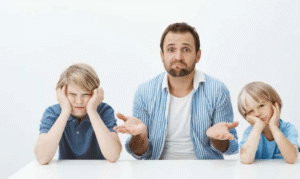
What Parents Should Do Instead of Punishing
Instead of scolding, threatening, or shaming a child for lying, it is far more effective to respond with understanding and emotional safety. These strategies help build trust, strengthen communication, and reduce lying over time.
✔ Create a Safe Environment for Honesty
Children tell the truth when they feel safe. If honesty leads to yelling or punishment, they will naturally hide things.
Gently reassure them:
“You won’t get in trouble for telling the truth. I’m here to help you.”
This lowers fear and encourages open communication.
✔ Stay Calm When They Confess
Your reaction today determines whether they open up tomorrow.
Even if you’re upset, take a breath before responding. When parents remain calm, children learn that honesty does not bring danger or humiliation.
A calm parent builds a brave child.
✔ Teach Emotional Skills
Many lies come from children not knowing how to handle emotions like fear, guilt, or embarrassment.
Help them identify and express feelings:
- “Are you scared I’ll be angry?”
- “It’s okay to make mistakes. Let’s talk about it.”
Emotional literacy reduces the need to lie.
✔ Reduce Harsh Punishments
Punishment doesn’t stop lying — it only stops honesty.
When children fear consequences, they lie more to avoid them. Replace punishment with:
- logical consequences
- problem-solving
- learning opportunities
This teaches responsibility, not fear.
✔ Model Honesty
Children copy what they see. If adults use small lies (“white lies”) frequently, kids internalize that dishonesty is normal.
Show honesty in everyday life:
- Admit mistakes
- Keep promises
- Avoid lying in front of them
Your behaviour becomes their handbook.
✔ Praise Honesty
Whenever your child tells the truth — especially in difficult moments — appreciate it genuinely.
“Thank you for telling the truth. That shows courage and maturity.”
Positive reinforcement encourages more honest behaviour in the future.
✔ Identify Why They Lied
Every lie has an emotional or situational root. Instead of focusing only on the lie, explore the reason behind it.
Ask gently:
- “What made it hard to tell the truth?”
- “Were you scared or worried?”
Understanding the motive helps you address the real issue — whether it’s fear, insecurity, impulse, or pressure.

When Lying Becomes a Concern
It’s important for parents to remember that occasional lying is a normal part of childhood development. However, there are certain signs that indicate the behaviour may need deeper attention. If lying becomes persistent, intense, or begins to impact the child’s daily functioning, it may reflect underlying emotional or behavioural challenges.
Here are situations where lying should not be ignored:
🔴 Lying is frequent and manipulative
If a child regularly lies on purpose to control situations, deceive others, or avoid responsibility, it may signal deeper emotional struggles or unmet needs.
🔴 The child lies without guilt or remorse
A complete lack of guilt, empathy, or awareness of consequences may indicate a disconnect with emotional understanding or social norms, which needs professional evaluation.
🔴 Lying affects school, friendships, or family trust
When dishonesty begins to damage relationships — for example, teachers losing trust, friends distancing themselves, or constant conflict at home — it becomes a serious concern.
🔴 Lying is used to hide risky or harmful behaviour
If the child lies to cover actions like stealing, aggression, self-harm, substance use, or unsafe peer activities, immediate support is important.
🔴 Lying comes with aggression, anxiety, or behavioural issues
Sometimes lying appears alongside issues like tantrums, defiance, withdrawal, excessive fear, or emotional dysregulation. This often indicates that the lie is just a symptom of a larger problem.

When to Seek Help
If any of these signs are present, consulting a child psychologist can provide clarity. A trained professional can assess emotional, behavioural, and developmental factors and guide parents with appropriate strategies.
Early support helps children build honesty, emotional regulation, and healthier coping skills.
Final Message for Parents
Lying is rarely a sign of disrespect. In most cases, it reflects fear, self-protection, immature skills, or emotional struggles. Children lie when they feel unsafe, overwhelmed, or unsure of how to express the truth. When parents shift from punishment to understanding, children naturally feel more secure opening up.
A calm conversation, gentle guidance, and emotional safety build honesty far more effectively than anger or criticism. When children feel accepted — even in their mistakes — they learn to trust you with the truth.
📞 Contact Us for Guidance or Support
If you need personalised help, guidance for your child, or want to book a counselling session, feel free to reach out:
Reference
-
American Psychological Association (APA) – Child development
https://www.apa.org/topics/child-development -
Child Mind Institute – Understanding Children’s Behaviour
https://childmind.org/topics/concerns/behavior-problems/ -
CDC – Child Development Milestones
https://www.cdc.gov/ncbddd/childdevelopment/ -
UNICEF – Positive Parenting Resources
https://www.unicef.org/parenting