Work–Life and Personal Life Balance: A Psychological Perspective
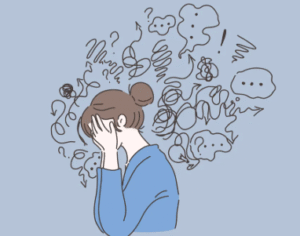
In today’s fast-paced world, work–life balance has evolved into far more than a trendy phrase—it has become a psychological necessity for emotional stability and long-term well-being. Modern life demands constant multitasking, quick decision-making, and continuous connectivity. As a result, the boundaries between professional duties and personal needs often blur. This overlap creates a chronic state of cognitive and emotional strain, making it difficult for the mind to maintain inner equilibrium.
From emails that follow us home to responsibilities that spill into family time, our brains rarely get the chance to fully switch off. Such boundaryless living activates prolonged stress responses, affecting mood, sleep, and relationships. To prevent these effects, it is essential to understand the psychological mechanisms—such as role conflict, emotional exhaustion, attention fatigue, and the need for mental detachment—that shape our daily experiences.
By gaining insight into how our minds respond to competing demands, we can make informed choices, set healthier boundaries, and create a lifestyle that supports both personal fulfillment and professional growth. Ultimately, understanding work–life balance from a psychological perspective allows us to build routines that are not only productive but also emotionally nourishing and sustainable.
What Is Work–Life Balance?
From a psychological perspective, work–life balance refers to the ability to manage professional responsibilities and personal life roles in a way that protects mental well-being, emotional stability, and overall life satisfaction. It is not about giving equal time to both areas, but about ensuring that neither overwhelms your psychological resources. Psychologists often explain this balance through three important concepts:
-
a) Role Conflict
Role conflict occurs when the demands of two different roles—such as being an employee, parent, spouse, or caregiver—compete with each other. When these roles clash, it creates internal stress because the mind cannot fulfill both expectations at the same time.
Example:
Imagine Rina, a working mother. She has an important office presentation at 10 AM, but her child’s school calls saying her son is sick and needs to be picked up immediately. Both roles—“professional employee” and “mother”—demand her presence at the same time. Rina feels guilty, anxious, and stressed because she cannot meet both expectations. This is classic role conflict.
-
b) Role Overload
Role overload happens when the number of tasks or responsibilities exceeds a person’s internal capacity—their time, energy, or emotional resources. When overload continues for long periods, it often leads to emotional exhaustion and burnout.
Example:
Take Arjun, who works in a corporate office. His manager expects him to complete multiple deadlines in one week. At the same time, Arjun’s family is preparing for a festival, and he is responsible for organizing some arrangements at home. He sleeps late, multitasks constantly, and has no time to rest or enjoy. He feels overwhelmed, irritated, and mentally drained. Arjun is experiencing role overload.
-
c) Psychological Detachment
Psychological detachment is the ability to mentally “switch off” from work during personal time. It is an essential recovery process that allows the brain to rest, recharge emotional systems, and rebuild cognitive capacity. Without detachment, even leisure time fails to feel relaxing.
Example:
Consider Meghna, a teacher. After returning home, she continues checking school emails, worrying about lesson plans, or replaying conversations with students. Even while having dinner with her family, her mind is still “at work.” Although she is physically at home, psychologically she has not detached. Over time, this reduces her quality of sleep, increases irritability, and makes her feel constantly tired.
Why These Concepts Matter
Understanding these three psychological factors helps individuals identify the root cause of imbalance. Whether it is conflicting expectations, too many responsibilities, or the inability to disconnect from work, recognizing these patterns allows for meaningful change. By becoming aware of these dynamics, people can take steps toward healthier boundaries, better emotional regulation, and a more fulfilling life.

2. Why Balance Matters: Psychological Impacts
-
a) Mental Health
When work and personal life fall out of balance, the first area to suffer is mental health. A continuous imbalance activates the body’s stress response system, leading to chronic stress, anxiety, irritability, emotional exhaustion, and eventually burnout. Over time, this prolonged pressure disrupts sleep, lowers motivation, and affects self-esteem.
Balanced routines—such as taking breaks, having downtime, maintaining boundaries, and engaging in hobbies—help regulate the nervous system. They allow the brain to reset, reduce cortisol levels, and build emotional resilience, enabling individuals to bounce back from stress more effectively.
Example:
After working 10–12 hours for weeks, Soham begins experiencing headaches, irritability, and restlessness. He finds it difficult to sleep and becomes sensitive to minor issues. When he finally takes a few days off, sleeps properly, and spends time with friends, his mood stabilizes and his anxiety decreases. His body and mind simply needed recovery.
-
b) Emotional Regulation
Emotional regulation refers to the ability to manage and respond to emotional experiences in a healthy way. When we have time to rest, connect with loved ones, and recharge our energy, the brain becomes more capable of handling emotional stressors.
Without personal time, we become more reactive, impatient, and emotionally sensitive. Work pressure alone is not the problem—the lack of recovery is.
Example:
Priya works late every day and barely gets time to relax. One evening, her partner asks a simple question about dinner, and she snaps. Her outburst isn’t about the question; it reflects emotional overload due to nonstop work. After she begins taking short evening walks and turns off work notifications after 7 PM, her emotional reactions become more balanced.
-
c) Cognitive Functioning
A well-balanced lifestyle significantly enhances brain performance. Individuals who maintain healthy boundaries tend to show:
- Better focus
- Higher productivity
- Improved decision-making
- Increased creativity
This is because rest and personal time give the brain opportunities to integrate information, strengthen neural networks, and restore cognitive resources.
Excessive work hours, on the other hand, lead to cognitive fatigue, which weakens concentration, slows processing speed, and reduces the ability to think clearly.
Example:
Rahul, a software developer, works continuously on a coding project for 16 hours. By night, he begins making silly mistakes that take more time to fix. The next morning, after proper sleep, he solves the same problems in just 30 minutes. His cognitive functioning improves simply due to rest.

-
d) Relationships & Social Well-Being
Human beings are inherently social. When work-life imbalance restricts personal time, relationships start to suffer. Lack of meaningful interaction reduces empathy, increases misunderstandings, and heightens conflict. On the other hand, quality personal time helps strengthen connections, improves communication, and deepens emotional bonds.
Healthy relationships act as a psychological buffer, supporting mental stability and emotional well-being.
Example:
Nisha and her partner rarely spend time together because she brings work home every night. They begin arguing frequently, feeling disconnected and distant. When Nisha starts dedicating her weekends to family time and stops working after 8 PM, their communication improves and conflicts reduce. Her personal life directly contributes to her emotional well-being.
3. Psychological Factors Influencing Work–Life Balance
-
Personality Traits
Personality plays a significant role in shaping how individuals manage work–life balance.
Type A Personalities
People with Type A traits—highly competitive, achievement-driven, perfectionistic, and time-urgent—often struggle to slow down. They push themselves excessively, set unrealistic standards, and may feel guilty when resting. This increases their risk of burnout and emotional exhaustion.
Example:
Ritika, a perfectionistic manager, stays late to ensure every detail of a presentation is flawless. Even after leaving office, she keeps thinking about corrections. Her personality makes it difficult to step away from work, creating chronic imbalance.
Agreeable & Conscientious Personalities
Individuals high in agreeableness (cooperative, understanding) and conscientiousness (organized, responsible) tend to handle multiple roles more smoothly. They plan ahead, communicate well, and can maintain boundaries without conflict.
Example:
Naveen, a conscientious teacher, schedules tasks efficiently. He completes schoolwork during work hours and spends evenings with family. His natural planning ability supports a healthy balance.

-
Emotional Intelligence (EI)
Emotional Intelligence is a critical psychological skill that influences how people navigate stress, boundaries, and relationships.
People with high EI can:
- Set appropriate boundaries without guilt
- Express their needs clearly at work and home
- Manage stress using healthy strategies
- Recognize emotional signals in themselves and others
Such individuals typically maintain stronger personal relationships, avoid burnout, and respond to conflict more calmly.
Example:
When Shreya feels overloaded with work, she communicates it to her supervisor instead of silently suffering. She allocates tasks realistically and practices daily mindfulness. Her emotional intelligence protects her from stress escalation.
-
Attachment Style
Attachment patterns—formed in childhood but influencing adult behavior—play a surprising role in work habits.
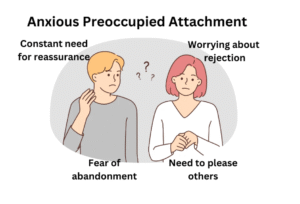
Anxious Attachment
Individuals may overwork to earn approval or validation. They feel uneasy when they’re not performing, fearing judgement or abandonment.
Example:
Ayan, who has anxious attachment, stays online even after work hours because he fears colleagues might think he is not dedicated enough.
Avoidant Attachment
People with avoidant tendencies may distract themselves from emotional closeness by immersing themselves in work. Work becomes a safe zone to avoid vulnerability.
Example:
Maya avoids emotional conversations with her partner by constantly taking on extra work assignments. Her overworking is a coping mechanism.

-
Coping Styles
How individuals cope with stress directly affects their work–life balance.
Adaptive Coping Styles
These strategies promote healthy balance:
- Planning and organizing tasks
- Problem-solving instead of avoiding
- Seeking emotional or practical support
- Practicing relaxation or mindfulness
These approaches help individuals stay grounded and reduce overwhelm.
Maladaptive Coping Styles
These strategies worsen imbalance:
- Overworking to escape emotional distress
- Shutting down emotionally
- Avoidance (procrastination, running away from responsibilities)
- Excessive screen time or social media scrolling
While they may provide temporary relief, they eventually increase stress and emotional exhaustion.
Example:
After a stressful day, Rohan spends hours on his phone to “escape,” instead of resting or communicating his needs. As a result, tasks pile up and stress increases.
In contrast, Diya practices adaptive coping by journaling and planning her next day, which helps her stay balanced.
4. The Psychology Behind Burnout
Burnout: A Psychological Syndrome, Not Just Tiredness
Burnout is often misunderstood as simple tiredness, but in psychology it is recognized as a complex emotional and mental health syndrome that develops gradually when stress is prolonged and recovery is insufficient. When the demands of work chronically exceed the mind and body’s ability to rest, repair, and recharge, burnout becomes inevitable.
Burnout consists of three interconnected components:
-
Emotional Exhaustion
This is the core of burnout. It refers to feeling emotionally drained, overwhelmed, and depleted. Even small tasks feel heavy, and the person feels they have “nothing left to give.”
Symptoms often include irritability, lack of motivation, fatigue, and difficulty concentrating.
Real-Life Example:
Tania, a healthcare worker, begins her mornings feeling exhausted even after a full night’s sleep. She used to enjoy her work, but now the thought of going to office makes her anxious and tired. She feels emotionally empty.
-
Depersonalization (Feeling Disconnected)
Depersonalization means a sense of detachment or disconnection from work, colleagues, or even oneself. Individuals may become cynical, withdrawn, or emotionally numb. They may feel like they are “just going through the motions” rather than engaging with life.
Real-Life Example:
Rohit, a customer service professional, used to be patient and empathetic. Now he feels numb during calls, responds mechanically, and avoids interacting with coworkers. He feels disconnected from his role and from people around him.
-
Reduced Personal Accomplishment
This involves feeling incompetent, ineffective, or unproductive, even when evidence shows otherwise. The person doubts their abilities and may feel that their work has no value or impact.
Real-Life Example:
Despite consistently completing her tasks well, Meera, a teacher, feels she is “not doing enough” and is failing her students. She loses confidence and feels her work does not matter, even though her performance is still strong.
Why Burnout Happens
Burnout develops when work demands exceed recovery resources for too long. Constant pressure, lack of boundaries, insufficient rest, emotional overload, and limited support gradually drain psychological reserves.
Without proper recovery—such as sleep, downtime, supportive relationships, and emotional processing—the mind becomes overwhelmed and begins shutting down to protect itself.
In summary
Burnout is a clear warning signal from the mind and body that the balance between work and life has been disrupted. Understanding its components helps individuals recognize the early stages and take corrective steps before long-term harm occurs.
5. Strategies for Work–Life Balance
-
Cognitive Restructuring
Cognitive restructuring is a core psychological technique used in Cognitive-Behavioral Therapy (CBT). It involves identifying and challenging unhelpful beliefs that create unnecessary pressure and guilt.
Common distorted beliefs include:
- “I must be productive every moment.”
- “Rest is laziness.”
- “If I don’t work constantly, I am failing.”
By replacing these thoughts with healthier ones—such as “Rest helps me function better,” or “Taking breaks improves my performance”—individuals reduce guilt, build self-compassion, and create a healthier mental framework around work and personal time.
Example:
When Ankit catches himself thinking, “I can’t take a break; I’ll fall behind,” he challenges it by reminding himself that a rested mind completes tasks faster. This shift helps him pause without anxiety.
-
Setting Healthy Boundaries
Healthy boundaries are essential for preserving emotional energy and preventing burnout. They act as psychological fences that protect work time and personal time from blending into each other.
Effective boundaries include:
- Defining clear work hours and sticking to them
- Saying “no” without guilt when workload exceeds capacity
- Avoiding unnecessary multitasking, which drains mental resources
- Turning off notifications during personal hours
Boundaries signal to others—and to oneself—that mental health is a priority.
Example:
Rupa informs her team that she is not available after 7 PM unless there is an emergency. This helps her maintain evening time for herself and her family, reducing stress.
-
Practicing Psychological Detachment
Psychological detachment helps the mind recover by deliberately switching off from work during non-work hours. It restores cognitive function and improves emotional well-being.
Helpful techniques include:
- Evening rituals such as reading, skincare, or a warm bath
- Keeping work devices separate from personal spaces
- Engaging in hobbies that provide joy and relaxation
- Mindfulness exercises that anchor attention in the present moment
These practices signal to the brain that it is safe to rest.
Example:
Arindam leaves his work laptop in another room after office hours and spends 30 minutes practicing guitar—a hobby that helps him unwind.
-
Time Management Techniques
Time management reduces role overload by organizing tasks efficiently and preventing last-minute stress.
Popular evidence-based methods include:
- Pomodoro Technique: Work in focused intervals with short breaks.
- Time-blocking: Dedicate specific blocks of time to particular tasks.
- Eisenhower Matrix: Prioritize tasks by urgency and importance.
These techniques help individuals create structure, set limits, and reduce overwhelm.
Example:
Shalini uses time-blocking to allocate mornings for deep work and evenings for administrative tasks, which helps her maintain balance and avoid chaos.
-
Emotional Regulation Skills
Emotion regulation enables individuals to manage stress, frustration, and emotional overload effectively.
Helpful techniques include:
- Deep breathing to calm the nervous system
- Journaling to process thoughts and emotions
- Progressive muscle relaxation to release physical tension
- Mindfulness-Based Stress Reduction (MBSR) to increase awareness and reduce anxiety
These practices enhance emotional balance and resilience.
Example:
When feeling overwhelmed, Farhan takes five minutes to breathe deeply and write down his thoughts, helping him feel grounded and in control.

-
Social Support
Social connections act as emotional buffers against stress. Friends, family, colleagues, and support groups provide validation, perspective, and comfort.
Healthy social interactions improve mood, reduce loneliness, and promote a sense of belonging—important for long-term mental well-being.
Example:
Sharing her challenges with a trusted friend helps Nikita feel lighter and supported, reducing her emotional burden.
-
Self-Care Model
Self-care is a holistic, multi-dimensional approach to maintaining well-being. Balanced self-care strengthens the mind, body, and emotional system.
a) Physical Self-Care: Sleep, nutritious food, hydration, and movement regulate energy and brain function.
b) Emotional Self-Care: Healthy expression of feelings, practicing self-compassion, and seeking therapy when needed.
c) Cognitive Self-Care: Activities that stimulate the mind—learning, reading, creativity, and problem-solving.
d) Social Self-Care: Maintaining quality relationships and meaningful connections.
e) Spiritual Self-Care: Finding purpose, meaning, calmness, and inner peace through meditation, prayer, or nature.
Balanced self-care improves emotional stability, reduces stress, enhances cognitive functioning, and supports overall life satisfaction.
Example:
Mitali maintains a weekly routine that includes yoga (physical), painting (cognitive), family time (social), and meditation (spiritual). This balanced approach keeps her mentally strong and emotionally centered.
6. Organizational Role in Work–Life Balance
The Role of Organizations in Promoting Work–Life Balance
Psychological research consistently shows that employees thrive when workplaces actively support their mental well-being. A healthy work environment does not just reduce stress—it enhances motivation, creativity, and long-term organizational loyalty. When companies prioritize balance, employees feel valued as human beings rather than simply as resources.
Here are key organizational practices that foster healthier work–life integration:
-
Flexible Working Hours
Flexibility allows employees to align work schedules with personal responsibilities, energy levels, and family needs. This autonomy reduces role conflict, supports mental health, and increases job satisfaction.
Example:
A company that allows remote work twice a week enables parents to manage childcare better, reducing stress and enhancing focus during work hours.
-
Mental Health Days
Providing designated mental health leave acknowledges that emotional well-being is as important as physical health. Psychological recovery days prevent burnout, improve emotional regulation, and maintain productivity.
Example:
Employees who can take a mental health day during overwhelming periods often return to work recharged, more focused, and less emotionally reactive.
-
Supportive Leadership
Leaders who show empathy, listen actively, and respect boundaries create a psychologically safe workspace. Supportive managers reduce stress levels, encourage open communication, and help employees seek help without fear.
Example:
A manager who notices an employee struggling and proactively offers support or workload adjustments prevents escalation of stress and enhances trust.
-
Fair Workload Distribution
Uneven workloads lead to burnout, resentment, and reduced performance. When tasks are distributed fairly, employees feel respected and experience less role overload.
Example:
Teams that regularly review task distribution often have higher morale and fewer burnout cases.
-
Clear Communication
Transparent expectations reduce confusion, anxiety, and unnecessary pressure. Clear communication minimizes misunderstandings, ensures smoother workflow, and helps employees plan their time effectively.
Example:
When deadlines, roles, and responsibilities are communicated clearly, employees can prioritize better and avoid last-minute stress.

-
Recognition and Validation
Acknowledging effort and achievement boosts motivation, self-worth, and job satisfaction. Employees who feel appreciated are more engaged and emotionally connected to their work.
Example:
Simple recognition—like a thank-you message, appreciation email, or reward—significantly boosts morale and encourages consistent performance.
Why Organizational Support Matters
A balanced employee is naturally more productive, creative, loyal, and innovative. When organizations invest in employee well-being, they experience lower turnover, fewer sick days, higher engagement, and stronger team cohesion.
In essence, work–life balance is not just an individual responsibility—it is a shared psychological commitment between employees and the workplace. A healthy organization creates the conditions where people can thrive both professionally and personally.
7. Cultural Influence on Balance
Culture plays a powerful role in shaping how people view work, productivity, and personal time. Our beliefs about success, identity, rest, and responsibility are often rooted in cultural norms. These cultural expectations influence how individuals prioritize work and how much guilt or pride they attach to taking breaks or spending time with family.
-
Cultures That Link Work to Identity and Status
In many fast-paced or achievement-driven cultures, work is directly tied to self-worth, identity, and social status. Productivity is seen as a measure of value, and long working hours are often admired as dedication.
In these environments, individuals may feel intense pressure to overwork because:
- Being busy is equated with being important
- Rest may be viewed as laziness
- High achievement is considered a moral duty
- Career success becomes a central part of personal identity
This cultural pressure contributes to burnout, chronic stress, and emotional exhaustion.
Example:
In highly competitive corporate cultures, employees may stay late not because work requires it, but because leaving early may be judged negatively. As a result, people push themselves beyond their limits to maintain reputation and status.
-
Cultures That Prioritize Community, Rest, and Leisure
On the other hand, societies that value community connection, slow living, and leisure tend to encourage a healthier work–life balance. In these cultures, rest is not seen as indulgent but as essential for well-being.
These cultures promote:
- Spending meaningful time with family and friends
- Taking regular breaks and holidays
- Prioritizing life satisfaction over job prestige
- Viewing leisure activities as important for mental health
Such environments reduce guilt around taking time off and support emotional well-being.
Example:
In some European countries, long vacations, protected weekends, and strict limits on after-hours communication are part of the work culture. People are encouraged to disconnect from work and spend time on hobbies, travel, or personal relationships.
Why This Matters Psychologically
Cultural values shape internal beliefs, which in turn shape behavior.
When work dominates cultural identity, people are more vulnerable to stress and burnout.
When rest and connection are culturally supported, individuals experience:
- Better emotional regulation
- Higher life satisfaction
- Stronger relationships
- Lower stress levels
Understanding cultural influence helps individuals reflect on whether their work habits are based on internal motivation or external pressure.
8. Signs You Need to Re-Balance Your Life
Before burnout fully develops, the mind and body send subtle signals indicating that something is out of balance. These early markers of psychological distress often appear gradually, but recognizing them in time can prevent long-term emotional and physical exhaustion.
-
Feeling Exhausted Even After Rest
When your body is tired but your mind feels constantly “switched on,” rest no longer feels restorative. This is a sign that stress has accumulated to a level where your nervous system remains in a heightened state, even during sleep.
-
Irritability or Emotional Sensitivity
Small issues begin to feel overwhelming. You may snap easily, feel tearful, or become emotionally reactive. This happens because the brain’s emotional regulation system becomes overloaded when there is insufficient downtime.
-
Loss of Passion or Creativity
Activities that once brought joy—work projects, hobbies, or social interactions—may begin to feel meaningless or draining. This emotional numbness is a common sign of early burnout.
-
Difficulty Focusing
If concentration becomes challenging, decision-making feels slow, or you find yourself making mistakes, it may indicate mental fatigue. Cognitive functioning declines when the mind is overstretched without proper recovery.
-
Reduced Time with Loved Ones
When work consistently eats into personal time, relationships suffer. You may withdraw, cancel plans, or feel disconnected from the people who matter most. This isolation further increases stress and emotional strain.
-
Sleep Disturbances
Trouble falling asleep, staying asleep, or waking up tired are common signs that the mind is overactive. Stress hormones disrupt sleep cycles, making it harder for the body to fully recharge.
-
Feeling Guilty During Rest
If you feel anxious, guilty, or unproductive while resting, it indicates an unhealthy belief that your value comes solely from productivity. This mindset prevents true relaxation and accelerates burnout.
Why These Signs Matter
These symptoms are not inconveniences—they are early warnings from your psychological system. Ignoring them can lead to chronic stress, burnout, emotional dysregulation, and physical health issues. Paying attention to these signals allows you to rebalance your life before the situation escalates.
9. Building a Sustainable Balanced Life
Work–life balance is not a fixed or permanent state—it is a dynamic process that shifts with changing responsibilities, life stages, and emotional needs. Psychologically, it requires continuous realignment, where individuals regularly evaluate how their time, energy, and priorities are being distributed.
Achieving balance is not about perfection; it is about self-awareness and mindful choices. This means paying attention to internal signals—fatigue, irritability, satisfaction, joy—and adjusting routines accordingly. Some days require more focus on work, others call for rest, connection, or personal care. Flexibility is the key to long-term well-being.
A truly healthy balance creates space for:
- Meaningful Work: Not just productivity, but work that aligns with one’s values, strengths, and sense of purpose.
- Deep Relationships: Time and emotional availability to maintain nurturing, supportive, and fulfilling connections.
- Personal Growth: Opportunities to learn, explore hobbies, and evolve as an individual beyond professional identity.
- Mental Peace: Moments of stillness and calm that allow the nervous system to reset and the mind to breathe.
- Emotional Strength: A stable emotional foundation that helps individuals cope with stress, navigate challenges, and maintain resilience.
Ultimately, work–life balance is a journey—not a destination. It evolves with life, and maintaining it requires ongoing reflection and the courage to prioritize what truly matters.
Conclusion
Achieving work–life and personal life balance is not about dividing hours equally—it is about aligning your time with your values, emotional needs, and psychological well-being. Balance becomes meaningful only when it reflects what truly matters to you: health, relationships, growth, purpose, and peace.
When the mind receives adequate rest, nurturing connection, and a clear sense of purpose, it operates from a place of strength rather than survival. This inner stability fuels not only personal fulfillment but also enhances professional performance, creativity, and long-term resilience.
Work–life balance is ultimately a conscious choice—a commitment to honoring both your ambitions and your humanity. By understanding psychological principles, setting healthy boundaries, and staying aware of your changing needs, you can create a life that supports success without sacrificing mental peace. It is this harmony between work and personal life that leads to sustainable well-being and a richer, more meaningful life.
Frequently Asked Questions (FAQs)
1. What is work-life balance in psychology?
It is the ability to manage work and personal life without harming mental well-being.
2. Why is work-life balance important?
It helps reduce stress, improve mental health, and maintain healthy relationships.
3. What are signs of poor work-life balance?
Burnout, fatigue, irritability, lack of focus, and relationship problems.
4. What is burnout in psychology?
Burnout is emotional exhaustion caused by prolonged stress and lack of recovery.
5. How can I improve work-life balance?
By setting boundaries, managing time, and practicing self-care.
6. What is psychological detachment?
It is the ability to mentally disconnect from work during personal time.
7. How does work-life imbalance affect mental health?
It increases anxiety, depression, and emotional exhaustion.
8. What are common causes of work-life imbalance?
Role conflict, overload, lack of boundaries, and workplace pressure.
9. Can emotional intelligence help with work-life balance?
Yes, it helps manage stress, communicate needs, and maintain boundaries.
10. What role do organizations play in work-life balance?
They support it through flexible schedules, fair workload, and mental health policies.
Written by Baishakhi Das
Counselor | Mental Health Practitioner
B.Sc, M.Sc, PG Diploma in Counseling
References
- American Psychological Association
👉 https://www.apa.org - World Health Organization
👉 https://www.who.int - National Institute of Mental Health
👉 https://www.nimh.nih.gov - Harvard Business Review
👉 https://hbr.org - Mind UK
👉 https://www.mind.org.uk - Language Development in Children: Stages, Theories (Why child not speaking clearly at age 2)
This article is written for knowledge purposes, aiming to help readers understand the topic better and gain useful insights for learning and awareness.