
Invisible depression doesn’t always look like sadness. It often hides behind smiles, productivity, and everyday routines, making it one of the most overlooked mental health challenges. This article explores the hidden signs of invisible depression, why they often go unnoticed, and how early recognition can lead to timely support and recovery.
Introduction
When most people think about depression, they imagine crying, sadness, isolation, or loss of interest in life. But psychology reveals something deeper: “Many people who are depressed never show obvious signs. They function, smile, work, and socialize—but silently suffer inside.”
This is known as high-functioning depression, smiling depression, or masked depression.
These individuals may seem strong, stable, or cheerful, but internally they experience emotional exhaustion, numbness, and pain that often goes unnoticed.
Because the signs are subtle and invisible, they are often misunderstood or dismissed—sometimes even by the person experiencing them.
This article explores the psychology-backed invisible signs of depression, why they go unnoticed, and how to identify and support yourself or someone else going through them.
Why Invisible Depression Is Hard to Detect
Depression is not always visible. While many people associate it with persistent sadness, crying, or social withdrawal, the reality is often far more complex. Some individuals continue to work, study, care for their families, and maintain social relationships while struggling with significant emotional distress. Because they appear to be functioning normally, their symptoms are frequently overlooked by others—and sometimes even by themselves.
Several psychological and social factors contribute to why invisible depression remains hidden.
1. Social Pressure to “Stay Strong”
From an early age, many people receive messages that expressing sadness or emotional vulnerability is a sign of weakness. Cultural expectations, family beliefs, and workplace norms often encourage individuals to suppress difficult emotions and “push through” challenges rather than acknowledge them. As a result, people experiencing depression may feel compelled to hide their struggles and maintain the appearance of being resilient, even when they are emotionally exhausted.
2. Masking Behaviors
Many individuals unconsciously develop coping strategies that conceal their emotional pain. They may smile, make jokes, excel at work, care for others, or remain socially active while internally feeling empty or overwhelmed. This phenomenon is often described as masking, where outward behaviour does not reflect a person’s internal emotional state. Although masking can help someone meet daily responsibilities, it often delays recognition of their mental health needs and may increase emotional exhaustion over time.
3. Fear of Being a Burden
A common feature of depression is the belief that one’s problems are unimportant or that seeking support will inconvenience others. Individuals may avoid discussing their feelings because they worry about causing stress to family members or friends or fear being perceived as weak or needy. These beliefs often reinforce isolation, making it more difficult to access the emotional support that could aid recovery.
4. Functional Competence
Depression exists on a spectrum, and not everyone experiences severe impairment in daily functioning. Some people continue to perform well academically, maintain successful careers, parent effectively, or fulfil social obligations despite significant internal distress. This ability to function can create the false impression that they are emotionally healthy. Consequently, colleagues, friends, healthcare professionals, and even the individuals themselves may underestimate the severity of their symptoms.
5. Internalized Mental Health Stigma
Despite increasing awareness of mental health, stigma continues to influence how people view depression. Many individuals internalize beliefs that they should be able to manage their emotions independently or that asking for help reflects personal failure. This self-stigma can prevent people from recognising depression as a legitimate health condition and discourage them from seeking professional support, often prolonging their suffering.
Beyond the Stereotypes
Invisible depression rarely resembles the dramatic portrayals often seen in films or media. Instead, it may appear as chronic fatigue, irritability, perfectionism, emotional numbness, persistent self-criticism, difficulty concentrating, or a constant sense of being overwhelmed. These subtle changes are easily mistaken for stress, burnout, personality traits, or the pressures of everyday life.
Recognising that depression does not always look the same is an important step toward reducing stigma and improving early intervention. Looking beyond outward appearances allows us to better understand the hidden emotional struggles that many people experience and encourages a more compassionate response to mental health challenges.
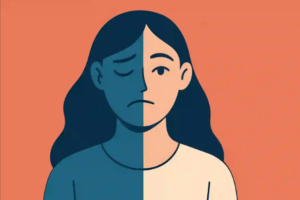
20 Invisible Signs of Depression Most People Ignore
Depression does not always appear as obvious sadness or frequent crying. For many people, the signs are subtle and can easily be mistaken for stress, personality traits, burnout, or the pressures of everyday life. These less visible symptoms often develop gradually, making them difficult for both the individual and those around them to recognize. Understanding these hidden signs can encourage earlier intervention and help reduce the stigma surrounding depression.
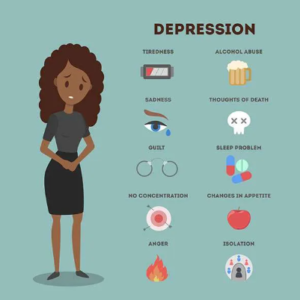
1. Chronic Exhaustion Without a Clear Medical Cause
One of the most common yet overlooked symptoms of depression is persistent fatigue. Even after getting adequate sleep, individuals may wake up feeling physically and mentally drained. This exhaustion is often emotional rather than physical, making even routine activities feel overwhelming.
People experiencing this may think:
- “I’m tired all the time.”
- “No matter how much I sleep, I never feel refreshed.”
Persistent fatigue should always be evaluated medically, but when no physical cause is identified, depression may be an important consideration.
2. Constant Overthinking
Depression often changes the way people process information. Many individuals become trapped in repetitive negative thinking, repeatedly analysing conversations, decisions, mistakes, and future possibilities. This pattern, known as rumination, increases emotional distress and makes it difficult to move forward.
Common thoughts include:
- “Did I say something wrong?”
- “What if everything goes wrong?”
- “I should have handled that differently.”
Rather than solving problems, excessive rumination often intensifies feelings of hopelessness and self-criticism.
3. Difficulty Making Simple Decisions
Depression can impair attention, concentration, and executive functioning. As a result, even ordinary decisions—such as choosing what to wear, what to eat, or whether to reply to a message—may feel surprisingly difficult.
This mental fatigue often leaves individuals feeling overwhelmed by choices that once required little effort.
4. Irritability Instead of Sadness
Not everyone with depression appears sad. Some people experience increased irritability, frustration, impatience, or anger instead. Small inconveniences may trigger disproportionate emotional reactions because emotional resources are already depleted.
In adults, adolescents, and even children, irritability may sometimes be more noticeable than sadness itself.
5. Smiling or Laughing While Feeling Empty
Some individuals continue to smile, joke, and fulfil their responsibilities despite experiencing significant emotional pain. Friends and colleagues may describe them as cheerful or dependable, while internally they feel emotionally exhausted or disconnected.
This pattern is commonly referred to as smiling depression or high-functioning depression—descriptive terms rather than formal clinical diagnoses. The contrast between outward appearance and inner experience often delays recognition and treatment.
6. Emotional Numbness
Depression is not always characterised by overwhelming sadness. For many people, it involves a reduced ability to experience emotions altogether. Joy, excitement, motivation, and even sadness may seem distant or muted.
Individuals often describe this experience by saying:
- “I don’t feel anything anymore.”
- “It’s like I’m emotionally switched off.”
This emotional numbness can significantly affect relationships and quality of life.
7. Losing Interest in Activities Once Enjoyed
A core symptom of depression is anhedonia, the reduced ability to experience pleasure. Activities that once brought happiness may begin to feel empty, tiring, or meaningless.
For example:
- Music no longer feels enjoyable.
- Favourite hobbies become obligations.
- Social gatherings feel exhausting.
- Creative interests gradually disappear.
People may continue participating in these activities out of habit, but without genuine enjoyment.
8. Emotional Withdrawal While Remaining Physically Present
Some individuals continue attending work, family events, or social gatherings but feel emotionally disconnected from those around them. Although physically present, they may struggle to engage in conversations, experience enjoyment, or feel emotionally connected.
This hidden withdrawal often goes unnoticed because their outward behaviour appears normal.
9. Wanting to Be Alone More Often
Everyone needs solitude occasionally, but depression may create an unusually strong desire to withdraw from others. This is often less about enjoying solitude and more about escaping emotional exhaustion or avoiding the effort required for social interaction.
Unlike healthy introversion, this withdrawal is usually accompanied by emotional distress rather than a sense of renewal.
10. Sleep Disturbances
Sleep problems are among the most common symptoms of depression. Some people struggle to fall asleep, while others wake repeatedly during the night or sleep far longer than usual without feeling rested.
Common patterns include:
- Difficulty falling asleep
- Waking very early in the morning
- Restless or interrupted sleep
- Sleeping excessively
- Persistent daytime fatigue
Sleep disruption can worsen mood, concentration, and emotional regulation, creating a difficult cycle to break.
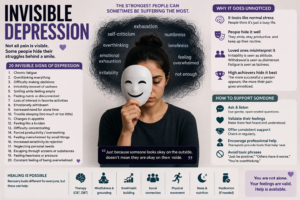
11. Changes in Appetite or Eating Habits
Depression often affects appetite, although the direction of change varies between individuals. Some lose interest in food altogether, while others eat more than usual in an attempt to regulate difficult emotions.
Food may become either emotionally unimportant or a temporary source of comfort, but neither pattern addresses the underlying psychological distress.
12. Feeling Like a Burden
Many people experiencing depression develop persistent feelings of guilt, worthlessness, or believing they are a burden to others. Because of these beliefs, they may avoid asking for help even when they need support.
Common thoughts include:
- “I don’t want to bother anyone.”
- “My problems aren’t important.”
- “Everyone would be better off without my complaints.”
These beliefs often increase emotional isolation and discourage help-seeking.
13. Difficulty Concentrating
Depression can affect memory, attention, and information processing. Reading, completing work, following conversations, or making plans may become significantly more difficult than usual.
This “brain fog” is a recognised cognitive symptom of depression and may sometimes be mistaken for other conditions, including ADHD. A qualified mental health professional can help determine the underlying cause.
14. Staying Constantly Busy to Avoid Emotions
For some individuals, productivity becomes a coping strategy rather than a sign of wellbeing. They may overwork, overcommit, or keep themselves constantly occupied because slowing down allows painful thoughts and emotions to surface.
Although this behaviour may appear successful from the outside, it can contribute to emotional burnout and delay recovery.
15. Feeling Overwhelmed by Minor Problems
Depression reduces emotional resilience, making everyday challenges feel much larger than they objectively are. Minor setbacks, unexpected changes, or small criticisms may trigger intense feelings of stress or hopelessness.
This heightened emotional response reflects the psychological burden of depression rather than a lack of coping ability.
16. Increased Sensitivity to Rejection
People with depression often become highly sensitive to criticism, disappointment, or perceived rejection. Neutral comments may be interpreted negatively, leading to excessive self-blame or emotional pain.
While rejection sensitivity can occur in several mental health conditions, depression may amplify these experiences through persistent negative thinking patterns.
17. Neglecting Personal Needs
Depression often reduces motivation for basic self-care. Individuals may unintentionally skip meals, forget to drink enough water, neglect personal hygiene, postpone medical appointments, or ignore physical health concerns.
These behaviours are usually a reflection of emotional depletion rather than laziness or lack of responsibility.
18. Escaping Through Screens or Substances
Many people use phones, social media, television, gaming, or alcohol as temporary distractions from emotional pain. While these behaviours may provide short-term relief, they often prevent individuals from processing difficult emotions and may contribute to worsening symptoms over time.
Avoidance coping can temporarily reduce distress but rarely addresses its underlying causes.
19. Feeling an Unexplained Sense of Heaviness
Some individuals describe depression not only emotionally but physically. They may experience a persistent feeling of heaviness in the chest, shoulders, or entire body, despite no obvious medical explanation.
People commonly describe this experience as:
- “It feels like I’m carrying a heavy weight.”
- “There’s a dark cloud following me.”
- “I can’t explain it, but everything feels heavy.”
Although these sensations are real, they should always be evaluated alongside medical symptoms to rule out physical health conditions.
20. Constantly Feeling Overwhelmed
Perhaps one of the most overlooked signs of depression is the persistent feeling that life has become too much to manage. Everyday responsibilities that once felt manageable may suddenly seem impossible.
Simple tasks such as replying to emails, completing household chores, paying bills, or making phone calls can require enormous mental effort. Over time, this chronic overwhelm may lead individuals to withdraw quietly, believing they are failing, when in reality they are struggling with a treatable mental health condition.
Recognising these invisible signs is an important step toward early intervention. Depression does not always look dramatic or obvious. Sometimes it is hidden behind achievement, humour, busyness, or a smile. Understanding these subtle symptoms allows individuals, families, and professionals to recognise emotional distress earlier and encourage timely support and treatment.

Why Invisible Depression Often Goes Unnoticed
Invisible depression is difficult to recognize because it rarely matches the common stereotypes of depression. Many people continue to work, study, care for their families, and maintain social relationships while silently struggling with emotional pain. As a result, their symptoms are often overlooked or misunderstood.
1. It Looks Like Normal Stress
Fatigue, irritability, and feeling overwhelmed are often dismissed as the result of a busy lifestyle, work pressure, or everyday stress. This can delay recognition of depression.
2. People Hide Their Struggles
Many individuals mask their emotional pain by smiling, joking, staying productive, and maintaining daily routines. Their outward appearance makes it difficult for others to notice what they are experiencing internally.
3. Loved Ones Misinterpret the Signs
Hidden symptoms are often misunderstood. Irritability may be seen as a bad attitude, emotional withdrawal as disinterest, and constant fatigue as laziness rather than signs of depression.
4. High Achievers May Be the Hardest to Identify
Depression can affect anyone, including successful and responsible individuals. Because they continue to meet their responsibilities, others often assume they are coping well, allowing their emotional struggles to remain unnoticed.
Recognizing that depression does not always look obvious is essential. Looking beyond appearances and noticing consistent changes in mood, energy, and behavior can help people receive support before their symptoms become more severe.
Psychological Reasons People Hide Their Depression
Many people with depression do not intentionally hide their struggles. Psychological and social factors often make it difficult to express what they are experiencing.
- Fear of Judgment: Mental health stigma can make people worry about being judged, misunderstood, or seen as weak, leading them to keep their feelings to themselves.
- Not Wanting to Burden Others: Many individuals believe that sharing their emotional pain will worry or inconvenience family and friends, so they choose to suffer in silence.
- Believing Their Pain Isn’t Valid: Some people minimize their own struggles by thinking that others have it worse, making them feel undeserving of support.
- Difficulty Understanding Their Own Feelings: Depression can reduce emotional awareness, making it difficult to identify, describe, or communicate what they are feeling.
- Emotional Suppression as a Survival Strategy: Over time, repeatedly hiding emotions can become an automatic coping mechanism. While it may help someone function in the short term, it often delays healing and seeking professional support.
How to Identify Invisible Depression in Yourself
Here are questions to reflect on:
- Do I feel “tired of being tired”?
- I feel disconnected from life?
- Do happy moments feel muted?
- Am I overwhelmed by simple tasks?
- Do I pretend to be okay?
- I avoid my own emotions?
- Do I overthink everything?
Honest answers can reveal emotional struggles you may be hiding.

How to Support Someone With Invisible Depression
Supporting someone with invisible depression does not require having all the answers. Often, consistent empathy, patience, and understanding can make a meaningful difference.
- Notice Changes, Not Just Symptoms: Pay attention to ongoing changes in mood, energy, sleep, social interaction, or daily routines rather than waiting for obvious signs of distress.
- Ask Gentle, Open-Ended Questions: Create a safe space for conversation without pressure or judgment. You might say:
-
-
-
-
-
- “You’ve been on my mind lately. How have you been feeling?”
- “Don’t have to go through this alone. I’m here if you want to talk.”
-
-
-
-
3. Validate Their Feelings: Avoid minimizing their experience. Instead, acknowledge their emotions with supportive responses such as:
-
-
-
-
-
- “It makes sense that you’re feeling this way.”
- “You’re not alone, and I’m glad you shared this with me.”
-
-
-
-
4.Offer Ongoing Support: Recovery takes time. Regular check-ins, listening without judgment, and simply being present can help the person feel supported and less isolated.
5. Encourage Professional Help: If symptoms persist or interfere with daily life, encourage them to seek support from a qualified mental health professional. Therapy—and, when appropriate, medication—can be highly effective.
6. Avoid Dismissing Their Feelings: Avoid comments such as “Just be positive,” “Others have it worse,” or “You’re overthinking.” While often well-intentioned, these statements can make someone feel misunderstood and less likely to seek help.
How to Heal Invisible Depression
Recovery from depression is a gradual process, and what works best varies from person to person. However, research supports several effective approaches that can improve emotional well-being and promote long-term recovery.
- Cognitive Behavioral Therapy (CBT): CBT helps individuals identify and challenge unhelpful thought patterns, replacing them with healthier and more balanced ways of thinking.
- Dialectical Behavior Therapy (DBT): DBT teaches practical skills for managing intense emotions, reducing distress, and improving emotional regulation.
- Mindfulness and Grounding Techniques: Practices such as mindfulness, deep breathing, and grounding exercises can help reduce rumination and bring attention back to the present moment.
- Build Small, Consistent Habits: Simple daily routines—such as getting out of bed at a regular time, taking a short walk, or engaging in enjoyable activities—can gradually restore motivation and a sense of accomplishment.
- Strengthen Social Connections: Maintaining supportive relationships with trusted friends, family members, or support groups can reduce feelings of loneliness and provide emotional comfort.
- Stay Physically Active: Regular physical activity has been shown to improve mood by supporting healthy brain function and the release of mood-regulating neurotransmitters such as serotonin and dopamine.
- Prioritize Sleep and Nutrition: Adequate sleep, balanced nutrition, and proper hydration form the foundation of both physical and emotional health, supporting recovery from depression.
- Consider Medication When Appropriate: For moderate to severe depression, medication prescribed by a qualified healthcare professional may help regulate brain chemistry and is often most effective when combined with psychotherapy.
Recovery is not about feeling better overnight. With the right support, evidence-based treatment, and self-compassion, depression is treatable, and healing is possible.
Conclusion:
Invisible depression hides in daily routines, forced smiles, silent struggles, and emotional fatigue. People who seem strong can be hurting deeply.Who never ask for help are often the ones who need it most.
“Depression doesn’t look the same for everyone.
But everyone deserves support, understanding, and healing.”
Recognizing the invisible signs is the first step toward compassion—both for others and yourself.
Reference
American Psychological Association (APA)
National Institute of Mental Health – Depression
https://www.nimh.nih.gov/health/topics/depression
Psychology Today – Hidden / High-Functioning Depression
https://www.psychologytoday.com
DBT Skills for Emotional Regulation
Pingback: Silent Symptoms of Postpartum Depression No One Talks About