Anxious vs Avoidant Partners: The Push–Pull Pattern

Introduction

Relationships are often shaped not just by love and compatibility, but by deep-rooted attachment styles formed in childhood. Among these, the most conflict-prone combination is the Anxious–Avoidant dynamic, commonly known as the push–pull pattern.

This pattern creates emotional rollercoasters—moments of intense closeness followed by sudden distance. Many couples find themselves stuck in this cycle without understanding why it happens or how to break free.

This article explains the psychology behind the anxious vs avoidant dynamic, why the push–pull pattern forms, common signs, emotional impacts, and ways to heal.

Understanding Attachment Styles

Attachment styles develop through early interactions with caregivers and influence how we relate to others in adulthood.

1. Anxious Attachment

People with anxious attachment:

  • Seek closeness and reassurance

  • Fear abandonment

  • Overthink minor issues

  • Feel insecure without emotional validation

  • Worry about losing the relationship

2. Avoidant Attachment

People with avoidant attachment:

  • Value independence

  • Fear losing personal space

  • Feel overwhelmed by emotional closeness

  • Avoid vulnerability

  • Shut down during conflict or intimacy

When these two styles pair up, they create a powerful—but often unstable—relationship dynamic.

What Is the Push–Pull Pattern?

The push–pull pattern means:

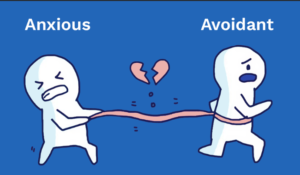
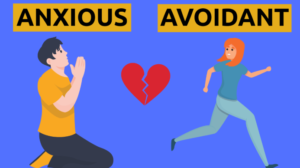
  • The anxious partner pulls (seeks closeness, reassurance, connection).

  • The avoidant partner pushes (withdraws, avoids, becomes distant).

This cycle keeps repeating, creating emotional highs and lows that can feel addictive yet exhausting.

Why Anxious and Avoidant Partners Attract

It may seem like opposites attract, but the psychology runs deeper.

1. Familiarity From Childhood

Both are repeating childhood emotional patterns:

  • The anxious person learned to chase love.

  • The avoidant person learned to suppress needs.

This feels familiar—even when it’s unhealthy.

2. Subconscious Needs

  • Anxious individuals crave connection.

  • Avoidant individuals crave independence.

Each offers what the other lacks, but the extremes clash.

3. Chemical Highs

The cycle of closeness → distance → reunion creates dopamine spikes, making the relationship feel intense and hard to leave.

How the Push–Pull Dynamic Works

Let’s break down the cycle step-by-step.

Step 1: The Honeymoon Phase

  • The avoidant partner feels comfortable because there’s no demand yet.

  • The anxious partner feels excited and hopeful.

Everything feels perfect.

Step 2: Emotional Closeness Increases

As intimacy grows:

  • The anxious partner becomes more emotionally expressive.

  • The avoidant partner starts feeling overwhelmed or trapped.

Step 3: Avoidant Partner Pulls Away

This can look like:

  • Becoming distant

  • Reducing communication

  • Avoiding deep conversations

  • Focusing on work or hobbies

  • Emotionally shutting down

Step 4: Anxious Partner Panics and Clings

The anxious partner:

  • Sends more messages

  • Seeks reassurance

  • Overanalyzes

  • Gets upset or emotional

They try harder, hoping to save the connection.

Step 5: Avoidant Pulls Further Away

Feeling pressured, the avoidant partner distances even more:

  • Cold responses

  • Withdrawal

  • Silent treatment

  • Physical or emotional space

Step 6: Emotional Breakdown or Breakup

This stage feels painful for both:

  • Anxious partner feels abandoned.

  • Avoidant partner feels suffocated.

Step 7: Reunion and Repair

Eventually, one reaches out:

  • Avoidant partner misses the connection

  • Anxious partner wants closeness again

They reconnect, but without healing, the cycle repeats.
Signs You’re in an Anxious–Avoidant Push–Pull Relationship

For the Anxious Partner

  • Fear of being ignored

  • Overthinking messages or tone

  • Feeling like you care more

  • Constant need for reassurance

  • Emotional highs and lows

For the Avoidant Partner

  • Feeling overwhelmed by closeness

  • Preference for logic over emotion

  • Needing space suddenly

  • Difficulty expressing feelings

  • Pulling away during stress or conflict

Relationship Patterns

  • Intense closeness followed by sudden distance

  • Mixed signals

  • Small issues become emotional crises

  • One feels needy, the other feels trapped

  • Relationship feels unstable or unpredictable

Psychology Behind the Push–Pull Pattern

1. Opposite Emotional Needs

  • The anxious partner needs closeness to feel safe.

  • The avoidant partner needs space to feel safe.

Their safety systems clash.

2. Different Conflict Styles

  • Anxious → confronts

  • Avoidant → withdraws

This mismatch fuels ongoing tension.

3. Fear-Based Behaviors

  • Anxious → fear of abandonment

  • Avoidant → fear of engulfment (being controlled or smothered)

Both fears trigger each other.

4. Past Trauma and Childhood Wounds

These often resurface in adult relationships:

  • Emotional neglect

  • Unpredictable caregiving

  • Inconsistent love

  • Limited emotional expression

5. Biological Stress Response

The nervous system plays a huge role:

  • Anxious → hyperactivated

  • Avoidant → deactivated

They process emotions differently, making mutual understanding harder.

Impact of the Push–Pull Pattern

1. Emotional Rollercoaster

Highs feel euphoric; lows feel devastating.

2. Loss of Trust

Both partners:

  • Question the relationship

  • Feel misunderstood

  • Doubt each other’s intentions

3. Low Self-Esteem

  • The anxious partner feels “not enough”

  • The avoidant partner feels “always wrong” or “too pressured”

4. Communication Breakdown

Conversations turn into:

  • Blame

  • Withdrawal

  • Emotional outbursts

  • Misinterpretation

5. Long-Term Instability

Without change, relationships either:

  • Become toxic

  • Drag on painfully

  • End abruptly

Can Anxious and Avoidant Partners Make It Work?

Yes—many couples with these attachment styles build healthy, loving relationships.
But it requires:

  • Self-awareness

  • Emotional healing

  • Secure communication

  • Willingness to grow

Let’s explore how.
How to Break the Push–Pull Cycle

1. Understanding Your Attachment Style

Recognize your patterns:

  • Do you chase or withdraw?

  • What triggers you?

  • How do you react to emotional closeness?

Self-awareness is the first step.

2. For the Anxious Partner

  • Practice self-soothing

  • Set healthy boundaries

  • Don’t jump to conclusions

  • Focus on secure behaviors

  • Communicate needs calmly

  • Build self-worth outside the relationship

3. For the Avoidant Partner

  • Learn emotional expression

  • Practice vulnerability gradually

  • Give reassurance even if it feels uncomfortable

  • Understand that closeness is not a threat

  • Communicate the need for space without withdrawing completely

4. Communicate in a Secure Way

  • Use “I feel” statements

  • Avoid blame

  • Listen without interrupting

  • Validate each other’s feelings

  • Discuss needs openly

5. Establish Safety in the Relationship

Both partners need:

  • Predictability

  • Honesty

  • Emotional consistency

  • Respect during disagreements

Safety dissolves the push–pull pattern.

6. Heal Past Emotional Wounds

This can be done through:

  • Therapy

  • Inner child work

  • Journaling

  • Couples counseling

  • Mindfulness and emotional regulation techniques

Healing reduces triggers and reactivity.

7. Build a Secure Attachment Together

Couples can create a secure bond by:

  • Offering reassurance

  • Being dependable

  • Responding to each other’s needs

  • Apologizing and repairing after conflict

Over time, even anxious and avoidant individuals can develop secure habits.

Conclusion

The anxious–avoidant push–pull dynamic is extremely common and often misunderstood. It’s not a sign that love doesn’t exist—it’s a reflection of deeper attachment wounds and differing emotional needs.

With awareness, communication, and healing, the cycle can be broken.
Relationships become stronger not by avoiding differences, but by understanding and growing through them.

Reference

1. The Gottman Institute – Attachment & Relationships

https://www.gottman.com/blog/

2. Verywell Mind – Anxious vs Avoidant Attachment

https://www.verywellmind.com/attachment-styles-2795344

3. American Psychological Association – Relationships & Attachment

https://www.apa.org/topics/relationships

4. Greater Good Science Center – Attachment Theory

https://greatergood.berkeley.edu/topic/attachment 

5. Contact Us

6.Emotional Abuse: Subtle Signs Many People Miss

Why Arguments Keep Repeating: Psychology Behind Conflicts

Introduction

Have you ever noticed that you and your partner, friend, or family member keep having the same argument again and again—even though you’ve discussed it many times?
The topic may change, but the underlying pattern remains the same. Repetitive arguments are one of the most common signs of deeper emotional, psychological, or communication issues in a relationship.

Repeating conflicts are not about stubbornness alone. They reflect unmet needs, unresolved emotional wounds, communication gaps, and internal psychological patterns.
In this article, we explore why arguments keep repeating, the science behind recurring conflicts, and how to break the cycle.

1. Unmet Emotional Needs

Most repeating arguments stem from unmet core needs such as:

  • Need for attention

  • Need for appreciation

  • Need for security

  • Need for respect

  • Need for affection

  • Need for autonomy

When these needs are ignored or misunderstood, the same issue keeps resurfacing—because the root cause remains unaddressed.

Example

A partner keeps arguing about “you don’t spend time with me,” but what they truly mean is:
“I need to feel valued, important, and emotionally close to you.”

2. Poor Communication Patterns

Many relationships fall into repeated arguments because of predictable communication errors, such as:

  • Interrupting

  • Using harsh tone

  • Getting defensive

  • Blaming

  • Using “you always” or “you never”

  • Not truly listening

These habits create a cycle where both people feel unheard, leading to the same conflict repeating without resolution.

The Four Horsemen (Gottman Institute)

Psychologist John Gottman identified four behaviors that cause repeating conflicts:

  1. Criticism

  2. Defensiveness

  3. Contempt

  4. Stonewalling

If these show up often, arguments will keep looping.

3. Emotional Triggers From Past Experiences

Sometimes arguments repeat because the actual cause is not the current situation, but something deeper from the past:

  • Childhood wounds

  • Past relationship trauma

  • Fear of abandonment

  • Fear of rejection

  • Being criticized or neglected as a child

  • Trust issues from previous betrayal

These emotional triggers get activated in the present, even when the situation is mild.

Example

A partner who grew up in a home where emotions were ignored may get extremely upset during a conflict—not because of the argument itself, but because the feeling of neglect is being re-triggered.

4. Different Communication Styles

People naturally communicate differently:

  • Some are expressive, others are reserved.

  • Some want to resolve issues immediately; others need time to process.

  • Some prefer logical discussion; others express emotion first.

When these different communication styles clash, conflicts repeat.

Example

Partner A wants to solve arguments instantly.
Partner B needs space to calm down.
Result → Cycle of frustration.

5. Mismatched Love Languages

Repetitive arguments often reflect different emotional languages.
One partner expresses love through acts of service, while the other needs words of affirmation.

Because they feel unloved in different ways, they keep having the same fight:
“You don’t care about me,”
“No, I’m always doing things for you!”

The issue is not love—it’s the miscommunication of love.

6. Power Struggles

In some relationships, conflicts keep repeating because both individuals are fighting for:

  • Control

  • Validation

  • Dominance

  • Freedom

  • Decision-making power

This often shows up in long-term relationships, marriages, or parent–child dynamics.

When the relationship becomes a tug-of-war instead of teamwork, arguments become repetitive.

7. Unresolved Resentment

Resentment is like a silent poison.
It comes from:

  • Broken promises

  • Past mistakes

  • Betrayal

  • Feeling taken for granted

  • Lack of effort

  • Emotional neglect

When resentment builds up, even a small issue triggers a big argument—again and again—because the deeper issue was never healed.

8. Emotional Intensity and Dysregulation

Some people struggle with emotional regulation, meaning they:

  • React quickly

  • Feel overwhelmed

  • Struggle to calm down

  • Interpret criticism strongly

  • Become defensive or shut down

When emotions rule instead of communication, conflicts escalate and repeat.

9. Avoidance of the Real Topic

Surprisingly, many conflicts become repetitive because both people avoid the real issue.

Example:
Fighting about dishes or phone usage might actually reflect:

  • Feeling unsupported

  • Feeling unimportant

  • Feeling controlled

  • Feeling disconnected

The argument keeps switching topics but the root emotion remains untouched.

10. Cognitive Distortions

Recurring conflicts often arise from thinking errors, such as:

  • Mind reading: “I know you meant to hurt me.”

  • Catastrophizing: “This means you don’t love me at all.”

  • Overgeneralizing: “You always do this.”

  • Personalizing: “Everything bad is my fault or your fault.”

These distortions change how people interpret situations, leading to unnecessary and repetitive conflicts.

11. Attachment Styles

Attachment theory explains how early-life experiences shape adult relationships.

Anxious Attachment

  • Needs reassurance

  • Overthinks

  • Fears abandonment
    → Repetitive arguments about closeness, texting, reassurance.

Avoidant Attachment

  • Avoids emotional intimacy

  • Feels overwhelmed by emotional needs
    → Repetitive arguments about commitment, openness, communication.

Disorganized Attachment

  • Fearful of both closeness and distance
    → Relationship instability and explosive conflicts.

Attachment mismatches often create recurring patterns.

12. Lack of Conflict-Resolution Skills

Many people were never taught:

  • How to communicate needs

  • How to apologize

  • How to express emotions

  • How to compromise

  • How to set boundaries

  • How to handle anger

Without these skills, arguments may pause but never truly resolve.

13. Expecting the Other Person to Change

Arguments repeat when both partners expect the other to:

  • Fix everything

  • Apologize first

  • Read their mind

  • Take the initiative

  • Understand without explanation

This leads to a stalemate where no one changes behavior, so the conflict loops endlessly.

14. Emotional Disconnection

When the emotional bond weakens, couples fight more often and about the same things.

Signs include:

  • Feeling distant

  • Reduced intimacy

  • Less interest in each other

  • Feeling like roommates

  • No longer understanding each other’s emotions

Recurring fights are often a cry for emotional connection.

15. Stress, Fatigue, and External Pressure

Outside pressures also fuel repeating conflicts:

  • Work stress

  • Financial issues

  • Family responsibilities

  • Lack of sleep

  • Mental health struggles

When people are emotionally exhausted, small issues turn into repeating arguments.

How to Break the Cycle of Repeating Arguments

1. Identify the Real Issue

Ask yourself:
“What am I actually upset about?”
“What do I really need?”
“What emotion is underneath this?”

2. Speak in “I Feel” Statements

Replace:
“You never listen.”
with:
“I feel unheard when I talk and the TV is on.”

3. Practice Active Listening

  • Don’t interrupt

  • Validate their feelings

  • Clarify before reacting

4. Heal Past Emotional Wounds

Old trauma creates new conflict.
Therapy or counseling can help both individuals heal communication patterns.

5. Align Expectations

Discuss roles, responsibilities, and boundaries clearly.

6. Learn Your and Their Love Language

Often the conflict stops once emotional needs are met.

7. Manage Emotional Triggers

  • Recognize your triggers

  • Take breaks during arguments

  • Practice emotional regulation

8. Build Repair Rituals

Healthy couples apologize, hug, and reconnect after conflict.

9. Improve Communication Skills

A few important skills:

  • Reflective listening

  • Assertive communication

  • Conflict de-escalation

  • Setting boundaries

10. Seek Professional Help if Needed

Recurring conflicts can be healed through relationship counseling, family therapy, or individual therapy.

Conclusion

Repeating arguments are not signs of a bad relationship—they are signs of unresolved emotional needs and miscommunication patterns. The good news is that once you understand the psychology behind recurring conflicts, you can break the cycle.

Relationships thrive not when there are no conflicts, but when conflict leads to understanding instead of repetition.

Reference

1. The Gottman Institute – Conflict Research

https://www.gottman.com/blog/

2. American Psychological Association (APA) – Relationships

https://www.apa.org/topics/relationships

3. Verywell Mind – Conflict and Communication

https://www.verywellmind.com/relationship-conflict-2302434

4. Greater Good Science Center – Emotional Triggers & Relationships

https://greatergood.berkeley.edu/topic/relationships

5.Emotional Abuse: Subtle Signs Many People Miss

6. Contact Us

5 Love Languages: What They Really Mean

Introduction

Love is a universal emotion, yet people express and receive love in remarkably different ways. What feels affectionate and comforting to one person may feel neutral—or even insignificant—to another. This difference often leads to misunderstandings, emotional disconnect, and relationship dissatisfaction.

Dr. Gary Chapman, a well-known marriage counselor, introduced the concept of The Five Love Languages to explain these varied patterns of emotional communication. According to his theory, every person has one or two primary love languages—specific ways they prefer to give and receive love. Understanding these languages can transform relationships, deepen emotional bonds, and prevent common conflicts.

But love languages are not just for romantic partners. They apply to friendships, parent–child relationships, workplace interactions, and even self-love.

In this article, we explore what the five love languages really mean, how they function in daily life, common misunderstandings, and how you can identify and apply them effectively.

What Are Love Languages?

A love language is simply a preferred way of giving, receiving, and perceiving love. When someone expresses affection in your love language, you feel valued and emotionally fulfilled. When they express love in a way that doesn’t match your language, you may feel unappreciated—even if they are genuinely trying.

The five love languages are:

  1. Words of Affirmation

  2. Acts of Service

  3. Receiving Gifts

  4. Quality Time

  5. Physical Touch

Let’s explore each language in detail.

1. Words of Affirmation: Love Through Verbal Expressions

What It Means

People with this love language feel loved when they hear supportive, positive, and encouraging words. Compliments, appreciation, and verbal reassurance deeply impact their emotional well-being.

How It Looks in Daily Life

  • Saying “I love you” regularly

  • Expressing gratitude—“Thank you for doing this”

  • Giving compliments—“You look beautiful today”

  • Encouraging statements—“I believe in you”

  • Verbal acknowledgment of efforts

For these people, language becomes an emotional lifeline. Simple affirmations can uplift their mood and strengthen trust.

Common Misunderstandings

Many assume people with this love language are “needy” or depend too much on words. In reality, affirming words are their primary emotional nourishment. Without them, they may feel insecure or unloved even when actions are present.

How to Support Someone Whose Love Language Is Words of Affirmation

  • Express appreciation often

  • Send thoughtful texts or voice notes

  • Give specific, genuine compliments

  • Avoid harsh criticism or sarcasm

  • Use verbal reassurance during conflicts

Even small, heartfelt phrases can create a profound emotional connection.

2. Acts of Service: Love Through Actions, Not Words

What It Means

People with this love language value practical help. They feel loved when someone eases their burden, assists them with tasks, or takes responsibility without being asked.

Daily Expressions

  • Helping with chores

  • Running errands

  • Bringing food

  • Helping with work projects

  • Preparing meals

  • Fixing something that’s broken

For them, love is shown through actions that improve their life. They believe:
“Don’t just say you love me, show me.”

Common Misunderstandings

Partners may feel taken for granted, or they may say:
“I do so many things, but they never appreciate it.”
The issue often lies not in quantity, but in doing things that actually matter to the person.

Acts of service should come from love—not resentment or obligation.

How to Support Someone with This Love Language

  • Ask how you can help

  • Do tasks without waiting to be reminded

  • Be consistent in your actions

  • Follow through on promises

  • Pay attention to what stresses them and offer solutions

Little gestures significantly reduce emotional load and strengthen trust.

3. Receiving Gifts: Love Through Thoughtful Tokens

What It Means

This love language is often misunderstood as materialistic. In reality, it’s about thoughtfulness, intention, and symbolic meaning, not the price or luxury.

People with this love language feel loved when they receive tangible expressions of affection—items that show they were remembered and valued.

How It Looks in Daily Life

  • Surprising them with their favorite snack

  • Personalized gifts

  • Souvenirs from trips

  • Handmade presents

  • Thoughtful gestures like flowers or books

The emotional message behind the gift is:
“I thought of you.”

Common Misunderstandings

Partners may assume that gifts equal financial burden. But for people with this language, even small, inexpensive items carry emotional significance.

A ₹20 bookmark can mean more than a ₹2000 gadget if it reflects thought and care.

How to Support Someone with Receiving Gifts

  • Observe what they like

  • Celebrate special days

  • Leave small surprise notes or tokens

  • Consider meaningful handmade presents

  • Keep a mental list of things they enjoy

For them, gifts serve as lasting reminders of affection.

4. Quality Time: Love Through Presence and Attention

What It Means

People with this love language feel deeply loved when someone spends meaningful, undistracted time with them. Presence, attention, and connection matter more than anything.

Daily Expressions

  • Deep, distraction-free conversations

  • Going for walks together

  • Watching a movie and discussing it

  • Shared hobbies

  • Eating meals together

  • Planning outings or date nights

For these individuals, time is the currency of love.

Common Misunderstandings

Spending time in the same room while being absorbed in a phone does not count. Quality Time isn’t about proximity—it’s about engagement.

They may feel hurt when others seem distracted or too busy.

How to Support Someone Whose Love Language Is Quality Time

  • Put away your phone

  • Listen actively

  • Plan shared experiences

  • Spend time together regularly

  • Ask thoughtful questions

  • Show interest in their feelings

Authentic presence is the most meaningful gift.

5. Physical Touch: Love Through Physical Affection

What It Means

People with this love language feel loved through touch—hugging, holding hands, cuddling, and other forms of physical closeness.

Daily Expressions

  • Hugging frequently

  • Holding hands

  • Sitting close

  • Affectionate touches during conversation

  • Physical closeness during stress

  • Gentle massages or pats

For them, touch creates safety and emotional bonding.

Common Misunderstandings

Some assume this language is purely sexual. But physical touch goes far beyond intimacy. It involves comforting gestures, emotional grounding, and relational soothing.

A simple hug can mean more than a long conversation.

How to Support Someone with Physical Touch

  • Hug them when they are stressed

  • Hold their hand during walks

  • Sit close and initiate cuddles

  • Use gentle, affectionate touches

  • Respect their boundaries and comfort levels

Touch becomes a powerful emotional connector.

How to Identify Your Love Language

1. Notice what makes you feel most appreciated

Do compliments make you feel valued? Does someone helping with tasks lighten your heart?

These emotional reactions are clues.

2. Observe what hurts you the most

Emotional pain often reveals unmet needs:

  • Harsh words → Words of Affirmation

  • Broken promises → Acts of Service

  • Forgetting special days → Receiving Gifts

  • Feeling ignored → Quality Time

  • Lack of affection → Physical Touch

3. Examine how you naturally express love

Often, people give love in the way they wish to receive it.

4. Take a love language test

Many online questionnaires can guide you toward your primary love language.

Love Languages in Different Relationships

1. Romantic Relationships

Understanding each other’s love language reduces misunderstandings and strengthens emotional intimacy. It helps couples communicate affection more effectively.

2. Parent–Child Relationships

Children have love languages too:

  • Some feel loved through hugs

  • Some through praise

  • Some through involvement in activities

Knowing a child’s emotional cues increases bonding and supports healthy development.

3. Friendships

Friendships thrive when we understand how our friends feel valued—whether it’s spending time together or giving small thoughtful gifts.

4. Workplace Relationships

Yes, love languages apply at work too—though in professional ways. Appreciation languages like words of affirmation or acts of service can improve teamwork and morale.

5. Self-Love

Understanding your love language helps you practice self-care intentionally—whether through rest, gifts to yourself, or affirmations.

Common Misconceptions About Love Languages

1. People have only one love language

Most individuals have primary, secondary, and occasional love languages.

2. Love languages never change

They can change based on age, relationship stage, and emotional needs.

3. You must share the same love language for a successful relationship

Differences are normal; what matters is effort and understanding.

4. It’s a magic formula that solves all problems

While love languages improve emotional communication, they don’t replace healthy habits, boundaries, or conflict-resolution skills.

Why Love Languages Matter

1. Reduce misunderstandings

Many conflicts arise not from lack of love, but lack of understanding.

2. Build emotional intimacy

Knowing your partner’s emotional blueprint helps deepen connection.

3. Strengthen trust and satisfaction

When needs are acknowledged, relationships thrive.

4. Help during conflicts

Love languages act as emotional first aid.

5. Support long-term relationships

They foster empathy, effort, and thoughtful action.

Practical Tips to Use Love Languages Every Day

Words of Affirmation

  • Leave small love notes

  • Praise efforts and qualities

  • Speak kindly and respectfully

Acts of Service

  • Help with tasks before being asked

  • Make their work easier

  • Follow through on promises

Receiving Gifts

  • Keep a list of their favorites

  • Surprise them occasionally

  • Value meaning over price

Quality Time

  • Switch off distractions

  • Ask meaningful questions

  • Share daily activities

Physical Touch

  • Offer hugs regularly

  • Sit closer

  • Hold hands or touch gently

Consistency matters more than grand gestures.

Conclusion

The five love languages offer a simple yet powerful framework to understand human emotions and relational needs. Every person—whether a partner, child, friend, or colleague—feels loved differently. Learning these languages helps break communication barriers, prevents emotional distance, and strengthens trust.

Love is not just about intense feelings; it’s about understanding how others want to feel loved. When you learn to speak someone’s love language, you speak directly to their heart.

Reference

1. Official 5 Love Languages Website (Gary Chapman)

https://www.5lovelanguages.com/

2. American Psychological Association (APA) – Relationship Section

https://www.apa.org/topics/relationships

3. Verywell Mind – Relationship Psychology

https://www.verywellmind.com/relationships-4157212

4. Greater Good Science Center – Love & Compassion

https://greatergood.berkeley.edu/topic/love

How Childhood Trauma Affects Romantic Relationships

Contact Us

How Childhood Trauma Affects Romantic Relationships

Childhood is the foundation of a person’s emotional world. The kind of love, safety, and attachment a child receives during the early years shapes the way they understand relationships throughout life. When a child experiences trauma—whether emotional, physical, sexual, or through neglect—it leaves deep psychological imprints that carry forward into adulthood. These imprints often show up most strongly in romantic relationships, where vulnerability, intimacy, and attachment are required.

This article explains how childhood trauma affects romantic relationships, the psychological mechanisms behind it, and how healing is possible. Whether you are trying to understand your own patterns or support someone you care about, this detailed guide will help you see the connection between early wounds and adult love.

1. What Is Childhood Trauma?

Childhood trauma refers to any emotionally painful, distressing, or threatening experience that overwhelms a child’s ability to cope. It reshapes how the child sees themselves, others, and the world.

Common Types of Childhood Trauma

  1. Emotional Abuse
    Constant criticism, verbal humiliation, rejection, or invalidation.

  2. Physical Abuse
    Hitting, beating, or any form of physical harm.

  3. Sexual Abuse
    Any unwanted sexual experience or exploitative behavior.

  4. Neglect
    Lack of basic emotional, physical, or psychological care.

  5. Domestic Violence Exposure
    Witnessing parents fight or hurt each other.

  6. Abandonment or Parental Loss
    Losing a parent through death, divorce, or disappearance.

  7. Parentification
    The child becomes the emotional caretaker of the parent.

  8. Substance-Abusing or Mentally Unstable Parents
    Living in unpredictable environments where safety is not consistent.

These experiences interfere with healthy development and often resurface later in relationships.

2. How Childhood Trauma Shapes the Brain and Attachment

Childhood trauma affects brain development, stress responses, and attachment style.

1. Hyperactive Stress Response

Traumatized children grow up with an overactive fight-flight-freeze system.
As adults, they may:

  • Overreact to conflict

  • Feel constantly unsafe

  • Interpret normal disagreements as threats

  • Shut down emotionally when overwhelmed

2. Negative Core Beliefs

Trauma teaches children distorted beliefs such as:

  • “I am not lovable.”

  • “People will leave me.”

  • “I must earn love.”

  • “I must be perfect to be accepted.”

These beliefs powerfully influence adult relationships.

3. Attachment Style Disruption

According to attachment theory, early interactions with caregivers shape our intimacy patterns.

Childhood trauma may lead to:

  • Anxious attachment: Fear of abandonment, clinginess

  • Avoidant attachment: Emotional distancing, fear of intimacy

  • Disorganized attachment: Fear of both closeness and abandonment

Each style creates its own struggles in romantic relationships.

3. How Childhood Trauma Shows Up in Romantic Relationships

Trauma-survivors often re-create familiar patterns in love—even if they are painful—because the brain is wired to choose what feels familiar, not what feels healthy. Here are the most common ways trauma affects adult romance:

1. Fear of Abandonment

One of the strongest effects of childhood trauma is a deep fear of being left.

Adults with abandonment wounds may:

  • Constantly worry their partner will lose interest

  • Overthink small changes in behavior

  • Seek reassurance repeatedly

  • Panic when a partner takes time alone

  • Feel insecure without frequent contact

This fear is rooted in childhood experiences of emotional or physical absence.

2. Difficulty Trusting Others

Children who grew up with unreliable caregivers often learn that trust equals danger.

In adult relationships, this shows up as:

  • Suspicion

  • Jealousy

  • Fear of betrayal

  • Checking phones or social media

  • Difficulty opening up

  • Expecting the worst from partners

Trust becomes a fragile, complicated process.

3. Emotional Dysregulation

Trauma affects emotional regulation skills.

Adults with trauma may experience:

  • Intense mood swings

  • Anger outbursts

  • Shutting down during conflict

  • Overreacting to small triggers

  • Difficulty calming themselves

Emotions feel overwhelming because they never learned healthy coping in childhood.

4. Codependency

If a person was raised to meet others’ emotional needs, they may grow into adults who:

  • Prioritize their partner over themselves

  • Fear saying “no”

  • Need to be needed

  • Lose their identity in relationships

  • Tolerate mistreatment

  • Feel responsible for their partner’s emotions

This is common in those who experienced parentification or neglect.

5. Fear of Intimacy

While some trauma survivors fear abandonment, others fear closeness.

Avoidant-type adults may:

  • Keep emotional distance

  • Avoid commitment

  • Fear vulnerability

  • Prefer independence over partnership

  • Shut down during deep conversations

Intimacy triggers old wounds of being hurt, judged, or rejected.

6. Repetition of Toxic Relationship Patterns

People who experienced instability at home may unknowingly:

  • Choose partners who resemble toxic caregivers

  • Stay in abusive or unhealthy relationships
  • Confuse chaos with love

  • Repeat cycles of emotional pain

This happens because trauma creates a comfort zone based on what feels familiar.

7. Hypervigilance and Overthinking

Trauma survivors are often constantly alert to danger.
In relationships, this may look like:

  • Reading too deeply into words or tone

  • Assuming negative intentions

  • Searching for signs of rejection

  • Micromanaging partner’s behavior

  • Feeling anxious when things seem “too good”

Hypervigilance destroys relationship peace.

8. Low Self-Esteem and Self-Worth Issues

If a child grows up being told they are inadequate or unwanted, they may believe:

  • “I don’t deserve love.”

  • “My partner will leave once they know the real me.”

This can lead to:

  • Settling for unhealthy partners

  • Difficulty accepting compliments

  • Constant comparison

  • Self-sabotaging behavior

Low self-worth becomes a barrier to healthy intimacy.

9. People-Pleasing Tendencies

Children who learned to avoid conflict by pleasing adults often become adults who:

  • Cannot express their needs

  • Say “yes” even when they want to say “no”

  • Allow emotional exploitation

  • Fear upsetting their partner

  • Put others first to feel safe

People-pleasing creates imbalanced relationships.

10. Difficulty Setting Boundaries

Trauma survivors often fear boundaries because they were punished, ignored, or violated as children.

As adults, they may:

  • Avoid saying “stop”

  • Feel guilty for protecting themselves

  • Allow harmful behavior

  • Stay silent to maintain peace

Healthy boundaries are essential, yet trauma makes them feel dangerous.

11. Attachment to Emotionally Unavailable Partners

People with childhood trauma often feel drawn to partners who:

  • Don’t express emotions

  • Are inconsistent

  • Pull away during conflict

  • Avoid commitment

Why?
Because emotional unavailability feels familiar.

12. Self-Sabotage

Just when things are going well, a trauma survivor may push their partner away.

They may:

  • Start arguments

  • Become distant

  • Accuse without reason

  • End the relationship suddenly

Why?
Because safety feels unfamiliar. Love feels risky.

13. Overdependence or Clinginess

Some trauma survivors rely heavily on their partner for:

  • Emotional regulation

  • Validation

  • Decision-making

  • Identity

This creates a strained, unbalanced dynamic.

14. Physical Symptoms in Relationships
Unresolved trauma can cause physical responses:

  • Chest tightness

  • Panic attacks

  • Headaches

  • Sleep disturbance

  • Fatigue

Romantic conflict becomes physically overwhelming.

4. Signs Your Partner’s Behavior Is Rooted in Childhood Trauma

If you are in a relationship with a trauma survivor, you may notice:

  • They apologize excessively

  • They shut down during conflict

  • They fear losing you

  • They struggle to express needs

  • They get triggered easily

  • They can’t handle rejection

  • They repeat old patterns even when they want to change

Understanding their trauma increases compassion—but boundaries are still necessary.

5. How Childhood Trauma Affects Love Languages

Trauma impacts how people give and receive love.

1. Words of Affirmation

May feel suspicious or unbelievable.

2. Acts of Service

May trigger guilt or indebtedness.

3. Physical Touch

May feel unsafe, especially for survivors of physical or sexual trauma.

4. Quality Time

May cause anxiety due to fear of rejection.

5. Gifts

May feel undeserved or create pressure.

Love languages often get distorted by trauma.

6. Healing: Can Trauma Survivors Have Healthy Relationships?

Yes. Absolutely.
Healing is possible, and many trauma survivors build deeply loving, secure relationships.

Here’s how healing happens:

1. Awareness and Self-Reflection

Recognize patterns, triggers, and wounds. Awareness breaks unconscious cycles.

2. Therapy and Counseling

Therapies like:

  • CBT

  • EMDR

  • Trauma-focused therapy

  • Somatic therapy

  • Inner child healing

These help process childhood pain and rebuild emotional regulation.

3. Rebuilding Self-Esteem

Affirmations, self-love practices, and boundary-setting help restore self-worth.

4. Learning Healthy Communication

Understanding how to express needs without fear transforms relationships.

5. Developing Secure Attachment

With consistent healing, trauma survivors can learn:

  • Emotional safety

  • Trust

  • Healthy vulnerability

  • Secure connection

6. Choosing Stable Partners

Healthy partners help break toxic cycles by providing:

  • Stability

  • Respect

  • Emotional safety

  • Clear boundaries

  • Healthy communication

7. Working on Triggers

Healing includes:

  • Identifying triggers

  • Understanding emotional reactions

  • Practicing grounding techniques

  • Replacing old patterns with new ones

8. Breaking the Trauma Bond Cycle

Healing requires learning the difference between:

  • Intensity vs. intimacy

  • Chaos vs. passion

  • Familiarity vs. safety

9. Creating Secure Boundaries

Boundaries are an act of self-protection and self-respect, not rejection.

10. Reparenting the Inner Child

This involves:

  • Giving yourself the love you never received

  • Validating your feelings

  • Rebuilding safety internally

  • Developing emotional independence

Inner child work is transformative for trauma survivors.

7. How Partners Can Support Trauma Survivors

If your partner has trauma:

1. Be patient during triggers

They aren’t reacting to you—only to an old wound.

2. Avoid emotional withdrawal

Silence feels like abandonment.

3. Communicate clearly

Ambiguity creates anxiety.

4. Offer consistency

Predictable behavior creates safety.

5. Encourage therapy

Support their healing without forcing it.

6. Respect boundaries

Trauma survivors need time, space, and emotional safety.

7. Don’t take reactions personally

They are protecting themselves from past harm.

8. When Relationship Trauma Becomes Unhealthy

Sometimes trauma leads to toxic behavior.

Red flags include:

  • Emotional abuse

  • Manipulation

  • Jealousy or control

  • Inability to take responsibility

  • Extreme mood swings

  • Constant conflict

In such cases, both partners may need individual therapy, or the relationship may need to end.

9. Final Thoughts: Healing Is Possible

Childhood trauma does not doom anyone to unhealthy relationships.
With awareness, healing, and emotional support, survivors can learn:

  • Healthy attachment

  • Emotional regulation

  • Trust

  • Boundaries

  • Secure love

Romantic relationships are often where childhood trauma becomes visible—but they can also become the space where deep healing happens.
No matter what happened in your childhood, you deserve a relationship where you feel:

  • Safe

  • Loved

  • Respected

  • Heard

  • Valued

Healing is not about forgetting the past—it is about reclaiming your future.

Reference

1. American Psychological Association (APA)

https://www.apa.org/topics/trauma

2. National Child Traumatic Stress Network (NCTSN)

https://www.nctsn.org/

3. National Institute of Mental Health (NIMH) – Trauma Information

https://www.nimh.nih.gov/health/topics/post-traumatic-stress-disorder-ptsd

4. Verywell Mind – Childhood Trauma Resources

https://www.verywellmind.com/what-is-childhood-trauma-5180945

5. Mental Health Foundation

https://www.mentalhealth.org.uk/explore-mental-health/a-z-topics/childhood-trauma

6.  Emotional Abuse: Subtle Signs Many People Miss

7.Contact Us

Signs of a Toxic Relationship: A Complete Guide to Identifying Unhealthy Love

Relationships are meant to bring emotional nourishment, safety, companionship, and growth. But not all relationships do that. Some bonds feel draining, suffocating, confusing, or even frightening. These are often toxic relationships—connections where patterns of behavior cause emotional, psychological, or physical harm.
Many people fail to identify toxicity early because the signs can be subtle. What starts as love, passion, or care may gradually turn into control, fear, and emotional instability. This article will help you understand what a toxic relationship looks like, why people fall into it, and how to recognize the red flags before they damage your mental health.

1. What Is a Toxic Relationship?

A toxic relationship is one where negative behaviors—such as manipulation, control, disrespect, or emotional harm—outweigh positive ones. Toxic dynamics can exist in romantic relationships, friendships, family bonds, and even professional settings, but they are most damaging in intimate partnerships.

A relationship becomes toxic when:

  • One or both partners consistently feel drained

  • Emotional needs are ignored or invalidated

  • There is a lack of respect

  • One partner uses fear, guilt, or pressure to control the other

  • Growth, mental peace, and safety are consistently compromised

Toxicity is not always intentional, but it is always harmful.

2. Why People Stay in Toxic Relationships
It’s easy to wonder why someone doesn’t “just leave.” But psychology shows several reasons:

1. Trauma Bonding

When abusive partners alternate between affection and cruelty, it creates a chemical attachment that is extremely difficult to break.

2. Low Self-Esteem

People with low confidence may feel they don’t deserve better.

3. Fear of Being Alone

Loneliness or fear of starting over can keep someone trapped.

4. Hope for Change

People hold onto the loving moments and believe things will improve.

5. Social and Cultural Pressures

Family expectations, marriage stigma, children, or financial dependence often force people to stay.

Recognizing these dynamics is the first step toward breaking the cycle.

3. Early Warning Signs of a Toxic Relationship

These initial red flags often appear subtly but grow stronger over time.

1. Fast-Paced Intensity

In the beginning, things feel like a whirlwind—too much, too soon.
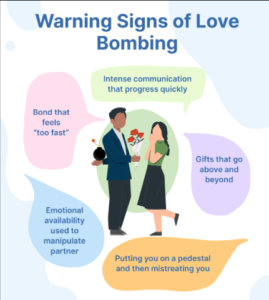
Statements such as “I’ve never felt this way before,” constant texting, and future-planning after just a few days can be a sign of love bombing.

2. Over-possessiveness

They want to know where you are, who you’re with, and what you’re doing—even when unnecessary. It starts as “care” but quickly becomes control.

3. Boundary Violations

They ignore your personal boundaries—emotional, physical, or digital.

4. Jealousy Disguised as Love

They claim they’re “protective,” but really they’re insecure and controlling.

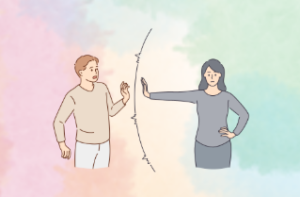
5. Isolating Behavior

They subtly discourage you from meeting friends or family, making themselves the center of your life.

These early behaviors often escalate, forming the basis of a deeply toxic pattern.

4. Major Signs of a Toxic Relationship

Below are the most common and psychologically recognized signs:

1. Constant Criticism and Belittling

Toxic partners often:

  • Mock your dreams

  • Insult your intelligence

  • Dismiss your achievements

  • Humiliate you privately or in public

This repeated criticism weakens your self-esteem and keeps you dependent.

2. Gaslighting

Gaslighting is one of the most damaging forms of emotional abuse. It involves manipulating you into doubting your:

  • Memory

  • Feelings

  • Perception

  • Sanity

Common gaslighting phrases include:

  • “You’re overreacting.”

  • “You imagine things.”

  • “That never happened.”

  • “You’re too sensitive.”

Over time, you stop trusting yourself and rely on your partner’s distorted version of reality.

3. Control and Possessiveness

Control may appear through:

  • Checking your phone or messages

  • Monitoring your location

  • Questioning friendships
  • Restricting financial access

  • Dictating what you wear

A healthy relationship requires freedom; control destroys it.

4. Emotional Manipulation

A toxic partner might:

  • Use guilt to get what they want

  • Cry or create drama whenever you set boundaries

  • Play the victim

  • Threaten self-harm to control you

This traps you in a cycle of anxiety and emotional dependence.

5. Lack of Trust

Constant suspicion, accusations, and insecurity create a suffocating environment. Even innocent actions are questioned, and you feel like you must constantly defend yourself.

6. Blame-Shifting

They take no responsibility for their mistakes.

  • If they cheat, it’s because “you were not giving attention.”

  • If they shout, it’s because “you provoked them.”

You become the scapegoat for every problem.

7. Emotional Neglect

Your emotional needs—love, validation, care—are ignored. You may feel lonely even when you’re physically together.

Examples:

  • They don’t listen when you talk

  • Your feelings are dismissed

  • They avoid difficult conversations

  • They shut down emotionally

Over time, emotional neglect feels like abandonment.

8. Walking on Eggshells

You constantly fear:

  • Their anger

  • Their reactions

  • Triggering a fight

You modify your behavior to keep the peace, losing your identity in the process.

9. Repeated Breakups and Makeups

The relationship follows a toxic cycle:

Conflict → Breakup → Apology → Honeymoon phase → More conflict

This creates emotional instability and destroys trust.

10. Disrespecting Boundaries

A toxic partner often refuses to respect:

  • Personal space

  • Privacy

  • Opinions

  • Time

  • Social boundaries

You feel suffocated.

11. Co-dependency

You are made to feel responsible for their emotions and happiness. They may also depend entirely on you for validation, making the relationship draining.

12. Intimidation, Threats, or Anger Outbursts

This includes:

  • Yelling

  • Throwing objects

  • Threatening to leave

  • Threatening to harm you or themselves

These behaviors are red flags for abuse.

13. Physical or Sexual Coercion

Even mild forms—grabbing, pushing, forced intimacy, or pressure—are not acceptable. This is a severe form of toxicity requiring immediate help.

14. Keeping Secrets or Living a Double Life

Toxic partners may lie, hide information, or maintain parallel relationships. Trust erodes completely.

15. Feeling Drained After Every Interaction

Healthy relationships energize you. Toxic ones exhaust you mentally and emotionally.
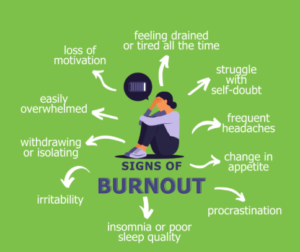
If the relationship feels like a constant battle, it’s toxic.

  1. Psychological Effects of Toxic Relationships
Living in a toxic bond can deeply impact mental health:

  • Anxiety and constant worry

  • Depression or emotional numbness
  • Low self-esteem

  • Difficulty making decisions

  • Social withdrawal

  • Sleep disturbances

  • Guilt and self-blame

  • Hypervigilance (fear of being judged or attacked)

Long-term exposure may lead to:

  • Trauma bonding

  • PTSD-like symptoms

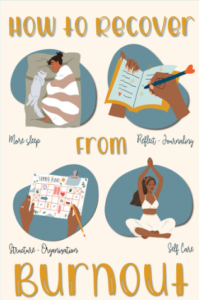
  • Emotional burnout

Recognizing the psychological impact is crucial for healing.

6. Toxic Relationship Patterns: Common Examples

1. The Dominant–Submissive Dynamic

One partner takes total control; the other becomes passive out of fear or exhaustion.

2. The Narcissist–Empath Pair

A narcissistic personality feeds on the empathy of the caring partner, draining them emotionally.

3. The Chaotic and Unstable Cycle

Frequent fights, apologies, and unpredictable behavior create emotional instability.

4. The Silent Destroyer

One partner slowly disconnects emotionally, withholding affection and stonewalling. No physical abuse—just slow psychological erosion.

Understanding these patterns helps you identify where your relationship falls.

7. Signs You Should Leave Immediately

Some situations require urgent exit:

  • Any form of physical abuse

  • Threats to your safety

  • Severe emotional manipulation

  • Forced control over money, movement, or communication

  • Threats of suicide used to control you

  • Sexual coercion

These are not “red flags.” They are deal-breakers.

8. How to Break Free from a Toxic Relationship

Leaving a toxic bond is emotionally difficult but possible with proper support.

1. Acknowledge the Toxicity

Acceptance reduces denial and helps you take action.

2. Talk to Someone You Trust

A friend, family member, or counselor can give perspective and safety.

3. Create Emotional Distance

Reduce communication and avoid arguments. Focus on yourself.

4. Build a Safety Plan

Especially if the partner is manipulative or violent.

This includes:

  • Saving important documents

  • Securing finances

  • Having emergency contacts

  • Knowing where to go if needed

5. Seek Professional Help

Counseling or therapy supports emotional healing and clarity.

6. Block Contact (If Needed)

No-contact helps break trauma bonds and regain stability.

7. Focus on Self-Healing

  • Journaling

  • Self-care

  • Reconnecting with loved ones

  • Rebuilding self-esteem

Leaving is not the end—it’s the beginning of rebuilding your mental and emotional health.

9. Can a Toxic Relationship Be Fixed?

Not all toxic relationships need to end. Some can improve IF BOTH partners:

  • Recognize the toxic patterns

  • Are willing to change

  • Commit to therapy

  • Communicate honestly

  • Follow consistent behavioral changes

However, if only one partner is trying, the relationship will remain toxic.

10. Healthy Relationship Checklist

To understand the difference, here are signs of a healthy relationship:

  • Mutual respect

  • Trust and honesty

  • Emotional safety

  • Freedom and independence

  • Stable communication

  • Healthy conflict resolution

  • Support for growth

  • Shared decision-making

  • Equality

  • Affection and empathy

A relationship should make you feel safe, valued, and seen—not small or scared.

11. When to Seek Professional Help

You should reach out to a mental health professional if you experience:

  • Confusion about your relationship

  • Unexplainable sadness or anxiety

  • Fear of your partner’s reactions

  • Difficulty making decisions

  • Feeling trapped or dependent

  • Loss of confidence

Therapists help break toxic cycles and rebuild emotional strength.

12. Final Thoughts

Toxic relationships are emotionally draining and psychologically harmful, yet many people remain stuck without realizing it. Recognizing the signs early can prevent long-term damage and guide you toward healthier relationships.

Love should never hurt your mental health.
Love should never make you feel afraid.
Love should never cost you your identity.

If any of the signs in this article resonate with your experience, know that you deserve better. Healing is possible, and you are not alone.

Reference 

American Psychological Association (APA) https://www.apa.org
(Information on emotional abuse, trauma, relationship psychology)

National Domestic Violence Hotline https://www.thehotline.org
(For help and safety planning)

Mental Health Foundation https://www.mentalhealth.org
(Research on mental health impact of toxic relationships)

Emotional Abuse: Subtle Signs Many People Miss

Contact Us


Emotional Abuse: Subtle Signs Many People Miss

Emotional abuse is one of the most silent and misunderstood forms of abuse. Unlike physical harm, it rarely leaves bruises or scars that outsiders can see. Instead, it chips away at a person’s self-worth, confidence, emotional safety, and sense of identity—slowly, invisibly, and often without the victim realizing it until much later. Because emotional abuse is subtle and gradual, many people normalize the behaviour or blame themselves. They may think, “Maybe I’m overreacting,” “Maybe it’s my fault,” “Maybe this is just how relationships are.”

But emotional abuse is real, damaging, and in many cases, more harmful than physical abuse. Whether it occurs in romantic relationships, families, friendships, or workplaces, its effects can last years.

This article explores the subtle signs of emotional abuse that many people miss, why people overlook them, the psychological impact, and how to heal safely.

What Is Emotional Abuse?

Emotional abuse refers to a pattern of behaviour where a person uses manipulation, control, humiliation, criticism, or emotional neglect to dominate or harm another person. It aims to weaken the victim’s sense of self and create emotional dependence.

Common elements of emotional abuse include:

  • Control

  • Manipulation

  • Fear and intimidation

  • Isolation

  • Exploitation of vulnerabilities

  • Belittling and humiliation

  • Gaslighting

The abusive behaviour is often subtle at first. It may look like concern, care, jealousy, or “honesty,” but over time, it becomes controlling, demeaning, and psychologically harmful.

Why Do People Miss the Signs of Emotional Abuse?

Emotional abuse is tricky to recognize for several reasons:

1. It is gradual and subtle.

Unlike physical abuse, which can be sudden, emotional abuse builds slowly. It starts with minor comments or behaviours that are easy to dismiss.

2. Abusers often appear loving or caring at first.

They may use love, attention, or charm to mask manipulation. This creates confusion.

3. Victims normalize the behaviour.

Growing up with dysfunctional family patterns can make harmful behaviour feel “normal.”

4. Gaslighting makes victims doubt themselves.

Victims may think they are “too sensitive,” “imagining things,” or “misinterpreting.”

5. Society often minimizes emotional abuse.

People say things like “All couples fight,” “It’s normal,” or “Just ignore it.”

Because of this confusion, identifying subtle signs becomes crucial.

Subtle Signs of Emotional Abuse Most People Miss

1. Constant “Jokes” That Hurt Your Feelings

Mocking, teasing, or making fun of your insecurities is not harmless humour. If someone repeatedly jokes about your weight, dreams, abilities, personality, or intelligence—and gets angry when you don’t laugh—it’s emotional abuse.

Examples:

  • “Calm down, it was just a joke. You’re so sensitive!”

  • “You’ll never succeed; I was only joking.”

The intention is to belittle you while avoiding responsibility.

2. Gaslighting: Making You Question Your Reality

Gaslighting is one of the most powerful tools of emotional abusers. It involves making the victim doubt their memory, perception, or sanity.

Signs include:

  • They deny things they clearly said.

  • They say, “You’re imagining things.”

  • They twist events to make you look wrong.

  • They call you “crazy,” “dramatic,” or “overreacting.”

Over time, you stop trusting your own judgment.

3. Love Bombing Followed by Devaluation

At first, they treat you like royalty—excessive affection, attention, praise, gifts. Then slowly, the warmth disappears, replaced by criticism or distance.

This cycle creates dependency and emotional confusion.

Victims often think:

  • “Maybe I did something wrong.”

  • “If I behave better, they will love me like before.”

This repeated cycle is a form of manipulation

4. Subtle Control Over Your Choices

Instead of direct orders, abusers use emotional pressure:

  • “Wear something else… that doesn’t suit you.”

  • “Why do you want to meet your friends? Don’t you love me?”

  • “You’re going out again? You don’t care about me.”

It sounds like concern, but the aim is to control.

5. Isolating You Without Making It Obvious

Abusers slowly distance you from friends and family:

  • Criticizing the people you care about

  • Creating conflicts when you plan to meet others

  • Making you feel guilty for spending time away

  • Saying “Only I understand you”

They don’t forbid you directly; they manipulate you into withdrawing.

6. Emotional Withholding (Silent Punishment)

They ignore you, give you the silent treatment, or withdraw affection to punish you.

This creates fear:

  • “What if I upset them again?”

  • “What if they leave me?”

Emotional withdrawal is a powerful control method.

7. Moving the Goalposts

Whatever you do is never enough.

You follow their expectations but suddenly the rules change.

Examples:

  • “You should have called earlier.”

  • “Why didn’t you do it exactly how I wanted?”

  • “You’re still not good enough.”

No matter what you do, they find something wrong.

8. Excessive Criticism Disguised as “Helping You Improve”

They may comment on:

  • Your appearance

  • Your personality

  • Your dreams

  • Your achievements

  • Your relationships

Instead of being supportive, they undermine your confidence.

Statements like:

  • “I’m just being honest.”

  • “I say this for your own good.”

are often excuses for emotionally abusive criticism.

9. Blaming You for Their Behaviour

Abusers rarely take responsibility.

Everything becomes your fault:

  • “You made me angry.”

  • “If you didn’t act this way, I wouldn’t yell.”

  • “You’re the problem, not me.”

This creates guilt and keeps you trapped.

10. Making You Feel Guilty for Having Needs

If expressing needs leads to emotional punishment, guilt, or shame, it’s abuse.

Examples:

  • “Why do you always need attention?”

  • “You’re too demanding.”

  • “Other people don’t need this much support.”

Over time, victims stop asking for emotional connection.

11. Keeping You in Constant Uncertainty

You never know:

  • How they will react

  • Whether they will be loving or angry

  • Whether they will show up or disappear

This unpredictability creates emotional dependency.

12. Dismissing Your Emotions

Whenever you express feelings, they react with:

  • “Don’t be dramatic.”

  • “Stop overreacting.”

  • “That’s not a big deal.”

Your emotions get invalidated constantly, making you distrust yourself.

13. Double Standards

They expect loyalty, respect, care, or transparency—but do not offer the same in return.

Examples:

  • They check your phone but hide theirs.

  • They get upset if you go out but they freely do.

  • They demand emotional support but never give it.

This imbalance is a core feature of emotional abuse.

14. Making You Feel Like You Owe Them

Even small favours become “proof” of how much you are indebted to them.

Statements like:

  • “After everything I do for you…”

  • “You should be grateful.”

  • “You owe me.”

They use guilt to control your choices.

15. Quiet Disapproval and Subtle Sarcasm

They don’t always yell. Sometimes emotional abuse is quiet:

  • Eye-rolling

  • Sarcastic comments

  • Heavy sighing

  • Passive-aggressive behaviour

This creates constant anxiety in the victim.

Psychological Impact of Emotional Abuse

Emotional abuse deeply affects mental health:

1. Low Self-Esteem

Victims begin to believe they are unworthy, unlovable, or “not good enough.”

2. Anxiety and Hypervigilance

Always walking on eggshells, trying not to upset the abuser.

3. Depression

Hopelessness, sadness, and emotional exhaustion become common.

4. Trauma Bonding

Victims develop emotional attachment to the abuser due to cycles of affection and punishment.

5. Self-Doubt

Victims lose confidence in their own perceptions and feelings.

6. Identity Loss

After prolonged abuse, people forget who they were before the relationship.

7. Difficulty Trusting Others

Future relationships become challenging due to fear of repeated abuse.

Why It’s So Hard to Leave an Emotionally Abusive Relationship

People often ask: “If it’s so bad, why don’t they leave?”

The reality is complex.

1. Trauma Bonding

The cycle of love and abuse creates strong emotional attachment.

2. Fear of Loneliness

Victims often lose their support system due to isolation.

3. Hope for Change

They remember the early loving phase and hope it will return.

4. Normalization of Toxic Behaviour

Past experiences may make abuse feel familiar.

5. Self-Blame

Victims believe they are responsible for the abuser’s behaviour.

How to Recognize Emotional Abuse in Yourself

Ask yourself:

  • Do I feel afraid to express my feelings?

  • Am I constantly apologizing?

  • Do I question my worth?

  • Do I hide things to avoid conflict?

  • Do I feel drained after interactions with this person?

  • Do I feel more confused than understood?

If you consistently feel small, guilty, anxious, or worthless around someone, it’s a sign of emotional abuse.

How to Protect Yourself

1. Set Clear Boundaries

State what you will and will not accept.
Example: “I don’t allow yelling or disrespectful comments.”

2. Don’t Justify or Over-explain

You don’t have to defend your feelings or decisions.

3. Reconnect with Support Systems

Talk to friends, family, or a therapist.

4. Keep Evidence If You Feel Unsafe

Document messages or incidents (useful in severe cases).

5. Strengthen Self-Worth

Affirm your right to be respected and emotionally safe.

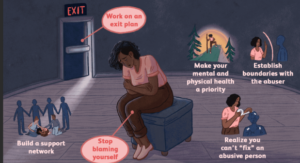
6. Create an Exit Plan

If the abuse escalates or continues, consider safely leaving the relationship.

Healing from Emotional Abuse

Healing is possible, but it takes time and patience.

1. Allow Yourself to Feel

Suppressing emotions slows healing. Acknowledge the hurt.

2. Therapy Helps

A trained mental health professional can help rebuild identity and confidence.

3. Re-establish Boundaries

Practice saying “no,” “stop,” and “this hurts me.”

4. Rebuild Self-Esteem

Engage in activities that remind you of your strengths and identity.

5. Surround Yourself with Safe People

Positive connections help restore emotional balance.

6. Practice Self-Compassion

Healing is not linear—slow progress is still progress.

Conclusion

Emotional abuse is powerful, painful, and often invisible. It works through subtle manipulation, invalidation, guilt, and control. Many people miss the early signs because they seem harmless or disguised as love, care, or “jokes.”

Recognizing the signs is the first step toward reclaiming emotional freedom.

If you recognize yourself in this article, remind yourself:

  • Your feelings are valid.

  • Your experiences are real.

  • You deserve safety, respect, and love that doesn’t hurt.

  • Healing is possible, and you are not alone.

Reference 

Love Bombing: Early Signs & How to Stay Safe

Introduction

Love is often described as warm, nurturing, and gradual—a bond that grows stronger over time through mutual trust, respect, and emotional connection. But not all intense affection is genuine. Sometimes, overwhelming praise, attention, and affection are used as manipulation tools. This tactic is known as love bombing, a behaviour often associated with narcissistic, controlling, or abusive individuals.

Love bombing may feel intoxicating in the beginning—like a dream come true. But behind the fast-paced romance, constant attention, and unrealistic promises lies a hidden motive: control.

This article explores what love bombing really is, the early signs you should watch for, why people use it, and, most importantly, how you can protect yourself from this subtle yet dangerous manipulation.

What is Love Bombing?

Love bombing is a form of manipulative affection where someone overwhelms you with excessive praise, gifts, attention, and promises early in the relationship. The goal is not to love you but to gain power, influence, and control over your emotions and behaviour.

Key Characteristics of Love Bombing:

  • Intense and fast-paced affection

  • Idealization of the partner

  • Boundary violations

  • Rapid escalation of commitment

  • Emotional dependence

  • Manipulation disguised as love

It often occurs in the early stages of dating but can also appear in friendships, workplaces, or family dynamics.

Why Love Bombing Happens: The Psychology Behind It

Love bombing is not accidental or random. It is a tactic used consciously or unconsciously to create emotional dependency. The cycle usually follows the patterns seen in narcissistic abuse, trauma bonding, or controlling relationships.

1. Need for Power & Control

Manipulators use love bombing to make you emotionally attached. Once you are invested, they can influence your decisions, time, and self-perception.

2. Narcissistic Supply

Narcissists need admiration and validation. Love bombing helps them secure a constant source of approval and emotional energy.

3. Fear of Abandonment

Some individuals use intense affection because they fear losing you, even before the relationship has solidified.

4. Low Self-Esteem

Those who feel inadequate may use grand gestures to impress rather than build genuine connection.

5. Trauma Bonding Cycle

Love bombing is often followed by:
Idealization → Devaluation → Discard → Hoovering (pulling you back).

This push-and-pull dynamic creates confusion and emotional addiction.

Early Signs of Love Bombing: 20 Red Flags You Shouldn’t Ignore

Recognizing the early signs can help you protect your emotional well-being. Below are the most common indicators:

1. They Move Extremely Fast

Within days or weeks, they talk about:

  • “soulmates”

  • “fate”

  • “meant to be”

  • “I’ve never felt this way before”

Healthy relationships grow naturally. Love bombing rushes you into commitment.

2. Excessive Compliments

While compliments are healthy, love bombers go overboard:
“You’re perfect.”
“You’re the only person who understands me.”
“No one compares to you.”

These compliments are used to create emotional dependence.

3. Over-the-Top Gifts

They may give expensive presents, surprise trips, or grand gestures—even when you barely know them.

4. Constant Communication

They text or call nonstop:

  • “Good morning”

  • “What are you doing?”

  • “Why didn’t you reply?”

This creates a sense of obligation and emotional pressure.

5. They Demand Immediate Trust

They insist:
“Open up to me.”
“You can trust me fully.”
“We don’t need boundaries.”

This is a major red flag.

6. Jealousy Disguised as Love

They become possessive early:
“I just care about you too much.”
“I don’t want other people to hurt you.”

In reality, they are monitoring you.

7. Ignoring Your Boundaries

You say slow down, but they accelerate.
You set a boundary, but they minimize it.

8. They Put You on a Pedestal

You are seen as perfect, which feels flattering.
Until you do something they dislike—then comes devaluation.

9. They Want Exclusive Attention

They gently or aggressively try to isolate you from friends and family:
“You don’t need them.”
“Why talk to them when you have me?”

10. Future Faking

They plan:

  • marriage

  • kids

  • trips

  • a shared home

All within weeks.
This promises security but manipulates emotions.

11. Mood Shifts When You Set Limits

If you ask for space, they become:

  • sad

  • irritated

  • withdrawn

  • accusing

This teaches you that boundaries = conflict.

12. They Use Guilt for Control

“After everything I do for you, you’re not appreciating me.”

13. They Create an ‘Us vs Them’ Narrative

This isolates you emotionally.

14. They Don’t Know Much About You

Despite showering affection, they haven’t taken time to understand your personality, values, or history.

15. You Feel Overwhelmed, Not Loved

Your nervous system feels pressured, not peaceful.

16. They Ignore Your Need for Personal Space

Healthy partners respect independence.
Love bombers see it as a threat.

17. Unrealistic Expectations

“You should prioritize me always.”
“You should reply instantly.”

18. They Make You Feel Obligated

The goal is to create a debt—emotional or material.

19. They Rapidly Declare Commitment

“I want to spend my life with you.”
“You’re my everything.”

Sound romantic—but often manipulative.

20. Your Intuition Says Something Feels Off

Your inner voice recognizes discomfort before your mind makes sense of it.

Stages of Love Bombing

Love bombing is rarely constant. Instead, it follows a predictable emotional cycle:

1. Idealization Stage

They shower you with affection, gifts, and love.

2. Devaluation Stage

Once you’re attached, they begin to criticize, withdraw, or manipulate.

3. Discard Stage

They suddenly pull away, leaving you confused and anxious.

4. Hoovering Stage

After distancing themselves, they return with apologies, gifts, or love bombing again to pull you back.

This cycle keeps victims trapped.

The Impact of Love Bombing on Mental Health

Love bombing is emotionally damaging. Victims often experience:

1. Anxiety & Emotional Confusion

The sudden shifts create insecurity.

2. Low Self-Esteem

You begin questioning your worth when the affection stops.

3. Trauma Bonding

The highs and lows create an addictive emotional attachment.

4. Depression

Constant emotional instability can lead to sadness and hopelessness.

5. Loss of Personal Identity

You prioritize their needs, forgetting your own.

6. Fear of Abandonment

Their sudden withdrawals create long-term insecurity.

7. Hypervigilance

You become overly alert to mood changes.

Why Smart, Strong People Fall for Love Bombing

Anyone can fall for love bombing. Intelligence and strength don’t protect you from emotional manipulation.

1. Love Bombing Feels Good Initially

Humans crave connection, validation, and affection.

2. Social Conditioning

Movies romanticize intensity as “true love”.

3. Attachment Style Matters

People with:

  • anxious attachment

  • low self-esteem

  • unhealed trauma

are more vulnerable.

4. Manipulators are Skilled

Love bombers often appear confident, charming, and emotionally expressive.

How to Protect Yourself from Love Bombing

Here are practical steps to stay safe emotionally:

1. Slow Down the Pace

Healthy love grows slowly.
Take time to observe and understand the person.

2. Set Clear Boundaries

Tell them what is acceptable and what isn’t.

3. Maintain Your Support System

Stay connected with:

  • friends

  • family

  • colleagues

  • hobbies

Isolation increases vulnerability.

4. Do Not Justify Your Boundaries

Your feelings are enough reason to say “no”.

5. Look for Actions, Not Words

Consistency speaks louder than intensity.

6. Avoid Premature Commitments

Do not rush into marriage, moving in, or joint finances.

7. Reflect on How They Handle “No”

A healthy partner respects boundaries.
A love bomber pushes harder.

8. Trust Your Intuition

If something feels too intense, too soon—pause.

9. Seek Professional Support

Therapists or counselors can help identify manipulation patterns and rebuild self-esteem.

You can Contact Us

How to Respond to a Love Bomber

Here are some scripts you can use:

1. “I appreciate the affection, but I need things to move slowly.”

2. “I am not comfortable making big decisions so early.”

3. “I need space right now; please respect my boundaries.”

4. “I’m not ready for this level of intensity.”

If they react negatively, that is your answer.

Love Bombing vs Genuine Love: How to Tell the Difference

Love Bombing Healthy Love
Fast-paced Slow, steady
Overwhelming Balanced
Ignores boundaries Respects boundaries
Manipulative Supportive
Conditional Consistent
Idealizes you Knows you realistically

Healing After Love Bombing

Recovery takes time but is fully possible.

1. Acknowledge What Happened

Understanding manipulation is the first step.

2. Rebuild Self-Esteem

Engage in:

  • journaling

  • mindfulness

  • self-compassion practices

3. Strengthen Your Boundaries

Learn to identify red flags early.

4. Practice Emotional Regulation

Use CBT, grounding, and somatic techniques to manage triggers

5. Seek Therapy if Needed

Especially if you experienced trauma bonding or emotional abuse.

6. Surround Yourself with Supportive People

When to Walk Away

You should leave immediately if they:

  • violate your boundaries repeatedly

  • manipulate or guilt-trip you

  • isolate you from others

  • show possessive or controlling behaviour

  • refuse to slow down

  • punish you emotionally

Walking away is self-protection, not weakness.

Conclusion

Love bombing is not love—it is manipulation disguised as affection. Recognizing the early signs can protect your emotional well-being and help you build healthier, safer relationships. True love respects boundaries, grows gradually, and supports your autonomy.

By learning how to identify toxic patterns, trust your intuition, and set firm boundaries, you empower yourself to build relationships rooted in authenticity—not control.

Reference

Why People-Pleasing Happens & How to Stop It

People-pleasing may look like kindness on the surface. You’re helpful, dependable, and always there for others. But beneath the smile, there is often exhaustion, resentment, and emotional burnout. You say “yes” when you want to say “no.” You push your own needs aside. You feel guilty when you prioritize yourself. You fear that disappointing others means losing their love or approval.

Yet people-pleasing isn’t a personality trait—it’s a coping mechanism.
And the good news? It can be unlearned.

This in-depth guide helps you understand:

  • Why people-pleasing develops

  • Emotional, psychological, and relational consequences

  • How to set boundaries without guilt

  • How to build self-worth that isn’t based on pleasing others

  • Practical steps to stop the cycle

Let’s begin at the root.

1. What Is People-Pleasing?

People-pleasing is the habit of prioritizing others’ needs, wants, and emotions over your own—often at the cost of your mental health.

People-pleasers often:

  • Struggle to say no

  • Avoid conflict at all costs

  • Seek validation and approval

  • Overcommit and overwhelm themselves

  • Feel responsible for others’ happiness

  • Apologize too much

  • Fear rejection or disappointment

  • Suppress their true feelings

It may look like kindness, but it is actually self-neglect in disguise.

2. Why People-Pleasing Happens: The Psychological Roots

People-pleasing isn’t random. It develops through emotional learning, attachment patterns, and early experiences.

Let’s break down the key causes.

2.1 Childhood Conditioning

Many people-pleasers grew up in environments where love and acceptance were conditional.

Examples include:

  • Parents who demanded obedience

  • Caregivers who shamed the child for expressing needs

  • Growing up with emotionally unpredictable adults

  • Being praised only when you performed well

  • Being punished for speaking up

You learn:
“I must please to stay safe.”
“I must be good to be loved.”

This belief follows you into adulthood.

2.2 Fear of Rejection

People-pleasing is deeply connected to the fear of abandonment.

Your mind thinks:

  • “If I say no, they won’t like me.”

  • “If I upset someone, they will leave.”

  • “If I show my real feelings, I’ll be rejected.”

To avoid these imagined threats, you sacrifice your boundaries.

2.3 Trauma Responses: Fawn Mode

In trauma psychology, “fawning” is a survival response.

Fight – Flight – Freeze – Fawn

Fawning = appeasing others to avoid conflict or harm.

You people-please to:

  • Keep the peace

  • Diffuse tension

  • Protect yourself

  • Make yourself “less of a problem”

It is an unconscious attempt to stay emotionally safe.

2.4 Low Self-Worth

People-pleasers often believe:

  • “My value comes from what I do for others.”

  • “I must earn love.”

  • “Others’ needs matter more than mine.”

When you don’t feel inherently worthy, you try to earn worth through service, sacrifice, and compliance.

2.5 Perfectionism

Perfectionists often people-please because they:

  • Fear disappointing others

  • Want to be seen as competent or kind

  • Hate the idea of failure or criticism

The desire to maintain a perfect image pushes them to overgive.

2.6 Cultural and Social Conditioning

In many cultures (including Indian and collectivistic systems), people are taught to:

  • Respect elders unconditionally

  • Suppress individuality

  • Prioritize family/community needs

  • Avoid conflict or assertiveness

This teaches that saying “no” is rude or selfish.

2.7 Gender Expectations

Women especially experience pressure to be:

  • Nurturing

  • Cooperative

  • Agreeable

  • Self-sacrificing

This creates emotional labor that leads to chronic people-pleasing.

2.8 Codependency Patterns

People-pleasing is a major sign of codependency:

  • You feel responsible for others’ emotions

  • You believe it’s your job to fix people

  • You lose yourself in relationships

You’re afraid of what will happen if you stop pleasing.

3. Signs You Might Be a People-Pleaser

Here are clear indicators:

  • You never want anyone upset with you

  • You say “yes” automatically, then regret it

  • You apologize even when it’s not your fault

  • You struggle to express needs

  • You absorb others’ emotions

  • You avoid conflict

  • You feel guilty resting

  • You often feel used or unappreciated

  • You give far more than you receive

  • You fear being seen as “difficult”

This pattern damages your mental and emotional health over time.

4. How People-Pleasing Affects Your Life

People-pleasing may seem harmless—until you see its consequences.

4.1 Emotional Consequences

  • Burnout

  • Resentment

  • Anxiety

  • Emotional numbness

  • Feeling unseen

  • Low self-esteem

  • Anger at yourself for not speaking up

You carry the emotional load of everyone except yourself.

4.2 Mental Health Consequences

People-pleasing contributes to:

  • Depression

  • Anxiety disorders

  • Codependency

  • Identity confusion

  • Emotional exhaustion

  • Chronic stress

Your brain constantly anticipates others’ reactions.

4.3 Relationship Consequences

People-pleasers attract:

  • Narcissists

  • Manipulators

  • Takers

  • Emotionally unavailable people

Because you give endlessly, you end up with people who love taking advantage.

Healthy people may also distance themselves because:

  • You seem inauthentic

  • You never share true feelings

  • You avoid vulnerability

4.4 Identity Loss

When you live for others, you forget who you are.

People-pleasers struggle with:

  • “What do I want?”

  • “What makes me happy?”

  • “What do I believe?”

Your identity becomes shaped by others’ expectations.

4.5 Physical Consequences

Chronic people-pleasing leads to:

  • Headaches

  • Sleep problems

  • Fatigue

  • Heart issues

  • Emotional eating

  • Weakened immunity

Your body suffers when you carry emotional burdens.

5. Why Saying “No” Feels So Hard

For a people-pleaser, “no” feels dangerous.

Your brain associates saying no with:

❌ Rejection
❌ Conflict
❌ Shame
❌ Disapproval
❌ Guilt
❌ Losing connection

So even when your entire body says no, your mouth says yes.

This comes from emotional conditioning—not reality.

6. How to Stop People-Pleasing: The Full Guide

Breaking people-pleasing is not about becoming rude or selfish.

It’s about becoming balanced.

Here are powerful, evidence-based strategies to reclaim your emotional freedom.

1. Understand That You Have Needs Too

People-pleasers often believe:

“I don’t matter.”
“My needs are inconvenient.”
“Others come first.”

Challenge this belief:

Your needs deserve space.
Your emotions deserve attention.
You deserve respect.

2. Identify Your People-Pleasing Patterns

Ask yourself:

  • When do I say yes when I don’t want to?

  • Who do I fear disappointing?

  • What situations make me overgive?

  • What do I hope to get in return (approval, safety, love)?

Awareness is the first step to change.

3. Heal the Root: Childhood & Inner Child Work

Your inner child may still believe:

  • “I must please to be safe.”

  • “I will be punished for expressing needs.”

  • “I must earn love.”

Talk to your inner child:

“You are safe now.”
“Your needs matter.”
“You don’t have to perform for love.”

Healing the root frees you from old patterns.

4. Challenge Cognitive Distortions

People-pleasers often think in extremes:

  • “If I say no, they’ll hate me.”

  • “I must be agreeable to be loved.”

  • “I can’t handle conflict.”

Challenge these thoughts and replace them with realistic ones.

5. Learn to Tolerate Discomfort

Saying no feels uncomfortable at first.
Sit with it.

Growth happens outside your comfort zone.

6. Build Boundary Muscles

Start small.

Examples:

  • “I’m not available right now.”

  • “I can’t commit to that.”

  • “Let me think about it.”

  • “I’m focusing on other priorities.”

Your “no” doesn’t need to be explained excessively.

7. Practice Assertive Communication

Assertiveness means:

  • Being clear

  • Being respectful

  • Being honest

It is not aggression.
It is not selfishness.

Assertiveness gives your needs equal importance.

8. Stop Apologizing Excessively

Replace:

“Sorry for bothering you” → “Do you have a moment?”
“Sorry, I can’t” → “I’m not available.”
“Sorry I upset you” → “I understand how you feel.”

Apologies should be used only when truly necessary.

9. Declutter Your Relationships

Some people only like you when you overgive.

You may need to distance yourself from:

  • Narcissists

  • Takers

  • Manipulators

  • Emotionally draining people

Healthy relationships don’t require self-abandonment.

10. Build Self-Worth Independent of Approval

Affirm:

“I am enough even when I’m not pleasing others.”
“I deserve love for who I am, not what I do.”
“My voice matters.”

Self-worth is the antidote to people-pleasing.

11. Stop Fixing Others’ Emotions

You are not responsible for:

  • How others feel

  • How they respond to your boundaries

  • Their happiness

  • Their disappointment

Let people feel their feelings.
Your job is to be authentic—not perfect.

12. Create Space for Your True Self

Rediscover:

  • What you want

  • What you enjoy

  • What you value

  • What you believe

Becoming yourself is the opposite of people-pleasing.

6. Sample Scripts for Saying No

✔ Polite No

“I appreciate the offer, but I can’t right now.”

✔ Boundaried No

“That doesn’t work for me.”

✔ Delayed Response

“I’ll get back to you after checking my schedule.”

✔ Firm No

“No, I’m not available.”

✔ Emotional Boundary

“I’m not comfortable discussing this.”

Practice makes it easier.

7. What Happens When You Stop People-Pleasing

At first:

  • People may get upset

  • You may feel guilty

  • Your nervous system will resist change

Then gradually:

  • You feel empowered

  • You trust yourself

  • You develop confidence

  • Your relationships become healthier

  • You stop feeling exhausted

  • You regain your identity

  • You attract more respectful people

Saying “no” becomes natural.
Putting yourself first becomes normal.

8. When to Seek Professional Help

Therapy is helpful if:

  • You feel anxious saying no

  • You struggle with guilt

  • You attract toxic relationships

  • You were raised in a dysfunctional or abusive home

  • You lose yourself in relationships

Counselling helps you break lifelong patterns and develop a healthier sense of self.

Conclusion

People-pleasing is rooted in a deep fear that your worth depends on what you do for others. It begins in childhood, grows through emotional conditioning, and becomes a survival habit. But it is not who you truly are.

You can learn to:

  • Set boundaries

  • Prioritize yourself

  • Stop apologizing

  • Speak your truth

  • Reclaim your identity

  • Build healthier relationships

  • Say no without guilt

When you stop people-pleasing, you stop abandoning yourself.
You choose authenticity over approval.
You choose freedom over fear.
You choose yourself—finally.

Reference

How to Regulate Emotions Using CBT Techniques

Emotions influence everything—from the way we think and act to the way we connect with people and experience life. But when emotions become overwhelming, intense, or difficult to manage, they can affect mental health, decision-making, and relationships.

Cognitive Behavioral Therapy (CBT) is one of the most effective psychological approaches to emotional regulation. It teaches you to understand your thoughts, identify unhelpful patterns, and develop healthier ways to respond to difficult emotions.

This guide will help you understand:

  • How emotions work

  • Why some emotions feel unmanageable

  • How CBT techniques help regulate emotional responses

  • Step-by-step CBT tools you can start using today

  • Long-term strategies for emotional resilience

1. What Is Emotional Regulation?

Emotional regulation means:

  • Understanding your emotions

  • Managing them in a healthy way

  • Responding instead of reacting

  • Staying calm enough to think clearly

  • Making choices aligned with your values

It does not mean suppressing emotions or pretending everything is fine.
Healthy regulation allows you to feel emotions without being controlled by them.

Examples of regulated emotional responses include:

  • Taking deep breaths instead of yelling

  • Pausing before reacting

  • Reframing negative thoughts

  • Choosing a healthy coping strategy

  • Creating distance from triggers

Emotion regulation is a skill—and CBT provides the tools to learn it.

2. How CBT Helps With Emotional Regulation

Cognitive Behavioral Therapy is based on a simple but powerful connection:

Thoughts → Feelings → Behaviors

This means:

  • Thoughts create emotions

  • Emotions influence behaviors

  • Behaviors reinforce beliefs

CBT helps you identify this cycle and change unhelpful patterns.

How CBT supports emotional regulation:

  • It identifies emotional triggers

  • It challenges distorted thinking

  • It replaces negative thoughts with realistic ones

  • It reduces emotional intensity

  • It strengthens coping skills

  • It prevents emotional spirals

Over time, CBT rewires the brain to respond more calmly and rationally.

3. Why Emotions Become Hard to Regulate

Certain emotional patterns make regulation difficult. Examples:

3.1 Cognitive Distortions

  • Catastrophizing

  • Black-and-white thinking

  • Personalization

  • Mind reading

  • Overgeneralization

These distortions make emotions stronger and more painful.

3.2 Unprocessed Trauma

Old wounds create emotional sensitivity.

3.3 Poor Boundaries

Saying yes when you want to say no leads to resentment and frustration.

3.4 Chronic Stress or Burnout

A constantly activated nervous system makes emotional regulation harder.

3.5 Lack of Coping Skills

Many people were never taught healthy emotional tools growing up.

CBT addresses these issues and builds emotional awareness and control.

4. Understanding the Cognitive Triangle

At the heart of CBT is the cognitive triangle:

Thoughts → Emotions → Behaviors

Example:

Thought: “I’m going to fail this presentation.”
Emotion: Anxiety
Behavior: Avoid preparing, sleep poorly, freeze during the presentation

CBT helps you modify the thought:

New Thought: “I can prepare well and do my best.”
New Emotion: Confidence
New Behavior: Prepare calmly and perform better

Changing one part of the triangle influences the others.

5. Identifying Emotional Triggers

You cannot regulate what you don’t understand.
Start by identifying triggers—situations, thoughts, or memories that create intense emotions.

Common Triggers:

  • Criticism

  • Conflict

  • Rejection

  • Feeling ignored

  • High-pressure situations

  • Past trauma reminders

  • Failure or mistakes

How to Identify Your Triggers

Use journaling prompts:

  • What happened?

  • What emotion did I feel?

  • What thought followed?

  • What did I do afterward?

Patterns will emerge.
CBT then helps you change the reaction to these triggers.

6. CBT Techniques for Emotional Regulation

Here are the most powerful CBT tools used by therapists to help clients manage emotions effectively.

Technique 1: Cognitive Restructuring

Cognitive restructuring helps you:

  • Identify negative thoughts

  • Challenge their accuracy

  • Replace them with balanced thoughts

This reduces emotional intensity instantly.

Steps:

  1. Identify the automatic negative thought (ANT).

  2. Ask: “Is this thought 100% true?”

  3. Look for evidence for and against the thought.

  4. Reframe it into a balanced thought.

Example:

Thought: “Nobody cares about me.”
Balanced Thought: “Some people care about me, even if not everyone shows it.”

This simple shift creates emotional relief.

Technique 2: Thought Challenging (The 5-Question Method)

Ask yourself:

  1. What is the evidence this thought is true?

  2. What is the evidence it isn’t true?

  3. Is there another way of viewing this situation?

  4. What would I tell a friend in this situation?

  5. What is the worst that could realistically happen—and how would I handle it?

This technique prevents emotional overreaction.

Technique 3: Identifying Cognitive Distortions

Recognizing distorted thinking helps you detach from emotional spirals.

Examples:

  • Catastrophizing: “Everything will go wrong.”

  • Mind Reading: “She must be angry with me.”

  • Overgeneralizing: “I failed once, I’ll always fail.”

  • Personalization: “It must be my fault.”

Once you name the distortion, your brain stops believing it.

Technique 4: Reframing Thoughts

Reframing helps you shift from negative conclusions to realistic perspectives.

Example:

Instead of: “I made a mistake. I’m useless.”
Reframe as: “I made a mistake. Everyone does. I can correct it.”

Reframing builds self-compassion and emotional balance.

Technique 5: The STOP Technique

A simple but powerful tool for emotional emergencies.

S – Stop.
Pause before reacting.

T – Take a breath.
Slow breathing activates the calm system.

O – Observe.
Notice thoughts and emotions without judgment.

P – Proceed mindfully.
Choose a healthy response instead of reacting impulsively.

This technique is excellent for anger, anxiety, and conflict situations.

Technique 6: The ABC Model

Used to break automatic emotional reactions.

A – Activating Event

What happened?

B – Belief

What did you think about it?

C – Consequence

How did you feel and behave?

Goal:

Change B to change C.

Example:

A: Someone didn’t reply to your message
B: “They are ignoring me.”
C: Sadness, anger

Reframed B: “Maybe they’re busy.”
New C: Calm, neutral

Technique 7: Behavioral Activation

This CBT tool teaches you to act opposite to your emotional impulses.

If your sadness tells you to isolate—take action instead: go for a walk, talk to someone, clean your room.

Behaviors shape emotions.

Technique 8: Exposure to Emotional Discomfort

Avoidance fuels emotional dysregulation.
CBT teaches that facing discomfort helps you manage it better.

Examples:

  • If you fear conflict → role-play communication

  • If you fear rejection → practice asking for small favors

  • If you fear failure → attempt new tasks gradually

Small exposures build resilience.

Technique 9: Problem-Solving Skills

Difficult emotions often come from unresolved stress.

CBT teaches structured problem-solving:

  1. Define the problem

  2. Brainstorm solutions

  3. Evaluate pros/cons

  4. Choose one solution

  5. Test it

  6. Review and revise

This reduces anxiety and helplessness.

Technique 10: Journaling (CBT Thought Records)

CBT uses worksheets to analyze and regulate emotional responses.

A thought record includes:

  • Situation

  • Emotions

  • Automatic Thoughts

  • Evidence for

  • Evidence against

  • Alternative thought

  • Outcome

Writing helps your brain slow down and think rationally.

Technique 11: Mindfulness & CBT (MBCT)

Mindfulness-Based Cognitive Therapy combines:

  • observing emotions

  • nonjudgmental awareness

  • grounding techniques

This helps regulate intense emotions like:

  • anger

  • anxiety

  • panic

  • sadness

Mindfulness reduces the power of intrusive thoughts.

Technique 12: The “Name It to Tame It” Method

When you label your emotion, your brain shifts activity from the emotional center (amygdala) to the logical center (prefrontal cortex).

Say:

  • “I’m feeling anxious.”

  • “I’m feeling overwhelmed.”

  • “I’m feeling hurt.”

Naming emotions reduces intensity.

7. Using CBT to Manage Specific Emotions

Let’s explore how CBT works for individual emotions.

Managing Anxiety With CBT

  • Challenge catastrophic thoughts

  • Test the feared outcome

  • Create realistic predictions

  • Use grounding techniques

  • Practice breathing exercises

CBT helps break the anxiety cycle quickly.

Managing Anger With CBT

  • Identify triggers

  • Use STOP technique

  • Challenge assumptions

  • Reframe interpretations

  • Practice assertive communication

CBT helps turn anger into controlled, constructive expression.

Managing Sadness With CBT

  • Challenge hopeless thoughts

  • Use behavioral activation

  • Reconnect with enjoyable activities

  • Challenge “all-or-nothing” thinking

CBT prevents sadness from becoming depression.

Managing Shame or Guilt With CBT

  • Challenge negative self-beliefs

  • Reframe self-criticism

  • Practice self-compassion

  • Separate behavior from identity

Shame dissolves when replaced with self-understanding.

8. Building Long-Term Emotional Resilience Using CBT

Emotional regulation becomes easier when you build resilience.

Long-term CBT strategies:

  • Maintain healthy routines

  • Sleep properly

  • Exercise regularly

  • Build supportive relationships

  • Practice gratitude

  • Set boundaries

  • Review thought patterns weekly

  • Avoid perfectionism

  • Reduce unhealthy coping (alcohol, avoidance, shutting down)

  • Celebrate small wins

These practices change your emotional system permanently.

9. CBT Worksheets You Can Use Daily

Here are simple tools you can print or use in a journal:

✔ Thought Record Worksheet

✔ ABC Model Template

✔ Cognitive Distortion Checklist

✔ Trigger Diary

✔ Emotion Intensity Scale

✔ Reframing Exercise

✔ Daily Behavioral Activation Planner

Using these consistently strengthens emotional control.

10. When You Should Seek Therapy

CBT works very well independently, but professional support is helpful if:

  • emotions feel unmanageable

  • you experience panic attacks

  • negative thoughts feel constant

  • you struggle with trauma

  • burnout feels severe

  • relationships are affected

  • coping skills aren’t enough

A trained therapist helps apply CBT deeply and safely.

Conclusion

Emotional regulation is not about eliminating feelings—it’s about understanding and managing them in healthy ways. CBT provides a clear, structured, and science-backed approach to:

  • identifying triggers

  • challenging negative thoughts

  • understanding emotional patterns

  • reducing emotional intensity

  • developing healthier coping strategies

By using CBT techniques consistently, you can cultivate emotional resilience, improve mental well-being, and respond to life’s challenges with clarity and confidence.

CBT teaches a powerful truth:

You may not control everything that happens, but you can control how you think about it—and that changes everything.

Reference

Stages of Burnout & How to Recover

Burnout is often described as the slow, silent collapse of your emotional, mental, and physical energy. It sneaks in gradually—one small sacrifice at a time—until one day, you wake up feeling drained, disconnected, and unable to keep going.

Burnout does not happen overnight.
It develops in stages, and understanding these stages is one of the most powerful ways to catch burnout early and heal effectively.

This long, in-depth guide explores:

  • What burnout really is

  • The 5 scientifically recognized stages

  • Signs your body and mind are burning out

  • The psychology behind chronic stress

  • How burnout affects work, relationships, and identity

  • Step-by-step evidence-based recovery strategies

What Is Burnout?

Burnout is a state of emotional, physical, and mental exhaustion caused by prolonged and excessive stress, especially related to work, caregiving, studies, and high-pressure environments.

The World Health Organization defines burnout as an occupational phenomenon characterized by:

  1. Emotional exhaustion

  2. Depersonalization or cynicism

  3. Reduced sense of personal accomplishment

Burnout is not just “being tired”—it is a long-term breakdown of your stress response system.

Why Burnout Happens: The Psychology Behind It

Burnout occurs when the demands placed on you chronically exceed your emotional and physical resources.

Factors include:

Excessive workload

Deadlines, multitasking, and constant pressure push your nervous system beyond its limits.

Lack of control

Feeling powerless or micromanaged increases stress.

Emotional labour

Professions like counselling, healthcare, teaching, childcare, or caregiving require constant emotional energy.

Perfectionism

High achievers often push themselves far beyond healthy limits.

Lack of boundaries

Saying “yes” too often drains energy and leaves no space for recovery.

Poor work-life balance

When work consumes your identity, rest becomes uncomfortable.

Unresolved trauma

Childhood or relationship wounds can make people overwork to seek approval.

Burnout is not weakness.
It is your mind and body telling you to slow down before something breaks.

The 5 Stages of Burnout

Burnout follows a predictable cycle.
Most people don’t recognize it until Stage 3 or 4, when symptoms feel overwhelming.

Let’s explore each stage deeply.

Stage 1: The Honeymoon Stage

At this stage, you feel:

  • Motivated

  • Energetic

  • Passionate

  • Driven

  • Willing to take on extra responsibilities

You may think:

“I love my work. I can handle anything.”

But beneath the enthusiasm, a pattern slowly forms:

  • Overcommitting

  • Ignoring early stress

  • Blurring boundaries

  • Skipping breaks

  • Putting work before rest

  • Seeking validation through performance

This stage feels productive, but it plants the seeds for burnout.

Signs You’re in Stage 1

  • Working late because you want to

  • Saying yes to everything

  • Feeling excited but restless

  • Neglecting self-care

  • Believing you can “push through” anything

If you don’t start regulating stress here, the burnout cycle intensifies.

Stage 2: Onset of Stress

Stress begins showing up more consistently.

Early Emotional Symptoms

  • Anxiety

  • Irritability

  • Feeling overwhelmed

  • Trouble relaxing

Physical Symptoms

  • Fatigue

  • Headaches

  • Stomach issues

  • Poor sleep quality

Behavioral Signs

  • Difficulty focusing

  • Small mistakes increasing

  • Reduced patience

  • Feeling guilty when resting

You start noticing something is wrong, but you may think:

“This is temporary.”
“I just need to work harder.”
“I’ll rest after this project.”

Most people ignore Stage 2—leading to full burnout.

Stage 3: Chronic Stress

This is the turning point.
Stress is no longer occasional; it becomes constant.

Emotional Signs

  • Persistent anxiety

  • Feeling out of control

  • Low motivation

  • Mood swings

  • Emotional numbness

Physical Symptoms

  • Frequent colds

  • Digestive issues

  • Chest tightness

  • Loss of appetite or emotional eating

Behavioral Signs

  • Procrastination

  • Withdrawal from others

  • Increased consumption of caffeine, sugar, or alcohol

  • Getting angry or crying easily

At this stage, burnout begins to damage your physical and mental health.

Stage 4: Burnout

This is the full collapse of emotional resilience.

Emotional Symptoms

  • Feelings of emptiness

  • Hopelessness

  • Detachment

  • Cynicism toward work

  • Feeling not good enough

  • Feeling trapped

Physical Symptoms

  • Chronic fatigue

  • Insomnia

  • Body pain

  • Weakened immunity

Cognitive Symptoms

  • Brain fog

  • Memory issues

  • Difficulty making decisions

Behavioral Signs

  • Avoiding responsibilities

  • Isolating yourself

  • Losing interest in life

  • Reduced productivity

At this stage, simple tasks feel impossible.
Your body enters “shutdown mode.”

Stage 5: Habitual Burnout

This is the most severe stage, when burnout becomes a long-term emotional condition.

Signs of Habitual Burnout

  • Continuous exhaustion

  • Chronic anxiety or depression

  • Deep emotional numbness

  • Loss of identity

  • Feeling disconnected from yourself

  • Loss of purpose

  • Health problems from prolonged stress

People in this stage often need professional help to heal.

How Burnout Affects Your Life

Burnout impacts every part of your well-being.

Mental health

  • Anxiety

  • Depression

  • Emotional instability

  • Feeling “switched off”

Physical health

  • Heart problems

  • Hormonal imbalance

  • Weak immune system

  • Gastrointestinal issues

Work and productivity

  • Errors and missed deadlines

  • Loss of motivation

  • Reduced creativity

Relationships

  • Reduced emotional availability

  • Increased conflict

  • Withdrawing from loved ones

  • Irritability

Self-worth

Burnout makes you believe:

“I am failing.”
“I am not enough.”
“I can’t do anything right.”

This emotional distortion becomes a psychological burden.

Burnout vs. Stress vs. Depression

Many confuse burnout with stress or depression.

Stress

You still believe things will get better.

Burnout

You feel empty and beyond caring.

Depression

You feel hopeless, powerless, and disconnected even from things you love.

Someone can have burnout AND depression simultaneously.

How to Recover From Burnout

A Step-by-Step Healing Guide**

Recovery isn’t a one-day change.
It is a gradual process of restoring your emotional and physical energy.

Here are complete, science-backed recovery strategies.

1. Acknowledge That You Are Burned Out

Acceptance is the first step.

Say to yourself:

“I am overwhelmed. I need rest.”
“I cannot continue like this.”
“My body is asking for healing.”

Awareness reduces guilt and opens the door to recovery.

2. Restore Your Nervous System

Burnout happens because the nervous system is stuck in fight or flight.

Use techniques that activate the parasympathetic (rest & digest) system:

  • Deep breathing

  • Progressive muscle relaxation

  • Gentle stretching

  • Nature walks

  • Mindfulness meditation

  • Slow music

  • Warm showers

These signal your brain:
“You are safe. You can relax.”

3. Prioritize Rest—Real Rest

Not scrolling.
Not watching TV.
Not collapsing into sleep after exhaustion.

Real rest = your mind and body fully switching off.

Try:

  • Power naps

  • Mindful rest

  • Quiet time without screens

  • Light journaling

  • Early bedtime

Rest is not laziness—it is medicine.

4. Reevaluate Your Boundaries

Burnout often comes from:

  • Saying yes when you mean no

  • Doing more than your capacity

  • Taking responsibility for others

  • Avoiding conflict

  • People-pleasing

You must learn to say:

“No, I can’t take this right now.”

Boundary exercises include:

  • Limiting your availability

  • Creating “no work after ___ PM” rules

  • Protecting weekends

  • Reducing emotional labour

Boundaries protect your energy like a shield.

5. Reconnect With Your Body

Burnout disconnects you from physical sensations.

Use grounding practices:

  • Yoga

  • Stretching

  • Somatic exercises

  • Slow breathing

  • Body scan meditation

The more you reconnect with your body, the faster you heal.

6. Redesign Your Work Habits

Small changes make a big difference:

  • Take micro-breaks every 50 minutes

  • Don’t skip meals

  • Reduce multitasking

  • Set realistic to-do lists

  • Stop pushing through exhaustion

Healthy work habits reduce future burnout.

7. Rebuild Self-Worth

Burnout often makes you feel “not enough.”

Rebuild self-worth by:

  • Challenging negative thoughts

  • Celebrating small wins

  • Practicing affirmations

  • Keeping a success journal

  • Tracking progress

  • Checking your inner critic

Your worth is not defined by productivity.

8. Seek Support

Healing becomes easier with the right support:

  • Therapy

  • Counselling

  • Supportive friends

  • Understanding coworkers

  • Mentors

Talking about burnout reduces shame and speeds recovery.

9. Reconnect With Joy

Burnout steals joy from life.
Recovery means rediscovering what brings you pleasure.

Try:

  • Hobbies

  • Creative activities

  • Music or dance

  • Reading

  • Travel

  • Cooking

  • Spending time with loved ones

Joy is a form of healing.

10. Rebuild Your Identity

Burnout often occurs when your identity revolves solely around work or caregiving.

Ask:

“Who am I beyond my responsibilities?”
“What do I value?”
“What do I want for my life?”

Rebuilding your sense of self prevents future burnout.

11. Create a Long-Term Wellness Plan

Burnout recovery requires consistent habits:

  • Sleep routines

  • Exercise

  • Healthy meals

  • Mindfulness practice

  • Time boundaries

  • Regular breaks

  • Limiting screen time

  • Saying no when necessary

Consistency transforms your energy system.

How Long Does Burnout Recovery Take?

It depends on:

  • Stage of burnout

  • Severity of stress

  • Whether you have support

  • Lifestyle changes

Recovery can take:

  • 2–6 weeks for early stages

  • 2–3 months for moderate burnout

  • 6–12 months for severe burnout

It’s not linear. Healing goes in waves.

Preventing Burnout in the Future

Once you recover, prevention becomes essential.

Maintain boundaries

Your energy is limited—protect it.

Build self-compassion

You don’t have to be perfect.

Schedule joy

Happiness is not optional.

Slow down

Your nervous system needs space.

Regular wellness check-ins

Ask yourself weekly:

“How am I feeling?”
“What do I need?”

Burnout starts when you stop listening to yourself.

You Are Not Meant to Live Exhausted

Burnout is not a badge of honour.
You are not meant to survive life—you are meant to live it.

If you are feeling overwhelmed, drained, or disconnected, remember:

You deserve rest.
You deserve balance.
You deserve a life that doesn’t exhaust you.
You deserve to be well.

There is a way back to yourself—slowly, gently, one step at a time.

Conclusion

Burnout is a gradual collapse of your emotional and physical energy.
But it is also reversible.
By understanding the stages of burnout and adopting science-based recovery strategies, you can rebuild a healthier, calmer, more balanced life.

Remember:
Healing is not a race.
It’s a gentle return to yourself.

Reference