

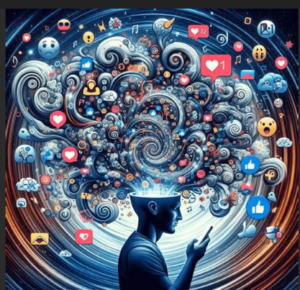
Social media is part of everyday life. It keeps us informed, connected, and entertained. Although it offers many benefits, it also affects the brain in ways that many people do not fully understand. As screen time increases, a new problem has become common: digital burnout.
Digital burnout is a state of mental and emotional exhaustion caused by constant online activity. It develops gradually but affects focus, energy, and mental health in a major way. In this article, we explore how social media shapes the brain, why digital burnout happens, and what you can do to protect your well-being.
What Is Digital Burnout?
Digital burnout is more than simple tiredness. It is a deeper exhaustion linked to overstimulation from screens, notifications, messaging, and endless content. When the brain receives too much information, it becomes overwhelmed. As a result, daily tasks feel harder, motivation decreases, and emotional balance becomes unstable.
Unlike traditional burnout, digital burnout can appear even in people who enjoy using social media. This happens because the brain struggles to process the constant flow of posts, comments, and alerts.
Why Social Media Overloads the Brain
Social media affects the brain on a biological level. It changes reward pathways, emotional processing, stress responses, and attention systems. To understand digital burnout, we must understand these changes.
1. Dopamine Overload
Dopamine is the brain’s “reward chemical.” It increases when we receive:
- Likes
- Shares
- Messages
- Comments
- Notifications
Each alert gives a tiny reward. Over time, the brain gets used to it and craves more. As a result, people check their phones more often and scroll without intention.
However, when dopamine spikes too often, the reward system becomes tired. This leads to:
- Low motivation
- Emotional dullness
- Restlessness
- Difficulty enjoying offline activities
This pattern is one of the first stages of digital burnout.
2. Decision Fatigue
Every swipe presents hundreds of choices:
- What to watch
- Whom to follow
- What to like
- What to comment
Even small decisions use mental energy. When the brain makes countless micro-decisions every minute, it eventually becomes fatigued. Therefore, people feel mentally drained even after “relaxing” online.
3. Hyperstimulation
Social media platforms are fast, colorful, and nonstop. They overload the senses through:
- Rapid videos
- Bright colors
- Loud audio
- Flashy transitions
As a result, the brain adapts to high stimulation. However, daily tasks like studying, reading, or working feel boring. This reduces attention span and makes it harder to stay focused.
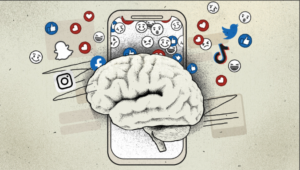
4. Emotional Contagion
Social media spreads emotions quickly. If we see anger, fear, sadness, or excitement online, our brains mirror those emotions. While this helps with empathy, it also increases stress.
In addition, scrolling exposes us to:
- Bad news
- Conflicts
- Fake perfection
- Comparison
- Online pressure
Over time, emotional overload leads to fatigue and anxiety.
Symptoms of Digital Burnout
Digital burnout affects the mind and body. Symptoms can be subtle at first, but they become stronger when ignored.
1. Constant Tiredness
Even after sleeping well, the mind feels heavy. This happens because the brain does not get enough offline rest.
2. Reduced Attention Span
People find it difficult to read long texts or stay focused on a task. Quick, fast-paced content trains the brain to expect instant stimulation.
3. Irritability
Small things feel overwhelming. Mood becomes unstable. Stress responses activate more quickly.
4. Loss of Motivation
Activities that once felt enjoyable may seem boring. The brain becomes less sensitive to normal rewards.
5. Sleep Disturbances
Late-night scrolling delays melatonin release. This makes it harder to fall asleep and lowers sleep quality.
6. Emotional Exhaustion
Exposure to constant news, opinions, arguments, and comparison drains emotional energy.
7. Physical Discomfort
Digital burnout can also cause:
- Headaches
- Eye strain
- Neck pain
- Body tension
These symptoms develop slowly but worsen over time.

How Social Media Affects Different Parts of the Brain
Social media does not impact one single area. Instead, it influences multiple brain systems.
1. Prefrontal Cortex: Decision-Making
The prefrontal cortex helps with:
- Focus
- Self-control
- Planning
- Impulse regulation
Excessive scrolling weakens these functions. As a result, people struggle with discipline and get distracted easily.
2. Amygdala: Emotion Processing
The amygdala reacts to emotional content. Exposure to intense videos or negative news triggers it more frequently. Therefore, people feel anxious or stressed even without real danger.
3. Hippocampus: Memory
The hippocampus helps form long-term memories. Because social media offers rapid content, the brain does not store everything properly. This affects memory retention and learning.
4. Reward Circuit: Motivation
Social media designs notifications to trigger dopamine. While this feels good initially, long-term exposure reduces motivation for real-life activities.
Why Digital Burnout Happens Faster Today
Digital burnout has existed for years, but it has become more common recently.
1. Increased Screen Time
Most people spend hours online every day. The more time spent scrolling, the faster the brain becomes overwhelmed.
2. Short-Form Videos
Platforms like TikTok, Instagram Reels, and YouTube Shorts push the brain into rapid stimulation mode. This creates a cycle of constant craving and exhaustion.
3. FOMO (Fear of Missing Out)
People feel pressure to stay updated, respond quickly, and maintain online presence. This increases anxiety.
4. Online Comparison
Seeing others’ achievements, beauty, or success creates insecurity. Consequently, self-worth drops, causing emotional strain.
5. Lack of Digital Boundaries
The phone is always nearby. Notifications interrupt sleep, meals, conversations, and work. Without boundaries, burnout grows quickly.
How to Prevent and Manage Digital Burnout
Fortunately, digital burnout is reversible. With healthy digital habits, the brain can recover and restore balance.
Below are practical, science-backed strategies.
1. Set Screen Time Limits
Reducing exposure is the first step. You can start with:
- 2-hour daily limit
- No-phone zones
- App usage limits
Even small reductions improve mental clarity.
2. Schedule Social Media Breaks
Instead of scrolling throughout the day, choose specific times:
- Morning
- Lunch break
- Evening
This prevents constant dopamine spikes.
3. Create a Nighttime Digital Detox
Sleep improves when screens are avoided at least one hour before bed. Use this time for:
- Reading
- Journaling
- Stretching
- Meditation
Rest helps the brain recover from overstimulation.
4. Turn Off Non-Essential Notifications
Notifications are one of the biggest triggers of digital burnout. By turning them off, the brain receives fewer interruptions and feels calmer.
5. Practice Mindfulness
Mindfulness reduces stress and improves attention.
Try:
- Deep breathing
- Body scanning
- Grounding exercises
- Guided meditation
Even 5 minutes a day builds emotional balance.
6. Take Regular Offline Breaks
Spend time doing activities that do not involve screens, such as:
- Walking
- Cooking
- Playing with pets
- Gardening
These activities recharge the mind and reduce burnout.
7. Reduce Online Comparison
Follow inspiring or educational accounts instead of unrealistic content. If certain profiles make you feel insecure, unfollow or mute them.
8. Engage in Slow Activities
Because the brain gets used to fast content, slow activities help restore focus. Examples include:
- Painting
- Knitting
- Reading books
- Journaling
- Listening to calm music
These activities train the mind to slow down.
9. Improve Sleep Hygiene
Good sleep reduces stress and prevents burnout. Try:
- Keeping a consistent schedule
- Sleeping in a dark room
- Avoiding caffeine at night
- Using blue-light filters
The better the sleep, the stronger the brain.
10. Seek Professional Support
If digital burnout affects mental health, therapy can help. A therapist teaches coping strategies, emotional regulation skills, and healthier screen habits.

Long-Term Effects of Digital Burnout
If ignored, digital burnout can lead to:
- Chronic anxiety
- Depression
- Memory problems
- Difficulty concentrating
- Low self-esteem
- Reduced productivity
- Emotional numbness
However, with early intervention, recovery is possible.
Healthy Digital Habits for a Balanced Life
Here are habits that support long-term digital wellness:
- Choose quality content over quantity
- Spend time with friends offline
- Keep your phone away during meals
- Practice hobbies that bring joy
- Set boundaries with work messages
- Take weekly digital detox days
These habits protect mental energy and improve overall well-being.

Conclusion
Digital burnout is becoming more common in a world where social media dominates daily life. Social platforms offer connection and entertainment, but they also overwhelm the brain with constant stimulation. By understanding the brain’s limits and adopting healthy digital habits, anyone can protect their mental health.
A balanced approach—not complete disconnection—is the key. With awareness, boundaries, and mindful habits, you can enjoy social media without letting it damage your well-being.
Reference