

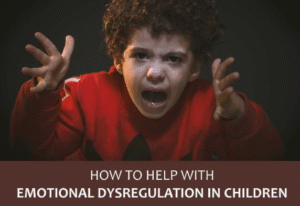
How to recognize when a child is struggling to manage their emotions
Children experience big emotions every single day—excitement when they see something new, anger when a rule feels unfair, fear in unfamiliar situations, frustration when things don’t go as expected, and joy when they feel loved or successful. These emotions are a natural part of their growth. However, when these emotions become too intense, too frequent, or difficult to manage, it may signal emotional dysregulation.
Emotional dysregulation does not mean a child is “bad” or “disobedient.” Instead, it simply means the child’s emotional system is still developing, and they are struggling to understand their feelings, express them appropriately, or calm themselves down when overwhelmed. Their brains—especially the areas responsible for emotional control—are still growing, so they often need gentle guidance, not punishment.
Recognizing early signs of emotional dysregulation is extremely important. When parents, teachers, and caregivers notice the patterns early, they can provide the right support at the right time. This early understanding helps prevent long-term challenges such as:
- Behavioral difficulties
- Academic struggles
- Low self-esteem
- Social withdrawal or conflict with peers
- Anxiety or mood-related issues later in life
By noticing these signals early and responding with empathy, structure, and skill-building, adults can help children develop healthy emotional habits, stronger self-control, and better emotional resilience. Early support creates a foundation for lifelong mental well-being.
1. Frequent and Intense Tantrums
Tantrums are normal for younger children, especially toddlers. But when a child experiences intense, prolonged, or unusually frequent tantrums, it may be a sign of emotional dysregulation. These tantrums often:
- Last longer than 10–15 minutes
- Occur several times a day or more often than developmental norms
- Happen in response to very small triggers like “the cup is the wrong color”
- Include screaming, collapsing on the floor, or aggression
A key indicator is that the child finds it extremely difficult to regain control. Even when adults offer soothing, distraction, or comfort, the child struggles to settle down. This suggests their emotional system is overwhelmed.
2. Difficulty Identifying Emotions
Children struggling with emotional regulation often cannot accurately understand or name their feelings. They may:
- Cry without knowing why
- Feel angry, scared, or restless without a clear reason
- Mix emotions (“I feel bad,” “My heart feels funny”)
This difficulty in emotional awareness—known as poor emotional literacy—makes it harder to cope. Without the ability to label emotions, children cannot communicate their needs, leading to frustration and outbursts.
3. Overreacting to Minor Issues
Children may respond strongly to very small problems that adults view as insignificant. Examples include:
- Spilling a few drops of water
- Not getting a preferred seat
- A toy not working perfectly
- Someone speaking too loudly
- A slight change in their usual routine
These minor incidents trigger disproportionate emotional reactions like intense crying, shouting, or physical restlessness. Their nervous system treats small stressors as big threats—often due to sensory sensitivities, anxiety, or developmental delays.
4. Impulsive or Aggressive Behavior
When overwhelmed, some children express emotions through actions rather than words. This may include:
- Hitting, biting, or kicking peers
- Throwing objects during frustration
- Running away suddenly when upset
- Destroying toys
- Using harsh or hurtful language
These behaviors are not signs of “bad behavior.” Instead, they are indicators that a child lacks the internal skills to communicate their emotions. Their “fight or flight” system becomes easily activated.

5. Difficulty Calming Down (Poor Self-Soothing Skills)
Once emotionally activated, a child with dysregulation may stay upset for a prolonged period, sometimes 30 minutes or more. They may:
- Cry nonstop
- Remain physically tense (tight fists, stiff posture)
- Need constant reassurance
- Become clingy or overwhelmed
- Breathe rapidly or show panic-like signs
This happens because their brain—especially the prefrontal cortex responsible for emotional control—is still developing. They rely heavily on adults to help them regulate.
6. Sudden Mood Swings
These mood changes can occur within minutes or even seconds. For example:
- A child laughing during play suddenly becomes angry if another child takes a toy
- Small disappointment causes a shift from excited to distressed
- A calm child suddenly withdraws without explanation
These emotional fluctuations often reflect difficulty processing internal and external stimuli, making it hard to maintain stable emotional states.
7. Physical Signs of Stress
Children often show emotional distress through their bodies rather than words. Common physical symptoms include:
- Frequent stomachaches during school or stressful tasks
- Headaches without medical causes
- Sweaty palms or a racing heartbeat
- Fidgeting, nail-biting, hair twirling
- Shallow breathing or sighing frequently
These physical signs indicate their body is in a heightened emotional state, often because they cannot express or process emotions verbally.
8. Avoidance or Withdrawal
Some children shut down emotionally rather than express their distress outwardly. They may:
- Avoid social interactions
- Refuse school tasks they find overwhelming
- Prefer solitary play
- Become quiet, clingy, or distant
- Avoid eye contact
This form of emotional dysregulation is often misunderstood as “shyness” or “disinterest,” but it frequently reflects overwhelm, anxiety, or fear of failure.
9. Perfectionism or Fear of Mistakes
For some children, emotional dysregulation appears as extreme self-pressure. They may:
- Erase work repeatedly until it looks “perfect”
- Cry over small academic errors
- Avoid tasks they fear they cannot do perfectly
- Become upset when things don’t go exactly their way
- Have a meltdown if someone criticizes them
This behavior often stems from anxiety, fear of judgment, or hyper-sensitivity to failure. They feel emotionally unsafe when mistakes happen.
10. Trouble Following Routines and Rules
Children with emotional dysregulation often have difficulty adapting to structure. They may:
- Resist morning and bedtime routines
- React strongly to transitions (e.g., from playtime to homework)
- Become argumentative or oppositional when asked to follow rules
- Need repeated reminders
- Show frustration when routines change unexpectedly
This is usually not intentional defiance. Instead, these children find it emotionally challenging to switch tasks or manage expectations.
Why Early Identification Matters
Emotional dysregulation is not just about “bad behavior” or “big feelings.” If left unaddressed, it can impact many important areas of a child’s life. Understanding its effects helps caregivers recognize why early support is essential.
1. Social Relationships
Children who struggle to manage emotions may find it difficult to interact smoothly with peers. They might:
- Get into frequent conflicts
- Misinterpret others’ intentions
- Have trouble sharing or taking turns
- Withdraw from social interactions due to overwhelm
Over time, this can lead to loneliness, rejection, or difficulty making friends, which further affects emotional growth.
2. Academic Performance
A child’s ability to learn is closely tied to their emotional state. Emotional dysregulation can cause:
- Difficulty focusing in class
- Avoidance of challenging tasks
- Frequent disruptions or incomplete work
- Trouble managing classroom expectations
- Anxiety about performance
When emotions overpower concentration, learning naturally becomes harder.
3. Self-Confidence
Children who frequently feel “out of control” may begin to think something is wrong with them. This can lead to:
- Low self-esteem
- Negative self-talk
- Feeling incompetent or “not good enough”
- Hesitation to try new things
Over time, this impacts their motivation, independence, and belief in their abilities.
4. Behavior
Unmanaged emotions can show up as challenging behaviors such as:
- Aggression
- Defiance
- Avoidance
- Impulsivity
- Meltdowns
These behaviors are often misunderstood, leading to punishment instead of support. Proper guidance helps the child learn healthier behavioral responses.
5. Overall Mental Health
Chronic emotional dysregulation can increase vulnerability to:
- Anxiety disorders
- Depression
- Behavioral disorders
- Sleep disturbances
- Stress-related physical symptoms
Supporting children early reduces these long-term risks.

The Importance of Early Support
When children receive understanding, emotional coaching, and structured guidance early in life, they learn:
- How to label and understand their emotions
- To calm themselves during distress
- How to communicate their needs
- To solve problems without acting out
This builds emotional resilience, strengthens their relationships, and sets the foundation for lifelong well-being. Early support transforms emotional difficulties into opportunities for growth.
How Parents and Caregivers Can Help
Supporting a child with emotional dysregulation requires patience, understanding, and consistent guidance. Parents and caregivers play a powerful role in teaching children how to understand and manage their emotions. Here are effective, evidence-based strategies:
1. Model Calm Behavior
Children learn emotional responses by watching adults. When parents remain calm during stressful moments, children absorb that emotional stability.
- Speak slowly and softly during conflicts
- Take a pause before reacting
- Show how you handle frustration (“Let me take a deep breath before I talk”)
Your calmness becomes their emotional anchor.
2. Use Emotion Vocabulary Regularly
Help children build emotional awareness by naming feelings in everyday situations.
Examples:
- “You look disappointed because the game ended.”
- “Are you feeling frustrated with the puzzle?”
- “It’s okay to feel scared. Everyone feels that sometimes.”
The more emotions are named and normalized, the easier it becomes for children to express them.
3. Offer Predictable Routines
Routines help children feel safe and reduce emotional overwhelm. Predictability gives them a sense of control.
Create consistent routines for:
- Morning activities
- Mealtimes
- Play and study time
- Bedtime
Even small visual schedules can help children transition smoothly between activities.
4. Practice Deep Breathing or Grounding Techniques
Teach calming tools that children can use when overwhelmed.
Simple techniques include:
- Balloon breathing: Inhale slowly, pretend to blow up a balloon
- Sensory grounding: “Name 5 things you can see, 4 you can touch…”
- Teddy bear breathing: Place a soft toy on their stomach and watch it rise and fall
Practicing these daily builds emotional resilience and self-soothing skills.
5. Validate Their Feelings
Validation helps children feel understood and safe. Instead of dismissing emotions (“Don’t cry,” “Stop being silly”), acknowledge them.
Use supportive phrases like:
- “I see you’re upset, and that’s okay.”
- “It’s normal to feel angry when things don’t go your way.”
- “I’m here with you. Let’s figure this out together.”
Validation does not mean agreeing—it simply means acknowledging their emotional world.
6. Seek Support from a Child Psychologist if Symptoms Persist
If emotional challenges continue for months, interfere with daily functioning, or escalate, it may be time to seek professional help.
A child psychologist can:
- Assess emotional and behavioral development
- Teach emotional regulation skills
- Support parents with effective strategies
- Provide guidance for school and home environments
Early intervention often leads to faster emotional improvement and healthier long-term outcomes.
Final Thoughts
Emotional dysregulation is not a sign of misbehavior—it is a signal that a child needs guidance, understanding, and support. When children feel overwhelmed by their emotions, they rely on the adults around them to help them make sense of their inner world. With patience, empathy, and consistent strategies, parents and caregivers can teach children how to express their feelings safely, calm themselves during distress, and build resilience for the future.
Every small effort—naming emotions, maintaining routines, offering comfort, or seeking professional help—contributes to a child’s long-term emotional well-being. Supporting children today lays the foundation for confident, emotionally aware, and mentally strong adults tomorrow.
Frequently Asked Questions (FAQs)
1. What is emotional dysregulation in children?
It is when a child struggles to manage, express, or control their emotions effectively.
2. What causes emotional dysregulation in children?
It can be caused by developmental factors, stress, anxiety, or lack of emotional skills.
3. Are tantrums a sign of emotional dysregulation?
Frequent and intense tantrums can be a key indicator.
4. How can I help my child regulate emotions?
By modeling calm behavior, validating feelings, and teaching coping strategies.
5. Is emotional dysregulation normal in children?
Mild forms are normal, but persistent or severe symptoms may need support.
6. Can emotional dysregulation affect school performance?
Yes, it can impact focus, behavior, and learning ability.
7. What are physical signs of emotional dysregulation?
Stomachaches, headaches, restlessness, and sleep problems.
8. When should I seek professional help?
If symptoms persist for months or interfere with daily life.
9. Can therapy help children with emotional regulation?
Yes, therapy teaches emotional awareness and coping skills.
10. Is emotional dysregulation linked to anxiety or ADHD?
Yes, it is often associated with conditions like anxiety and ADHD.
Written by Baishakhi Das
Counselor | Mental Health Practitioner
B.Sc, M.Sc, PG Diploma in Counseling
References
- American Academy of Pediatrics
👉 https://www.aap.org - Child Mind Institute
👉 https://childmind.org - About Us – Monoprova Counselling
👉 https://monoprovacounselling.in/about-us/ - Contact / Book Appointment – Monoprova Counselling
👉 https://monoprovacounselling.in/contact/
This article is written for knowledge purposes, aiming to help readers understand the topic better and gain useful insights for learning and awareness.