


In today’s fast-paced world, where responsibilities keep multiplying and expectations never seem to end, emotional well-being has become essential for survival, not a luxury. Modern life constantly pushes us — deadlines, digital overload, family responsibilities, financial worries, and social pressure all compete for our attention. Amid this chaos, it becomes easy to neglect our inner world.
But self-help is not about “fixing” what is broken. It is about understanding yourself with kindness, recognising your emotional needs, and building habits that support mental clarity and inner strength. Self-help teaches you how to manage stress before it overwhelms you, how to respond to emotions instead of reacting impulsively, and how to nurture a healthier mindset.
Whether you struggle with stress, anxiety, low self-worth, overthinking, or emotional fatigue, even small acts of self-care can make a big difference. Simple practices — like mindful breathing, journaling, daily routines, or setting healthy boundaries — have the power to shift your emotional landscape and bring calm into your everyday life.
This article dives deep into the pillars of emotional well-being, practical self-help strategies, and powerful ways to build a stronger and more compassionate relationship with yourself. When you learn to care for your emotional world, you create a foundation for better decisions, healthier relationships, and a more fulfilling life.
What Is Emotional Well-Being?
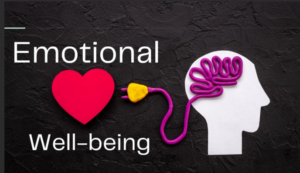
Emotional well-being is the foundation of a healthy mind. It means being able to understand your inner world and respond to life’s experiences with balance and clarity. When you have emotional well-being, you can:
- Recognize your thoughts and feelings
- Manage stress in healthy ways
- Cope with challenges without feeling overwhelmed
- Maintain a sense of purpose and direction
- Build balanced, fulfilling relationships
- Stay connected to your values and your true self
Importantly, emotional well-being does not mean feeling happy all the time. Rather, it means having the skills, resilience, and self-awareness to navigate difficult moments without losing yourself. It allows you to recover from setbacks, stay grounded, and make thoughtful decisions even under pressure.
Why Self-Help Matters
Self-help is a powerful form of personal empowerment. It means taking responsibility for your emotional health instead of waiting for change to happen on its own. When you actively work on yourself, you gain the tools to shape your life in healthier and more meaningful ways.
Some key benefits of self-help include:
- Reduced anxiety and stress
- Improved emotional regulation
- Stronger and healthier relationships
- Increased confidence and self-esteem
- A deeper sense of inner peace
- Practical coping strategies for everyday challenges
Engaging in self-help is an act of self-love. It tells your mind and body:
“You matter. Your well-being is important.”
Common Emotional Challenges People Face
No matter how strong or successful someone appears, every person goes through emotional challenges. These are part of being human, not signs of weakness.
Some common struggles include:
- Persistent overthinking
- Fear of failure or judgement
- Low mood, sadness, or emotional heaviness
- Feeling overwhelmed by responsibilities
- Burnout from work, caregiving, or life pressures
- Relationship conflicts and misunderstandings
- Low self-worth or self-doubt
- Difficulty saying “no” or maintaining boundaries
Understanding that these experiences are universal helps reduce shame and encourages self-compassion. Recognizing your struggles is the first step toward healing them.
Essential Self-Help Strategies for Emotional Well-Being
Here are core practices that support long-term emotional health:
✔ 1. Practice Emotional Awareness
Instead of ignoring or suppressing your emotions, begin by acknowledging them.
Ask yourself:
- “What am I feeling right now?”
- “What triggered this emotion?”
- “What does my body feel like?”
Naming your emotions reduces their intensity and gives you more clarity. Emotional awareness is the first step toward emotional intelligence.
✔ 2. Set Healthy Boundaries
Healthy boundaries protect your mental space and energy. They help you prioritize your well-being without feeling guilty.
Healthy boundaries include:
- Respecting your time and limits
- Limiting toxic or draining interactions
- Prioritizing your emotional comfort
- Saying “no” without guilt
Boundaries are not walls. They are a form of self-care and self-respect.
✔ 3. Build Positive Daily Habits
Your routine plays a major role in shaping your mental health. Small, consistent habits lead to big emotional improvements.
Try incorporating:
- Morning breathing exercises
- Light physical activity or walking
- Journaling your thoughts
- Staying hydrated
- Following a regular sleep schedule
These habits keep your mind clearer and your body more energized.
✔ 4. Practice Mindfulness or Meditation
Mindfulness helps you stay grounded in the present moment rather than being trapped in worries about the past or future.
You can begin with:
- 5 minutes of deep breathing
- Guided meditation audios
- Mindful observations during daily tasks
Mindfulness reduces anxiety, improves focus, and builds emotional stability.
✔ 5. Challenge Negative Thoughts
Your thoughts influence your emotions. When negative or irrational thoughts take over, challenge them by asking:
- “Is this thought based on fact or fear?”
- “Is there another way to look at this situation?”
- “What evidence supports or disproves this thought?”
This helps reduce overthinking and creates emotional clarity.
✔ 6. Stay Connected with Supportive People
Humans are wired for connection. The right people can help you heal faster and feel more emotionally secure.
Spend time with individuals who:
- Listen without judgement
- Support your goals
- Respect your boundaries
- Make you feel understood
Even one supportive relationship can be incredibly grounding.
✔ 7. Make Time for Activities You Enjoy
Joy is not a luxury—it’s a requirement for emotional health.
Engage in activities that make you feel alive, such as:
- Reading
- Drawing or painting
- Gardening
- Cooking
- Dancing
- Music
Recreation recharges your mind and reminds you of what makes life meaningful.
✔ 8. Seek Help When Needed
Self-help is powerful, but you don’t have to do everything alone. Sometimes a therapist can help you understand deeper patterns, heal emotional wounds, and provide professional guidance.
Therapy can support you with:
- Anxiety or chronic stress
- Relationship issues
- Childhood trauma
- Low confidence or self-worth
- Behavioural patterns that feel hard to change
Reaching out for help is a sign of courage, not weakness.
How to Build a Consistent Self-Help Practice
Creating emotional well-being is not about making huge changes overnight. It is about taking gentle, steady steps toward a healthier version of yourself. These simple guidelines can help you build a sustainable self-help routine:
✔ Start Small — Choose ONE Habit
Trying to change everything at once can feel overwhelming. Begin with just one habit—like five minutes of deep breathing, a short walk, or writing a daily gratitude note. Small steps create real, lasting transformation.
✔ Be Patient with Yourself
Healing and growth take time. Some days will feel easy; others may feel heavy. Be kind to yourself during the process. Progress is not always visible, but it is happening.
✔ Track Your Progress
Write down your efforts, emotions, or small wins in a journal or app. Tracking makes your growth visible and helps you stay motivated.
✔ Celebrate Small Improvements
Every step forward matters. Whether you managed to rest, practiced a boundary, or stayed calm during stress—celebrate it. These little victories build confidence and strengthen emotional resilience.
✔ Allow Yourself to Rest Without Guilt
Rest is not laziness. Rest is part of healing. It gives your mind and body the energy to continue growing. When you pause, you recharge — and that is essential for emotional well-being.
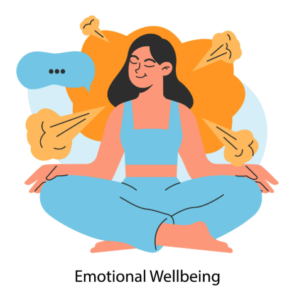
Self-help is a journey, not a race.
There is no deadline, no competition, and no perfect timeline. Your journey is yours alone. What matters most is showing up for yourself, even in small ways, every day.
Final Message
Emotional well-being begins with gentle self-understanding. When you pause and truly listen to your feelings, you give yourself the permission to heal. By building healthy habits, setting boundaries, and approaching yourself with compassion, you slowly create a life that feels more balanced, meaningful, and mentally peaceful.
You don’t need perfection to feel better — you need presence, small daily choices, and kindness toward your own inner world. Every step you take toward emotional wellness strengthens your resilience and deepens your connection with yourself.
Investing in your emotional health is one of the greatest gifts you can offer — not just to yourself, but also to the people you love. A calmer, grounded, and emotionally fulfilled you becomes a source of strength and warmth for everyone around you.
📞 Need Guidance or Support?
If you want personalized emotional wellness guidance or counselling, contact us:
Reference
-
American Psychological Association – Emotional Wellness
https://www.apa.org/topics/emotions -
Mind UK – Self-Care & Mental Health Tips
https://www.mind.org.uk/information-support/tips-for-everyday-living/
One Reply to “Self-Help & Emotional Well-Being: A Complete Guide to a Healthier Mind”