

Introduction
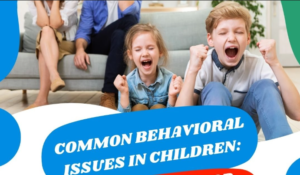
Children communicate their needs, emotions, and struggles primarily through behavior. What may appear as “naughty,” “stubborn,” or “attention-seeking” behavior is often a signal of unmet emotional, developmental, or psychological needs. Behavioral issues in children are not signs of bad parenting or a “problem child”—they are indicators that something within the child’s internal or external world needs attention.
Understanding age-appropriate behavior vs. warning signs is crucial. A tantrum in a toddler is developmentally normal, but the same behavior in a 10-year-old may indicate emotional dysregulation or stress. Early identification of behavioral concerns allows timely intervention, reducing the risk of long-term emotional, academic, and social difficulties.
This article explores behavioral issues in children age-wise, from infancy to adolescence, helping parents, teachers, and caregivers recognize red flags early and respond with empathy and evidence-based strategies.
What Are Behavioral Issues in Children?
Behavioral issues refer to persistent patterns of behavior that interfere with a child’s daily functioning, relationships, learning, or emotional well-being. These behaviors are usually:
-
Repetitive
-
Intense or extreme for the child’s age
-
Persistent over time
-
Difficult to manage with usual discipline strategies
Common Categories of Behavioral Issues
-
Externalizing behaviors: Aggression, defiance, hyperactivity
-
Internalizing behaviors: Anxiety, withdrawal, sadness
-
Developmental concerns: Delayed communication, poor social skills
-
Regulation difficulties: Emotional outbursts, impulsivity
Not all difficult behavior is pathological. The key question is:
Is the behavior developmentally appropriate, temporary, and responsive to support—or persistent and disruptive?
Signs of Behavioral Issues in Infancy (0–2 Years)
Infancy is a period of rapid neurological and emotional development. Babies communicate distress through crying, body language, and feeding or sleep patterns.
Normal Developmental Behaviors
-
Crying to express hunger or discomfort
-
Stranger anxiety after 6–8 months
-
Separation distress
-
Irregular sleep patterns
Concerning Behavioral Signs in Infants
1. Excessive or Inconsolable Crying
-
Crying for several hours daily without clear cause
-
Difficulty calming even when basic needs are met
-
May indicate sensory sensitivity, attachment concerns, or caregiver stress
2. Poor Eye Contact
-
Limited eye contact beyond 6 months
-
Reduced social smiling
-
Possible early sign of neurodevelopmental concerns
3. Feeding and Sleep Disturbances
-
Extreme feeding refusal
-
Very fragmented sleep beyond developmental norms
-
May reflect emotional insecurity or regulatory difficulties
4. Lack of Social Responsiveness
-
Minimal reaction to caregiver’s voice or touch
-
Limited babbling or vocal play
Why early signs matter: Early brain plasticity allows intervention to significantly improve outcomes.
Behavioral Issues in Toddlers (2–3 Years)
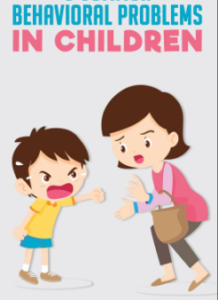
Toddlers are learning autonomy, emotional expression, and language. This stage often includes intense emotions.
Normal Toddler Behaviors
-
Tantrums due to limited verbal skills
-
Saying “no” frequently
-
Testing limits
-
Separation anxiety
Red Flags in Toddlerhood
1. Extreme and Frequent Tantrums
-
Daily tantrums lasting more than 20–30 minutes
-
Aggression during tantrums (biting, head-banging)
-
Difficulty calming even with caregiver support
2. Aggressive Behavior
-
Hitting, biting, or kicking beyond occasional incidents
-
Aggression toward animals or siblings
3. Language Delay with Behavioral Frustration
-
Limited words leading to intense frustration
-
Screaming instead of communicating needs
4. Poor Emotional Regulation
-
Sudden mood shifts
-
Inability to self-soothe
5. Minimal Interest in Social Interaction
-
Prefers solitary play excessively
-
Avoids peer interaction
Behavioral Issues in Preschool Children (3–5 Years)
Preschool years are critical for socialization, impulse control, and emotional learning.
Typical Preschool Behaviors
-
Imaginary play
-
Occasional lying (fantasy vs reality confusion)
-
Strong emotions with growing regulation
Warning Signs in Preschool Age
1. Persistent Aggression
-
Frequent hitting, pushing, or threatening behavior
-
Difficulty following simple rules
-
Disruptive in group settings
2. Defiance and Non-Compliance
-
Refusal to follow instructions consistently
-
Extreme oppositional behavior
3. Excessive Fear or Anxiety
-
Clinginess beyond age norms
-
Refusal to attend preschool
-
Nightmares and physical complaints (stomachaches)
4. Poor Peer Relationships
-
Difficulty sharing or taking turns
-
Frequent conflicts
-
Rejection by peers
5. Regressive Behaviors
-
Bedwetting after being toilet-trained
-
Baby talk or thumb-sucking returning under stress
Behavioral Issues in Early School-Age Children (6–8 Years)
At this stage, children face academic expectations, peer comparison, and structured routines.
Normal Behaviors
-
Desire for adult approval
-
Sensitivity to rules
-
Occasional frustration with schoolwork
Concerning Signs in Early School Years
1. Attention and Concentration Difficulties
-
Easily distracted
-
Difficulty completing tasks
-
Poor impulse control
2. Emotional Outbursts
-
Intense anger over small issues
-
Difficulty coping with disappointment
-
Frequent crying episodes
3. School Refusal
-
Complaints of illness before school
-
Anxiety related to separation or performance
4. Low Self-Esteem
-
Negative self-talk (“I’m stupid”)
-
Avoiding challenges
-
Fear of making mistakes
5. Social Withdrawal
-
Avoiding friends
-
Playing alone excessively
-
Appearing isolated in school settings
Behavioral Issues in Middle Childhood (9–11 Years)
Children develop deeper self-awareness, moral reasoning, and peer identity.
Expected Developmental Changes
-
Desire for independence
-
Peer approval becomes important
-
Increased emotional complexity
Red Flags in Middle Childhood
1. Persistent Defiance or Rule-Breaking
-
Lying frequently
-
Stealing
-
Ignoring consequences
2. Chronic Anxiety or Worry
-
Perfectionism
-
Excessive fear of failure
-
Overthinking social situations
3. Emotional Withdrawal
-
Reduced communication with parents
-
Loss of interest in activities once enjoyed
4. Anger and Irritability
-
Frequent moodiness
-
Explosive reactions
-
Passive-aggressive behavior
5. Academic Decline
-
Sudden drop in grades
-
Avoidance of homework
-
Complaints about school
Behavioral Issues in Adolescents (12–18 Years)
Adolescence is marked by identity formation, emotional intensity, and neurological changes.
Normal Adolescent Behaviors
-
Mood swings
-
Desire for privacy
-
Questioning authority
-
Increased peer influence
Serious Behavioral Warning Signs
1. Extreme Mood Changes
-
Persistent sadness or irritability
-
Emotional numbness
-
Frequent emotional shutdowns
2. Risk-Taking Behaviors
-
Substance use
-
Unsafe sexual behavior
-
Reckless actions
3. Aggression or Violence
-
Physical fights
-
Threatening behavior
-
Destruction of property
4. Social Isolation
-
Cutting off friendships
-
Avoiding family interaction
-
Excessive screen use as escape
5. Self-Harm or Suicidal Thoughts
-
Cutting, burning, or harming self
-
Talking about death or hopelessness
-
Writing or posting alarming content online
Immediate professional help is crucial if these signs are present.
Causes of Behavioral Issues in Children
Behavioral problems are rarely caused by a single factor.
Common Contributing Factors
-
Parenting style (inconsistent discipline, harsh punishment)
-
Family conflict or trauma
-
Attachment disruptions
-
Learning difficulties
-
Neurodevelopmental conditions
-
Emotional neglect
-
Bullying or peer rejection
-
Excessive screen exposure
When Should Parents Seek Professional Help?
Consider consulting a child psychologist or counselor if:
-
Behavior persists for more than 6 months
-
Behavior interferes with school or relationships
-
Child seems emotionally distressed
-
Usual parenting strategies don’t work
-
There is risk of harm to self or others
How Parents and Caregivers Can Support Children
1. Practice Emotion Coaching
-
Name emotions
-
Validate feelings
-
Teach coping strategies
2. Maintain Consistent Routines
-
Predictability increases emotional safety
3. Set Clear and Compassionate Boundaries
-
Firm but calm discipline
-
Focus on teaching, not punishment
4. Reduce Screen Time
-
Encourage outdoor play and connection
5. Seek Early Intervention
-
Therapy works best when started early
Conclusion
Behavioral issues in children are messages, not misconduct. Each age brings unique challenges, and understanding what is developmentally appropriate versus concerning allows adults to respond with empathy rather than fear or blame.
Early recognition, emotional attunement, and professional support can transform behavioral struggles into opportunities for growth. A child who feels seen, heard, and supported learns not only how to behave—but how to regulate emotions, build resilience, and thrive.
Behind every behavior is an emotion. When we understand the emotion, we can guide the behavior.
Reference
CDC – Child Development Milestones
👉 https://www.cdc.gov/ncbddd/childdevelopment/milestones.htmlAmerican Academy of Pediatrics (AAP)
👉 https://www.healthychildren.orgWHO – Child & Adolescent Mental Health
👉 https://www.who.int/teams/mental-health-and-substance-use/child-and-adolescent-mental-healthNIMH – Children & Mental Health
👉 https://www.nimh.nih.gov/health/topics/child-and-adolescent-mental-healthUNICEF – Child Well-Being
👉 https://www.unicef.org/mental-healthParenting in the Digital Age: Screen Addiction in Children
Contact Us