

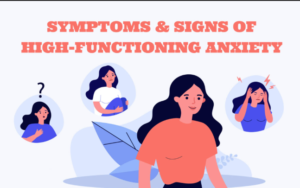
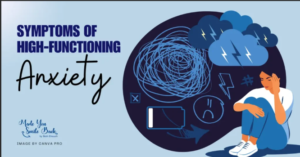
In today’s fast-paced world, many people appear confident, productive, and highly organized—but behind the scenes, they may be silently fighting high-functioning anxiety. Unlike typical anxiety, where symptoms are visible, high-functioning anxiety hides behind perfectionism, overworking, people-pleasing, and constant internal pressure.
These individuals look successful on the outside, but internally they experience worry, tension, fear of failure, and self-doubt. Because they function well, their struggles often go unnoticed—even by themselves.
This article explores the silent symptoms that often stay hidden beneath a calm and composed exterior.
1. Overthinking Everything — Even Small Decisions
People with high-functioning anxiety often feel mentally “busy” all the time. They overthink:
- Messages they send
- Mistakes from the past
- Future possibilities
- What others think of them
Even simple decisions—like choosing clothes or replying to a text—can become mentally exhausting. This pattern is driven by a constant fear of making the “wrong” choice.
2. Constant Need to Stay Busy
They keep themselves occupied to avoid facing uncomfortable emotions.
If they stop working, thoughts creep in. So they:
- Take on extra tasks
- Work beyond office hours
- Always plan ahead
- Struggle to sit still
Busyness becomes a coping mechanism, hiding deeper anxiety.
3. Difficulty Saying “No”
High-functioning anxiety often leads to people-pleasing.
These individuals say “yes” to avoid:
- Disappointing others
- Conflict or criticism
- Feeling guilty
- Being judged
As a result, they overload themselves and silently suffer through burnout.
4. Perfectionism That Feels Like Survival
Perfectionism isn’t just a preference—it feels necessary.
They may think:
- “If I’m not perfect, I’ll fail.”
- “I need to prove my worth.”
- “Mistakes mean I’m not good enough.”
This leads to:
- Over-preparing
- Double-checking work
- Avoiding risks
- Excessive self-criticism
Perfectionism becomes a masked form of anxiety.

5. Fear of Failure Despite Success
Even when they achieve big milestones, individuals with high-functioning anxiety often doubt themselves.
They may think:
- “What if I can’t maintain this?”
- “What if people find out I’m not good enough?”
They experience imposter syndrome, constantly questioning their abilities despite evidence of success.
6. Trouble Relaxing or “Switching Off”
Their mind is always running.
Even during:
- Vacations
- Weekends
- Breaks
- Downtime
They feel guilty for not being productive. Relaxing feels uncomfortable because it creates space for anxious thoughts.
7. Physical Symptoms That Don’t Look Like Anxiety
Their anxiety shows physically but subtly:
- Muscle tension
- Jaw clenching
- Fatigue
- Headaches
- Stomach discomfort
- Restlessness
Often, they blame lifestyle or stress—not anxiety.
8. Difficulty Sleeping
Because their mind never shuts down, sleep becomes difficult.
Common patterns:
- Trouble falling asleep
- Waking up multiple times
- Early morning anxiety
- Racing thoughts at night
Despite appearing energetic, many live with chronic sleep deprivation.
9. Being Highly Self-Critical
They may seem confident, but internally they battle:
- Harsh self-talk
- Fear of disappointing others
- Comparing themselves to everyone
- Believing they are “not enough”
This silent self-criticism drains emotional energy.
10. Hiding Emotions Behind Humor or Positivity
Many mask anxiety with:
- Sarcasm
- Humor
- Smiling
- Being overly cheerful
They avoid sharing struggles because they don’t want to burden others or seem “weak.”
Why High-Functioning Anxiety Goes Unnoticed
Because these individuals perform well, they often receive praise like:
- “You’re so disciplined.”
- “You’re always on top of things.”
- “You’re such a perfectionist!”
But these “strengths” are actually coping mechanisms for anxiety.
People assume they’re fine, so their struggles stay invisible.
How to Manage High-Functioning Anxiety
Here are evidence-based strategies:
Managing high-functioning anxiety is possible with consistent practice, self-awareness, and the right tools. Below are expanded explanations of each strategy to help readers understand how and why these techniques work.
✔ 1. Cognitive Behavioral Therapy (CBT)
CBT is one of the most effective, research-backed treatments for anxiety disorders. It helps individuals identify negative thought patterns, challenge irrational fears, and replace them with healthier, balanced thinking.
How CBT Helps:
- Breaks the cycle of overthinking
- Reduces catastrophizing (“worst-case scenario” thinking)
- Improves emotional regulation
- Teaches practical coping strategies
- Builds long-term resilience
CBT helps you step back from thoughts like:
“People will judge me,” “I might fail,” or “I’m not good enough”
… and replace them with more realistic interpretations.
✔ 2. Mindfulness & Grounding Practices
Mindfulness teaches you to stay in the present moment—reducing worry about the past or future. Grounding techniques help calm the nervous system and reduce physical symptoms of anxiety.
Effective Practices Include:
- Deep breathing exercises
- Body scan meditation
- Sensory grounding (5-4-3-2-1 technique)
- Mindful walking
- Progressive muscle relaxation
These methods relax the body, lower cortisol levels, and help break the “fight or flight” response.
✔ 3. Setting Healthy Boundaries
High-functioning anxiety often leads to people-pleasing and overcommitting. Setting boundaries is essential to protect mental energy and reduce emotional burnout.
What Healthy Boundaries Look Like:
- Saying “no” without guilt
- Limiting availability outside work hours
- Delegating tasks instead of doing everything alone
- Prioritizing your mental health over others’ expectations
- Speaking up when something feels overwhelming
Boundaries help you conserve energy and maintain emotional balance.
✔ 4. Journaling
Journaling is a powerful tool for processing emotions and reducing anxiety. It helps declutter the mind and provides space to reflect without judgment.
Types of Journaling That Help Anxiety:
- Thought dump journaling: Writing whatever comes to mind
- Gratitude journaling: Noting positive moments
- Cognitive journaling: Challenging negative thoughts
- Stress journaling: Identifying triggers and patterns
Journaling offers emotional release and creates self-awareness around anxiety triggers.
✔ 5. Limiting Over-Commitment
High-functioning anxiety often pushes people to take on more than they can handle. Limiting commitments allows you to work at your true capacity—not your anxious expectations.
How to Practice This:
- Prioritize essential tasks
- Break big tasks into smaller steps
- Stop striving for perfection in every task
- Learn to rest without guilt
- Use digital planners to track workload
Choosing tasks based on capacity, not fear or pressure, prevents burnout and increases productivity.
✔ 6. Therapy or Counseling
Talking to a trained mental health professional provides a safe space to explore fears, learn coping skills, and understand the root cause of anxiety.
Benefits of Therapy for High-Functioning Anxiety:
- Helps challenge internalized pressure and self-criticism
- Provides personalized strategies
- Improves emotional awareness
- Supports long-term mental well-being
- Helps break the cycle of perfectionism and avoidance
Therapy offers guidance, validation, and structure—especially for those who appear “strong” but struggle internally.
✔ 7. Lifestyle Changes
Lifestyle influences mental health more than we often realize. Small, consistent habits support nervous system regulation and reduce anxiety symptoms.
🟣 Regular Sleep
Lack of sleep intensifies irritability, overthinking, and stress.
Aim for 7–9 hours with a consistent sleep routine.
🟣 Balanced Diet
Foods rich in omega-3, magnesium, and whole grains support brain health.
Avoid heavy sugar and processed foods that trigger energy crashes.
🟣 Reducing Caffeine
High caffeine increases heart rate and mimics anxiety symptoms.
Limit intake or switch to:
- Herbal tea
- Decaffeinated coffee
- Warm lemon water
🟣 Physical Activity
Exercise releases endorphins and reduces tension.
Even 20–30 minutes of:
- Walking
- Yoga
- Stretching
- Dancing
can significantly lower anxiety levels.
These habits strengthen the body’s ability to handle stress and improve overall mental resilience.
When to Seek Help
Seek professional support if:
- Anxiety affects daily functioning
- You feel overwhelmed
- Your relationships suffer
- You cannot relax
- Perfectionism controls your life
- You constantly feel “not enough”
Early intervention helps prevent burnout and emotional exhaustion.
Conclusion
High-functioning anxiety is often invisible, hidden behind success, productivity, and a calm exterior. People experiencing it show up, perform well, and look in control—but internally, they carry constant pressure and worry.
By recognizing the silent symptoms, we can better understand ourselves and support others.
Remember: seeking help is not a sign of weakness—it’s a step toward emotional freedom and healthier wellbeing.
Reference
-
Anxiety & Depression Association of America (ADAA)
https://adaa.org -
National Institute of Mental Health – Anxiety Disorders
https://www.nimh.nih.gov/health/topics/anxiety-disorders -
American Psychological Association – Anxiety
https://www.apa.org/topics/anxiety - Contact Us