Why You Feel Guilty for Resting

You finally sit down. The work is paused. Your body asks for stillness.
And then—guilt arrives.

It doesn’t come loudly. It creepily creeps in being nearly responsible, like it is being motivated. A tightness in your chest. A restlessness in your hands. There is a faint desire to look into your phone, organize something, be useful once again.

There is a hushed voice that says: You ought to be doing something.
Another says: you have not yet deserved this.
Soon rest ceases to be a care, and begins to be an error.

You look through to-do lists that cannot be seen. Your flesh does not permit to rest. You even stand up in stillness–you are stiffening–you are waiting to be judged–you are waiting.

This is not a personal vice of guilt. It’s learned.

It was taught when rest was disregarded, discouraged or only permitted when fatigued. Where productivity equaled acceptance and slacking equaled lagging. Your nervous system eventually internalized a belief: you should not rest unless you have a reason to.

And then when you stop, your body will feel as though you are violating some unspoken rule. The guilt does not lie in the fact that you are lazy but rather because you were trained to associate the value with performance.

Rest didn’t fail you.
You have been taught to distrust it.

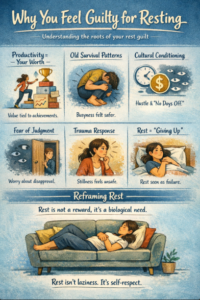
1. Productivity Was Tied to Your Worth

Most of us grew up in such circumstances where we received praise only when we have achieved something, rather than when we are present. Love was conditional-it was when you did something right, acted like an adult and when you met expectations. Useful, responsible, capable, you were appreciated. Being there, lying down, or being a patient hardly ever received equal warmth.

It was the results that made Rest popular.

Gradually, mute, your system was taking a lesson it still studies to-day:
When I fail to be productive, then I am not safe. Provided that I am not performing, I am not appreciated.

This was not a belief that had been developed through logic, it was developed through repetition. By taking chances when doing more resulted in less criticism. When being fatigued was rejected. When it became dangerous to slow down since it could result in disappointment, withdrawal, or shame.

And this way, you no longer sleep knowing that it is something safe to your body.
It interprets it as danger.

Your heart races. Your mind searches for tasks. Guilt is raised, not that rest is evil, but that inertia is against the survival tactic that used to serve your defense.

And it is not a malfunctioning of your body.
It’s remembering.

2. Rest Triggers Old Survival Patterns

To individuals, who had grown up in changeable or emotionally taxing conditions, being busy was not a choice, it was a means to survive. Being busy implied having to be on the alert. Acting in a certain way; in any way, it gave some degree of control over the circumstances where not much could be controlled. Movement meant vigilance. Busyness meant readiness.

In such places, it may feel unsafe to slack. There was tension left by silence. Silentness increased the intensity of feelings. Thus the body got used to being in a state of motion, as motion was more comfortable than rest.

Rest removes distraction.
It deprives it of the doing it is always doing that keeps deeper feelings at bay.
And in case the body eventually slows down what has been put on hold finally starts to emerge, grief, fear, anger, loneliness, unmet needs.

That is why rest may seem oppressive rather than relaxing.

Conscience usually comes to the rescue in the form of guilt. It draws you out of doing nothing, back to familiarity. Higher is the fear which lurks beneath that guilt:
When I take a break, something will overtake me.
A memory. A feeling. One thing you did not even have room to withhold at the time.

Your body is not against taking rest the reason is that it is not broken.
It is fighting against it because rest used to imply exposure-unsafely.

3. Capitalism Trained You to Ignore Your Body

Our culture is the one which glorifies fatigue. Hustle is praised. Burnout is the trophy of pride. Busyness is synonymous with importance, commitments, worthiness. Rest, however, is treated with suspicion, which can only be permitted in case it can be justified, optimized, or transformed into a better productivity in the future.

This framing silently redefines our relationship with ourselves.

It teaches a folly involving danger:
your body is no guide, but a hindrance.
There was something to get at, to conquer, to smother.

Fatigue becomes weakness. To make it slow is to make failures. Listening to the end is like running in a race which has no finish line.

And when your body wants to rest, with its heaviness and headaches, loss of concentration, emotional bombardment, your mind does not listen to it and say it is wisdom. It hears it as a flaw. And it responds with shame.

You say yourself that you ought to be stronger. More disciplined. More motivated. You overrule the signal and not respect it.

But it is your body that is betraying you.
It’s communicating.

And the embarrassment you experience is not an indication that you are doing something wrong, it is rather a sign of a culture that trained you to feel distrust of your needs.

4. You Learned to Anticipate Judgment

Most people sleep even when nobody is around just in case someone may come in and frown on them. Your muscles remain half-corded, your brain on the alert, as though you had to protect your sleep at any hour. You are not entirely at ease you keep watch of yourself.

This is internalized policing.

After some time, the voices of parents, teachers, bosses, and the society move in. You have no longer to rely on external pressure; it is in you. Before it occurs, you expect to be judged. You put yourself in the right beforehand. You hurry your sleep, excuse it or make it take a pass.

In a sense even solitude is performative, something that you can only do under specific circumstances.

It is not really the guilt over rest.
It concerns the perceived outcomes of being caught taking a break.

Being labeled lazy. Irresponsible. Ungrateful. Falling behind. Losing approval. Losing worth.

Your nervous system got to know that visibility and rest is the same as risk. So the guilt comes in and tells you to go back into the world of productivity where you are safe being approved.

Nothing is wrong with you.
You are reacting to rules which have been written when you were still young.

5. Rest Feels Unsafe When You’re Trauma-Conditioned

Controlled nervous system will enable rest to be nourishing. Stillness is a feeling of ease in that state. The body is able to relax without fear and the rest does not disturb but invigorates.

The manifestation of dysregulated nervous system stillness is extremely different. Having clustering to be formed by a chronic stress, unpredictability or emotional danger, calm does not feel safe, it feels alien. And unaccustomed, to the nervous system, is often dangerous.

Rest may be very uncomfortable in case you use your system to fight, fly or freeze. The quiet is too loud. It is the slackening that is exposing. Your body will remain on edge anticipating the next thing that will go wrong.

Guilt comes in to play in such situations as a form of coping. It creates urgency. It starts you again into action, into action, into habits of doing, into habits of acting, which even when they are wearying are familiar. Motion is safer than inactivity since it is the way your nervous system is accustomed to.

This is not a deficiency in discipline or attentiveness.
It is a nervous system doing just what it had been trained to do to survive.

Not by trying to make yourself relax does Rest become healing; but gradually by degrees your body is learning that motion is not again a threat.

6. You Confuse Rest with Giving Up

Most individuals assume that rest involves ceasing to be- no longer to move forward, to become out-of-shape, to become so old-fashioned or obsolete. Rest becomes confused when he starts giving up and assumes that slowing down entails that one will never get going again.

But rest is not quitting.
It’s repair.

It is rest that enables the stretched muscles, overstrained minds and exhausted nervous systems to adjust. It is not the contrary of effort, but it is that which makes effort possible.

Effort is gradually consumed without rest. You continue, yet more blurred, less tolerant, less good. What once was meaningful becomes encumbrant. Burnout does not come in one moment, it comes gradually in the lack of rest.

Through rest, labor becomes long-term. You come back with greater capacity not by having forcibly imposed yourself but by having given yourself rest. Creativity resurfaces. Focus sharpens. Motivation is not pressurizing but rather a choice.

Rest does not deprive you of something.
It returns to you all that constant doing wears.

By resting you do not end up behind.
You disintegrate by never giving up.

Reframing Rest

You do not work to get rest.
Neither is a reward after surviving or work.
Is a biological need, and as fundamental as breathing, hydration, and safety.

There is no need to have your body take leave. It does not ask you to demonstrate that you have done enough, toiled enough, and donated enough. The fact that one needs a rest is not a sign of moral incompetence, it is a physiological indicator.

You do not have to explain it to someone.
No need to tell you why you are tired.
You do not have to make rest out of self-improvement or efficiency.

Nor do you at all have to be entirely shattered to have a right to it.

You can only learn that it is too late to take care of your body. It is gentleness, consistent, which makes one strong, not weak, which Rest has proposed before.

You may have a break with no excuse.
Granted the liberty to be pitifully tired.

Rest is not indulgence.
It is the self-respect in its most elementary form.

A Gentle Reminder

Feeling guilty about taking a break does not imply that you do not have discipline and motivation. It implies that you were conditioned, either directly or indirectly, to disown yourself so that you can fit in. To conquer your needs, forget about your constriction and continue running even when your body wanted you to quit.

You had heard that the approval was gained by forcing through. That care was conditional. The reason of such pausing must have been.

The process of healing commences with breaking the pattern.

When you can afford to rest–no excuse, no reasons, no conversion of rest to productive employment. When you stick with the pain to demonstrate to your body that nothing horrible occurs when you pursue yourself.

This is not easy work. It is contrary to years of conditioning. However, at every moment of permitted rest the message which your nervous system carries is rewritten.

Because rest isn’t laziness.
It isn’t weakness.
Isn’t it failure.

Rest is self-respect.

Frequently Asked Questions (FAQ)

1. Why do I feel guilty where I know I have to have rest?

Guilt is learnt, not logical. The nervous system of your body can possibly relate rest to danger, judgment, or losing value because of earlier conditioning.

2. Does being guilty of resting make one lazy?

No. Laziness is more of a moral than a psychological diagnosis. Guilt around rest tends to be an indication of chronic stress, trauma conditioning, or self-worth that is based on productivity.

3. Would childhood experiences have any implication on my rest as an adult?

Yes. Childhood experiences define brain reaction. In case of insecurity, lack of attention, or disapproval, even though you were not resting, your body can still have a response of protection by remaining still.

4. And why sometimes will rest make me anxious?

Rest removes distractions. When the body goes slow, they can bring forward repressed emotions and thoughts causing anxiety rather than relief.

5. What does being internalized surveillance mean?

It is when the outer authority (parents, teachers, bosses, society) is internalized. You spy and evaluate yourself even in the absence of a person.

6. What does the hustle culture do to rest guilt?

Hustle culture puts the value of productivity equal to the value of worth and makes burnout a matter of course that people should learn to view rest as a sign of weakness unless it increases output.

7. Do you really need rest to be mentally healthy?

Yes. The nervous system, emotional processing, cognitive enhancement, burnout and depression prevention are under the control of Rest.

8. Why do I not feel safe in my immobility?

An unregulated nervous system can perceive calmness as a new experience. Stillness may be an intimidator in case of your body is trained to fight, fly or freeze.

9. Is guilt a coping mechanism?

Often, yes. The feeling of guilt may force you to resume doing what you are doing because of emotional exposure, uncertainty and the old memories that are awakened when you take a break.

10. Will taking a break make me demotivated and undisciplined?

No. Rest is a proponent of sustainable motivation. Devoid of rest, discipline becomes depletion and burnout.

11. What is the difference between rest and avoidance?

Rest is deliberate recovery. Avoidance is the evading of responsibility. Trauma-informed rest restores the capacity and not diminishes it.

12. Is it possible to treat rest guilt without treatment?

Others are able to do so through awareness, practices of regulating the nervous system and through self-compassion. This process can be fastened and intensified with the help of therapy.

13. What does rest find to be safer?

Start small. Pausing, grounding activities, routine habits, and self- affirming self-talk re-train the nervous system.

14. How come I need to earn my rest?

Since most systems are encouraging performance, and not humanity. You had been taught that rest must be justified and not as a need to be respected.

15. What is my main point which I should keep in mind?

Rest is not a reward.
Is not laziness.

Rest is self-respect.

Written by Baishakhi Das

Counselor | Mental Health Practitioner
B.Sc, M.Sc, PG Diploma in Counseling


References 

  1. van der Kolk, B.The Body Keeps the Score
    https://www.besselvanderkolk.com/resources/the-body-keeps-the-score

  2. Polyvagal Theory (Stephen Porges) – Nervous system regulation
    https://www.polyvagalinstitute.org

  3. American Psychological Association (APA) – Stress & burnout
    https://www.apa.org/topics/stress

  4. World Health Organization (WHO) – Burnout as an occupational phenomenon
    https://www.who.int/news/item/28-05-2019-burn-out-an-occupational-phenomenon

  5. Tricia Hersey (The Nap Ministry) – Rest as resistance
    https://thenapministry.com

  6. Cleveland Clinic – Effects of chronic stress on the body
    https://health.clevelandclinic.org/effects-of-stress-on-the-body

  7. Procrastination Nobody Talks About

This topic performs well due to rising searches around men’s mental health, workplace stress, and burnout recovery. Combining emotional insight with practical steps increases engagement and trust.

The Cost of Always Being the Strong One

People come to you when everything goes wrong.
You remain composed when things are out of control and even when your own chest is tight.
You are a good listener, able to listen without interruption, a good non-judgemental holder of space, a problem-solver who is quiet enough to have your own feelings on the backburner.

And nobody seems to see when you are tired–because you have perfected concealing it.

It is commonly endorsed as resilience, maturity, or emotional intelligence to be the strong one. Your composure and steadiness is the admiration of people. However, under the admiration, there is an emotional price that is seldom realized. When strength becomes a role rather than a choice, it gradually becomes a burden, a burden that you bear without any more than an expression, without any protest, because that is what you are supposed to bear.

Your own strength, previously your safeguard, and formerly your strength, starts to suck you out. And not because you are weak, but because the greatest nervous system, the strongest system, must rest and have care and be supported.

The Invisible Contract of Strength

Most individuals grow up to be the strong one at a young age not necessarily of their choice, but due to circumstances. Grit was not an option; rather it was a coping mechanism of survival.

  • You learned that you must not cry as it was the reliance of others that demanded you not to cry and express yourself, as it was unsafe or inconvenient.
  • learned to contain emotions, instead of displaying them and turn feelings into something that could be controlled, and not shared.
  • You were taught that you could postpone meeting your needs–sometimes forever–because keeping it together was the first before you put in your clothes.

This gradually leads to the establishment of an unwritten agreement with the world: I will remain calm in order to make other people feel safe.
You are the one that sticks, the one that can be depended on, the one that does not disintegrate at least not before anyone can notice.

With time, strength ceases to be a characteristic one draws and a character one lives within. And identities and those which are founded on survival are difficult to get out of, even when they have begun to cost you, your rest, your tenderness, and your feeling of being taken care of.

Emotional Labor Without Rest

Being the strong one can be doing all the time emotional work, the work that goes unseen, unpaid, and unrecognized.

  • You also control your emotions so that you do not disturb other people and learn to make your pain as insignificant as possible to make their life comfortable.
  • Take on the burden of other people without offloading your own, to be the vessel that holds the unhappy feelings that no one can express.
  • You are the safe haven of the rest of them but you seldom get heard.

Slowly your nervous system is kept in a kind of silent watchfulness–in a permanent state of alertness, in an intermittent state of rest. You are held in position even when you are not in motion, trying to figure out what is going to happen next.

This is not draining you emotionally because you are weak, but this is not the purpose of human beings to shoulder emotional burden alone. Connection is to be two-way. The exhaustion is not a vice when the support is flowing in one way only: it is a biological and emotional phenomenon.

When Support Becomes One-Directional

Powerful individuals are commonly believed to be fine. Their silence is interpreted as the fact that nothing is amiss, and their quietness is perceived as power instead of the struggle.

  • No one, then, looks deep in–enquiries are superficial–asked at all.

  • we are silent, therefore, thinking that it is stable and that we are not talking about pain, that it is not there.
  • Your limits are hardly ever questioned, as it is believed that you can do more, be more, take more.

Gradually, the requesting of assistance can gradually cease to occur, not because the need has been fulfilled, but because it no longer feels necessary to strain others, or because there are times when assistance has come at all when it has been requested. Needs are privatised, expectations are reduced and self-sufficiency is the surest way out.

Isolating emotionally is created gradually, not with a bang, but with a whimper, in the name of being independent. At first sight, it can seem to be strength. On the one hand, it can be rather like being alone with too much to be carried.

The Hidden Grief of the Strong

It is sorrowful to be the strong one–sorrow that is not much spoken, and is seldom named, and has to be borne by the individual.

  • Sorrow in the embrace that you did not have at the time you needed it the most.
  • The sweetness which you had delayed, and said you would sleep by and by, and feel by and by, and be by and by.
  • Sorrow over the weakness you ingested, knowing since you were young that weakness can be neither safe nor desirable to express.

Accomplishing this sadness, there might also be guilt in desiring rest as though fatigue is a personal vice. Shame can be experienced in being tired when you are managing everything. And confusion may come to rest in where nothingness appears despite doing everything and keeping it all together.

But emotional exhaustion is not failure–it is a message. A silent communication of your nervous system requesting you to be noticed, nurtured and given to take a break after carrying too much far too long.

Strength Is Not the Absence of Need

Emotional suppression is not a strength.
It is not being quiet, accepting whatever, or doing it by any means.
Emotional honesty is the real strength and that is the strength to be truthful to what is in your heart.

It is permitting oneself to say, without any explanation or apology:

  • “I’m not okay today.”
  • “need support too.”
  • “I don’t have to earn rest.”

The process of healing starts with strength being loose instead of hard, with stamina being soft as well as strong, with self-reliance allowing connection. You do not need to work hard to earn your safety, when you permit yourself to be grasped, not to grasp others, your nervous system comes to understand that you do not need to work hard to get safety. There are cases when it is just received.

Relearning Balance

When you are the strong, ask yourself–ask him–ask me–ask him:

And when I am not okay, where did I get to know that I always have to be okay?
What will I be when I cease to act out resilience and permit myself to exist?
What do you think it would be like to have that same care, patience and understanding given to me with the same free hand that I so readily dispense to others?

Such questions are not to be answered in a short period. They are entreaties to observe that which has long been carried.

  • Resting does not make you lose your power.
  • Do not shrink into ineptitude by seeking assistance.
  • It is not being a human that disappoints anyone.

Power was not supposed to entail self-abandonment. It was to be combined with tenderness, support and rest.

A Reframe Worth Remembering

You are not so tough in that you can take everything and not break.

You are tough since you evolved-because you studied to live in places where you needed to be strong before you were prepared to be strong.

  • Now you may have something new.
  • Connection over endurance.
  • Support over silence.
  • Power.

When you rest you do not lose your strength. It evolves. It is something that you live on, not something that you pay on.

FAQs

1. Why is it so emotionally exhausting to be the strong one?

Since it is a matter of constant emotional control, personal needs repression, and one-sided aid, exhausting the nervous system in the long run.

2. Does emotional exhaustion mean one is weak?

No. Emotional exhaustion is a biological and mental reaction to the stress and to unmet emotion needs over a long period of time.

3. Why do powerful individuals hardly obtain support?

They are presumed to be fine and that is why other people forget that they need to be cared about and have emotional check-ins.

4. Is there a role of childhood experiences that forms the strong one?

Yes. Strength is taken by many as an early survival tactic in an emotionally unsafe or demanding environment.

5. What is emotional labor?

Emotional labor is the process of controlling emotions – yours and those of other people – to ensure stability, comfort or harmony.

6. What is the impact of emotion suppression on mental health?

It exerts more stress, emotional numbness, anxiety, burnout, and may lead to depression in the long run.

7. Why has it happened that tough individuals are guilty of taking a break?

Since being useful, enduring, or responsible has already associated the self-worth of the person, rest might feel unworthy.

8. What is it like to experience nervous system exhaustion?

Constant fatigue, emotional detachment, irritability, hyper vigilance, inability to relax or being empty.

9. Is it always healthy to be independent?

Not when it covers emotional isolation. The capacity to be assisted is also a part of healthy independence.

10. How can powerful individuals embark on seeking assistance?

Their small steps can help them: first naming their feelings, selective sharing, and reminding themselves that support is not their responsibility.

11. What does it mean by trauma-informed strength?

Power which is flexible, emotional integrity, rest and relationship as opposed to perpetual effort.

12. Do we need therapy among people who are always strong?

Yes. In therapy there is a safe space where suppressed emotions are relieved and learning reciprocal care re-learned.

13. Why is it that being strong causes burnout?

The continuous self-control in the absence of emotional discharge is too much to the mind and body.

14. What is your ratio of strength and softness?

Trying to be vulnerable, demarcating boundaries and providing yourself with the kind of care you provide to others.

15. How do you begin healing the emotional fatigue?

Not being ashamed of feeling tired and allowing yourself to require assistance.

Written by Baishakhi Das

Counselor | Mental Health Practitioner
B.Sc, M.Sc, PG Diploma in Counseling


✅ Reference

  1. American Psychological Association – Stress & Burnout
    https://www.apa.org/topics/stress

  2. National Institute of Mental Health – Coping With Stress
    https://www.nimh.nih.gov/health/topics/stress

  3. Polyvagal Theory & Nervous System Regulation – Dr. Stephen Porges
    https://www.polyvagalinstitute.org

  4. Emotional Labor & Mental Health – Psychology Today
    https://www.psychologytoday.com/us/basics/emotional-labor

  5. Trauma and the Body – Bessel van der Kolk
    https://www.traumaresearchfoundation.org

  6. Feeling Behind “Not Good Enough”

This topic performs well due to rising searches around men’s mental health, workplace stress, and burnout recovery. Combining emotional insight with practical steps increases engagement and trust.

You’re Not Lazy — You’re Emotionally Exhausted

Many people carry a quiet shame around productivity. You promise yourself you’ll get things done, yet find it hard to start. You procrastinate, feel drained, and then criticize yourself for being “lazy.” But what if laziness isn’t the problem at all? What if what you’re experiencing is emotional exhaustion?

Emotional exhaustion doesn’t always look dramatic. It doesn’t have to involve burnout from a high-powered job or a visible breakdown. Often, it shows up quietly—in the inability to focus, the constant urge to scroll, the heaviness in your body, or the sense that even small tasks feel overwhelming. From the outside, it may look like avoidance. On the inside, it feels like you have nothing left to give.

Emotional Exhaustion Is Not a Lack of Willpower

We tend to treat motivation as a moral quality. If you’re productive, you’re seen as disciplined, responsible, and capable. If you’re not, the label quickly becomes “lazy.” This way of thinking ignores how the nervous system actually works. Motivation does not come from force or pressure; it arises when there is enough emotional and psychological energy available to engage with life.

When you are emotionally exhausted, your system is no longer oriented toward growth or achievement. It is operating in survival mode. The brain shifts its priorities from long-term goals to immediate safety. Instead of asking, “What should I achieve today?” it asks, “How do I get through this without collapsing?” Focus narrows, energy drops, and even simple decisions can feel heavy.

In this state, behaviors like resting, zoning out, procrastinating, or withdrawing socially are not signs of weakness or failure. They are automatic, protective responses of a system that has been overextended for too long. The body is trying to conserve energy, reduce stimulation, and prevent further emotional overload. Judging these responses as laziness only deepens the exhaustion, while understanding them creates the conditions for real recovery.

How Emotional Exhaustion Builds Up

Emotional exhaustion is often the result of long-term emotional load rather than a single event. Constant responsibility, unresolved stress, people-pleasing, emotional neglect, or growing up in environments where your feelings were minimized can slowly drain your internal resources.

Many people learn early that they must stay strong, quiet, or useful to be accepted. Over time, this leads to chronic self-monitoring—always being alert, careful, and emotionally restrained. Even when life becomes calmer, the body doesn’t automatically relax. The exhaustion remains.

You may notice that you can function well for others but struggle to do things for yourself. Or that you feel tired even after resting. This is because emotional exhaustion is not cured by sleep alone; it requires emotional safety, validation, and release.

Why You Feel Stuck Instead of Rested

When you’re emotionally exhausted, resting doesn’t always feel refreshing. Instead of feeling restored, you may feel numb, guilty, or restless. This happens because your system never fully powers down. There is a background hum of stress—unfinished emotional business that hasn’t been acknowledged.

Your mind may keep replaying conversations, worries, or self-criticism. Your body may feel heavy or tense. In this state, starting tasks feels impossible, not because you don’t care, but because your system is already overloaded.

Calling yourself lazy in these moments only adds another layer of pressure. Shame is not motivating; it is draining. The more you criticize yourself, the more your system retreats.

The Difference Between Laziness and Exhaustion

Laziness is often misunderstood, but at its core, it reflects a lack of interest without inner conflict. There is little emotional struggle involved. A lazy state does not usually carry guilt, shame, or a deep wish to change. Emotional exhaustion, however, is marked by distress. It comes with frustration, self-criticism, and the painful awareness that you are not functioning the way you want to.

If you wish you could be more engaged, more focused, more active—but feel unable to access that energy—this is not laziness. This inner conflict is a key sign of exhaustion. You care, but your system is depleted. The desire is present; the capacity is not.

Emotionally exhausted

Emotionally exhausted people often care deeply about their work, relationships, and responsibilities. They want to show up, contribute, and live meaningfully. Many of them have spent years being reliable, emotionally available, or strong for others. Over time, this continuous emotional output drains internal resources. The problem is not a lack of values or discipline; it is a lack of emotional capacity after prolonged strain.

Another important difference lies in how the body responds. Laziness does not involve a stressed nervous system. Exhaustion does. When emotionally exhausted, the body may feel heavy, tense, foggy, or numb. Starting tasks feels overwhelming not because of unwillingness, but because the nervous system is already overloaded.

Understanding this distinction is crucial, because treating exhaustion as laziness leads to shame-based motivation—which only deepens burnout. Recognizing exhaustion allows space for compassion, rest, and repair.

Laziness Emotional Exhaustion
Lack of interest without distress Strong desire to do better accompanied by distress
No significant guilt or self-criticism High levels of guilt, frustration, and self-blame
Motivation is absent, but not missed Motivation is deeply wanted but inaccessible
Nervous system is relatively calm Nervous system is overloaded or in survival mode
Tasks are avoided casually Tasks feel overwhelming and draining
Rest feels neutral or pleasant Rest often feels unrefreshing or guilt-filled
Does not question self-worth Often questions self-worth and competence

What Actually Helps

Recovery from emotional exhaustion does not begin with pushing harder or trying to become more disciplined. It begins with listening differently. Instead of asking, “What’s wrong with me?” a more helpful and regulating question is, “What have I been carrying for too long without support?” This shift alone reduces shame and allows the nervous system to soften.

Emotional exhaustion develops when effort continues without adequate emotional processing, rest, or validation. Healing, therefore, is not about doing more—it is about repairing what has been depleted.

Small acts of self-compassion matter far more than productivity hacks or motivational strategies. Naming your feelings instead of suppressing them, setting gentle boundaries instead of over-explaining, and allowing yourself to slow down without guilt are not indulgences. They are essential repairs to a system that has been running on empty.

What genuinely helps includes:

  • Acknowledging exhaustion without self-judgment. Simply recognizing that you are emotionally tired—not lazy or broken—reduces internal resistance and shame.
  • Emotional naming and expression. Putting words to what you feel helps regulate the nervous system. Feelings that are acknowledged move through; feelings that are ignored accumulate.
  • Reducing emotional over-responsibility. Learning to say no, pause, or delegate protects emotional energy and prevents further depletion.
  • Rest that is intentional, not avoidant. True rest involves permission. It is not scrolling to escape guilt, but allowing your body and mind to settle without self-criticism.
  • Lowering unrealistic self-expectations.

    Exhaustion often comes from holding yourself to standards that ignore your current capacity.

  • Creating emotional safety. Spending time with people or environments where you do not have to perform, explain, or stay strong restores energy more effectively than isolation.

Therapeutic support can play a crucial role, especially when exhaustion is rooted in long-standing patterns, trauma, people-pleasing, or emotional neglect. Therapy offers something rest alone cannot: a space where your inner experience is witnessed, validated, and made sense of. This relational safety helps the nervous system move out of survival mode and gradually rebuild emotional capacity.

Recovery is rarely instant. Energy returns slowly, in moments of softness, understanding, and permission. But when exhaustion is met with compassion instead of pressure, the system begins to heal—and functioning becomes possible again.

A Reframe Worth Remembering

If you are struggling to function the way you think you should, it doesn’t mean you are weak or lazy. It may mean you are tired in a way that hasn’t been acknowledged yet.

You don’t need more pressure. You need understanding—especially from yourself. When emotional exhaustion is met with compassion instead of criticism, energy slowly returns. Not all at once, but enough to begin again.

And that is not laziness. That is healing.

Written by Baishakhi Das

Counselor | Mental Health Practitioner
B.Sc, M.Sc, PG Diploma in Counseling

Frequently Asked Questions (FAQ)

1. Is emotional exhaustion the same as burnout?
Emotional exhaustion is a core component of burnout, but it can exist even without work-related burnout. It may come from caregiving roles, emotional neglect, chronic stress, or long-term people-pleasing.

2. Can emotional exhaustion happen without a stressful job?
Yes. Emotional exhaustion often develops from invisible emotional labor, unresolved trauma, relationship strain, or growing up in emotionally unsafe environments.

3. How do I know if I’m emotionally exhausted or just unmotivated?
If you want to function better but feel unable to access energy—and this causes guilt or distress—it is more likely exhaustion than lack of motivation.

4. Why do I feel tired even after resting?
Because emotional exhaustion is not only physical. Without emotional safety, validation, and nervous system regulation, rest alone may not feel restorative.

5. Is procrastination a sign of emotional exhaustion?
Often, yes. Procrastination can be a protective response when the nervous system feels overwhelmed or overloaded.

6. Can emotional exhaustion cause physical symptoms?
Yes. Headaches, body heaviness, muscle tension, brain fog, digestive issues, and frequent fatigue are common.

7. Does emotional exhaustion mean I’m weak?
No. It usually means you have been strong for too long without enough support.

8. How long does recovery from emotional exhaustion take?
Recovery is gradual and varies by individual. Healing depends on reducing ongoing stress, increasing emotional safety, and receiving adequate support.

9. Can emotional exhaustion affect relationships?
Yes. It may lead to withdrawal, irritability, numbness, or difficulty communicating needs.

10. Is emotional exhaustion a mental illness?
No. It is a psychological and physiological state. However, if unaddressed, it can contribute to anxiety or depression.

11. Can therapy really help with emotional exhaustion?
Yes. Therapy helps identify patterns, process unresolved emotions, and regulate the nervous system—restoring emotional capacity over time.

12. What if I can’t afford therapy?**
Low-cost counseling services, support groups, self-help resources, and trauma-informed content can still be beneficial starting points.

13. Should I push myself to stay productive while exhausted?
Pushing through exhaustion often worsens it. Sustainable functioning comes from pacing, not pressure.

14. Can emotional exhaustion come from childhood experiences?
Yes. Emotional neglect, excessive responsibility, or lack of emotional safety in childhood can lead to chronic exhaustion in adulthood.

15. Will my motivation ever come back?
Yes. When exhaustion is met with compassion, boundaries, and support, motivation gradually returns.

References 

World Health Organization (WHO) – Burnout and mental health
Protecting health and care workers’ mental health and well-being: Technical Consultation Meeting

American Psychological Association (APA) – Stress, burnout, and emotional regulation
Stress in America™ 2025: A Crisis of Connection

National Institute of Mental Health (NIMH) – Mental health and emotional well-being
Caring for Your Mental Health – National Institute of Mental Health (NIMH)

How Childhood Silence Creates Emotionally Detached Adults

This topic performs well due to rising searches around men’s mental health, workplace stress, and burnout recovery. Combining emotional insight with practical steps increases engagement and trust.


Mental Exhaustion: Causes, Symptoms, and Recovery

https://www.betterup.com/hs-fs/hubfs/Blog%20Images/1.Listicle%20infographic.png?name=1.Listicle+infographic.png&width=2480

Mental exhaustion is a state of profound psychological fatigue in which the mind feels persistently drained, overwhelmed, and unable to function at its usual cognitive or emotional capacity. Unlike ordinary tiredness, which improves with sleep or short periods of rest, mental exhaustion does not fully resolve with downtime alone. Instead, it reflects long-term depletion of mental and emotional resources caused by ongoing demands without adequate recovery.

This condition develops gradually and quietly. People often normalize early signs—such as reduced concentration, irritability, or emotional numbness—until emotional regulation, decision-making, memory, and even physical health are noticeably affected. By the time mental exhaustion is recognized, daily functioning, work performance, and relationships may already be strained.

In today’s fast-paced, high-demand world, mental exhaustion has become increasingly common. Constant connectivity, performance pressure, blurred work–life boundaries, and emotional responsibilities leave little space for genuine psychological rest. As a result, professionals, caregivers, parents, and individuals exposed to chronic stress are particularly vulnerable—especially when they feel responsible for others while neglecting their own emotional needs.

What Is Mental Exhaustion?

Mental exhaustion refers to the long-term depletion of cognitive and emotional energy resulting from prolonged stress, continuous pressure, or insufficient psychological recovery. When demands remain high for extended periods, the brain stays in a state of chronic overactivation, constantly alert and problem-focused. Over time, this leads to mental overload, followed by emotional shutdown, numbness, reduced concentration, and diminished efficiency.

Rather than feeling temporarily tired, individuals experiencing mental exhaustion often feel mentally stuck, emotionally drained, and unable to think clearly, even when they try to rest. Motivation may decline, decision-making becomes harder, and everyday tasks can feel disproportionately difficult.

If left unaddressed, mental exhaustion frequently serves as an early warning sign of deeper psychological conditions such as burnout, depression, or anxiety disorders. Recognizing it early is crucial, as timely intervention can prevent further emotional deterioration and support long-term mental wellbeing.

Common Causes of Mental Exhaustion

Mental exhaustion rarely has a single cause. It usually results from multiple, ongoing stressors combined with insufficient recovery.

1. Chronic Stress

Continuous exposure to stress—work pressure, financial worries, family conflict, or health concerns—keeps the nervous system in a constant state of alertness.

2. Work Overload and Role Pressure

Long working hours, unrealistic expectations, lack of control, or emotionally demanding roles (healthcare, teaching, counseling, caregiving) significantly increase risk.

3. Emotional Suppression

Constantly holding back emotions, people-pleasing, or avoiding conflict consumes immense mental energy over time.

4. Caregiving Responsibilities

Caring for children, elderly parents, or ill family members without emotional support often leads to silent exhaustion.

5. Poor Boundaries and Lack of Rest

Inability to disconnect from work, excessive screen time, irregular sleep, and absence of restorative breaks prevent mental recovery.

Symptoms of Mental Exhaustion

Mental exhaustion affects thoughts, emotions, behavior, and the body.

Emotional Symptoms

  • Emotional numbness or emptiness

  • Irritability and low frustration tolerance

  • Reduced motivation or interest

  • Feeling detached or overwhelmed

Cognitive Symptoms

  • Difficulty concentrating or making decisions

  • Racing or foggy thoughts

  • Memory problems

  • Reduced creativity and problem-solving ability

Physical Symptoms

  • Persistent fatigue even after rest

  • Headaches or body aches

  • Sleep disturbances

  • Frequent illness due to lowered immunity

Behavioral Symptoms

  • Withdrawal from social interaction

  • Procrastination or reduced productivity

  • Increased reliance on caffeine, sugar, or screens

  • Avoidance of responsibilities

Mental Exhaustion vs Normal Stress

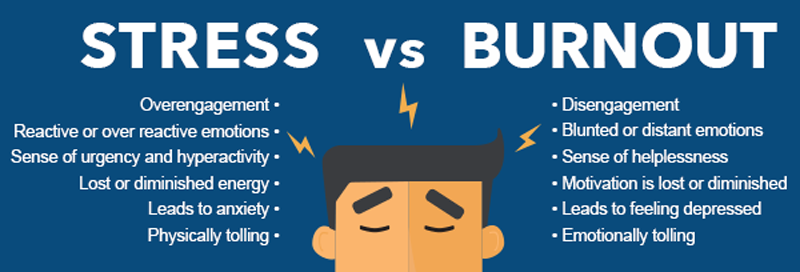
Stress is characterized by increased pressure, urgency, and mental activation. While it feels uncomfortable and overwhelming, energy and motivation are still available. The person remains engaged, problem-focused, and believes that effort, time, or rest will eventually bring relief.

Mental exhaustion, however, reflects a state of resource depletion. The mind no longer has sufficient emotional or cognitive energy to respond to demands. Instead of urgency, there is heaviness; instead of motivation, there is withdrawal. Even simple tasks may feel burdensome, and rest often feels unrefreshing.

  • Stress: Feeling pressured, tense, and overloaded—but still able to act

  • Mental Exhaustion: Feeling drained, disengaged, and unable to sustain effort

Stress says, “I need to push through—this will pass.”
Mental exhaustion says, “I don’t have the energy anymore—and I don’t know how to recover.”

Recognizing this shift is crucial. Treating mental exhaustion as if it were ordinary stress can delay recovery and increase the risk of burnout, emotional numbness, and psychological distress.

Psychological Impact if Ignored

When mental exhaustion is ignored or normalized, it can lead to:

  • Burnout

  • Anxiety disorders

  • Depressive symptoms

  • Emotional detachment in relationships

  • Reduced work performance and self-esteem

Early recognition is crucial to prevent long-term emotional and occupational damage.

Recovery from Mental Exhaustion

Recovery requires more than rest. It involves restoring emotional safety, cognitive balance, and psychological meaning.

1. Reduce Ongoing Stressors

Identify what is draining you consistently and explore realistic ways to reduce load, delegate, or set boundaries.

2. Restore Psychological Rest

Mental rest includes:

  • Quiet time without screens

  • Doing activities without productivity goals

  • Allowing the mind to wander

3. Reconnect with Emotions

Suppressed emotions drain energy. Journaling, therapy, or mindful reflection helps release emotional overload.

4. Rebuild Boundaries

Learn to say no without guilt. Protect time for rest, sleep, and personal needs.

5. Seek Professional Support

Counseling or therapy can help:

  • Identify hidden stress patterns

  • Process emotional exhaustion

  • Develop healthier coping strategies

Support is not a weakness—it is a recovery tool.

When to Seek Help

Consider professional support if:

  • Exhaustion lasts for weeks or months

  • Motivation and pleasure remain absent

  • Emotional numbness or hopelessness increases

  • Daily functioning is impaired

Early intervention significantly improves recovery outcomes.

Final Thoughts

Mental exhaustion is not laziness, weakness, or personal failure. It is a protective signal from the mind and nervous system indicating that emotional and cognitive resources have been depleted and recovery is overdue. When this signal is ignored, the system continues to operate in survival mode, increasing the risk of burnout and long-term psychological distress.

Listening to mental exhaustion early allows space for restoration rather than collapse. It helps prevent burnout, protects overall mental health, and supports the gradual return of emotional balance, clarity, and resilience.

Healing does not begin by pushing harder or doing more. It begins by slowing down, setting boundaries, and responding with awareness, compassion, and intentional care—so the mind can recover, not just endure.

Frequently Asked Questions (FAQ)

1. Is mental exhaustion the same as burnout?

No. Mental exhaustion is often an early stage or warning sign of burnout. While mental exhaustion involves cognitive and emotional depletion, burnout includes additional features such as cynicism, detachment, and reduced sense of effectiveness, especially in occupational roles.


2. Can mental exhaustion happen even if I’m sleeping enough?

Yes. Mental exhaustion is not just physical fatigue. Even with adequate sleep, ongoing emotional stress, constant mental load, unresolved worries, or lack of psychological rest can keep the brain in an overactivated state, preventing true recovery.


3. How long does mental exhaustion last?

The duration varies depending on severity and whether the underlying stressors are addressed. Without intervention, it can persist for weeks or months and may progress into burnout, anxiety, or depression. Early recognition significantly shortens recovery time.


4. Is mental exhaustion a mental illness?

Mental exhaustion itself is not classified as a mental disorder. However, if left unaddressed, it can increase vulnerability to clinically significant conditions such as depression, anxiety disorders, or burnout-related health problems.


5. Who is most at risk of mental exhaustion?

People at higher risk include:

  • Professionals in high-demand roles

  • Caregivers and parents

  • Healthcare and mental health workers

  • Individuals exposed to chronic stress

  • Those with poor work–life boundaries or limited emotional support


6. What helps recovery from mental exhaustion?

Recovery typically involves:

  • Reducing ongoing stressors

  • Restoring boundaries and psychological rest

  • Emotional expression and processing

  • Support from counseling or therapy when needed

Rest alone may not be sufficient unless accompanied by these changes.


7. When should I seek professional help?

Professional support is recommended if mental exhaustion:

  • Persists despite rest

  • Causes emotional numbness or hopelessness

  • Interferes with work, relationships, or daily functioning

  • Is accompanied by anxiety or depressive symptoms

Early help can prevent long-term emotional and occupational impairment.

Written by Baishakhi Das

Counselor | Mental Health Practitioner
Qualifications: B.Sc in Psychology | M.Sc  | PG Diploma in Counseling

Reference 

  1. World Health Organization
    Burn-out as an occupational phenomenon
    https://www.who.int/news/item/28-05-2019-burn-out-an-occupational-phenomenon

  2. American Psychological Association (APA)
    Stress and its effects on mental health
    https://www.apa.org/topics/stress

  3. Maslach, C., & Leiter, M. P. (2016).
    Understanding the burnout experience. World Psychiatry
    https://onlinelibrary.wiley.com/doi/10.1002/wps.20311

  4. National Institute of Mental Health (NIMH)
    Stress and mental health
    https://www.nimh.nih.gov/health/topics/stress

  5. Harvard Health Publishing
    Understanding emotional and mental exhaustion
    https://www.health.harvard.edu/mind-and-mood

  6. Emotional Burnout: Symptoms You Shouldn’t Ignore


Stress vs Burnout: How to Tell the Difference

https://doctorondemand.com/wp-content/uploads/2022/04/stress-vs-burnout.png

In today’s fast-paced world, feeling overwhelmed has become almost a normal part of daily life. Long work hours, constant digital connectivity, financial pressures, and growing personal responsibilities have blurred the line between productivity and exhaustion. As a result, many people use the terms stress and burnout interchangeably—but psychologically, they are not the same experience.

Understanding the difference between stress and burnout is crucial because they affect the mind and body in very different ways and require different responses. Stress is often a short-term reaction to pressure and can sometimes be managed with rest or problem-solving. Burnout, however, develops gradually from prolonged, unmanaged stress and leads to deep emotional, mental, and physical exhaustion.

When burnout is mistaken for ordinary stress and addressed only with quick fixes—such as taking a short break or pushing harder—it can silently worsen. Over time, this may contribute to anxiety, depression, physical illness, emotional numbness, and a loss of meaning or motivation.

What Is Stress?

Stress is the body’s natural response to pressure, challenge, or perceived demand. It arises when external situations or internal expectations feel greater than one’s current coping capacity. From a psychological perspective, stress is not inherently harmful—it is a signal, alerting the mind and body to mobilize resources for adaptation.

Stress is usually:

  • Situational – tied to a specific circumstance or phase of life

  • Short- to medium-term – it rises and falls as demands change

  • Demand-linked – connected to identifiable tasks, responsibilities, or pressures

Common stressors include work deadlines, academic exams, financial strain, caregiving roles, relationship conflicts, health concerns, or major life transitions. These stressors activate the body’s stress response system (sympathetic nervous system), preparing a person to respond, solve, or endure.

Psychological Experience of Stress

Psychologically, stress is often experienced as:

  • Feeling overwhelmed but still mentally engaged

  • Persistent worry, tension, or irritability

  • Racing or repetitive thoughts, especially about “what needs to be done”

  • Heightened alertness and a strong sense of urgency

  • Difficulty relaxing, even during rest periods

Despite discomfort, motivation is usually still present. The person may feel exhausted yet continues to push forward, believing effort will resolve the situation.

A key cognitive belief commonly seen in stress is:

“Once this situation improves, I’ll feel better.”

This belief reflects an important distinction:
Under stress, people generally retain hope and purpose. They expect relief once the pressure eases, which is why stress—though uncomfortable—often remains psychologically manageable in the short term.

When stress becomes chronic or unrelenting, however, this belief can begin to fade, increasing the risk of emotional exhaustion and burnout.

What Is Burnout?

Burnout is a state of chronic emotional, mental, and physical exhaustion that develops after prolonged exposure to stress that has not been adequately managed or relieved. It is most commonly associated with work, caregiving, and helping professions, where demands are continuous and recovery is limited or absent.

Unlike stress—which involves overactivation—burnout reflects depletion. The system no longer has enough emotional or psychological resources to respond.

The World Health Organization defines burnout as an occupational phenomenon characterized by three core dimensions:

  • Emotional exhaustion – feeling completely drained, depleted, and unable to give more

  • Mental distance, cynicism, or depersonalization – emotional withdrawal from work or responsibilities, often expressed as negativity or indifference

  • Reduced sense of effectiveness – feeling incompetent, unproductive, or that one’s efforts no longer matter

Burnout does not occur suddenly. It develops gradually, often disguised as “just being tired” or “having a bad phase,” and frequently goes unrecognized until daily functioning, relationships, or physical health are significantly affected.

Psychological Experience of Burnout

Psychologically, burnout is experienced very differently from stress:

  • Emotional numbness or emptiness, rather than anxiety

  • Detachment and cynicism, especially toward work, people, or responsibilities once cared about

  • Profound loss of motivation, meaning, and purpose

  • Feeling trapped, helpless, or stuck, with no sense of agency

  • Reduced emotional reactivity—both positive and negative feelings feel muted

While stressed individuals are often still striving and hoping for relief, burned-out individuals feel psychologically disconnected. Tasks that once felt manageable now feel pointless or unbearable.

A defining cognitive belief in burnout is:

“Nothing will change—even if the pressure stops.”

This belief reflects learned helplessness and emotional shutdown. Even rest or time off may not bring relief, because the nervous system and sense of meaning are already depleted.

Key Psychological Difference from Stress

  • Stress → “Too much to handle, but I must keep going.”

  • Burnout → “I have nothing left to give, and it doesn’t matter anymore.”

Burnout is not a personal failure or lack of resilience—it is a systemic response to prolonged overload without recovery, support, or control. Recovery therefore requires more than rest; it involves restoring meaning, boundaries, autonomy, and emotional safety.

Stress vs Burnout: Key Differences

Aspect Stress Burnout
Duration Short-term or episodic Long-term, chronic
Energy Overactive, tense Depleted, exhausted
Emotions Anxiety, irritability Hopelessness, numbness
Motivation Still present Significantly reduced
Engagement Over-engaged Disengaged
Recovery Improves with rest Persists despite rest

Emotional Signs: How They Feel Different

Stress Feels Like

  • “Everything feels urgent.”
  • “There’s no space to pause.”
  • “If I rest, I’ll fall behind.”

Burnout Feels Like

  • “I don’t care anymore”

  • “I’m empty”

  • “I’m done, but I can’t leave”

Stress pushes you to keep going.
Burnout makes you want to stop altogether.

Behavioral Differences

Under Stress

  • Overworking

  • Difficulty relaxing

  • Short temper

  • Sleep problems

Under Burnout

  • Procrastination or withdrawal

  • Reduced performance

  • Emotional detachment

  • Avoidance of responsibility

Burnout often looks like laziness from the outside—but psychologically, it is exhaustion, not lack of effort.

Physical Symptoms

Both stress and burnout affect the body, but differently:

Stress

  • Headaches

  • Muscle tension

  • Rapid heartbeat

  • Digestive issues

Burnout

  • Chronic fatigue

  • Frequent illness

  • Sleep disturbances

  • Body aches with no clear cause

Burnout weakens the immune system due to prolonged nervous system overload.

Why Stress Turns Into Burnout

Stress becomes burnout when:

  • Recovery time is insufficient

  • Emotional needs are ignored

  • Boundaries are consistently crossed

  • Effort is high but control or reward is low

Caregiving professionals, healthcare workers, counselors, parents, and corporate employees are especially vulnerable.

Can You Be Stressed and Burned Out at the Same Time?

Yes. Many people experience high stress on top of burnout. This feels like:

  • Emotional emptiness + anxiety

  • Exhaustion + pressure to perform

  • Detachment + guilt

This combination significantly increases the risk of depression and anxiety disorders.

How to Respond: Stress vs Burnout

If It’s Stress

  • Time management

  • Short breaks

  • Relaxation techniques

  • Problem-solving

  • Temporary rest

If It’s Burnout

  • Reducing demands (not just resting)

  • Emotional support or therapy

  • Re-evaluating roles and boundaries

  • Restoring meaning and autonomy

  • Long-term lifestyle changes

Burnout cannot be healed by a weekend break.

When to Seek Professional Help

Consider professional support if:

  • Emotional numbness lasts weeks or months

  • You feel detached from people or work

  • Motivation does not return after rest

  • Physical symptoms persist without cause

The American Psychological Association emphasizes early intervention to prevent long-term mental health consequences.

Key Takeaways

  • Stress is about too much

  • Burnout is about nothing left

  • Stress responds to rest

  • Burnout requires deeper change

  • Recognizing the difference protects mental health

Final Reflection

Stress says:
“I can’t slow down.”

Burnout says:
“I can’t go on.”

Stress reflects pressure within capacity—painful, but still fueled by urgency and hope. Burnout reflects depletion beyond capacity—where motivation, meaning, and emotional energy are exhausted.

Listening carefully to this internal shift is critical. When “pushing through” turns into emotional numbness, detachment, or hopelessness, the body and mind are signaling the need for deeper intervention—not just rest.

Recognizing this difference early can prevent long-term emotional collapse, protect mental health, and create space for recovery before functioning is severely compromised.

Frequently Asked Questions (FAQ)

1. Is stress always harmful?

No. Stress is a normal psychological and physiological response to challenges. Short-term stress can improve focus and performance. It becomes harmful when it is chronic, intense, and unmanaged, increasing the risk of anxiety, depression, and burnout.


2. How is burnout different from stress?

Stress involves over-engagement—too much pressure and urgency. Burnout involves disengagement—emotional exhaustion, cynicism, and loss of meaning. Stress says “I must keep going,” while burnout says “I have nothing left.”


3. Can stress turn into burnout?

Yes. Prolonged stress without adequate rest, control, emotional support, or recovery can gradually develop into burnout. Burnout is often the result of long-term stress that feels unavoidable.


4. Is burnout a mental illness?

Burnout is not classified as a mental disorder. According to the World Health Organization, it is an occupational phenomenon. However, burnout can increase vulnerability to depression, anxiety disorders, and physical health problems.


5. Can taking a break cure burnout?

Short breaks may help stress, but burnout usually requires deeper changes, such as:

  • Reducing ongoing demands

  • Restoring boundaries and autonomy

  • Reconnecting with meaning and values

  • Psychological support or counseling

Without these, symptoms often return quickly.


6. Who is most at risk of burnout?

People in high-responsibility or caregiving roles, such as healthcare workers, counselors, teachers, parents, corporate employees, and caregivers—especially when there is high demand and low support.


7. When should someone seek professional help?

Professional support is recommended when symptoms include:

  • Persistent emotional numbness or hopelessness

  • Loss of motivation lasting weeks or months

  • Withdrawal from work or relationships

  • Physical symptoms (sleep issues, fatigue, frequent illness)

  • Feeling trapped or helpless

Early intervention can prevent long-term psychological and occupational damage.


Written by Baishakhi Das

Counselor | Mental Health Practitioner
B.Sc, M.Sc , PG Diploma in Counseling

Reference 

  1. World Health Organization (WHO)
    Burn-out an occupational phenomenon
    https://www.who.int/news/item/28-05-2019-burn-out-an-occupational-phenomenon

  2. American Psychological Association (APA)
    Stress effects on the body
    https://www.apa.org/topics/stress/body

  3. National Institute for Occupational Safety and Health (NIOSH)
    Stress at work
    https://www.cdc.gov/niosh/topics/stress

  4. Maslach, C., & Leiter, M. P. (2016).
    Understanding the burnout experience. World Psychiatry
    https://onlinelibrary.wiley.com/doi/10.1002/wps.20311

  5. Harvard Health Publishing
    Burnout: Symptoms and prevention
    https://www.health.harvard.edu/blog/burnout-modern-affliction-or-human-condition-2017071912199

  6. Why You Feel Emotionally Numb: When You Can’t Feel What You Know You Should  
  7. Emotional Burnout: Symptoms You Shouldn’t Ignore


Why You Feel Emotionally Numb: When You Can’t Feel What You Know You Should

Introduction: The Quiet Absence of Feeling

You’re not sad.
You’re not happy.
You’re not angry or excited.

You just… feel nothing.

Emotional numbness is one of the most misunderstood and unsettling psychological experiences. People often describe it as feeling empty, flat, or disconnected from themselves and the world. You may still function—go to work, talk to people, fulfill responsibilities—but internally, something feels switched off.

What makes emotional numbness particularly distressing is that:

  • There may be no obvious reason for it

  • Others may say, “At least you’re not upset”

  • You may wonder if something is “wrong” with you

This article explores why emotional numbness happens, what it means psychologically, how it relates to stress, trauma, anxiety, and burnout, and how feeling can gradually return.

What Is Emotional Numbness?

Emotional numbness is a state in which a person experiences a reduced ability to feel emotions, both positive and negative. It is not the absence of emotions entirely, but rather a dampening or disconnection from them.

People experiencing emotional numbness often report:

  • Feeling detached from their emotions

  • Difficulty crying or feeling joy

  • Feeling “on autopilot”

  • Going through life without emotional engagement

  • Knowing they should feel something, but don’t

Importantly, emotional numbness is not a personality flaw. It is usually a protective psychological response.

Emotional Numbness Is Not the Same as Calm

Calmness is peaceful and grounded.
Numbness is hollow and disconnected.

When you are calm:

  • You feel present

  • You can access emotions if needed

  • There is inner clarity

When you are numb:

  • You feel distant from yourself

  • Emotions feel blocked or unreachable

  • There is a sense of inner emptiness

Many people mistake numbness for emotional strength—but numbness often signals overwhelm, not resilience.

Common Signs of Emotional Numbness

Emotional numbness can show up in subtle ways:

  • Feeling indifferent toward things that once mattered

  • Lack of emotional reaction to good or bad news

  • Difficulty feeling love, excitement, or empathy

  • Reduced emotional expression

  • Feeling disconnected from memories or experiences

  • Loss of pleasure (anhedonia)

  • Sense of being “behind glass” while life happens

You may still think clearly and behave normally—yet feel emotionally absent.

Why Emotional Numbness Happens: The Psychology Behind It

1. Emotional Overload and Burnout

One of the most common causes of emotional numbness is prolonged emotional overload.

When you’ve been:

  • Constantly stressed

  • Emotionally responsible for others

  • Overstimulated

  • Under-rested

  • Emotionally unsupported

…the nervous system may respond by shutting down emotional intensity.

This is not a failure—it is a survival response.

Your mind essentially says:

“Feeling everything right now is too much. Let’s reduce sensation.”

2. Trauma and the Freeze Response

Emotional numbness is closely linked to trauma.

When fight or flight isn’t possible, the nervous system may enter freeze mode, which includes:

  • Emotional shutdown

  • Dissociation

  • Detachment from feelings and body sensations

Trauma doesn’t have to be dramatic or violent. Emotional trauma can include:

  • Chronic emotional neglect

  • Long-term criticism

  • Feeling unsafe expressing emotions

  • Living in unpredictable environments

Numbness protects you from pain—but also from pleasure.

3. Suppressed Emotions Over Time

Many people are taught (directly or indirectly) to:

  • “Stay strong”

  • “Don’t overreact”

  • “Be practical”

  • “Control your emotions”

Over time, repeated emotional suppression can lead to disconnection from feelings altogether.

If emotions are consistently invalidated or unsafe to express, the brain learns:

“It’s better not to feel.”

4. Anxiety and Emotional Avoidance

Anxiety doesn’t always look like panic.

Chronic anxiety can lead to emotional numbness because:

  • Feeling emotions may trigger worry

  • Emotional intensity feels unsafe

  • The mind stays in constant vigilance mode

To avoid discomfort, the brain dampens emotional signals.

Ironically, emotional numbness can be an anxiety symptom, not the absence of anxiety.

5. Depression and Anhedonia

In depression, emotional numbness often appears as anhedonia—the inability to feel pleasure.

This can include:

  • No excitement about achievements

  • No enjoyment in hobbies

  • Emotional flatness in relationships

Unlike sadness, anhedonia feels empty and lifeless, which is often more frightening for individuals.

6. Grief and Emotional Protection

After loss, the psyche may temporarily numb emotions to prevent overwhelm.

Grief-related numbness can feel like:

  • “I know something terrible happened, but I don’t feel it”

  • Delayed emotional reactions

  • Feeling detached from the loss

This does not mean you don’t care—it means your mind is pacing your pain.

7. Dissociation: Feeling Disconnected from Yourself

Emotional numbness is often part of dissociation, a psychological response where:

  • You feel detached from your body or emotions

  • The world feels unreal or distant

  • You feel like an observer of your life

Dissociation develops when emotional intensity exceeds coping capacity.

Emotional Numbness in Daily Life

In Relationships

  • Difficulty feeling close

  • Reduced emotional responsiveness

  • Guilt for not feeling “enough”

  • Fear of hurting loved ones emotionally

Partners may misinterpret numbness as lack of care, which increases isolation.

At Work

  • Loss of motivation

  • Indifference to success or failure

  • Functioning without emotional engagement

  • Feeling drained but detached

High-functioning individuals often experience numbness silently.

In Parenthood or Caregiving

  • Feeling robotic

  • Guilt for lack of emotional warmth

  • Emotional exhaustion

  • Difficulty feeling joy or connection

Caregivers are especially vulnerable due to chronic emotional output.

Why Emotional Numbness Is So Disturbing

Emotional numbness creates identity confusion.

People often ask:

  • “Who am I if I don’t feel?”

  • “Am I broken?”

  • “Will I ever feel normal again?”

Because emotions are central to meaning, numbness can feel like losing yourself.

Emotional Numbness Is Not Permanent

This is crucial to understand:

Emotional numbness is a state, not a life sentence.

It is reversible when the underlying causes are addressed.

What Not to Do When You Feel Numb

  • Don’t force emotions

  • Don’t shame yourself

  • Don’t compare yourself to others

  • Don’t numb further with substances or overwork

  • Don’t assume it means you’re incapable of feeling

Numbness responds to gentle attention, not pressure.

How to Begin Reconnecting with Emotions

1. Focus on Safety, Not Feeling

Your nervous system needs safety before emotions can return.

Ask:

  • Where do I feel safest?

  • What reduces my tension?

2. Reconnect with the Body First

Emotions live in the body.

Helpful practices:

  • Gentle movement

  • Breathing exercises

  • Grounding techniques

  • Warmth (showers, blankets)

3. Allow Small Emotional Signals

Emotions often return subtly:

  • Mild irritation

  • Gentle sadness

  • Brief enjoyment

These are signs of reawakening, not setbacks.

4. Express Without Judgment

Journaling, art, or quiet reflection helps emotions surface without pressure.

5. Seek Therapeutic Support

Therapy helps by:

  • Creating emotional safety

  • Processing suppressed emotions

  • Regulating the nervous system

  • Understanding trauma or burnout patterns

You don’t need to know why you’re numb to seek help.

When to Seek Professional Help

Seek support if numbness:

  • Persists for months

  • Interferes with relationships

  • Is accompanied by hopelessness

  • Follows trauma or loss

  • Feels frightening or worsening

Emotional numbness deserves care—not dismissal.

Healing Is Not About “Feeling More” Immediately

Healing means:

  • Feeling safely

  • Feeling gradually

  • Feeling without overwhelm

Your nervous system will open when it no longer feels threatened.

Final Thoughts: Numbness Is a Message, Not a Failure

Emotional numbness is your mind and body saying:

“I’ve been carrying too much, for too long.”

It is not weakness.
It is not indifference.
It is not permanent.

Feeling will return—not by force, but by compassion, safety, and support.

You are not broken.
You are protecting yourself.
And you can heal.

FAQ


1. What does it mean to feel emotionally numb?

Emotional numbness means feeling disconnected from emotions, both positive and negative. A person may function normally but feel empty, detached, or unable to feel joy, sadness, or emotional connection.


2. Is emotional numbness a mental illness?

No. Emotional numbness is not a diagnosis but a symptom. It commonly appears in anxiety, depression, burnout, trauma responses, or prolonged emotional stress.


3. Can stress or burnout cause emotional numbness?

Yes. Long-term stress and emotional burnout can overwhelm the nervous system, leading it to reduce emotional intensity as a protective mechanism.


4. Is emotional numbness a trauma response?

Often, yes. Emotional numbness can be part of the freeze or dissociation response, especially after emotional neglect, chronic stress, or unresolved trauma.


5. How long does emotional numbness last?

It varies. For some, it lasts weeks; for others, months. Numbness usually improves when underlying stress, trauma, or emotional overload is addressed with support.


6. Can anxiety cause emotional numbness?

Yes. Chronic anxiety can lead to emotional shutdown because feeling emotions may increase fear or overwhelm. Numbness can coexist with anxiety.


7. Is emotional numbness the same as depression?

Not exactly. Depression may include sadness, hopelessness, or loss of pleasure (anhedonia). Emotional numbness can occur with or without depression.


8. How can I start feeling emotions again?

Healing involves:

  • Creating emotional safety

  • Reducing chronic stress

  • Reconnecting with the body

  • Allowing emotions gradually

  • Seeking professional support when needed

Forcing emotions often worsens numbness.


9. When should I seek professional help?

Seek help if numbness:

  • Lasts for months

  • Affects relationships or daily life

  • Is accompanied by anxiety, hopelessness, or trauma history

  • Feels frightening or worsening

Written by Baishakhi Das

Counselor | Mental Health Practitioner
Qualifications: B.Sc in Psychology | M.Sc  | PG Diploma in Counseling

REFERENCE 


Stress & Men: Daily Habits to Reduce Burnout

Introduction: Why Men’s Stress Often Goes Unnoticed

Stress is not gender-neutral in how it is expressed, experienced, or treated. While everyone experiences stress, men are significantly less likely to talk about it, seek help, or even recognize burnout until it becomes severe. Cultural expectations around masculinity—such as being strong, silent, emotionally controlled, and financially responsible—often push men to suppress stress rather than process it.

Burnout in men frequently shows up not as sadness, but as irritability, anger, emotional withdrawal, addictions, physical illness, or relationship conflicts. By the time many men seek support, stress has already affected their health, work performance, and family life.

The good news? Burnout is preventable and reversible, especially when small, consistent daily habits are practiced. This article explores the psychology of stress in men and offers evidence-based daily habits that can significantly reduce burnout.

Understanding Stress & Burnout in Men

What Is Stress?

Stress is the body’s response to perceived demands or threats. Short-term stress can enhance performance, but chronic stress keeps the nervous system in survival mode, damaging both mental and physical health.

What Is Burnout?

Burnout is a state of emotional, mental, and physical exhaustion caused by prolonged stress. It includes:

  • Emotional numbness

  • Cynicism or detachment

  • Reduced motivation

  • Low self-worth

  • Physical fatigue

Why Men Are at Higher Risk of Hidden Burnout

Men often:

  • Externalize stress (anger, risk-taking)

  • Avoid emotional expression

  • Delay seeking help

  • Link self-worth to productivity and income

According to World Health Organization, men globally have higher rates of substance use, suicide, and untreated mental health conditions, all closely linked to chronic stress.

Common Signs of Burnout in Men

Burnout in men may look different from textbook depression or anxiety.

Emotional Signs

  • Irritability and short temper

  • Emotional shutdown

  • Feeling empty or disconnected

  • Loss of interest in relationships

Behavioral Signs

  • Overworking or complete disengagement

  • Increased alcohol, smoking, or screen use

  • Avoiding family or friends

  • Risky behaviors

Physical Signs

  • Chronic fatigue

  • Headaches, body pain

  • Sleep disturbances

  • High blood pressure, diabetes, heart issues

Many men seek medical help for physical symptoms without realizing stress is the root cause.

The Psychology Behind Men’s Burnout

1. Masculinity Norms & Emotional Suppression

Research shows that men socialized to suppress emotions experience higher physiological stress responses. Emotional suppression increases cortisol levels and weakens emotional regulation.

2. Role Overload

Men often juggle:

  • Financial pressure

  • Career expectations

  • Family responsibilities

  • Social comparison

When identity becomes tied only to achievement, failure or stagnation triggers shame and burnout.

3. Childhood Conditioning

Men who grew up with emotional neglect, harsh criticism, or abuse may:

  • Struggle to identify emotions

  • Use avoidance as coping

  • Experience chronic hypervigilance

This makes adult stress more intense and persistent.

Daily Habits That Reduce Stress & Burnout in Men

Burnout recovery does not require drastic life changes. Daily micro-habits, practiced consistently, are far more effective.

1. Morning Grounding (10 Minutes That Set the Tone)

Most men start their day with:

  • Phone notifications

  • News

  • Work stress

This immediately activates the stress response.

Healthy Alternative:

  • 3 minutes of slow breathing (inhale 4 sec, exhale 6 sec)

  • 2 minutes of body awareness

  • 5 minutes of intention-setting

Psychological benefit:
Regulates the nervous system and improves emotional control throughout the day.

2. Physical Movement (Not Just Exercise)

Men often associate stress relief only with intense workouts. While helpful, gentle daily movement is equally important.

Effective options:

  • 20–30 min walking

  • Stretching

  • Yoga or mobility exercises

According to National Institute of Mental Health, regular movement reduces anxiety, improves sleep, and lowers stress hormones.

3. Emotional Labeling: Name It to Tame It

Many men say, “I’m fine” when they’re overwhelmed.

Daily Habit:

Once a day, ask:

  • What am I actually feeling?

  • Where do I feel it in my body?

Use simple words: angry, tired, disappointed, anxious.

Why it works:
Emotional labeling activates the prefrontal cortex, reducing emotional overload.

4. Boundaries With Work

Burnout thrives where boundaries don’t exist.

Daily Boundary Practices:

  • Fixed work end time

  • No emails after a certain hour

  • One non-negotiable break

The American Psychiatric Association emphasizes that chronic overwork significantly increases anxiety, depression, and cardiovascular risk in men.

5. Nutrition That Supports Stress Regulation

Stress depletes essential nutrients.

Stress-reducing nutrition habits:

  • Eat protein in the morning

  • Reduce caffeine after noon

  • Stay hydrated

  • Include magnesium-rich foods (nuts, seeds, greens)

Blood sugar instability can mimic anxiety symptoms, especially in men with diabetes or hypertension.

6. Sleep as a Non-Negotiable Habit

Men often sacrifice sleep for work or screen time.

Daily sleep hygiene:

  • Same sleep/wake time

  • No screens 60 min before bed

  • Dark, cool room

Sleep deprivation increases:

  • Irritability

  • Emotional numbness

  • Poor decision-making

7. Reducing Screen & Doom-Scrolling Stress

Constant exposure to negative news and social comparison increases stress hormones.

Daily habit:

  • Social media time limits

  • No phone during meals

  • One screen-free hour daily

This significantly improves emotional presence and concentration.

8. Connection Without Pressure

Men often bond through activities rather than conversation—and that’s okay.

Daily connection habits:

  • Short walk with a friend

  • Playing with children

  • Shared hobbies

Human connection buffers stress, even without deep emotional discussion.

9. Journaling (Without Overthinking It)

Men often resist journaling because it feels emotional or complex.

Simple format:

  • One stressful event

  • One thought

  • One alternative thought

This CBT-based method reduces cognitive overload and rumination.

10. Asking for Help Is a Strength

Therapy is not weakness—it is skill-building for emotional resilience.

Men benefit greatly from:

  • CBT for stress & burnout

  • Trauma-informed therapy

  • Counseling focused on masculinity & identity

Early support prevents burnout from turning into depression or health crises.

Long-Term Benefits of Daily Stress Habits

Men who practice these habits consistently report:

  • Better emotional control

  • Improved relationships

  • Increased work satisfaction

  • Reduced anger and irritability

  • Better physical health

Burnout recovery is not about escaping responsibility—it’s about sustaining yourself within it.

When Stress Needs Professional Attention

Seek professional help if stress includes:

  • Persistent anger or numbness

  • Substance dependence

  • Sleep loss for weeks

  • Thoughts of hopelessness or escape

Early intervention saves years of silent suffering.

Conclusion: Redefining Strength for Men

True strength is not silence, suppression, or endurance at all costs.
True strength is:

  • Self-awareness

  • Emotional regulation

  • Asking for support

  • Choosing sustainability over burnout

Daily habits may seem small, but over time they retrain the nervous system, rebuild emotional resilience, and restore balance.

Men don’t need to become someone else to reduce stress—they need permission to take care of themselves.

Frequently Asked Questions (FAQ)

1. Why do men experience burnout differently than women?

Men are often socialized to suppress emotions and prioritize productivity, financial responsibility, and strength. Because of this, stress in men is more likely to appear as irritability, anger, emotional withdrawal, or physical symptoms rather than sadness or tearfulness. According to the World Health Organization, men are less likely to seek psychological help, which increases the risk of untreated burnout.


2. What are the early warning signs of burnout in men?

Early signs include:

  • Constant fatigue despite rest

  • Irritability or frequent anger

  • Loss of motivation

  • Emotional numbness

  • Sleep disturbances

  • Headaches or body pain

Recognizing these signs early can prevent long-term mental and physical health complications.


3. Can daily habits really reduce stress and burnout?

Yes. Research shows that small, consistent daily habits—such as regular movement, emotional awareness, sleep hygiene, and boundary-setting—can significantly lower stress hormones and improve emotional regulation. Burnout usually develops gradually, and it also recovers gradually through daily self-care practices.


4. Is burnout a mental disorder?

Burnout is not classified as a mental disorder in the DSM-5-TR, but it is recognized as a serious occupational phenomenon. The American Psychiatric Association highlights that prolonged burnout can lead to anxiety disorders, depression, substance use, and physical illnesses if left unaddressed.


5. How does chronic stress affect men’s physical health?

Chronic stress in men is linked to:

  • High blood pressure

  • Diabetes

  • Heart disease

  • Weakened immunity

  • Sexual health issues

Stress keeps the body in a constant “fight-or-flight” state, which damages long-term health.


6. Why do many men avoid talking about stress?

Men often fear being seen as weak, inadequate, or burdensome. Cultural beliefs around masculinity discourage emotional expression, making many men internalize stress instead of processing it. This emotional suppression increases burnout risk.


7. Is exercise enough to manage stress in men?

Exercise helps, but it is not enough on its own. Emotional regulation, adequate sleep, social connection, healthy boundaries, and mental rest are equally important. Burnout is emotional and cognitive—not just physical.


8. How does work stress contribute to burnout in men?

Men often tie their self-worth to career success and income. Long work hours, job insecurity, and lack of boundaries can create chronic stress, leading to emotional exhaustion, detachment, and reduced performance over time.


9. When should a man seek professional help for stress or burnout?

Professional help is recommended if stress:

  • Persists for several weeks

  • Affects relationships or work

  • Leads to substance use

  • Causes emotional numbness or anger outbursts

  • Interferes with sleep or daily functioning

Early therapy can prevent burnout from progressing into depression or anxiety disorders.


10. Can therapy help men who struggle to express emotions?

Yes. Approaches like Cognitive Behavioral Therapy (CBT) help men understand thought patterns, manage stress responses, and develop emotional awareness without forcing emotional expression. Therapy focuses on skills, not weakness.


11. Are men with childhood trauma more vulnerable to burnout?

Yes. Men with histories of emotional neglect, verbal abuse, or physical abuse may have heightened stress responses and difficulty regulating emotions. These unresolved experiences can make adult stress feel overwhelming and harder to manage.


12. What is the most important habit for reducing burnout in men?

There is no single habit, but consistent self-awareness is key. Noticing stress early, respecting physical and emotional limits, and seeking support when needed are the strongest protective factors against burnout.

References

  1. American Psychiatric Association. (2022). Diagnostic and Statistical Manual of Mental Disorders (5th ed., text rev.; DSM-5-TR).
    American Psychiatric Publishing.
    https://www.psychiatry.org/psychiatrists/practice/dsm

    World Health Organization. (2022). Mental health of men and boys.
    https://www.who.int/news-room/fact-sheets/detail/mental-health-of-men-and-boys

    National Institute of Mental Health. (2023). Stress and mental health.
    https://www.nimh.nih.gov/health/topics/stress

    Beck, J. S. (2011). Cognitive behavior therapy: Basics and beyond (2nd ed.).
    Guilford Press.
    https://www.guilford.com/books/Cognitive-Behavior-Therapy/Judith-S-Beck/9781609185046

    Courtenay, W. H. (2000). Constructions of masculinity and their influence on men’s well-being.
    Social Science & Medicine, 50(10), 1385–1401.
    https://doi.org/10.1016/S0277-9536(99)00390-1

    Maslach, C., & Leiter, M. P. (2016). Understanding the burnout experience: Recent research and its implications for psychiatry.
    World Psychiatry, 15(2), 103–111.
    https://doi.org/10.1002/wps.20311

    How to Manage Anxiety as a Man: Practical Steps That Actually Work

Signs of Depression in Men: What to Look For (and What to Do Next)

Work-Life Balance Explained: Psychological Factors, Burnout, and Practical Strategies

Work–Life and Personal Life Balance: A Psychological Perspective

In today’s fast-paced world, work–life balance has evolved into far more than a trendy phrase—it has become a psychological necessity for emotional stability and long-term well-being. Modern life demands constant multitasking, quick decision-making, and continuous connectivity. As a result, the boundaries between professional duties and personal needs often blur. This overlap creates a chronic state of cognitive and emotional strain, making it difficult for the mind to maintain inner equilibrium.

From emails that follow us home to responsibilities that spill into family time, our brains rarely get the chance to fully switch off. Such boundaryless living activates prolonged stress responses, affecting mood, sleep, and relationships. To prevent these effects, it is essential to understand the psychological mechanisms—such as role conflict, emotional exhaustion, attention fatigue, and the need for mental detachment—that shape our daily experiences.

By gaining insight into how our minds respond to competing demands, we can make informed choices, set healthier boundaries, and create a lifestyle that supports both personal fulfillment and professional growth. Ultimately, understanding work–life balance from a psychological perspective allows us to build routines that are not only productive but also emotionally nourishing and sustainable.

What Is Work–Life Balance?

From a psychological perspective, work–life balance refers to the ability to manage professional responsibilities and personal life roles in a way that protects mental well-being, emotional stability, and overall life satisfaction. It is not about giving equal time to both areas, but about ensuring that neither overwhelms your psychological resources. Psychologists often explain this balance through three important concepts:

  1. a) Role Conflict

Role conflict occurs when the demands of two different roles—such as being an employee, parent, spouse, or caregiver—compete with each other. When these roles clash, it creates internal stress because the mind cannot fulfill both expectations at the same time.

Example:

Imagine Rina, a working mother. She has an important office presentation at 10 AM, but her child’s school calls saying her son is sick and needs to be picked up immediately. Both roles—“professional employee” and “mother”—demand her presence at the same time. Rina feels guilty, anxious, and stressed because she cannot meet both expectations. This is classic role conflict.

  1. b) Role Overload

Role overload happens when the number of tasks or responsibilities exceeds a person’s internal capacity—their time, energy, or emotional resources. When overload continues for long periods, it often leads to emotional exhaustion and burnout.

 Example:

Take Arjun, who works in a corporate office. His manager expects him to complete multiple deadlines in one week. At the same time, Arjun’s family is preparing for a festival, and he is responsible for organizing some arrangements at home. He sleeps late, multitasks constantly, and has no time to rest or enjoy. He feels overwhelmed, irritated, and mentally drained. Arjun is experiencing role overload.

  1. c) Psychological Detachment

Psychological detachment is the ability to mentally “switch off” from work during personal time. It is an essential recovery process that allows the brain to rest, recharge emotional systems, and rebuild cognitive capacity. Without detachment, even leisure time fails to feel relaxing.

 Example:

Consider Meghna, a teacher. After returning home, she continues checking school emails, worrying about lesson plans, or replaying conversations with students. Even while having dinner with her family, her mind is still “at work.” Although she is physically at home, psychologically she has not detached. Over time, this reduces her quality of sleep, increases irritability, and makes her feel constantly tired.

Why These Concepts Matter

Understanding these three psychological factors helps individuals identify the root cause of imbalance. Whether it is conflicting expectations, too many responsibilities, or the inability to disconnect from work, recognizing these patterns allows for meaningful change. By becoming aware of these dynamics, people can take steps toward healthier boundaries, better emotional regulation, and a more fulfilling life.

2. Why Balance Matters: Psychological Impacts

  1. a) Mental Health

When work and personal life fall out of balance, the first area to suffer is mental health. A continuous imbalance activates the body’s stress response system, leading to chronic stress, anxiety, irritability, emotional exhaustion, and eventually burnout. Over time, this prolonged pressure disrupts sleep, lowers motivation, and affects self-esteem.

Balanced routines—such as taking breaks, having downtime, maintaining boundaries, and engaging in hobbies—help regulate the nervous system. They allow the brain to reset, reduce cortisol levels, and build emotional resilience, enabling individuals to bounce back from stress more effectively.

 Example:

After working 10–12 hours for weeks, Soham begins experiencing headaches, irritability, and restlessness. He finds it difficult to sleep and becomes sensitive to minor issues. When he finally takes a few days off, sleeps properly, and spends time with friends, his mood stabilizes and his anxiety decreases. His body and mind simply needed recovery.

  1. b) Emotional Regulation

Emotional regulation refers to the ability to manage and respond to emotional experiences in a healthy way. When we have time to rest, connect with loved ones, and recharge our energy, the brain becomes more capable of handling emotional stressors.

Without personal time, we become more reactive, impatient, and emotionally sensitive. Work pressure alone is not the problem—the lack of recovery is.

 Example:

Priya works late every day and barely gets time to relax. One evening, her partner asks a simple question about dinner, and she snaps. Her outburst isn’t about the question; it reflects emotional overload due to nonstop work. After she begins taking short evening walks and turns off work notifications after 7 PM, her emotional reactions become more balanced.

  1. c) Cognitive Functioning

A well-balanced lifestyle significantly enhances brain performance. Individuals who maintain healthy boundaries tend to show:

  • Better focus
  • Higher productivity
  • Improved decision-making
  • Increased creativity

This is because rest and personal time give the brain opportunities to integrate information, strengthen neural networks, and restore cognitive resources.

Excessive work hours, on the other hand, lead to cognitive fatigue, which weakens concentration, slows processing speed, and reduces the ability to think clearly.

 Example:

Rahul, a software developer, works continuously on a coding project for 16 hours. By night, he begins making silly mistakes that take more time to fix. The next morning, after proper sleep, he solves the same problems in just 30 minutes. His cognitive functioning improves simply due to rest.

  1. d) Relationships & Social Well-Being

Human beings are inherently social. When work-life imbalance restricts personal time, relationships start to suffer. Lack of meaningful interaction reduces empathy, increases misunderstandings, and heightens conflict. On the other hand, quality personal time helps strengthen connections, improves communication, and deepens emotional bonds.

Healthy relationships act as a psychological buffer, supporting mental stability and emotional well-being.

 Example:

Nisha and her partner rarely spend time together because she brings work home every night. They begin arguing frequently, feeling disconnected and distant. When Nisha starts dedicating her weekends to family time and stops working after 8 PM, their communication improves and conflicts reduce. Her personal life directly contributes to her emotional well-being.

3. Psychological Factors Influencing Work–Life Balance

  1. Personality Traits

Personality plays a significant role in shaping how individuals manage work–life balance.

Type A Personalities

People with Type A traits—highly competitive, achievement-driven, perfectionistic, and time-urgent—often struggle to slow down. They push themselves excessively, set unrealistic standards, and may feel guilty when resting. This increases their risk of burnout and emotional exhaustion.

Example:
Ritika, a perfectionistic manager, stays late to ensure every detail of a presentation is flawless. Even after leaving office, she keeps thinking about corrections. Her personality makes it difficult to step away from work, creating chronic imbalance.

Agreeable & Conscientious Personalities

Individuals high in agreeableness (cooperative, understanding) and conscientiousness (organized, responsible) tend to handle multiple roles more smoothly. They plan ahead, communicate well, and can maintain boundaries without conflict.

Example:
Naveen, a conscientious teacher, schedules tasks efficiently. He completes schoolwork during work hours and spends evenings with family. His natural planning ability supports a healthy balance.

  1. Emotional Intelligence (EI)

Emotional Intelligence is a critical psychological skill that influences how people navigate stress, boundaries, and relationships.

People with high EI can:

  • Set appropriate boundaries without guilt
  • Express their needs clearly at work and home
  • Manage stress using healthy strategies
  • Recognize emotional signals in themselves and others

Such individuals typically maintain stronger personal relationships, avoid burnout, and respond to conflict more calmly.

Example:
When Shreya feels overloaded with work, she communicates it to her supervisor instead of silently suffering. She allocates tasks realistically and practices daily mindfulness. Her emotional intelligence protects her from stress escalation.

  1. Attachment Style

Attachment patterns—formed in childhood but influencing adult behavior—play a surprising role in work habits.

Anxious Attachment

Individuals may overwork to earn approval or validation. They feel uneasy when they’re not performing, fearing judgement or abandonment.

Example:
Ayan, who has anxious attachment, stays online even after work hours because he fears colleagues might think he is not dedicated enough.

Avoidant Attachment

People with avoidant tendencies may distract themselves from emotional closeness by immersing themselves in work. Work becomes a safe zone to avoid vulnerability.

Example:
Maya avoids emotional conversations with her partner by constantly taking on extra work assignments. Her overworking is a coping mechanism.

  1. Coping Styles

How individuals cope with stress directly affects their work–life balance.

Adaptive Coping Styles

These strategies promote healthy balance:

  • Planning and organizing tasks
  • Problem-solving instead of avoiding
  • Seeking emotional or practical support
  • Practicing relaxation or mindfulness

These approaches help individuals stay grounded and reduce overwhelm.

Maladaptive Coping Styles

These strategies worsen imbalance:

  • Overworking to escape emotional distress
  • Shutting down emotionally
  • Avoidance (procrastination, running away from responsibilities)
  • Excessive screen time or social media scrolling

While they may provide temporary relief, they eventually increase stress and emotional exhaustion.

Example:
After a stressful day, Rohan spends hours on his phone to “escape,” instead of resting or communicating his needs. As a result, tasks pile up and stress increases.
In contrast, Diya practices adaptive coping by journaling and planning her next day, which helps her stay balanced.

4. The Psychology Behind Burnout

Burnout: A Psychological Syndrome, Not Just Tiredness

Burnout is often misunderstood as simple tiredness, but in psychology it is recognized as a complex emotional and mental health syndrome that develops gradually when stress is prolonged and recovery is insufficient. When the demands of work chronically exceed the mind and body’s ability to rest, repair, and recharge, burnout becomes inevitable.

Burnout consists of three interconnected components:

  1. Emotional Exhaustion

This is the core of burnout. It refers to feeling emotionally drained, overwhelmed, and depleted. Even small tasks feel heavy, and the person feels they have “nothing left to give.”
Symptoms often include irritability, lack of motivation, fatigue, and difficulty concentrating.

Real-Life Example:
Tania, a healthcare worker, begins her mornings feeling exhausted even after a full night’s sleep. She used to enjoy her work, but now the thought of going to office makes her anxious and tired. She feels emotionally empty.

  1. Depersonalization (Feeling Disconnected)

Depersonalization means a sense of detachment or disconnection from work, colleagues, or even oneself. Individuals may become cynical, withdrawn, or emotionally numb. They may feel like they are “just going through the motions” rather than engaging with life.

Real-Life Example:
Rohit, a customer service professional, used to be patient and empathetic. Now he feels numb during calls, responds mechanically, and avoids interacting with coworkers. He feels disconnected from his role and from people around him.

  1. Reduced Personal Accomplishment

This involves feeling incompetent, ineffective, or unproductive, even when evidence shows otherwise. The person doubts their abilities and may feel that their work has no value or impact.

Real-Life Example:
Despite consistently completing her tasks well, Meera, a teacher, feels she is “not doing enough” and is failing her students. She loses confidence and feels her work does not matter, even though her performance is still strong.

Why Burnout Happens

Burnout develops when work demands exceed recovery resources for too long. Constant pressure, lack of boundaries, insufficient rest, emotional overload, and limited support gradually drain psychological reserves.
Without proper recovery—such as sleep, downtime, supportive relationships, and emotional processing—the mind becomes overwhelmed and begins shutting down to protect itself.

In summary

Burnout is a clear warning signal from the mind and body that the balance between work and life has been disrupted. Understanding its components helps individuals recognize the early stages and take corrective steps before long-term harm occurs.
 

5. Strategies for Work–Life Balance

  1. Cognitive Restructuring

Cognitive restructuring is a core psychological technique used in Cognitive-Behavioral Therapy (CBT). It involves identifying and challenging unhelpful beliefs that create unnecessary pressure and guilt.

Common distorted beliefs include:

  • “I must be productive every moment.”
  • “Rest is laziness.”
  • “If I don’t work constantly, I am failing.”

By replacing these thoughts with healthier ones—such as “Rest helps me function better,” or “Taking breaks improves my performance”—individuals reduce guilt, build self-compassion, and create a healthier mental framework around work and personal time.

Example:
When Ankit catches himself thinking, “I can’t take a break; I’ll fall behind,” he challenges it by reminding himself that a rested mind completes tasks faster. This shift helps him pause without anxiety.

  1. Setting Healthy Boundaries

Healthy boundaries are essential for preserving emotional energy and preventing burnout. They act as psychological fences that protect work time and personal time from blending into each other.

Effective boundaries include:

  • Defining clear work hours and sticking to them
  • Saying “no” without guilt when workload exceeds capacity
  • Avoiding unnecessary multitasking, which drains mental resources
  • Turning off notifications during personal hours

Boundaries signal to others—and to oneself—that mental health is a priority.

Example:
Rupa informs her team that she is not available after 7 PM unless there is an emergency. This helps her maintain evening time for herself and her family, reducing stress.

  1. Practicing Psychological Detachment

Psychological detachment helps the mind recover by deliberately switching off from work during non-work hours. It restores cognitive function and improves emotional well-being.

Helpful techniques include:

  • Evening rituals such as reading, skincare, or a warm bath
  • Keeping work devices separate from personal spaces
  • Engaging in hobbies that provide joy and relaxation
  • Mindfulness exercises that anchor attention in the present moment

These practices signal to the brain that it is safe to rest.

Example:
Arindam leaves his work laptop in another room after office hours and spends 30 minutes practicing guitar—a hobby that helps him unwind.

  1. Time Management Techniques

Time management reduces role overload by organizing tasks efficiently and preventing last-minute stress.
Popular evidence-based methods include:

  • Pomodoro Technique: Work in focused intervals with short breaks.
  • Time-blocking: Dedicate specific blocks of time to particular tasks.
  • Eisenhower Matrix: Prioritize tasks by urgency and importance.

These techniques help individuals create structure, set limits, and reduce overwhelm.

Example:
Shalini uses time-blocking to allocate mornings for deep work and evenings for administrative tasks, which helps her maintain balance and avoid chaos.

  1. Emotional Regulation Skills

Emotion regulation enables individuals to manage stress, frustration, and emotional overload effectively.

Helpful techniques include:

  • Deep breathing to calm the nervous system
  • Journaling to process thoughts and emotions
  • Progressive muscle relaxation to release physical tension
  • Mindfulness-Based Stress Reduction (MBSR) to increase awareness and reduce anxiety

These practices enhance emotional balance and resilience.

Example:
When feeling overwhelmed, Farhan takes five minutes to breathe deeply and write down his thoughts, helping him feel grounded and in control.


  1. Social Support

Social connections act as emotional buffers against stress. Friends, family, colleagues, and support groups provide validation, perspective, and comfort.
Healthy social interactions improve mood, reduce loneliness, and promote a sense of belonging—important for long-term mental well-being.

Example:
Sharing her challenges with a trusted friend helps Nikita feel lighter and supported, reducing her emotional burden.

  1. Self-Care Model

Self-care is a holistic, multi-dimensional approach to maintaining well-being. Balanced self-care strengthens the mind, body, and emotional system.

a) Physical Self-Care: Sleep, nutritious food, hydration, and movement regulate energy and brain function.

b) Emotional Self-Care: Healthy expression of feelings, practicing self-compassion, and seeking therapy when needed.
c) Cognitive Self-Care: Activities that stimulate the mind—learning, reading, creativity, and problem-solving.
d) Social Self-Care: Maintaining quality relationships and meaningful connections. 
e) Spiritual Self-Care: Finding purpose, meaning, calmness, and inner peace through meditation, prayer, or nature.

Balanced self-care improves emotional stability, reduces stress, enhances cognitive functioning, and supports overall life satisfaction.

Example:
Mitali maintains a weekly routine that includes yoga (physical), painting (cognitive), family time (social), and meditation (spiritual). This balanced approach keeps her mentally strong and emotionally centered.

6. Organizational Role in Work–Life Balance

The Role of Organizations in Promoting Work–Life Balance

Psychological research consistently shows that employees thrive when workplaces actively support their mental well-being. A healthy work environment does not just reduce stress—it enhances motivation, creativity, and long-term organizational loyalty. When companies prioritize balance, employees feel valued as human beings rather than simply as resources.

Here are key organizational practices that foster healthier work–life integration:

  1. Flexible Working Hours

Flexibility allows employees to align work schedules with personal responsibilities, energy levels, and family needs. This autonomy reduces role conflict, supports mental health, and increases job satisfaction.

Example:
A company that allows remote work twice a week enables parents to manage childcare better, reducing stress and enhancing focus during work hours.

  1. Mental Health Days

Providing designated mental health leave acknowledges that emotional well-being is as important as physical health. Psychological recovery days prevent burnout, improve emotional regulation, and maintain productivity.

Example:
Employees who can take a mental health day during overwhelming periods often return to work recharged, more focused, and less emotionally reactive.

  1. Supportive Leadership

Leaders who show empathy, listen actively, and respect boundaries create a psychologically safe workspace. Supportive managers reduce stress levels, encourage open communication, and help employees seek help without fear.

Example:
A manager who notices an employee struggling and proactively offers support or workload adjustments prevents escalation of stress and enhances trust.

  1. Fair Workload Distribution

Uneven workloads lead to burnout, resentment, and reduced performance. When tasks are distributed fairly, employees feel respected and experience less role overload.

Example:
Teams that regularly review task distribution often have higher morale and fewer burnout cases.

  1. Clear Communication

Transparent expectations reduce confusion, anxiety, and unnecessary pressure. Clear communication minimizes misunderstandings, ensures smoother workflow, and helps employees plan their time effectively.

Example:
When deadlines, roles, and responsibilities are communicated clearly, employees can prioritize better and avoid last-minute stress.

  1. Recognition and Validation

Acknowledging effort and achievement boosts motivation, self-worth, and job satisfaction. Employees who feel appreciated are more engaged and emotionally connected to their work.

Example:
Simple recognition—like a thank-you message, appreciation email, or reward—significantly boosts morale and encourages consistent performance.

Why Organizational Support Matters

A balanced employee is naturally more productive, creative, loyal, and innovative. When organizations invest in employee well-being, they experience lower turnover, fewer sick days, higher engagement, and stronger team cohesion.

In essence, work–life balance is not just an individual responsibility—it is a shared psychological commitment between employees and the workplace. A healthy organization creates the conditions where people can thrive both professionally and personally.

7. Cultural Influence on Balance

Culture plays a powerful role in shaping how people view work, productivity, and personal time. Our beliefs about success, identity, rest, and responsibility are often rooted in cultural norms. These cultural expectations influence how individuals prioritize work and how much guilt or pride they attach to taking breaks or spending time with family.

  1. Cultures That Link Work to Identity and Status

In many fast-paced or achievement-driven cultures, work is directly tied to self-worth, identity, and social status. Productivity is seen as a measure of value, and long working hours are often admired as dedication.

In these environments, individuals may feel intense pressure to overwork because:

  • Being busy is equated with being important
  • Rest may be viewed as laziness
  • High achievement is considered a moral duty
  • Career success becomes a central part of personal identity

This cultural pressure contributes to burnout, chronic stress, and emotional exhaustion.

Example:
In highly competitive corporate cultures, employees may stay late not because work requires it, but because leaving early may be judged negatively. As a result, people push themselves beyond their limits to maintain reputation and status.

  1. Cultures That Prioritize Community, Rest, and Leisure

On the other hand, societies that value community connection, slow living, and leisure tend to encourage a healthier work–life balance. In these cultures, rest is not seen as indulgent but as essential for well-being.

These cultures promote:

  • Spending meaningful time with family and friends
  • Taking regular breaks and holidays
  • Prioritizing life satisfaction over job prestige
  • Viewing leisure activities as important for mental health

Such environments reduce guilt around taking time off and support emotional well-being.

Example:
In some European countries, long vacations, protected weekends, and strict limits on after-hours communication are part of the work culture. People are encouraged to disconnect from work and spend time on hobbies, travel, or personal relationships.

Why This Matters Psychologically

Cultural values shape internal beliefs, which in turn shape behavior.
When work dominates cultural identity, people are more vulnerable to stress and burnout.
When rest and connection are culturally supported, individuals experience:

  • Better emotional regulation
  • Higher life satisfaction
  • Stronger relationships
  • Lower stress levels

Understanding cultural influence helps individuals reflect on whether their work habits are based on internal motivation or external pressure.

8. Signs You Need to Re-Balance Your Life

Before burnout fully develops, the mind and body send subtle signals indicating that something is out of balance. These early markers of psychological distress often appear gradually, but recognizing them in time can prevent long-term emotional and physical exhaustion.

  1. Feeling Exhausted Even After Rest

When your body is tired but your mind feels constantly “switched on,” rest no longer feels restorative. This is a sign that stress has accumulated to a level where your nervous system remains in a heightened state, even during sleep.

  1. Irritability or Emotional Sensitivity

Small issues begin to feel overwhelming. You may snap easily, feel tearful, or become emotionally reactive. This happens because the brain’s emotional regulation system becomes overloaded when there is insufficient downtime.

  1. Loss of Passion or Creativity

Activities that once brought joy—work projects, hobbies, or social interactions—may begin to feel meaningless or draining. This emotional numbness is a common sign of early burnout.

  1. Difficulty Focusing

If concentration becomes challenging, decision-making feels slow, or you find yourself making mistakes, it may indicate mental fatigue. Cognitive functioning declines when the mind is overstretched without proper recovery.

  1. Reduced Time with Loved Ones

When work consistently eats into personal time, relationships suffer. You may withdraw, cancel plans, or feel disconnected from the people who matter most. This isolation further increases stress and emotional strain.

  1. Sleep Disturbances

Trouble falling asleep, staying asleep, or waking up tired are common signs that the mind is overactive. Stress hormones disrupt sleep cycles, making it harder for the body to fully recharge.

  1. Feeling Guilty During Rest

If you feel anxious, guilty, or unproductive while resting, it indicates an unhealthy belief that your value comes solely from productivity. This mindset prevents true relaxation and accelerates burnout.

Why These Signs Matter

These symptoms are not inconveniences—they are early warnings from your psychological system. Ignoring them can lead to chronic stress, burnout, emotional dysregulation, and physical health issues. Paying attention to these signals allows you to rebalance your life before the situation escalates.


9. Building a Sustainable Balanced Life

Work–life balance is not a fixed or permanent state—it is a dynamic process that shifts with changing responsibilities, life stages, and emotional needs. Psychologically, it requires continuous realignment, where individuals regularly evaluate how their time, energy, and priorities are being distributed.

Achieving balance is not about perfection; it is about self-awareness and mindful choices. This means paying attention to internal signals—fatigue, irritability, satisfaction, joy—and adjusting routines accordingly. Some days require more focus on work, others call for rest, connection, or personal care. Flexibility is the key to long-term well-being.

A truly healthy balance creates space for:

  1. Meaningful Work: Not just productivity, but work that aligns with one’s values, strengths, and sense of purpose.
  1. Deep Relationships: Time and emotional availability to maintain nurturing, supportive, and fulfilling connections.
  1. Personal Growth: Opportunities to learn, explore hobbies, and evolve as an individual beyond professional identity.
  1. Mental Peace: Moments of stillness and calm that allow the nervous system to reset and the mind to breathe.
  1. Emotional Strength: A stable emotional foundation that helps individuals cope with stress, navigate challenges, and maintain resilience.

Ultimately, work–life balance is a journey—not a destination. It evolves with life, and maintaining it requires ongoing reflection and the courage to prioritize what truly matters.


Conclusion

Achieving work–life and personal life balance is not about dividing hours equally—it is about aligning your time with your values, emotional needs, and psychological well-being. Balance becomes meaningful only when it reflects what truly matters to you: health, relationships, growth, purpose, and peace.

When the mind receives adequate rest, nurturing connection, and a clear sense of purpose, it operates from a place of strength rather than survival. This inner stability fuels not only personal fulfillment but also enhances professional performance, creativity, and long-term resilience.

Work–life balance is ultimately a conscious choice—a commitment to honoring both your ambitions and your humanity. By understanding psychological principles, setting healthy boundaries, and staying aware of your changing needs, you can create a life that supports success without sacrificing mental peace. It is this harmony between work and personal life that leads to sustainable well-being and a richer, more meaningful life.

Frequently Asked Questions (FAQs)

1. What is work-life balance in psychology?

It is the ability to manage work and personal life without harming mental well-being.

2. Why is work-life balance important?

It helps reduce stress, improve mental health, and maintain healthy relationships.

3. What are signs of poor work-life balance?

Burnout, fatigue, irritability, lack of focus, and relationship problems.

4. What is burnout in psychology?

Burnout is emotional exhaustion caused by prolonged stress and lack of recovery.

5. How can I improve work-life balance?

By setting boundaries, managing time, and practicing self-care.

6. What is psychological detachment?

It is the ability to mentally disconnect from work during personal time.

7. How does work-life imbalance affect mental health?

It increases anxiety, depression, and emotional exhaustion.

8. What are common causes of work-life imbalance?

Role conflict, overload, lack of boundaries, and workplace pressure.

9. Can emotional intelligence help with work-life balance?

Yes, it helps manage stress, communicate needs, and maintain boundaries.

10. What role do organizations play in work-life balance?

They support it through flexible schedules, fair workload, and mental health policies.

Written by Baishakhi Das

Counselor | Mental Health Practitioner
B.Sc, M.Sc, PG Diploma in Counseling

References

  1. American Psychological Association
    👉 https://www.apa.org
  2. World Health Organization
    👉 https://www.who.int
  3. National Institute of Mental Health
    👉 https://www.nimh.nih.gov
  4. Harvard Business Review
    👉 https://hbr.org
  5. Mind UK
    👉 https://www.mind.org.uk
  6. Language Development in Children: Stages, Theories (Why child not speaking clearly at age 2)

This article is written for knowledge purposes, aiming to help readers understand the topic better and gain useful insights for learning and awareness.