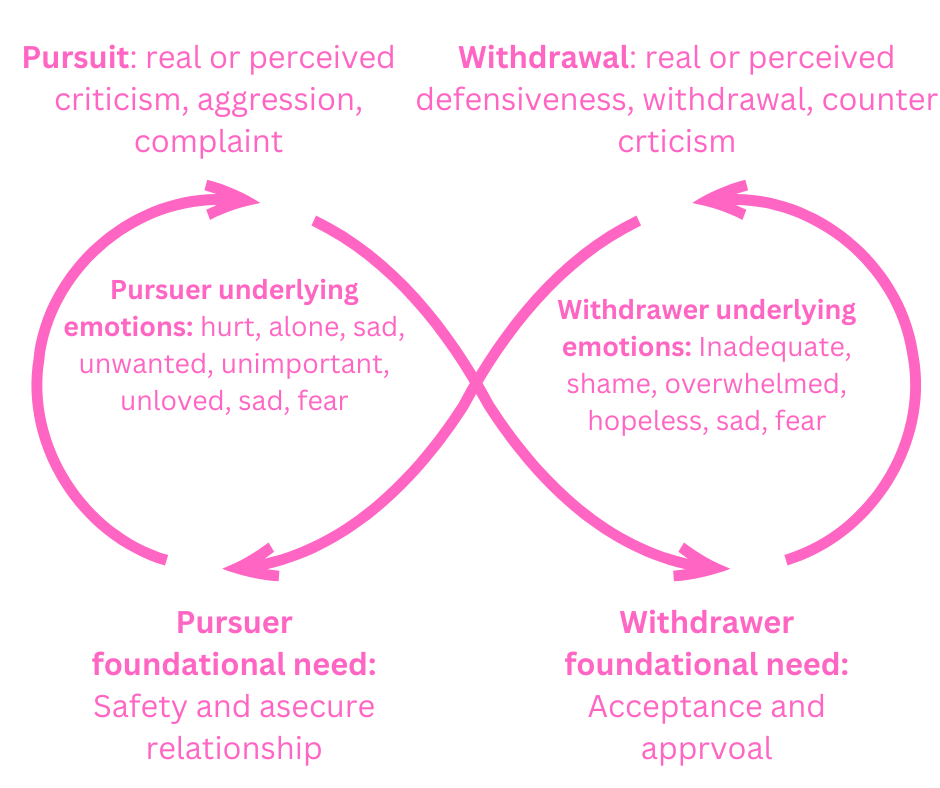
Understanding the Invisible Barriers to Emotional Connection

Introduction
Many people assume that being emotionally unavailable means not caring. In reality, emotional unavailability often exists alongside genuine care, loyalty, and commitment. You may deeply care about your partner, family, or friends—yet still struggle to connect emotionally, express vulnerability, or stay present during emotional moments.
Emotional unavailability is rarely intentional. Instead, it is usually a protective pattern, shaped by past experiences, attachment styles, and learned coping mechanisms.
What Does Emotional Unavailability Really Mean?
Emotional unavailability refers to difficulty in:
-
Accessing your own emotions
-
Expressing feelings openly
-
Responding to others’ emotional needs
-
Tolerating emotional closeness or vulnerability
It does not mean you lack empathy or love. Rather, it means emotional closeness feels unsafe, overwhelming, or unfamiliar.
1. You Care, but You Shut Down During Emotional Conversations
You may genuinely want to support others; however, when conversations become emotionally intense, you begin to feel overwhelmed or internally tense. As a result, you might go quiet, change the topic, or emotionally withdraw. In some moments, you may also feel a strong urge to fix the problem quickly, rather than staying present and listening.
This response is often not a lack of care, but a protective reaction to emotional overload or discomfort with vulnerability.
This shutdown is often a nervous system response, not disinterest.
2. You Struggle to Express Your Own Feelings
You might know something is wrong, but struggle to put it into words. Common experiences include:
-
Saying “I’m fine” when you’re not
-
Feeling emotionally numb or blank
-
Needing time alone to process emotions
This difficulty often develops when emotions were dismissed, punished, or ignored earlier in life.
3. You Avoid Vulnerability, Even With People You Trust
Even with close partners or loved ones, you may:
-
Avoid talking about fears, insecurities, or needs
-
Feel exposed or weak when opening up
-
Downplay your emotional pain
Vulnerability may feel risky because your system has learned:
“Depending on others is unsafe.”
4. You Prioritize Independence Over Emotional Connection
While independence is healthy, emotional unavailability often looks like:
-
Discomfort with relying on others
-
Preferring to handle everything alone
-
Feeling trapped when emotional closeness increases
You may value connection, yet fear losing control or autonomy through emotional dependence.
5. You Feel Drained by Others’ Emotional Needs
When someone expresses strong emotions, you may:
-
Feel pressured, guilty, or irritated
-
Feel responsible for fixing their feelings
-
Pull away to protect your own emotional space
This does not mean you lack compassion. It often reflects emotional overload or limited emotional capacity.
6. You Intellectualize Feelings Instead of Feeling Them
Rather than experiencing emotions, you analyze them:
-
Explaining emotions logically
-
Staying “calm” but disconnected
-
Talking about feelings instead of from feelings
Intellectualization is a common defense that creates distance from emotional pain.
7. You Keep Relationships at a Safe Emotional Distance
You may:
-
Be present physically but distant emotionally
-
Avoid deep emotional bonding
-
Feel restless or disconnected when intimacy increases
As closeness grows, your system may unconsciously activate emotional walls.
8. You Feel Guilty for Not “Showing Up Emotionally”
Many emotionally unavailable people experience:
-
Guilt for not being more expressive
-
Fear of disappointing loved ones
-
Confusion about why caring doesn’t translate into closeness
This inner conflict can be deeply distressing.
Why Emotional Unavailability Develops
Common underlying causes include:
-
Childhood emotional neglect
-
Inconsistent caregiving
-
Past relationship trauma
-
Fear of rejection or abandonment
-
Avoidant attachment patterns
At its core, emotional unavailability is often a learned survival strategy.
The Impact on Relationships
Over time, emotional unavailability can lead to:
-
Partners feeling unseen or disconnected
-
Repeated relationship conflicts
-
Loneliness within relationships
-
Misunderstandings about love and care
Often, one partner feels:
“You care—but I don’t feel close to you.”
Can Emotional Unavailability Change?
Yes. Emotional unavailability is not a fixed trait.
Healing involves:
-
Developing emotional awareness
-
Learning safe vulnerability
-
Regulating emotional overwhelm
-
Building trust gradually
-
Sometimes, working with a therapist
Change happens slowly and compassionately, not through pressure or blame.
Gentle Questions for Self-Reflection
-
What emotions feel hardest for me to express?
-
When did I learn that emotions were unsafe or inconvenient?
-
What happens in my body when someone needs me emotionally?
Awareness is the first step toward connection.
Conclusion
Being emotionally unavailable does not mean you are broken, uncaring, or incapable of love. It means your emotional system learned to protect you—perhaps too well.
With understanding, patience, and support, emotional availability can be developed, allowing care and connection to finally meet.
Frequently Asked Questions (FAQ)
1. What does it mean to be emotionally unavailable?
Emotional unavailability refers to difficulty accessing, expressing, or responding to emotions, especially in close relationships. It does not mean a lack of love or care, but rather discomfort with emotional closeness or vulnerability.
2. Can someone be emotionally unavailable and still care deeply?
Yes. Many emotionally unavailable individuals genuinely care about others but struggle to express emotions, stay present during emotional moments, or tolerate vulnerability. Caring and emotional availability are not the same.
3. What causes emotional unavailability?
Common causes include:
-
Childhood emotional neglect
-
Inconsistent or dismissive caregiving
-
Past relationship trauma
-
Fear of rejection or abandonment
-
Learned coping or avoidant attachment patterns
Emotional unavailability is often a protective response, not a conscious choice.
4. Is emotional unavailability the same as avoidant attachment?
They are closely related but not identical. Avoidant attachment is one attachment style, while emotional unavailability is a broader pattern that can result from attachment issues, trauma, or emotional overload.
5. How does emotional unavailability affect relationships?
It can lead to:
-
Emotional distance
-
Repeated conflicts
-
Partners feeling unheard or unseen
-
Loneliness within the relationship
Often, partners report feeling that the person cares—but is not emotionally present.
6. Can emotionally unavailable people change?
Yes. Emotional unavailability is learned and reversible. With awareness, emotional skill-building, and safe relational experiences—often supported by therapy—people can become more emotionally available.
7. Does emotional unavailability mean someone is emotionally immature?
Not necessarily. Many emotionally unavailable individuals are responsible, intelligent, and caring. The issue lies in emotional safety and regulation, not maturity or intent.
8. How can someone start becoming more emotionally available?
Helpful steps include:
-
Increasing emotional awareness
-
Learning to name feelings
-
Practicing small acts of vulnerability
-
Developing emotional regulation skills
-
Seeking therapy or counseling support
Change happens gradually and requires compassion, not pressure.
9. When should someone seek professional help?
Professional help is recommended when emotional unavailability:
-
Repeatedly harms relationships
-
Causes guilt, loneliness, or confusion
-
Is linked to trauma or emotional numbness
-
Leads to avoidance of intimacy or connection
10. Is emotional unavailability a mental disorder?
No. Emotional unavailability is not a diagnosis. It is a relational and emotional pattern shaped by experiences and can exist without any mental illness.
Written by Baishakhi Das
Counselor | Mental Health Practitioner
Qualifications: B.Sc in Psychology | M.Sc | PG Diploma in Counseling
Reference
-
American Psychological Association – Attachment and Relationships
https://www.apa.org/monitor/2011/02/attachment -
Simply Psychology – Avoidant Attachment Style
https://www.simplypsychology.org/avoidant-attachment.html -
National Institute of Mental Health – Emotional Regulation
https://www.nimh.nih.gov/health/topics -
World Health Organization – Mental Health and Relationships
https://www.who.int/teams/mental-health-and-substance-use - Attachment Theory: How Childhood Bonds Shape Adult Relationships