Introduction: When Fatherhood Doesn’t Feel the Way It’s Supposed To
When a baby is born, the spotlight naturally falls on the mother—and rightfully so. Pregnancy, childbirth, and postpartum recovery bring immense physical and emotional changes. However, there is another story unfolding quietly in many homes, one that is rarely acknowledged:
Fathers can also experience postpartum depression.
For many men, fatherhood is expected to be a time of pride, strength, and responsibility. Society assumes fathers should be supportive, stable, and emotionally unaffected. As a result, when fathers struggle emotionally after the birth of a child, their pain often goes unnoticed, unspoken, and untreated.
Paternal postpartum depression is real, common, and deeply underdiagnosed.
This article explores whether fathers can get postpartum depression, how it shows up differently from maternal depression, why it is often ignored, how it affects families, and what support and recovery actually look like.
Understanding Postpartum Depression Beyond Mothers
What Is Postpartum Depression?
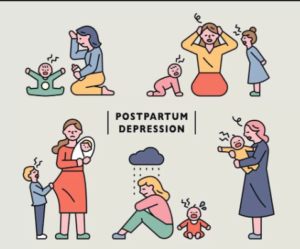
Postpartum depression (PPD) is a mood disorder that occurs after the birth of a child. While it is most commonly associated with mothers, research now clearly shows that fathers can also develop depression during the postpartum period, typically within the first year after childbirth.
In fathers, this condition is often referred to as:
-
Paternal Postpartum Depression
-
Paternal Perinatal Depression
Despite growing evidence, it remains widely misunderstood and rarely screened.
How Common Is Postpartum Depression in Fathers?
Studies suggest that:
-
8–10% of fathers experience postpartum depression
-
Rates rise to 25–50% when the mother also has postpartum depression
-
Symptoms often peak 3–6 months after childbirth, not immediately
Because men are less likely to seek help, the actual numbers may be significantly higher.
Why Is Paternal Postpartum Depression Overlooked?
Paternal depression is often missed due to:
-
The belief that postpartum mental health is only a “women’s issue”
-
Cultural expectations that men should be emotionally strong
-
Lack of routine mental health screening for fathers
-
Men expressing depression differently than women
-
Fathers prioritizing family needs over their own mental health
As a result, many fathers suffer silently.
Can Men Really Get Postpartum Depression Without Giving Birth?
Yes. While fathers do not experience pregnancy or childbirth, they undergo significant psychological, hormonal, relational, and lifestyle changes after a baby is born.
Postpartum depression is not caused by delivery alone—it is influenced by:
-
Stress
-
Sleep deprivation
-
Identity changes
-
Relationship shifts
-
Emotional pressure
-
Hormonal changes (yes, even in men)
Biological Factors: Hormonal Changes in Fathers
Surprisingly, research shows that new fathers experience hormonal shifts after childbirth.
Hormonal Changes May Include:
-
Decreased testosterone
-
Changes in cortisol (stress hormone)
-
Fluctuations in prolactin and oxytocin
Lower testosterone has been linked to:
-
Low mood
-
Fatigue
-
Irritability
-
Reduced motivation
These biological changes can increase vulnerability to depression, especially when combined with stress and sleep deprivation.
Psychological Factors Contributing to Paternal Depression
1. Sudden Identity Shift
Becoming a father is a major identity transition.
Many men struggle with:
-
Loss of personal freedom
-
Increased responsibility
-
Pressure to “provide”
-
Feeling unprepared or inadequate
When these identity shifts happen rapidly and without emotional processing, depression can develop.
2. Emotional Suppression and Masculinity Norms
From a young age, many men are taught:
-
Don’t cry
-
Don’t complain
-
Be strong
-
Handle problems alone
After childbirth, this conditioning often leads fathers to suppress emotions, which increases the risk of depression.
3. Feeling Emotionally Disconnected
Some fathers struggle to bond immediately with the baby. Unlike mothers, they do not experience pregnancy-related attachment, which can lead to:
-
Feeling left out
-
Feeling unnecessary
-
Guilt about lack of bonding
This emotional distance can trigger shame and depressive thoughts.

Social and Environmental Stressors
1. Financial Pressure
After childbirth, financial stress often increases:
-
Medical expenses
-
Increased household costs
-
Fear of job instability
-
Pressure to be the primary provider
Chronic financial stress is a strong predictor of depression in fathers.
2. Relationship Changes
The couple’s relationship often changes dramatically after childbirth:
-
Reduced intimacy
-
Less emotional availability
-
Increased conflict
-
Shift in priorities
Fathers may feel emotionally neglected but hesitate to express it, leading to withdrawal and depression.
3. Sleep Deprivation
Sleep loss affects mood regulation, concentration, and emotional resilience.
Chronic sleep deprivation can:
-
Increase irritability
-
Lower stress tolerance
-
Trigger depressive symptoms
For many fathers, exhaustion becomes normalized and ignored.
How Paternal Postpartum Depression Looks Different
Unlike mothers, fathers often show externalized symptoms rather than sadness.
Common Signs in Fathers Include:
-
Irritability or anger
-
Emotional withdrawal
-
Increased work hours
-
Substance use (alcohol, smoking)
-
Risk-taking behavior
-
Loss of interest in family activities
-
Feeling numb or disconnected
-
Headaches or unexplained physical complaints
Because these symptoms do not resemble “classic depression,” they are often misunderstood.
Silent Symptoms Fathers Often Ignore
Many fathers minimize their struggles, telling themselves:
-
“Others have it harder.”
-
“I need to be strong.”
-
“This will pass.”
Silent symptoms may include:
-
Chronic exhaustion
-
Emotional emptiness
-
Feeling trapped
-
Guilt about not enjoying fatherhood
-
Thoughts of escape
These signs deserve attention, not dismissal.
How Paternal Depression Affects the Family
Impact on the Partner
When fathers are depressed:
-
Emotional support to the mother decreases
-
Relationship tension increases
-
Maternal postpartum depression may worsen
Mental health is interconnected within families.
Impact on the Child
Research shows paternal depression can affect:
-
Emotional bonding
-
Child’s emotional regulation
-
Behavioral development later in life
This does not mean fathers harm their children—it means support is essential.
Why Fathers Rarely Seek Help
Fathers often avoid help due to:
-
Stigma
-
Fear of appearing weak
-
Lack of awareness
-
No screening during postnatal visits
-
Belief that their role is secondary
Many only seek help when symptoms become severe.
How Long Does Paternal Postpartum Depression Last?
Without support:
-
Symptoms may last 6–12 months or longer
With early intervention:
-
Significant improvement often occurs within 2–6 months
Early recognition shortens recovery time.

Treatment and Recovery for Fathers
1. Psychological Therapy
Therapy helps fathers:
-
Process identity changes
-
Express suppressed emotions
-
Challenge self-critical thoughts
Effective approaches include:
-
Cognitive Behavioral Therapy (CBT)
-
Interpersonal Therapy (IPT)
-
Couple counseling
2. Open Communication
Encouraging fathers to talk—without judgment—is powerful.
Listening matters more than fixing.
3. Lifestyle and Support
-
Adequate rest
-
Shared caregiving
-
Reduced pressure to “perform”
-
Emotional validation
Small changes can significantly improve mental health.
4. Medication (When Needed)
In moderate to severe cases, medication may be recommended under psychiatric guidance.
Medication supports brain chemistry—it does not reduce masculinity or competence.
When Fathers Should Seek Immediate Help
Seek urgent support if there are:
-
Thoughts of self-harm
-
Severe anger or impulsivity
-
Substance dependence
-
Inability to function at work or home
Seeking help protects the entire family.
How Families Can Support Fathers
-
Acknowledge paternal mental health
-
Normalize emotional struggles
-
Encourage therapy
-
Avoid minimizing feelings
-
Share responsibilities
Support is prevention.
Breaking the Silence Around Fathers’ Mental Health
Fatherhood does not make men immune to emotional struggle.
Recognizing paternal postpartum depression:
-
Reduces stigma
-
Improves family well-being
-
Strengthens relationships
-
Protects children’s development
Mental health care is family care.
Conclusion: Yes, Fathers Can Get Postpartum Depression—and They Deserve Support
Postpartum depression is not limited to mothers. Fathers experience profound emotional, psychological, and biological changes after childbirth—and many struggle silently.
Acknowledging paternal postpartum depression does not take attention away from mothers. It expands care to the whole family.
If you are a father struggling after the birth of your child:
-
You are not weak
-
You are not failing
-
You are not alone
Help exists. Healing is possible. And fatherhood does not require silent suffering.
Reference
-
World Health Organization (WHO) – Maternal & Parental Mental Health
🔗 https://www.who.int/teams/mental-health-and-substance-use/promotion-prevention/maternal-mental-health
Anchor text: parental mental health after childbirth -
American Psychological Association (APA) – Postpartum Depression
🔗 https://www.apa.org/monitor/2019/02/postpartum-depression
Anchor text: postpartum depression in fathers and mothers -
NHS – Postnatal Depression
🔗 https://www.nhs.uk/mental-health/conditions/post-natal-depression/overview/
Anchor text: postnatal depression symptoms in parents -
Postpartum Depression: Signs New Mothers Often Ignore
- Contact Us