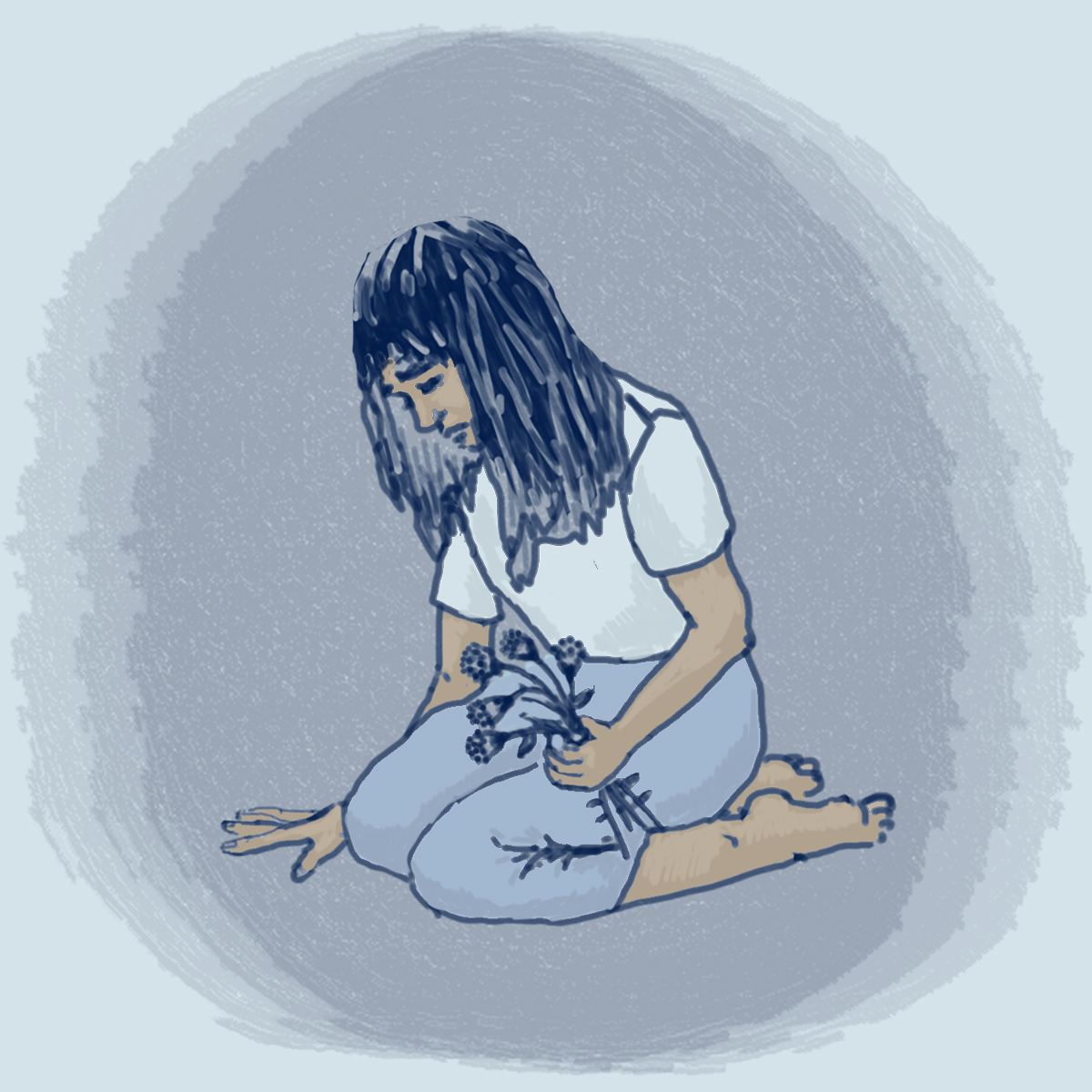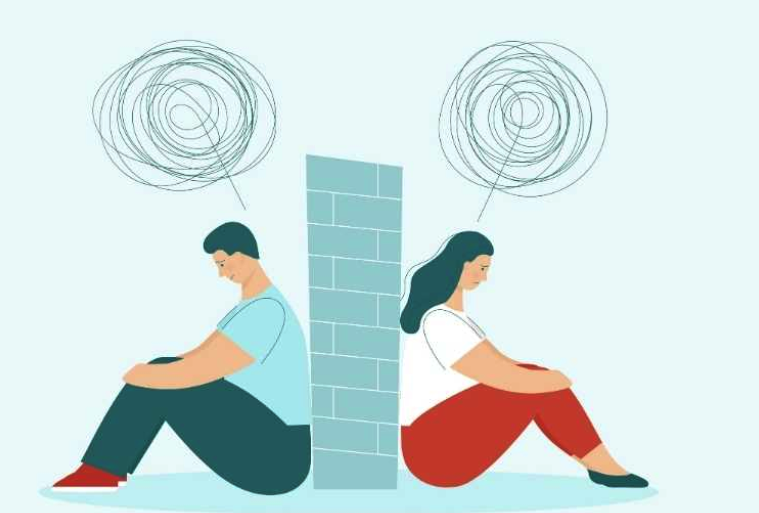
When people hear the word neglect, they often imagine obvious abuse, abandonment, or lack of basic care. But emotional neglect is quieter, subtler, and often invisible—even to those who lived through it. Many individuals grow up in homes where parents provided food, education, discipline, and even affection, yet something essential was missing: emotional attunement.
Yes, your parents may have loved you deeply.
And still, you may have been emotionally neglected.
This article explores how that happens, what it looks like in adulthood, and why recognizing it can be profoundly healing.
What Is Emotional Neglect?
Emotional neglect occurs when a child’s emotional needs are consistently overlooked, minimized, or left unsupported, even when their physical needs are met. It is not always about obvious harm or cruelty, but about what was missing—emotional attunement, comfort, validation, and guidance during emotional moments.
Many parents do not neglect intentionally. Parents who are emotionally overwhelmed, stressed, traumatised, or who grew up without emotional validation may genuinely love their children but lack the skills to respond to emotions in a healthy way. As a result, feelings may be dismissed, ignored, or rushed through rather than understood.
Over time, the child learns that emotions are unimportant or unsafe to express and adapts by suppressing feelings, becoming overly independent, or emotionally disconnected. Emotional neglect is about absence, not abuse—and because it is subtle and invisible, its impact often goes unrecognized until adulthood.
Signs You May Have Experienced Emotional Neglect
1. You Struggle to Identify or Express Your Emotions
You may often find yourself saying things like:
“I don’t know what I’m feeling,”
“I feel blank or emotionally numb,” or
“My feelings don’t make sense to me.”
This difficulty usually develops when emotions were not named, acknowledged, or openly discussed during childhood. When a child’s feelings are ignored, dismissed, or rushed through, they don’t learn the language of emotions or how to understand what they are experiencing internally. Over time, this can lead to emotional confusion, suppression, or numbness in adulthood. Rather than feeling emotions clearly, you may feel disconnected from them or struggle to express them to others, even when something deeply affects you.
2. You Learned to Be “Low Maintenance”
As a child, you may have learned—often subtly—that expressing your needs created discomfort for others. Crying might have been dismissed with phrases like “Stop crying” or “You’re too sensitive,” while emotional independence and self-control were praised. Over time, you adapted by asking for less, needing less, and handling things on your own.
As an adult, this can look like pride in being strong, independent, and self-sufficient. You may rarely ask for help and feel uncomfortable relying on others. Yet beneath this independence, there is often a quiet sense of being unseen or emotionally unsupported—because the child in you learned that having needs was something to avoid rather than express.
3. You Feel Guilty for Having Needs
Even the most basic emotional needs—rest, reassurance, affection, or comfort—may trigger guilt, shame, or harsh self-criticism. You might feel weak for needing support or worry that you are burdening others by asking for care. As a result, you may suppress your needs until you feel emotionally overwhelmed or exhausted.
This pattern often develops in childhood environments where emotional needs were unintentionally treated as inconvenient, excessive, or something to quickly “get over.” When support was inconsistent or unavailable, you learned to silence your needs to maintain connection, carrying that belief into adulthood.
4. You Downplay Your Pain
You may automatically dismiss your struggles by telling yourself, “Others had it worse,” “My childhood was fine,” or “I shouldn’t complain.” Even when something hurts deeply, you may minimize it or push it aside, convincing yourself it doesn’t really matter.
This habit often develops in emotionally neglectful environments where feelings were not taken seriously or acknowledged. Over time, you internalize this response and begin invalidating yourself—repeating the same emotional dismissal you learned early on, even when your pain is real and deserving of care.
5. You Feel Emotionally Lonely—even in Relationships
You may be surrounded by people, in friendships or romantic relationships, and still feel deeply alone inside. While you might long for emotional closeness, true intimacy can feel unfamiliar, overwhelming, or even unsafe when it begins to develop.
This often happens when emotional connection was inconsistent or missing in childhood. As a result, you may crave closeness but feel disconnected or uncomfortable when it is actually offered. You might struggle to feel truly understood, seen, or emotionally held, even in relationships that appear close from the outside.
6. You’re Highly Self-Critical but Compassionate to Others
You may find it easy to offer empathy, patience, and understanding to friends, clients, or loved ones, yet struggle to extend that same kindness to yourself. Your inner dialogue may be harsh, critical, or demanding, especially when you make mistakes or feel emotionally vulnerable.
This pattern often reflects a childhood where emotional understanding was offered conditionally—or not at all. When compassion was missing or inconsistent, you may have learned to motivate yourself through self-criticism rather than self-acceptance, carrying this imbalance into adulthood.
7. Feel Responsible for Other People’s Emotions
You may notice that you quickly pick up on shifts in other people’s emotions and feel an internal pressure to maintain harmony. To prevent tension or unease, you might instinctively change your behavior, hold back your own feelings, or step into the role of emotional supporter for others—often putting their comfort ahead of your own emotional needs.
Many emotionally neglected children grow into adults who learned to manage others’ emotions because no one helped them understand or regulate their own. As a result, you may prioritize emotional harmony over authenticity, often at the cost of your own emotional needs.
8. You Struggle With Self-Worth Without External Validation
Praise may feel good for a moment, but the reassurance fades quickly. Achievements, recognition, or success rarely bring lasting satisfaction, leaving you feeling the need to do more or seek further approval. You may constantly look to others for reassurance that you are “good enough.”
When emotional validation was missing or inconsistent in childhood, self-worth often becomes tied to external feedback rather than an internal sense of value. Without learning to feel emotionally affirmed from within, approval from others can start to feel necessary for emotional stability.
“But My Parents Loved Me…”
This is often the most painful and confusing part to accept. Many people hesitate to acknowledge emotional neglect because they remember their parents as caring, responsible, or well-intentioned.
Emotional neglect does not mean your parents were bad, uncaring, or unloving. It means they were emotionally limited—often shaped by their own upbringing, stress, mental health struggles, or lack of emotional education. They may have provided safety, discipline, and even affection, yet still struggled to respond consistently to emotional needs.
Both truths can exist at the same time:
- Your parents loved you.
- Your emotional needs were not fully met.
Recognizing emotional neglect is not about blaming or rejecting your parents. It is about understanding your emotional experience with honesty and compassion—so that what was missing can finally be acknowledged and healed.
Why Naming Emotional Neglect Matters
Unrecognized emotional neglect can lead to:
-
Chronic emptiness
-
Emotional numbness
-
Anxiety or depression
-
Difficulty asking for help
-
Relationship struggles
-
Burnout from over-functioning
When named, it becomes something you can heal from, rather than silently live with.
Healing Begins With Emotional Reconnection
Healing emotional neglect involves:
- Learning to identify and validate your emotions
- Giving yourself permission to have needs
- Building safe, emotionally responsive relationships
- Practicing self-compassion instead of self-criticism
- Seeking therapy or counselling when possible
What you didn’t receive consistently as a child can be learned and nurtured now.
Final Thoughts
If this article resonates with you, know this:
Nothing is “wrong” with you.
Your responses make sense in the context of what you didn’t receive.
Emotional neglect leaves no visible scars—but its impact is real. And so is the possibility of healing.
You deserved emotional safety, understanding, and validation then.
You still deserve them now. 🌱
Frequently Asked Questions (FAQs)
1. What is emotional neglect?
Emotional neglect occurs when a child’s emotional needs are consistently unmet, ignored, or invalidated, even if physical needs are provided.
2. Is emotional neglect the same as emotional abuse?
No. Emotional neglect is about absence of emotional responsiveness, while emotional abuse involves active harm such as criticism, humiliation, or threats.
3. Can emotional neglect happen in loving families?
Yes. Parents may love their children deeply but still lack the emotional awareness or skills to meet emotional needs.
4. Why is emotional neglect hard to recognize?
Because it leaves no visible scars and often involves what didn’t happen, many people assume their childhood was “fine.”
5. How does emotional neglect affect adulthood?
It can lead to emotional numbness, low self-worth, anxiety, depression, relationship difficulties, and chronic emptiness.
6. Can emotional neglect cause trauma?
Yes. While subtle, long-term emotional neglect can be experienced as developmental or relational trauma.
7. Why do emotionally neglected adults struggle to ask for help?
They often learned early that their needs were unimportant or burdensome, leading to extreme self-reliance.
8. Is emotional numbness a sign of emotional neglect?
Yes. Emotional numbness is a common coping response when emotions were unsupported or dismissed over time.
9. Can emotional neglect affect romantic relationships?
Yes. It can create fear of intimacy, emotional withdrawal, people-pleasing, or difficulty feeling connected.
10. Does emotional neglect affect self-esteem?
Often deeply. Without emotional validation, self-worth may become dependent on achievement or external approval.
11. Can emotional neglect happen even without obvious family conflict?
Yes. Homes can appear calm and functional while emotional needs remain unmet.
12. How is emotional neglect different from strict parenting?
Strict parenting focuses on rules and discipline; emotional neglect involves lack of emotional responsiveness, regardless of structure.
13. Can emotional neglect be healed in adulthood?
Yes. With awareness, self-compassion, and supportive relationships or therapy, healing is very possible.
14. What kind of therapy helps with emotional neglect?
Trauma-informed therapy, attachment-based therapy, inner child work, and emotion-focused therapy are especially helpful.
15. Is it wrong to acknowledge emotional neglect if my parents tried their best?
No. Acknowledging emotional neglect is about understanding your experience—not blaming your parents.
Written by Baishakhi Das
Counselor | Mental Health Practitioner
B.Sc, M.Sc, PG Diploma in Counseling
References
-
Jonice Webb, PhD – Running on Empty: Overcome Your Childhood Emotional Neglect
https://drjonicewebb.com -
American Psychological Association – Emotional Neglect & Child Development
https://www.apa.org -
National Institute of Mental Health (NIMH) – Mental Health & Early Experiences
https://www.nimh.nih.gov -
Bessel van der Kolk, MD – The Body Keeps the Score
https://www.besselvanderkolk.com -
Attachment Theory Overview – Simply Psychology
https://www.simplypsychology.org/attachment.html -
Psychology Today – Childhood Emotional Neglect
https://www.psychologytoday.com - The Psychology of Feeling Empty After Achieving Your Goals
This topic performs well due to rising searches around men’s mental health, workplace stress, and burnout recovery. Combining emotional insight with practical steps increases engagement and trust.