


A realistic, psychology-backed guide for men who juggle work, family, responsibilities, and expectations
Introduction: Why Self-Care Is Not a Luxury for Busy Men
In today’s fast-paced world, being a “busy man” is often worn like a badge of honor. Long work hours, financial responsibilities, family roles, social expectations, and the pressure to remain emotionally strong can leave little room for rest or reflection. Many men believe self-care is time-consuming, selfish, or unmanly. In reality, self-care is a survival skill, not a spa day.
Research from organizations like World Health Organization and National Institute of Mental Health shows that chronic stress, untreated anxiety, and emotional suppression significantly increase risks for depression, cardiovascular disease, substance use, and burnout in men.
Self-care does not mean abandoning responsibilities. It means building sustainable habits that protect your mental, emotional, and physical health—so you can show up better for work, relationships, and yourself.
This article is written specifically for busy men—professionals, fathers, partners, caregivers—who think they don’t have time for self-care. You do. And you don’t need to change your entire life to practice it.
1. Understanding Self-Care Through a Male Lens
What Self-Care Really Means
Self-care is the intentional practice of behaviors that maintain and improve well-being. It includes:
-
Physical health
-
Mental clarity
-
Emotional regulation
-
Social connection
-
Meaning and purpose
For men, self-care often looks different from mainstream portrayals. It may be:
-
Taking a quiet walk instead of talking
-
Fixing something with focus
-
Exercising alone
-
Learning a new skill
-
Sitting in silence
Self-care is not one-size-fits-all.
Why Men Often Avoid Self-Care
Common psychological barriers include:
-
Gender conditioning: “Men should be strong, not vulnerable.”
-
Productivity guilt: Rest feels unproductive.
-
Emotional avoidance: Feelings are uncomfortable.
-
Time scarcity: Everything else feels more urgent.
Understanding these barriers helps you work with yourself, not against yourself.
2. The Cost of Neglecting Self-Care
When self-care is ignored, the body and mind eventually demand attention—often in unhealthy ways.
Psychological Consequences
-
Chronic irritability and anger
-
Emotional numbness
-
Anxiety and panic symptoms
-
Depression masked as fatigue or workaholism
Physical Consequences
-
High blood pressure
-
Poor sleep
-
Weakened immunity
-
Digestive issues
Relational Consequences
-
Emotional distance in relationships
-
Conflict escalation
-
Withdrawal or avoidance
Self-care is preventive mental health.
3. Micro Self-Care: Small Habits That Fit Busy Schedules
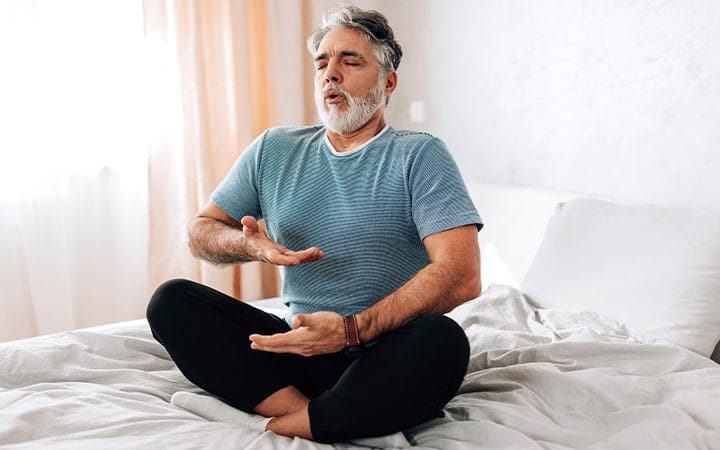
1. Two-Minute Breathing Reset
-
Inhale for 4 seconds
-
Hold for 4
-
Exhale for 6
-
Repeat for 2 minutes
This activates the parasympathetic nervous system, reducing stress hormones.
2. Mental Check-In (Once a Day)
Ask yourself:
-
What am I feeling right now?
-
What do I need most today?
Naming emotions reduces their intensity.
3. Body Awareness Break
Stand up every 90 minutes:
-
Roll shoulders
-
Stretch neck
-
Relax jaw
Stress is stored in the body—movement releases it.
4. Physical Self-Care Without Extreme Fitness
Redefining Exercise
You don’t need:
-
A perfect body
-
Daily gym sessions
-
Extreme discipline
You need consistent movement.
Effective options for busy men:
-
20-minute brisk walks
-
Home bodyweight workouts
-
Climbing stairs
-
Stretching before bed
Sleep: The Most Ignored Self-Care Tool
Men often sacrifice sleep for work or screens.
Healthy sleep basics:
-
Fixed sleep and wake time
-
No screens 30 minutes before bed
-
Dark, cool room
-
Reduce caffeine after afternoon
Sleep deprivation worsens anxiety, irritability, and decision-making.
5. Emotional Self-Care: The Skill Men Are Rarely Taught

Many men suppress emotions because they were never taught how to process them.
Suppression leads to:
-
Anger outbursts
-
Emotional shutdown
-
Psychosomatic symptoms
Regulation means:
-
Recognizing feelings
-
Allowing them without judgment
-
Expressing them safely
Simple Emotional Practices
-
Journaling: Write freely for 5 minutes
-
Label emotions: “I feel overwhelmed, not weak”
-
Music processing: Let music help release emotions
Emotional self-care is not weakness—it’s emotional intelligence.
6. Mental Self-Care: Protecting Your Cognitive Energy
Reduce Mental Overload
Your brain is not designed for constant stimulation.
Mental self-care strategies:
-
Single-task instead of multitask
-
Schedule “no-thinking” breaks
-
Limit doom-scrolling
Cognitive Boundaries
Learn to say:
-
“Not today.”
-
“I’ll think about this later.”
-
“This can wait.”
Boundaries protect mental health as much as physical safety.
7. Self-Care at Work: Thriving Without Burning Out

Ignoring stress at work spills into home life.
Practical steps:
-
Take full lunch breaks
-
Step away from your desk
-
Clarify unrealistic expectations
-
Use vacation time
Redefining Success
Success is not:
-
Constant availability
-
Chronic exhaustion
True success includes sustainability.
8. Relationship Self-Care: You Can’t Pour From an Empty Cup
Communicating Needs
Men are often expected to “just handle it.”
Try:
-
“I’m overwhelmed and need quiet time.”
-
“I’m not okay today.”
-
“I need support, not solutions.”
Healthy Solitude vs Isolation
Solitude restores energy.
Isolation drains it.
Choose intentional alone time, not emotional withdrawal.
9. Digital Self-Care in a Hyperconnected World
Technology Fatigue
Constant notifications keep your nervous system activated.
Digital self-care ideas:
-
No phone during meals
-
One screen-free hour daily
-
Remove non-essential apps
Mental space is a form of self-respect.
10. Self-Care for Fathers and Family Men

Being strong for your family includes caring for yourself.
Children learn emotional regulation by observing you.
Model:
-
Healthy stress management
-
Emotional expression
-
Rest without guilt
Self-care makes you a better role model, not a selfish one.
11. Spiritual and Purpose-Based Self-Care
Self-care is not only about stress reduction; it’s about meaning.
Purpose-based practices:
-
Prayer or meditation
-
Nature connection
-
Gratitude reflection
-
Service without overgiving
Meaning buffers stress and builds resilience.
12. When Self-Care Is Not Enough: Seeking Professional Help
Self-care is not a replacement for therapy.
Consider professional support if you experience:
-
Persistent sadness or anger
-
Panic attacks
-
Emotional numbness
-
Substance dependence
-
Thoughts of hopelessness
Organizations like American Psychiatric Association emphasize that early intervention prevents long-term mental health issues.
Asking for help is an act of responsibility.
13. Creating a Sustainable Self-Care Plan
Step 1: Identify One Area
Physical, emotional, mental, relational, or spiritual.
Step 2: Choose One Small Habit
Example:
-
5-minute walk
-
One boundary at work
-
One honest conversation
Step 3: Schedule It
What gets scheduled gets done.
Step 4: Review Weekly
Adjust, don’t abandon.
Consistency beats intensity.
Common Myths About Men and Self-Care
| Myth | Reality |
|---|---|
| Self-care is selfish | It improves relationships |
| Men don’t need emotional care | Men experience emotions deeply |
| I don’t have time | You can’t afford not to |
| Therapy is weakness | It’s skill-building |
Final Thoughts: Redefining Strength Through Self-Care
Strength is not endurance without rest.
Strength is self-awareness, adaptability, and sustainability.
As a busy man, you carry many roles. Self-care ensures those roles don’t consume you.
You don’t need perfection.
You need permission—to pause, to feel, to care for yourself.
Because a well-cared-for man is not only more productive—
he is more present, grounded, and alive.
Frequently Asked Questions (FAQ): Self-Care for Busy Men
1. What does self-care really mean for men?
Self-care for men means maintaining physical, mental, emotional, and social well-being in a practical and sustainable way. It’s not about luxury or indulgence—it’s about managing stress, regulating emotions, staying healthy, and preventing burnout so you can function effectively in daily life.
2. Why do many busy men struggle with self-care?
Many men grow up with beliefs such as:
-
“I must always be strong”
-
“Rest is laziness”
-
“Others’ needs come first”
Busy schedules, work pressure, financial responsibilities, and emotional suppression make self-care feel unnecessary or impossible—until stress shows up as anger, exhaustion, or health issues.
3. Is self-care selfish for men with family responsibilities?
No. Self-care is protective, not selfish. When men neglect themselves, stress spills into relationships through irritability, withdrawal, or emotional unavailability. Caring for yourself helps you be a better partner, father, and provider.
4. How much time does self-care require each day?
Self-care does not require hours. Even:
-
5 minutes of deep breathing
-
10 minutes of walking
-
5 minutes of journaling
can significantly reduce stress if practiced consistently. Micro self-care is ideal for busy men.
5. What are simple self-care habits for men with hectic work schedules?
Some realistic habits include:
-
Taking short movement breaks at work
-
Eating at least one mindful meal daily
-
Setting a fixed sleep time
-
Reducing screen use before bed
-
Saying no to one unnecessary commitment
Small habits done daily are more effective than occasional big efforts.
6. How does self-care help with anger and irritability in men?
Unexpressed stress and emotions often turn into anger. Self-care helps by:
-
Calming the nervous system
-
Improving emotional awareness
-
Reducing physical tension
Practices like exercise, breathing, and emotional check-ins reduce emotional overload and impulsive reactions.
7. Is exercise necessary for self-care, or are there alternatives?
Exercise helps, but self-care is broader than fitness. Alternatives include:
-
Stretching
-
Walking
-
Adequate sleep
-
Healthy eating
-
Mental breaks
The goal is movement and regulation, not physical perfection.
8. How can men practice emotional self-care if they find it difficult to talk?
Emotional self-care doesn’t always require talking. Men can:
-
Write privately in a journal
-
Use music to process emotions
-
Spend time alone mindfully
-
Name emotions internally
Emotional processing can be quiet and private—it doesn’t have to be verbal.
9. What role does sleep play in self-care for men?
Sleep is one of the most powerful self-care tools. Poor sleep increases:
-
Anxiety
-
Irritability
-
Poor concentration
-
Health risks
Improving sleep quality often improves mood, energy, and emotional control without any other changes.
10. How can men practice self-care without feeling guilty?
Guilt comes from outdated beliefs that rest equals weakness. Reframe self-care as:
-
Maintenance, not indulgence
-
Responsibility, not escape
-
Strength-building, not avoidance
When self-care is seen as essential, guilt naturally reduces.
11. Can self-care improve work performance?
Yes. Self-care improves:
-
Focus and decision-making
-
Emotional regulation under pressure
-
Productivity and creativity
-
Long-term career sustainability
Burnout reduces performance; self-care protects it.
12. How does self-care affect relationships?
Men who practice self-care:
-
Communicate more clearly
-
Are less reactive
-
Feel more emotionally available
-
Experience fewer conflicts
Healthy relationships require emotionally regulated individuals.
13. Is digital detox part of self-care for busy men?
Absolutely. Constant notifications keep the brain in a stress state. Digital self-care includes:
-
Limiting social media
-
No-phone time before bed
-
Screen-free meals
Mental silence is a powerful form of rest.
14. When should a man seek professional mental health support?
Self-care is helpful, but professional support is needed if you experience:
-
Persistent sadness or anger
-
Panic attacks
-
Emotional numbness
-
Substance dependence
-
Thoughts of hopelessness
Seeking help is a sign of self-awareness and responsibility—not weakness.
15. How can a man build a long-term self-care routine?
Start simple:
-
Choose one area (sleep, stress, emotions)
-
Pick one small habit
-
Schedule it
-
Review weekly
Self-care should be sustainable, flexible, and realistic, not perfection-driven.
16. Can fathers practice self-care without neglecting their children?
Yes. In fact, children benefit when fathers model:
-
Healthy stress management
-
Emotional expression
-
Balanced routines
Self-care teaches children emotional intelligence by example.
17. What is the biggest myth about self-care for men?
The biggest myth is:
“Strong men don’t need self-care.”
In reality, strong men understand their limits, protect their health, and seek balance.
Written by Baishakhi Das
Qualifications: B.Sc, M.Sc, PG Diploma in Counseling
Role: Counselor / Mental Health Practitioner
Reference
-
World Health Organization – Mental health overview
https://www.who.int/health-topics/mental-health -
National Institute of Mental Health (NIMH) – Men & Mental Health
https://www.nimh.nih.gov/health/topics/men-and-mental-health -
American Psychological Association – Stress in Men
https://www.apa.org/monitor/2011/02/men -
Harvard Health – Stress management
https://www.health.harvard.edu/topics/stress -
CDC – Coping with Stress
https://www.cdc.gov/mentalhealth/stress-coping/ -
Mayo Clinic – Stress symptoms and causes
https://www.mayoclinic.org/healthy-lifestyle/stress-management/ - How to Support a Man Who Is Struggling Mentally