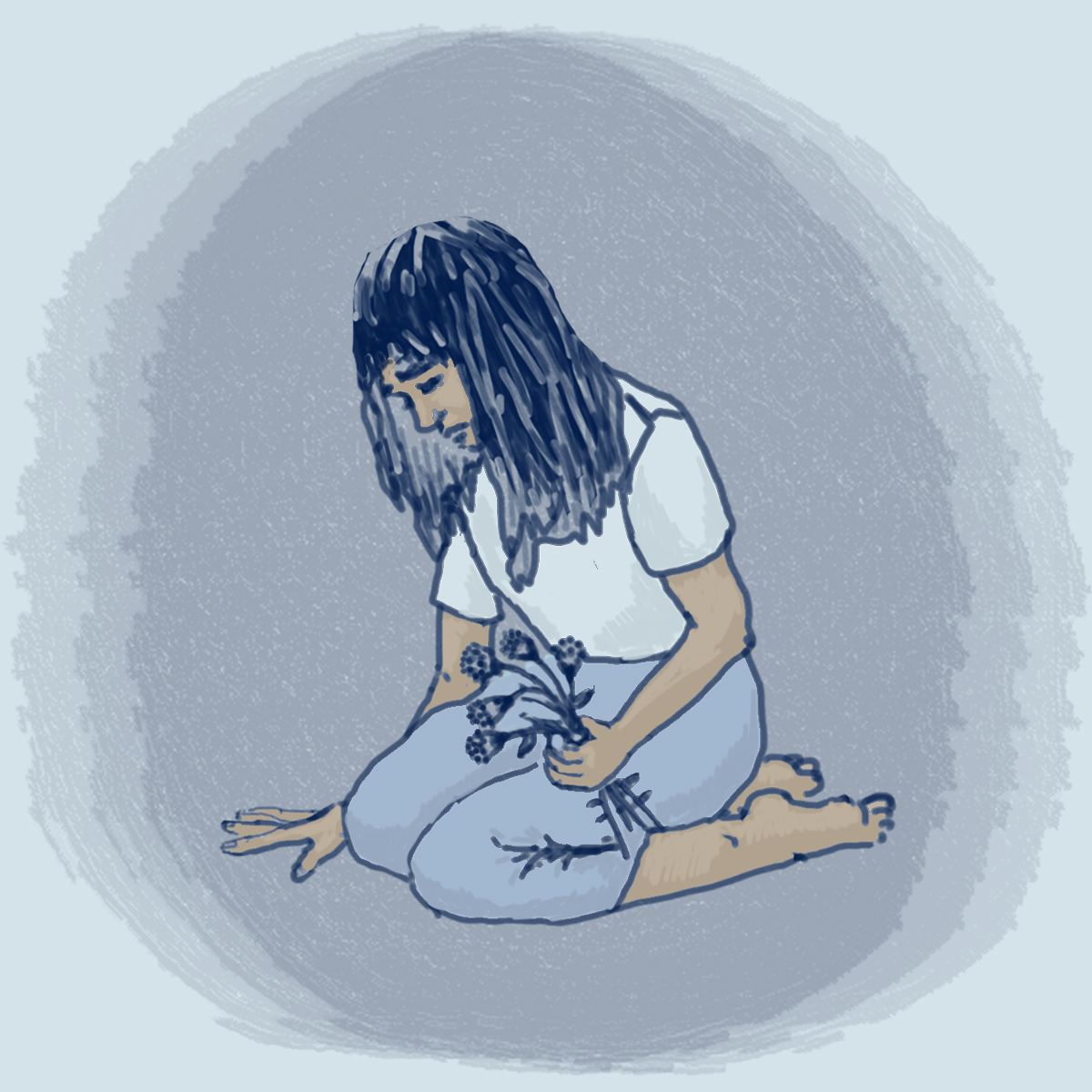
The Cost of Always Being the Strong One

People come to you when everything goes wrong.
You remain composed when things are out of control and even when your own chest is tight.
You are a good listener, able to listen without interruption, a good non-judgemental holder of space, a problem-solver who is quiet enough to have your own feelings on the backburner.

And nobody seems to see when you are tired–because you have perfected concealing it.

It is commonly endorsed as resilience, maturity, or emotional intelligence to be the strong one. Your composure and steadiness is the admiration of people. However, under the admiration, there is an emotional price that is seldom realized. When strength becomes a role rather than a choice, it gradually becomes a burden, a burden that you bear without any more than an expression, without any protest, because that is what you are supposed to bear.

Your own strength, previously your safeguard, and formerly your strength, starts to suck you out. And not because you are weak, but because the greatest nervous system, the strongest system, must rest and have care and be supported.

The Invisible Contract of Strength

Most individuals grow up to be the strong one at a young age not necessarily of their choice, but due to circumstances. Grit was not an option; rather it was a coping mechanism of survival.

  • You learned that you must not cry as it was the reliance of others that demanded you not to cry and express yourself, as it was unsafe or inconvenient.
  • learned to contain emotions, instead of displaying them and turn feelings into something that could be controlled, and not shared.
  • You were taught that you could postpone meeting your needs–sometimes forever–because keeping it together was the first before you put in your clothes.

This gradually leads to the establishment of an unwritten agreement with the world: I will remain calm in order to make other people feel safe.
You are the one that sticks, the one that can be depended on, the one that does not disintegrate at least not before anyone can notice.

With time, strength ceases to be a characteristic one draws and a character one lives within. And identities and those which are founded on survival are difficult to get out of, even when they have begun to cost you, your rest, your tenderness, and your feeling of being taken care of.

Emotional Labor Without Rest

Being the strong one can be doing all the time emotional work, the work that goes unseen, unpaid, and unrecognized.

  • You also control your emotions so that you do not disturb other people and learn to make your pain as insignificant as possible to make their life comfortable.
  • Take on the burden of other people without offloading your own, to be the vessel that holds the unhappy feelings that no one can express.
  • You are the safe haven of the rest of them but you seldom get heard.

Slowly your nervous system is kept in a kind of silent watchfulness–in a permanent state of alertness, in an intermittent state of rest. You are held in position even when you are not in motion, trying to figure out what is going to happen next.

This is not draining you emotionally because you are weak, but this is not the purpose of human beings to shoulder emotional burden alone. Connection is to be two-way. The exhaustion is not a vice when the support is flowing in one way only: it is a biological and emotional phenomenon.

When Support Becomes One-Directional

Powerful individuals are commonly believed to be fine. Their silence is interpreted as the fact that nothing is amiss, and their quietness is perceived as power instead of the struggle.

  • No one, then, looks deep in–enquiries are superficial–asked at all.

  • we are silent, therefore, thinking that it is stable and that we are not talking about pain, that it is not there.
  • Your limits are hardly ever questioned, as it is believed that you can do more, be more, take more.

Gradually, the requesting of assistance can gradually cease to occur, not because the need has been fulfilled, but because it no longer feels necessary to strain others, or because there are times when assistance has come at all when it has been requested. Needs are privatised, expectations are reduced and self-sufficiency is the surest way out.

Isolating emotionally is created gradually, not with a bang, but with a whimper, in the name of being independent. At first sight, it can seem to be strength. On the one hand, it can be rather like being alone with too much to be carried.

The Hidden Grief of the Strong

It is sorrowful to be the strong one–sorrow that is not much spoken, and is seldom named, and has to be borne by the individual.

  • Sorrow in the embrace that you did not have at the time you needed it the most.
  • The sweetness which you had delayed, and said you would sleep by and by, and feel by and by, and be by and by.
  • Sorrow over the weakness you ingested, knowing since you were young that weakness can be neither safe nor desirable to express.

Accomplishing this sadness, there might also be guilt in desiring rest as though fatigue is a personal vice. Shame can be experienced in being tired when you are managing everything. And confusion may come to rest in where nothingness appears despite doing everything and keeping it all together.

But emotional exhaustion is not failure–it is a message. A silent communication of your nervous system requesting you to be noticed, nurtured and given to take a break after carrying too much far too long.

Strength Is Not the Absence of Need

Emotional suppression is not a strength.
It is not being quiet, accepting whatever, or doing it by any means.
Emotional honesty is the real strength and that is the strength to be truthful to what is in your heart.

It is permitting oneself to say, without any explanation or apology:

  • “I’m not okay today.”
  • “need support too.”
  • “I don’t have to earn rest.”

The process of healing starts with strength being loose instead of hard, with stamina being soft as well as strong, with self-reliance allowing connection. You do not need to work hard to earn your safety, when you permit yourself to be grasped, not to grasp others, your nervous system comes to understand that you do not need to work hard to get safety. There are cases when it is just received.

Relearning Balance

When you are the strong, ask yourself–ask him–ask me–ask him:

And when I am not okay, where did I get to know that I always have to be okay?
What will I be when I cease to act out resilience and permit myself to exist?
What do you think it would be like to have that same care, patience and understanding given to me with the same free hand that I so readily dispense to others?

Such questions are not to be answered in a short period. They are entreaties to observe that which has long been carried.

  • Resting does not make you lose your power.
  • Do not shrink into ineptitude by seeking assistance.
  • It is not being a human that disappoints anyone.

Power was not supposed to entail self-abandonment. It was to be combined with tenderness, support and rest.

A Reframe Worth Remembering

You are not so tough in that you can take everything and not break.

You are tough since you evolved-because you studied to live in places where you needed to be strong before you were prepared to be strong.

  • Now you may have something new.
  • Connection over endurance.
  • Support over silence.
  • Power.

When you rest you do not lose your strength. It evolves. It is something that you live on, not something that you pay on.

FAQs

1. Why is it so emotionally exhausting to be the strong one?

Since it is a matter of constant emotional control, personal needs repression, and one-sided aid, exhausting the nervous system in the long run.

2. Does emotional exhaustion mean one is weak?

No. Emotional exhaustion is a biological and mental reaction to the stress and to unmet emotion needs over a long period of time.

3. Why do powerful individuals hardly obtain support?

They are presumed to be fine and that is why other people forget that they need to be cared about and have emotional check-ins.

4. Is there a role of childhood experiences that forms the strong one?

Yes. Strength is taken by many as an early survival tactic in an emotionally unsafe or demanding environment.

5. What is emotional labor?

Emotional labor is the process of controlling emotions – yours and those of other people – to ensure stability, comfort or harmony.

6. What is the impact of emotion suppression on mental health?

It exerts more stress, emotional numbness, anxiety, burnout, and may lead to depression in the long run.

7. Why has it happened that tough individuals are guilty of taking a break?

Since being useful, enduring, or responsible has already associated the self-worth of the person, rest might feel unworthy.

8. What is it like to experience nervous system exhaustion?

Constant fatigue, emotional detachment, irritability, hyper vigilance, inability to relax or being empty.

9. Is it always healthy to be independent?

Not when it covers emotional isolation. The capacity to be assisted is also a part of healthy independence.

10. How can powerful individuals embark on seeking assistance?

Their small steps can help them: first naming their feelings, selective sharing, and reminding themselves that support is not their responsibility.

11. What does it mean by trauma-informed strength?

Power which is flexible, emotional integrity, rest and relationship as opposed to perpetual effort.

12. Do we need therapy among people who are always strong?

Yes. In therapy there is a safe space where suppressed emotions are relieved and learning reciprocal care re-learned.

13. Why is it that being strong causes burnout?

The continuous self-control in the absence of emotional discharge is too much to the mind and body.

14. What is your ratio of strength and softness?

Trying to be vulnerable, demarcating boundaries and providing yourself with the kind of care you provide to others.

15. How do you begin healing the emotional fatigue?

Not being ashamed of feeling tired and allowing yourself to require assistance.

Written by Baishakhi Das

Counselor | Mental Health Practitioner
B.Sc, M.Sc, PG Diploma in Counseling


✅ Reference

  1. American Psychological Association – Stress & Burnout
    https://www.apa.org/topics/stress

  2. National Institute of Mental Health – Coping With Stress
    https://www.nimh.nih.gov/health/topics/stress

  3. Polyvagal Theory & Nervous System Regulation – Dr. Stephen Porges
    https://www.polyvagalinstitute.org

  4. Emotional Labor & Mental Health – Psychology Today
    https://www.psychologytoday.com/us/basics/emotional-labor

  5. Trauma and the Body – Bessel van der Kolk
    https://www.traumaresearchfoundation.org

  6. Feeling Behind “Not Good Enough”

This topic performs well due to rising searches around men’s mental health, workplace stress, and burnout recovery. Combining emotional insight with practical steps increases engagement and trust.

How Childhood Silence Creates Emotionally Detached Adults

Silence in childhood is often misunderstood. From the outside, a quiet child may appear obedient, mature, or “well-behaved,” and is often praised for not causing trouble or demanding attention. Adults may assume the child is emotionally strong or easy to manage. But inside, that silence can be a powerful survival strategy—one learned in environments where emotions were ignored, dismissed, punished, or simply never welcomed. The child learns, often unconsciously, that expressing feelings leads to discomfort, rejection, or conflict, while staying quiet keeps them safe and accepted.

Over time, this pattern becomes deeply ingrained. The child stops checking in with their own emotions and instead focuses on reading the room, pleasing others, or staying invisible. Emotional needs are pushed aside because they feel inconvenient or dangerous. As the child grows, the silence doesn’t disappear; it evolves. In adulthood, it often shows up as emotional detachment—difficulty identifying feelings, discomfort with vulnerability, or a sense of numbness in relationships. What once protected the child becomes a barrier to connection, intimacy, and emotional fulfillment later in life.

When Silence Becomes Safety

Many children learn early that expressing feelings leads to negative outcomes. Crying may invite ridicule or anger, asking for comfort may be called weakness, and sharing thoughts may bring criticism or punishment. In such environments, silence becomes protection. The child learns, often unconsciously, “If I don’t speak, I won’t be hurt.” This is not a choice, but an adaptive response of the nervous system trying to ensure safety.

Over time, the child becomes highly attuned to others’ moods and expectations. Instead of expressing emotions, they monitor their surroundings and adjust themselves. Anger is suppressed, sadness swallowed, fear ignored—creating inner tension beneath a calm exterior.

When feelings are repeatedly invalidated, the child may disconnect from their inner world altogether. This can lead to emotional numbness, self-doubt, or confusion about what they truly feel. Silence helps them survive, but at the cost of emotional expression.

In adulthood, this pattern often continues as conflict avoidance, people-pleasing, or difficulty asking for help. What once kept the child safe becomes automatic. Understanding this allows silence to be seen not as weakness, but as resilience—and a starting point for healing.

Emotional Neglect and the Missing Mirror

Healthy emotional development depends on mirroring—caregivers noticing a child’s emotions, naming them, and responding with empathy. When a child is upset and an adult says, “You’re sad, and that makes sense,” the child learns to recognize, trust, and regulate their inner experience. This process builds emotional clarity and a sense of being understood.

When mirroring is absent, children are left alone with feelings they don’t understand. They may feel tightness in their chest, restlessness, or heaviness, but have no words or safe space to express it. Instead of learning what they feel and why, they learn that emotions are confusing, invisible, or unimportant.

Over time, the nervous system adapts by pushing emotions out of awareness. The child becomes skilled at suppression rather than processing. This can result in emotional numbness, chronic self-doubt, or a disconnection from one’s own needs. Without a mirror, the child grows up unsure of their emotional reality—learning how to function, but not how to feel.

The Freeze Response

Chronic emotional invalidation often activates a freeze response in the nervous system. When a child repeatedly learns that expressing emotions leads to dismissal, punishment, or shame, neither fighting nor fleeing feels safe. Instead, the body chooses shutdown. This response may appear as quietness or calm, but internally it is a state of immobilization and emotional holding.

Over time, the child becomes disconnected from their emotional signals as a way to endure the environment. In adulthood, this early survival strategy may show up as emotional flatness, delayed or muted reactions, difficulty expressing needs, or an inability to access feelings even during major life events. What once protected the child can later limit emotional engagement—until it is gently recognized and addressed.

Growing Up Without a Voice

Adults who grew up in emotional silence often struggle to express needs or boundaries. They may feel uncomfortable sharing feelings, fear being “too much,” or believe their emotions don’t matter. Relationships can feel confusing—they crave closeness but pull away when intimacy requires vulnerability. Emotional detachment becomes a learned way to stay safe.

Mislabelled as Cold or Uncaring

Emotionally detached adults are often misunderstood. They may be labeled as distant, cold, or emotionally unavailable. In reality, many of them feel deeply but learned early that emotional closeness was unsafe. To avoid pain, disappointment, or rejection, they adapted by disconnecting from their feelings.

Detachment is not a lack of emotion—it is a protective strategy. It develops when emotions were once overwhelming, ignored, or punished. While this defense can create distance in relationships, it also reflects resilience: a nervous system that learned how to survive when emotional safety was missing. Recognizing this reframes detachment not as a flaw, but as a response that can be softened with safety, awareness, and support.

Healing the Silence

Healing begins with recognizing that silence once served a purpose—it was a form of protection. Meeting this pattern with self-compassion is essential, not self-judgment. The goal is not to erase the past, but to understand it.

With support through therapy, journaling, and emotionally safe relationships, emotional awareness can slowly be rebuilt. Learning to notice sensations, name feelings, tolerate discomfort, and express needs helps the nervous system relearn safety. Over time, what was once silence used for survival can become a conscious choice—allowing space for voice, connection, and emotional presence.

A Final Reflection

If you struggle with emotional detachment, it does not mean you are broken or incapable of connection. It means you adapted to an environment where silence felt safer than expression, and emotional distance was a form of self-protection. These patterns were learned in response to what you needed to survive—not because there is something wrong with you.

What was learned for survival can be gently unlearned with time. Through patience, support, and emotionally safe relationships, the nervous system can relearn that it is okay to feel, to express, and to be seen. Healing is not about forcing emotions to appear, but about creating enough safety for them to emerge naturally.

Your emotions were always valid. They were never absent or weak—they were simply waiting for a space where they would not be judged, dismissed, or punished. And in the right conditions, they can find their voice again.

FAQs about Emotional Detachment

  1. What is emotional detachment?
    Emotional detachment refers to a reduced ability or unwillingness to connect emotionally with oneself or others. It can be voluntary or a coping strategy developed over time.
  2. Is emotional detachment the same as emotional numbness?
    They overlap. Emotional detachment often includes emotional numbness (flat affect), where one feels disconnected from feelings.
  3. Why do people become emotionally detached?
    It can develop from early life trauma, chronic invalidation, neglect, high stress, or as a protective strategy during overwhelming experiences.
  4. Can emotional detachment be temporary?

Yes — it can be a short-term response to acute stress or loss, and it can also become chronic if repeatedly reinforced.

5. What are common signs of emotional detachment?
These include difficulty expressing emotions, feeling disconnected, lack of empathy, withdrawal from relationships, or appearing unaffected by situations others find emotional.

6. Is emotional detachment a mental health disorder?
Not by itself — it’s a symptom or response pattern that can be part of other conditions (e.g., depression, PTSD) but not a standalone diagnosis in most systems.

7. How does childhood neglect contribute?
When caregivers consistently fail to recognize or validate a child’s feelings, the child may learn to shut down emotional awareness as a survival strategy.

8. Can medication cause emotional detachment?
Some medications, particularly certain antidepressants, can alter emotional responsiveness as a side effect.

9. Can emotional detachment interfere with relationships?
Yes — it can make intimacy, empathy, trust, and communication more challenging.

10. Is emotional detachment always bad?

Not always — in some situations, detachment can help maintain boundaries or protect mental health temporarily.

11. How can someone start reconnecting with feelings?
Therapy, mindfulness practices, journaling, and safe emotional relationships can help rebuild emotional awareness and expression.

12. How long does recovery take?
There’s no fixed timeline — progress depends on individual history, support systems, and consistency of healing practices. Therapeutic work often unfolds over months to years.

13. Can emotional detachment be fully healed?
Many people experience significant improvement with the right support, learning new emotional skills and safety over time.

14. Should I see a professional therapist if I struggle with detachment?

Yes — especially if detachment affects your relationships, daily functioning, or sense of self. A mental health professional can guide personalized healing.

15. Is emotional detachment common?
It’s relatively common, especially among people who’ve experienced chronic stress, early neglect, or trauma — and you’re not alone in it.

Written by Baishakhi Das

Counselor | Mental Health Practitioner
B.Sc, M.Sc, PG Diploma in Counseling

Reference

Emotional detachment overview (Wikipedia) — definition, causes, and psychological context. Emotional detachment – Wikipedia

Healthline article — explains what emotional detachment is and how it can develop as a response to stress or trauma. Emotional detachment: What it is and how to overcome it (Healthline)

Verywell Mind guide — accessible explanation of emotional detachment as a coping mechanism and its effects on well-being. How to Identify Emotional Detachment and Overcome It (Verywell Mind)

Psychology Today article — discusses emotional detachment and how it shows up in behavior and relationships. What It Means to Be Emotionally Detached (Psychology Today)

Why You Shut Down Instead of Crying: A Trauma Response

This topic performs well due to rising searches around men’s mental health, workplace stress, and burnout recovery. Combining emotional insight with practical steps increases engagement and trust.

Conditions of Worth & Self-Esteem Development

https://www.mollypotter.com/wp-content/uploads/2022/01/conditions-of-worthvv.png

A Deep Psychological Exploration

Self-esteem does not develop in isolation. Relationships—especially in childhood—shape, reinforce, and sometimes fracture it. One of the most powerful yet often overlooked influences on self-esteem development is the concept of conditions of worth.

Many adults struggle with chronic self-doubt, perfectionism, people-pleasing, fear of failure, or a persistent sense of “not being enough.” These struggles rarely reflect personality flaws. Instead, they reflect the emotional legacy of growing up believing that love, acceptance, or safety had to be earned.

This article examines conditions of worth in depth—explaining what they are, how they develop, how they shape self-esteem across the lifespan, how they appear in adulthood and relationships, and how healing becomes possible.

Understanding Conditions of Worth

The concept of conditions of worth comes from humanistic psychology, particularly the work of Carl Rogers. Rogers argued that every person enters the world with an innate drive toward growth, authenticity, and self-actualization—a natural motivation to become their true self. This developmental process, however, relies heavily on the emotional environment of childhood, especially the quality and consistency of acceptance offered by caregivers.

When caregivers provide warmth, empathy, and acceptance, children learn that their value exists simply because they exist. In contrast, when acceptance becomes inconsistent or conditional, children begin to form internal rules about what makes them “worthy.” Over time, these rules shape how children relate to themselves, evaluate their emotions, and measure their own value.

What Are Conditions of Worth?

Conditions of worth are the deeply internalized beliefs that one is worthy of love, acceptance, or respect only if certain conditions are met. These beliefs form early and often operate outside conscious awareness, quietly shaping self-esteem, motivation, and emotional expression.

They often sound like:

    • “Love feels available to me only when I behave well.”

    • “I feel valued mainly when I succeed.”

    • “I feel acceptable when I keep others comfortable.”

    • “Care feels earned, not given freely.”

Over time, these conditions teach the child to monitor, edit, and suppress parts of themselves to maintain connection. Emotions, needs, or traits that threaten approval are pushed aside, while approved behaviors are amplified. When love becomes conditional, the child learns a painful lesson: their authentic self is not enough—and worth must be earned rather than inherent.

Unconditional Positive Regard vs Conditional Acceptance

Carl Rogers emphasized the importance of unconditional positive regard—accepting and valuing a person regardless of behavior, success, or failure.

Unconditional Positive Regard

  • Love is consistent

  • Emotions are validated

  • Mistakes are tolerated

  • The child feels safe being authentic

Conditional Acceptance (Conditions of Worth)

  • Love is withdrawn or reduced when expectations aren’t met

  • Approval depends on performance or obedience

  • Emotions are judged or dismissed

  • The child learns to self-censor

When children receive conditional acceptance, they internalize the idea that worth must be earned.

How Conditions of Worth Develop in Childhood

Children are biologically wired for attachment. From the earliest years of life, their survival—both physical and emotional—depends on maintaining closeness with caregivers. To preserve this connection, children instinctively adapt themselves emotionally and behaviorally. They do not question whether the environment is healthy; instead, they change who they are to stay connected.

Conditions of worth typically develop in environments where acceptance feels uncertain, conditional, or unpredictable.

1. Love Is Performance-Based

When praise and attention are given mainly for achievements, good behavior, obedience, or emotional restraint, children begin to associate worth with performance.

Commonly rewarded traits include:

  • Academic success or talent

  • Being “well-behaved” or compliant

  • Meeting adult expectations

  • Suppressing strong emotions

Over time, the child learns: “I am valued for what I do, not for who I am.” 

2. Emotions Are Invalidated

When caregivers dismiss or criticize emotional expression, children learn that certain feelings make them less acceptable.

Messages such as:

  • “Stop crying.”

  • “You’re too sensitive.”

  • “Good children don’t get angry.”

teach the child to suppress emotions rather than understand them. Emotional expression becomes linked with shame or rejection.

3. Approval Is Inconsistent

When affection depends on a parent’s mood, stress level, or circumstances, children cannot rely on emotional safety. As a result, they become hypervigilant—constantly scanning for cues about how to behave to stay accepted.

This unpredictability teaches the child that love must be carefully managed.

4. Comparison Is Frequent

Being compared to siblings, peers, or ideal standards creates external benchmarks for worth. The child learns to evaluate themselves through others’ approval rather than inner experience.

Self-esteem becomes competitive rather than stable.

5. Parentification or Emotional Immaturity Exists

In families marked by emotional immaturity or role reversal, children may feel responsible for meeting adult emotional needs. They learn that their value lies in being helpful, mature, or emotionally accommodating—rather than simply being themselves.

In these environments, conditions of worth form quietly but deeply, shaping how the child understands love, safety, and self-acceptance well into adulthood.

Psychological Impact on Self-Esteem Development

Fragmented Self-Concept

When children must deny or hide parts of themselves in order to gain acceptance, the self gradually becomes divided. They learn that some feelings, needs, or traits are welcome—while others are not. Over time, this creates an internal split:

  • Real self – the child’s authentic feelings, needs, impulses, and desires

  • Ideal self – the version of themselves they believe they must become to be loved, accepted, or approved of

The greater the distance between these two selves, the more fragile self-esteem becomes. Living from the ideal self requires constant self-monitoring and suppression, leaving the person feeling disconnected from who they truly are.

Externalized Self-Worth

As conditions of worth take hold, self-esteem shifts from an inner sense of value to an external one. Worth becomes something to be measured and confirmed by others.

Self-esteem begins to depend on:

  • Validation from authority figures or peers

  • Achievement and productivity

  • Praise and positive feedback

  • Approval and acceptance

Without continuous external reinforcement, the individual may experience emptiness, anxiety, or a sudden collapse in self-worth. Confidence becomes unstable because it is no longer self-generated.

Fear-Based Motivation

Instead of acting from curiosity, interest, or joy, behavior becomes driven by fear. Choices are made not because they feel meaningful, but because they feel necessary for acceptance or safety.

This fear-based motivation often includes:

  • Rejection or loss of acceptance
  •  Failure and loss of worth
  • Fear of disappointing others and losing approval

Over time, this undermines intrinsic motivation and emotional well-being. Life becomes about avoiding loss rather than pursuing growth, leaving the person chronically tense, self-critical, and disconnected from genuine satisfaction.

How Conditions of Worth Appear in Adulthood

Conditions of worth do not disappear with age—they transform.

1. Perfectionism

Mistakes feel intolerable because they threaten worth, not just performance.

2. People-Pleasing

Saying “yes” becomes a survival strategy to maintain approval.

3. Chronic Self-Criticism

An internalized critical voice replaces external judgment.

4. Difficulty Receiving Love

Affection feels uncomfortable unless “earned.”

5. Emotional Suppression

Certain emotions still feel “unacceptable.”

6. Imposter Syndrome

Success never feels secure or deserved.

Conditions of Worth in Relationships

In adult relationships, conditions of worth often show up as:

  • Over-functioning to keep relationships stable

  • Fear of expressing needs or boundaries

  • Believing conflict equals rejection

  • Staying in unhealthy relationships to feel valued

  • Confusing self-sacrifice with love

Many relationship struggles are rooted not in incompatibility, but in conditional self-worth.

The Nervous System Connection

Conditions of worth shape not only thoughts, but also the nervous system.

When worth feels conditional:

  • The body stays in alert mode

  • Rejection feels threatening

  • Criticism triggers shame responses

  • Approval brings temporary relief, not safety

This keeps individuals stuck in cycles of anxiety and self-monitoring.

Self-Esteem vs Self-Worth

A critical distinction:

  • Self-esteem often depends on evaluation (“How good am I?”)

  • Self-worth is inherent (“Am I worthy?”)

Conditions of worth undermine self-worth, replacing it with fragile, performance-based esteem.

Cultural and Social Reinforcement

Conditions of worth are often reinforced by:

  • Academic pressure

  • Gender roles

  • Productivity culture

  • Social media validation

  • Comparison-driven environments

These forces normalize conditional value, making it harder to recognize the original wound.

Healing Conditions of Worth

Healing does not mean rejecting all standards or responsibilities. It means decoupling worth from performance.

1. Awareness

Identify internal “if–then” beliefs:

  • “If I fail, then I am worthless.”

  • “If I disappoint, then I will be rejected.”

2. Emotional Validation

Practice acknowledging feelings without judgment.

3. Self-Compassion

Replace self-criticism with understanding.

4. Reparenting

Offer yourself unconditional acceptance, especially in moments of failure.

5. Boundary Development

Learn that saying no does not equal losing worth.

6. Therapy

Humanistic, trauma-informed, or attachment-based therapy can help rebuild unconditional self-worth.

The Role of Therapy in Repair

Therapy provides what was missing:

  • Consistent acceptance

  • Emotional safety

  • Non-judgmental presence

  • Permission to be authentic

Over time, this helps integrate the real self and ideal self.

A Gentle Truth

If your self-esteem feels fragile, it does not mean you lack confidence.
It means your worth was made conditional before you had a choice.

You were not born believing you had to earn love.
You learned it.

And what is learned—can be unlearned.

Your value does not increase with success.
It does not decrease with mistakes.
It does not disappear when you rest.

Your worth was never conditional.
It was always inherent.

Frequently Asked Questions (FAQ)

1. What are conditions of worth in psychology?

Conditions of worth are internal beliefs that a person is worthy of love or acceptance only when certain expectations are met, such as good behavior, achievement, or emotional restraint.


2. Who introduced the concept of conditions of worth?

The concept comes from humanistic psychology and was introduced by Carl Rogers, who emphasized the importance of unconditional positive regard in healthy development.


3. How do conditions of worth affect self-esteem?

They make self-esteem fragile and externalized. Self-worth becomes dependent on approval, success, or validation rather than an inner sense of value.


4. Can conditions of worth exist without abuse?

Yes. Conditions of worth often develop in well-meaning families through emotional invalidation, high expectations, comparison, or inconsistent approval—even without overt abuse.


5. What is the difference between self-esteem and self-worth?

Self-esteem often reflects evaluation (“How well am I doing?”), while self-worth refers to inherent value (“Am I worthy?”). Conditions of worth undermine self-worth.


6. How do conditions of worth show up in adulthood?

They may appear as perfectionism, people-pleasing, fear of failure, chronic self-criticism, difficulty resting, or feeling undeserving of care or love.


7. Can conditions of worth be healed?

Yes. Through awareness, emotional validation, self-compassion, boundary-setting, and therapy, individuals can rebuild a sense of unconditional self-worth.

Written by Baishakhi Das

Counselor | Mental Health Practitioner
B.Sc, M.Sc, PG Diploma in Counseling


Reference 

Growing Up With Emotionally Immature Parents

https://i0.wp.com/www.additudemag.com/wp-content/uploads/2025/11/Growing-Up-with-Emotionally-Immature-Parents-Marlow-Macoy-art1-1-scaled.png?quality=1&w=1024

Many adults struggle with anxiety, guilt, people-pleasing, or emotional numbness without fully understanding where these patterns began. Often, the root does not lie in dramatic abuse or obvious neglect—but in growing up with emotionally immature parents. The pain is subtle, not explosive, and that is exactly why it often goes unrecognized for so long.

These parents may have provided food, education, and structure, yet failed to offer consistent emotional attunement, validation, and psychological safety. They may have struggled to recognize a child’s feelings, respond with empathy, or tolerate emotional closeness. Over time, this absence of emotional maturity shapes how a child learns to relate to themselves and others—teaching them to minimize their needs, doubt their feelings, and rely on self-protection rather than connection.

Because this environment often appears “functional” from the outside, many children grow up blaming themselves for feeling unseen or unsupported. The effects, however, can quietly persist into adulthood, influencing self-worth, relationships, and the ability to feel emotionally safe with others.

What Does Emotional Immaturity Mean?

Emotional immaturity refers to an adult’s limited capacity to engage with emotions in a healthy, regulated, and relational way. Emotionally immature adults may function well in practical areas of life, yet struggle deeply with emotional awareness, responsibility, and connection—especially in close relationships with their children.

It often includes difficulty in the ability to:

  • Regulate emotions
    Becoming overwhelmed, reactive, explosive, or withdrawn when emotions arise

  • Take responsibility for behavior
    Blaming others, minimizing harm, or avoiding accountability

  • Respond empathically
    Struggling to validate or understand another person’s emotional experience

  • Tolerate emotional discomfort
    Avoiding difficult conversations, feelings, or vulnerability

  • See the child as a separate emotional being
    Treating the child as an extension of themselves rather than an individual with their own needs, feelings, and limits

Emotionally immature parents tend to react rather than reflect. Instead of pausing, listening, and responding thoughtfully, they act from impulse, fear, or unresolved emotional wounds. They often prioritize their own moods, needs, or insecurities over the child’s inner world, leaving the child feeling unseen, invalidated, or emotionally unsafe.

This framework was widely popularized by psychologist Adult Children of Emotionally Immature Parents, which helped many adults understand that their struggles with relationships, self-worth, or emotional regulation are not signs of personal weakness. Rather, they are the result of unmet developmental needs in childhood—needs for empathy, consistency, and emotional presence that were never fully fulfilled.

Recognizing emotional immaturity is often the first step toward self-compassion, clarity, and healing.

Common Traits of Emotionally Immature Parents

Emotionally immature parents may not intend harm, but their limitations consistently affect the child.

Common patterns include:

  • Difficulty handling emotions (anger, shame, sadness)

  • Defensiveness when confronted

  • Emotional unpredictability

  • Self-centered conversations

  • Invalidation of feelings (“You’re overreacting”)

  • Expecting the child to manage the parent’s emotions

  • Avoiding accountability

These parents often feel overwhelmed by emotional closeness and may withdraw, explode, or guilt the child instead.

How Children Adapt to Emotional Immaturity

Children instinctively adapt to survive emotionally. When parents cannot offer consistent safety, empathy, or emotional regulation, children do not question the environment—they change themselves. These adaptations are not conscious choices; they are survival strategies shaped by the child’s need for connection and safety.

Common adaptations include:

1. Becoming the “Good” Child

The child suppresses their needs, emotions, and opinions to avoid conflict, criticism, or rejection. They learn that approval comes from compliance, maturity, or being “easy to handle.”

2. Emotional Self-Reliance

The child learns, “I can’t depend on anyone,” and gradually stops seeking comfort or reassurance. They turn inward, relying on themselves even when support is needed.

3. Hypervigilance

The child constantly monitors the parent’s moods, tone, or behavior to anticipate emotional shifts and stay safe. This creates a heightened state of alertness that often continues into adulthood.

4. Parentification

The child takes on the role of emotional caretaker, mediator, or problem-solver—managing the parent’s feelings instead of having their own needs met.

These adaptations help the child cope and survive in childhood. However, what once ensured emotional safety often becomes a source of struggle in adulthood—affecting boundaries, relationships, self-worth, and the ability to rest or receive care.

Long-Term Effects in Adulthood

Adults raised by emotionally immature parents often experience:

  • Chronic guilt and self-doubt

  • Fear of emotional closeness

  • Difficulty setting boundaries

  • People-pleasing and over-responsibility

  • Emotional numbness or shutdown

  • Attracting emotionally unavailable partners

  • Feeling unseen even in relationships

  • A strong inner critic

Many describe a persistent sense of emptiness or loneliness—even when surrounded by others.

Why This Is So Hard to Identify

Emotional immaturity often goes unnoticed because:

  • The parent “did their best”

  • There was no obvious abuse

  • The child appeared independent or successful

  • The family looked functional from the outside

Because the harm is emotional and relational, it rarely receives validation. Many adults blame themselves instead.

Emotional Neglect vs Abuse

It’s important to understand a few key truths:

  • Emotional immaturity is not always intentional abuse.
    Many parents act from their own unresolved trauma, limited emotional skills, or lack of awareness—not from a desire to harm.

  • However, a lack of emotional responsiveness still causes developmental harm.
    When a child’s feelings are ignored, dismissed, or misunderstood over time, the impact on attachment, self-worth, and emotional regulation can be profound.

  • A child does not need perfect parents—but they do need emotionally available ones.
    Consistent presence, empathy, and willingness to repair matter far more than perfection.

Intent does not erase impact.
Even well-meaning parents can leave emotional wounds when they are unable to meet a child’s core emotional needs.

Healing the Impact of Emotional Immaturity

Healing Begins With Clarity—Not Blame

Healing from the effects of emotional immaturity does not require blaming your parents or reliving anger endlessly. It begins with clarity—clearly recognizing what was missing, how it shaped your emotional world, and what you need now. This clarity helps shift the focus away from self-blame and toward understanding, compassion, and growth. From that place, meaningful change becomes possible.

1. Name the Experience

Recognizing that your emotional needs were unmet helps shift the narrative from “Something is wrong with me” to “Something important was missing.” This awareness reduces shame and self-blame.

2. Separate Reality From Hope

Accept who your parent truly is, rather than who you hoped they would become. Letting go of unrealistic expectations protects you from repeated disappointment and emotional injury.

3. Develop Emotional Awareness

Learn to identify, tolerate, and validate your own feelings. Emotions that were once ignored or dismissed deserve attention and care now.

4. Set Emotional Boundaries

Understand that you are not responsible for regulating your parent’s emotions, solving their problems, or absorbing their distress. Boundaries create emotional safety.

5. Reparent Yourself

Begin offering yourself the empathy, protection, reassurance, and validation you didn’t receive. Self-compassion becomes a corrective emotional experience.

6. Seek Therapy

Trauma-informed or attachment-based therapy provides a safe space to process grief, anger, and loss—and to build healthier relational patterns.

Healing is not about rewriting the past.
It’s about giving yourself what you needed then—and still deserve now.

A Gentle Truth

If you grew up with emotionally immature parents, nothing was “wrong” with you. You adapted to an environment that could not meet your emotional needs.

You learned to survive quietly.
You learned to stay strong alone.
You learned to ask for little.

Healing means learning something new:
That your emotions matter.
That your needs are valid.
That connection can be safe.

You deserved emotional presence then.
You still deserve it now.

Frequently Asked Questions (FAQ)

1. What are emotionally immature parents?

Emotionally immature parents struggle with empathy, emotional regulation, accountability, and seeing their child as a separate emotional individual. They often react impulsively rather than responding with understanding.


2. Is emotional immaturity the same as abuse?

Not always. Emotional immaturity is not necessarily intentional abuse, but chronic emotional unavailability or invalidation can still cause significant developmental harm.


3. How does growing up with emotionally immature parents affect adulthood?

Common effects include people-pleasing, difficulty setting boundaries, emotional numbness, fear of intimacy, chronic guilt, anxiety, and choosing emotionally unavailable partners.


4. Why do children blame themselves?

Children are wired to preserve attachment. When emotional needs go unmet, they assume the problem lies within themselves rather than the caregiver.


5. Can emotionally immature parents change?

Some may develop insight and grow emotionally, but many do not. Healing often requires accepting the parent as they are rather than waiting for them to change.


6. Can therapy help with emotional neglect?

Yes. Trauma-informed and attachment-based therapies help process grief, build emotional awareness, and develop healthier relational patterns.

Written by Baishakhi Das

Counselor | Mental Health Practitioner
B.Sc, M.Sc, PG Diploma in Counseling


Reference 

Parentification Trauma: Signs You Grew Up Too Fast

https://www.cjcareconsulting.com/wp-content/uploads/2024/12/When_a_Child_becomes_the_caregiver.jpg

Childhood should be a time of care, guidance, play, and emotional safety—a phase when a child’s main role is to grow, explore, and feel protected. Yet for many people, childhood slowly turned into something else entirely. Instead of receiving care, they learned to give it. Instead of receiving guidance, they became emotionally alert, responsible, and self-reliant far too early.

For these individuals, childhood involved responsibility, emotional labor, and silent survival. They learned to stay strong, suppress their needs, and handle situations that never belonged to them. If you often think, “I never really got to be a child,” you may carry the long-term emotional effects of parentification trauma.

This article explores what parentification truly is, how growing up too fast affects psychological and emotional development, the subtle yet powerful signs that often appear in adulthood, and—most importantly—how healing and reclaiming your unmet needs is possible.

What Is Parentification?

Parentification happens when caregivers place a child in a parental role—emotionally, practically, or both. Instead of receiving consistent care, protection, and guidance, the child takes responsibility for meeting the emotional, physical, or psychological needs of adults or siblings. This role reversal pushes the child to mature prematurely and often disrupts their emotional development.

Family systems theorist Ivan Boszormenyi-Nagy introduced the concept, explaining how disrupted family roles and emotional imbalance interfere with healthy attachment, identity formation, and self-worth. When adults expect a child to function as a caregiver, the child loses the safety of dependence—even though dependence forms a core developmental need in childhood.

It’s important to understand that parentification is not about occasional help or learning responsibility. Helping with chores, caring for a sibling briefly, or supporting a parent during a short-term crisis can be part of healthy development when adequate support and boundaries exist.

Parentification becomes traumatic when:

  • The responsibility is chronic and ongoing, not temporary

  • The child’s emotional needs are consistently ignored or minimized

  • The role is developmentally inappropriate for the child’s age

  • There is no reliable adult backup, guidance, or emotional safety

In these situations, the child learns that their value lies in being useful, mature, or emotionally strong—rather than being cared for. Over time, this shapes how they see themselves, relationships, and their right to rest, need, or vulnerability.

Parentification is not a character flaw or strength—it is an adaptive response to unmet needs.

Types of Parentification

1. Emotional Parentification

The child becomes the emotional support system for the parent.

Examples:

  • Listening to a parent’s marital problems

  • Regulating a parent’s emotions

  • Acting as a confidant, mediator, or therapist

  • Feeling responsible for a parent’s happiness

2. Instrumental Parentification

The child takes on adult-level practical responsibilities.

Examples:

  • Caring for siblings daily

  • Managing finances, cooking, or household duties

  • Acting as a substitute spouse or co-parent

  • Making adult decisions too early

Both forms often coexist and reinforce each other.

Why Parentification Is Traumatic

Children are not neurologically, emotionally, or psychologically equipped to carry adult responsibilities. Their brains and nervous systems are still developing, and they rely on caregivers for regulation, safety, and guidance. When a child is forced into an adult role, their nervous system shifts into survival mode—prioritizing vigilance, control, and emotional containment over healthy growth and exploration.

Instead of learning who they are, the child learns how to manage others. Instead of feeling safe enough to express emotions, they learn to suppress them. This adaptation may help the child cope in the moment—but it comes at a long-term psychological cost.

Over time, parentification can lead to:

  • Chronic hypervigilance
    Constantly scanning for others’ moods, needs, or potential conflict

  • Emotional suppression
    Learning that feelings are inconvenient, unsafe, or secondary

  • Difficulty identifying personal needs
    Feeling disconnected from one’s own desires, limits, and bodily signals

  • A belief that love must be earned through usefulness
    Equating worth with responsibility, sacrifice, or emotional labor

Because these patterns often look like maturity, competence, or strength from the outside, they are frequently misunderstood and even praised. But beneath the surface, the child was never given the freedom to be vulnerable, dependent, or cared for.

This is not resilience.
This is adaptive survival—a child doing whatever was necessary to stay emotionally safe in an unsafe environment.

Signs You Grew Up Too Fast (Adult Indicators)

1. You Feel Responsible for Everyone

You automatically take care of others, even at your own expense. Rest feels uncomfortable or undeserved.

2. You Struggle to Identify Your Own Needs

When asked, “What do you want?”—your mind goes blank or you feel anxious.

3. You’re Emotionally Mature but Deeply Exhausted

You’re “strong,” “wise,” and “reliable,” yet internally burned out.

4. You Fear Burdening Others

You avoid asking for help because you learned early that your needs were secondary.

5. You Feel Guilty When You Rest or Say No

Boundaries trigger guilt, anxiety, or fear of rejection.

6. You Were “The Good Child”

You were praised for being understanding, independent, or low-maintenance—but never truly seen.

7. You Attract One-Sided Relationships

You often become the caretaker, fixer, or emotional anchor in friendships and romantic relationships.

8. You Feel Older Than Your Age—Or Younger Inside

You may appear highly responsible externally while feeling emotionally stuck, playful, or deprived internally.

Parentification vs Healthy Responsibility

Healthy Responsibility Parentification
Age-appropriate tasks Adult-level roles
Choice and flexibility Obligation and pressure
Emotional support available Emotional neglect
Child’s needs prioritized Child’s needs ignored

The key difference is choice, balance, and emotional safety.

Long-Term Psychological Effects

Untreated parentification trauma may contribute to:

  • Anxiety and chronic stress

  • Depression and emotional numbness

  • Codependency

  • Burnout and compassion fatigue

  • Difficulty with intimacy

  • Perfectionism

  • Suppressed anger and resentment

Many adults only recognize the impact later in life—often after emotional collapse, relationship difficulties, or burnout.

Why Parentification Often Goes Unrecognized

Parentification is frequently overlooked and misunderstood, because its effects often appear positive on the surface. In many families and cultures, the behaviors created by parentification are not only accepted—but actively encouraged.

Parentification is frequently:

  • Praised as maturity
    The child is labeled “wise beyond their years,” “responsible,” or “so strong,” reinforcing the idea that their premature adulthood is a virtue rather than a burden.

  • Normalized in families under stress
    In households affected by illness, poverty, addiction, conflict, or single parenting, role reversal is often seen as necessary for survival—making the child’s sacrifice invisible.

  • Culturally reinforced (especially in caregiving roles)
    In many cultures, children—particularly eldest daughters—are expected to care, adjust, and emotionally accommodate, blurring the line between responsibility and emotional neglect.

  • Hidden behind success or competence
    Many parentified children grow into high-functioning adults: reliable, high-achieving, and outwardly “fine.” Their internal exhaustion is rarely questioned.

Because the child functioned well, no one asked whether they were hurting.
Because they didn’t fall apart, their unmet needs were overlooked.

The absence of visible dysfunction does not mean the absence of trauma—it often means the child learned to survive quietly.

Healing From Parentification Trauma

Healing does not mean blaming caregivers—it means reclaiming your unmet childhood needs.

Key Steps Toward Healing

1. Name the Experience
Understanding that this was not your responsibility is the first step.

2. Allow Grief
Grieve the childhood you didn’t receive. This grief is valid.

3. Learn to Identify Needs
Start small: What do I feel? What do I need right now?

4. Practice Boundaries Without Guilt
Boundaries are not rejection—they are self-respect.

5. Reparent Yourself
Offer yourself the care, safety, and permission you never had.

6. Seek Trauma-Informed Therapy
A trained mental health professional can help process role reversal, suppressed emotions, and attachment wounds safely.

A Compassionate Reminder

If you were parentified, you were not “too sensitive,” “too serious,” or “too responsible.”
You were a child who adapted to survive.

Growing up too fast may have kept you safe then—but healing allows you to finally live, rest, and receive now.

Care is not something you have to deserve.
Strength does not mean doing it all alone.
You were always worthy of support, rest, and protection.

Frequently Asked Questions (FAQ)

1. Is parentification always abusive?

Not always intentionally abusive, but it can still be psychologically harmful. Even when parents are overwhelmed rather than malicious, chronic role reversal can disrupt a child’s emotional development.


2. What is the difference between responsibility and parentification?

Healthy responsibility is age-appropriate, temporary, and supported by adults. Parentification is ongoing, emotionally demanding, and places adult-level expectations on a child without adequate support.


3. Can parentification affect adulthood?

Yes. Adults who were parentified often struggle with boundaries, people-pleasing, burnout, anxiety, emotional numbness, and difficulty asking for help.


4. Why do parentified children often become “high achievers”?

Because their nervous system learned that safety and love come from performance, usefulness, and reliability—not from simply being themselves.


5. Can parentification trauma be healed?

Yes. With awareness, boundary work, self-compassion, and trauma-informed therapy, individuals can reconnect with their needs and heal attachment wounds.


6. Is parentification common in certain cultures?

Yes. In many collectivist or caregiving-focused cultures, emotional and instrumental parentification—especially of eldest children or daughters—is often normalized.

Written by Baishakhi Das

Counselor | Mental Health Practitioner
B.Sc, M.Sc, PG Diploma in Counseling

Reference


How Childhood Emotional Neglect Affects Adults

A Deep Psychological Explanation

https://res.cloudinary.com/psychwire/image/upload/v1594102052/pw-client-uploads/ih1hfuxdufzxk4cmmfbl.jpg

Childhood Emotional Neglect (CEN) remains one of the most overlooked yet deeply impactful psychological wounds. Unlike abuse, it centers not on harmful events, but on what caregivers failed to provide—emotional attunement, validation, and responsiveness.

Many adults experience emptiness, emotional confusion, relationship difficulties, or chronic self-doubt without recognizing these struggles as trauma. They often dismiss their pain because nothing “obviously bad” happened. However, the lack of emotional care shapes development in powerful and lasting ways.

This article explores how childhood emotional neglect influences adults, drawing on psychological theory and counseling practice to explain its long-term effects.

What Is Childhood Emotional Neglect?

Childhood Emotional Neglect (CEN) occurs when caregivers consistently do not respond to a child’s emotional needs, even while they meet physical and material needs. Rather than involving cruelty or intentional harm, emotional neglect stems from emotional absence—the care, attunement, and validation the child needed but did not receive.

Emotional neglect happens when caregivers regularly do not:

  • Notice a child’s emotions (sadness, fear, excitement, anger)

  • Respond with empathy and validation (“I see you,” “That makes sense”)

  • Help the child understand and regulate emotions, especially during distress

Over time, the child learns that caregivers ignore or minimize emotions and treat them as inconvenient. In response, the child turns feelings inward, suppresses emotional expression, and dismisses personal needs.

Emotional Neglect Is Often Missed

Importantly, childhood emotional neglect can exist even in families that appear:

  • Stable

  • Well-intentioned

  • Financially secure

  • Non-abusive

Caregivers may provide food, shelter, education, and discipline—yet lack emotional attunement. They may be emotionally unavailable due to stress, mental health struggles, generational patterns, or simply never having learned emotional skills themselves.

Because nothing “obviously bad” happened, emotional neglect often goes unrecognized—by parents, professionals, and even the child themselves.

A child in such an environment may think:

  • “I shouldn’t feel this way.”

  • “My feelings don’t matter.”

  • “I should handle things on my own.”

These beliefs form quietly and early, shaping emotional development without leaving clear memories.

The Invisible Nature of Emotional Neglect

Psychologist Jonice Webb famously describes childhood emotional neglect as “the invisible trauma.” Unlike abuse or overt neglect, it leaves:

  • There is no single defining event
  • There are no clear memories or narratives
  • The impact exists without visible evidence

Instead, it leaves long-term emotional consequences—such as emotional numbness, emptiness, difficulty identifying feelings, and struggles with connection in adulthood.

The pain of emotional neglect is not about what happened.
It is about what never happened when it mattered most.

A Key Understanding

Childhood emotional neglect does not mean caregivers did not love the child.
It means the child’s emotional world was not sufficiently seen, named, or supported.

And because emotional skills are learned through relationship, what was missed in childhood can still be learned later—with awareness, compassion, and the right support.

How Emotional Neglect Develops 

Emotional neglect does not usually occur because caregivers are intentionally harmful. More often, it develops in environments where caregivers are unable—not unwilling—to meet a child’s emotional needs.

Emotional neglect commonly arises when caregivers are:

  • Emotionally unavailable or chronically overwhelmed, leaving little space for emotional attunement

  • Depressed, anxious, or under severe stress, making it difficult to notice or respond to a child’s inner world

  • Focused on achievement, behavior, or performance rather than feelings and emotional expression

  • Uncomfortable with emotions, whether their own or the child’s, often dismissing feelings as weakness, drama, or inconvenience

In such environments, emotions are not explicitly rejected—but they are consistently unmet.

The Child’s Psychological Adaptation

Children are biologically wired to maintain connection with caregivers. When emotional needs are not responded to, children do not conclude that caregivers are failing. Instead, they turn the meaning inward.

Rather than blaming caregivers, the child adapts by adjusting their emotional expression and expectations. This adaptation is a survival response—not a conscious choice.

Over time, the child learns powerful internal messages such as:

  • “My feelings don’t matter.”

  • “I shouldn’t need help.”

  • “Something is wrong with me for feeling this way.”

These beliefs help the child reduce emotional expression to preserve attachment and avoid further emotional disappointment.

Emotional Learning Before Words

Crucially, these lessons are learned before language fully develops. They are not stored as clear thoughts or memories, but as felt experiences in the nervous system.

As a result, emotional neglect becomes part of the child’s:

  • Emotional regulation patterns

  • Self-worth

  • Comfort with vulnerability

  • Ability to seek support

Because this learning is pre-verbal, adults often struggle to explain why they feel emotionally numb, overly independent, or undeserving of care. The feelings exist without a story.

A Key Insight

Emotional neglect is not about what children are told—it is about what they repeatedly experience.

And what is learned through early emotional absence becomes part of emotional wiring—until it is gently recognized and healed later in life.

The Core Psychological Impact

1. Disconnection From Emotions

One of the most significant effects of childhood emotional neglect is emotional disconnection.

As adults, individuals may:

  • Struggle to identify what they feel

  • Feel emotionally numb or empty

  • Say “I don’t know” when asked about emotions

  • Suppress feelings automatically

This is not emotional weakness—it is a learned survival strategy.

2. Chronic Emptiness and “Something Is Missing”

Many adults affected by emotional neglect describe:

  • A persistent inner emptiness

  • A sense that life feels flat or unfulfilling

  • Difficulty enjoying achievements or relationships

Because emotions were never mirrored or validated, the inner emotional world feels underdeveloped, leading to a quiet but constant sense of lack.

3. Low Emotional Self-Worth

Emotional neglect teaches a child that:

  • Their inner experiences are unimportant

  • Needs are burdensome

  • Asking for support is unsafe

As adults, this shows up as:

  • Minimizing personal needs

  • Feeling undeserving of care

  • Guilt for wanting attention or reassurance

  • Difficulty receiving help

This is not low confidence—it is low emotional self-worth.

Effects on Adult Relationships

4. Difficulty With Intimacy and Vulnerability

Adults who experienced emotional neglect often struggle to:

  • Express needs clearly

  • Share emotions comfortably

  • Trust others with vulnerability

They may appear independent and self-sufficient, but internally feel disconnected or lonely.

Closeness can feel unfamiliar—or even unsafe.

5. Attraction to Emotionally Unavailable Partners

Because emotional absence was familiar in childhood, adults may feel drawn to:

  • Distant partners

  • Inconsistent relationships

  • One-sided emotional dynamics

This is not poor choice—it is nervous system familiarity. The body recognizes emotional distance as “normal.”

6. Fear of Being a Burden

Many adults with emotional neglect history:

  • Avoid asking for support

  • Downplay struggles

  • Over-function in relationships

  • Feel ashamed of emotional needs

They learned early that emotions were ignored, so they protect themselves by needing less.

Impact on Mental Health

Childhood emotional neglect is linked to:

  • Anxiety

  • Depression

  • Emotional numbness

  • Burnout

  • Perfectionism

  • Chronic self-criticism

  • Difficulty with self-compassion

Often, people seek therapy saying:

“Nothing terrible happened, but I don’t feel okay.”

That “nothing” is often emotional neglect.

Why Emotional Neglect Is Hard to Recognize

Emotional neglect is difficult to identify because:

  • There are no clear memories of harm

  • Caregivers may have meant well

  • Society minimizes emotional needs

  • The pain is internal, not visible

Many adults invalidate their own experiences, believing:

  • “Others had it worse.”

  • “I shouldn’t feel this way.”

This self-doubt is itself a consequence of neglect.

Healing From Childhood Emotional Neglect

Healing does not involve blaming caregivers. It involves meeting unmet emotional needs—now.

Psychological healing includes:

  • Learning emotional awareness

  • Naming and validating feelings

  • Building emotional self-compassion

  • Allowing needs without shame

  • Experiencing safe emotional relationships

  • Therapy that emphasizes emotional attunement

The goal is not to relive the past, but to re-parent the emotional self with care and consistency.

A Crucial Therapeutic Insight

Childhood emotional neglect does not mean you were unloved.
It means your emotional world was not fully seen.

And what was missed can still be learned.

Closing Reflection

Childhood emotional neglect shapes adults quietly, deeply, and invisibly. But awareness transforms invisibility into understanding—and understanding opens the door to healing.

You are not broken.
You were emotionally unsupported.
And support can still be built.

Frequently Asked Questions (FAQ)

1. What causes childhood emotional neglect?

Childhood emotional neglect develops when caregivers are emotionally unavailable, overwhelmed, or uncomfortable with emotions. It is often unintentional and linked to stress, mental health struggles, or generational patterns of emotional suppression.


2. Can emotional neglect happen in loving families?

Yes. Emotional neglect can occur in families that are loving, stable, and well-intentioned. A child may receive food, shelter, and education, yet lack emotional validation, attunement, and guidance.


3. Why don’t children blame caregivers for emotional neglect?

Children are biologically wired to maintain attachment. To preserve connection, they adapt by blaming themselves rather than questioning caregivers. This self-blame becomes internalized as emotional beliefs.


4. How does emotional neglect affect emotional development?

Emotional neglect interferes with the development of emotional awareness, regulation, and self-worth. Children learn to suppress feelings, minimize needs, and become emotionally self-reliant too early.


5. Why is emotional neglect hard to remember?

Because emotional neglect is about absence, not events. It is learned pre-verbally and stored in the nervous system rather than as clear memories, making it difficult to identify in adulthood.


6. Can emotional neglect be healed later in life?

Yes. Emotional skills can be learned at any age. Healing involves emotional awareness, self-compassion, safe relationships, and therapy that focuses on emotional attunement and regulation.


7. Is emotional neglect considered trauma?

Yes. Many psychologists consider emotional neglect a form of relational or developmental trauma, even though it may not involve overt abuse or single traumatic events.

Written by Baishakhi Das

Counselor | Mental Health Practitioner
B.Sc, M.Sc, PG Diploma in Counseling


Reference