
A Deep Psychological Explanation
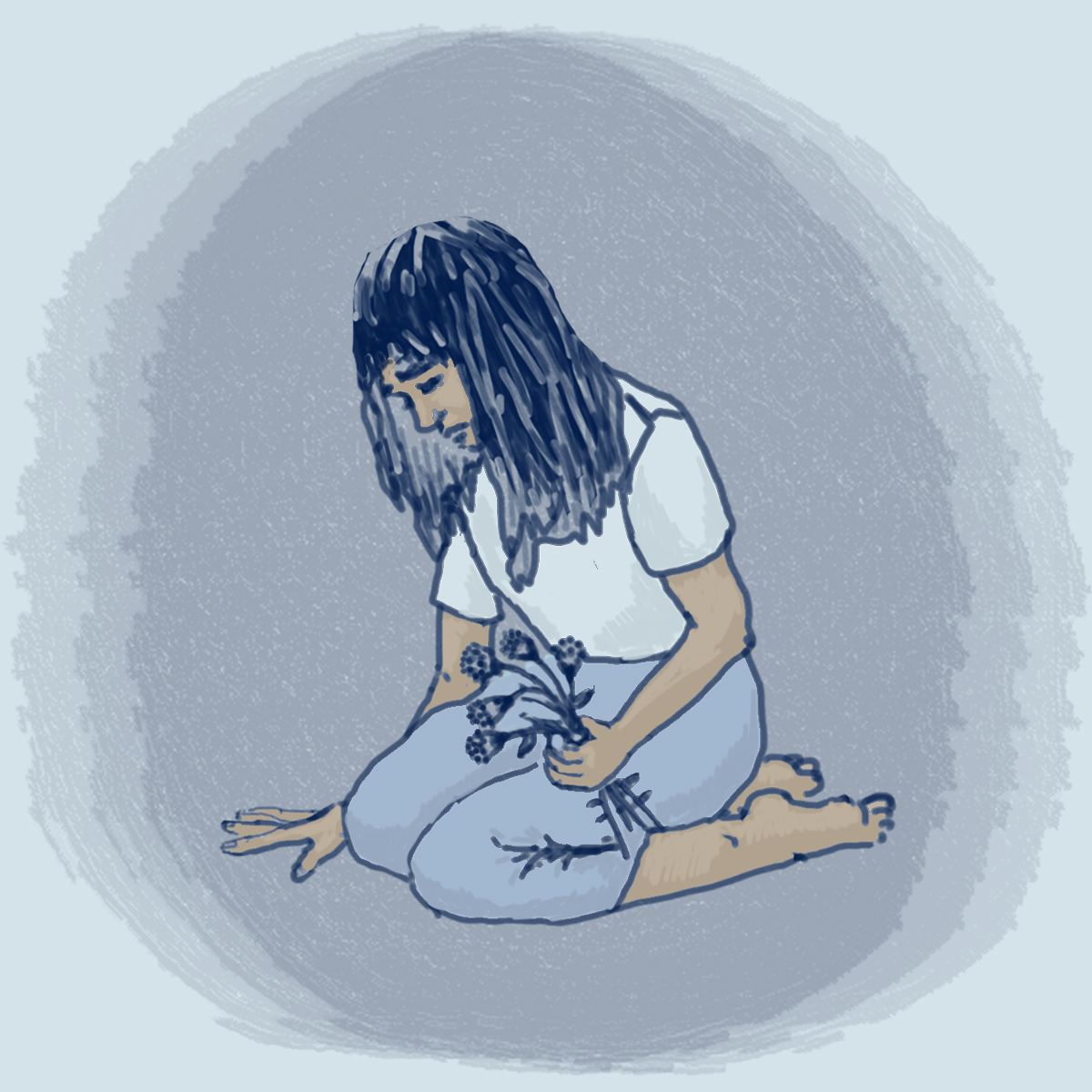
Childhood Emotional Neglect (CEN) lurks as one of psychology’s most overlooked wounds. Unlike abuse with its clear scars, CEN thrives on absence—parents who provided food, shelter, and love, yet missed emotional attunement, validation, and responsiveness. Adults carry emptiness, emotional confusion, self-doubt, and relationship chaos without recognizing it as trauma. “Nothing obviously bad happened,” they think—yet the lack of emotional mirroring shapes development profoundly.
Drawing from Jonice Webb’s pioneering work and counseling practice, this guide reveals CEN’s mechanics, impacts, and healing path.
What Is Childhood Emotional Neglect? The Hidden Gap in Parenting
Childhood Emotional Neglect (CEN) is a subtle yet profound form of childhood trauma where parents or caregivers fail to adequately notice, validate, or respond to a child’s emotional needs, despite meeting their physical ones like food, shelter, and clothing.
Coined by psychologist Dr. Jonice Webb, CEN is defined as “a parent’s failure to respond sufficiently to their child’s emotional needs,” leading to an invisible emotional void that shapes adult life. Unlike physical neglect or abuse, CEN involves no overt harm—just emotional absence. Parents might be loving and well-meaning but emotionally unavailable due to their own unresolved issues, stress, or generational patterns.
Emotional neglect shows up when parents consistently overlook noticing emotions like sadness, fear, excitement, or anger as if they’re invisible, skip empathy and validation with no phrases like “I see you’re upset—that makes sense” or “It’s okay to feel scared,” and fail emotional coaching by not helping kids name, understand, or regulate feelings during distress like tantrums or tears. Over time, children internalize “My feelings don’t matter; they’re inconvenient,” adapting by suppressing emotions to avoid rejection, turning feelings inward for premature self-reliance, and dismissing needs—wiring the brain for emotional numbness even in perfect families.
Core Signs Caregivers Miss in CEN
Emotional neglect shows up when parents consistently overlook:
- Noticing emotions: Ignoring sadness, fear, excitement, or anger as if they’re invisible.
- Empathy and validation: No phrases like “I see you’re upset—that makes sense” or “It’s okay to feel scared.”
- Emotional coaching: Failing to help kids name, understand, or regulate feelings during distress, like tantrums or tears.
How Kids Adapt (And Why It Hurts Later)
Over time, children internalize this: “My feelings don’t matter; they’re inconvenient.” They adapt by:
- Suppressing emotions to avoid rejection.
- Turning feelings inward, fostering self-reliance too early.
- Dismissing their own needs, setting up lifelong patterns of emptiness and disconnection.
This pre-verbal learning wires the brain for emotional numbness—perfect families can still breed CEN.
Pro Tip: If you’re a parent reading this, start today: Pause, name the emotion, validate it. “You’re angry, and that’s valid—let’s breathe through it.”
Why Emotional Neglect Hides in “Perfect” Families
Childhood Emotional Neglect (CEN) thrives in plain sight—often in families that look flawless from the outside: stable homes, loving intentions, financial security, and zero abuse. Parents nail the basics like food, shelter, education, and rules, but skip the emotional attunement kids crave.
Common Reasons Parents Miss Emotions
Caregivers aren’t villains—they’re just unavailable:
- Overwhelmed by stress: Work, life chaos leaves no bandwidth for feelings.
- Mental health battles: Their own anxiety or depression blinds them to yours.
- Generational hand-me-downs: “Toughen up” was their normal—no emotional toolkit.
- Achievement focus: Gold stars over tears; feelings = distraction.
No drama, no red flags—so parents, therapists, and even you miss it.
The Child’s Silent Beliefs Take Root
Kids don’t rebel—they adapt inward, thinking:
- “I shouldn’t feel this way.”
- “My feelings don’t matter.”
- “I should handle it alone.”
These form pre-verbally, without memories, wiring self-doubt and isolation for adulthood.
CEN: The Invisible Trauma Explained
Psychologist Jonice Webb nails it—CEN is “the invisible trauma” because it leaves no scars, no stories, just quiet devastation. Unlike abuse with its dramatic events or physical neglect with obvious signs, CEN hides perfectly with no single defining moment to point to, no clear memories or narratives to unpack in therapy, and zero visible evidence—no bruises, no witnesses. Instead, it etches subtle, lifelong effects like emotional numbness blocking joy or sadness, inner emptiness despite a “good” life, trouble naming feelings (“I don’t know”), and strained connections where intimacy feels foreign.
CEN hurts not from overt harm, but from emotional absence during key developmental windows—no validation when you cried, no mirroring of excitement, just silence when your heart needed seeing. This pre-verbal void lives in your nervous system, surfacing as adult disconnection. Truth bomb: If you feel “fine but not really,” CEN might be why. It’s sneaky—but naming it steals its power.
Childhood emotional neglect does not mean caregivers did not love the child. It means the child’s emotional world was not sufficiently seen, named, or supported. And because emotional skills are learned through relationship, what was missed in childhood can still be learned later—with awareness, compassion, and the right support.
How Emotional Neglect Develops
Emotional neglect does not usually occur because caregivers are intentionally harmful. More often, it develops in environments where caregivers are unable—not unwilling—to meet a child’s emotional needs.
Emotional neglect commonly arises when caregivers are:
- Emotionally unavailable or chronically overwhelmed, leaving little space for emotional attunement
- Depressed, anxious, or under severe stress, making it difficult to notice or respond to a child’s inner world
- Focused on achievement, behavior, or performance rather than feelings and emotional expression
- Uncomfortable with emotions, whether their own or the child’s, often dismissing feelings as weakness, drama, or inconvenience
In such environments, emotions are not explicitly rejected—but they are consistently unmet.
The Child’s Psychological Adaptation
Children are biologically wired to maintain connection with caregivers. When emotional needs are not responded to, children do not conclude that caregivers are failing. Instead, they turn the meaning inward.
Rather than blaming caregivers, the child adapts by adjusting their emotional expression and expectations. This adaptation is a survival response—not a conscious choice.
Over time, the child learns powerful internal messages such as:
- “My feelings don’t matter.”
- “I shouldn’t need help.”
- “Something is wrong with me for feeling this way.”
These beliefs help the child reduce emotional expression to preserve attachment and avoid further emotional disappointment.
Emotional Learning Before Words
Crucially, these lessons are learned before language fully develops. They are not stored as clear thoughts or memories, but as felt experiences in the nervous system.
As a result, emotional neglect becomes part of the child’s:
- Emotional regulation patterns
- Self-worth
- Comfort with vulnerability
- Ability to seek support
Because this learning is pre-verbal, adults often struggle to explain why they feel emotionally numb, overly independent, or undeserving of care. The feelings exist without a story.
A Key Insight
Emotional neglect is not about what children are told—it is about what they repeatedly experience.
And what is learned through early emotional absence becomes part of emotional wiring—until it is gently recognized and healed later in life.
The Core Psychological Impact of Childhood Emotional Neglect
Disconnection from Your Own Emotions
One of childhood emotional neglect’s deepest wounds is emotional disconnection. As adults, this shows up as struggling to identify feelings, chronic numbness or emptiness, defaulting to “I don’t know” when asked about emotions, and automatic suppression of anything vulnerable. This isn’t weakness—it’s a brilliant childhood survival strategy that became hardwired.
The Chronic “Something’s Missing” Void
Many describe a persistent inner emptiness where life feels flat and unfulfilling, even amid achievements or relationships. Without early mirroring and validation, the emotional world stays underdeveloped, creating that quiet, constant sense of lack no success can fill.
Low Emotional Self-Worth Takes Hold
Neglect teaches children their inner experiences don’t matter, needs feel burdensome, and support seems unsafe. In adulthood, this becomes minimizing personal needs, feeling undeserving of care, guilt over wanting reassurance, and rejecting help. It’s not general low confidence—it’s specifically low emotional self-worth.
Intimacy Feels Foreign and Risky
Those with CEN history struggle to express needs, share emotions, or trust with vulnerability. They project fierce independence while feeling internally lonely—closeness registers as unfamiliar, even dangerous territory.
Drawn to Familiar Emotional Distance
The nervous system craves what it knows, pulling adults toward distant partners, inconsistent dynamics, or one-sided relationships. This isn’t bad taste in partners—it’s the body recognizing emotional absence as “home.”
Fear of Being a Burden Locks In
Early lessons that emotions get ignored lead adults to avoid asking for support, downplay struggles, over-function for others, and feel ashamed of needs. Needing less becomes self-protection.
Mental Health Ripple Effects
CEN fuels anxiety, depression, emotional numbness, burnout, perfectionism, chronic self-criticism, and blocked self-compassion. Clients often say, “Nothing terrible happened, but I don’t feel okay.” That “nothing” is the neglect speaking.
Why CEN Stays Hidden + How to Heal It
The Tricky Nature of Spotting Emotional Neglect
Emotional neglect evades detection because it leaves no clear memories of harm, caregivers often meant well with their practical provisions, society downplays emotional needs as “soft,” and the pain stays internal without visible proof. Adults compound this by invalidating themselves—”Others had it worse” or “I shouldn’t feel this way”—a self-doubt directly born from the neglect itself.
Healing Without Blame—Just Re-Parenting
Healing childhood emotional neglect skips caregiver blame entirely, focusing instead on meeting those unmet needs today. This means cultivating emotional awareness, naming and validating your feelings, building self-compassion, embracing needs without shame, fostering safe emotional connections, and seeking therapy centered on attunement. The aim isn’t rehashing the past but consistently re-parenting your inner emotional world with the care it missed.
Final Healing Insights on Childhood Emotional Neglect
The Crucial Therapeutic Truth
Childhood emotional neglect doesn’t mean you were unloved—it means your emotional world wasn’t fully seen or mirrored when it mattered most. Parents might have provided everything practical, yet missed validating your inner experience. The empowering reality? Those missed emotional skills can absolutely be learned at any age through awareness and practice.
Closing: From Invisible Wound to Built Support
Childhood emotional neglect shapes adults quietly, deeply, invisibly—but awareness turns that invisibility into understanding, and understanding unlocks healing. You’re not broken; you were emotionally unsupported. And that support? You can build it now, starting today.
This truth frees so many. Ready to reclaim your emotional world? Explore CEN signs in adults. What’s one insight that clicked? Share below. Take the next step—book here.
Frequently Asked Questions (FAQ)
1. What causes childhood emotional neglect?
Childhood emotional neglect develops when caregivers are emotionally unavailable, overwhelmed, or uncomfortable with emotions. It is often unintentional and linked to stress, mental health struggles, or generational patterns of emotional suppression.
2. Can emotional neglect happen in loving families?
Yes. Emotional neglect can occur in families that are loving, stable, and well-intentioned. A child may receive food, shelter, and education, yet lack emotional validation, attunement, and guidance.
3. Why don’t children blame caregivers for emotional neglect?
Children are biologically wired to maintain attachment. To preserve connection, they adapt by blaming themselves rather than questioning caregivers. This self-blame becomes internalized as emotional beliefs.
4. How does emotional neglect affect emotional development?
Emotional neglect interferes with the development of emotional awareness, regulation, and self-worth. Children learn to suppress feelings, minimize needs, and become emotionally self-reliant too early.
5. Why is emotional neglect hard to remember?
Because emotional neglect is about absence, not events. It is learned pre-verbally and stored in the nervous system rather than as clear memories, making it difficult to identify in adulthood.
6. Can emotional neglect be healed later in life?
Yes. Emotional skills can be learned at any age. Healing involves emotional awareness, self-compassion, safe relationships, and therapy that focuses on emotional attunement and regulation.
7. Is emotional neglect considered trauma?
Yes. Many psychologists consider emotional neglect a form of relational or developmental trauma, even though it may not involve overt abuse or single traumatic events.
Reference
-
Jonice Webb – Childhood Emotional Neglect
https://drjonicewebb.com -
Webb, J. (2012). Running on Empty: Overcome Your Childhood Emotional Neglect. Morgan James Publishing
-
Bowlby, J. (1969). Attachment and Loss: Vol. 1. Basic Books
https://www.simplypsychology.org/attachment.html -
American Psychological Association – Trauma and Emotional Development
https://www.apa.org -
National Institute of Mental Health – Mental Health Basics
https://www.nimh.nih.gov - Maslow’s Hierarchy of Needs in Modern Life:
Ready to heal? Book a free discovery call here. Which CEN sign hit home? Comment and share
This article is written for knowledge purposes, aiming to help readers understand the topic better and gain useful insights for learning and awareness.
Pingback: Signs of Parentification Trauma: When Childhood Ends Early
Pingback: Growing Up With Emotionally Immature Parents