Feeling Behind “Not Good Enough”

It is a silent thought, a thought that hardly a person speaks about at a certain point in life:

“I’m not good enough.”

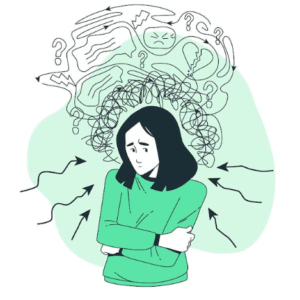
It does not necessarily come in the form of a theatrical meltdown or a high-volume self-doubting situation. In practice more frequently it creeps in unobtrusively and presents itself as an outwardly productive or responsible behavior. It can present itself as overworking to demonstrate its value, people-pleasing to evade rejection, procrastination because of fear of failure, or a general worry of being found out as a scammer even when it can be seen that it is capable.

Otherwise, this thought is veiled with perfectionism or self-criticism that is initially feels encouraging to you, as it drives you to perform better, exert more, be better. However, as time goes, this internal pressure gradually destroys the self-worth, and in its place, the confidence is substituted with fatigue and the trust in self is substituted with doubt.

The point to note is that, the experience of not being good enough is not an individual failure or character flaw. It is a mental process, a pattern, and in most cases, these patterns were formed in early age and reinforced by experience, relationships and social expectations and misinterpreted as a lack of confidence or competence.

In order to remedy it, we must go beyond outward conduct and self-occurrence and have a look at what is occurring under the surface.

1. “Not Good Enough” Is Rarely About Ability

There are numerous individuals who find themselves battling the sense of incompetence but in actuality, they are capable, intelligent, and emotionally competent. They may possess abilities, competence, and even external authentication, but people feel like they are not good enough. The reason is that it is not often a failure in capability. Rather it is the way the brain has been conditioned to assess safety, belonging and self worth.

Psychologically, competence is not the main concern of the mind. It is preoccupied with survival.

So it doesn’t ask:

  • “Am I capable?”
  • It asks:
  • “Am I safe, accepted, and valued?”

Once the acceptance, particularly during initial relationships, is perceived as conditional, then the brain will start identifying value as performance. Love, approval or attention are something one feels deserved not innate. This builds within it an internal perception that one needs to prove, achieve or live up to expectations in order to be valued.

Subsequently, even competent people can be left constantly feeling under competent not due to their ineptitude, but simply because their nervous system was taught that it is necessary to earn a place by performance.

2. Conditional Love and Early Programming

Among the most potent and the most neglected sources of inadequacy feeling is the conditional validation through childhood. As long as care, love, or emotional security was tied to some behavior, performance or emotional control, then the growing nervous system learned to tie love to performance.

Depended on when love, attention, or praise is required:

  • being well-behaved
  • achieving results
  • meeting expectations
  • not communicating hard, troublesome, and awkward feelings.

the child did not consciously believe that there is something wrong with the environment. Rather the mind evolved by creating a strong internal law:

I am supposed to be worthy when I do something right.

This conviction is not instilled in the mind, but in the nervous-system system. It sets an internal score board that never stops running – it measures behavior, tracks reactions and assesses whether one is doing enough to remain accepted.

The brain still searches to find indicators of approval or disapproval even in adulthood when the original environment is no longer the same:

  • Did I say the right thing?
  • Was I impressive enough?
  • Did I disappoint someone?

This self-monitoring constantly is mistaken with insecurity or having low confidence. Or, more accurately, it is survival learning the system which is created to preserve connection preventing the emotional loss.

3. The Inner Critic Is a Protective Voice, Not an Enemy

That terrible voice within that says:

  • “You should be better.”
  • “Others are ahead of you.”
  • “Don’t mess this up.”

is usually weighted down with misunderstanding. The majority efforts are making it silent, arguing with it or being ashamed to have it at all. Yet psychologically, the critic within did not evolve to your detriment, he evolved to your advantage.

The inner critic develops in early life as a defense against rejection, shame, punishment or failure. It thinks that, through keeping you alert, self-critical and striving at all times, it can assist you to escape emotional pain. To its reasoning, pressure is safety.

In the eyes of the nervous system, criticism is safer than getting taken unawares.

The issue does not lie in the presence of the inner critic. The problem is that:

  • it never renews its strategy.
  • is not aware that things have changed.
  • it knows not when you are now more familiar, more mature, more able.

So it proceeds to push, threaten and squeeze tighter- even after the real threat has passed. What at one time served to sustain your life now holds you in the fear, self-doubt and emotional exhaustion.

The process of healing does not start by fighting with the inner critic, but by knowing the reasons behind why it had learnt to talk that way in the first place.

4. Social Comparison Hijacks the Brain

The contemporary world makes inadequacy feelings significantly heavier with social comparison at all times. Although comparison is a common human behavior, the brain has never been created to handle the magnitude and frequency of occurrence of the act today.

The development of the human brain was such that it was developed to compare itself in small and familiar groups where context, mutual struggle and real life interactions could be seen. To-day however, the brain is expected to compare:

  • your behind-the-scenes life
  • and highlights of other people carefully edited.
  • This disproportion fills the nervous system.

Instead of causing motivation or development, constant comparison leads to the brain turning on the system of threat-detection that uses the same mechanism that identifies danger. When the brain thinks of others as being in front, it fails to give it out as a neutral information. It interprets it as risk.

Comparison results in most cases in lieu of inspiration:

  • shame
  • self-doubt
  • emotional apathy or closure.

A more profound level of interpretation of a fall behind by the brain is that it is a possible loss of belonging. And to a social nervous system, to lose belonging is very unsafe, almost the danger of being killed.

That is why comparison does not only damage confidence; it causes a disturbance in the emotional security.

5. Trauma and Emotional Neglect Amplify the Belief

The second belief is that I am not good enough, which is particularly widespread in the group of people who experienced in their childhood:

emotional neglect

variable or irregular care giving.

chronic criticism

minor nullification of feelings, needs or perceptions.

In such settings, lack of emotional sensitivity usually becomes more harmful than direct injury. When the emotions of the child are disregarded, downplayed, or misinterpreted, the child does not result in concluding that there is something wrong with the caregivers. Rather the growing psyche assimilates a much more agonistic conviction:

“Something about me is wrong.”

This ideology does not stay in childhood. Gradually it becomes incorporated into self-concept the prism through which experiences, relationships, even achievements are perceived. Success feels fragile. Connection feels uncertain. Acceptance feels temporary.

The nervous system is usually on alert even in secure supportive surrounding later in life. It still searches signals of rejection, disapproval, abandonment, not that danger exists, but that it has been taught to expect danger.

This is not oversensitivity. It is the print of a nervous system that is developed under not fulfilled emotional needs, and it is still attempting to defend itself.

6. Why Achievements Don’t Heal the Feeling

Many people carry the belief:

“Once I achieve more, I’ll finally feel enough.”

It is reasonable and even inspirational. However, in practice, success without emotional security does not even cure the sense of inadequacy, it simply does not pay much attention to it.

When success is attained, it may offer temporary relief, confirmation, or power. However, since the belief about the worth is the same, the relief is not permanent. The mind instantly puts the bar higher again, in quest of the next goal, next demonstration, next assurance.

The fundamental dogma is not changed:

  • worth is still conditional
  • rest still feels undeserved
  • success is still so very precarious and can be stolen.

Consequently, even the major achievements can be empty or distressing. Success may create more pressure, rather than confidence, -Now I have to keep it up.

That is why the struggles of many high-achievers are silent:

  • chronic anxiety
  • emotional emptiness
  • imposter syndrome
  • fear of being revealed when there is a show of competency.

Achievement is reduced to a treadmill instead of a fulfillment unless the deeper drive behind safety and unconditional self-worth is met.

7. Healing Begins with Safety, Not Self-Improvement

The postulation of non-goodness cannot be cured by being better, more robust or successful. It is cured being made safer in oneself. Once safety is achieved, it is not necessary to earn self-worth anymore.

Psychological healing does not mean forcing the change, but rather letting it gradually loosen. It involves:

  • the innermost critic being observed without being obeyed as of course.
  • validation of self-correction where self-correction was formerly the rule.
  • value to be divided off performance, productivity or approval.
  • the perfect regulation of the nervous-system, being peacefully constructed by unity and care.

The inner need to repair, demonstrate or defend starts to reduce as the security level rises. There is no longer a need to ensure that the system remains on high alert.

With time, the internal question is automatically changed. Instead of asking:

“How can I fix myself?”

a more profound, more sympathetic question arises:

What went on that taught my system I was not enough?

This reversal redefines everything not due to a problem being solved but because the individual is not being handled as the problem.

8. You Were Never Broken—You Adapted

A sense of being not good enough is not being weak, failure or lacking. It is evidence of adaptation. What your nervous system did was what it was supposed to do, it learned how to survive in a place where safety, love, consistency or validation was not so sure.

The mind also adapted through alertness, self monitoring and protection. Essays like overthinking, perfectionism, people-pleasing or emotional withdrawal were not weaknesses; they were clever reactions to situations which demanded carefulness.

What used to assist you to cope, no longer need be needed at this moment-but that is no fault in it. It only implies that your system has not yet been demonstrated that there is another way of being safe.

and that can be unlearned that had been learned. Awareness rather than self-blame, compassion rather than judgment, support rather than isolation, and these allow the nervous system to update its beliefs progressively.

You were never broken. You adjusted–and the first step towards healing is to be understood.

A Reframe Worth Remembering

You are not feeling insufficient since you are being underprivileged, broken, or lagging.

You are not good enough since your nervous system has been conditioned to believe that being worthy of living means being worthy of survival, and it was taught at a very young age. It discovered that to be accepted, loved, or safe, one had to be on his or her guard, act, or correct himself.

Such a belief could seem very real as it was needed at one time. But necessity is not truth.

and that belief, as powerful and perennial and persuasive as it may be, is not the truth of yourself. It is an acquired reaction, rather than an identity.

The nervous system, with the help of awareness, compassion and safety may learn something new:
that worth is not earned,
conditioned belonging is not,
and you were always enough.

Frequently Asked Questions (FAQs)

1. Why do I feel “not good enough” even when I’m doing well?

Because this feeling is rarely about ability. It is rooted in how your nervous system learned to associate worth with safety, acceptance, or performance—often early in life.

2. Is feeling “not good enough” a sign of low self-esteem?

Not always. Many people with this feeling are capable and confident in skills but struggle with conditional self-worth, not low ability.

3. Can childhood experiences really affect adult self-worth?

Yes. Early emotional environments shape attachment, nervous-system responses, and core beliefs about worth and belonging.

4. What is conditional love in psychology?

Conditional love occurs when affection or approval depends on behavior, achievement, or emotional compliance rather than being freely given.

5. Why does my inner critic feel so harsh?

The inner critic often develops as a protective mechanism to prevent rejection, shame, or failure—not to hurt you.

6. Is the inner critic bad or harmful?

It becomes harmful when it goes unexamined, but originally it formed to keep you safe in emotionally uncertain environments.

7. Why doesn’t success or achievement make me feel enough?

Because achievement doesn’t address the underlying belief that worth must be earned. Without emotional safety, success feels temporary and fragile.

8. Is this related to imposter syndrome?

Yes. Imposter syndrome often emerges from conditional self-worth and fear of losing belonging despite competence.

9. How does social media increase feelings of inadequacy?

It encourages constant comparison between your real life and others’ curated highlights, activating the brain’s threat system.

10. What role does emotional neglect play?

Emotional neglect teaches the child that their feelings don’t matter, often leading to the belief that something is inherently wrong with them.

11. Is this feeling a trauma response?

It can be. Chronic emotional invalidation, criticism, or inconsistency can leave trauma imprints even without obvious abuse.

12. Can this belief be unlearned?

Yes. With awareness, nervous-system regulation, therapy, and self-compassion, these patterns can change.

13. What does “healing through safety” mean?

It means creating internal and external conditions where the nervous system no longer feels threatened—rather than trying to “fix” yourself.

14. Do I need therapy to heal this?

Therapy can be very helpful, especially trauma-informed or attachment-based approaches, but healing can also begin through awareness and supportive relationships.

15. What’s the most important thing to remember?

You were never broken. You adapted. And adaptation can be gently unlearned.

Written by Baishakhi Das

Counselor | Mental Health Practitioner
B.Sc, M.Sc, PG Diploma in Counseling

References 

  1. Bessel van der KolkThe Body Keeps the Score
    https://www.besselvanderkolk.com/resources/the-body-keeps-the-score

  2. John Bowlby – Attachment Theory Overview
    https://www.simplypsychology.org/attachment.html

  3. Kristin Neff – Self-Compassion Research
    https://self-compassion.org/the-research/

  4. Pete Walker – Complex PTSD & Inner Critic
    https://www.pete-walker.com/shrinkingInnerCritic.htm

  5. Stephen Porges – Polyvagal Theory
    https://www.polyvagalinstitute.org/whatispolyvagaltheory

  6. APA – Trauma and Stress-Related Disorders
    https://www.apa.org/topics/trauma

Why Your Brain Won’t Stop Replaying Past Conversations

This topic performs well due to rising searches around men’s mental health, workplace stress, and burnout recovery. Combining emotional insight with practical steps increases engagement and trust.

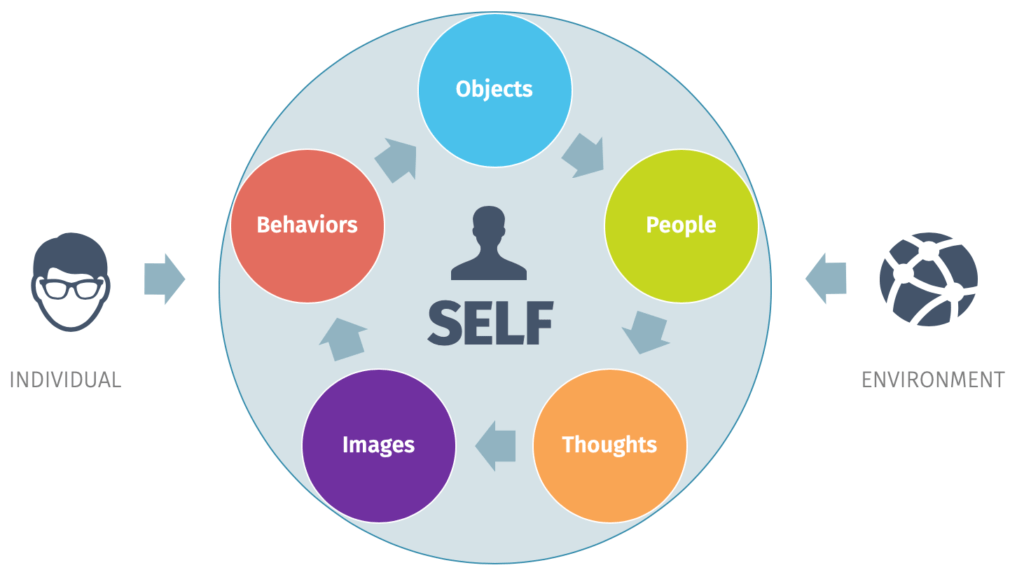
Behaviorism vs Cognitive Psychology

Understanding two major approaches to human behavior and the mind

https://ioannouolga.wordpress.com/wp-content/uploads/2018/08/behaviorism-cognitivism.gif?w=670

Introduction

Psychology has evolved through multiple schools of thought, each attempting to explain why humans think, feel, and behave the way they do. These perspectives developed in response to different questions—some focusing on what can be observed and measured, others exploring the invisible workings of the mind. Among these, Behaviorism and Cognitive Psychology stand out as two of the most influential—and contrasting—approaches in the history of psychology.

Behaviorism emerged in the early 20th century as a reaction against introspective methods. It argues that psychology should focus only on observable behavior and external consequences, because these can be scientifically measured and objectively studied. From this perspective, human behavior is shaped largely by the environment through learning, reinforcement, and punishment.

In contrast, Cognitive Psychology developed later, emphasizing that behavior cannot be fully understood without examining internal mental processes. It focuses on how people think, remember, interpret, problem-solve, and make meaning of their experiences. Cognitive psychologists view humans as active processors of information, whose beliefs, perceptions, and thoughts strongly influence emotions and actions.

Understanding the differences between behaviorism and cognitive psychology is essential for students, educators, therapists, and mental health practitioners, because these approaches influence how learning is taught, how behavior is managed, and how psychological difficulties are treated. Modern psychology increasingly integrates both perspectives, recognizing that behavior is shaped by external experiences and internal cognition working together, rather than by one alone.

What Is Behaviorism?

Behaviorism is a psychological approach that explains behavior as a result of environmental stimuli and learned responses. It argues that psychology should focus only on observable, measurable behavior, because behavior can be objectively studied, predicted, and controlled. From this viewpoint, internal mental states—such as thoughts, feelings, or intentions—are considered unnecessary for explaining behavior, as they cannot be directly observed.

Behaviorism emerged as a reaction against introspection-based psychology and aimed to make psychology a scientific, experimental discipline, similar to the natural sciences.

Key Contributors

  • John B. Watson – Founder of behaviorism; emphasized stimulus–response learning

  • B. F. Skinner – Developed operant conditioning; highlighted reinforcement and punishment

  • Ivan Pavlov – Discovered classical conditioning through conditioned reflexes

Each contributed to understanding how learning occurs through interaction with the environment.

Core Assumptions of Behaviorism

Behaviorism is based on several fundamental assumptions:

  • Behavior is learned, not innate
    Humans are not born with fixed behavioral patterns; behavior develops through experience.

  • Learning occurs through conditioning
    Repeated associations and consequences shape behavior.

  • Internal thoughts are not necessary to explain behavior
    Only observable actions are required for scientific explanation.

  • The environment shapes behavior
    External stimuli, rewards, and punishments determine how individuals act.

Key Concepts in Behaviorism

  • Classical Conditioning
    Learning through association between stimuli (e.g., Pavlov’s experiments).

  • Operant Conditioning
    Learning through consequences—reinforcement and punishment (Skinner).

  • Reinforcement and Punishment
    Consequences that increase or decrease behavior.

  • Stimulus–Response (S–R) Associations
    Behavior is seen as a direct response to environmental stimuli.

Example

A child studies more because good marks are rewarded.
→ The increased studying is explained through reinforcement, not through motivation, self-belief, or emotions.

From a behaviorist perspective, the reward strengthens the behavior, making internal thoughts unnecessary for explanation.

Key Insight

Behaviorism provides a clear, practical framework for understanding and modifying behavior, especially in areas like education, parenting, and behavior therapy. However, its focus on observable behavior alone is also what later led to the development of approaches—like cognitive psychology—that explore what happens inside the mind.

What Is Cognitive Psychology?

Cognitive psychology is a branch of psychology that focuses on how people process information—including thinking, reasoning, memory, attention, language, perception, and problem-solving. Rather than viewing humans as passive responders to external stimuli, this approach sees individuals as active processors of information who interpret, evaluate, and make meaning from their experiences.

Cognitive psychology emerged as a response to the limitations of behaviorism. Psychologists realized that understanding behavior requires exploring what happens inside the mind—how people think about situations, how they remember past experiences, and how they interpret the world around them.

Key Contributors

  • Jean Piaget – Explained how children’s thinking develops through distinct cognitive stages

  • Aaron Beck – Developed cognitive therapy, highlighting how thoughts influence emotions and behavior

Their work laid the foundation for understanding learning, development, and mental health through cognitive processes.

Core Assumptions of Cognitive Psychology

Cognitive psychology is built on several key assumptions:

  • Mental processes influence behavior
    What people think directly affects how they feel and act.

  • Thoughts, beliefs, and interpretations matter
    The same situation can lead to different behaviors depending on how it is perceived.

  • Humans actively construct meaning
    People are not passive learners; they organize and interpret information based on prior knowledge.

  • Behavior cannot be fully understood without understanding cognition
    Observable behavior is only one part of the picture—internal processes give it meaning.

Key Concepts in Cognitive Psychology

  • Schemas
    Mental frameworks that help organize and interpret information (e.g., beliefs about self or others).

  • Information Processing
    The way the mind encodes, stores, and retrieves information—often compared to a computer model.

  • Cognitive Distortions
    Inaccurate or biased thinking patterns that influence emotions and behavior.

  • Memory and Attention
    Processes that determine what information is noticed, remembered, or forgotten.

Example

A child avoids studying because they think, “I’m not smart enough.”
→ From a cognitive perspective, the behavior is explained by beliefs, self-perception, and thought patterns, not by rewards or punishment alone.

The problem is not just the behavior (avoiding study), but the underlying cognition shaping it.

Key Insight

Cognitive psychology helps us understand why behavior occurs, not just how it changes. By addressing thoughts, beliefs, and interpretations, this approach is especially valuable in education, counseling, and mental health interventions, where insight and emotional understanding are essential for lasting change.

Key Differences: Behaviorism vs Cognitive Psychology

Aspect Behaviorism Cognitive Psychology
Focus Observable behavior Internal mental processes
View of mind Not necessary to study Central to behavior
Learning Conditioning Information processing
Role of environment Primary influence Important but not sole factor
Role of thoughts Ignored Essential
Research methods Experiments, observation Experiments, models, self-report
Therapy focus Behavior change Thought + behavior change

Applications in Real Life

In Education

Both approaches strongly influence how teaching and learning are designed.

  • Behaviorism emphasizes observable performance.

    • Reward-based learning (grades, praise, stars)

    • Discipline systems with clear rules and consequences

    • Repetition and practice to build habits
      This approach is especially useful for classroom management, skill acquisition, and maintaining structure.

  • Cognitive Psychology focuses on how students think and understand.

    • Learning strategies (mnemonics, mind maps)

    • Problem-solving and critical thinking

    • Conceptual understanding rather than rote learning
      This helps students become active learners who understand why and how, not just what.

👉 Modern education blends both: reinforcement to motivate effort, and cognitive strategies to deepen understanding.

In Parenting

Parenting practices often reflect a mix of these two approaches.

  • Behaviorism in parenting involves:

    • Reinforcing good behavior (praise, attention, rewards)

    • Setting clear consequences for misbehavior

    • Consistency in responses
      This helps children learn boundaries and expectations.

  • Cognitive Psychology in parenting focuses on:

    • Understanding emotions behind behavior

    • Helping children identify self-talk (“I can’t do this”)

    • Supporting motivation, confidence, and emotional regulation

👉 Together, they allow parents to guide behavior while also nurturing emotional intelligence and self-esteem.

In Therapy

Therapeutic approaches clearly show the strengths of both perspectives.

  • Behaviorism contributes:

    • Behavior modification techniques

    • Exposure therapy for fears and phobias

    • Habit reversal strategies

  • Cognitive Psychology contributes:

    • Cognitive restructuring (challenging negative thoughts)

    • Changing maladaptive beliefs

    • Improving self-perception and emotional understanding

Modern therapies—especially Cognitive Behavioral Therapy (CBT)—integrate both approaches, targeting behavior change and thought patterns simultaneously for lasting mental health improvement.

Strengths and Limitations

Strengths of Behaviorism

  • Clear, measurable, and practical

  • Highly effective for habit formation

  • Widely useful in classrooms, parenting, and behavior therapy

Limitations of Behaviorism

  • Ignores emotions, thoughts, and meaning

  • Limited in explaining complex human behavior

  • Less effective for trauma-related or emotionally driven issues 

Strengths of Cognitive Psychology

  • Explains thinking, emotions, and meaning-making

  • Effective for anxiety, depression, and self-esteem concerns

  • Respects human agency, insight, and self-awareness

Limitations of Cognitive Psychology

  • Mental processes are harder to measure objectively

  • May overlook environmental and situational influences

  • Requires verbal ability and reflective capacity

Modern Perspective: Integration, Not Opposition

Today, psychology no longer treats behaviorism and cognitive psychology as opposing camps. Instead, they are understood as complementary perspectives.

  • Behaviorism explains how behavior is shaped through consequences and learning

  • Cognitive psychology explains why behavior happens through thoughts, beliefs, and interpretations

Integrated approaches recognize that behavior and cognition influence each other continuously.

Conclusion

Behaviorism and cognitive psychology offer two powerful lenses for understanding human behavior.
One focuses on what we do.
The other focuses on how we think.

Together, they provide a richer, more complete picture of human functioning.

Behavior can be shaped.
Thoughts can be changed.
And meaningful change happens when both are understood.

Frequently Asked Questions (FAQ)

1. What is the main difference between behaviorism and cognitive psychology?

Behaviorism focuses on observable behavior and external consequences, while cognitive psychology focuses on internal mental processes like thoughts and memory.

2. Who founded behaviorism?

Behaviorism was founded by John B. Watson.

3. Who are the major contributors to cognitive psychology?

Key contributors include Jean Piaget and Aaron Beck.

4. Why did behaviorists reject mental processes?

They believed thoughts and emotions could not be objectively measured and therefore should not be the focus of scientific psychology.

5. What does cognitive psychology focus on?

It focuses on thinking, memory, attention, perception, language, and problem-solving.

6. How does behaviorism explain learning?

Learning occurs through conditioning—via reinforcement, punishment, and stimulus–response associations.

7. How does cognitive psychology explain behavior?

Behavior is explained through beliefs, interpretations, schemas, and information processing.

8. Which approach is better for education?

Both are useful: behaviorism helps with discipline and habit formation, while cognitive psychology supports deep understanding and critical thinking.

9. Which approach is more effective in therapy?

Modern therapy combines both approaches, especially in Cognitive Behavioral Therapy.

10. Can behaviorism explain emotions?

No. One of its main limitations is ignoring emotions and internal experiences.

11. Can cognitive psychology explain habits?

Yes, but it may overlook the role of reinforcement and environment in habit formation.

12. Is behaviorism still relevant today?

Yes, especially in education, parenting, and behavior modification programs.

13. Is cognitive psychology more humanistic?

It is more person-centered than behaviorism, as it values thoughts, meaning, and insight.

14. Why are the two approaches integrated today?

Because behavior and cognition influence each other; understanding both leads to better outcomes.

15. What is the biggest takeaway from comparing these approaches?

Human behavior is best understood by combining external behavior patterns with internal mental processes.

Written by Baishakhi Das

Counselor | Mental Health Practitioner
B.Sc, M.Sc, PG Diploma in Counseling


Reference 

  1. Watson, J. B. (1913). Psychology as the Behaviorist Views It.

  2. Skinner, B. F. (1953). Science and Human Behavior.

  3. Piaget, J. (1952). The Origins of Intelligence in Children.

  4. Beck, A. T. (1976). Cognitive Therapy and the Emotional Disorders.

  5. American Psychological Association (APA) – Learning & Cognition
    https://www.apa.org

  6. McLeod, S. A. (2023). Behaviorism & Cognitive Psychology. Simply Psychology
    https://www.simplypsychology.org

  7. Anger Issues in Men: What’s Really Going On


Fully Functioning Person: Psychological Meaning

https://cdn.prod.website-files.com/5b69a01ba2e409501de055d1/687789b406f106123225771d_6389ef9af6c1445fa9d62dbb_Carl%2520Rogers%2520theory%2520of%2520the%2520environment.png

The idea of a fully functioning person comes from humanistic psychology and offers one of the most optimistic views of human potential. Instead of concentrating on pathology, dysfunction, or diagnosis, this perspective shifts the focus toward growth, authenticity, and psychological health. It asks a fundamentally different question:

What does psychological health look like when a person is allowed to grow freely and live in alignment with their true self?

This approach moves away from fixing what is “wrong” and toward understanding what helps a person thrive. The answer does not lie in perfection, constant happiness, or rigid emotional control. A fully functioning person still experiences pain, fear, doubt, and uncertainty. What distinguishes psychological health is not the absence of struggle, but the ability to remain open and responsive to experience.

Psychological well-being, from this view, involves openness to emotions, flexibility in thinking, trust in one’s inner signals, and the capacity to live authentically rather than defensively. Instead of suppressing feelings or shaping the self to meet external expectations, a fully functioning person engages with life honestly, adapts to change, and continues to grow through experience.

This concept reframes mental health as a dynamic process of becoming, not a fixed state to be achieved.

Origin of the Concept

The concept of the fully functioning person emerged from the work of Carl Rogers, one of the founders of humanistic psychology. Rogers rejected the idea that human beings are inherently broken or flawed. Instead, he viewed people as naturally oriented toward growth, fulfillment, and psychological health. He called this innate drive the actualizing tendency.

Rogers argued that psychological distress does not arise because people lack potential. It emerges when environments interfere with natural growth. Conditions such as conditional acceptance, emotional invalidation, chronic criticism, or pressure to conform can block this process. When individuals feel they must deny parts of themselves to gain love or approval, they disconnect from their authentic experience.

A fully functioning person, in Rogers’ view, is someone whose growth has not been excessively restricted. Such a person remains free to experience emotions openly, trust their inner guidance, and continue developing in ways that feel genuine and self-directed. Psychological health, therefore, reflects not perfection, but the freedom to grow without fear of losing acceptance.

The Actualizing Tendency

At the heart of Rogers’ theory is the actualizing tendency—the natural drive within every individual to develop their abilities, express their true self, and move toward psychological wholeness.

This tendency:

  • Exists in all people

  • Operates naturally when conditions are supportive

  • Pushes toward growth, not destruction

When the environment allows emotional safety, empathy, and acceptance, this tendency guides a person toward healthy functioning.

Fully Functioning Person: Core Definition

A fully functioning person is not someone who has no problems or negative emotions. Instead, they are someone who:

  • Is open to inner experience

  • Trusts their feelings and perceptions

  • Lives authentically rather than defensively

  • Adapts flexibly to life’s challenges

  • Continues to grow psychologically

Rogers described this state as a process, not a fixed endpoint. A fully functioning person is always becoming.

Key Characteristics of a Fully Functioning Person

1. Openness to Experience

Fully functioning individuals remain open to both pleasant and unpleasant emotions. They do not deny, distort, or suppress their inner experiences to protect their self-image.

This includes:

  • Accepting sadness without shame

  • Acknowledging anger without guilt

  • Experiencing joy without fear

Emotions act as information, not threats.

2. Existential Living (Living in the Present)

Rather than rigidly following rules from the past or fears about the future, fully functioning people engage with life moment by moment.

They respond to situations as they are, not as they “should” be. This allows flexibility, creativity, and genuine engagement with reality.

3. Trust in the Organism

Rogers believed that psychologically healthy individuals trust their internal signals—emotions, intuition, bodily responses—when making decisions.

This does not mean impulsivity. It means:

  • Listening inward before seeking external validation

  • Using feelings as guides rather than enemies

  • Making choices aligned with inner values

This internal trust replaces dependence on approval.

4. Experiential Freedom

Fully functioning people experience a sense of choice in their lives. Recognize constraints but do not feel psychologically trapped by them.

  • They can choose responses even when situations are difficult

  • They are not controlled entirely by the past

  • Growth remains possible

This sense of agency supports resilience.

5. Creativity and Adaptability

Psychological openness fosters creativity—not only in art, but in problem-solving, relationships, and coping.

Fully functioning individuals:

  • Adapt rather than rigidly control

  • Learn from experience

  • Revise beliefs when new information appears

They remain flexible rather than defensive.

Fully Functioning Person vs Perfectionism

A common and critical misunderstanding is equating full functioning with perfection. In reality, these two reflect very different psychological processes.

A fully functioning person does not aim to eliminate fear, mistakes, or conflict. Instead, they relate to these experiences without allowing them to define their worth or identity. Such a person:

  • Feels fear but does not live in fear, allowing caution without paralysis

  • Makes mistakes without collapsing into shame, using errors as information rather than self-condemnation

  • Experiences conflict without losing identity, staying connected to self even during disagreement

  • Accepts limitations without self-rejection, recognizing limits as part of being human

Perfectionism, by contrast, grows out of conditions of worth. It ties value to performance, correctness, or approval and fuels constant self-monitoring and anxiety. Full functioning reflects unconditional self-regard—the ability to value oneself regardless of success, failure, or emotional state.

In short, perfectionism demands flawlessness to feel safe, while full functioning allows authenticity to guide growth.

Role of Unconditional Positive Regard

Carl Rogers emphasized that psychological growth flourishes in the presence of unconditional positive regard—the experience of being valued as a person regardless of behavior, success, or failure. This form of acceptance communicates a powerful message: your worth does not depend on performance or approval.

When children receive conditional acceptance—messages such as “You are good only if…”—they begin to organize their self-concept around external expectations. Over time, they may develop:

  • Conditions of worth, tying value to behavior or achievement

  • Defensive self-concepts, hiding parts of themselves to avoid rejection

  • Fear of authenticity, believing their true self is unacceptable

In contrast, when children experience unconditional acceptance, they internalize a stable sense of worth. This environment supports the development of:

  • Self-trust, allowing them to rely on their inner experience

  • Emotional openness, enabling healthy expression of feelings

  • Psychological flexibility, adapting to life without excessive defense

Therapy often aims to recreate these conditions by offering empathy, consistency, and nonjudgmental presence. Within such an environment, individuals naturally move toward greater authenticity, integration, and full psychological functioning.

Fully Functioning Person and Mental Health

Being a fully functioning person does not mean living without anxiety, sadness, stress, or emotional pain. Human experience naturally includes discomfort and uncertainty. Psychological health, from this perspective, lies not in eliminating these experiences but in the ability to relate to them without excessive defense, denial, or self-judgment.

In this view, mental health involves:

  • Emotional awareness — recognizing and understanding feelings as they arise

  • Acceptance rather than avoidance — allowing emotions to be experienced instead of suppressed or feared

  • Integration of experience — bringing thoughts, emotions, and actions into alignment

  • Ongoing growth — remaining open to change, learning, and self-development

Rather than aiming solely for symptom reduction, this perspective reframes mental health as self-congruence—living in harmony with one’s inner experience. When people feel free to acknowledge what they truly feel and need, distress loses its power to fragment the self, and growth becomes possible even in the presence of difficulty.

Fully Functioning Person in Relationships

In relationships, fully functioning individuals tend to:

  • Communicate honestly

  • Tolerate emotional intimacy

  • Respect boundaries

  • Repair conflicts rather than avoid them

  • Allow others to be different

They do not need to lose themselves to maintain connection.

Barriers to Becoming Fully Functioning

Common obstacles include:

  • Childhood emotional neglect

  • Conditional parenting

  • Trauma and chronic invalidation

  • Cultural pressure to conform

  • Fear-based self-esteem

These barriers do not eliminate the actualizing tendency—they restrict its expression.

Therapy and the Fully Functioning Person

Client-centered therapy aims to remove these barriers rather than “fix” the person.

Therapy provides:

  • Empathy

  • Congruence

  • Unconditional positive regard

Over time, clients naturally move toward greater openness, self-trust, and psychological integration.

A Process, Not a Destination

Rogers emphasized that full functioning is not a final state. It is a continuous process of becoming more open, more authentic, and more responsive to life.

There is no final version of the self—only deeper alignment.

A Gentle Closing Reflection

A fully functioning person is not fearless, flawless, or endlessly confident.
They are real.

Feel deeply without fear.
Respond honestly without defense.
Trust their inner experience without doubt.
Allow themselves to change without shame.

Psychological health is not about becoming someone else.
It is about becoming more fully yourself.

Frequently Asked Questions (FAQ)

1. What is a fully functioning person in psychology?

A fully functioning person is someone who lives with openness to experience, self-trust, emotional awareness, and psychological flexibility. The concept emphasizes growth and authenticity rather than perfection.


2. Who introduced the concept of the fully functioning person?

The concept was introduced by Carl Rogers, a founder of humanistic psychology, as part of his person-centered theory of psychological health.


3. Is a fully functioning person always happy?

No. Fully functioning individuals experience anxiety, sadness, and stress like anyone else. Psychological health lies in how they relate to these emotions—not in avoiding them.


4. How is full functioning different from perfectionism?

Perfectionism is driven by conditions of worth and fear of failure. Full functioning reflects unconditional self-regard, where mistakes and limitations do not threaten self-worth.


5. What role does unconditional positive regard play?

Unconditional positive regard allows individuals to feel valued regardless of behavior or success. This acceptance supports emotional openness, self-trust, and healthy psychological development.


6. Can therapy help someone become more fully functioning?

Yes. Person-centered and trauma-informed therapies aim to reduce defenses, increase self-congruence, and create conditions that support natural psychological growth.


7. Is being fully functioning a fixed state?

No. Rogers described full functioning as an ongoing process of becoming, not a final destination. Growth continues throughout life.

Written by Baishakhi Das

Counselor | Mental Health Practitioner
B.Sc, M.Sc, PG Diploma in Counseling


Reference 

How to Build Daily Habits for Better Mental Health

A practical, psychology-based guide for everyday emotional well-being

Written by Baishakhi Das

Qualifications: B.Sc, M.Sc, P.G. Diploma in Counseling
Role: Counselor / Mental Health Practitioner

Introduction: Why Daily Habits Matter More Than Motivation

Many people wait for motivation to feel better mentally. But mental health doesn’t improve through motivation alone—it improves through daily habits. Small, consistent actions shape how our brain responds to stress, emotions, and challenges.

Research in psychology shows that our brain thrives on routine and predictability. When daily habits support emotional regulation, mental clarity, and physical well-being, mental health becomes more stable and resilient over time.

This article explains how to build simple, realistic daily habits that support mental health—without overwhelming your schedule or relying on willpower alone.

Understanding Mental Health as a Daily Practice

Mental health is not just the absence of mental illness. It includes:

  • Emotional balance

  • Stress tolerance

  • Self-awareness

  • Healthy coping skills

  • Sense of purpose

Just like physical health requires daily care (eating, moving, sleeping), mental health also requires daily maintenance.

Why Habits Are More Effective Than Occasional Self-Care

Occasional self-care (like a holiday or spa day) can feel good temporarily, but habits:

  • Rewire the brain through repetition

  • Reduce emotional reactivity

  • Create a sense of control and safety

  • Prevent burnout and emotional overload

Habits work because they become automatic, requiring less mental effort over time.

1. Start with One Small Habit (Not a Full Routine)

A common mistake is trying to change everything at once.

Instead of:
❌ “I will meditate, exercise, journal, eat clean, and sleep early every day”

Try:
✅ “I will practice one small habit daily”

Examples:

  • 5 minutes of deep breathing

  • Writing one sentence about your mood

  • A 10-minute walk

Consistency matters more than intensity.

2. Morning Habits That Set the Emotional Tone

a) Begin the Day Without Rushing

Waking up in panic or rushing increases cortisol (stress hormone).

Healthy alternatives:

  • Wake up 10 minutes earlier

  • Sit quietly for a few moments

  • Take slow, deep breaths

This signals safety to your nervous system.

b) Avoid Phone Use Immediately After Waking

Checking messages or social media instantly puts your brain in reactive mode.

Instead:

  • Stretch

  • Drink water

  • Practice mindful breathing

Your brain deserves a calm start.

3. Emotional Awareness as a Daily Habit

Many people struggle mentally because they ignore or suppress emotions.

Simple Emotional Check-In (2 minutes)

Ask yourself:

    • How am I feeling at this moment?

    • What happened that affected my mood?

    • What do I need right now?

Naming emotions reduces their intensity and prevents emotional buildup.

4. Movement as Mental Medicine

You don’t need intense workouts to support mental health.

Why movement helps:

  • Releases endorphins

  • Reduces anxiety and depression

  • Improves sleep and focus

Simple daily movement habits:

  • Walking

  • Stretching

  • Yoga

  • Light home exercises

Even 10–15 minutes daily can significantly improve mood.

5. Journaling: A Powerful Daily Mental Health Tool

https://www.potawatomi.org/wp-content/uploads/Journaling-Intranet-1013x675.jpg?utm_source=chatgpt.com

Journaling helps process emotions safely.

You don’t need to write pages. Try:

  • “Today I felt ___ because ___.”

  • “One thing that stressed me today was ___.”

  • “One thing I’m grateful for is ___.”

This practice:

  • Reduces overthinking

  • Improves emotional clarity

  • Strengthens self-awareness

6. Building Healthy Thought Habits

Mental health is strongly influenced by thinking patterns.

Replace:

❌ “I’m failing at everything”
With:
✅ “I’m struggling right now, and that’s human”

This is not toxic positivity—it’s balanced thinking, a core principle of cognitive psychology.

7. Daily Digital Boundaries for Mental Peace

Excessive screen time overstimulates the brain.

Healthy digital habits:

  • No phone during meals

  • One screen-free hour before bed

  • Limiting negative news consumption

Mental silence is restorative.

8. Sleep: The Foundation of Mental Health

Sleep affects:

  • Mood regulation

  • Anxiety levels

  • Emotional control

  • Cognitive functioning

Simple sleep-supporting habits:

  • Fixed sleep and wake time

  • No screens 30 minutes before bed

  • Dim lighting at night

Good sleep is not optional—it’s essential mental care.

9. Social Connection as a Daily Habit

Mental health improves through safe human connection.

This doesn’t require long conversations:

  • A short check-in with a friend

  • A meaningful message

  • Sitting with family without distractions

Connection regulates the nervous system and reduces loneliness.

10. Self-Compassion: The Most Important Habit

Many people are kind to others but harsh toward themselves.

Practice daily self-compassion:

  • Speak to yourself kindly

  • Accept imperfections

  • Allow rest without guilt

Self-compassion reduces anxiety, shame, and emotional exhaustion.

11. When Habits Feel Hard: Be Gentle, Not Critical

Missing a habit does NOT mean failure.

Mental health habits are:

  • Flexible

  • Adaptable

  • Human

Progress is not linear.

12. When Daily Habits Are Not Enough

Habits support mental health, but they don’t replace professional care.

Seek professional help if you experience:

  • Persistent sadness

  • Panic attacks

  • Emotional numbness

  • Trauma symptoms

  • Thoughts of hopelessness

Reaching out is a sign of strength and self-awareness.

How to Create Your Personal Mental Health Habit Plan

  1. Choose one habit

  2. Attach it to an existing routine

  3. Keep it short

  4. Practice daily

  5. Review weekly

Sustainable habits create lasting mental wellness.

Final Thoughts

Better mental health is not built in one day.
It is built through small, daily choices.

You don’t need perfection.
You need patience, consistency, and compassion toward yourself.

Your mind deserves care—every single day.

📌 Disclaimer

This article is for educational purposes only and is not a substitute for professional mental health diagnosis or treatment.

Frequently Asked Questions (FAQ): Building Daily Habits for Better Mental Health

1. What are daily mental health habits?

Daily mental health habits are small, consistent actions that support emotional balance, stress management, and psychological well-being. Examples include mindful breathing, journaling, regular sleep routines, physical movement, and emotional check-ins.


2. How long does it take for mental health habits to work?

Most people begin to notice small improvements within 2–3 weeks of consistency. Lasting mental health benefits usually develop over 6–8 weeks, as the brain adapts to new routines through repetition.


3. How many habits should I start with?

Start with one habit only. Trying to build multiple habits at once often leads to overwhelm and inconsistency. Once one habit feels natural, you can slowly add another.


4. What is the easiest daily habit for better mental health?

One of the easiest and most effective habits is 2–5 minutes of slow, deep breathing. It calms the nervous system, reduces anxiety, and improves emotional regulation almost immediately.


5. Can daily habits really improve anxiety and stress?

Yes. Daily habits reduce anxiety by:

  • Regulating the nervous system

  • Lowering stress hormones

  • Creating predictability and emotional safety

Habits like movement, sleep routines, and thought awareness significantly reduce chronic stress.


6. What if I miss a day? Does that mean I failed?

No. Missing a day is normal. Mental health habits are about progress, not perfection. The key is returning to the habit without self-criticism.


7. How does journaling help mental health?

Journaling helps by:

  • Processing emotions safely

  • Reducing overthinking

  • Increasing self-awareness

  • Improving emotional clarity

Even writing for 2–3 minutes daily can be beneficial.


8. Is physical exercise necessary for mental health?

Exercise helps, but it doesn’t have to be intense. Simple activities like walking, stretching, or yoga support mental health by releasing mood-regulating chemicals in the brain.


9. How important is sleep for mental health habits?

Sleep is foundational. Poor sleep increases anxiety, irritability, and emotional instability. A consistent sleep routine is one of the most powerful daily habits for mental health improvement.


10. Can digital habits affect mental health?

Yes. Excessive screen time overstimulates the brain and increases stress. Healthy digital habits—like limiting social media or screen-free time before bed—support emotional calm and focus.


11. How can I build habits if I feel unmotivated or depressed?

When motivation is low:

  • Keep habits very small

  • Focus on consistency, not energy

  • Attach habits to existing routines

Action often comes before motivation, not after.


12. Are daily habits enough for serious mental health issues?

Daily habits are supportive but not a replacement for professional care. If symptoms are persistent or severe, therapy or counseling is strongly recommended.


13. How can self-compassion improve mental health habits?

Self-compassion reduces shame and pressure, making habits easier to maintain. Being kind to yourself increases emotional resilience and long-term consistency.


14. Can children or teenagers also build mental health habits?

Yes. Simple habits like emotional check-ins, structured routines, and mindful breaks are highly beneficial for children and adolescents when practiced consistently.


15. What is the biggest mistake people make when building mental health habits?

The biggest mistake is trying to change everything at once. Sustainable mental health improvement comes from small, realistic, daily actions.


16. When should I seek professional help instead of relying on habits?

Seek professional help if you experience:

  • Persistent sadness or anxiety

  • Panic attacks

  • Emotional numbness

  • Trauma-related symptoms

  • Thoughts of self-harm or hopelessness

Reaching out is a sign of strength.


17. How do I create my own mental health habit plan?

Start with:

  1. One habit

  2. One fixed time

  3. One clear goal

  4. Gentle consistency

Mental health improves through patience and practice.

Reference