
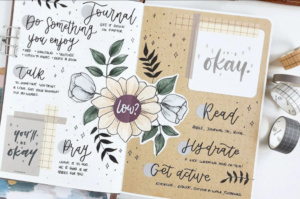
A practical, psychology-based guide for everyday emotional well-being
Introduction
Many people wait for motivation to feel better Mental Health. But mental health doesn’t improve through motivation alone—it improves through daily habits. Small, consistent actions shape how our brain responds to stress, emotions, and challenges.
Research in psychology shows that our brain thrives on routine and predictability. When daily habits support emotional regulation, mental clarity, and physical well-being, mental health becomes more stable and resilient over time.
This article explains how to build simple, realistic daily habits that support mental health—without overwhelming your schedule or relying on willpower alone.
Understanding Mental Health as a Daily Practice
Mental health isn’t merely dodging disorders like depression or anxiety—it’s thriving amid life’s chaos. The World Health Organization nails it: a state of well-being where we realize potential, cope with stresses, work productively, and contribute to communities. Think dynamic equilibrium, not static “normal.”
Core pillars include:
- Emotional Balance: Riding joy’s highs and grief’s lows without capsizing—regulating moods via mindfulness, not suppression.
- Stress Tolerance: Bouncing back from Kolkata traffic jams or deadlines, building resilience like muscle.
- Self-Awareness: Spotting triggers (e.g., “I’m snappy because I’m hangry”)—Freud’s unconscious meets modern insight.
- Healthy Coping Skills: Swapping doom-scrolling for walks or journaling; progressive muscle relaxation over rumination.
- Sense of Purpose: Aligning days with values—UPSC dreams, family bonds, or creative writing sparks meaning.
Just as physical health demands daily fuel (balanced dal-chawal, evening walks, 7–8 hours sleep), mental health thrives on habits. Skip them, and cracks widen: fatigue snowballs to burnout. Prioritize, and you cultivate antifragility—emerging stronger.
Example: A 2-minute morning breath scan (inhale calm, exhale tension) rivals gym reps for anxiety armor. In my counseling practice, clients who ritualize these see anxiety drop 30% in weeks.
Mental health: Your daily yoga, not a crisis pitstop. Start small, sustain big.
Why Habits Trump Occasional Self-Care: The Power of Automatic Wins
That annual Goa getaway or rare spa splurge? Blissful recharge, sure—but fleeting fog-lifter, like a sugar rush before the crash. True mental armor? Daily habits. They outshine sporadic indulgences by forging lasting neural highways.
Here’s why habits reign:
- Rewire the Brain via Neuroplasticity: Repetition strengthens synapses—James Clear’s Atomic Habits echoes Hebb’s rule: “Neurons that fire together, wire together.” A 5-minute journal becomes autopilot insight.
- Reduce Emotional Reactivity: Consistent breathing or walks dial down amygdala hijacks, shrinking stress responses over time (studies show 20% cortisol drop in 8 weeks).
- Build Control and Safety: Rituals signal “I’ve got this”—crucial in unpredictable lives, fostering locus of control per Bandura.
- Prevent Burnout Overload: Proactive drips avert dams breaking; habits as preventive maintenance, sidestepping emotional tsunamis.
The magic? Automaticity. Early effort fades—psychologist Phillippa Lally’s research: 66 days average to habit-lock (faster for simple ones). Less willpower drain means sustainability.
Example: Swap reactive chai binges for post-lunch mindful sips—Kolkata commuters report calmer commutes. In sessions, habit-stacking (pair gratitude with brushing) turns clients’ “no time” into transformed moods.
Occasional spa? Nice appetizer. Habits? Your mental health feast—eaten daily.
12 Daily Habits to Nurture Your Mental Health (Start Small, Stay Consistent)
Overhauling life overnight? Recipe for flop. Science backs micro-habits: Duhigg’s Power of Habit shows tiny cues snowball into transformation. Pick one to start—consistency beats perfection.
1. Start with One Small Habit (Not a Full Routine)
Ditching “total overhaul” avoids burnout.
“Meditate, gym, journal—everything!”
“Just 5 minutes breathing daily.”
Examples: Mood-sentence jot; 10-minute park stroll. Intensity fades; repetition rewires (21–66 days per Lally study).
2. Morning Habits That Set the Emotional Tone
a) Begin Without Rushing
Panic wake-ups spike cortisol 50% (per sleep research). Hack: Snooze 10 minutes early, sit still, deep breaths—tells vagus nerve “safe mode engaged.”
b) Ditch the Phone First Thing
Doom-scrolling hijacks dopamine. Instead: Stretch arms skyward, sip warm water, breathe. Your prefrontal cortex thanks you with clearer focus.
3. Emotional Awareness: Your 2-Minute Check-In
Suppression brews storms—naming emotions slashes intensity 30% (Lieberman study). Pause: “Feeling? Trigger? Need?” Example: “Irked by traffic? Need a walk.” Prevents buildup, boosts EQ.
4. Movement as Mental Medicine
No gym grind needed—motion floods endorphins, cuts anxiety 25% (Ratey’s Spark).
Habits: Brisk Howrah Bridge walk; desk stretches; 10-minute yoga flow. Kolkata humidity? Indoor jumping jacks work wonders.
5. Journaling: Process Without the Mess
Externalize thoughts to declutter—reduces rumination 20% (Pennebaker research). No essays:
- “Felt overwhelmed because deadline; grateful for chai break.”
- Stress vent + one win. Builds clarity, self-compassion.
6. Building Healthy Thought Habits
Cognitive distortions fuel 80% of anxiety (Beck). Reframe:
“I’m a total failure.”
“This setback hurts; I’ve bounced back before.” Balanced realism, not Pollyanna—CBT gold.
7. Daily Digital Boundaries for Mental Peace
Screens overstimulate, fragment attention (average 47 switches/hour). Rules: Phone-off meals; 1-hour pre-bed blackout; news cap at 15 minutes. Reclaim silence—brain reset achieved.
8. Sleep: Mental Health’s Unsung Hero
Poor Z’s doubles depression risk (Harvard). Mood crashes, impulsivity soars. Stack: 10–6 AM rhythm; blue-light ban 30 minutes prior; evening tulsi tea. Non-negotiable foundation.
9. Social Connection: Micro-Doses Matter
Loneliness rivals smoking for health toll (Holt-Lunstad). No marathons: WhatsApp “How’s day?” to a friend; dinner-table presence sans phone. Oxytocin surges, isolation fades.
10. Self-Compassion: Be Your Own Ally
Self-critics burn out faster (Neff research). Daily: “Rough day—kind words only.” Embrace “good enough.” Cuts shame, amps resilience—therapy’s secret sauce.
11. When Habits Slip: Grace Over Guilt
Missed a day? Normal—progress zigzags (Prochaska’s stages). Restart kindly: “One breath now.” Flexibility sustains; rigidity quits.
12. When Habits Aren’t Enough: Seek Pros
Daily care complements, doesn’t cure. Red flags: Endless sadness, panic spikes, numbness, trauma echoes, hopelessness whispers. Hotline (e.g., India’s Vandrevala 9999666555) or counselor? Strength move. You’re worth it.
Quick Start: Pick #3 (check-in)—do it now. Track one week. Mental health: Your daily art, not accident.
How to Craft Your Personal Mental Health Habit Plan: A 5-Step Blueprint for Lasting Change
Sustainability beats intensity every time. Use this science-backed blueprint—drawn from habit experts like James Clear and BJ Fogg—to engineer one transformative micro-habit. No overwhelm; just elegant integration into your day.
Step 1: Choose One Habit Wisely
Zero in on a single practice from our 12-point list that targets your biggest pain point. Overthinker? Start with emotional check-ins. Sleep-starved? Morning breathwork.
Why one? Research shows willpower depletes like a phone battery—multitasking drains it 80% faster (Bahsi’s ego depletion). Match it to your life: UPSC prepper? Journal post-study. Parent? Stretch with kids.
Step 2: Anchor to an Existing Routine (The Magic of Habit Stacking)
Link your new habit to a rock-solid daily anchor—no need to carve fresh time. This “stacking” leverages neural pathways you’re already using.
Examples:
- After morning chai ritual: Pause for a 2-minute mood scan (“How do I feel? What do I need?”).
- Post-teeth brushing: Five slow belly breaths to set a calm tone.
- Before dinner: 10-minute balcony walk, soaking Kolkata’s evening breeze.
Charles Duhigg explains: Cue (chai) + routine (scan) + reward (clarity) forges unbreakable links.
Step 3: Shrink It Micro (Make Resistance Impossible)
Cap at 2–5 minutes max. BJ Fogg’s Tiny Habits mantra: “Scale so small it’s laughable.” This triggers instant wins, flooding dopamine.
A few starters:
- Instead of 30-minute yoga, do one sunshine salutation.
- Skip full journaling for one gratitude sentence.
- Trade gym for kitchen stretches while cooking.
During monsoon waits, practice seated twists—no mat needed.
Step 4: Commit to Daily Practice (Embrace the Non-Zero Rule)
Every day, no exceptions—but flex for life. Slip? Drop to 30 seconds (one breath). Streaks build momentum; apps like Streaks or Habitica turn it playful.
Neuro fact: Daily firing strengthens myelin sheaths, making actions automatic in 18–254 days (average 66, per Lally).
Step 5: Weekly Review and Celebrate (The Feedback Loop)
Every Sunday evening: Reflect honestly—”What worked? Mood shifts? Barriers?” Tweak ruthlessly, then celebrate: Herbal tea toast to your streak.
Sample Weekly Tracker
Pro Tip for Sustainability: Pair with cultural anchors—link gratitude to evening aarti lamp-lighting for effortless spirituality. In 30 days, that one habit ripples: calmer reactions, sharper focus, deeper joy.
Your Action Now: Name your habit + anchor. Start tonight. You’ve got the blueprint—build your mental fortress, one breath at a time.
Final Thoughts: The Gentle Power of Daily Mental Care
Transformed mental wellness doesn’t crash-land like a Diwali firework—brilliant but brief. It blooms quietly, petal by petal, through small, deliberate daily choices that compound over time.
You don’t need Instagram-perfect routines or superhuman discipline. What matters is showing up—imperfectly, patiently—with consistency as your compass and self-compassion as your fuel. Miss a day? No self-flagellation; just restart with kindness. Research confirms: Self-forgiving “habit dippers” stick 2x longer than perfectionists (Fogg Institute).
One breath today becomes calmer tomorrows. One journal line unravels weeks of overthinking. These aren’t chores—they’re investments in the most vital relationship: you with your mind.
Honking traffic, family pulls, ambition fires—your mental garden needs tending. Neglect it, weeds overrun. Nurture daily, and it flourishes: resilient roots, vibrant blooms.
Your Gentle Challenge: Pick one habit tonight. Tomorrow morning, begin. In a month, you’ll glimpse the shift. Six months? A steadier you.
Your mind isn’t just along for the ride—it deserves the driver’s seat, cared for every single day. You’ve read this far; now claim it. Start small. Stay kind. Thrive.
Need support? Reach out—counseling’s your next brave step.
Frequently Asked Questions (FAQ): Building Daily Habits for Better Mental Health
1. What are daily mental health habits?
Daily mental health habits are small, consistent actions that support emotional balance, stress management, and psychological well-being. Examples include mindful breathing, journaling, regular sleep routines, physical movement, and emotional check-ins.
2. How long does it take for mental health habits to work?
Most people begin to notice small improvements within 2–3 weeks of consistency. Lasting mental health benefits usually develop over 6–8 weeks, as the brain adapts to new routines through repetition.
3. How many habits should I start with?
Start with one habit only. Trying to build multiple habits at once often leads to overwhelm and inconsistency. Once one habit feels natural, you can slowly add another.
4. What is the easiest daily habit for better mental health?
One of the easiest and most effective habits is 2–5 minutes of slow, deep breathing. It calms the nervous system, reduces anxiety, and improves emotional regulation almost immediately.
5. Can daily habits really improve anxiety and stress?
Yes. Daily habits reduce anxiety by:
- Regulating the nervous system
- Lowering stress hormones
- Creating predictability and emotional safety
Habits like movement, sleep routines, and thought awareness significantly reduce chronic stress.
6. What if I miss a day? Does that mean I failed?
No. Missing a day is normal. Mental health habits are about progress, not perfection. The key is returning to the habit without self-criticism.
7. How does journaling help mental health?
Journaling helps by:
- Processing emotions safely
- Reducing overthinking
- Increasing self-awareness
- Improving emotional clarity
Even writing for 2–3 minutes daily can be beneficial.
8. Is physical exercise necessary for mental health?
Exercise helps, but it doesn’t have to be intense. Simple activities like walking, stretching, or yoga support mental health by releasing mood-regulating chemicals in the brain.
9. How important is sleep for mental health habits?
Sleep is foundational. Poor sleep increases anxiety, irritability, and emotional instability. A consistent sleep routine is one of the most powerful daily habits for mental health improvement.
10. Can digital habits affect mental health?
Yes. Excessive screen time overstimulates the brain and increases stress. Healthy digital habits—like limiting social media or screen-free time before bed—support emotional calm and focus.
11. How can I build habits if I feel unmotivated or depressed?
When motivation is low:
- Keep habits very small
- Focus on consistency, not energy
- Attach habits to existing routines
Action often comes before motivation, not after.
12. Are daily habits enough for serious mental health issues?
Daily habits are supportive but not a replacement for professional care. If symptoms are persistent or severe, therapy or counseling is strongly recommended.
13. How can self-compassion improve mental health habits?
Self-compassion reduces shame and pressure, making habits easier to maintain. Being kind to yourself increases emotional resilience and long-term consistency.
14. Can children or teenagers also build mental health habits?
Yes. Simple habits like emotional check-ins, structured routines, and mindful breaks are highly beneficial for children and adolescents when practiced consistently.
15. What is the biggest mistake people make when building mental health habits?
The biggest mistake is trying to change everything at once. Sustainable mental health improvement comes from small, realistic, daily actions.
16. When should I seek professional help instead of relying on habits?
Seek professional help if you experience:
- Persistent sadness or anxiety
- Panic attacks
- Emotional numbness
- Trauma-related symptoms
- Thoughts of self-harm or hopelessness
Reaching out is a sign of strength.
17. How do I create my own mental health habit plan?
Start with:
- One habit
- One fixed time
- One clear goal
- Gentle consistency
Mental health improves through patience and practice.
Reference
-
World Health Organization. (2022). Mental health promotion and prevention.
https://www.who.int/teams/mental-health-and-substance-use -
American Psychological Association. (2023). Behavioral health and well-being.
https://www.apa.org/topics/behavioral-health -
National Institute of Mental Health. (2023). Men’s mental health and emotional well-being.
https://www.nimh.nih.gov/health/topics/men-and-mental-health -
Centers for Disease Control and Prevention. (2023). Coping with stress.
https://www.cdc.gov/mentalhealth/stress-coping/ -
Harvard Health Publishing. (2023). How to build healthy habits.
https://www.health.harvard.edu/healthbeat/how-to-make-a-new-healthy-habit-stick - How to Support a Man Who Is Struggling Mentally
Disclaimer
This article is for educational purposes only and is not a substitute for professional mental health diagnosis or treatment.
Pingback: How to Handle Work Stress Without Burning Out
Pingback: Common Mental Health Challenges in Men & How to Address Them
Pingback: Top 7 Tools Men Can Use to Track Their Mental Wellness