

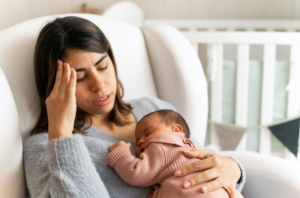
Introduction: “But Everything Went Fine—So Why Do I Feel This Way?”
One of the most common and painful questions new mothers ask themselves is:
“My delivery was normal. My baby is healthy. So why don’t I feel okay?”
In many families and even medical settings, postpartum depression is often linked only to complicated pregnancies, traumatic births, or medical emergencies. When a woman experiences emotional distress after a “normal” delivery, her feelings are frequently dismissed—by others and by herself.
Statements like:
-
“At least your delivery was smooth.”
-
“You should be grateful.”
-
“Nothing bad happened, so why are you sad?”
can deepen shame and silence.
The truth is this: postpartum depression does not require a traumatic delivery. A medically normal birth does not guarantee emotional or psychological well-being. Postpartum depression is shaped by biology, psychology, relationships, identity shifts, and nervous system changes—many of which are invisible.
This article explores why postpartum depression can occur even after a normal delivery, breaking myths, explaining the science, and validating the emotional reality of new mothers.
Understanding Postpartum Depression Beyond Birth Complications
What Is Postpartum Depression?
Postpartum depression (PPD) is a mood disorder that can develop any time within the first year after childbirth. It affects how a mother thinks, feels, behaves, and connects—with herself, her baby, and others.
PPD is not:
-
A failure of gratitude
-
A sign of weak motherhood
-
Always linked to birth trauma
It is a multifactorial condition, meaning many factors interact to create vulnerability.
The Myth of “Normal Delivery = Emotional Safety”
Medical professionals often define a normal delivery as:
-
No surgical intervention
-
No life-threatening complications
-
Healthy mother and baby
But mental health does not follow medical definitions.
A delivery can be medically smooth while emotionally overwhelming, psychologically destabilizing, and neurologically exhausting.
The body may heal faster than the mind.
1. Sudden Hormonal Crash After Childbirth
One of the most powerful contributors to postpartum depression—regardless of delivery type—is hormonal withdrawal.
What Happens to Hormones After Birth?
Within 24–48 hours after delivery:
-
Estrogen levels drop sharply
-
Progesterone plummets
-
Oxytocin fluctuates
-
Cortisol regulation changes
This hormonal shift is more dramatic than most emotional events in life.
Why This Matters
Hormones regulate:
-
Mood
-
Sleep
-
Emotional regulation
-
Stress response
Even after a “normal” delivery, this sudden biochemical shift can trigger:
-
Low mood
-
Irritability
-
Emotional numbness
-
Anxiety
This is not psychological weakness—it is neurobiology.

2. Nervous System Overload, Not Trauma
Postpartum depression does not always arise from trauma. Sometimes, it emerges from chronic nervous system overload.
The Mother’s Nervous System After Birth
After delivery, a mother’s nervous system is constantly activated by:
-
Sleep deprivation
-
Infant crying
-
Physical recovery
-
Responsibility overload
-
Sensory overstimulation
Even without trauma, the system may remain stuck in:
-
Fight-or-flight (anxiety, irritability)
-
Freeze/shutdown (numbness, detachment)
This dysregulation can evolve into depression.
3. Emotional Shock of Identity Loss
One of the least discussed reasons postpartum depression occurs after normal delivery is identity disruption.
What Changes Emotionally After Birth?
A woman may experience:
-
Loss of personal freedom
-
Loss of professional identity
-
Loss of routine
-
Loss of previous body image
-
Loss of emotional predictability
Motherhood is an identity transition, not just a role addition.
Even when the baby is wanted and loved, grief for the old self can coexist—and that grief is rarely acknowledged.
Unprocessed identity grief often presents as depression.
4. Unrealistic Expectations About Motherhood
Many women enter motherhood with idealized expectations shaped by:
-
Social media
-
Family narratives
-
Cultural glorification of sacrifice
When reality does not match expectations, emotional distress follows.
Common Expectation Gaps
| Expectation | Reality |
|---|---|
| Instant bonding | Gradual attachment |
| Constant happiness | Mixed emotions |
| Natural confidence | Self-doubt |
| Maternal instinct | Learned caregiving |
The gap between expectation and reality creates:
-
Shame
-
Self-blame
-
Feelings of failure
These cognitive patterns are central to postpartum depression.
5. Emotional Invalidations After a Normal Delivery
Ironically, women who have normal deliveries often receive less emotional support.
Comments like:
-
“Others had it worse.”
-
“Why complain?”
-
“Everything went fine.”
invalidate emotional pain.
When feelings are dismissed repeatedly, women learn to:
-
Suppress emotions
-
Minimize distress
-
Internalize guilt
Chronic emotional invalidation is a strong predictor of depression.
6. Attachment Anxiety and Bonding Pressure
Many mothers feel pressure to:
-
Love instantly
-
Bond deeply
-
Feel maternal joy immediately
When bonding feels slow or complicated, fear emerges:
-
“What if something is wrong with me?”
-
“What if I’m not a good mother?”
This anxiety, combined with guilt, often develops into postpartum depression—even without delivery complications.
7. Sleep Deprivation Alters Brain Chemistry
Sleep loss is not just exhaustion—it is a mental health risk factor.
Why Sleep Loss Matters
Chronic sleep deprivation:
-
Reduces serotonin
-
Increases cortisol
-
Impairs emotional regulation
-
Weakens stress tolerance
Even after a normal delivery, disrupted sleep alone can trigger depressive symptoms.
Sleep deprivation is one of the most underestimated causes of postpartum depression.
8. Relationship Changes After Childbirth
After birth, relationships change rapidly:
-
Partner dynamics shift
-
Emotional support may decrease
-
Communication gaps widen
Even supportive partners may struggle to understand maternal emotional needs.
Feeling emotionally alone—even while surrounded by people—is a common pathway to postpartum depression.
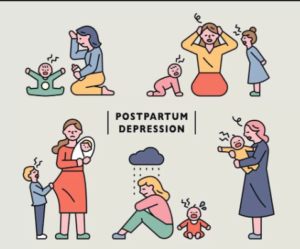
9. Cultural Pressure to Be “Strong”
In many cultures, especially in India, mothers are expected to:
-
Adjust silently
-
Endure discomfort
-
Prioritize everyone else
Mental health struggles are often labeled as:
-
Drama
-
Weakness
-
Overthinking
This pressure forces women to suppress distress until it becomes overwhelming.
10. Past Mental Health History Resurfacing
Postpartum is a vulnerable period where unresolved issues may resurface, including:
-
Previous depression
-
Anxiety disorders
-
Childhood emotional neglect
-
Trauma history
A normal delivery does not erase psychological history.
The postpartum phase lowers emotional defenses, allowing buried pain to emerge.
Postpartum Depression Is Not About the Delivery Alone
Postpartum depression is influenced by:
-
Biology (hormones, sleep)
-
Psychology (thought patterns, identity)
-
Relationships (support, validation)
-
Culture (expectations, stigma)
-
Nervous system regulation
Delivery type is only one small piece of a much larger puzzle.
Signs Mothers Miss After Normal Delivery
Because they believe they “should be fine,” mothers may ignore:
-
Emotional numbness
-
Irritability
-
Constant guilt
-
Anxiety
-
Feeling disconnected
-
Thoughts of escape
Delayed recognition delays healing.
Why Guilt Makes Postpartum Depression Worse
Guilt often sounds like:
-
“Others have it harder.”
-
“I shouldn’t feel this way.”
-
“I’m being ungrateful.”
This guilt:
-
Blocks help-seeking
-
Increases self-criticism
-
Deepens depression
Guilt does not protect gratitude—it destroys emotional safety.
How Postpartum Depression Affects the Baby (Indirectly)
Depression affects:
-
Emotional availability
-
Responsiveness
-
Consistency
This does not mean the mother damages the child. With support, outcomes improve significantly.
Healing the mother supports the baby.
What Helps Mothers Recover
1. Therapy
-
CBT for negative thought patterns
-
IPT for role and relationship changes
-
Trauma-informed counseling
2. Emotional Validation
-
Being heard without judgment
-
Normalizing mixed emotions
3. Practical Support
-
Sleep opportunities
-
Shared caregiving
-
Reduced expectations
4. Medical Support (When Needed)
-
Medication under psychiatric care
When to Seek Immediate Help
Seek urgent support if there are:
-
Thoughts of self-harm
-
Thoughts of harming the baby
-
Severe emotional distress
-
Complete emotional numbness
Help is protection—not failure.
Breaking the Myth: Normal Delivery Does Not Mean Normal Emotions
A healthy birth outcome does not guarantee emotional well-being.
Postpartum depression after a normal delivery is:
-
Common
-
Valid
-
Treatable
You do not need a “reason” to deserve support.
Conclusion: Your Feelings Are Real, Even If Your Delivery Was Normal
Postpartum depression does not ask whether your delivery was easy or difficult.
It responds to:
-
Hormonal shifts
-
Emotional overload
-
Identity loss
-
Nervous system exhaustion
If you are struggling after a normal delivery, your pain is real—and help is available.
Motherhood does not require silent suffering.
Reference
-
World Health Organization (WHO) – Maternal Mental Health
https://www.who.int/teams/mental-health-and-substance-use/promotion-prevention/maternal-mental-health -
American Psychological Association (APA) – Postpartum Depression
https://www.apa.org/monitor/2019/02/postpartum-depression -
NHS – Postnatal Depression Overview
https://www.nhs.uk/mental-health/conditions/post-natal-depression/overview/ -
CDC – Depression During and After Pregnancy
https://www.cdc.gov/reproductivehealth/depression/index.htm -
Postpartum Support International (PSI)
https://www.postpartum.net/ - Impact of Toxic Parenting on a Child’s Brain Development
- Postpartum Depression: Signs New Mothers Often Ignore