


Introduction: A Paradox of Connection
In 2025, we live in the most connected era in human history. We can message anyone instantly, join global communities, attend virtual meetings, and share our lives in real time. Yet paradoxically, loneliness has reached epidemic levels. Millions of people report feeling emotionally isolated, unseen, and disconnected—even while surrounded by people or active online.
Loneliness today is not merely about being alone. It is about feeling alone, misunderstood, or emotionally unsupported. This quiet epidemic affects mental health, physical health, productivity, relationships, and overall quality of life.
The World Health Organization and multiple public health bodies now recognize loneliness as a serious public health concern, comparable in impact to smoking, obesity, and chronic stress. In 2025, loneliness is no longer confined to the elderly—it affects teenagers, working professionals, parents, couples, and even those with large social networks.
This article explores why loneliness has intensified in 2025, the psychological and societal factors driving it, how technology both connects and isolates us, and what individuals and communities can do to heal this growing crisis.
What Is Loneliness, Really?
Loneliness is not the same as solitude.
-
Solitude is being alone by choice and often feels restorative.
-
Loneliness is the distressing experience of feeling emotionally disconnected, even when not physically alone.
Psychologically, loneliness arises when there is a gap between desired connection and actual connection.
A person can:
-
Be married and feel lonely
-
Have many friends and feel lonely
-
Live with family and feel lonely
-
Be constantly online and still feel lonely
Loneliness is subjective—but its effects are very real.
Why Loneliness Has Become an Epidemic in 2025
1. Digital Connection Without Emotional Intimacy
Technology has transformed how we interact—but not always how we connect.
In 2025:
-
Conversations are shorter
-
Emojis replace emotional nuance
-
Scrolling replaces listening
-
Validation comes from likes, not presence
While digital platforms provide connection, they often lack:
-
Emotional depth
-
Physical cues (touch, tone, eye contact)
-
Vulnerability
-
Attunement
As a result, many people experience social saturation but emotional starvation.
2. The Rise of Performative Living
Social media encourages people to:
-
Curate ideal versions of their lives
-
Hide struggles
-
Appear happy, productive, successful
This creates:
-
Constant comparison
-
Fear of vulnerability
-
Shame around struggles
-
Feeling “behind” in life
When everyone looks happy online, people internalize loneliness as a personal failure rather than a shared human experience.

3. Post-Pandemic Social Shifts That Never Fully Recovered
The COVID-19 pandemic permanently altered social behavior.
Even years later:
-
Many people prefer isolation
-
Social anxiety has increased
-
Trust in others has declined
-
Social skills feel rusty
-
Community spaces never fully reopened
For many, the nervous system learned that isolation equals safety—and has struggled to relearn connection.
4. Work Culture, Hustle, and Emotional Exhaustion
In 2025, work has become:
-
More remote
-
More demanding
-
More performance-driven
-
More isolating
Remote work reduced:
-
Casual conversations
-
Workplace friendships
-
Shared emotional experiences
At the same time, hustle culture glorifies:
-
Productivity over people
-
Independence over interdependence
-
Self-reliance over support
Many adults are emotionally exhausted—with little energy left for connection.
5. The Decline of Community and Shared Spaces
Traditional community structures have weakened:
-
Fewer neighborhood interactions
-
Decline of religious and cultural gatherings
-
Less time for extended family
-
Fewer shared rituals
People now live parallel lives—close in proximity, distant in connection.
Humans evolved in tribes. The loss of community leaves a deep psychological void.
6. Dating Culture, Situationships, and Relationship Burnout
Modern dating in 2025 is marked by:
-
Endless options
-
Fear of commitment
-
Ghosting and breadcrumbing
-
Situationships without emotional security
Many people experience:
-
Romantic loneliness
-
Emotional unavailability
-
Attachment wounds
-
Repeated rejection
Even those in relationships may feel lonely due to emotional disconnection, unresolved conflicts, or lack of intimacy.
7. Emotional Invalidation and the “Strong Alone” Narrative
Society often promotes messages like:
-
“Don’t need anyone”
-
“Heal alone”
-
“Be independent”
-
“Don’t burden others”
While independence is valuable, humans are wired for connection.
Suppressing the need for support leads to:
-
Emotional isolation
-
Shame around vulnerability
-
Disconnection from self and others
Loneliness grows where emotional needs are denied.
The Psychology of Loneliness
Loneliness is not just an emotion—it is a neurobiological and psychological state.
How Loneliness Affects the Brain
Chronic loneliness:
-
Activates threat responses
-
Increases cortisol (stress hormone)
-
Heightens sensitivity to rejection
-
Impairs emotional regulation
The lonely brain becomes:
-
Hyper-vigilant
-
Self-protective
-
Distrustful
-
Less open to connection
This creates a vicious cycle: loneliness → withdrawal → more loneliness.
Loneliness and Mental Health
Loneliness is strongly linked to:
-
Depression
-
Anxiety
-
Low self-esteem
-
Social anxiety
-
Trauma responses
-
Substance use
It is both a cause and consequence of mental health difficulties.
Physical Health Impact
Research shows chronic loneliness increases risk of:
-
Heart disease
-
Weakened immunity
-
Sleep disorders
-
Inflammation
-
Early mortality
Loneliness is not just painful—it is biologically harmful.

Who Is Most Affected in 2025?
1. Young Adults & Gen Z
Despite being hyper-connected online, many young adults report:
-
Deep loneliness
-
Identity confusion
-
Fear of rejection
-
Lack of meaningful friendships
Digital intimacy often replaces real intimacy—leaving emotional needs unmet.
2. Working Professionals
Long hours, remote work, and burnout lead to:
-
Social withdrawal
-
Reduced friendships
-
Emotional numbness
Success without connection feels empty.
3. Parents
Many parents feel:
-
Isolated
-
Unsupported
-
Emotionally unseen
-
Overwhelmed
Parenthood without community intensifies loneliness.
4. Older Adults
Loss of partners, retirement, health issues, and shrinking social circles contribute to profound loneliness among older adults—often overlooked.
5. People in Relationships
Loneliness within relationships is one of the most painful forms:
-
Emotional neglect
-
Poor communication
-
Feeling unheard
-
Living like roommates
Being lonely next to someone hurts more than being alone.
Why Loneliness Is Hard to Talk About
Loneliness carries stigma.
People fear being seen as:
-
Weak
-
Unlikable
-
Needy
-
Failing socially
As a result:
-
Loneliness is hidden
-
Suffering is internalized
-
People isolate further
This silence fuels the epidemic.
How Technology Both Fuels and Can Heal Loneliness
How Technology Fuels Loneliness
-
Passive scrolling
-
Comparison culture
-
Superficial interactions
-
Reduced attention spans
-
Less face-to-face contact
How Technology Can Help (When Used Intentionally)
-
Support communities
-
Therapy access
-
Psychoeducation
-
Meaningful conversations
-
Shared interests
Technology itself isn’t the enemy—how we use it matters.
Healing the Loneliness Epidemic: What Can Help?
1. Redefining Connection
Connection is not about quantity—it’s about quality.
One emotionally safe relationship is more healing than a hundred surface-level interactions.
2. Practicing Vulnerability
Loneliness decreases when people:
-
Share honestly
-
Express emotions
-
Ask for support
-
Allow themselves to be seen
Vulnerability invites connection.
3. Rebuilding Community
Small steps matter:
-
Joining groups
-
Volunteering
-
Attending local events
-
Reconnecting with old friends
Community heals what isolation breaks.
4. Strengthening Emotional Skills
Skills that reduce loneliness:
-
Emotional literacy
-
Boundary setting
-
Secure attachment behaviors
-
Communication skills
These can be learned at any age.
5. Therapy and Counseling
Therapy provides:
-
Safe emotional connection
-
Validation
-
Insight into relational patterns
-
Healing of attachment wounds
For many, therapy is the first place they feel truly heard.
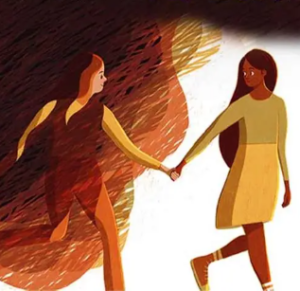
6. Reconnecting With Self
Loneliness is not only about others—it’s also about disconnection from self.
Practices like:
-
Journaling
-
Mindfulness
-
Self-compassion
-
Inner child work
help rebuild internal connection, which supports external relationships.
What Society Needs to Address
Loneliness is not just an individual problem—it is a systemic issue.
Solutions require:
-
Mental health awareness
-
Community-centered urban design
-
Work-life balance
-
Social-emotional education
-
Destigmatizing vulnerability
A connected society is a healthier society.
Conclusion: You Are Not Alone in Feeling Alone
The loneliness epidemic of 2025 is not a personal failure—it is a reflection of how modern life has drifted away from our deepest human needs.
If you feel lonely:
-
You are not broken
-
You are not weak
-
You are responding normally to an isolating world
Healing begins with naming loneliness, seeking connection, and allowing yourself to be human.
Loneliness is not a sign that something is wrong with you—it is a sign that you are wired for connection.
And connection, even after long isolation, can always be rebuilt.
Reference
-
WHO – Mental Health & Social Well-Being
👉 https://www.who.int/teams/mental-health-and-substance-use
Anchor: mental health and social well-being -
Harvard Study of Adult Development
👉 https://www.adultdevelopmentstudy.org
Anchor: importance of relationships -
CDC – Social Isolation & Loneliness
👉 https://www.cdc.gov/aging/publications/features/lonely-older-adults.html
Anchor: social isolation and health -
APA – Loneliness and Mental Health
👉 https://www.apa.org/monitor/nov01/loneliness
Anchor: psychology of loneliness -
Self-Help & Emotional Well-Being: A Complete Guide to a Healthier Mind
- Contact Us