

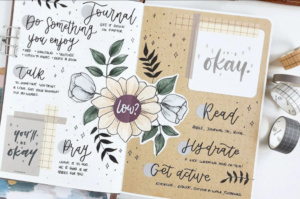
A practical, psychology-based guide for everyday emotional well-being
Written by Baishakhi Das
Qualifications: B.Sc, M.Sc, P.G. Diploma in Counseling
Role: Counselor / Mental Health Practitioner
Introduction: Why Daily Habits Matter More Than Motivation
Many people wait for motivation to feel better mentally. But mental health doesn’t improve through motivation alone—it improves through daily habits. Small, consistent actions shape how our brain responds to stress, emotions, and challenges.
Research in psychology shows that our brain thrives on routine and predictability. When daily habits support emotional regulation, mental clarity, and physical well-being, mental health becomes more stable and resilient over time.
This article explains how to build simple, realistic daily habits that support mental health—without overwhelming your schedule or relying on willpower alone.
Understanding Mental Health as a Daily Practice
Mental health is not just the absence of mental illness. It includes:
-
Emotional balance
-
Stress tolerance
-
Self-awareness
-
Healthy coping skills
-
Sense of purpose
Just like physical health requires daily care (eating, moving, sleeping), mental health also requires daily maintenance.
Why Habits Are More Effective Than Occasional Self-Care
Occasional self-care (like a holiday or spa day) can feel good temporarily, but habits:
-
Rewire the brain through repetition
-
Reduce emotional reactivity
-
Create a sense of control and safety
-
Prevent burnout and emotional overload
Habits work because they become automatic, requiring less mental effort over time.
1. Start with One Small Habit (Not a Full Routine)
A common mistake is trying to change everything at once.
Instead of:
❌ “I will meditate, exercise, journal, eat clean, and sleep early every day”
Try:
✅ “I will practice one small habit daily”
Examples:
-
5 minutes of deep breathing
-
Writing one sentence about your mood
-
A 10-minute walk
Consistency matters more than intensity.
2. Morning Habits That Set the Emotional Tone
a) Begin the Day Without Rushing
Waking up in panic or rushing increases cortisol (stress hormone).
Healthy alternatives:
-
Wake up 10 minutes earlier
-
Sit quietly for a few moments
-
Take slow, deep breaths
This signals safety to your nervous system.
b) Avoid Phone Use Immediately After Waking
Checking messages or social media instantly puts your brain in reactive mode.
Instead:
-
Stretch
-
Drink water
-
Practice mindful breathing
Your brain deserves a calm start.
3. Emotional Awareness as a Daily Habit
Many people struggle mentally because they ignore or suppress emotions.
Simple Emotional Check-In (2 minutes)
Ask yourself:
-
-
How am I feeling at this moment?
-
What happened that affected my mood?
-
What do I need right now?
-
Naming emotions reduces their intensity and prevents emotional buildup.
4. Movement as Mental Medicine
You don’t need intense workouts to support mental health.
Why movement helps:
-
Releases endorphins
-
Reduces anxiety and depression
-
Improves sleep and focus
Simple daily movement habits:
-
Walking
-
Stretching
-
Yoga
-
Light home exercises
Even 10–15 minutes daily can significantly improve mood.
5. Journaling: A Powerful Daily Mental Health Tool

Journaling helps process emotions safely.
You don’t need to write pages. Try:
-
“Today I felt ___ because ___.”
-
“One thing that stressed me today was ___.”
-
“One thing I’m grateful for is ___.”
This practice:
-
Reduces overthinking
-
Improves emotional clarity
-
Strengthens self-awareness
6. Building Healthy Thought Habits
Mental health is strongly influenced by thinking patterns.
Replace:
❌ “I’m failing at everything”
With:
✅ “I’m struggling right now, and that’s human”
This is not toxic positivity—it’s balanced thinking, a core principle of cognitive psychology.
7. Daily Digital Boundaries for Mental Peace
Excessive screen time overstimulates the brain.
Healthy digital habits:
-
No phone during meals
-
One screen-free hour before bed
-
Limiting negative news consumption
Mental silence is restorative.
8. Sleep: The Foundation of Mental Health
Sleep affects:
-
Mood regulation
-
Anxiety levels
-
Emotional control
-
Cognitive functioning
Simple sleep-supporting habits:
-
Fixed sleep and wake time
-
No screens 30 minutes before bed
-
Dim lighting at night
Good sleep is not optional—it’s essential mental care.
9. Social Connection as a Daily Habit
Mental health improves through safe human connection.
This doesn’t require long conversations:
-
A short check-in with a friend
-
A meaningful message
-
Sitting with family without distractions
Connection regulates the nervous system and reduces loneliness.
10. Self-Compassion: The Most Important Habit
Many people are kind to others but harsh toward themselves.
Practice daily self-compassion:
-
Speak to yourself kindly
-
Accept imperfections
-
Allow rest without guilt
Self-compassion reduces anxiety, shame, and emotional exhaustion.
11. When Habits Feel Hard: Be Gentle, Not Critical
Missing a habit does NOT mean failure.
Mental health habits are:
-
Flexible
-
Adaptable
-
Human
Progress is not linear.
12. When Daily Habits Are Not Enough
Habits support mental health, but they don’t replace professional care.
Seek professional help if you experience:
-
Persistent sadness
-
Panic attacks
-
Emotional numbness
-
Trauma symptoms
-
Thoughts of hopelessness
Reaching out is a sign of strength and self-awareness.
How to Create Your Personal Mental Health Habit Plan
-
Choose one habit
-
Attach it to an existing routine
-
Keep it short
-
Practice daily
-
Review weekly
Sustainable habits create lasting mental wellness.
Final Thoughts
Better mental health is not built in one day.
It is built through small, daily choices.
You don’t need perfection.
You need patience, consistency, and compassion toward yourself.
Your mind deserves care—every single day.
📌 Disclaimer
This article is for educational purposes only and is not a substitute for professional mental health diagnosis or treatment.
Frequently Asked Questions (FAQ): Building Daily Habits for Better Mental Health
1. What are daily mental health habits?
Daily mental health habits are small, consistent actions that support emotional balance, stress management, and psychological well-being. Examples include mindful breathing, journaling, regular sleep routines, physical movement, and emotional check-ins.
2. How long does it take for mental health habits to work?
Most people begin to notice small improvements within 2–3 weeks of consistency. Lasting mental health benefits usually develop over 6–8 weeks, as the brain adapts to new routines through repetition.
3. How many habits should I start with?
Start with one habit only. Trying to build multiple habits at once often leads to overwhelm and inconsistency. Once one habit feels natural, you can slowly add another.
4. What is the easiest daily habit for better mental health?
One of the easiest and most effective habits is 2–5 minutes of slow, deep breathing. It calms the nervous system, reduces anxiety, and improves emotional regulation almost immediately.
5. Can daily habits really improve anxiety and stress?
Yes. Daily habits reduce anxiety by:
-
Regulating the nervous system
-
Lowering stress hormones
-
Creating predictability and emotional safety
Habits like movement, sleep routines, and thought awareness significantly reduce chronic stress.
6. What if I miss a day? Does that mean I failed?
No. Missing a day is normal. Mental health habits are about progress, not perfection. The key is returning to the habit without self-criticism.
7. How does journaling help mental health?
Journaling helps by:
-
Processing emotions safely
-
Reducing overthinking
-
Increasing self-awareness
-
Improving emotional clarity
Even writing for 2–3 minutes daily can be beneficial.
8. Is physical exercise necessary for mental health?
Exercise helps, but it doesn’t have to be intense. Simple activities like walking, stretching, or yoga support mental health by releasing mood-regulating chemicals in the brain.
9. How important is sleep for mental health habits?
Sleep is foundational. Poor sleep increases anxiety, irritability, and emotional instability. A consistent sleep routine is one of the most powerful daily habits for mental health improvement.
10. Can digital habits affect mental health?
Yes. Excessive screen time overstimulates the brain and increases stress. Healthy digital habits—like limiting social media or screen-free time before bed—support emotional calm and focus.
11. How can I build habits if I feel unmotivated or depressed?
When motivation is low:
-
Keep habits very small
-
Focus on consistency, not energy
-
Attach habits to existing routines
Action often comes before motivation, not after.
12. Are daily habits enough for serious mental health issues?
Daily habits are supportive but not a replacement for professional care. If symptoms are persistent or severe, therapy or counseling is strongly recommended.
13. How can self-compassion improve mental health habits?
Self-compassion reduces shame and pressure, making habits easier to maintain. Being kind to yourself increases emotional resilience and long-term consistency.
14. Can children or teenagers also build mental health habits?
Yes. Simple habits like emotional check-ins, structured routines, and mindful breaks are highly beneficial for children and adolescents when practiced consistently.
15. What is the biggest mistake people make when building mental health habits?
The biggest mistake is trying to change everything at once. Sustainable mental health improvement comes from small, realistic, daily actions.
16. When should I seek professional help instead of relying on habits?
Seek professional help if you experience:
-
Persistent sadness or anxiety
-
Panic attacks
-
Emotional numbness
-
Trauma-related symptoms
-
Thoughts of self-harm or hopelessness
Reaching out is a sign of strength.
17. How do I create my own mental health habit plan?
Start with:
-
One habit
-
One fixed time
-
One clear goal
-
Gentle consistency
Mental health improves through patience and practice.
Reference
-
World Health Organization. (2022). Mental health promotion and prevention.
https://www.who.int/teams/mental-health-and-substance-use -
American Psychological Association. (2023). Behavioral health and well-being.
https://www.apa.org/topics/behavioral-health -
National Institute of Mental Health. (2023). Men’s mental health and emotional well-being.
https://www.nimh.nih.gov/health/topics/men-and-mental-health -
Centers for Disease Control and Prevention. (2023). Coping with stress.
https://www.cdc.gov/mentalhealth/stress-coping/ -
Harvard Health Publishing. (2023). How to build healthy habits.
https://www.health.harvard.edu/healthbeat/how-to-make-a-new-healthy-habit-stick -
How to Support a Man Who Is Struggling Mentally