How to Talk to Your Partner About Men’s Mental Health

Introduction: Why This Conversation Matters More Than Ever

Talking about mental health is difficult for many couples—but when it comes to men’s mental health, the silence is often deeper and more dangerous. Across cultures, men are taught to be strong, self-reliant, and emotionally controlled. While these traits may be valued socially, they often prevent men from expressing emotional pain, stress, trauma, or vulnerability within intimate relationships.

As a result, many partners sense that something is wrong—irritability, withdrawal, overworking, emotional distance—but don’t know how to start the conversation without triggering defensiveness or shutdown.

According to the World Health Organization, men are less likely to seek mental health support yet face higher risks of suicide, substance use, and untreated psychological distress. Partners often become the first—and sometimes only—point of emotional contact.

This article is a comprehensive guide on how to talk to your partner about men’s mental health with empathy, safety, and effectiveness, without blame, pressure, or fear.

Understanding Men’s Mental Health in Relationships

Men Often Show Distress Differently

Many men do not express distress through tears or verbal sadness. Instead, mental health struggles may appear as:

  • Anger or irritability

  • Emotional numbness

  • Avoidance or silence

  • Overworking

  • Substance use

  • Reduced intimacy

These behaviors are often misunderstood as lack of care or emotional unavailability, when they are actually coping mechanisms.

Why Men Struggle to Talk About Their Mental Health

1. Masculinity Conditioning

Men are frequently taught:

  • “Don’t cry”

  • “Handle it yourself”

  • “Be strong for others”

Over time, emotional suppression becomes habitual, making emotional conversations feel unsafe or unfamiliar.

2. Fear of Judgment or Failure

Men often fear that opening up will make them appear:

  • Weak

  • Inadequate

  • Less masculine

  • A burden

This fear is especially strong in romantic relationships, where men may feel pressure to be emotionally stable providers.

3. Lack of Emotional Language

Many men were never taught how to identify or name emotions. When asked “How are you feeling?”, the honest answer may be “I don’t know.”

Why Partners Hesitate to Start the Conversation

Partners often fear:

  • Making things worse

  • Triggering anger or shutdown

  • Being blamed

  • Overstepping boundaries

Silence, however, often allows mental health struggles to deepen.

Preparing Yourself Before the Conversation

Before you talk to your partner, it’s important to regulate yourself first.

Ask Yourself:

  • Am I calm or emotionally charged?

  • Am I trying to help or to fix/control?

  • Can I listen without interrupting or correcting?

Your emotional state sets the tone.

Choose the Right Time and Environment

Avoid starting this conversation:

  • During arguments

  • When your partner is exhausted

  • In public or rushed settings

Choose:

  • A calm, private space

  • A time without distractions

  • A moment of relative emotional safety

How to Start the Conversation (What to Say)

Use Observation, Not Accusation

Instead of:
❌ “You’re always angry lately.”

Say:
✅ “I’ve noticed you’ve seemed more stressed and distant recently, and I care about you.”

Express Care, Not Concern as Criticism

Men may hear concern as judgment. Balance it with reassurance.

Example:

“I’m not trying to change you or push you. I just want to understand what you’re going through.”

Normalize Struggle

Let your partner know that stress and emotional difficulty are human, not failures.

“A lot of people struggle silently. You don’t have to handle everything alone.”

How to Listen When He Opens Up

1. Don’t Rush to Fix

Many partners instinctively offer solutions. While well-intentioned, this can shut men down.

Instead of:
❌ “You should just relax more.”

Try:
✅ “That sounds really heavy. I can see why you’d feel that way.”

2. Validate Feelings, Even If You Don’t Agree

Validation does not mean agreement—it means acknowledgment.

“I may not fully understand it, but I believe that this feels real and difficult for you.”

3. Allow Silence

Men often need time to process emotions. Silence doesn’t mean failure—it often means thinking.

What Not to Say

Avoid:

  • “Others have it worse.”

  • “Just think positive.”

  • “You’re overreacting.”

  • “Why don’t you just talk?”

These statements unintentionally minimize emotional experience.

When He Doesn’t Want to Talk

Sometimes your partner may say:

  • “I’m fine.”

  • “I don’t want to talk about it.”

Respect this boundary while keeping the door open.

Example:

“That’s okay. I’m here whenever you want to talk—now or later.”

Consistency builds trust.

Talking About Therapy Without Triggering Defensiveness

Many men associate therapy with weakness or failure.

Reframe Therapy As:

  • Skill-building

  • Stress management

  • Mental fitness

Instead of:
❌ “You need therapy.”

Try:
✅ “Would you be open to talking to someone who helps people manage stress and pressure?”

The American Psychiatric Association emphasizes that therapy is effective for everyday stress, not just severe mental illness.

Supporting Without Becoming the Therapist

Partners can support—but should not replace—professional help.

Healthy support includes:

  • Listening

  • Encouragement

  • Emotional safety

Unhealthy support includes:

  • Constant monitoring

  • Emotional rescuing

  • Self-neglect

When Mental Health Affects the Relationship

Mental health struggles may impact:

  • Communication

  • Intimacy

  • Conflict patterns

Address both compassionately:

“I know you’re struggling—and I also want us to feel connected. Can we work on this together?”

Signs That Professional Help Is Needed

Encourage professional help if you notice:

  • Persistent anger or numbness

  • Increased substance use

  • Withdrawal from daily life

  • Sleep loss

  • Hopelessness or talk of escape

According to the National Institute of Mental Health, early intervention significantly improves outcomes.

If Your Partner Has Childhood Trauma

Men with histories of emotional neglect or abuse may:

  • Struggle with trust

  • Avoid vulnerability

  • Become defensive

Patience, consistency, and trauma-informed therapy are crucial.

Cultural Factors & Men’s Mental Health

In many cultures, including South Asian contexts:

  • Men are expected to suppress emotions

  • Mental health is stigmatized

  • Seeking help is discouraged

Breaking this pattern within relationships creates generational change.

Taking Care of Yourself as a Partner

Supporting someone with mental health struggles can be emotionally taxing.

You are allowed to:

  • Set boundaries

  • Seek your own support

  • Take breaks

A healthy relationship requires two regulated nervous systems, not one rescuer.

Building a Safe Emotional Culture in the Relationship

You can foster openness by:

  • Modeling emotional expression

  • Appreciating vulnerability

  • Avoiding ridicule or dismissal

  • Celebrating emotional honesty

Safety is built over time, not in one conversation.

What Progress Actually Looks Like

Progress may be:

  • Small emotional disclosures

  • Less defensiveness

  • Willingness to consider support

  • Improved communication

Healing is not linear.

Conclusion: Love Speaks Through Safety

Talking to your partner about men’s mental health is not about forcing vulnerability—it’s about creating safety where vulnerability can emerge naturally.

The most powerful messages you can offer are:

  • “You’re not weak.”

  • “You’re not alone.”

  • “I’m here—with you.”

When men feel emotionally safe, they don’t just open up—they begin to heal.

Frequently Asked Questions (FAQ)

1. Why is it so hard for men to talk about their mental health with their partner?

Many men are raised to believe that expressing emotional pain equals weakness. Social conditioning around masculinity teaches men to suppress vulnerability, making emotional conversations feel unsafe, unfamiliar, or threatening—even with a loving partner.


2. How can I bring up my partner’s mental health without upsetting him?

Start with care, not criticism. Use observations instead of accusations and choose a calm moment. For example:
“I’ve noticed you seem more stressed lately, and I care about how you’re feeling.”
This reduces defensiveness and creates emotional safety.


3. What if my partner shuts down or says “I’m fine”?

Respect the boundary without withdrawing support. Let him know the door is open:
“That’s okay. I’m here whenever you want to talk.”
Consistency and patience often matter more than one deep conversation.


4. Should I push my partner to open up if he avoids talking?

No. Pressure can increase emotional shutdown. Men often open up gradually when they feel safe and unjudged. Gentle check-ins and emotional availability are more effective than pushing.


5. How can I listen without turning into a therapist?

Focus on listening and validating, not fixing. You don’t need solutions—presence matters more. Reflect what you hear and avoid interrupting or giving advice unless asked.


6. Is it normal if my partner shows stress as anger or withdrawal?

Yes. Men often express distress through irritability, silence, overworking, or emotional distance rather than sadness. These behaviors are common coping responses, not intentional rejection.


7. How do I suggest therapy without making him feel weak?

Reframe therapy as support or skill-building, not failure.
Instead of “You need therapy,” try:
“Would you be open to talking to someone who helps people manage stress and pressure?”
The American Psychiatric Association notes that therapy is effective for everyday stress, not only severe mental illness.


8. What if my partner refuses professional help completely?

You can’t force change—but you can:

  • Model healthy emotional behavior

  • Normalize mental health support

  • Share resources gently

  • Set boundaries if the relationship is affected

Sometimes seeing emotional safety over time reduces resistance.


9. How can mental health struggles affect intimacy and communication?

Stress, depression, or anxiety can reduce emotional and physical intimacy, increase misunderstandings, and trigger conflict. Addressing mental health compassionately often improves connection and trust.


10. When should I be seriously concerned about my partner’s mental health?

Seek professional help urgently if you notice:

  • Persistent anger or numbness

  • Heavy substance use

  • Withdrawal from daily life

  • Sleep loss for weeks

  • Expressions of hopelessness or wanting to escape

According to the National Institute of Mental Health, early intervention significantly improves recovery outcomes.


11. Can my partner’s childhood experiences affect how he handles emotions now?

Yes. Men who experienced emotional neglect, criticism, or trauma may struggle with vulnerability and trust. These patterns are protective responses, not personal failures, and often benefit from trauma-informed support.


12. How do I support my partner without neglecting my own mental health?

Supporting someone does not mean sacrificing yourself. Set emotional boundaries, seek your own support if needed, and remember that you are a partner—not a therapist.


13. What if my partner’s mental health struggles start hurting the relationship?

It’s okay to express both compassion and needs:
“I understand you’re struggling, and I also want us to work on how this affects us.”
Healthy relationships balance empathy with mutual responsibility.


14. Can talking openly about mental health actually strengthen a relationship?

Yes. Couples who communicate openly about emotional struggles often develop deeper trust, emotional safety, and resilience. Vulnerability—when met with respect—strengthens connection.


15. What is the most important thing I can offer my partner?

Emotional safety.
Knowing he won’t be judged, rushed, or dismissed makes it easier for him to open up over time.

Written by Baishakhi Das

Qualifications: B.Sc, M.Sc, PG Diploma in Counseling

Role: Counselor / Mental Health Practitioner

Reference

American Psychiatric Association. (2022). Diagnostic and Statistical Manual of Mental Disorders (5th ed., text rev.; DSM-5-TR).
American Psychiatric Publishing.
🔗 https://www.psychiatry.org/psychiatrists/practice/dsm

World Health Organization. (2022). Mental health of men and boys.
🔗 https://www.who.int/news-room/fact-sheets/detail/mental-health-of-men-and-boys

National Institute of Mental Health. (2023). Men and mental health.
🔗 https://www.nimh.nih.gov/health/topics/men-and-mental-health

Beck, J. S. (2011). Cognitive behavior therapy: Basics and beyond (2nd ed.).
Guilford Press.
🔗 https://www.guilford.com/books/Cognitive-Behavior-Therapy/Judith-S-Beck/9781609185046

Courtenay, W. H. (2000). Constructions of masculinity and their influence on men’s well-being.
Social Science & Medicine, 50(10), 1385–1401.
🔗 https://doi.org/10.1016/S0277-9536(99)00390-1

Signs of Depression in Men: What to Look For (and What to Do Next)

Why Jab We Met Is So Relatable: A Psychological Analysis of Aditya, Geet & Their Emotional Compatibility

Even years after its release, Jab We Met continues to feel deeply personal for audiences. It is quoted, revisited, and emotionally remembered not just as a romantic film, but as a mirror to our inner emotional world.
The reason for this timeless relatability lies not in grand romance — but in psychological truth.

At its core, Jab We Met is not a love story.
It is a story of two nervous systems, two attachment styles, and two wounded individuals finding emotional balance through connection.

Why Does Jab We Met Feel So Personal?

Most Bollywood romances idealize love. Jab We Met humanizes it.

People don’t relate to Aditya and Geet because they are perfect —
they relate because they are emotionally real.

  • Aditya represents emotional shutdown, burnout, and silent suffering.

  • Geet represents emotional intensity, impulsivity, and hidden insecurity.

Together, they reflect the two extremes most people oscillate between at different phases of life.

Aditya Kashyap: The Silent, Emotionally Wounded Personality

1. Psychological Profile of Aditya

Aditya begins the movie emotionally withdrawn, numb, and directionless. Psychologically, this reflects:

  • Situational depression

  • Emotional suppression

  • Learned helplessness

  • Loss of self-worth after relational rejection

He is not weak — he is emotionally exhausted.

2. Personality Traits

  • Introverted

  • Highly conscientious

  • Responsible and disciplined

  • Emotionally intelligent but emotionally closed

Aditya feels deeply but does not express pain outwardly. This inward processing is often misinterpreted as coldness, but in psychology, it reflects internalized coping.

3. Attachment Style: Secure but Temporarily Wounded

Despite his shutdown, Aditya shows signs of a secure attachment style:

  • He does not chase validation

  • He respects boundaries

  • He offers emotional safety

  • He remains stable during emotional chaos

His silence is not avoidance — it is emotional overload.

4. Aditya’s Growth Arc: Post-Traumatic Growth

Through Geet, Aditya experiences post-traumatic growth:

  • Reconnecting with joy

  • Regaining confidence

  • Rediscovering purpose

  • Reclaiming emotional expression

He does not change his personality —
he returns to himself.

Geet Dhillon: The Loud, Emotionally Intense Personality

1. Psychological Profile of Geet

Geet is expressive, impulsive, energetic, and emotionally driven. But beneath her confidence lies:

  • Fear of rejection

  • Fear of abandonment

  • Emotional dependency

  • Identity tied to relationships

Her loudness is not arrogance — it is emotional survival.

2. Personality Traits

  • Highly extroverted

  • Emotion-focused decision making

  • Expressive and spontaneous

  • Emotionally sensitive

Geet feels everything at full intensity — joy, love, excitement, and pain.

3. Attachment Style: Anxious-Preoccupied

Geet perfectly reflects the anxious attachment style:

  • Seeks reassurance

  • Fears being left

  • Loves intensely

  • Struggles with emotional regulation

Her positivity, jokes, and constant talking act as defense mechanisms to mask insecurity.

4. Emotional Collapse: When the Mask Breaks

When Geet’s relationship collapses, her entire identity collapses with it. This moment reveals a key psychological truth:

Loud people don’t feel less — they feel more.

Her breakdown shows emotional burnout, grief, and abandonment trauma surfacing once her emotional anchor disappears.

Why Aditya and Geet Work Together: Compatibility Psychology

1. Secure + Anxious Attachment Compatibility

Psychologically, their bond works because:

  • Geet’s anxious attachment finds safety in Aditya’s secure presence

  • Aditya’s emotional numbness is softened by Geet’s warmth

  • One regulates emotion; the other activates emotion

This is co-regulation, not dependence.

2. Emotional Balance, Not Emotional Rescue

Aditya does not “save” Geet.
Geet does not “fix” Aditya.

Instead:

  • Geet helps Aditya feel again

  • Aditya helps Geet feel safe

Healthy relationships don’t change personalities —
they stabilize nervous systems.

3. Anchor & Fire Dynamic

  • Aditya is the anchor — grounding, steady, calm

  • Geet is the fire — energetic, expressive, passionate

Fire without an anchor burns out.
An anchor without fire stays unmoved.

Together, they create emotional balance.

Why Modern Audiences Still Relate

In today’s world:

  • Many people feel emotionally numb like Aditya

  • Many feel emotionally overwhelmed like Geet

Jab We Met validates both experiences without judgment.

It shows:

  • You don’t need to be emotionally perfect to be loved

  • Healing happens through safety, not intensity

  • Emotional maturity is quieter than passion

The Deeper Message of Jab We Met

The film subtly teaches that:

  • Love should calm your nervous system, not confuse it

  • Emotional safety is more powerful than emotional drama

  • Compatibility is psychological, not just romantic

Conclusion: A Love Story That Heals, Not Hurts

Jab We Met remains relatable because it reflects real emotional struggles:

  • Silent suffering

  • Emotional chaos

  • Attachment wounds

  • Healing through connection

Aditya and Geet are not ideal lovers.
They are emotionally human — and that’s why they stay with us.

Sometimes love doesn’t arrive to excite you —
it arrives to regulate you.

Reference

Attachment Theory

Psychology Today – Attachment Styles
https://www.psychologytoday.com/us/basics/attachment

Verywell Mind – Anxious vs Secure Attachment
https://www.verywellmind.com/attachment-styles-2795344

Why Young Adults Are Avoiding Marriage: Psychology Insights

Introduction

Marriage was once considered a natural milestone of adulthood—something that followed education, employment, and family expectations almost automatically. However, across cultures and countries, a significant shift is occurring. Young adults today are delaying, redefining, or completely avoiding marriage.

This change is often misunderstood as selfishness, commitment issues, or moral decline. But psychology tells a much deeper story.

From attachment patterns and childhood experiences to economic stress, identity exploration, trauma, and changing social values, young adults’ hesitation toward marriage is rooted in complex psychological and societal factors.

This article explores why young adults are avoiding marriage, backed by psychological theories, research insights, and real-life behavioral patterns—without blame or judgment.

1. The Changing Meaning of Marriage

Marriage Is No Longer a Survival Structure

Historically, marriage served key survival functions:

  • Financial security

  • Social status

  • Gender-based role stability

  • Family lineage

In modern society:

  • Financial independence is possible without marriage

  • Women are economically self-reliant

  • Social acceptance of singlehood has increased

  • Emotional fulfillment is sought beyond institutions

Psychological Shift:
Marriage is no longer a need—it is seen as a choice. When a structure shifts from necessity to option, people become more selective and cautious.

2. Fear of Emotional Failure (Not Commitment)

Contrary to popular belief, many young adults do want deep emotional connection—they fear emotional breakdown more than commitment itself.

Psychological Factors:

  • Witnessing parental conflict or divorce

  • Exposure to emotionally unavailable caregivers

  • Observing unhappy marriages normalized as “adjustment”

This leads to:

  • Fear of long-term emotional entrapment

  • Avoidance of irreversible decisions

  • Hyper-vigilance toward red flags

From an attachment theory perspective, many young adults show avoidant or anxious-avoidant attachment patterns, where closeness is desired but also feared.

3. Childhood Experiences Shape Adult Relationship Beliefs

Early family environments strongly influence how marriage is perceived.

If a child grows up with:

  • Emotional neglect

  • Constant parental conflict

  • Silent marriages lacking warmth

  • Power imbalance or emotional abuse

They may unconsciously associate marriage with:

  • Loss of freedom

  • Emotional exhaustion

  • Suppression of needs

Psychological Insight:
The brain stores relational templates early. If marriage equals emotional pain in childhood memory, the adult mind resists recreating it—even subconsciously.

4. Emotional Independence vs Emotional Intimacy

Young adults today are encouraged to:

  • Heal themselves

  • Be emotionally independent

  • Avoid emotional dependency

While this promotes mental health, it also creates confusion.

The Inner Conflict:

  • “I don’t want to lose myself”

  • “I don’t want to depend on anyone”

  • “I don’t want to carry emotional responsibility”

Many equate marriage with emotional dependency, not realizing that healthy interdependence is different.

Psychologically, this results in:

  • Fear of merging identities

  • Over-protecting personal space

  • Avoidance of long-term relational roles

5. Career Pressure and Identity Formation

Young adulthood (20s–early 30s) is a critical identity-building phase.

According to Erik Erikson’s psychosocial stages, individuals first struggle with:

Identity vs Role Confusion
before they can healthily move into
Intimacy vs Isolation

Modern Challenges:

  • Career instability

  • Financial pressure

  • Comparison culture

  • Fear of “falling behind”

Marriage is often perceived as:

  • A distraction from self-growth

  • An added responsibility

  • A limitation on mobility and ambition

Many young adults delay marriage until they feel “fully established”—a state that is increasingly hard to reach.

6. Fear of Divorce and Legal Consequences

Divorce rates and public discussions around marital breakdown have created a risk-averse mindset.

Psychological Impact:

  • Catastrophic thinking (“What if it fails?”)

  • Loss aversion (fear of emotional, financial loss)

  • Over-analysis of partner compatibility

For some, avoiding marriage feels emotionally safer than risking failure.

This is not avoidance of love—it is self-protection.

7. Dating Culture & the Illusion of Endless Options

Dating apps and social media have transformed relationship dynamics.

Psychological Effects:

  • Choice overload

  • Fear of settling

  • Constant comparison

  • Shortened attention span for relationships

When the brain believes better options are always available, it delays commitment.

This creates:

  • Situationships instead of stable bonds

  • Emotional ambiguity

  • Commitment hesitation disguised as “keeping options open”

8. Trauma, Burnout, and Emotional Exhaustion

Many young adults enter adulthood already emotionally tired.

Sources include:

  • Academic pressure

  • Toxic work environments

  • Past relationship trauma

  • Emotional burnout

Marriage is subconsciously perceived as:

  • More emotional labor

  • Another role to perform

  • Another place to fail

From a trauma-informed lens, avoidance often signals overwhelm, not disinterest.

9. Changing Gender Roles and Expectations

Traditional marriage scripts are being questioned.

Conflicts Arise When:

  • Emotional labor is uneven

  • Gender roles feel restrictive

  • Independence feels threatened

Many young adults ask:

  • “Will marriage limit my autonomy?”

  • “Will I have to compromise my values?”

Psychologically, this reflects a desire for egalitarian, emotionally safe relationships—not rejection of partnership.

10. Redefining Love and Commitment

For today’s generation:

  • Commitment ≠ legal bond

  • Love ≠ lifelong sacrifice

  • Marriage ≠ ultimate validation

Many prefer:

  • Emotional safety over social approval

  • Conscious partnerships over traditional roles

  • Mental peace over obligation

This shift challenges old norms but reflects evolving emotional intelligence.

11. Is Avoiding Marriage Always Unhealthy?

No.

Avoiding marriage can be:

  • A healthy boundary

  • A result of self-awareness

  • A conscious life choice

However, unexamined avoidance rooted in fear, trauma, or attachment wounds may lead to:

  • Loneliness

  • Emotional isolation

  • Difficulty sustaining intimacy

The key question is not:

“Why aren’t you married?”
but
“What meaning does marriage hold for you emotionally?”

12. How Therapy Helps Clarify Marriage Anxiety

Counseling helps young adults:

  • Understand attachment styles

  • Heal relational trauma

  • Redefine intimacy safely

  • Separate fear from preference

Therapy does not push marriage—it supports clarity and emotional freedom.

Conclusion

Young adults are not avoiding marriage because they are irresponsible or afraid of love.

They are:

  • More emotionally aware

  • More cautious about long-term emotional cost

  • Less willing to repeat unhealthy patterns

  • More focused on mental health and autonomy

Marriage is no longer a default destination—it is a conscious choice.

Understanding the psychology behind this shift allows families, society, and professionals to respond with empathy rather than pressure.

Because the real question isn’t “Why aren’t they marrying?”
It’s “How can relationships be safer, healthier, and more emotionally fulfilling?”

Reference

Mental Health & Relationships – NIMH
👉 https://www.nimh.nih.gov/health/topics/mental-health

Teenage Anger Management: Causes, Types, and Practical Strategies for Parent

Adolescence is a phase of transformation — physically, emotionally, psychologically, socially. During these years, many teenagers experience anger more intensely than ever before. Anger itself is not a problem; it is a signal. But unmanaged anger can lead to conflict, impulsive decisions, self-harm, academic issues, aggression, and relationship breakdowns.

Teenage anger is not simply “bad behavior.” It is an expression of inner overwhelm, unmet needs, emotional confusion, and rapid brain development. When understood properly, anger can become a doorway to emotional growth and self-awareness.

This article offers a comprehensive guide for parents, teachers, and counsellors on understanding and supporting teenagers through anger.

Why Teenagers Experience More Anger

1. Hormonal Changes

During puberty, the increase in testosterone, estrogen, and stress hormones (like cortisol) makes emotions more intense. The teenage brain reacts faster and stronger to frustration.

2. Developing Brain

Teens’ prefrontal cortex (responsible for reasoning, impulse control, and decision-making) is still under construction.
But the amygdala (emotional reaction center) is fully active.

This means:

  • Emotions rise quickly
  • Logic arrives slowly

This imbalance makes anger reactions more common.

3. Identity Formation

Teenagers are trying to answer:

  • “Who am I?”
  • “What do I want?”
  • “Where do I belong?”
  • “Do I fit in?”

Confusion around identity often shows up as irritability, anger, or defensiveness.

4. Peer Pressure & Social Stress

Teens face:

  • Social comparison
  • Academic pressure
  • Fear of judgment
  • Relationship drama
  • Belongingness struggles

These stressors often manifest as sudden anger.

5. Hidden Emotions Behind Anger

Teen anger often masks:

  • Anxiety
  • Loneliness
  • Shame
  • Fear of failure
  • Low self-esteem
  • Feeling misunderstood

Anger becomes a protective shield.

screenshot 2025 11 25 003730

Types of Teenage Anger

Understanding anger types helps in effective intervention.

1. Reactive Anger — “The Quick Explosion”

Reactive anger is fast, impulsive, and intense. It appears suddenly in response to a trigger, often without the teen realizing what is happening inside their body.

Characteristics

  • Immediate response to stress or frustration
  • Little to no thinking before reacting
  • Emotional overwhelm
  • Often followed by regret
  • Triggered by small issues that feel big in the moment

Example

A teen is playing a game, loses a level, and instantly throws the controller.
Or a parent corrects them, and they snap back instantly:
“Stop telling me what to do!”

Why it happens

  • The teen’s prefrontal cortex (logic) reacts slower
  • The amygdala (emotion center) fires rapidly
  • Stress hormones spike quickly

How counselling helps

  • Teaching “pause” techniques
  • Identifying body cues (tight fists, fast heartbeat)
  • Using short grounding skills before reacting

Reactive anger is not intentional — it is a biological misfire that teens can learn to control.

2. Passive Anger — “The Quiet Storm”

Passive anger is silent but powerful. Instead of expressing anger outwardly, the teen holds it inside and expresses it indirectly.

Characteristics

  • Withdrawal
  • Silent treatment
  • Procrastination or ignoring requests
  • Avoidance
  • Sarcasm or subtle resistance
  • “I’m fine” but clearly not fine

Example

A teen feels hurt by a parent’s comment but instead of talking, they stop responding, avoid eye contact, or lock themselves in their room.

Why it happens

  • Fear of conflict
  • Feeling unsafe expressing emotions
  • Belief that their voice won’t be heard
  • Low self-esteem or fear of rejection

How counselling helps

  • Teaching emotional expression
  • Encouraging healthy communication
  • Helping the teen name feelings (“I feel hurt, not angry”)

Passive anger needs compassion — not punishment — because it hides pain beneath quietness.

3. Aggressive Anger — “The Outward Explosion”

Aggressive anger is noticeable and intense, often frightening for peers and family members.

Characteristics

  • Yelling, shouting
  • Hitting, pushing, throwing objects
  • Threatening behavior
  • Breaking rules or property
  • Blaming others

Example

A teen gets scolded for failing an exam and responds by slamming doors, shouting, or breaking something.

Why it happens

  • Trouble regulating emotions
  • Impulse control issues
  • Trauma history
  • Feeling unheard or powerless
  • Role modelling (they saw adults behave this way)

How counselling helps

  • Teaching empathy
  • Anger-to-words conversion
  • Learning consequences and responsibility
  • Providing safe outlets (sports, movement, art)
  • Family therapy if home environment influences aggression

Aggressive anger is a call for urgent support and behavioural redirection, not harsh punishment.

4. Internalized Anger — “Anger Turned Inward”

Internalized anger is dangerous because it is silent and invisible. The teen does not express anger outwardly; instead, they harm themselves emotionally or physically.

Characteristics

  • Self-harm (cutting, burning, scratching)
  • Negative self-talk (“I am useless”)
  • Shame and guilt
  • Isolating themselves
  • Depression, hopelessness
  • Suppressing emotions until they break down

Example

A teen gets rejected socially and thinks:
“I deserve this.”
Or engages in self-harm because they feel the anger is not acceptable.

Why it happens

  • Fear of hurting others
  • Belief that emotions are unacceptable
  • Trauma or emotional neglect
  • Extreme sensitivity or shame
  • Low self-worth

How counselling helps

  • Building emotional vocabulary
  • Teaching healthy release outlets
  • Exploring the root cause (bullying, trauma, family issues)
  • Safety plan for self-harm
  • Compassion-focused therapy

Internalized anger requires gentle, trauma-informed care from a counsellor.

5. Assertive Anger — “The Healthy Expression”

Assertive anger is the ideal form of anger — respectful, clear, calm, and solution-focused.

Characteristics

  • Speaking needs clearly
  • Using “I” statements
  • Staying calm while expressing frustration
  • Respecting self and others
  • Problem-solving instead of blaming
  • Setting healthy boundaries

Example

A teen says:
“I feel hurt when my privacy is not respected. Can we talk about a better way?”
Or
“I need a 10-minute break before continuing this conversation.”

Why this is the goal

Assertive anger:

  • Builds emotional intelligence
  • Strengthens self-esteem
  • Improves communication skills
  • Reduces conflict
  • Helps the teen feel understood and respected

How counselling develops assertive anger

  • Role-play conversations
  • Teaching assertive body language
  • Showing how to separate anger from aggression
  • Reinforcing that feelings are valid but behavior must be respectful

Assertive anger transforms anger from a weapon into a tool for emotional growth.

screenshot 2025 11 25 003857


Signs a Teen Is Struggling With Anger

Parents and counsellors often miss the early red flags.

  • Frequent irritability
  • Arguing over small issues
  • Declining grades
  • Aggression towards peers
  • Isolation or shutting down
  • Trouble sleeping
  • Breaking rules
  • Risk-taking behavior
  • Emotional withdrawal
  • Difficulty controlling reactions

If left unaddressed, unmanaged anger can escalate into long-term emotional and behavioral issues.

Common Triggers for Teen Anger

1. Feeling Controlled

Teenagers crave autonomy.
Excessive rules or criticism lead to rebellion.

2. Feeling Misunderstood

Teens often feel adults “don’t get it.”

3. Relationship issues

Breakups, crushes, betrayal by friends.

4. Academics

Fear of failure, pressure to perform, comparison with siblings.

5. Family Conflict

Parental fights, divorce, neglect, trauma.

6. Social Media

Cyberbullying, comparison, unrealistic expectations.

Healthy Anger vs. Unhealthy Anger

Healthy Anger Unhealthy Anger
Controlled Explosive
Expressed with words Expressed through violence
Focuses on problem-solving Focuses on attacking
Temporary Long-lasting
Leads to solutions Damages relationships

Goal: Move teens from unhealthy → healthy anger expression.

How Parents and Caregivers Can Help

1. Listen Without Judgment

Avoid:

  • “Calm down.”

  • “Why are you overreacting?”

  • “You’re being dramatic.”

Instead say:

  • “I can see you’re upset. I’m here to understand.”

2. Validate Feelings

Validation reduces intensity instantly.

Examples:

  • “It makes sense you’re frustrated.”

  • “Anyone in your place would feel this way.”

3. Don’t Take It Personally

Teen anger is often directed at the safest person — the parent.
It’s not about disrespect; it’s emotional overflow.

4. Set Clear, Consistent Boundaries

Rules must be:

  • Fair
  • Explained
  • Consistent
  • Age-appropriate

5. Teach Emotional Vocabulary

Teens often express everything as “anger.”
Help them identify:

  • “I’m stressed.”

  • “I’m embarrassed.”

  • “I feel ignored.”

  • “I feel pressured.”

Naming emotions = reduced intensity.

6. Encourage Physical Outlet

Exercise, sports, dance, cycling, walking reduce anger hormones quickly.

7. Model Healthy Anger

Children learn anger from how adults express anger.

If adults shout, slam doors, or withdraw — teens copy it.

screenshot 2025 11 25 004038

Therapeutic Approaches for Teen Anger

1. Cognitive Behavioral Therapy (CBT)

Helps teens:

  • Identify triggers

  • Challenge negative thoughts

  • Replace impulsive reactions with calmer responses

2. Emotion Regulation Skills (DBT)

Teaches:

  • Breathing techniques

  • Grounding

  • Distress tolerance

  • Mindfulness

3. Family Therapy

Improves:

  • Communication

  • Boundaries

  • Mutual understanding

4. Trauma-Informed Therapy

For teens affected by:

  • Abuse

  • Neglect

  • Loss

  • Bullying

  • Witnessing violence

5. Art Therapy / Journaling

Allows teens to express anger safely and creatively.

Practical Anger Management Skills for Teens

1. The “Stop–Pause–Think” Method — Breaking the Automatic Reaction Cycle

Teenagers often react before their brain has time to process the situation.
This method helps interrupt the emotional impulse and gives the logical brain a chance to engage.

How It Works

Step 1: Stop

When anger rises, the teen mentally says:
“STOP.”
This single word interrupts the brain’s emotional autopilot.

Step 2: Pause

During the pause, the body begins slowing down:

  • heart rate decreases
  • breathing becomes steadier
  • adrenaline level drops

Even a 5-second pause can prevent an angry outburst.

Step 3: Think

The teen asks:

  • “What will happen if I react now?”
  • “Is this worth the fight?”
  • “What outcome do I want?”

This shifts them from impulse to intention.

Why It Works

It activates the prefrontal cortex, the part of the brain responsible for:

  • judgement
  • self-control
  • decision-making

This technique teaches teens that anger is a signal, not a command.

2. The 10-Minute Rule — When Emotions Are Too High to Talk

Some anger is too intense for immediate thinking.
The 10-minute rule prevents teens from reacting when their emotional brain is in full control.

How It Works

When the teen feels overwhelmed:

  • They walk away
  • Go to another room
  • Sit outside
  • Take a short break
  • Do something calming for exactly 10 minutes

Not hours.
Not disappearing.
Just 10 minutes to reset.

Why It Works

Within 10 minutes:

  • stress hormones drop
  • blood pressure lowers
  • logical thinking returns
  • the teen sees the situation more clearly

This creates space for calm conversation, not conflict.

screenshot 2025 11 25 004211

3. “I” Statements Instead of Blame — Healthy Communication in Conflict

Teens often say:

  • “You never listen!”
  • “Don’t care!”
  • “You make me angry!”

These statements create defensiveness in others and escalate fights.

Using “I” Statements

Teens learn to express themselves without attacking.

  • “I feel hurt when my opinions are ignored.”
  • “feel stressed when plans change suddenly.”
  • “I need some space to calm down.”

Why It Works

“I” statements:

  • reduce arguments
  • express emotions clearly
  • respect both people
  • improve trust

Counsellors use this technique widely because it transforms blame into connection.

4. Deep Breathing — Resetting the Body’s Anger Reaction

Anger is not just emotional — it is physical.
The body goes into “fight mode” with:

  • fast heartbeat
  • tight muscles
  • shallow breathing

Deep breathing reverses these effects immediately.

Technique: 4–4–4 Breathing

  • Inhale for 4 seconds
  • Hold for 4 seconds
  • Exhale for 4 seconds
  • Repeat 5–7 times.

Why It Works

Deep breathing:

  • lowers cortisol (stress hormone)
  • increases oxygen to the brain
  • reduces emotional overwhelm
  • slows the heartbeat

It gives teens control over their body, which helps control their reactions.

5. Physical Release — Safely Releasing Stored Anger

Anger builds tension in the body. Teens who keep it inside often explode later.

Healthy physical release helps them release energy without hurting anyone.

Examples

  • Punching a pillow
  • Running or jogging
  • Jumping jacks
  • Stretching
  • Dancing
  • Squeezing a stress ball

Why It Works

Physical activity:

  • burns excess adrenaline
  • reduces muscle tension
  • improves mood by releasing endorphins
  • clears the mind

This is extremely effective for teens who struggle with explosive anger.

6. Mindfulness Practice — Training the Brain to Stay Calm

Mindfulness means focusing on the present moment instead of getting lost in anger or overthinking.

What Teens Can Do

  • Focus on breathing
  • Notice sensations in the body
  • Listen to soothing sounds
  • Ground themselves using the 5 senses
  • Guided meditation apps

Why It Works

Mindfulness:

  • strengthens emotional control
  • reduces impulsivity
  • helps teens notice anger before it becomes explosive
  • improves overall mental health

With practice, teens react less and understand more.

7. Creating a Safe Space — A Calming Environment for Overwhelm

Teens need a place where they can cool down without judgement.

What a Safe Space Looks Like

A corner or room with:

  • soft lighting
  • comfortable chair or pillow
  • drawing materials
  • calming music
  • journal
  • stress ball or fidget toy

How It Helps

A safe space:

  • reduces sensory overload
  • encourages emotional regulation
  • helps the teen calm down before talking
  • creates a sense of control

This teaches the teen that calming down is not running away — it is emotional responsibility.


Activities for Teen Anger Management

1. Anger Diary

Write:

  • Trigger
  • Reaction
  • Emotion behind anger
  • What could I do differently?

2. Emotion Wheel

Helps teens identify hidden feelings beneath anger.

3. Safe Expression Box

Teens write down anger and drop into a box.
Helps release without reacting.

4. Positive Self-Talk Cards

  • “I can handle this.”
  • “am in control.”
  • “I have choices.

When to Seek Professional Help

Seek a psychologist or counsellor if anger includes:

  • Physical aggression
  • Self-harm
  • Sudden personality changes
  • Social withdrawal
  • Constant conflict
  • School refusal
  • Panic attacks
  • Depression signs

Early intervention prevents long-term problems.

Final Thoughts

Teen anger is not a problem to punish — it is a message to understand. It signals unmet emotional needs, stress, confusion, or hidden pain. With empathy, guidance, clear boundaries, and emotional support, teenagers can transform anger into self-awareness, strength, and emotional resilience.

Parents, teachers, and counsellors play a crucial role in helping teens feel heard, understood, and safe.

Healthy anger management is not about making teens “quiet.”
It is about helping them become emotionally intelligent, balanced, and confident young adults.

Frequently Asked Questions (FAQs)

1. Why do teenagers get angry easily?

Due to hormonal changes, brain development, and emotional stress.

2. Is anger normal in teenagers?

Yes, anger is a normal emotion but needs healthy expression.

3. What are the types of teenage anger?

Reactive, passive, aggressive, internalized, and assertive anger.

4. How can parents handle teenage anger?

By listening, validating feelings, and setting clear boundaries.

5. What triggers anger in teenagers?

Peer pressure, academic stress, family conflict, and feeling misunderstood.

6. What is the difference between healthy and unhealthy anger?

Healthy anger is controlled and expressed respectfully, while unhealthy anger is aggressive or suppressed.

7. Can teenage anger lead to mental health problems?

Yes, unmanaged anger can lead to anxiety, depression, or behavioral issues.

8. What are effective anger management techniques for teens?

Deep breathing, mindfulness, physical activity, and communication skills.

9. When should a teen see a therapist?

If anger leads to aggression, self-harm, or severe emotional distress.

10. How can teens control anger in the moment?

Using techniques like pause, deep breathing, and stepping away.

Written by Baishakhi Das

Counselor | Mental Health Practitioner
B.Sc, M.Sc, PG Diploma in Counseling

Reference

Psychology Today – Anger in Teens
https://www.psychologytoday.com/us/basics/anger

According to the American Psychological Association, anger management is essential for emotional regulation 
https://www.apa.org/topics/anger

The Psychology of Care: Inside the Minds of Certified Nurses Balancing Empathy, Burnout, and Healing

This article is written for knowledge purposes, aiming to help readers understand the topic better and gain useful insights for learning and awareness.

Attachment Styles in Relationships: How Your Childhood Shapes Your Love Life

Love is not random. It is patterned.
The partners we choose, the way we express emotions, the way we fight, the way we forgive, the intensity of our expectations — all follow a blueprint created long before adult romance begins.

This blueprint is called attachment style.

Attachment theory proposes that our early interactions with caregivers form deep psychological expectations about love and safety. These expectations later influence how we behave in romantic relationships — often subconsciously.

How Attachment Styles Are Formed

Human babies are biologically dependent. When a caregiver responds to their cry with affection, warmth, and consistency, the baby learns:

“The world is safe, and I am worthy of love.”

But if caregivers are inconsistent, emotionally distant, frightening, or unpredictable, the child learns:

“Love is unreliable, dangerous, or conditional.”

These early emotional imprints become attachment patterns that continue into adulthood.

The Four Attachment Styles in Detail

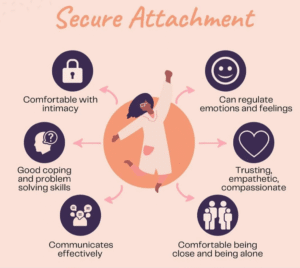
1. Secure Attachment — “Love is a Safe Home”

Core Beliefs

  • I am lovable.
  • Others can be trusted.
  • Relationships are safe and comforting.

Typical Childhood Background

  • Parents were emotionally available, attuned, and responsive.
  • The child’s needs were met quickly and consistently.
  • Expressing emotions was safe and accepted.

Traits in Romantic Relationships

  • Comfortable with emotional intimacy.
  • Able to depend on a partner without losing identity.
  • Great listeners and good at conflict resolution.
  • Forgiving and empathetic.
  • Communicate feelings openly without fear.

Common saying from securely attached partners

  • “We’ll figure it out together.”
  • “I need some space, but I care about you.”
  • “I trust you.”

Secure partners during conflicts

They don’t attack or withdraw — they solve.

Challenges they may face

  • Feeling drained in relationships with insecure partners.
  • Sometimes taking responsibility beyond their share.

screenshot 2025 11 24 234527

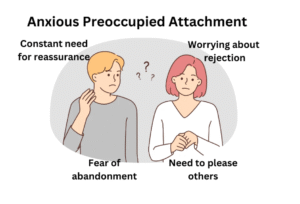
2. Anxious / Preoccupied Attachment — “Love must be protected or it will disappear”

Core Beliefs

  • I need constant reassurance to feel secure.
  • I might not be good enough for my partner.
  • What if I get abandoned?

Typical Childhood Background

  • Caregiver love was inconsistent — sometimes warm, sometimes distant.
  • Emotional needs were met unpredictably.
  • The child learned that closeness is temporary.

Traits in Romantic Relationships

  • Crave closeness intensely.
  • Feel anxious when their partner becomes quiet or distant.
  • Overthink small things (tone of voice, text delay, body language).
  • May overgive or lose themselves to keep the relationship.
  • Become hypervigilant to signs of rejection.

Internal monologue

  • “Do they really love me?”
  • “Why didn’t they reply?”
  • “What if I’m being ignored?”

Anxious behavior patterns that partners notice

  • Texting repeatedly if no reply.
  • Difficulty sleeping when there’s relationship tension.
  • Seeking validation through approval or affection.

The paradox

They love deeply, but the fear of losing love sometimes pushes love away.

screenshot 2025 11 24 234806

3. Avoidant / Dismissive Attachment — “Love threatens independence”

Core Beliefs

  • Emotions are unsafe.
  • Depending on others leads to disappointment.
  • I don’t need anyone.

Typical Childhood Background

  • Caregivers minimized emotions or discouraged vulnerability.
  • Praise was given for independence, not emotional needs.
  • The child learned to soothe themselves alone.

Traits in Romantic Relationships

  • Discomfort with emotional closeness.
  • Difficulty expressing feelings.
  • Values independence over connection.
  • May enjoy relationships but feel trapped by expectations.

Internal monologue

  • “Why do we need to talk about feelings?”
  • “I need space.”
  • “I’m better on my own.”

Behavior patterns partners notice

  • Withdrawing during conflict.
  • Becoming distant after intimacy.
  • Avoiding labels and commitment.
  • Busying themselves with work, hobbies, or screens when stressed.

Emotional truth

Avoidants do love, but expressing love scares them because intimacy feels like losing control.


4. Fearful–Avoidant / Disorganized Attachment — “I want love, but love terrifies me”

Core Beliefs

  • I crave closeness, but closeness is dangerous.
  • People who love me may hurt me.
  • I must protect myself from the person I want.

Typical Childhood Background

  • Caregivers were frightening, abusive, chaotic, or unpredictable.
  • Child experienced love mixed with fear.
  • The caregiver was both the source of safety and danger.

Traits in Romantic Relationships

  • Intense desire for love, paired with intense fear.
  • Push-pull dynamics: “Come closer — now stay away.”
  • Difficulty regulating emotions.
  • Trust issues and sensitivity to perceived rejection.
  • Emotional rollercoasters.

Internal monologue

  • “I want you… but I can’t trust you.”
  • “Please love me… but don’t hurt me.”
  • “If I get close, I’ll lose myself.”

Behavior patterns partners notice

  • Sudden breakup after deep intimacy.
  • Disappearing when things get serious.
  • Apologizing and returning, then leaving again.
  • Creating drama to test loyalty.

Root issue

Unhealed trauma makes love feel both paradise and danger.

screenshot 2025 11 24 235038

How Attachment Styles Combine in Relationships

Combination Relationship Outcome
Secure + Secure Supportive, growth-oriented, emotionally fulfilling
Secure + Anxious Heals anxious partner over time
Secure + Avoidant Avoidant gradually learns emotional safety
Anxious + Avoidant Most unstable — triggers each other’s fears
Anxious + Fearful Passionate but unpredictable and exhausting
Avoidant + Fearful High walls, unresolved trauma
Fearful + Fearful Intense but chaotic and rarely long-term

The most challenging and common trauma bond:
Anxious + Avoidant → chasing vs withdrawing dyad

Psychological Mechanisms Behind Attachment

Neurochemistry of Attachment

Love activates chemicals in the brain:

Hormone Function
Oxytocin Bonding, trust
Dopamine Pleasure, attraction
Cortisol Stress and insecurity
Serotonin Emotional balance

Anxious partners produce high cortisol during separation.

Avoidants produce cortisol during too much closeness.

Secure partners maintain hormonal balance through trust.

Attachment and Core Wounds

Each insecure attachment carries a deep core wound:

Style Core Wound
Anxious “I am not enough.”
Avoidant “I can rely only on myself.”
Fearful “Love is danger.”

Awareness of the wound is the first step toward healing.

Healing: Moving Toward Secure Attachment

Attachment style is changeable, not permanent.

General Healing Principles

  • Recognize triggers instead of reacting impulsively
  • Communicate needs rather than testing or assuming
  • Build emotional regulation skills
  • Choose partners who respect emotional safety
  • Study childhood patterns without judgment
  • Receive therapy / trauma-informed counselling if possible

Healing Exercises for Each Style

For Anxious Attachment

  • Practice delayed response before reacting to fear.
  • Journal thoughts instead of acting on them instantly.
  • Ask directly for reassurance instead of testing love.
  • Build self-worth from within, not from validation.

Helpful sentence to express needs:

“When messages stop suddenly, I feel anxious. Can we agree on a communication rhythm that feels safe for both of us?”

For Avoidant Attachment

  • Label emotions instead of suppressing them.
  • Practice vulnerability in small doses.
  • Allow closeness without assuming loss of freedom.
  • Learn to take emotional responsibility without shutting down.

Helpful sentence to express needs:

“I need some space right now, but I care about you and I’m not leaving.”

For Fearful–Avoidant Attachment

  • Identify triggers that cause sudden withdrawal.
  • Practice grounding techniques during emotional overwhelm.
  • Challenge the belief that love = danger.
  • Build trust slowly with consistent partners.

Helpful sentence to express needs:

“I want closeness, but sometimes it feels scary. Can we go slowly and check in emotionally?”

For Secure Attachment

  • Maintain boundaries with insecure partners.
  • Avoid becoming the “fixer” or emotional caretaker.
  • Balance empathy with self-respect.

Becoming Secure Starts with One Core Truth

Love is not earned by fear, chasing, perfection, or self-sacrifice.
Love becomes secure when there is:

  • Consistency
  • Communication
  • Emotional safety
  • Trust Repair after rupture
    Attachment style is not about blame — it is about understanding your emotional map so you can build healthier relationships.

Final Message

You don’t need a perfect childhood to experience healthy love.
You don’t need to fix everything before you deserve connection.
Healing is not becoming someone new — it is remembering who you were before fear taught you otherwise.

When you heal your attachment wounds:

  • Love stops feeling like survival
  • Connection becomes comfort instead of fear
  • Intimacy becomes freedom instead of danger
  • You become your own safe place — and love begins to thrive

Frequently Asked Questions (FAQs)

1. What are attachment styles in relationships?

Attachment styles are patterns of emotional bonding formed in childhood that affect adult relationships.

2. What are the four attachment styles?

Secure, anxious, avoidant, and fearful (disorganized).

3. Can attachment styles change over time?

Yes, with awareness, effort, and therapy, attachment styles can become more secure.

4. Which attachment style is the healthiest?

Secure attachment is considered the healthiest and most balanced.

5. Why do anxious and avoidant partners attract each other?

They trigger each other’s emotional patterns—one seeks closeness while the other seeks distance.

6. How does childhood affect adult relationships?

Early caregiver experiences shape beliefs about love, trust, and emotional safety.

7. What is anxious attachment?

It involves fear of abandonment, need for reassurance, and emotional dependency.

8. What is avoidant attachment?

It involves emotional distance, fear of intimacy, and strong independence.

9. What is fearful-avoidant attachment?

It is a mix of desire for closeness and fear of getting hurt.

10. How can I become securely attached?

Through self-awareness, emotional regulation, communication, and healthy relationships.

Written by Baishakhi Das

Counselor | Mental Health Practitioner
B.Sc, M.Sc, PG Diploma in Counseling

References

  1. Psychology Today
    👉 https://www.psychologytoday.com/us/basics/attachment
  2. PositivePsychology
    👉 https://positivepsychology.com/attachment-theory/
  3. John Bowlby
    👉 https://www.britannica.com/biography/John-Bowlby
  4. Mary Ainsworth
    👉 https://www.simplypsychology.org/mary-ainsworth.html
  5. The Psychology of Care: Inside the Minds of Certified Nurses Balancing Empathy, Burnout, and Healing

This article is written for knowledge purposes, aiming to help readers understand the topic better and gain useful insights for learning and awareness.