


People-pleasing may look like kindness on the surface. You’re helpful, dependable, and always there for others. But beneath the smile, there is often exhaustion, resentment, and emotional burnout. You say “yes” when you want to say “no.” You push your own needs aside. You feel guilty when you prioritize yourself. You fear that disappointing others means losing their love or approval.
Yet people-pleasing isn’t a personality trait—it’s a coping mechanism.
And the good news? It can be unlearned.
This in-depth guide helps you understand:
- Why people-pleasing develops
- Emotional, psychological, and relational consequences
- How to set boundaries without guilt
- How to build self-worth that isn’t based on pleasing others
- Practical steps to stop the cycle
Let’s begin at the root.
1. What Is People-Pleasing?
People-pleasing is the habit of prioritizing others’ needs, wants, and emotions over your own—often at the cost of your mental health.
People-pleasers often:
- Struggle to say no
- Avoid conflict at all costs
- Seek validation and approval
- Overcommit and overwhelm themselves
- Feel responsible for others’ happiness
- Apologize too much
- Fear rejection or disappointment
- Suppress their true feelings
It may look like kindness, but it is actually self-neglect in disguise.
2. Why People-Pleasing Happens: The Psychological Roots
People-pleasing isn’t random. It develops through emotional learning, attachment patterns, and early experiences.
Let’s break down the key causes.
2.1 Childhood Conditioning
Many people-pleasers grew up in environments where love and acceptance were conditional.
Examples include:
- Parents who demanded obedience
- Caregivers who shamed the child for expressing needs
- Growing up with emotionally unpredictable adults
- Being praised only when you performed well
- Being punished for speaking up
You learn:
“I must please to stay safe.”
“I must be good to be loved.”
This belief follows you into adulthood.
2.2 Fear of Rejection
People-pleasing is deeply connected to the fear of abandonment.
Your mind thinks:
- “If I say no, they won’t like me.”
- “If I upset someone, they will leave.”
- “If I show my real feelings, I’ll be rejected.”
To avoid these imagined threats, you sacrifice your boundaries.
2.3 Trauma Responses: Fawn Mode
In trauma psychology, “fawning” is a survival response.
Fight – Flight – Freeze – Fawn
Fawning = appeasing others to avoid conflict or harm.
You people-please to:
- Keep the peace
- Diffuse tension
- Protect yourself
- Make yourself “less of a problem”
It is an unconscious attempt to stay emotionally safe.
2.4 Low Self-Worth
People-pleasers often believe:
- “My value comes from what I do for others.”
- “I must earn love.”
- “Others’ needs matter more than mine.”
When you don’t feel inherently worthy, you try to earn worth through service, sacrifice, and compliance.
2.5 Perfectionism
Perfectionists often people-please because they:
- Fear disappointing others
- Want to be seen as competent or kind
- Hate the idea of failure or criticism
The desire to maintain a perfect image pushes them to overgive.
2.6 Cultural and Social Conditioning
In many cultures (including Indian and collectivistic systems), people are taught to:
- Respect elders unconditionally
- Suppress individuality
- Prioritize family/community needs
- Avoid conflict or assertiveness
This teaches that saying “no” is rude or selfish.

2.7 Gender Expectations
Women especially experience pressure to be:
- Nurturing
- Cooperative
- Agreeable
- Self-sacrificing
This creates emotional labor that leads to chronic people-pleasing.
2.8 Codependency Patterns
People-pleasing is a major sign of codependency:
- You feel responsible for others’ emotions
- You believe it’s your job to fix people
- You lose yourself in relationships
You’re afraid of what will happen if you stop pleasing.
3. Signs You Might Be a People-Pleaser
Here are clear indicators:
- You never want anyone upset with you
- You say “yes” automatically, then regret it
- You apologize even when it’s not your fault
- You struggle to express needs
- You absorb others’ emotions
- You avoid conflict
- You feel guilty resting
- You often feel used or unappreciated
- You give far more than you receive
- You fear being seen as “difficult”
This pattern damages your mental and emotional health over time.
4. How People-Pleasing Affects Your Life
People-pleasing may seem harmless—until you see its consequences.
4.1 Emotional Consequences
- Burnout
- Resentment
- Anxiety
- Emotional numbness
- Feeling unseen
- Low self-esteem
- Anger at yourself for not speaking up
You carry the emotional load of everyone except yourself.
4.2 Mental Health Consequences
People-pleasing contributes to:
- Depression
- Anxiety disorders
- Codependency
- Identity confusion
- Emotional exhaustion
- Chronic stress
Your brain constantly anticipates others’ reactions.
4.3 Relationship Consequences
People-pleasers attract:
- Narcissists
- Manipulators
- Takers
- Emotionally unavailable people
Because you give endlessly, you end up with people who love taking advantage.
Healthy people may also distance themselves because:
- You seem inauthentic
- You never share true feelings
- You avoid vulnerability
4.4 Identity Loss
When you live for others, you forget who you are.
People-pleasers struggle with:
- “What do I want?”
- “What makes me happy?”
- “What do I believe?”
Your identity becomes shaped by others’ expectations.
4.5 Physical Consequences
Chronic people-pleasing leads to:
- Headaches
- Sleep problems
- Fatigue
- Heart issues
- Emotional eating
- Weakened immunity
Your body suffers when you carry emotional burdens.
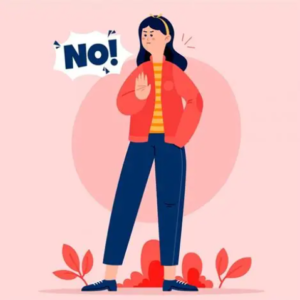
5. Why Saying “No” Feels So Hard
For a people-pleaser, “no” feels dangerous.
Your brain associates saying no with:
❌ Rejection
❌ Conflict
❌ Shame
❌ Disapproval
❌ Guilt
❌ Losing connection
So even when your entire body says no, your mouth says yes.
This comes from emotional conditioning—not reality.
6. How to Stop People-Pleasing: The Full Guide
Breaking people-pleasing is not about becoming rude or selfish.
It’s about becoming balanced.
Here are powerful, evidence-based strategies to reclaim your emotional freedom.
1. Understand That You Have Needs Too
People-pleasers often believe:
“I don’t matter.”
“My needs are inconvenient.”
“Others come first.”
Challenge this belief:
Your needs deserve space.
Your emotions deserve attention.
You deserve respect.
2. Identify Your People-Pleasing Patterns
Ask yourself:
- When do I say yes when I don’t want to?
- Who do I fear disappointing?
- What situations make me overgive?
- What do I hope to get in return (approval, safety, love)?
Awareness is the first step to change.
3. Heal the Root: Childhood & Inner Child Work
Your inner child may still believe:
- “I must please to be safe.”
- “I will be punished for expressing needs.”
- “I must earn love.”
Talk to your inner child:
“You are safe now.”
“Your needs matter.”
“You don’t have to perform for love.”
Healing the root frees you from old patterns.
4. Challenge Cognitive Distortions
People-pleasers often think in extremes:
- “If I say no, they’ll hate me.”
- “I must be agreeable to be loved.”
- “I can’t handle conflict.”
Challenge these thoughts and replace them with realistic ones.
5. Learn to Tolerate Discomfort
Saying no feels uncomfortable at first.
Sit with it.
Growth happens outside your comfort zone.
6. Build Boundary Muscles
Start small.
Examples:
- “I’m not available right now.”
- “I can’t commit to that.”
- “Let me think about it.”
- “I’m focusing on other priorities.”
Your “no” doesn’t need to be explained excessively.
7. Practice Assertive Communication
Assertiveness means:
- Being clear
- Being respectful
- Being honest
It is not aggression.
It is not selfishness.
Assertiveness gives your needs equal importance.
8. Stop Apologizing Excessively
Replace:
“Sorry for bothering you” → “Do you have a moment?”
“Sorry, I can’t” → “I’m not available.”
“Sorry I upset you” → “I understand how you feel.”
Apologies should be used only when truly necessary.
9. Declutter Your Relationships
Some people only like you when you overgive.
You may need to distance yourself from:
- Narcissists
- Takers
- Manipulators
- Emotionally draining people
Healthy relationships don’t require self-abandonment.
10. Build Self-Worth Independent of Approval
Affirm:
“I am enough even when I’m not pleasing others.”
“I deserve love for who I am, not what I do.”
“My voice matters.”
Self-worth is the antidote to people-pleasing.
11. Stop Fixing Others’ Emotions
You are not responsible for:
- How others feel
- How they respond to your boundaries
- Their happiness
- Their disappointment
Let people feel their feelings.
Your job is to be authentic—not perfect.

12. Create Space for Your True Self
Rediscover:
- What you want
- What you enjoy
- What you value
- What you believe
Becoming yourself is the opposite of people-pleasing.
6. Sample Scripts for Saying No
✔ Polite No
“I appreciate the offer, but I can’t right now.”
✔ Boundaried No
“That doesn’t work for me.”
✔ Delayed Response
“I’ll get back to you after checking my schedule.”
✔ Firm No
“No, I’m not available.”
✔ Emotional Boundary
“I’m not comfortable discussing this.”
Practice makes it easier.
7. What Happens When You Stop People-Pleasing
At first:
- People may get upset
- You may feel guilty
- Your nervous system will resist change
Then gradually:
- You feel empowered
- You trust yourself
- You develop confidence
- Your relationships become healthier
- You stop feeling exhausted
- You regain your identity
- You attract more respectful people
Saying “no” becomes natural.
Putting yourself first becomes normal.
8. When to Seek Professional Help
Therapy is helpful if:
- You feel anxious saying no
- You struggle with guilt
- You attract toxic relationships
- You were raised in a dysfunctional or abusive home
- You lose yourself in relationships
Counselling helps you break lifelong patterns and develop a healthier sense of self.
Conclusion
People-pleasing is rooted in a deep fear that your worth depends on what you do for others. It begins in childhood, grows through emotional conditioning, and becomes a survival habit. But it is not who you truly are.
You can learn to:
- Set boundaries
- Prioritize yourself
- Stop apologizing
- Speak your truth
- Reclaim your identity
- Build healthier relationships
- Say no without guilt
When you stop people-pleasing, you stop abandoning yourself.
You choose authenticity over approval.
You choose freedom over fear.
You choose yourself—finally.