


Introduction: The Silent Crisis in Modern Workplaces
Workplace burnout is one of the most common yet misunderstood mental health challenges of the modern world. With rising workloads, unrealistic deadlines, digital fatigue, high competition, and emotional exhaustion, employees across industries are reaching breaking points silently.
Burnout is not just “being tired.” It is a chronic psychological state, involving emotional depletion, mental fog, hopelessness, irritability, and reduced productivity caused by prolonged stress. Today, even the most passionate professionals—teachers, healthcare workers, entrepreneurs, corporate employees, and social service professionals—are experiencing burnout at alarming rates.
Understanding burnout early can prevent long-term mental health issues like anxiety, depression, insomnia, chronic stress, and breakdowns. This article explores the early warning signs, psychology, causes, and strategies to heal.
What Is Workplace Burnout?
The World Health Organization (WHO) defines burnout as a workplace-specific syndrome resulting from chronic job stress that has not been successfully managed.
It includes three core components:
1. Emotional Exhaustion
Feeling drained, overwhelmed, or unable to cope emotionally.
2. Depersonalization (Cynicism)
Becoming emotionally detached or negative about work and people.
3. Reduced Personal Accomplishment
Feeling ineffective, unproductive, or doubting your own abilities.
Burnout builds slowly—often without obvious signs—until it becomes severe.
Why Burnout Is Increasing in Today’s Workforce
1. Always-On Work Culture
Emails, Teams notifications, WhatsApp groups, and remote work blur boundaries.
2. High Performance Pressure
Companies demand speed, perfection, and results constantly.
3. Poor Work-Life Balance
Work takes priority; rest, hobbies, and relationships fade.
4. Digital Overload
Constant screens, meetings, and multitasking overwhelm the brain.
5. Understaffing and Overburden
Fewer people doing more work with less time.
6. Lack of Control
Employees feel powerless, undervalued, or unheard.
7. Financial Stress
Rising cost of living increases pressure to perform and stay employed.
Burnout is no longer an exception—it’s becoming a workplace epidemic.

Early Signs of Burnout You Must Not Ignore
Burnout develops subtly. Here are early warning signs to identify before it becomes a crisis.
Emotional Signs
1. Constant Irritability
You get annoyed easily by small things—emails, messages, or questions.
2. Emotional Numbness
You feel detached, disconnected, or indifferent about work.
3. Feeling Overwhelmed
Even small tasks feel too big or too stressful.
4. Anxiety Before Work
You feel dread, restlessness, or palpitations before starting your day.
5. Increased Negative Thinking
Thoughts like:
-
“I can’t do this anymore.”
-
“What’s the point?”
-
“I’m failing.”
These indicate emotional exhaustion.
Cognitive Signs (Mind & Thinking)
1. Difficulty Concentrating
Your brain feels foggy, scattered, or slow.
2. Forgetfulness
Struggling to remember tasks or conversations.
3. Decline in Problem-Solving Ability
You feel mentally blocked or stuck.
4. Overthinking Small Mistakes
Your mind exaggerates errors or imperfections.
5. Reduced Creativity
You can’t think of new ideas or lose interest in innovation.
Behavioural Signs
1. Procrastination Increases
You delay tasks because they feel mentally exhausting.
2. Avoiding Meetings or Calls
You feel drained by even basic interactions.
3. Withdrawal from Colleagues
You avoid socializing, chatting, or engaging with your team.
4. Loss of Enthusiasm
Projects that once excited you now feel heavy.
5. Irrational Anger or Frustration
Small issues trigger big reactions.
6. Declining Performance
Even simple tasks take longer or feel harder to complete.
Physical Signs
Burnout affects the mind and body.
1. Chronic Fatigue
You feel tired even after resting.
2. Sleep Problems
Difficulty falling asleep, waking up tired, or insomnia.
3. Headaches & Migraines
Stress triggers neurological strain.
4. Digestive Issues
Stress affects the gut-brain connection.
5. Frequent Illness
Weakened immunity leads to colds or infections.
6. Muscle Tension
Tight shoulders, neck pain, or stiffness.
Psychological Causes Behind Burnout
Understanding the root psychological patterns helps prevent future burnout.
1. People-Pleasing & Overcommitment
Saying “yes” too often leads to exhaustion and resentment.
2. Perfectionism
Setting unrealistically high standards creates constant stress.
3. Imposter Syndrome
Feeling like a fraud increases pressure and anxiety.
4. Lack of Boundaries
Without limits, work invades personal time and mental space.
5. Fear of Failure
Overthinking, overworking, and avoiding risks worsen burnout.
6. Unhealthy Work Environment
Toxic bosses, unfair workloads, and poor communication increase mental stress.
7. Emotional Suppression
Hiding frustration or sadness increases internal pressure.
8. Low Self-Worth
Feeling “not good enough” forces you to overwork to prove yourself.
Stages of Burnout (According to Psychology)
Burnout develops in phases:
Stage 1: The Enthusiasm Phase
High motivation but unrealistic expectations.
Stage 2: The Stress Phase
Pressure builds. Fatigue, anxiety, and frustration start.
Stage 3: Chronic Stress Phase
Irritability, reduced performance, and withdrawal increase.
Stage 4: Burnout Phase
Mental, emotional, and physical exhaustion.
Stage 5: Habitual Burnout
Long-term burnout affects identity, relationships, and health.
Long-Term Risks of Ignoring Burnout
If untreated, burnout leads to:
-
Anxiety disorders
-
Depression
-
Chronic fatigue syndrome
-
High blood pressure
-
Heart issues
-
Substance dependence
-
Emotional breakdowns
-
Social withdrawal
-
Job dissatisfaction
-
Career stagnation
Burnout is not a temporary weakness—it is a serious health concern.
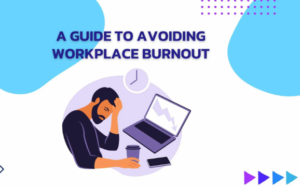
How to Prevent Burnout (Scientifically Proven Strategies)
1. Strengthen Emotional Boundaries
✔ Say “No”
Protect your energy by refusing unrealistic demands.
✔ Set Communication Limits
Avoid responding to messages outside work hours.
✔ Establish Personal Space
Keep work away from your bedroom or relaxation areas.
2. Reduce Digital Overload
-
Take screen breaks
-
Use focus mode
-
Avoid multitasking
-
Reduce unnecessary meetings
-
Limit constant notifications
Your brain needs downtime.
3. Practice Stress-Management Techniques
✔ Deep Breathing
Calms the nervous system.
✔ Journaling
Helps process emotions.
✔ Meditation
Increases clarity and emotional control.
✔ Yoga or Mindful Movement
Reduces tension and releases stress hormones.
4. Improve Work-Life Balance
-
Schedule breaks
-
Prioritize rest
-
Take vacations
-
Spend time offline
-
Engage in hobbies
Balance prevents exhaustion.
5. Build Support Networks
-
Connect with colleagues
-
Share workload concerns
-
Seek mentorship
-
Build emotional support systems
Humans are not designed to handle stress alone.
6. Reevaluate Career Expectations
Check if:
-
Your goals are realistic
-
Your workload matches your capacity
-
Your job aligns with your values
Sometimes burnout signals the need for change.
7. Practice Self-Compassion
Instead of being harsh on yourself:
-
Acknowledge your effort
-
Accept imperfection
-
Celebrate small wins
Self-kindness builds resilience.
8. Develop Healthy Routines
✔ Sleep hygiene
Ensure 7–8 hours daily.
✔ Physical movement
Walk, exercise, stretch.
✔ Nutrition
Eat balanced meals.
✔ Hydration
Drink enough water.
Daily habits shape long-term emotional strength.
How Managers & Leaders Can Prevent Team Burnout
1. Set Realistic Expectations
Avoid impossible deadlines.
2. Encourage Work-Life Balance
Respect personal boundaries.
3. Provide Autonomy
Employees feel more in control, reducing burnout.
4. Recognize Achievements
Validation boosts morale.
5. Improve Communication
Clear messages prevent emotional confusion.
6. Distribute Workload Fairly
Avoid overburdening a few employees.
A healthy work environment protects mental health.
When You Should Seek Professional Help
Seek support if you experience:
-
Persistent anxiety or sadness
-
Severe fatigue
-
Panic attacks
-
Loss of interest in life
-
Inability to function at work
-
Emotional breakdowns
Therapists can help with:
-
CBT for stress
-
Emotional regulation techniques
-
Burnout recovery
-
Coping skills
-
Productivity restructuring
Recovery is possible.
Conclusion: Burnout Is a Signal—Not a Failure
Burnout doesn’t mean you’re weak—it means you’ve been strong for too long without rest or support.
By recognizing early signs, setting boundaries, and nurturing emotional health, you can recover and protect your mental well-being.
Burnout is preventable, manageable, and treatable.
Listen to your mind. Listen to your body.
Your well-being matters more than any deadline.
Reference
-
World Health Organization (WHO) – Burnout definition
https://www.who.int -
American Psychological Association (APA) – Stress & workplace mental health
https://www.apa.org -
Harvard Business Review (HBR) – Research on burnout and productivity
https://hbr.org -
Mayo Clinic – Burnout symptoms & diagnosis
https://www.mayoclinic.org - How to Build Mental Toughness for Career Growth
- What Is CBT? A Simple Guide for Everyone
- Contact Us