
Introduction
One of the most common and painful questions new mothers ask is: “My delivery was normal. My baby is healthy. So why don’t I feel okay?” Because cultural expectations and casual reassurances often link postpartum depression to traumatic births, many women’s distress after an uneventful delivery is minimized or dismissed. Comments like “At least your delivery was smooth,” “You should be grateful,” or “Nothing bad happened, so why are you sad?” deepen shame and silence.
The truth is that postpartum depression doesn’t require a complicated delivery. Emotional distress after birth is shaped by biology (hormonal shifts, sleep deprivation), psychology (preexisting mood vulnerability, identity changes), relationships (partner support, family pressures), and nervous-system regulation — many of which are invisible. This article explains why postpartum depression can happen even after a medically normal birth, dispels common myths, and offers science-backed explanations and compassionate validation for new mothers navigating unexpected emotional pain.
What Is Postpartum Depression?
Postpartum depression (PPD) is a mood disorder that can develop anytime within the first year after childbirth. It affects how a parent thinks, feels, behaves, and connects—with themselves, their baby, and others. PPD interferes with daily functioning: sleeping and eating patterns, energy, concentration, parenting confidence, and emotional availability.
PPD is not:
- A failure of gratitude.
- Sign of weak motherhood.
- Always linked to birth trauma.
PPD is multifactorial. Biological, psychological, and social factors interact to create vulnerability. Below are key psychological mechanisms and risk factors that help explain why PPD can occur after an otherwise “normal” delivery.
Psychological mechanisms and risk factors
Hormone‑brain interactions: Rapid postpartum changes in estrogen, progesterone, oxytocin, and thyroid hormones interact with neurochemistry (serotonin, dopamine) to affect mood and emotional regulation. These biological shifts can trigger symptoms even without obstetric complications.
Sleep deprivation and cognitive load: Severe, cumulative sleep loss impairs executive function, emotion regulation, and impulse control—making mood symptoms more likely and recovery harder.
Preexisting mental‑health vulnerability: A personal or family history of depression, anxiety, bipolar disorder, or unresolved trauma increases PPD risk. Subclinical mood instability before pregnancy often becomes magnified postpartum.
Identity and role transition: Becoming a parent involves grief for the pre‑parent self, disruption of routines, and renegotiation of identity. If expectations (idealized motherhood) don’t match reality, it can provoke guilt, shame, and demoralization.
Attachment and relational stress: Difficulties in the parental attachment system—lack of secure support from partners, conflict, or an absent support network—reduce buffering against stress and raise PPD risk. Early bonding struggles with the infant may both result from and worsen depressive symptoms.
Perfectionism and social comparison: High self‑expectations, perfectionistic parenting standards, and exposure to curated social media portrayals of “perfect” postpartum recovery heighten shame and reinforce isolation.
Learned helplessness and control loss: The unpredictable, demanding nature of caring for a newborn can create feelings of helplessness and loss of agency, which feed depressive cognitions.
Trauma and stress reactivation: Prior interpersonal trauma or adverse childhood experiences can be reactivated by the vulnerability of childbirth and caregiving, leading to dissociation, hypervigilance, or numbing.
Cognitive distortions and rumination: Negative thought patterns—catastrophizing, personalization, and excessive self‑blame—maintain depressive cycles and magnify perceived parenting failures.
Cultural and contextual pressures: Cultural beliefs about motherhood, family expectations, stigma, and lack of systemic support (maternity leave, childcare) shape stress exposure and willingness to seek help.
Functional and relational consequences
Impaired bonding: Emotional numbness, intrusive thoughts, or overwhelming anxiety can interfere with sensitive caregiving and early parent–infant attunement.
Relationship strain: Increased irritability, withdrawal, or conflict with partners and family can erode the social support that protects against PPD.
Parenting confidence loss: Reduced self‑efficacy and heightened guilt can lead to avoidance, overcontrol, or disengagement in caregiving.
Longer‑term child effects: Untreated moderate–severe PPD is associated with risks to infant socioemotional development (attachment insecurity, regulatory problems), though timely treatment mitigates these outcomes.
Clinical and practical notes
- PPD can present primarily with anxiety, irritability, or obsessional thoughts rather than low mood—screen broadly.
- Onset varies: symptoms may appear within days or weeks, or emerge more gradually over months.
- Screening matters: Routine screening (e.g., EPDS) and early follow‑up improve detection, especially when new mothers minimize symptoms.
- Treatment is multifaceted: psychotherapy (CBT, IPT), peer support, medication when appropriate, sleep and circadian interventions, and partner/family involvement are effective components.
Takeaway: A medically normal birth does not guarantee emotional well‑being. Postpartum depression arises from the interaction of biology, psychology, relationships, and context. Validating feelings, reducing self‑blame, seeking support, and accessing evidence‑based care are crucial first steps toward recovery.

The Myth of “Normal Delivery = Emotional Safety”
Medical professionals often define a normal delivery as:
- No surgical intervention
- No life-threatening complications
- Healthy mother and baby
But mental health does not follow medical definitions.
A delivery can be medically smooth while emotionally overwhelming, psychologically destabilizing, and neurologically exhausting.
The body may heal faster than the mind.
Sudden Hormonal Crash After Childbirth
Why hormones change so fast
Within 24–48 hours after delivery, the body undergoes a dramatic hormonal withdrawal: estrogen and progesterone fall steeply, oxytocin levels shift as breastfeeding patterns are established, and cortisol regulation can be disrupted. These changes are more abrupt and physiologically powerful than most life events.
How hormones affect mood and behavior
Hormones influence mood, sleep, emotional regulation, appetite, and the stress response. When they change suddenly, brain systems that regulate emotion and reward (serotonin, dopamine, and stress pathways) can be temporarily destabilized.
Common psychological and physical effects
- Low mood and tearfulness
- Irritability and anger outbursts
- Emotional numbness or detachment
- Heightened anxiety or panic-like symptoms
- Sleep and appetite disturbances (beyond newborn-related changes)
Why this is not “weakness”
These reactions reflect neurobiology, not moral failure. A hormonal crash can lower the threshold for depressive symptoms even after an uncomplicated birth. Recognizing the biological component reduces self-blame and supports timely help-seeking.
Practical tips for readers
- Track symptoms: noting onset and severity helps with clinical assessment.
- Prioritize sleep where possible: even short naps and shared nighttime caregiving can help stabilize mood.
- Seek support early: tell your care team or a trusted person if symptoms feel intense or persistent.
- Combine approaches: biological contributors respond best to combined strategies—support, sleep, therapy, and medication when indicated.

Nervous‑System Overload — Not Trauma
Postpartum depression doesn’t always come from a discrete traumatic event. Often it emerges from chronic nervous‑system overload after birth.
Why the nervous system matters
- Postpartum life continually activates stress responses: sleep deprivation, constant caregiving, infant crying, physical recovery, and sensory overstimulation.
- Over time the system can become dysregulated and “stick” in protective states: fight‑or‑flight (anxiety, irritability) or freeze/shutdown (numbness, detachment).
- That prolonged dysregulation undermines emotion regulation and can evolve into depression even when no trauma occurred.
Practical tip: Grounding practices (short breathing breaks), shared caregiving to protect sleep, and trauma‑informed therapy that targets regulation (polyvagal‑aware approaches, somatic work) can help recalibrate the nervous system.
Emotional Shock of Identity Loss
Motherhood is a major identity transition, not just an added role—and that shift can cause profound grief.
What changes emotionally
- Loss of personal freedom and routines.
- Disruption or pause in professional identity and future plans.
- Changes in body image and sexual self‑concept.
- Loss of predictable emotional rhythms and privacy.
Why it matters: Even with a wanted baby, grief for the “old self” is normal. Unprocessed identity loss often presents as sadness, withdrawal, or diminished interest—core features of depression.
Practical tip: Normalize the grief; journaling, peer groups for new mothers, or therapy that focuses on role transition (narrative or meaning‑focused work) can help integrate the new identity.
Unrealistic Expectations About Motherhood
Idealized narratives fuel disappointment and shame when reality doesn’t match the picture.
Common expectation sources
- Social media’s curated portrayals of “perfect” postpartum bodies and joyful parenting.
- Family scripts that minimize postpartum struggles or valorize self‑sacrifice.
- Cultural messages that equate mothering with instant fulfillment.
Impact on mood
When expectations clash with exhaustion, intrusive worries, or bonding difficulties, mothers may feel like failures—intensifying isolation and depressive thoughts.
Practical tip: Limit exposure to curated feeds, seek realistic peer stories (parenting groups, podcasts), and reframe expectations: adjustment takes months, not days.
Common Expectation Gaps
| Expectation | Reality |
|---|---|
| Instant bonding | Gradual attachment |
| Constant happiness | Mixed emotions |
| Natural confidence | Self-doubt |
| Maternal instinct | Learned caregiving |
The gap between expectation and reality creates:
- Shame
- Self-blame
- Feelings of failure
These cognitive patterns are central to postpartum depression.
Emotional Invalidation After a Normal Delivery
Women who have uncomplicated births often receive less emotional support. Comments like “Others had it worse,” “Why complain?” or “Everything went fine” dismiss real distress. Repeated invalidation teaches suppression, minimization, and internalized guilt—powerful risk factors for depression. Practical note: Validate feelings first (“That sounds hard”), then offer help or resources.
Attachment Anxiety and Bonding Pressure
New mothers face intense pressure to bond instantly. If attachment feels slow or complicated, anxious thoughts—“What if something’s wrong with me?”—can spiral into guilt and shame. This attachment anxiety, paired with societal expectations, frequently contributes to postpartum depression even after a normal delivery. Practical note: Bonding often unfolds over weeks or months; expect variability and seek support if worries persist.
Sleep Deprivation Alters Brain Chemistry
Chronic sleep loss after childbirth does more than cause fatigue—it changes mood‑regulating systems. Sleep deprivation reduces serotonin, raises cortisol, impairs executive function, and weakens emotional regulation. Even without obstetric complications, prolonged disrupted sleep can trigger or worsen depressive symptoms. Practical tip: Prioritize night‑time support (shared caregiving, naps), and consider professional help if sleep disruption is severe.
Relationship Changes After Childbirth
Parenthood reshapes relationships: roles shift, communication breaks down, and partner support can falter under stress. Even supportive partners may misunderstand maternal emotional needs, leading mothers to feel isolated despite being surrounded by people. This perceived loneliness is a common pathway into postpartum depression. Practical note: Open partner conversations, small practical supports (meals, childcare), and couple check‑ins can reduce isolation and buffer mood symptoms.
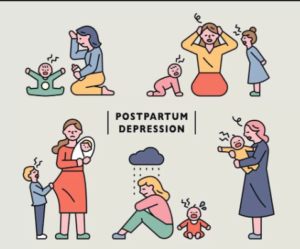
Cultural Pressure to Be “Strong”
In many cultures—particularly collectivist ones like India—mothers are expected to adjust silently, endure discomfort, and prioritize everyone else. Mental‑health struggles are often dismissed as “drama,” “weakness,” or “overthinking.” That pressure encourages concealment until distress becomes overwhelming.
Practical note: Normalizing help‑seeking within families and communities reduces stigma and speeds recovery.
Past Mental‑Health History Resurfacing
The postpartum period lowers emotional defenses, so previous conditions (depression, anxiety, childhood neglect, trauma) often re‑emerge. A medically normal delivery doesn’t erase psychological history; it can make buried pain surface.
Practical note: Share mental‑health history with your care team—early monitoring and support help prevent relapse.
Postpartum Depression Is Not About the Delivery Alone
PPD arises from interacting factors: biology (hormones, sleep), psychology (thought patterns, identity shifts), relationships (support, validation), culture (expectations, stigma), and nervous‑system regulation. Delivery type is only one small piece of a much larger puzzle.
Signs Mothers Miss After a Normal Delivery
Because of expectations that “everything went fine,” mothers may overlook:
- Emotional numbness
- Irritability and anger
- Persistent guilt
- Anxiety and intrusive worries
- Feeling disconnected or detached
- Frequent thoughts of escape or wanting to “run away”
Missing these signs delays help and recovery. Practical note: If symptoms persist beyond a few weeks or worsen, contact a clinician.
Why Guilt Makes Postpartum Depression Worse
Guilt phrases—“Others have it harder,” “I shouldn’t feel this way,” “I’m being ungrateful”—lead mothers to hide symptoms and avoid seeking help. Guilt fuels self‑criticism and deepens depressive cycles. It does not protect gratitude; it erodes emotional safety.
Practical note: Compassionate reframing (“Your feelings are valid and common”) encourages help‑seeking.
How Postpartum Depression Affects the Baby (Indirectly)
PPD can reduce emotional availability, responsiveness, and consistency in caregiving—factors important for infant regulation and attachment. This is not a moral indictment of the mother; with timely support and treatment, parent‑infant outcomes improve significantly. Healing the mother supports the baby.
What Helps Mothers Recover
Therapy and psychological interventions
- Cognitive Behavioral Therapy (CBT): Targets negative thought patterns (e.g., “I’m a bad mother”) and promotes behavioral activation—scheduling small rewarding activities to counter inactivity and low mood.
- Interpersonal Therapy (IPT): Focuses on role transition, grief, and relationship strains that often trigger or maintain PPD. Particularly useful when partner conflict or social loss is central.
- Trauma‑informed therapies: EMDR, somatic experiencing, or sensorimotor psychotherapy can help when childbirth or past trauma contributes to symptoms. These approaches emphasize nervous‑system regulation and safety.
- Group therapy and peer support groups: Offers normalization, mutual advice, and belonging. Parent‑led groups or facilitated postpartum groups reduce isolation and provide practical coping ideas.
- Brief practical therapies: Behavioral sleep interventions, mother‑infant psychotherapy (for bonding difficulties), and perinatal-focused CBT modules are effective and time‑sensitive.
Emotional validation and therapeutic communication
Techniques: Reflective listening (“It sounds like you feel overwhelmed”), normalizing (“Many new parents feel this way”), and empathic responding reduce shame and open the pathway to help.
Role of clinicians and partners: Use open questions, avoid minimizing comments, and prioritize listening over problem-solving in early conversations.
Structured check-ins: Weekly low-pressure conversations about emotions can catch problems early (“On a scale of 1–10, how have you been feeling this week?”).
Practical support and environmental changes
- Sleep-first approach: Prioritize protecting sleep by scheduling partner or family night duties, hiring a night doula where possible, or rearranging feeds with expressed breastmilk when needed. Even short, regular naps help mood regulation.
- Shared caregiving and household help: Rotate caregiving tasks, outsource chores (cleaning, meals), and accept help from well‑meaning friends. Concrete assistance reduces cognitive load and gives time to recover.
- Reduce decision fatigue: Create simple routines (meal plans, rotating diaper/feeding schedule) and limit nonessential choices during early months.
- Micro-rest practices: Short grounding exercises (box breathing, 3‑minute body scan), sensory breaks (5 minutes outdoors), and progressive muscle relaxation can lower arousal quickly.
- Infant soothing education: Learning calming techniques (swaddling, white noise, paced feeding) builds caregiver confidence and reduces helplessness.
Medical and psychiatric support
- Medication: Selective serotonin reuptake inhibitors (SSRIs) and other antidepressants are safe and effective in many postpartum cases; discuss lactation‑compatible options with a psychiatrist or perinatal specialist.
- Collaborative care models: Integrated obstetric–mental health clinics or perinatal psychiatry consults improve outcomes and coordination.
- Sleep and circadian interventions: Controlled light exposure, timed naps, and melatonin (only under medical advice) can restore circadian rhythm and stabilize mood.
- Emergency plans: Have clear, accessible contacts for crisis lines, on‑call psychiatrists, or urgent care when suicidal or infanticidal thoughts emerge.
Support from partners, family, and friends
- Partner actions: Take concrete caregiving shifts, validate feelings, and actively encourage help-seeking. Example: “I’ll handle nights Tuesday–Thursday so you can nap.”
- Family education: Share simple facts about PPD, ask for specific help (meals, grocery runs) and set boundaries with well-meaning but unhelpful comments.
- Communication templates: Short scripts help difficult talks (e.g., “I’m struggling and need help. Could you take the baby for an hour each afternoon so I can rest?”).
Community and systemic supports
- Peer networks: Local mother‑baby groups, community health workers, or online moderated forums (choose evidence‑based/clinician‑moderated platforms) offer connection and practical tips.
- Professional supports: Postpartum doulas, lactation consultants, and home‑visiting nurses can reduce stress and identify early problems.
- Public resources: Hotlines (e.g., local suicide prevention or perinatal mental‑health lines), national support organizations, and local maternal mental health services are critical. Include local links or numbers in your post for readers in your region.
Self‑care strategies that actually help
- Small, doable routines: Short walks, brief daylight exposure each morning, and simple nourishing meals stabilize mood more reliably than vague “self‑care” ideas.
- Behavioral activation: Schedule one small activity daily that brings pleasure or mastery (5–10 minutes of reading, a short phone call, a hobby micro‑task).
- Movement: Gentle exercise (postnatal yoga, short brisk walks) improves mood and sleep—get medical clearance if needed.
- Mindful parenting: Short mindfulness practices (2–5 minutes) during feeding or holding the baby can reduce rumination and increase presence.
Practical relapse prevention and follow-up
- Scheduled follow-ups: Routine check-ins with GP/OB/GYN or mental‑health clinicians at 2, 6, and 12 weeks postpartum help monitor recovery.
- Warning signs list: Keep a typed list of escalating symptoms (suicidal thoughts, loss of function, severe insomnia) and emergency contact steps.
- Parenting plan adjustments: Reassess workload, childcare, and return‑to‑work plans in light of mental‑health needs—gradual transitions reduce relapse risk.
Cultural sensitivity and stigma reduction
Tailored interventions: Address cultural beliefs about motherhood, family expectations, and stigma. Use culturally adapted psychoeducation and involve trusted community figures when helpful.
Language and access: Provide materials in local languages, low‑literacy formats, and via community channels to reach vulnerable mothers.
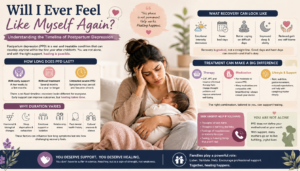
Recovery is not linear — offer hope and expectations
- Timeline: Symptoms can improve within weeks with treatment, but recovery often takes months. Relapses can occur and do not mean failure.
- Strengths-based framing: Emphasize resilience, capacity to heal, and that seeking help is protective and loving—for mother and baby.
- Empowerment: Encourage mothers to be advocates for their care (bringing a support person to appointments, asking for mental‑health screening).
Quick resources to include in the post (example list)
- Local crisis number / national suicide prevention hotline
- Perinatal mental health organizations and helplines in your country/region
- Links to validated screening tools (EPDS, PHQ‑9) and guidance on how to use them
Breaking the Myth: Normal Delivery Does Not Mean Normal Emotions
A healthy birth outcome does not guarantee emotional well‑being. Postpartum depression after a medically normal delivery is common, valid, and treatable. You don’t need a dramatic event or a clear “reason” to deserve support—feeling distressed after childbirth is a real medical and psychological experience. Seeking help is a sign of strength, not weakness, and getting support protects both you and your baby.
Conclusion
Postpartum depression doesn’t check whether your delivery was easy or difficult — it responds to hormonal shifts, emotional overload, identity loss, and nervous‑system exhaustion. A medically normal birth doesn’t erase these risks. If you’re struggling after a “normal” delivery, your pain is real, valid, and treatable. You don’t have to suffer in silence: help, support, and recovery are available. Motherhood should not require silent endurance — asking for help is strength, not failure.
Frequently Asked Questions (FAQ)
Q: Can postpartum depression happen after a normal delivery?
A: Yes. Postpartum depression (PPD) can develop after any birth—normal or complicated—because it’s driven by interacting biological, psychological, relational, and cultural factors (hormones, sleep loss, identity shifts, stress, prior mental‑health history), not just obstetric events.
Q: What are common signs of PPD after a “normal” delivery?
A: Look for persistent low mood, emotional numbness, irritability, excessive guilt, anxiety or panic, changes in sleep/appetite beyond newborn effects, withdrawal from loved ones, trouble bonding with the baby, or intrusive thoughts. If these last more than a couple of weeks or worsen, seek help.
Q: How soon after birth can PPD start?
A: Symptoms can start within days or weeks and may also appear months after delivery—PPD can occur anytime in the first year postpartum. Early recognition and follow‑up screenings help with timely care.
Q: Is it just the hormones?
A: Hormonal changes after birth are a major factor, but PPD usually reflects multiple interacting causes: hormonal withdrawal, sleep deprivation, nervous‑system overload, identity disruption, social invalidation, relationship stress, prior mental‑health issues, and cultural pressures.
Q: How is PPD different from “baby blues”?
A: Baby blues are common, mild, and short‑lived (usually resolving within 2 weeks). PPD is more severe, persistent, and impairing—requiring clinical attention. If symptoms persist beyond two weeks or include severe guilt, suicidal thoughts, or inability to care for the baby, seek professional help.
Q: Can PPD affect bonding with my baby?
A: Yes—depression can reduce emotional availability and responsiveness, making bonding harder. But treatment and support significantly improve parent–infant interactions; recovery supports both mother and child.
Q: What treatments help postpartum depression?
A: Effective options include psychotherapy (CBT, IPT, trauma‑informed approaches), practical supports (protected sleep, shared caregiving), medication when indicated (under psychiatric guidance), group or peer support, and nervous‑system regulation strategies (mindfulness, somatic approaches). Often a combined approach works best.
Q: When should I seek urgent help?
A: Seek immediate help if you have thoughts of harming yourself or your baby, feel completely numb or disconnected, experience severe emotional collapse, or cannot function. Contact emergency services, a crisis line, or your healthcare provider right away.
Q: What can partners and families do to help?
A: Validate feelings (listen without minimizing), offer concrete help (night shifts, meals, chores), encourage professional support, reduce pressure or unrealistic expectations, and attend appointments together when possible. Practical help and emotional validation are both crucial.
Q: Does a “normal” delivery mean I shouldn’t tell my doctor about how I feel?
A: No. Always report emotional symptoms—delivery type does not rule out PPD. Routine screening (EPDS, PHQ‑9) and open communication with your care team improve detection and access to treatment.
Q: Can social media or cultural pressure make PPD worse?
A: Yes. Idealized portrayals of postpartum recovery and cultural expectations to “be strong” increase shame and isolation. Limiting exposure to curated feeds, seeking realistic peer support, and normalizing help‑seeking reduce this harm.
Q: Are there signs that my partner’s posting behavior (soft/hard launch) relates to relationship health?
A: Social-media launching behavior can reflect attachment, boundaries, or avoidance. Ongoing secrecy, avoidance of responsibility, or unilateral public displays can indicate relationship issues—and relationship stress can worsen maternal mental health. Open conversations about boundaries help.
Q: Will treatment affect breastfeeding?
A: Many antidepressants are compatible with breastfeeding, but choices should be guided by a perinatal psychiatrist or prescribing clinician who can balance maternal mental‑health needs and lactation safety. Never stop medication abruptly without medical advice.
Q: How long does recovery typically take?
A: Recovery timelines vary. Some people improve within weeks of effective treatment; others take months. Relapses can happen, but with timely support and sustained care, most parents recover and regain functioning.
Q: Where can I find help and resources?
A: Start with your OB/GYN, family physician, pediatrician, or primary care provider for screening and referrals. Perinatal mental‑health clinics, community maternal‑mental health organizations, postpartum support groups, and national crisis lines (include your country’s resources) are useful. If you’d like, I can draft a short resource list tailored to your country/region.
Reference
-
World Health Organization (WHO) – Maternal Mental Health
https://www.who.int/teams/mental-health-and-substance-use/promotion-prevention/maternal-mental-health -
American Psychological Association (APA) – Postpartum Depression
https://www.apa.org/monitor/2019/02/postpartum-depression -
NHS – Postnatal Depression Overview
https://www.nhs.uk/mental-health/conditions/post-natal-depression/overview/ -
CDC – Depression During and After Pregnancy
https://www.cdc.gov/reproductivehealth/depression/index.htm -
Postpartum Support International (PSI)
https://www.postpartum.net/ - Impact of Toxic Parenting on a Child’s Brain Development
- Postpartum Depression: Signs New Mothers Often Ignore
This article is written for knowledge purposes, aiming to help readers understand the topic better and gain useful insights for learning and awareness.