
When postpartum looks fine, it can be hard to believe anything is wrong—but many new mothers are quietly struggling. In this post, we unpack 14 hidden signs of postpartum depression, from emotional numbness and constant irritability to cognitive fog and persistent guilt, and explain when to seek support.
Introduction: When Suffering Is Quiet, It Goes Unnoticed
Postpartum depression is often imagined as constant crying, visible sadness, or emotional breakdowns. While these symptoms do exist, many mothers experiencing postpartum depression do not look depressed at all. They smile, function, care for their baby—and silently struggle.
These silent symptoms are frequently overlooked by families, healthcare providers, and even mothers themselves. Because they do not match the stereotypical image of depression, women often assume their distress is “normal,” “not serious,” or something they should simply push through.
Silence does not mean absence of pain. In fact, quiet suffering is often the most dangerous kind—because it delays recognition, support, and healing.
This article explores the less-talked-about, silent symptoms of postpartum depression, why they go unnoticed, and why acknowledging them can save emotional well-being for both mother and child.
Understanding Postpartum Depression Beyond Stereotypes
What Is Postpartum Depression?
Postpartum depression (PPD) is a mood disorder that can occur anytime within the first year after childbirth. It affects emotions, thinking patterns, physical energy, and relationships.
Unlike temporary emotional changes after delivery, postpartum depression:
- Persists over time
- Interferes with daily functioning
- Affects self-worth and identity
- Alters emotional connection
Importantly, postpartum depression does not always appear as sadness.
Why Silent Symptoms Are So Common
Many mothers experience quiet symptoms because cultural expectations turn motherhood into a performance: the public story says it should be joyful, instinctive, and effortless. When a woman’s inner experience conflicts with that narrative, she often hides distress to avoid shame or the pressure to appear grateful and capable. This silence is reinforced by family, social media, and even some healthcare encounters that reward visible coping and overlook subtler signs.
Labeling emotional pain as “just hormones” or normal postpartum strain also minimizes real suffering. When clinicians, partners, or friends reassure a mother that her feelings are temporary or biologically inevitable, she may stop sharing them and begin to doubt the severity of her own experience. Practical caregiving demands—feeding schedules, sleep fragmentation, and constant attention to the baby—leave little time or energy for reflection, help-seeking, or self-care, so problems become internalized rather than addressed.
- Cultural pressure: Expectation that motherhood should always be joyful makes women hide distress.
- Minimizing language: Calling symptoms “hormones” reduces perceived seriousness and discourages help-seeking.
- Fear of judgment: Concern about being labeled a bad mother or ungrateful keeps struggles private.
- Time and energy constraints: Constant caregiving and sleep disruption block opportunities to notice or report problems.
- Healthcare gaps: Brief or symptom-focused visits may miss nontraditional signs like numbness or irritability.
- Internalization: Over time, unspoken pain becomes normalized to the mother herself, delaying recognition and treatment.
Because these dynamics are common, screening and conversations should move beyond asking “Are you sad?” Families and clinicians can listen for numbness, irritability, persistent worry, or cognitive fog; validate those experiences; and offer concrete support—time off caregiving, help with chores, or a referral for mental health assessment—so quiet suffering can be identified and treated.
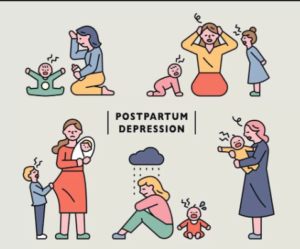
Becoming a mother often comes with an expectation of joy—but for many, the transition is quietly painful. Postpartum depression doesn’t always look like tears or collapse; it can be subtle, internal, and easy to miss. Below are 14 less-visible signs that a new mother may be struggling—symptoms that deserve attention, validation, and timely support.
Emotional numbness instead of sadness
One of the most misunderstood signs is emotional numbness. Rather than crying, a mother may describe feeling empty, emotionally flat, or detached from herself. She may go through caregiving tasks mechanically—feeding, changing, soothing—without emotional engagement. Example: she can list the baby’s needs and routines but cannot recall the last time she felt moved by the baby’s smile.
“Functioning” but feeling dead inside
Many mothers appear high-functioning: they care for the baby, manage the home, and socialise with a smile. Internally, they may be exhausted, emotionally drained, mentally foggy, and disconnected from meaning. Example: friends comment on how “together” she seems, while she struggles to find purpose in daily life.
Persistent irritability and low frustration tolerance
Depression can intensify anger and irritability rather than soften emotion. Silent PPD may show as constant irritation, snapping at loved ones, or feeling overwhelmed by small tasks, often followed by intense guilt. Example: a small scheduling hiccup triggers disproportionate anger and immediate shame afterward.
Excessive guilt without a clear reason
Guilt is common and often disproportionate: feeling she’s never doing enough, failing her baby, or that others are better mothers. This chronic guilt erodes self-worth and fuels negative self-talk. Example: despite supportive feedback, she continues to ruminate over minor caregiving decisions.
Anxiety disguised as “being a careful mother”
Anxiety co-occurs frequently and is often normalized as responsible parenting. Signs include constant worry about the baby’s health, difficulty relaxing, repetitive “what if” thinking, and physical tension. Example: routine fussing becomes a health catastrophe in her mind, requiring repeated checking.
Difficulty sleeping even when the baby sleeps
Beyond normal newborn-related sleep loss, PPD involves insomnia or restless sleep: lying awake despite exhaustion, waking with racing thoughts, or feeling unrefreshed after sleep. This hyperarousal reinforces anxiety and fatigue. Example: she can’t fall back asleep after nighttime feeds because her mind replays fears and mistakes.
Loss of interest in the self (not just hobbies)
PPD can cause a deeper withdrawal from self-care: neglecting hygiene, feeling undeserving of care, or not wanting to be seen. This is often misread as noble sacrifice. Example: she avoids mirrors, skips showers, or stops wearing clothes that make her feel human.
Feeling like a stranger to yourself
Many mothers say, “I don’t recognize myself anymore.” Rapid identity shifts after childbirth can lead to depersonalization or a sense of disappearance when there’s no time to grieve role changes. Example: she looks at photos and doesn’t connect with the woman in them.
Emotional detachment from loved ones
Withdrawal may be emotional rather than physical: avoiding conversations, feeling unseen by a partner, or losing interest in intimacy. This internal detachment can be invisible to observers. Example: she’s in the same room as her partner but feels emotionally absent.
Cognitive fog and poor concentration
Persistent forgetfulness, slowed thinking, and difficulty focusing go beyond “mom brain.” These cognitive changes impair decision-making and daily tasks. Example: she misplaces items frequently and finds simple planning exhausting.
Physical symptoms without medical explanation
Headaches, body aches, digestive problems, and chronic fatigue often accompany PPD. When tests are normal, emotional distress is frequently the root cause. Example: repeated GP visits for pain return clear results but symptoms persist.
Feeling trapped or wanting to escape
Escape thinking—“I just want a break” or “I want to disappear”—is a hidden expression of overwhelm. These thoughts don’t always mean intent to harm; they signal urgent need for relief. Example: she fantasizes about leaving for a weekend alone to breathe but feels guilty imagining it.
Inability to feel joy, even during “happy” moments
Anhedonia—attending events without feeling pleasure—is a core depression symptom. Outward participation masks inner emotional emptiness. Example: she claps at milestones but feels nothing inside.
Over-identification with the baby and loss of boundaries
Silent PPD can also show as over-functioning: hypervigilance, difficulty leaving the baby even briefly, and ignoring personal needs. This behavior is often driven by anxiety and fear, not secure attachment. Example: she refuses short breaks because the thought of separation causes panic.
Why these symptoms are ignored
These symptoms often fly under the radar because they rarely disrupt others immediately, fit cultural expectations of maternal sacrifice, and are minimized by language like “hormones” or “normal adjustment.” Time pressures and sleep loss reduce help-seeking, and routine healthcare visits may miss nontraditional signs like numbness or irritability. Families and clinicians need to listen beyond visible sadness—ask about numbness, guilt, anger, concentration, sleep quality, and persistent worry—and offer concrete supports (respite care, practical help, validation, and referral for assessment) so quiet suffering can be recognised and treated.

Postpartum Depression vs Baby Blues (Silent Edition)
| Feature | Baby Blues | Silent Postpartum Depression |
|---|---|---|
| Duration | Up to 2 weeks | Weeks to months |
| Visibility | Emotional | Often hidden |
| Functioning | Mostly intact | Functioning but drained |
| Recovery | Spontaneous | Needs support |
How Silent Postpartum Depression Affects the Baby
- Silent postpartum depression can reduce a mother’s emotional responsiveness and consistency in caregiving, making it harder to read and meet a baby’s cues for comfort, feeding, and play. Subtle signs include delayed or muted facial expressions, less vocal affection, and slower or inconsistent responses to crying.
- This may affect the infant’s sleep and feeding patterns (more frequent night waking, feeding difficulties, or under/over-feeding), reduce opportunities for calming interactive routines, and hinder the baby’s developing ability to self-soothe and regulate emotions.
- Over time, limited emotional attunement can influence attachment formation and social-emotional development, increasing the risk for behavioral or regulatory difficulties in infancy and early childhood. These outcomes are risk-related, not deterministic—many infants remain resilient when given support.
- Other indirect impacts include increased family stress and strained partner relationships, which can reduce the household’s capacity to provide stable, responsive caregiving. Financial or practical strains caused by untreated depression may also reduce access to resources that support infant development.
- Early recognition and timely support—practical help with caregiving, psychotherapy for the parent, peer support groups, and, when appropriate, medication—typically restore parental sensitivity. With treatment, parent–infant interaction, feeding and sleep routines, and developmental trajectories often improve.
- Simple interventions that help the dyad immediately include coached parent–infant interactions (video-feedback or infant massage), predictable routines, short periods of restorative rest for the parent, and involving other caregivers to ensure the baby receives consistent, responsive care while the parent recovers.
Why Early Recognition Matters
- Untreated postpartum depression can become chronic, making recovery slower and increasing the chance of future depressive episodes.
- It can strain partner and family relationships through reduced communication, irritability, withdrawal, or sexual disengagement, which in turn limits the support a mother needs.
- PPD undermines maternal self-esteem and identity, reinforcing negative self-beliefs that interfere with help-seeking and parenting confidence.
- Children can be affected through reduced emotional attunement and inconsistent caregiving, which may influence attachment, emotional regulation, and behaviour—risks that are greater the longer depression goes unrecognized.
- Early recognition and timely support (practical help, therapy, peer support, and medical treatment when indicated) shorten symptom duration, protect relationships, and improve outcomes for both mother and child.
What Helps Silent Postpartum Depression Heal
Healing from silent postpartum depression begins with recognition and small, practical steps—not dramatic rescues. Because these symptoms are often internal and easy to normalize, mothers and families need clear, compassionate options that restore safety, calm, and daily functioning. Below are evidence‑based approaches—from therapy and nervous‑system regulation to practical help and medical care—that work together to relieve symptoms and rebuild parent–infant connection.
Psychological therapy:
Evidence-based therapies help rewrite unhelpful thoughts, repair relationships, and restore daily functioning. Options include Cognitive Behavioral Therapy (CBT) for mood and anxiety symptoms, Interpersonal Therapy (IPT) to address role changes and relationship stress, and trauma‑informed counseling when birth or past trauma is involved. Short-term, focused therapy and mother‑infant interventions (video-feedback, attachment work) both reduce symptoms and improve parent–infant interaction.
Emotional validation and social support:
Simple acts—listening without judgment, naming the mother’s experience, and offering practical help—reduce shame and increase the likelihood of seeking treatment. Peer support groups or peer‑led programs connect mothers who understand the nuances of quiet suffering.
Nervous‑system regulation and self‑care:
Interventions that calm hyperarousal improve mood and sleep. Strategies include structured sleep support (shared caregiving, naps when possible), gentle movement (walking, restorative yoga), breathwork/mindfulness practices, and lowering unrealistic expectations. Small, consistent routines and sensory soothing (warm baths, massage, calm lighting) help the nervous system reset.
Practical supports:
Concrete help—respite care, help with chores, meal support, and breastfeeding assistance—reduces overwhelm and creates space for recovery. Partner and family education about invisible symptoms improves response and lessens conflict.
Medication and medical management (when needed):
Antidepressant treatment, including SSRIs, may be recommended for moderate–severe PPD or when psychotherapy alone is insufficient. Medication decisions should be made with a provider experienced in perinatal mental health, discussing breastfeeding, side effects, and monitoring. For some, hormone therapy or sleep-focused medical interventions may also be appropriate.
Combined and stepped care:
Many people benefit from a combination of approaches (therapy + social support +, if needed, medication). Stepped care models—starting with low‑intensity support and escalating as required—improve access and outcomes.
Parent–infant interventions:
Programs that coach caregivers in reading infant cues, increasing sensitive responding, and creating predictable routines (video‑feedback, infant massage, attachment-based programs) support both recovery and the baby’s development.
Safety planning and crisis care:
If there are thoughts of harming oneself or the baby, immediate professional help is essential—call emergency services, a crisis line, or the treating clinician. A brief safety plan (who to call, steps to stay safe, removing means) can be lifesaving while arranging care.
Practical example: If you notice emotional numbness or persistent irritability, start with one practical step: ask a trusted person to cover two 2-hour blocks in the week so you can nap, shower, or attend a therapy session. Pair that with a single referral—an online CBT program, a perinatal support group, or a GP appointment—to begin support.

When to Seek Immediate Help
Seek immediate help if you notice any of the following—these are signs of crisis, not weakness:
- Thoughts of harming yourself or the baby, or imagining ways to do so.
- Any plan, intent, or access to means that could be used for self-harm.
- Persistent, complete emotional numbness or disconnection that makes it impossible to feel or respond to daily needs.
- Inability to function: unable to care for the baby’s basic needs, maintain personal safety, or look after yourself (e.g., not eating, not sleeping at all, losing bladder/bowel control).
- Severe agitation, panic, or confusion that prevents safe decision‑making.
- Sudden worsening of symptoms (rapid onset of hopelessness, psychotic symptoms, or thoughts you can’t control).
If any of these occur:
- Stay with the person if it’s safe, remove immediate means of harm if possible, and call emergency services or go to the nearest emergency department.
- Contact the treating clinician, perinatal mental health team, or a crisis/suicide hotline right away. In India, you can contact local emergency services or national helplines; if abroad, call local emergency numbers or your national suicide prevention lifeline.
- If you’re a partner, friend, or family member: take statements seriously, avoid minimizing feelings, and help arrange urgent professional care.
- Create a brief safety plan: who to call, where to go, steps to stay safe, and immediate practical supports (trusted adult to stay with the mother, childcare coverage).
Asking for help is an act of care—urgent intervention saves lives and allows recovery to begin.
Breaking the Silence Around Maternal Mental Health
Postpartum depression thrives in silence. Awareness, compassion, and conversation reduce suffering. No mother should feel invisible during one of life’s most vulnerable transitions.
Conclusion: Quiet Pain Still Deserves Care
Postpartum depression does not always cry loudly. Sometimes, it whispers—through numbness, guilt, exhaustion, and emotional disconnection.
These silent symptoms are real, common, and treatable.
If you recognize yourself in these words, know this:
You are not weak. You are not failing. You are not alone.
Help exists—and healing is possible.
FAQ
How is silent postpartum depression different from the “baby blues”?
Silent PPD lasts longer (weeks to months), interferes with daily functioning, and includes symptoms beyond transient tearfulness—such as numbness, persistent irritability, chronic guilt, cognitive fog, or anxiety. Baby blues typically resolve within two weeks and don’t substantially impair functioning.
I don’t cry—could I still have postpartum depression?
Yes. Many mothers with PPD don’t show visible sadness. Emotional numbness, loss of interest, persistent worry, irritability, or feeling like a stranger to yourself are common and valid ways PPD can appear.
What should a partner or family member look for?
Look beyond tears: notice persistent changes in mood, withdrawal, constant irritability, poor concentration, disrupted sleep even when the baby sleeps, decreased self-care, or repeated physical complaints without medical cause. Ask gentle questions, validate feelings, and offer concrete help (time off caregiving, chores, meals).
When should a mother seek professional help?
Seek help if symptoms last longer than two weeks, worsen, or interfere with daily life and caregiving. Get immediate support for any thoughts of self-harm or harming the baby, complete inability to function, or sudden severe symptom changes.
Will treatment affect breastfeeding or the baby’s health?
Many evidence-based treatments are compatible with breastfeeding. Psychotherapy (CBT, IPT) is safe and effective. Some medications are also considered safe during breastfeeding; decisions should be made with a perinatal-aware clinician who can weigh risks and benefits and monitor treatment.
What practical things can help right away at home?
Small, concrete supports make a big difference: arrange short caregiver breaks for naps or showers, accept help with meals/chores, set predictable routines, prioritise short restorative rest, try gentle movement and grounding exercises, and connect with a peer support group or counselor.
Can silent PPD affect my baby long-term?
Untreated PPD can reduce parental emotional attunement and consistency, which may increase risk for early regulatory or attachment difficulties. These are risk-related, not certain outcomes. Early recognition, practical supports, and treatment restore parental sensitivity and significantly improve child developmental trajectories.
Reference
-
World Health Organization (WHO) – Maternal Mental Health
🔗 https://www.who.int/teams/mental-health-and-substance-use/promotion-prevention/maternal-mental-health
Anchor text: maternal mental health worldwide -
American Psychological Association (APA) – Postpartum Depression
🔗 https://www.apa.org/monitor/2019/02/postpartum-depression
Anchor text: clinical overview of postpartum depression -
NHS – Postnatal Depression
🔗 https://www.nhs.uk/mental-health/conditions/post-natal-depression/overview/
Anchor text: postnatal depression symptoms and treatment - Postpartum Depression: Signs New Mothers Often Ignore
- Contact Us
This article is written for knowledge purposes, aiming to help readers understand the topic better and gain useful insights for learning and awareness.