

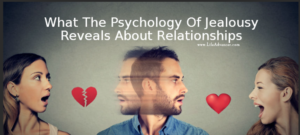
Jealousy is one of the most powerful and misunderstood human emotions. It can appear in relationships, friendships, family systems, workplaces, or social settings. People often hide their jealousy out of shame because society labels it as “immature,” “toxic,” or “insecure.” But psychologically, jealousy is neither unnatural nor shameful — it is instinctive, deeply rooted, and wired into the human emotional system for survival.
Yet, when jealousy becomes intense, obsessive, or irrational, it turns into insecurity, fear, and emotional instability that can damage relationships and self-worth.
This article explores:
-
What jealousy really is
-
The psychology and biology behind it
-
How childhood, trauma, and attachment impact jealousy
-
Hidden signs of jealousy people don’t notice
-
Why some people feel jealousy more intensely
-
Jealousy in romantic relationships
-
Jealousy in friendships and social circles
-
How to overcome jealousy and build emotional security
Let’s explore the full psychology of jealousy in a clear, compassionate, and science-backed way.
What Is Jealousy? (The True Psychological Definition)
Most people confuse jealousy with envy.
✔ Envy = You want what someone else has.
✔ Jealousy = You fear losing what you already have.
For example:
-
You feel envy when your friend buys a new car.
-
You feel jealousy when your partner talks to someone attractive.
Jealousy is a protective emotional response triggered by the fear of loss, especially emotional loss.
Psychologists define jealousy as:
A complex emotional reaction involving fear, insecurity, threat perception, and attachment anxiety triggered when someone feels that a valued relationship may be at risk.
Jealousy is common in:
-
Romantic relationships
-
Friendships
-
Sibling dynamics
-
Workplace environments
-
Social media circles
It is not the emotion itself that is harmful — it’s how we respond to it.

Why Jealousy Exists (Evolutionary Psychology)
From an evolutionary standpoint, jealousy served survival functions.
1. Protection of Bonds
Early humans depended on stable bonds for survival:
-
Food
-
Shelter
-
Protection
-
Childrearing
Jealousy protected these bonds from threats.
2. Protection from Abandonment
Feeling insecure kept early humans vigilant.
Losing a group or partner meant death in prehistoric times.
3. Reproductive Strategy
Evolutionary psychology suggests:
-
Men feared losing sexual exclusivity.
-
Women feared losing emotional or resource support.
Though societies have evolved, the emotional wiring remains the same.
The Biology of Jealousy (How the Brain Reacts)
Jealousy activates various brain systems:
1. Amygdala — the fear center
Triggers anxiety, fear of loss, and emotional reactions.
2. Prefrontal Cortex — the rational mind
Tries to analyze threats but often gets overridden.
3. Dopamine System — reward circuitry
Attachment and love release dopamine. Threats to this bond cause withdrawal-like symptoms.
4. Cortisol — the stress hormone
Spikes when we fear losing emotional security.
5. Mirror Neuron System
Creates emotional comparisons, leading to jealousy and insecurity.
This explains why jealousy feels physically intense:
-
Chest pain
-
Stomach knots
-
Shaking
-
Sweating
-
Racing thoughts
Jealousy is not “just insecurity” — it is a full-body emotional alarm.
Jealousy vs Insecurity: Understanding the Difference
Jealousy is an emotion.
Insecurity is a belief system.
✔ Jealousy says: “I’m scared of losing you.”
✔ Insecurity says: “I’m not good enough for you.”
Jealousy is temporary.
Insecurity is long-term and rooted in deeper wounds.
In many people, jealousy happens because insecurity already exists.
What Triggers Jealousy? (The Psychological Layers)
1. Fear of abandonment
The biggest trigger.
“If they find someone better, they’ll leave me.”
2. Low self-esteem
Believing others are “better” or “more attractive.”
3. Past trauma
-
Being cheated on
-
Being abandoned
-
Having emotionally absent parents
4. Comparison
Seeing someone more successful, beautiful, or confident.
5. Lack of emotional safety
When relationships lack communication, transparency, and stability.

6. Attachment Style
Your childhood impacts how you experience jealousy:
-
Anxious attachment → intense jealousy
-
Avoidant attachment → suppressed jealousy
-
Fearful attachment → chaotic jealousy
-
Secure attachment → low, manageable jealousy
7. Social Media
Social media intensifies jealousy through:
-
Highlight reels
-
Perfect bodies
-
Ideal couples
-
Online validation
-
DM interactions
8. Emotional deprivation
If emotional needs are unmet, jealousy becomes amplified.
Types of Jealousy (Psychology Recognizes 6 Forms)
Understanding the type of jealousy you experience helps in healing.
✔ 1. Normal Jealousy (Healthy Jealousy)
A natural response.
It helps protect boundaries and express needs.
Example:
Feeling uncomfortable when your partner gets too cozy with someone else.
✔ 2. Reactive Jealousy
Triggered by a real threat.
Example:
Your partner is flirtatious with someone.
✔ 3. Suspicious/Obsessive Jealousy
Triggered by imagined scenarios or overthinking.
Often connected to trauma, anxiety, or low self-worth.
✔ 4. Projection-Based Jealousy
Happens when you have guilt or fear and project it onto your partner.
✔ 5. Retroactive Jealousy
Jealousy of your partner’s past relationships or experiences.
✔ 6. Possessive/Controlling Jealousy
Leads to extreme behaviors:
-
Checking phones
-
Monitoring social media
-
Restricting freedom
This is dangerous and often abusive.
Hidden Signs of Jealousy People Don’t Recognize
Jealousy isn’t always dramatic.
Sometimes it’s subtle or disguised.
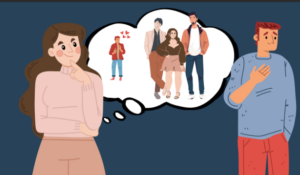
1. Overanalyzing their every action
“Why were they online?”
“Why didn’t they reply immediately?”
2. Feeling threatened by strangers
Even without any real reason.
3. Competing with others
Trying to be “better” than someone you feel threatened by.
4. Sudden irritability
Especially when they mention someone else.
5. Stalking social media
Checking who they follow, like, or engage with.
6. Needing constant reassurance
“Do you still love me?”
“Am I good enough?”
7. Feeling insecure around their friends
Especially more attractive or confident ones.
8. Micromanaging partner’s behavior
Not to control — but to protect yourself.
Jealousy often shows up as fear, not aggression.
The Psychology Behind Jealousy in Relationships
Jealousy in relationships often comes from deeper emotional needs.
1. Attachment Needs
We need to feel:
-
Loved
-
Preferred
-
Prioritized
-
Valued
Jealousy appears when these needs feel threatened.
2. Fear of Replacement
“If someone better comes along, you’ll replace me.”
This fear is common in those with past emotional wounds.
3. Fear of Betrayal
Those who were betrayed in past relationships carry emotional PTSD.
Even innocent actions trigger fear.
4. Dependency on Partner
If your entire emotional world revolves around a partner, any threat feels catastrophic.
5. Feeling Unworthy of Love
People with low self-esteem often believe:
-
“Why would they choose me?”
-
“They can do better.”
This mindset fuels jealousy.
Jealousy in Friendships (A Silent Emotional Pattern)
Friendship jealousy is often ignored, but it’s just as real.
Signs of friendship jealousy:
-
Feeling left out
-
Comparing closeness
-
Being upset when your friend bonds with someone else
-
Competing for attention
-
Anxiety when friendships shift
This often comes from fear of losing importance.
Jealousy in Work and Social Circles
Social jealousy comes from comparison and insecurity.
Work Jealousy:
-
Comparing success
-
Feeling inferior
-
Envying promotions
-
Overvaluing others’ talents
Social Circle Jealousy:
-
Feeling less attractive
-
Feeling overshadowed
-
Fear of being excluded
Why Some People Feel Jealousy Stronger Than Others
Various psychological factors cause heightened jealousy.
1. Childhood Emotional Neglect
When emotional needs were ignored, people crave reassurance.
2. Overprotective or Critical Parents
Creates fear of rejection and abandonment.
3. Trauma or Betrayal History
Cheating, abandonment, or emotional abuse intensifies jealousy.
4. Low Self-Esteem
The biggest root cause.
Believing “I’m not enough” triggers jealousy easily.
5. High Sensitivity
Highly sensitive people (HSPs) internalize emotional threats more deeply.
6. Anxious Attachment Style
Leads to constant fear of losing love.
How Jealousy Damages You
If unmanaged, jealousy creates:
-
Anxiety
-
Overthinking
-
Emotional exhaustion
-
Neediness
-
Loss of confidence
-
Self-criticism
-
Trust issues
-
Obsession
It prevents emotional peace.
How Jealousy Damages Relationships
Jealousy is one of the top relationship killers.
1. Trust Erosion
Constant suspicion destroys trust.
2. Communication Breakdown
Jealousy often leads to anger or withdrawal.
3. Emotional Distance
Partners feel judged or suffocated.
4. Toxic Cycles
Arguing → Apology → Reassurance → Jealousy again.
5. Resentment
Unmanaged jealousy creates long-term bitterness.

How to Overcome Jealousy (Science-Based Methods)
Healing jealousy is not about suppressing emotions —
it’s about understanding them.
Step 1: Acknowledge the Jealousy
Say:
“I am feeling jealous right now.”
Avoid denial — awareness is the first step.
Step 2: Identify the Trigger
Ask yourself:
-
“What exactly threatened me?”
-
“Is this fear based on reality or insecurity?”
-
“Is this reminding me of past hurt?”
Step 3: Trace the Root Cause
Jealousy often hides deeper wounds:
-
Fear of abandonment
-
Feeling unlovable
-
Low confidence
-
Past betrayal
-
Emotional neglect
Healing requires identifying the origin.
Step 4: Regulate Your Nervous System
Use techniques such as:
-
Deep breathing
-
Grounding
-
Progressive relaxation
-
Cold water therapy
Calm your body first — then your mind.
Step 5: Reality Check Your Assumptions
Ask:
-
“What evidence do I have?”
-
“Am I imagining scenarios?”
-
“Is this my insecurity speaking?”
Step 6: Build Self-Worth
Jealousy decreases as confidence increases.
Focus on:
-
Strengths
-
Achievements
-
Personal growth
-
Self-love
-
Independence
Step 7: Improve Communication
Say:
-
“I feel insecure when…”
-
“I need reassurance about…”
-
“Can we talk about boundaries?”
Healthy communication reduces jealousy.
Step 8: Heal Attachment Style
Work on becoming more secure through:
-
Therapy
-
Inner child healing
-
Emotional regulation training
-
Journaling
-
Mindfulness
Step 9: Avoid Comparisons
Comparison is a major jealousy trigger.
Limit social media if needed.
Step 10: Practice Trust
Trust is a skill.
Give your partner freedom
while maintaining emotional boundaries.

When Jealousy Becomes Toxic (When to Seek Help)
Seek help when jealousy leads to:
-
Constant suspicion
-
Checking phones
-
Controlling behavior
-
Explosive anger
-
Panic attacks
-
Extreme emotional dependency
-
Breaking boundaries
-
Obsessive thoughts
This level of jealousy may indicate:
-
Attachment trauma
-
Emotional insecurity
-
Past betrayal wounds
-
Anxiety disorders
Therapy can help unlearn these patterns.
Final Thoughts: Jealousy Doesn’t Make You Weak — It Makes You Human
Jealousy is natural.
Insecurity is normal.
Fear of loss is instinctive.
The goal is not to remove jealousy —
but to transform it into emotional awareness and secure connection.
You can learn to:
-
Understand jealousy
-
Control it
-
Heal it
-
Communicate it
-
Grow from it
-
Strengthen relationships through it
Remember:
Jealousy is not the problem.
Unexpressed insecurity is.
Unhealed wounds are.
Unmet needs are.
When you understand your jealousy,
you understand your deepest emotional needs —
and that is where true healing begins.
Reference
-
American Psychological Association – Jealousy & Emotions
https://www.apa.org/monitor/2019/02/jealousy
-
Verywell Mind – Understanding Jealousy
https://www.verywellmind.com/understanding-jealousy-5210212
-
Psychology Today – Attachment Theory
https://www.psychologytoday.com/us/basics/attachment
-
Harvard Health – Emotional Reactions & the Brain
https://www.health.harvard.edu/mind-and-mood/emotions-and-the-brain
-
NIMH – Anxiety & Emotional Stress
https://www.nimh.nih.gov/health/topics/anxiety-disorders - Why Modern Relationships Fail: Attachment Theory Explained
- Contact Us