The parenting process is an important factor that contributes to the development of a child in terms of his or her emotional, social and behavioural aspects. Although parents aim at ensuring the safe and supportive conditions, they are often exposed to various stressors that include financial hardship, career, relationship issues, and everyday parenting demands.
In case such stressors overwhelm, they have the ability to influence the emotional availability of a parent, his or her patience and the overall parenting style. Children are very sensitive to the attitude and behaviour of their caregivers and parental stress may impact on the way children think, feel and act in a significant way. It is critical to comprehend the effects of parental stress as the way of ensuring healthy child development and enhancing parent-child relationships.
Understanding Parental Stress

Parenting is a very fulfilling process that is associated with various duties and stress. Parental stress occurs when parents are subjected to constant stress as a result of financial hardships, job stress, relationship problems, ill health, or social isolation or isolation. This stress may have a huge impact not only on the mental and emotional health of the parent but also on the psychological and behavioural growth of the child.
The emotional status of parents is very sensitive to children. They watch, internalise, and tend to emulate the feelings of their parents. The sense of security and the behavioural pattern of the child can be directly affected when the parents are often overwhelmed or not emotionally available.
Key Aspects of Parental Stress and Its Influence on Children
1. Emotional Transmission
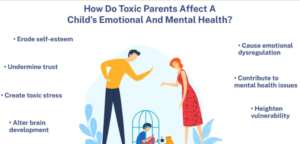
Parents tend to transfer their feelings, which are frequently reflected by children. Children who witness anxiety, anger, or frustration frequently in their parents will develop comparable responses to it and have problems with emotional regulation.
2. Changes in Parenting Style
Stress by parents may result in irregular parenting. There are the parents who can be too strict or authoritarian, and others who can be emotionally distant or permissive, which can influence the behavioural development of a child.
3. Less Emotional availability.
Parents with the stress cannot easily be able to offer emotional warmth, attention, and reassurance. Children who are not responsive may become insecure and lack of emotional support.
4. Heightened Parent Child Contention.
Stress usually leads to lack of patience and tolerance and this predisposes more conflicts, arguments and harsh discipline, which may destroy the emotional status of a child.
5. Influence on the Child and his or her feeling of security.
Children need parents as a source of stability and safety. Children can be characterised by anxiety, fear, or behavioural problems when the stressful environment established by the parents is unpredictable or tense.
6. Coping Mechanisms Modelling.
Children are taught to cope as they observe their parents. In case the parents deal with stress using the unhealthy habits of being angry, avoiding, or withdrawing, children can develop the same maladaptive coping skills.
How Parental Stress Affects Child Behavior
1. Increased Emotional and Behavioral Problems

2. Insecure Attachment and Emotional Instability

3. Poor Social and Academic Performance
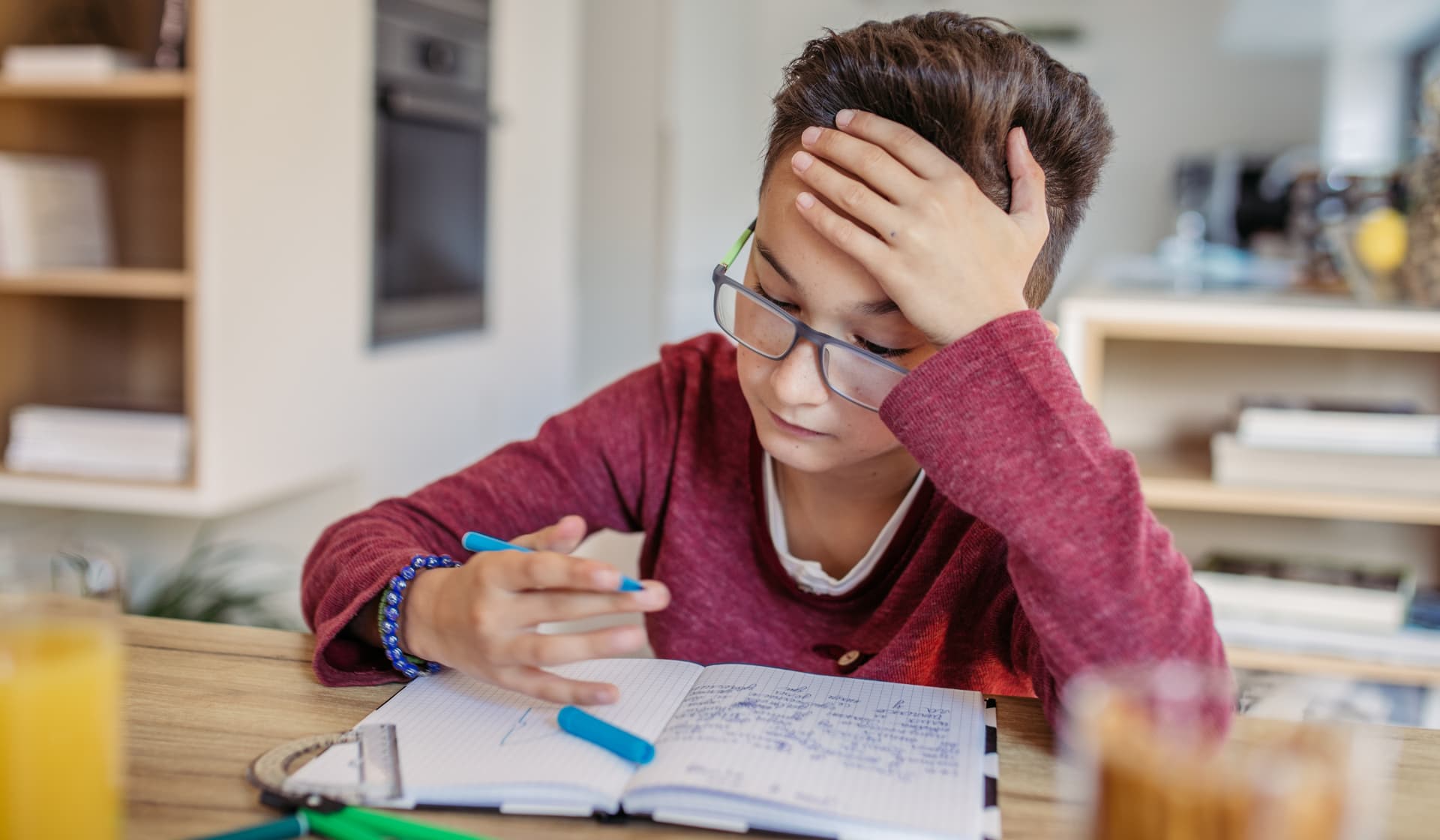
4. Development of Maladaptive Coping Mechanisms

Long-Term Psychological Impact
If parental stress is not resolved, then it can greatly predispose a child to diverse psychological and developmental problems. Children are very sensitive to the emotional environment and in case parents are always stressed, tense, or emotionally blocked, it tends to transfer the feeling of security and the general state of mind of a child. An elaborated description is given below with critical sub points:
1. High Risk of Anxiety and Depression.
The continuous stress that children are exposed to by their parents may result in an irregular emotional environment. Children can adopt such emotions when their parents often express worry, irritability or emotional withdrawal. In the long run, it can make them susceptible to anxiety disorders, low self-esteem, sadness, and depressive symptoms. The children will also become afraid or insecure of relationships and their environments all the time.
2. Conduct and Behavioural Problems Development.
Parental stress that has not been resolved can have an impact on parenting behaviour causing inconsistent discipline or harsh responses or a lack of emotional availability. This may lead to conduct issues showing themselves as aggression, defiance, impulsivity or inability to follow instructions in children. Children might also have difficulties in social relationship and be found to be incompetent in adapting to school settings.
3. Difficulties in Emotional Regulation.
Taking into account the experience with caregivers, children learn emotional regulation. In cases where the parents cannot cope with the stress on their side, they may inadvertently model behavioural patterns of conflict e.g. anger outburst, avoidance, or even the suppression of emotions. Consequently, this can make children struggle to recognise, communicate, and cope with their emotions, which affect their relationships and academic results.
4. Influence of Brain Development and Cognitive Functioning.
Exposure to chronic stress at a young age may alter the brain development of the child especially the part of the brain that controls emotions like prefrontal cortex and amygdala which are involved in controlling impulses and making decisions. The chronic stress can cause impairment of neural connectivity and the regulation of stress hormones, making an individual more susceptible to emotional instability, ineptitude in solving problems, and impairment in attention and learning.
5. Challenges on Long-Term Relationship and Attachment.
Children brought up in areas of high parental stress can be brought up insecure attachment patterns. They may find it difficult to trust, have emotional intimacy in future relationships and communication. This may have influence in friendships, romantic relationship and even in workplace during adulthood.
6. Enhanced Risk of Adaptive Coping Strategies.
Children who are subjected to continued stress levels on the part of parents might have unhealthy coping patterns that could include avoidance, withdrawal, risk-taking, or substance abuse in the future. These trends tend to crop up as efforts to cope with untreated emotional pain.
Factors That Moderate the Impact of Parental Stress
Not all children react to parental stress in the same way. Several protective factors can reduce its negative effects:
- Strong emotional bonding with at least one caregiver
- Supportive extended family or community
- Healthy communication within the family
- Positive parenting strategies
- Stable and predictable home environment
Strategies to Reduce the Negative Impact
-
Parental Self-Care: Managing personal stress through relaxation, hobbies, or professional support helps parents remain emotionally available.
-
Mindful Parenting: Responding calmly and understanding the child’s emotions promotes healthy emotional development.
-
Consistent Discipline: Setting clear boundaries with warmth and consistency builds security.
-
Open Communication: Encouraging children to express feelings strengthens trust and emotional resilience.
-
Seeking Professional Help: Counseling or parenting guidance can help parents develop stress management and positive parenting skills.
Conclusion
Parental stress is not a rare but a serious factor which affects the behaviour and the emotional development of children. Children also develop in a positive emotional and supportive atmosphere. Once parents learn to cope with stress, they do not only better themselves but they also provide a safe and supportive environment that promotes healthy behavioural and psychological development among children.
Frequently Asked Questions (FAQs) on Impact of Parental Stress on Child Behavior
1. What is parental stress?
Parental stress refers to the pressure and emotional strain parents experience while managing parenting responsibilities along with personal, financial, social, and professional challenges.
2. How does parental stress affect child behavior?
Parental stress can lead to behavioral problems in children such as aggression, tantrums, withdrawal, anxiety, and difficulty managing emotions.
3. Can children sense their parents’ stress?
Yes, children are highly sensitive to their parents’ emotional states and often observe and imitate their reactions and behaviors.
4. Does parental stress affect a child’s emotional development?
Chronic parental stress can affect a child’s emotional regulation, self-esteem, and ability to develop secure attachments.
5. Can parental stress impact a child’s academic performance?
Yes, children living in stressful home environments may face concentration difficulties, reduced motivation, and learning challenges.
6. Are younger children more affected by parental stress?
Younger children are often more emotionally dependent on parents, making them particularly sensitive to parental stress and emotional availability.
7. Can parental stress lead to mental health issues in children?
Prolonged exposure to parental stress may increase the risk of anxiety, depression, and behavioral disorders in children.
8. Does financial stress influence parenting and child behavior?
Financial stress can increase parental frustration, reduce emotional availability, and create an unstable home environment, which may affect child behavior.
9. How does marital conflict related to stress affect children?
Frequent parental conflicts can make children feel insecure, anxious, and emotionally distressed, sometimes leading to behavioral problems.
10. Can parental stress affect parent-child bonding?
Yes, high stress levels may reduce quality interaction time and emotional connection, weakening parent-child bonding.
11. Do children develop stress-coping skills by observing parents?
Children often learn coping strategies from parents. Healthy stress management by parents promotes positive coping skills in children.
12. How can parents reduce the negative impact of stress on children?
Parents can practice self-care, maintain open communication, seek social support, and adopt positive parenting strategies.
13. Is it normal for parents to experience stress?
Yes, parental stress is common. However, managing stress effectively is important for both parental and child well-being.
14. When should parents seek professional help?
Parents should seek counseling or professional support if stress becomes overwhelming, affects parenting, or leads to emotional or behavioral issues in children.
15. Can supportive family environments reduce the impact of parental stress?
Yes, emotional support from family members, stable routines, and healthy communication can protect children from the negative effects of parental stress.
Written by Baishakhi Das
Counselor | Mental Health Practitioner
B.Sc, M.Sc, PG Diploma in Counseling
Reference
-
American Psychological Association (APA)
https://www.apa.org -
Centers for Disease Control and Prevention (CDC) – Child Development
https://www.cdc.gov/ncbddd/childdevelopment -
World Health Organization (WHO) – Child and Adolescent Mental Health
https://www.who.int -
National Child Traumatic Stress Network
https://www.nctsn.org -
UNICEF – Parenting and Child Development
https://www.unicef.org/parenting - Role of Emotional Availability in Healthy Parenting
This topic performs well due to rising searches around men’s mental health, workplace stress, and burnout recovery. Combining emotional insight with practical steps increases engagement and trust.