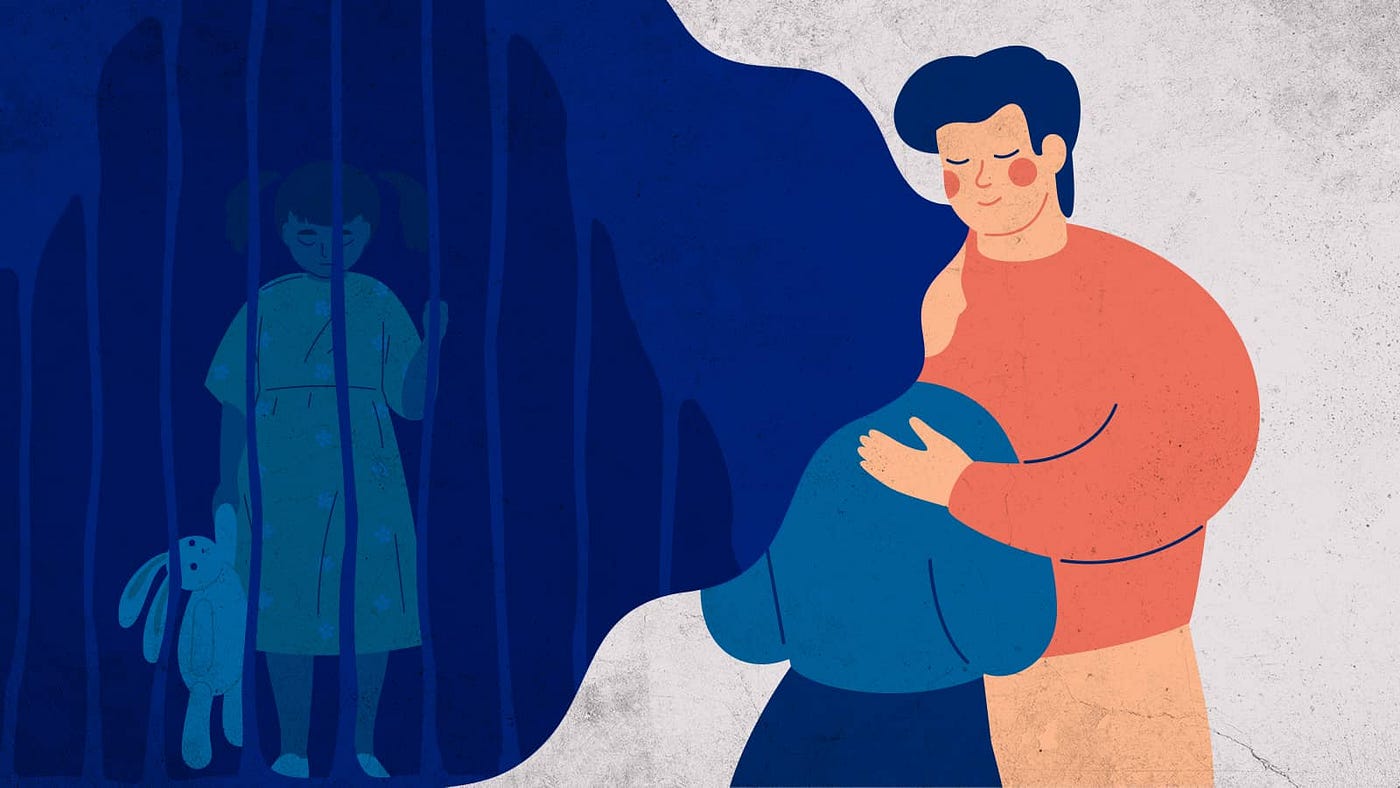
The conventional meaning of parenting is the process by which the adults are in charge of nurturing, guiding and supporting the emotional, physical, as well as psychological growth of children. In certain family settings, however, this is an inverted role structure. This phenomenon is termed parentification when children are dragged to play adult roles in the family set up. Even though some adaptive skills may be developed among the children as a result of this experience, in cases where parentification is excessive or chronic, there are serious psychological and emotional implications that might stay into adulthood.
What is Parentification?
A family role reversal involves parentification in which a child is supposed to perform the emotional or practical demands of their parents or siblings rather than being provided with the care that they should have during their respective developmental level. It is common in families that are affected by the stressors of financial hardness, mental health problems of parents, substance abuse, chronic conditions, or family discord.
Parentification is generally categorized into two major types:
1. Emotional Parentification
Parentification in emotional parenting is the reverse as the child is in charge of the emotional need of the parents or the care givers. The child can become someone to share with, become an in-between in times of parental disputes or even be a shoulder to lean on by frustrated parents. The child then learns with time how to override his or her emotional need to sustain the family.
2. Instrumental Parentification
Instrumental parentification is where children become responsible in either physical or practical chores in the home. These responsibilities can be taking care of their younger brothers or sisters or doing chores at home, financial management or providing care to sick or disabled family members. Although assisting in chores may facilitate maturity, too much burden may disrupt the normal development of childhood.
Causes of Parentification
Parentification does not occur randomly; it usually develops as an adaptive response to family circumstances. Some common causes include:
- Parental separation or divorce
- Chronic illness or disability of a parent
- Parental mental health disorders
- Substance abuse within the family
- Economic hardship and financial instability
- Death or absence of a caregiver
- Lack of extended family or social support systems
In such situations, children often step into caregiving roles to maintain family functioning and emotional balance.
Psychological Effects of Parentification
Parentification may have a psychological effect that may produce differing effects depending on the seriousness, the period and support system of the child. Other children will grow to be resilient, responsible and empathetic. But parentification in the long term/or excessively will cause emotional and psychological problems.
1. EMOTIONAL SUPPRESSION
Parentified children often learn to disregard or repress their own feelings since they have to take care of the needs of other people. It can result in the inability to express feelings and sense of personal emotional needs in the future.
2. ANXIETY AND CHRONIC STRESS
Adult duties at a tender age may form a continuous stress and anxiety. Children can experience continuous pressure to preserve stability in the family and this causes hyper-responsibility and fear of failure.
3. The inability to establish boundaries.
Adults who have gone through parentification tend to have problems saying no and tend to be too accommodative in a relationship. They can be guilty of focusing on their needs.
4. LOW SELF-WORTH
Parentified children can make a self worth depending on their level of caring towards others. In cases where they fail to match unrealistic expectations they might have a sense of guilt, shame, or inadequacy.
5. RELATIONSHIP CHALLENGES
The concept of parentification may affect adult relationships because it establishes over-caretaking, codependent, or inability to trust others to offer support patterns.
6. Deprivation of childhood life.
Children who face parentification would lack the chance to play, explore and socialise which are important in normal emotional and cognitive growth.
Possible Positive Outcomes
While parentification is often associated with negative consequences, some individuals develop positive traits such as:
- High empathy and emotional sensitivity
- Strong sense of responsibility
- Advanced problem-solving abilities
- Increased independence and maturity
However, these strengths should not overshadow the emotional burden that parentified children often carry.
Signs That a Child May Be Experiencing Parentification
Some indicators include:
- Excessive worry about family members
- Taking care of siblings or managing household responsibilities beyond age expectations
- Acting as emotional support for parents
- Feeling guilty when focusing on personal needs
- Showing unusually high maturity compared to peers
- Difficulty relaxing or engaging in age-appropriate activities
Long-Term Impact into Adulthood
Some of the problems that adults who underwent parentification could encounter include burnout, perfectionism, relationship imbalance, and emotional exhaustion. They can also have problems recognising their needs and wants, as they tend to consider the well-being of other people over their mental well-being.
Prevention and Healing
Addressing parentification requires awareness, emotional validation, and supportive interventions.
For Families:
- Encouraging age-appropriate responsibilities
- Seeking professional support during family crises
- Maintaining clear parent-child boundaries
- Providing emotional reassurance to children
For Adults Who Experienced Parentification:
- Engaging in psychotherapy or counseling
- Learning healthy boundary-setting skills
- Developing self-compassion and emotional awareness
- Reconnecting with personal interests and identity
Conclusion
Parentification is a family process that is complicated and is caused by children taking up the roles of adults at an early age. Although it can lead to some adaptive skills, long-term parentifying experience can have a strong influence on emotional well-being, identity and pattern of relationships. Early identification of the signs and providing the persons with the necessary psychological assistance can assist people in overcoming the adverse consequences of it and achieving a more decent level of interpersonal and emotional operations.
FAQs on Parentification and Its Psychological Effects
1. What is parentification in simple terms?
Parentification has been defined as a condition in which a child performs functions and duties traditionally performed by parents like emotional support or caregiving.
2. Always harmful parentification?
Not always. Children can be assigned responsibilities of a light nature, which can make them mature and empathetic. Nevertheless, over parentification or prolonged parentification may adversely influence the development of emotions and psychological growth.
3. What are the principal forms of parentification?
There are two main types:
Emotional parentification- It occurs when a child helps parents to meet their emotional needs.
Instrumental parentification- This is where a child is involved in physical or housework duties.
4. Why do families undergo parentification?
It can be as a result of sickness of parents, economic strain, divorce, use of drugs, family feud, or unsupportive systems.
5. What is the way parentification can influence a child on an emotional level?
It can result in emotional stifling, anxiety, stress, guilt and inability to comprehend personal emotional requirements.
6. Do parentified children, in the future, develop mental health problems?
Sure, they can be more susceptible to anxiety disorders, depression, burnout, or relationship problems in adulthood.
7. What are the indicators of a child undergoing parentification?
Symptoms will be over-responsibility, worrying about family members, emotional thinking that is above age, trouble with relaxation and feeling guilty when attending to personal needs.
8. What is the impact of parentification on development in childhood?
It also has the ability to disrupt play, social interaction, expression of emotions and identity formation which are fundamental to healthy development.
9. Is parentification going to have any effect on adult relationships?
Yes, people might have issues with boundaries, may be too responsible to others, or may become codependents in relationships.
10. Do older siblings have a greater parentification experience?
Yes, the elder siblings are sometimes expected to look after the younger children which also might result in parentification.
11. Do positive personality traits arise out of parentification?
Others also become very empathetic, strong, responsible, leaders as well as problem solvers.
12. What should parenting parents do so as to avoid parentification?
Parents are able to stay in their roles, share age-related responsibilities, offer emotional security, and find support when the family is falling.
13. What can adults do to overcome parentification in the course of childhood?
Therapy, learning of boundaries, the development of self-care habits, and self-awareness may help in the healing process.
14. Does parentification amount to emotional neglect?
In extreme situations, it may be associated with emotional neglect since emotional needs of the child are not taken into consideration.
15. Even when professional help is necessary?
Professional assistance is suggested in case parentification causes emotional distress, relationship issues, anxiety, depression, and inability to cope with daily life.
Written by Baishakhi Das
Counselor | Mental Health Practitioner
B.Sc, M.Sc, PG Diploma in Counseling
Reference
-
Hooper, L. M. (2007). The Application of Attachment Theory and Family Systems Theory to the Phenomenon of Parentification.
https://psycnet.apa.org -
Chase, N. D. (1999). Burdened Children: Theory, Research, and Treatment of Parentification.
https://www.taylorfrancis.com -
American Psychological Association – Family Dynamics and Child Development
https://www.apa.org -
Jurkovic, G. J. (1997). Lost Childhoods: The Plight of the Parentified Child.
https://www.routledge.com -
National Child Traumatic Stress Network – Family Stress and Child Development
https://www.nctsn.org - Impact of Parental Stress on Child Behavior
This topic performs well due to rising searches around men’s mental health, workplace stress, and burnout recovery. Combining emotional insight with practical steps increases engagement and trust.